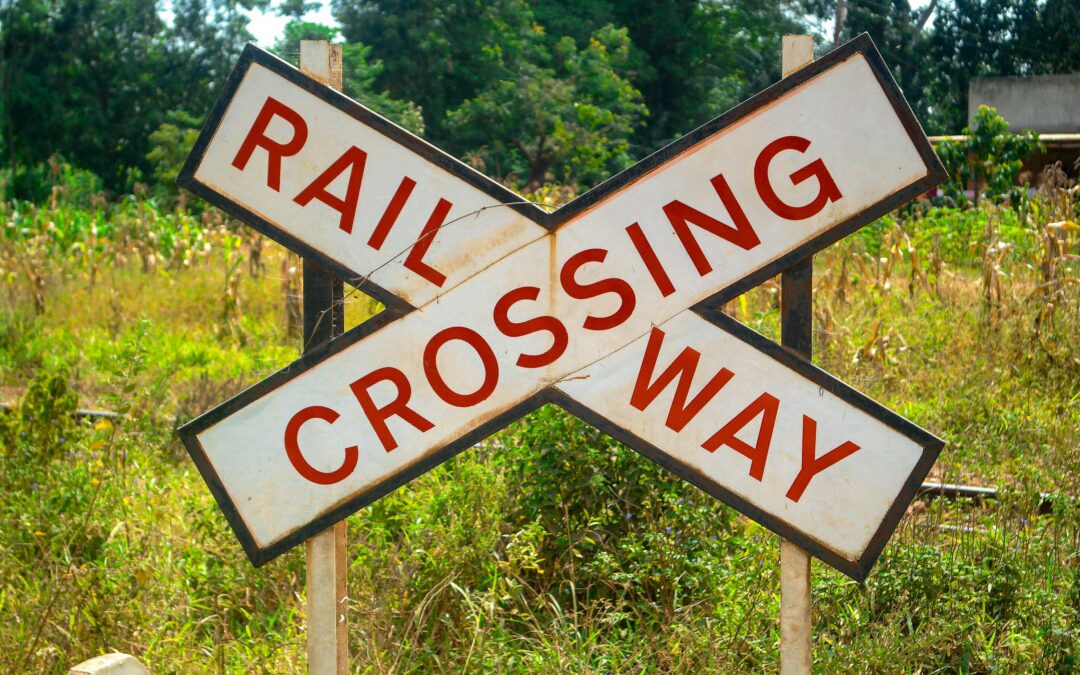
The U.S. Department of Transportation (DOT) is making $1.1 billion available for rail crossing safety projects nationwide, expanding a federal grant program focused on reducing collisions, improving traffic flow and separating roadways from train tracks.
The funding, administered through the Federal Railroad Administration (FRA) Crossing Safety Program, supports projects such as overpasses, upgraded warning systems and the closure of at-grade crossings. DOT officials are also emphasizing rail safety public education efforts, as more than 2,000 incidents and about 300 deaths occur at crossings each year in the U.S.
The FRA’s competitive discretionary grant program focuses on improving safety and mobility for both people and freight. State and local governments, metropolitan planning organizations, Tribal governments and other public entities are eligible to apply, according to the FRA’s Notice of Funding Opportunity (NOFO). Project applications are due June 8.
The FRA will give preference to projects that:
- Result in one or more grade-separated crossings
- Close grade crossings through track relocation
- Result in corridor-wide grade crossing improvements
- Include final design and construction stages under project guidance
- Build on projects previously funded through the Crossing Safety Program
Officials will assess applications based on technical qualifications, legal and financial capacity, project readiness, use of innovative approaches and the extent to which projects improve safety and mobility at grade crossings.
While federal funding for rail crossing safety dates back decades, the current program was established under the 2021 Infrastructure Investment and Jobs Act to expand investment in eliminating hazardous crossings. The projects are expected to reduce collisions and fatalities, improve traffic flow and support safer, more resilient infrastructure over the long term.
Photo by Frostee Lens Ug from Pexels
For more of the latest from the expansive government marketplace, check Government Market News daily for new stories, insights and profiles from public sector professionals. Check out our national contracting newsletter here.