Volume 16, Issue 44 - Wednesday, October 30, 2024 | |
By Mary Scott Nabers, CEO of Strategic Partnerships, Inc. | |
|
A new $4.2 billion funding allocation was announced this week, and the allocations will support the planning and pre-launch efforts of 44 new projects. This financial support comes from two major federal programs that provide MEGA and INFRA grants for infrastructure projects. The 44 projects that were selected primarily focus on bridge construction efforts, rail initiatives, roadway upgrades and the expansions of ports. Funding from both the MEGA and INFRA programs was made available because of the Bipartisan Infrastructure Law, which was passed by Congress in 2021.
Oregon’s International Port of Coos Bay received a $25 million grant to support the planning of a new intermodal port. The funding will support an environmental review and other efforts, including permitting, preliminary engineering and design. When the project is ready to launch, the object will be to deliver a new railyard, container yard, wharf and additional berths at the port. When completed, the intermodal terminal will be the first fully ship-to-rail port facility on America’s West Coast. A projected cost for the entire effort has been placed at $2.3 billion, and construction is planned for 2027.
New York City received $163.8 million to support a modernization initiative at the Brooklyn Marine Terminal. The project will include rebuilding some piers and replacing others. It will also include expansion work designed to enhance all traffic in and out of the campus where the terminal is located.
The project, when completed, will allow the port to service larger ships and allow cargo bound for Brooklyn and Long Island to be delivered directly by ship. It will provide new freight handling options and transform the terminal into a mixed-use hub. An environmental review will begin in 2025 to prepare for permitting, design and construction.
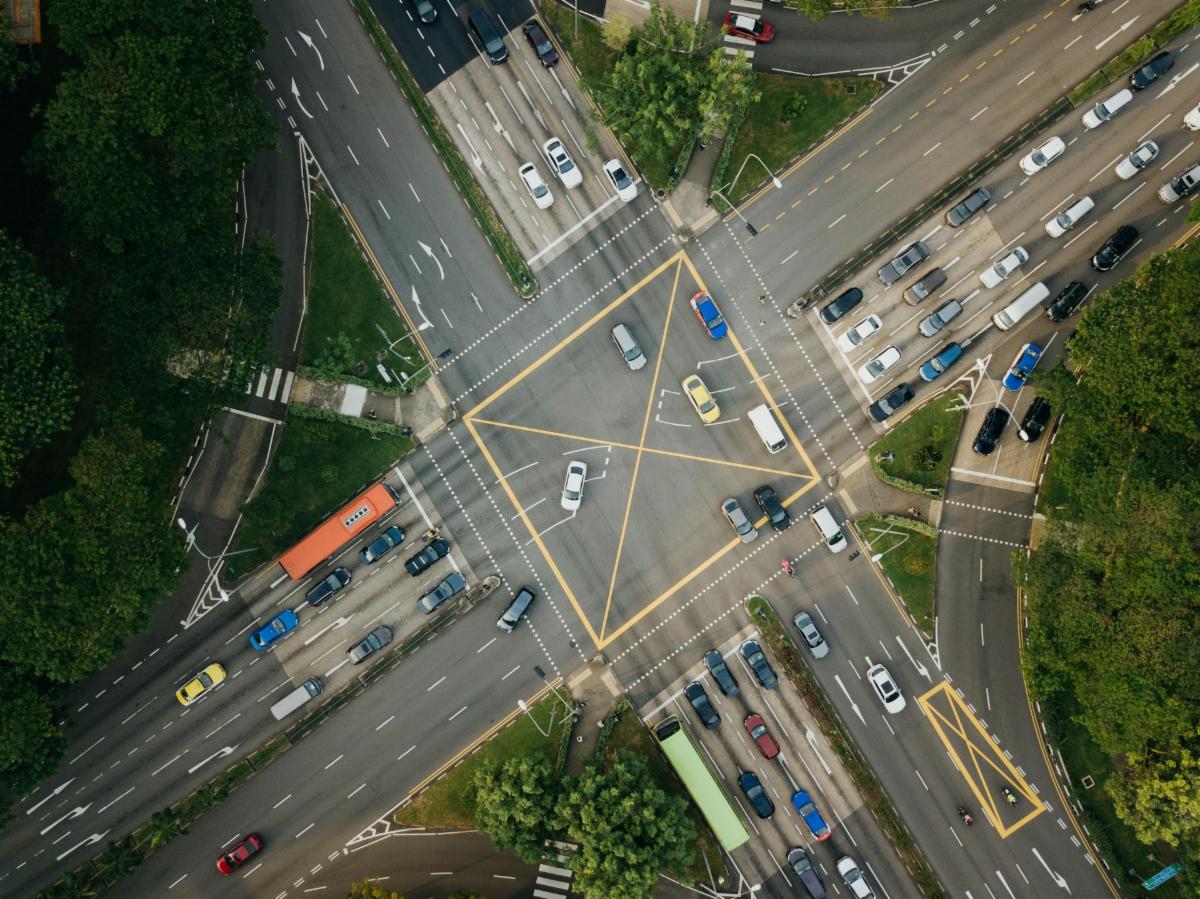
The Maricopa Association of Governments in Phoenix was awarded $146.6 million that will be used to prepare for construction of an intersection that will deliver upgrades and safer pathways around a six-legged highway intersection and two railroad crossings.
The work will include construction of an elevated intersection and new bridges above railroad crossings. Other project components will include expanding sidewalks, installing bus pull-outs, constructing bus shelters and enhancing accommodations for future high-capacity transportation. Solicitation documents to contractors will be published in 2026.
Click here for more.
| |
University of Wisconsin to rebuild, renovate, expand outdated business building | |
|
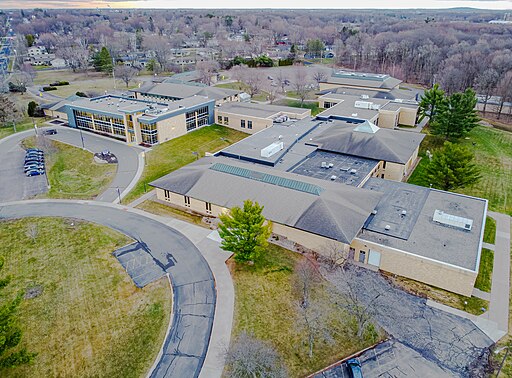
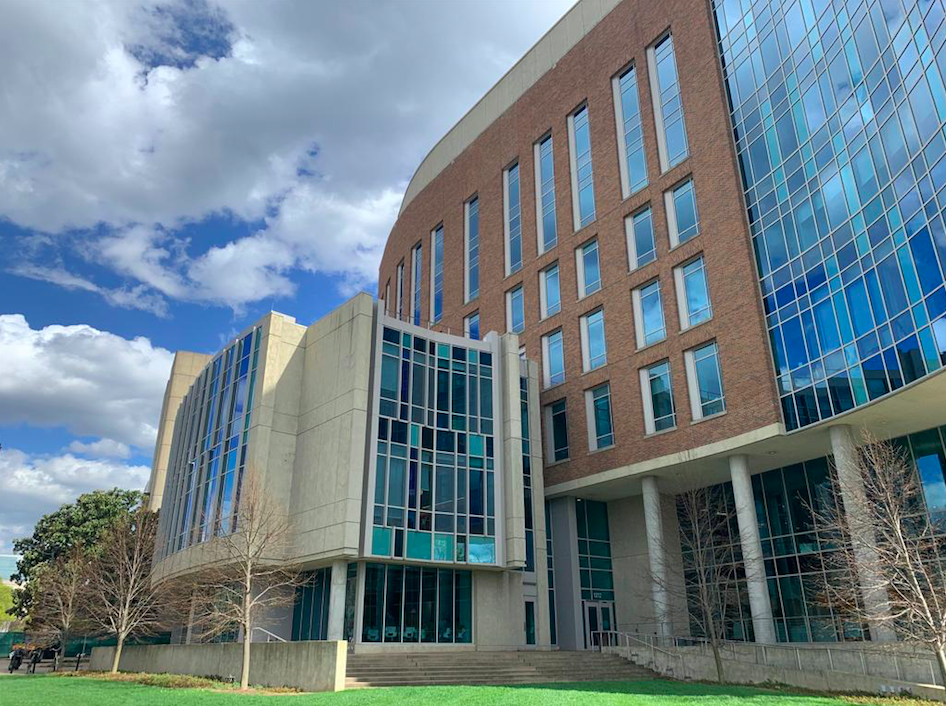
The University of Wisconsin at Stevens Point (UW-Stevens Point) will spend $98.1 million to renovate and expand an education center to provide additional space, improve infrastructure and enhance accessibility. Construction is expected to begin in October 2026.
Built in 1966, the Collins Classroom Center is physically and functionally obsolete for the university’s needs. UW-Stevens Point will transform and modernize the space, converting it to serve the Sentry School of Business. Plans include building a sustainable facility, including active learning classrooms, computing labs, data analytics areas, an applied marketing lab, a finance and investment lab and business economic insight space.
The project will fully replace the building’s HVAC system, associated equipment, distribution and controls. The university will demolish the mechanical penthouse and replace it with a mechanical space in the future southern addition to the building. The southern addition will also feature displaced building services space and mechanical, electrical and plumbing systems.
The university will re-grade the eastern courtyard among other site modifications to improve accessibility. The building will have prominent entrance points, an emergency power generator and connections to nearby courtyards and parking lots. Plans include relocated and replacing on-site utilities, including steam lines, steam utility pits, electrical and telecommunications pits.
UW-Stevens Point will reclad the entire building’s exterior skin to replace the existing inefficient envelope. The university will use the backup wall to the existing structure’s face to create a continuous thermal envelope to increase efficiency and alleviate heating and cooling systems. The project will also glaze the building, install large curtainwalls and light monitors.
(Photo courtesy of Wikideas1.)
| |
Oregon to combat pollution in transportation, buildings, landfills with $197 million grant | |
|
The Oregon Department of Environmental Quality (ODEQ) will receive $197.2 million from the Environmental Protection Agency (EPA) to reduce greenhouse gas (GHG) emissions across three of the state’s largest pollutant emitters.
ODEQ will implement 12 measures through the Climate Action Plan to combat ongoing pollution. These programs will target heavy- and light-duty electric vehicles, incentives for building decarbonization and smart development, reducing food waste and reducing methane from landfills. The state estimates the project will prevent 6.6 MMT of GHG emissions from entering the atmosphere between 2025 and 2050.
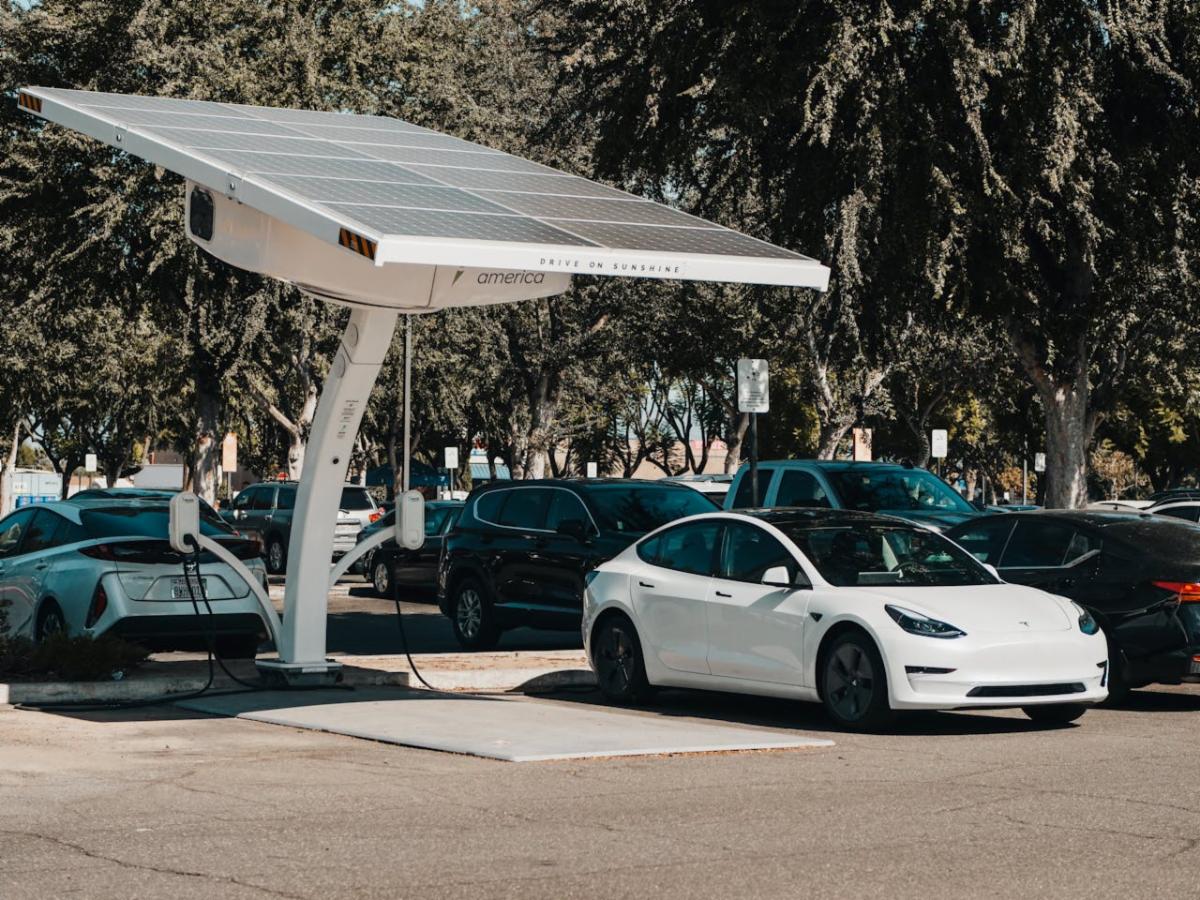
The project will install charging infrastructure for heavy- and light-duty electric vehicles (EV) across the state. Oregon will also provide zero emission rebates for vehicles of all classes and nearly 4,500 EV rebates to lower-income households.
ODEQ also will improve the efficiency of existing and new buildings. This includes building 10,000 affordable, high-efficiency rental housing units. The state will expand weatherization assistance for almost 3,000 homes, prioritizing low-income households in disadvantaged communities.
Additionally, ODEQ will install 12,000 heat pumps in buildings and homes across the state. Plans also include investing in composting, food waste recovery infrastructure and landfill methane controls at landfill sites.
The funds will advance the state’s Priority Climate Action Plan, a strategic initiative outlying objectives to reduce GHG emissions as much as possible over the next several years. The state will prioritize three sectors that contribute the most to GHG emissions – transportation, buildings and waste. The transportation industry alone accounts for 35% of emissions, followed by buildings contributing to a third of the state’s emissions and waste adding an additional 51 million metric tons (MMT) of CO2 emissions.
(Photo courtesy of Kindel Media on Pexels.)
|  | |
Cleveland receives nearly $60 million for North Coast Connector project | |
|
Cleveland is one step closer to its goal of safely connecting pedestrians and cyclists to the shore of Lake Erie.
The U.S. Department of Transportation (USDOT) has awarded the city of Cleveland nearly $60 million for the North Coast Connector project, which will transform sections of State Route 2 into a pedestrian-friendly boulevard.
The North Coast Connector is a proposed land bridge that would create a pedestrian- and bike-friendly path to connect downtown to the waterfront. It would pass above roads and railroad tracks, allowing people to walk and bike to attractions like the Rock & Roll Hall of Fame and the Cleveland Browns stadium.
The project is part of Cleveland’s Shore-to-Core-to-Shore vision, designed to provide safe and equitable connectivity between downtown Cleveland and the waterfront for all users and modes of transportation while also enabling economic redevelopment and revitalization along the lakefront.
The project is expected to break ground in 2027, with the first phase including demolition of the Main Avenue bridge span between W. 9th Street and Erieside Avenue, the construction of a widened pedestrian- and bike-friendly W. 3rd Bridge with a new intersection and pre-construction and construction of the new Shoreway Boulevard segment from W. 3rd Street to the E. 9th Street ramps.
(Photo courtesy of Lisa Chamberlain.)
| |
USDA provides $173 million to bring high-speed internet to remote, rural communities | |
|
The U.S. Department of Agriculture (USDA) is investing $172.8 million to connect rural areas in 10 states with high-speed internet.
Rural communities face some of the greatest challenges for accessing reliable, high-speed internet. Located in geographically isolated, remote or unserved regions, these communities lack the accessibility and infrastructure needed to support the quality of broadband support reserved for more densely populated urban areas.
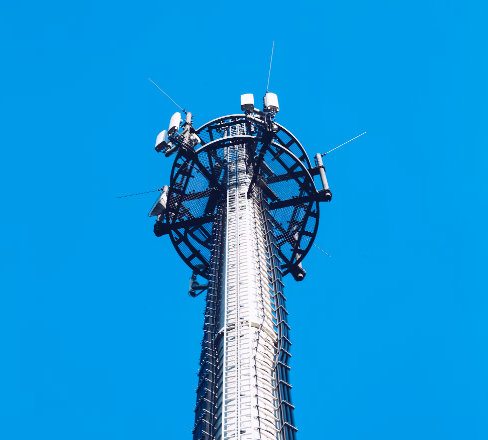
All projects selected through the ReConnect Program will deploy fiber-to-the-premises networks. The USDA anticipates the projects will benefit more than 8,000 residents, 179 businesses, nearly 900 farms and 12 educational facilities. Recipients will ensure that broadband infrastructure meets a 100 megabits per second symmetrical minimum service requirement in all service areas.
(Photo courtesy of Markus Spiske on Unsplash.)
| |
Illinois, Indiana split $117 million to improve grid resilience for underserved communities | |
|
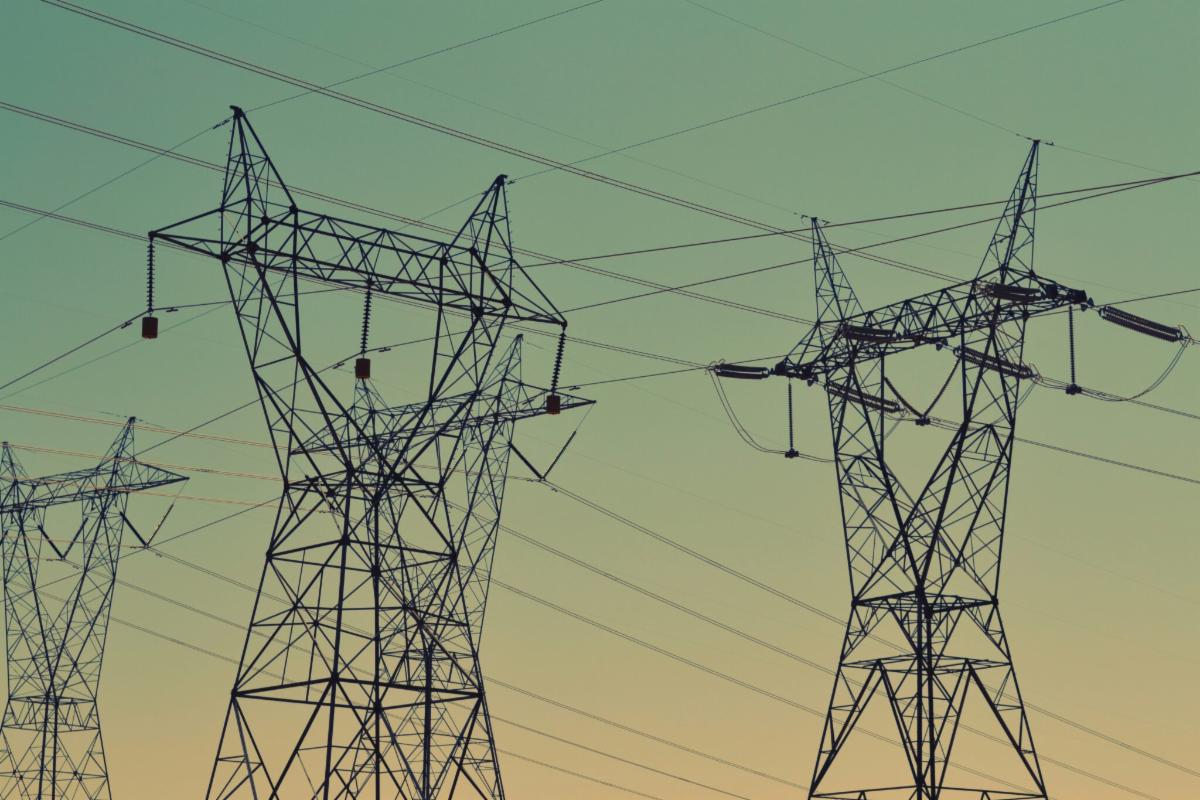
Two electric utility companies in Indiana and Illinois have been chosen to receive $116.9 million from the Department of Energy (DOE) to build grid resilience for disadvantaged communities in seven counties. The companies will match the share with $101.8 million.
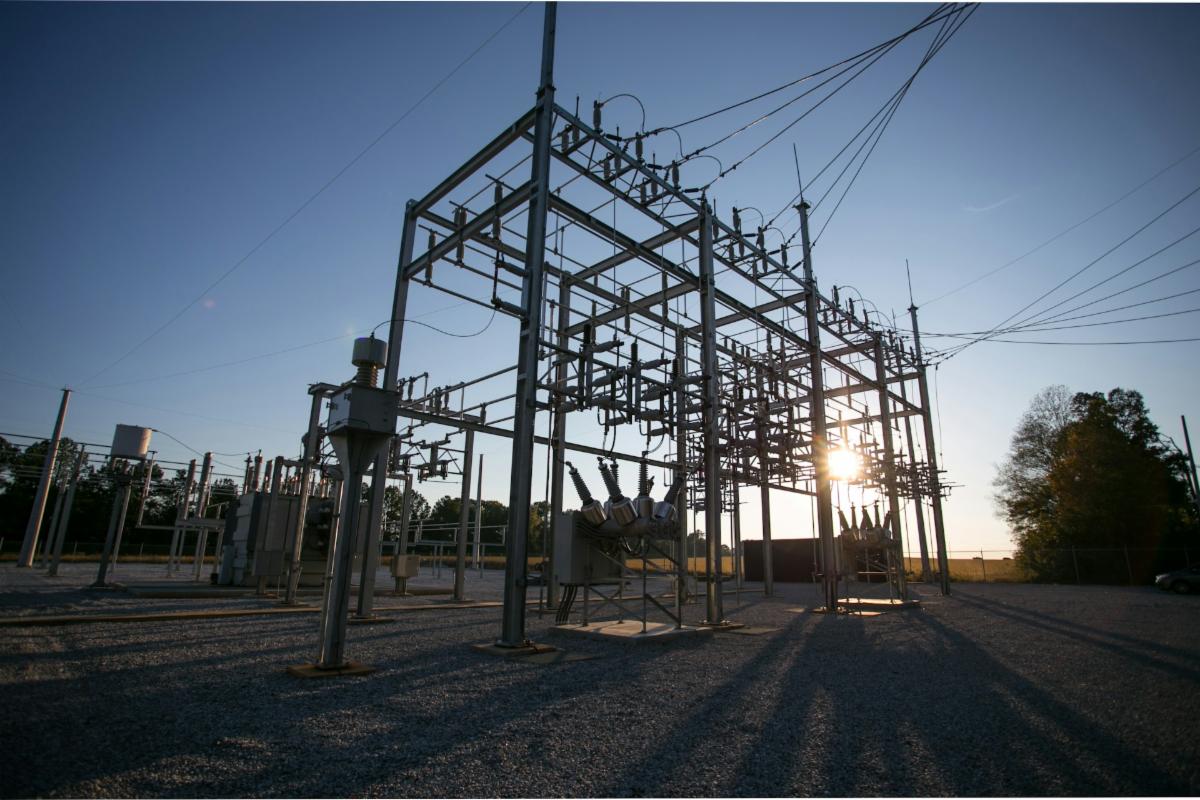
The companies will build transmission feeds to improve the resilience of 10 substations located across the two states. Extreme weather events have impacted the efficacy of these substations, resulting in more outages and unreliable power transmission. Plans include installing 69 kilovolt (kv) or 138 kv transmission feeds to loop transmission between the substations.
Once installed, the looped transmission will provide redundant connections to additional substations, ensuring the substations can operate under the worst conditions. Nearby communities will benefit from consistent access to affordable, clean energy. As part of the project, the companies will deploy advanced conductors to support the network with minimal line sag between substations.
(Photo courtesy of The American Public Power Association on Unsplash.)
| |
USDOT spurs transportation technology innovation with $97 million investment | |
|
The U.S. Department of Transportation (USDOT) is pushing the bounds of transportation innovation with a $96.5 million investment in technology-based, multimodal travel solutions. Recipients will use their share of the funds to develop solutions that increase safety and reduce travel times for drivers and transit riders across the nation.
The Advanced Transportation Technology and Innovation (ATTAIN) program will spur development of state-of-the-art technologies with the goal to reduce roadway fatalities to zero. State departments and municipalities will prioritize deployment in disadvantaged communities when implementing these technologies.
The recent allocation will support 20 innovation projects. Some of the notable recipients include:
The North Carolina Department of Transportation (NCDOT) will receive $11.9 million to deploy the Smart Signals in Our Communities project. Plans include interconnecting around 1,000 isolated and closed loop signals throughout the state. The project will implement advanced transportation management technologies to improve community mobility, safety and resiliency.
The city of Pomona, California, will spend $10.6 million to create the first of fourteen super-tech corridors. The city has selected 5.3 miles along two major corridors to integrate advanced transportation technologies into. The project will develop a regional hub of information for more than 130 cities in Los Angeles and Orange County.
Louisiana will receive $9.8 million to leverage emission and equity credit engine technologies to support mobility in rural areas. The Advanced Mobility Service will serve critical transportation needs, using shared mobility solutions and transportation carbon credits to maintain a sustainable service framework. The project will create a self-sustaining public transportation system to increase healthcare accessibility and equity for rural communities.
Vanderbilt University, Tennessee, will spend $8.7 million to connect four major cities through integrated multimodal mobility operations. A collaboration between Knoxville, Memphis, Chattanooga and Nashville will advance solutions for multimodal transportation challenges, efficiently share data and pool statewide resources.
(Photo courtesy of CHUTTERSNAP on Unsplash.)
| |
First-of-its-kind memorandum to advance DOE efforts to harness AI for energy, national security | |
|
The federal government has published the nation’s first artificial intelligence (AI) memorandum to harness AI for national security purposes and to ensure its safety, security and trustworthiness on domestic and international levels. The National Security Memorandum on AI will support America’s efforts to understand and address risks posed by AI systems, improve the performance of these systems and enhance the U.S. AI ecosystem.
Rapid innovations in AI technologies have illustrated its potential across every industry and the scale of its growth in the coming years. The memorandum serves to keep the nation on the frontier of the AI tech field, supporting initiatives to further develop AI solutions and infrastructure.
The memorandum outlines three primary goals to guide AI development. The objectives will help support initiatives to advance scientific research, nuclear energy, handle national security issues and information and defend against adversarial use by other countries.
- The U.S. must proactively strengthen and oversee nationwide AI development to become a global leader in safe, secure and trustworthy AI usage. This includes promoting AI innovation and implementing safety and security guidance for AI developers to assess and reduce risks.
- The nation must use AI to reinforce national security initiatives. Plans will include creating frameworks to understand AI’s limitations and ensure its application will not impede human and civil rights, liberties, transparency, privacy and safety.
- The U.S. must continue cultivating a framework that advances international AI governance. The nation will collaborate with both foreign and domestic partners to manage AI risks, secure AI development and use, support democratic values and respect human and civil rights, liberties and privacy.
The Department of Energy (DOE) and National Nuclear Security Administration will lead the nation’s efforts to achieve these objectives. The agencies will collaborate to undertake a series of activities dedicated to securing the U.S. as an innovative pioneer in AI technology development and implementation. These activities include:
- Safety testing and systematically evaluating frontier AI models to assess nuclear and radiological risk, and coordinate across the U.S. government on assessments of chemical, biological and other threats.
- Designing and building facilities to harness frontier AI for scientific research and analysis.
- Streamlining permitting, approvals and incentives to build AI-enabling infrastructure.
- Providing expertise, infrastructure and facilities to support AI model and system testing and evaluation.
- Determining the performance and efficiency of federated AI and data sources for training, fine-tuning and inferencing.
- Coordinating with other federal departments to identify critical nodes in the AI supply chain, potential risks and how to mitigate risks.
- Implement hiring and retention strategies to accelerate responsible AI adoption.
The memorandum builds on the DOE’s efforts to advance AI development and innovation through the Frontiers in Artificial Intelligence for Science, Security and Technology (FASST) initiative. The initiative is part of the DOE’s efforts to build powerful, integrated AI systems for science, national security and energy on a globally competitive scale.
(Photo courtesy of Christina Morillo on Pexels.)
| |
|
The U.S. Department of Energy (DOE) is announcing billions in funding to enhance the nation’s electrical grid infrastructure. This energy initiative will focus on safeguarding the grid against extreme weather, reducing energy costs, furthering clean energy initiatives and increasing energy capacity for manufacturing and electrification nationwide.
The $2 billion funding, provided through the Grid Resilience and Innovation Partnerships (GRIP) Program, is expected to enable over 7.5 gigawatts of additional grid capacity, facilitating the rapid interconnection of clean energy projects. Collectively, the projects in this round of GRIP funding will support the creation of approximately 6,000 jobs and catalyze more than $4.2 billion in public and private clean energy investments.
Click here to learn more about what projects are receiving GRIP funding
(Photo courtesy of Fré Sonneveld on Unsplash.)
| |
|
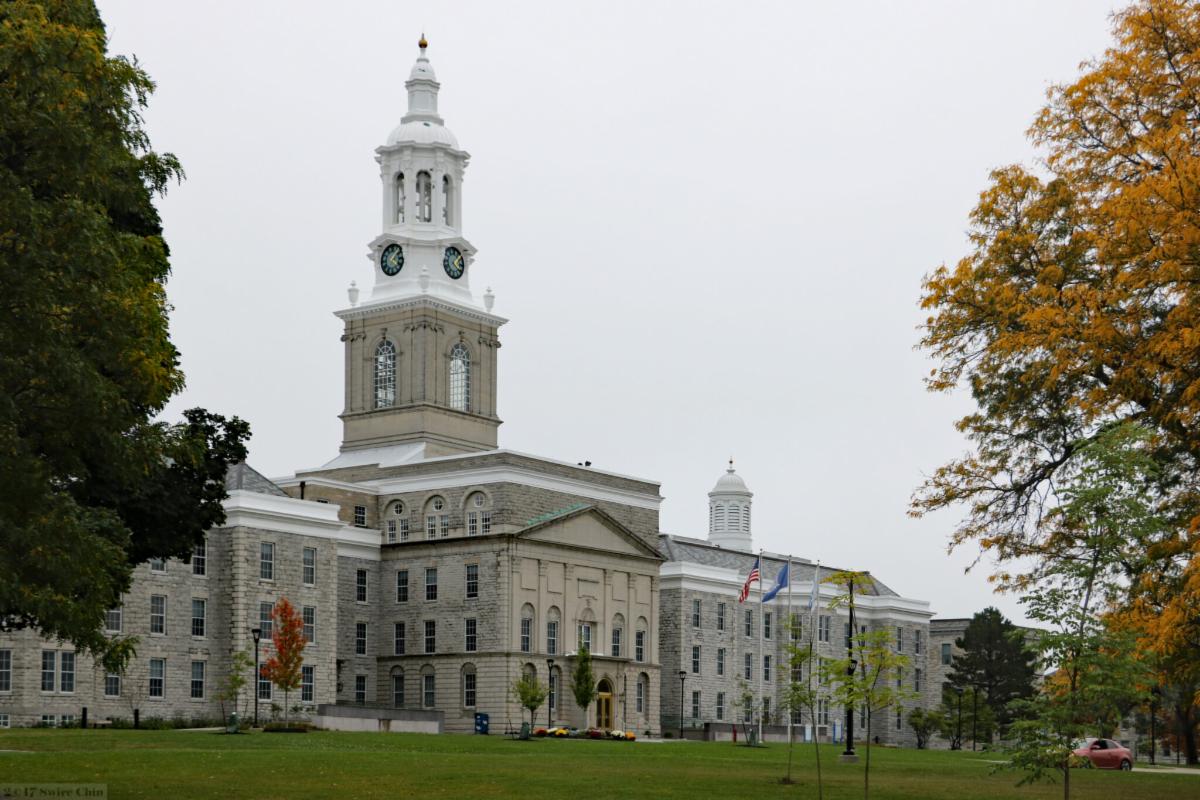
The University at Buffalo (UB) recently announced an updated master plan that involves completing numerous projects totaling $1.64 billion over the next decade.
The building boom will see UB’s classrooms modernized and feature the construction of new buildings for university-wide growth in engineering, interdisciplinary research and artificial intelligence research and education.
Sites and start dates for future construction are being finalized, but the university has launched a website to share updates with students, faculty and the community.
Click here for more information about the university’s updated master plan
(Photo courtesy of Can Pac Swire.)
| |
|
The Department of Energy (DOE) is making up to $400 million available to help rural and remote communities with projects to make clean energy solutions available to their residents.
The department’s Office of Clean Energy Demonstrations (OCED) is inviting communities with populations under 10,000 to apply for the grants, which can be used to support projects that range from upgrading transmission and distribution lines to developing microgrids.
Click here to learn more about the rural energy NOFO
(Photo courtesy of Gary Meulemans on Unsplash.)
| |
|
A proposal from Vanderbilt University to build a nearly $520 million graduate school campus for business and computing in West Palm Beach, Fla. has been approved by county officials.
The Palm Beach County Commission unanimously approved the plans for the 300,000 square foot campus during their meeting on Oct. 22.
Click here for more information about the Vanderbilt graduate school campus plan
(Photo courtesy of BugsMeanee.)
| | |
|  |
|
|
California – The Manhattan Beach City Council will promote Talyn Mirzakhanian to city manager. Mirzakhanian has been serving as acting city manager since August 2024. She brings more than two decades of municipal experience to the role, starting as a city planner in Calabasas. She joined Manhattan Beach in 2020 as planning manager. She will replace Bruce Moe.
Hawai’i - Edward Hayden has been officially sworn in as deputy director of the Department of Parks and Recreation for the city and county of Honolulu. Hayden brings more than 10 years of experience in program management and community services. He began his role Oct. 28.
North Carolina – The city of Greensboro has chosen Andrea Harrell as assistant city manager. Harrell has been with the city since 2016, most recently as a senior assistant city attorney. She officially assumed her responsibilities Oct. 30.
Washington, D.C. - Gregg Fleming has taken over as director of the U.S. Department of Transportation (USDOT) Volpe Center. Fleming began his tenure Oct. 1. He replaced Anne Aylward in the role. He brings more than 36 years of leadership and management experience to the position.
Alabama – The DeKalb County Economic Development Authority (EDA) has appointed Dr. Brett Johnson as executive director. Johnson most recently served as chief of staff for the mayor of Gadsden. He will officially succeed Jimmy Durham in November.
California – Kieron Slaughter has been chosen as San Pablo’s economic development and housing manager. Slaughter most recently served as chief strategic officer for economic innovation for the city of Berkeley. He will begin his tenure Nov. 12.
Missouri – Washington University in St. Louis has appointed Apryle Gladney interim vice chancellor and chief human resources officer. Gladney has worked with the university for 25 years, most recently as associate vice chancellor for Human Resources. She succeeded Scot Bemis on Oct. 15.
Kentucky – Randy Neeley will assume the role of superintendent for the Madison County School District. Neeley has served in several roles with the district since 1994, including interim superintendent, deputy superintendent, director of pupil personnel and head elementary school principal. He will succeed David Gilliam in January 2025.
Pennsylvania – The Chartiers Valley School Board has selected Dr. Daniel Castagna as superintendent. He will leave his current position as superintendent of the West Mifflin Area School District to take on the new role. Castagna will succeed Dr. Joseph Dimperio in January 2025.
North Carolina – Rob Zapple has been chosen to serve on the board of directors for the North Carolina Association of County Commissioners. Zapple currently serves as a commissioner on the New Hanover County Board of Commissioners. The association swore him in earlier this month.
Alabama – Beth Ann Branch will take over as Port NOLA president and CEO of the New Orleans Public Belt Railroad. Branch brings more than two decades of transportation and logistics experience to the position. She will assume her duties Dec. 1.
Washington – The National Park Service has appointed Jennifer Nersesian regional director of the National Capital Region. Nersesian brings 22 years of park service leadership experience to the role. She will officially begin Dec. 1.
| | |
|
Connect with SPI
Check out our social media links!
| |
About Government Contracting Pipeline | |
|
Strategic Partnerships, Inc.
Publisher: Mary Scott Nabers
Editors: Adam Rollins
Dave Doolittle
www.spartnerships.com
| |
Government Contracting Pipeline, a publication of Strategic Partnerships, Inc., is a free, weekly newsletter detailing important happenings nationwide and the premier source for federal, state and local government news and contracting opportunities. | |
Help us share this message.
To ensure delivery and proper formatting of the newsletter, be sure to add editor@spartnerships.com to your safe senders list.
Otherwise, the newsletter may be flagged as spam and automatically routed to your junk e-mail folder.
| | | | |