Volume 16, Issue 42 - Wednesday, October 16, 2024 | |
By Mary Scott Nabers, CEO of Strategic Partnerships, Inc. | |
|
Officials at every level of government procure hundreds of professional services to meet specific needs. These types of contracting opportunities are abundant, and many industry sectors fall into a professional services category – planning, design, legal, consulting, engineering, etc. Some of the most commonly requested types of professional services include project management, legal services, feasibility studies and IT consulting. On any given week, at least half a dozen professional services solicitations are on the street in every state. The following solicitations for professional services will soon be issued.
Officials at the National Oceanic and Atmospheric Administration plan to issue a solicitation for financial management support services. The call will be for a private sector provider of task order management, cost estimating and program control support. The federal agency will seek assistance for financial services for the National Environmental Satellite Data and Information Service, which manages U.S. environmental satellite programs and weather data. The estimated contract value will range from $20.1 million to $50 million. A solicitation will be released in 2025.
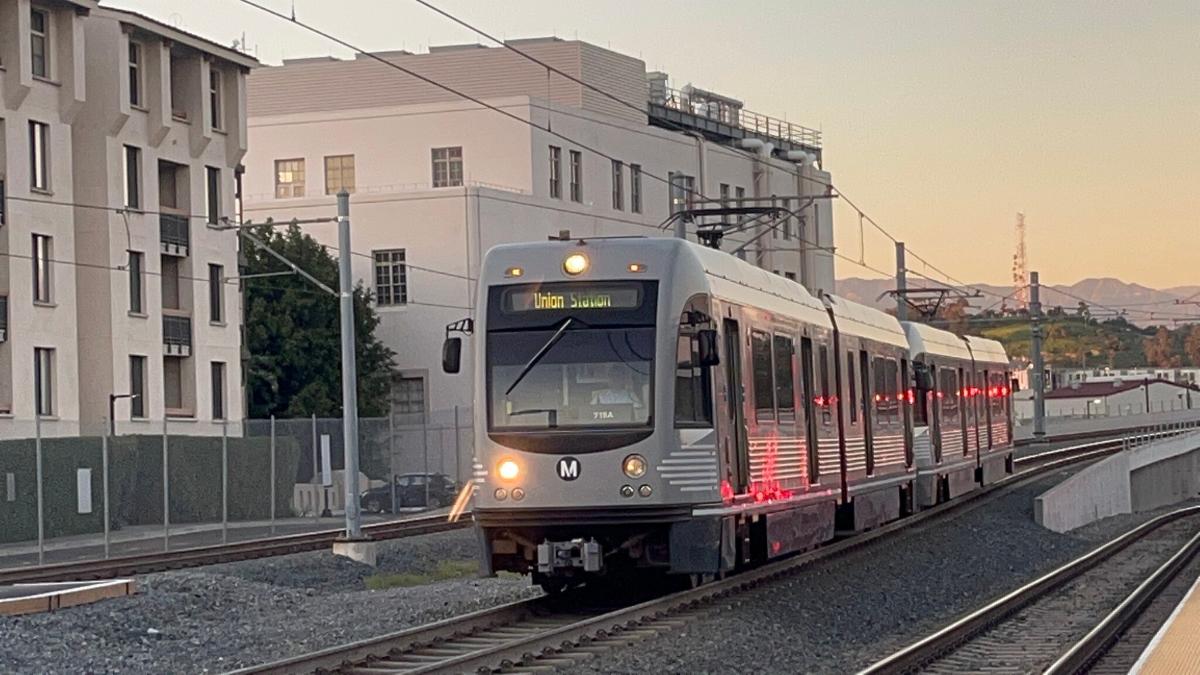
The California Department of Transportation (Caltrans) will seek engineering services for seismic retrofits of multiple structures in Los Angeles. This infrastructure/sustainability project will be structured to improve the city’s earthquake resilience, meet the state’s rigorous safety standards and enhance public safety. The work will focus on high-risk seismic zones that require advanced engineering techniques and comprehensive quality control. The engineering contract is currently valued at an estimated $6.5 million based on similar prior contracts. It is scheduled for release in 2025.
The New York City Housing Authority (NYCHA) is the largest public housing authority in North America. It maintains more than 2,400 residential buildings, and a Request for Qualifications will be released in 2025. The solicitation will seek a partner for architectural and engineering professional services. The work will be diverse but focused on housing authority needs. No value or term length for the contract has been announced. NYCHA officials may decide to include stormwater management, building reinforcements, resilience work and green infrastructure projects – such as green roofs and permeable paving – in the solicitation, which is slated for release in 2025.
The Tennessee Department of Commerce and Insurance oversees insurance, banking and consumer protection. An upcoming solicitation for supervisory review and consulting services will be dropped in 2025. The contract, valued at approximately $2 million, will focus on ensuring compliance with state regulations, overseeing regulatory operations and conducting financial audits across the insurance and banking sectors. It will also include auditing insurance companies and reviewing financial reports.
Click here for more.
| |
Joint Arkansas-Tennessee $800 million bridge project moves into design phase | |
|
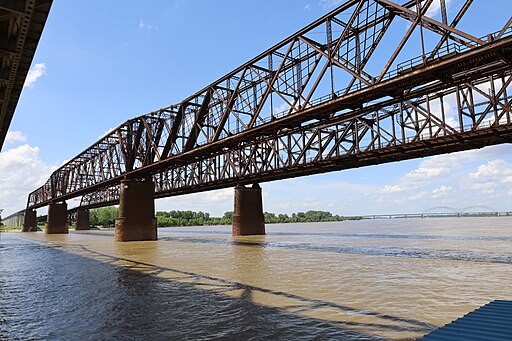
The Arkansas Department of Transportation (ARDOT) and Tennessee Department of Transportation (TDOT) are collaborating on an approximately $800 million project to replace the Interstate 55 bridge. The project recently moved into the design phase after the departments jointly selected an architect. Although a construction timeline has not been set, both agencies anticipate procuring a construction manager or general contractor (CM/GC) for the next stage of the project.
The bridge, also known as America’s River Crossing, is 75 years old and requires modernization to address crash rates, traffic issues and mobility challenges. The completed bridge will be able to handle increased capacity, estimated to carry 64,000 vehicles per year by 2050.
The 1.5-mile project will be a cable-stay system, utilizing up to three pylons with piers every 160 feet. The Arkansas side of the bridge will be 3,000 feet in total length, ending at the tie-down pier of the main span river crossing bridge. The cable stay bridge length will be between 2,400 and 2,800 feet, leading into the 950-foot Memphis side connecting to the nearby interchange.
The bridge will feature two 12-foot main lanes, one 12-foot auxiliary lane and 10-foot inside and outside shoulders in each direction. Plans include realigning the on- and off-ramps to connect with interchanges and roadways on either side of the river. The project will also realign 1,200 feet of a road on the Arkansas side to maintain access to a nearby trail.
The replacement bridge will meet modern seismic code to be earthquake-resistant and achieve safety requirements. In addition, the project will retain shared-use paths to ensure pedestrians and bicyclists can still access nearby trails. Once finished, the project will mitigate future maintenance costs, enhance freight movement and improve multimodal connectivity.
Both ARDOT and TDOT received a $394 million award in July through the Federal Highway Administration’s (FHWA) Bridge Investment Program to advance the project. The departments will commit up to $250 million each to cover the remainder of the project’s cost.
(Photo courtesy of Antony-22.)
|  | |
University of Wisconsin to spend $293 million demolishing, renovating, replacing facilities for humanities programs | |
|
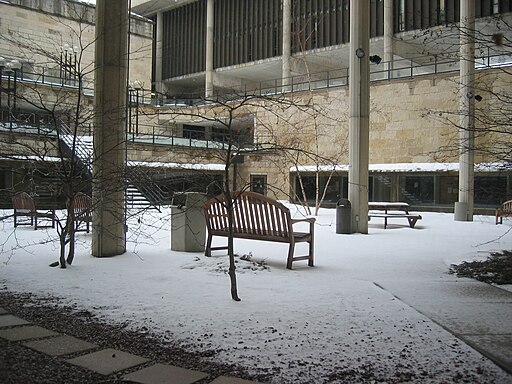
The University of Wisconsin-Madison (UW-Madison) will use $292.6 million to build a facility and renovate existing buildings for the university’s humanities program. The updated structures will consolidate UWM’s music and art education courses and provide sufficient space and resources to meet student and faculty needs. Construction is expected to begin in August 2027.
The university will start the project by demolishing the entirety of the Mosse Humanities Building and the triangular portion of the Art Lofts facility. Plans include renovating the remaining sections of the Art Lofts building and turning it into a permanent three-story home for the art department.
The updated addition will house the university’s three-dimensional art programs, providing space for ceramics, glass and neon, papermaking, printmaking, sculpture and wood shops. The university will relocate these spaces, heavy equipment and materials storage to the ground floor. The upper floors of the building will feature spaces for the department’s administrative office, art education, drawing, graphic design and painting courses.
The project will also significantly replace and improve the Art Lofts facility’s infrastructure and utilities. The university will enhance the building’s mechanical, electrical, telecommunications, plumbing and fire protection systems. Plans include extending and expanding all utilities to accommodate the campus’ future plans and projects. UW-Madison will also build lecture classrooms, instructional laboratories, studio spaces and student performance, exhibit and gallery spaces.
In addition to the Art Lofts renovations, the university will build a replacement building for the Mead Witter School of Music. The facility will include small and large rehearsal spaces, a performance room and instructional spaces and studios. The project will also feature department administration and faculty offices, departmental support spaces, a loading dock and an access road.
(Photo courtesy of hakkun.)
| |
Kentucky receives $68 million to install solar power units, transform former railyard | |
|
Low-income households and disadvantaged communities across Kentucky will soon benefit from a $67.5 million investment in solar energy infrastructure and brownfield remediation. The Kentucky Energy and Environment Cabinet (KEEC) received the funds to increase access to affordable solar power, reduced emissions and increased resilience.
The Kentucky Solar For All (SFA) program will expand access to low-income solar energy by providing financial assistance and workforce development programming. Using existing statewide program capacity and resources, the state will use a five-point market strategy with heating energy assistance, disaster housing and weatherization programs to identify eligible households with high-energy burdens.
The state, in partnership with local nonprofit partners, will equip underserved households with solar generation and energy storage capabilities, providing post-disaster housing with energy efficient and secure resources. Kentucky’s existing utility regulatory structure flexibility provides the state with expanded capacity to increase resilience, reduced energy burden, utility bill savings and reduced emissions for thousands of impacted households.
The Kentucky SFA program will span five years, pending EPA approval. During the program’s run, the state expects to establish 41 apprenticeship scholarships and more than 500 training and certification scholarships to expand job opportunities for low-income communities.
The funds come from the Environmental Protection Agency’s (EPA) SFA Program. The KEEC was among 49 state-level recipients awarded funding under the $7 billion EPA Solar for All program in April. The program also awarded grants totaling over $500 million to tribes and made five multistate awards totaling approximately $1 billion.
On a related note, a nonprofit organization received a $5 million EPA Brownfield Cleanup Grant to transform a 27-acre former rail yard in Irvine into an entertainment and business district. The project will establish a community greenspace including a music pavilion, campground, jogging trails, museum and renovating historical repair shop.
(Photo courtesy of ulleo on Pixabay.)
|  | |
Michigan to distribute $42 million to protect rural community water systems | |
|
The Michigan Infrastructure Office (MIO) will distribute $42 million to upgrade drinking water systems and associated infrastructure across the state. The projects will replace critical water mains, sewer mains, wells, drainage and storage tanks.
Some of the notable projects receiving funds include:
The South Haven Area Water Sewer Authority (SHAWSA) will receive $10.1 million to replace a century-old standpipe with an elevated storage tank. The updated tank will increase the reliability of the distribution system’s pressure. The system will increase local resiliency by looping and offering backup options for pressurization.
The funds will build on an additional $27.6 million from the state's Drinking Water Revolving Fund to support distressed, vulnerable communities. The completed project will support more than 5,000 rural households. The Authority received an additional $9.2 million in September for separate water infrastructure projects, including building an elevated storage tank, booster station and replacing a water main replacement and 2,100 service lines.
The city of Standish will use $5.3 million to rehabilitate gravity sewer mains and manholes. The city will increase long-term climate change resiliency by reducing wastewater inflow into the nearby ground, improving valves and pumps throughout the system and supporting clean water supplies. Approximately 1,300 rural households will benefit from these projects.
Ironwood will receive $4.9 million to replace sanitary sewer mains, storm sewer mains and manholes. The resulting infrastructure will increase overall water system capacity and efficiency for underserved communities. The project will help approximately 2,300 residents and 300 commercial customers prepare for future climate change.
The Dryden Drain District will spend $4.9 million to increase the capacity of the drainage system, reduce overflows during high rain and melt events and improve stormwater quality. The project will help the district address seasonal flooding and drainage backups while simultaneously mitigating climate pollution and building resilience.
The USDA provided the awards through the Water and Waste Disposal Loans and Grants (WWDLG) Program. The program supplements critical utility infrastructure projects in rural areas, ensuring residents have access to safe water, disposal and reliable energy. The Michigan recipients are a selection out of 116 projects that will receive a portion of the USDA’s recently announced $1.3 billion to support rural utility infrastructure.
(Photo courtesy of SHTTEFAN on Unsplash.)
| |
Florida cities, county to spend $35 million on mitigating dangerous roadway conditions | |
|
Florida will receive $34.6 million from the U.S. Department of Transportation (USDOT) to improve pedestrian safety measures along some of the state’s most dangerous corridors. Three cities and a county will use the awards to implement safety countermeasures, install dedicated paths for non-motorized travelers, redevelop roadways and enhance public transportation accessibility.
The Marion County Board of County Commissioners will receive $19 million to redevelop a 9-mile roadway. Once completed, the Maricamp Road Multimodal Safety and Access Management Improvements project will increase multimodal connectivity to provide pedestrians and bicyclists with safe facilities. The funds will go toward the project’s total $23.8 million cost.
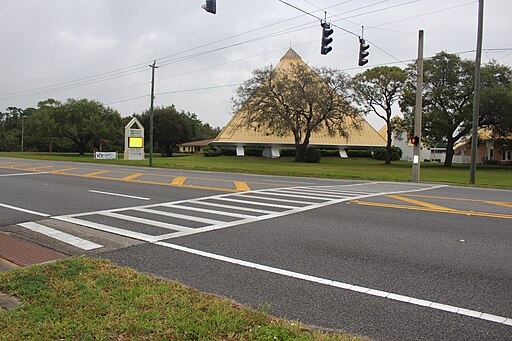
The project will reduce key conflict points along the roadway. The county will install a raised median along most of the corridor, enhance crosswalks, install pedestrian refuge islands and build sidewalks. Plans also include corridor lighting, dedicated turn lanes at intersections, restricted-crossing U-turns and reflective backplates on signal heads.
Tallahassee will spend $9.6 million to provide local underserved communities with improved, safe access to critical amenities. The funds will supplement the project’s total $12 million cost. The city will improve roadway safety and connectivity in the Jake Gaither Community by enhancing crosswalk visibility, improving road designs along curves and mitigating clear zones.
Plans also include installing high-visibility crosswalks, enhanced signage, pavement markings and rectangular rapid-flashing beacons. The city will also build sidewalks to fill in roadway gaps and complete connections to community centers and resources along both sides of the streets.
The city of Deerfield Beach will use $3.6 million to advance its $4.5 million safety and mobility improvement project. The project will convert a safety demonstration project into a permanent installation along Third Avenue. Plans include adding additional buffer space for pedestrians and bicyclists. a road diet and installing a roundabout and crosswalks.
Palm Bay will receive $2.4 million to build a 6-foot sidewalk near two school zones. The $3 million project will also install enhanced crosswalks, a flashing stop sign, remove merge lanes, improve lighting, reduce the posted speed limit and improve ADA compliance at transit stops.
USDOT allocated the funds through the Safe Streets for All (SS4A) grant program. The SS4A program is a five-year, $5 billion initiative that helps local, rural and tribal communities remediate some of the most dangerous roads in the country to prevent deaths and serious injuries.
The Florida projects are a selection of 453 projects receiving a share of the recently announced $1.1 billion. This is the second round of SS4A funding for Fiscal Year 2024, with the first round releasing $63 million in May. Since 2023, the program has allocated $2.7 billion from the available $5 billion. USDOT expects to open the third and final round of Fiscal Year 2024 awards in November.
(Photo courtesy of Michael Rivera.)
|  | |
California city approves $94 million downtown revitalization plan | |
|
The city of Los Banos, California, will embark on a $94 million plan to revitalize its downtown area. The Los Banos City Council approved the Los Banos Downtown Master Plan during its Oct. 2 meeting. The updated Downtown Master Plan builds on the city’s 2020 Downtown Strategic Plan, developing a vision to improve connectivity to regional corridors, enhance mobility and increase cultural visibility.
The Master Plan goals revolve around enhancing walking and biking facilities, improving streetscapes and building community gathering spaces. Additional plans include implementing green street concepts and high-quality landscaping, upgrading underground utilities and enhancing signage and wayfinding.
The city will use a phased approach to implementing these improvements, prioritizing infrastructure, urban design and placemaking elements. The Master Plan will align all projects under seven core improvement categories.
Plans include prioritizing the pedestrian experience, expanding sidewalk space with curb extensions at corners and mid-block extensions. These improvements will provide more space for activities, circulation and landscaping without restructuring existing curbs. The city will also shorten the pedestrian crossing distance at intersections and in the middle of blocks.
The Master Plan includes several opportunities for communal gathering spaces. The city will repave and improve alleys to make them intimate spaces for people to eat, sit and interact rather than just utilitarian spaces. In addition, the city will build parklets, small structures that extend the sidewalks out into the street to provide spaces for shady outdoor areas with seating for local establishments.
The city will prioritize improving the downtown area’s aesthetics, starting with repaving sidewalks with decorative pavers. Plans include planting trees to expand sidewalk canopies and provide shade relief during hot seasons. Los Banos will plant perennial foliage and place modern outdoor furniture and signage for rest and navigation.
The plan emphasizes connectivity throughout the downtown area. Aside from sidewalk improvements, the city will create direct pedestrian connections between downtown cultural streets and centers. These crossings will be better, safer and more direct to better serve the community. Plans also include additional parking.
The city is working on a separate Civic Center Master Plan contributing to the downtown reimagination efforts. The center will expand City Hall offices, rehabilitate the police annex building and redevelop the former police headquarters to potentially serve as a plaza or public parking.
Los Banos will install a welcoming entry sign as a gateway to the downtown area. A landscaped park to the east will supplement the downtown gateway. The city will ensure the entry space will contain signage and art illustrating the city’s history and culture.
Plans include installing wayfinding signage to direct drivers toward key destinations and parking areas. The city will also install pedestrian signage pointing residents and visitors to parks, businesses and other amenities.
With the Downtown Master Plan approved, the city will spend the next four years advancing environmental reviews, developing design documents and pursuing funding to start construction.
(Photo courtesy of Matthew Hamilton on Unsplash.)
| |
DoD publishes final rule that establishes contractor requirements | |
|
The Department of Defense (DoD) has published a final rule establishing the revised Cybersecurity Maturity Model Certification (CMMC) program into law, updating the original 2020 program. The CMMC program creates a unified system of requirements for contractors to manage unclassified information that need protection or dissemination controls.
The CMMC outlines a series of regulations and mechanisms to ensure all DoD contractors can adequately safeguard and store federal contract information (FCI) and controlled unclassified information (CUI) provided by the department. The DoD will use these guidelines to confirm when contractors and subcontractors achieve and maintain security measures commensurate with current and future cybersecurity threats.
The final rule aligns the program with cybersecurity requirements laid out by the Federal Acquisition Regulation (FAR) and National Institute of Standards and Technology (NIST). The DoD announced its intent to revise the CMMC program in November 2021 to achieve five primary goals:
- Protect sensitive information to enable and protect DoD initiatives.
- Enforce Defense Industrial Base (DIB) cybersecurity standards to meet evolving threats.
- Ensure accountability while minimizing compliance barriers with DoD requirements.
- Promote a collaborative cybersecurity and cyber resilience culture.
- Maintain public trust through high professional and ethical standards.
One of the notable changes to the updated rule is the consolidation of the program’s original five levels of certification to three. The DoD’s simplification of the certification process makes it easier and clearer for small- and medium-size businesses to apply for and achieve specified certification levels.
The revised CMMC program has three primary features differentiating it from earlier versions:
- The CMMC will require companies with access to FCI and CUI to develop cybersecurity standards based on a tiered model. These three tiers progressively advance in cybersecurity complexity and resilience based on the type and sensitivity of the DoD information. The program also outlines the process for requiring protections for data acquired by subcontractors.
- The DoD will use CMMC assessments to determine if contractors and subcontractors are implementing clear cybersecurity standards.
- The final rule will employ a phased implementation strategy. Certain DoD contractors handling FCI and CUI will only be able to win a contract if they achieve a specified CMMC level. The DoD will implement the CMMC requirements through a four-phase plan over a three-year period.
Businesses will be allowed to self-assess CMMC compliance when appropriate. CMMC Level 1 covers basic protections of FCI. Third-party assessments or self-assessments will be required for achieving CMMC Level 2 ranking for general protection of CUI. The highest level – CMMC Level 3 – will require a DIB Cybersecurity Assessment Center-led assessment to ensure contractors can provide a higher level of protection for advanced, persistent threats.
The updated CMMC rules will be effective Dec. 16, 2024. All contractors and subcontractors will be legally obligated to conform their cybersecurity standards and protocols to the revised program in order to qualify for contracts. The DoD will update the rule as needed to address evolving cybersecurity standards, requirements and threats.
(Photo courtesy of Kevin Ku on Pexels.)
|  | |
Alabama develops strategic plan to drive economic growth | |
|
Alabama has developed an updated long-term economic strategic plan to propel the state’s capital investments for the next decade and beyond. The Catalyst plan will replace Alabama’s previous framework – Accelerate Alabama – which has directed $67 billion in capital investments since it was enacted in 2012.
While Accelerate Alabama was a definitive success for driving the state’s economic growth forward, the state has still fallen behind in overall performance and population compared with the national average. Since 2008, Alabama's labor force participation and productivity have been notably lower than its peers and the U.S. at large.
The Catalyst is a next-generation development strategy that builds on the groundwork laid by the previous framework and closes macroeconomic gaps. The updated strategy broadens the state's focus to elevate human capital, spur entrepreneurship, promote rural development and support talent attraction. A key plan facet is quality placemaking, taking advantage of the state’s outdoor recreation infrastructure to engage and promote Alabama communities.
To advance these goals, the Catalyst highlights eight priority sectors critical to long-term economic growth and success:
- Metal and advanced materials.
- Chemical manufacturing.
- Forestry and wood products.
- Agriculture and food.
- Bioscience.
- Technology.
- Defense.
- Mobility.
The plan also identifies two essential “enablers” to catalyze growth across these eight sectors: logistics and distribution and business services. These enablers include driving economic factors such as multimodal transportation, warehousing and administrative and professional services.
The strategy’s architect consulted more than 400 economic developers, business leaders and community members across more than 17 workshops and focus groups during the plan’s development. Its delivery aligns with the launch of the Alabama Growth Alliance, merging public and private leadership to guide and strengthen the state’s ability to promote economic success. The architect and alliance will collaborate with the Alabama Department of Commerce (ADOC) to implement the Catalyst.
(Photo courtesy of wal_172619 on Pixabay.)
| |
|
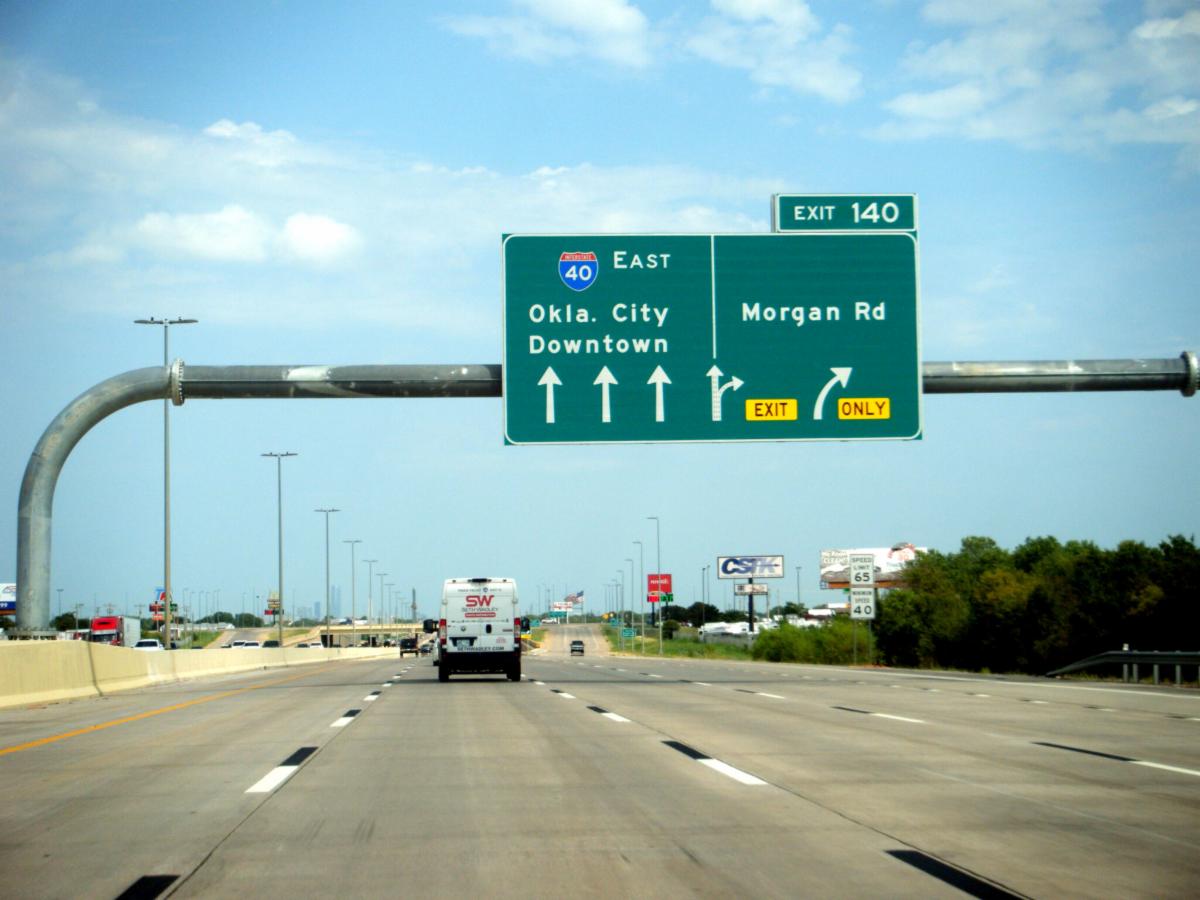
The Oklahoma Transportation Commission has approved the latest edition of the Oklahoma Department of Transportation’s (ODOT) Eight-Year Construction Work Plan, which allocates nearly $9 billion for transportation infrastructure improvements.
Scheduled for Fiscal Years 2025-2032, these projects look to enhance the safety and reliability of interstate and highway systems throughout the state.
Click here for more information about Oklahoma’s transportation plan
(Photo courtesy of Scott Nazelrod.)
| |
|
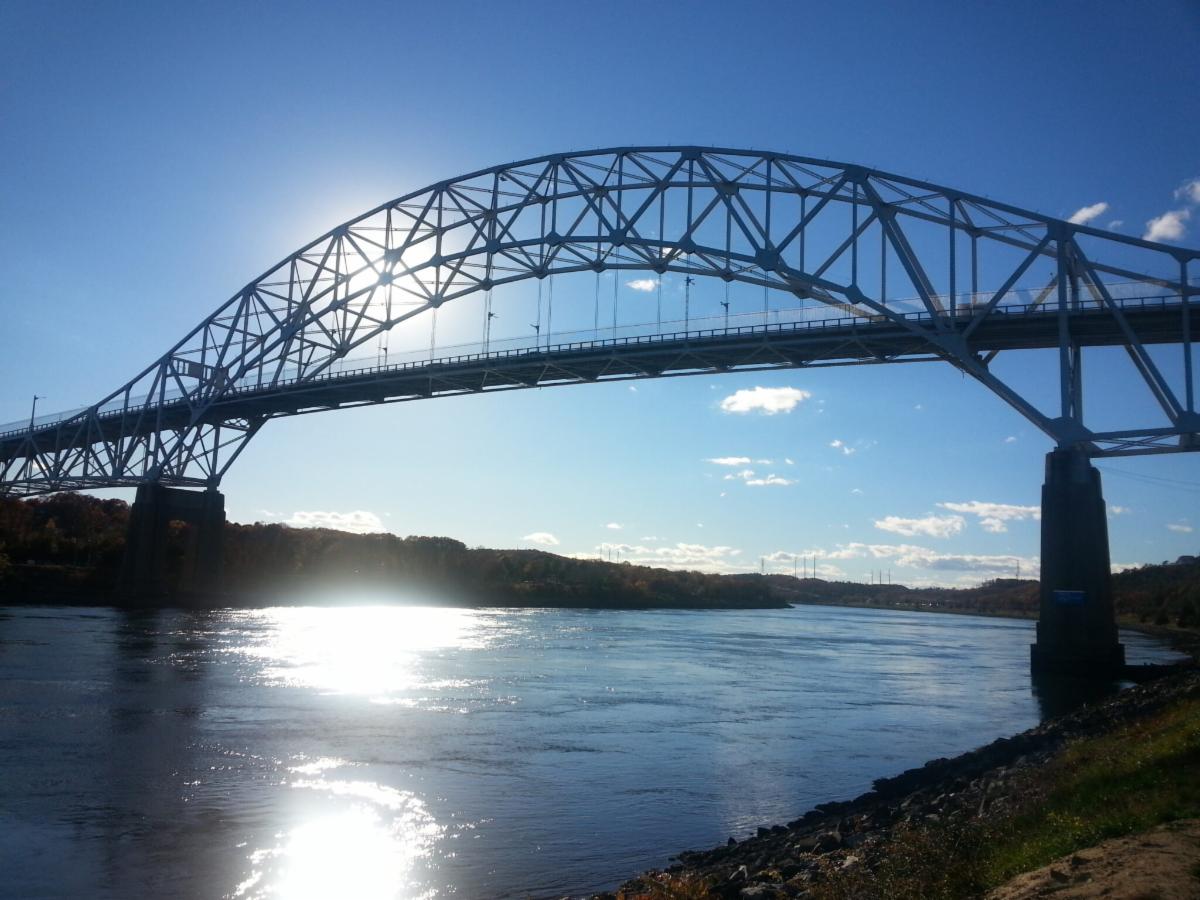
Massachusetts is investing $2.42 billion to replace two aging bridges connecting the mainland to Cape Cod. This undertaking combines $1.72 billion in federal funding with $700 million in state support, marking one of the largest transportation investments in the state’s recent history.
The federal contribution makes up the lion’s share of the project’s budget, coming from various sources. The 2021 Infrastructure Investment and Jobs Act provides $1 billion through its Bridge Investment Program and an additional $372 million via the Multimodal Project Discretionary Grant Program.
Click here to learn more about the Cape Cod bridge rebuild project
(Photo courtesy of Lcampbelll.)
| |
|
The Wisconsin Department of Administration (DOA) is providing more than $115 million in grants for local and tribal communities to support the expansion and improvement of public facilities like libraries, community centers and multiuse buildings.
Funds will also go toward tackling issues related to high-speed internet access, affordability and adoption.
Click here to learn more about how the WDOA is supporting connectivity and communication
(Photo courtesy of Christin Hume on Unsplash.)
| |
|
The California Department of Transportation (Caltrans) is awarding $206 million to local, clean transportation initiatives that will help curtail legacy pollution across the state. The funding will support transportation projects targeting greenhouse gas emissions reduction, mobility enhancements and environmental justice statewide.
The funding represents this year’s round of grants from the state’s Low Carbon Transit Operations Program (LCTOP), which provides operating and capital assistance for transit agencies to mitigate emissions and develop clean transit initiatives. Financed by the state’s Greenhouse Gas Reduction Fund, LCTOP delivers noncompetitive, formula-based grants to transportation entities, particularly in disadvantaged communities.
Click here to learn more about Caltrans’ commitment to advancing clean transportation projects
(Photo courtesy of FoxiiEdits84.)
| | |
|  |
|
|
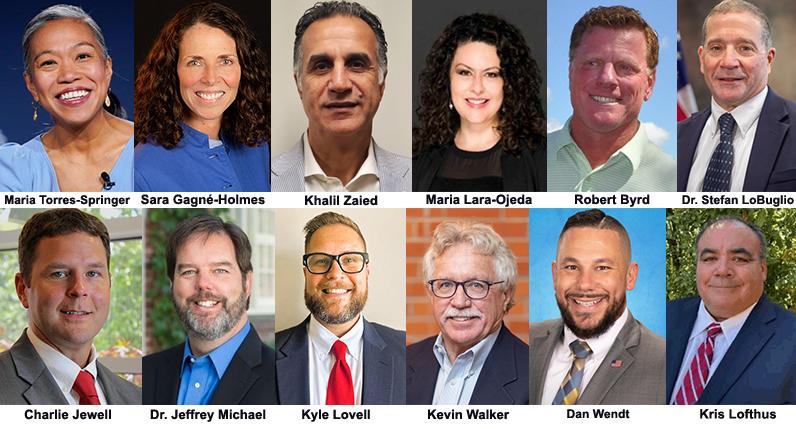
New York – Maria Torres-Springer has been appointed first deputy mayor of New York City. Torres-Springer was promoted from her role as deputy mayor of housing, economic development and workforce. She assumed her responsibilities Oct. 8. She replaced Sheena Wright.
Maine – Sara Gagné-Holmes has been confirmed as commissioner of the Maine Department of Health and Human Services. Gagné-Holmes has been operating as acting commissioner of the department since June 1. Prior to her current role, she served as a deputy commissioner of the Health and Human Services Department.
Maryland – Khalil Zaied has officially been sworn in as the 17th director of the Baltimore City Department of Public Works. Zaied brings more than 25 years of engineering and public works management experience to the role. He has served as acting director of the department since March 2024. Before joining Baltimore, Zaied led the Department of Public Works in Champaign, Illinois.
California – Maria Lara-Ojeda has been selected as assistant city manager of San Pablo. Lara-Ojeda most recently served as assistant city manager for American Canyon. Prior to working for American Canyon, she served as a consultant and interim finance director for the city of Benicia.
Georgia – The Rincon City Council has approved Robert Byrd as city manager. Byrd previously served as city manager of Pooler from 2004 to 2023. He assumed his responsibilities Sept. 25.
Washington, D.C. - Stefan LoBuglio, Ed.D., has been appointed director of the National Institute of Corrections (NIC). Dr. LoBuglio has previously served as director of the Corrections and Reentry Division with the Council of State Governments Justice Center, chief of reentry and pre-release services with Montgomery County and deputy superintendent of community corrections with Suffolk County. He officially began his role Oct. 7.
Georgia – The city of Alpharetta has chosen Charlie Jewell as director of economic development. Jewell brings more than 16 years of economic experience to the role. He most recently served as director of economic development and community engagement at Radford University.
Montana – Jeffrey Michael, Ph.D., will join the University of Montana as director of the Bureau of Business and Economic Research. Dr. Michael will leave his current position as director of public policy at the University of the Pacific McGeorge School of Law. He served in various roles at the University of the Pacific for more than 16 years.
New York – The Oneida Common Council has chosen Kyle Lovell as city manager. Lovell most recently served as Seneca County manager. He replaced Acting City Manager Rick Rossi in the position.
Colorado – Colorado Springs has officially selected Kevin Walker to take over as planning director. He has been serving as interim planning director for the city since June.
Ohio – Dan Wendt has been appointed assistant city manager of West Carrollton. Prior to joining West Carrollton, Wendt was city manager of Vandalia, assistant city manager of Fairfield and safety and service director of Norwalk.
California – The city of Clayton has appointed Kris Lofthus as city manager. Lofthus brings more than two decades of public sector experience to the role. He most recently served as deputy city manager for Suisun. Lofthus began his role Sept. 16.
| | |
|
Connect with SPI
Check out our social media links!
| |
About Government Contracting Pipeline | |
|
Strategic Partnerships, Inc.
Publisher: Mary Scott Nabers
Editors: Adam Rollins
Dave Doolittle
www.spartnerships.com
| |
Government Contracting Pipeline, a publication of Strategic Partnerships, Inc., is a free, weekly newsletter detailing important happenings nationwide and the premier source for federal, state and local government news and contracting opportunities. | |
Help us share this message.
To ensure delivery and proper formatting of the newsletter, be sure to add editor@spartnerships.com to your safe senders list.
Otherwise, the newsletter may be flagged as spam and automatically routed to your junk e-mail folder.
| | | | |