|
Texas voters approved hundreds of millions of dollars in bond proposals on Election Day this past Tuesday. More than 50 cities, counties and school districts put measures before voters to fund projects such as road repairs, facility construction and renovations and public school campus improvements.
The projects that will be funded are significant because Texas is expected to gain approximately 5 million people by 2036. Population growth over the past decade has been remarkable, leading to significant demands for basic infrastructure and facilities across the state. The projected population growth will only increase the pressure on the state's aging and already strained infrastructure.
Texas voters approved most of the bond proposals, indicating agreement with the need to prepare for future growth—and particularly showing support for meeting the needs of public schools. The opportunities described here are outlined in the Texas Bond Report, a research document that is produced each year by Strategic Partnerships, Inc (SPI). The SPI team also produces a Bond Report for each of the other 49 states, and the cumulative national research outlines upcoming projects that represent billions in new funding that is now available for upcoming projects over the next several years.
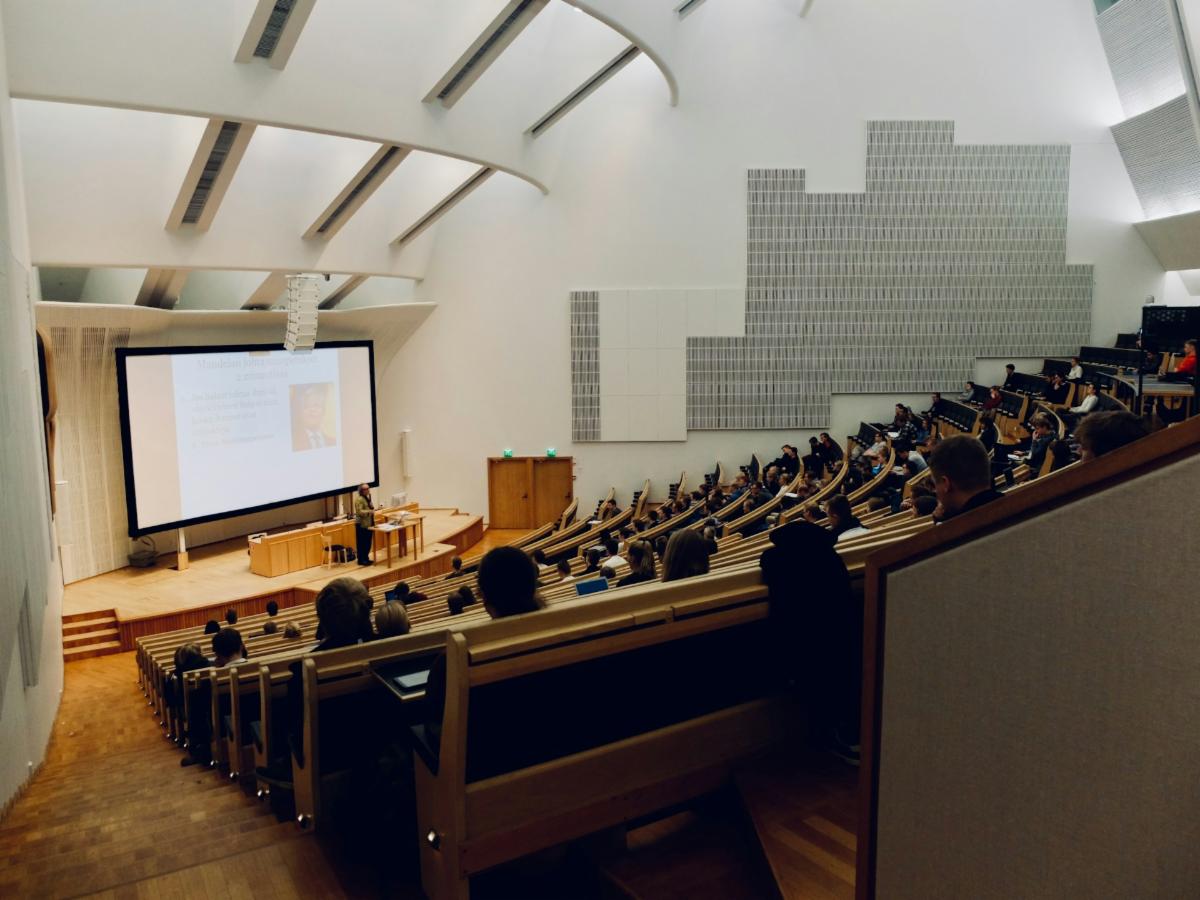
Voters in Allen, a suburb of Dallas, approved a $419.1 million bond package to fund renovations and improvements designed to modernize several school facilities. Seven campuses will receive new flooring, wall coverings, lighting, plumbing and HVAC systems. A new multi-purpose complex at Allen High School will be developed to offer lecture-style classrooms. Other initiatives will include construction of a 120-yard simultaneous-use space, the addition of more locker rooms and the expansion of training and recovery areas for student-athletes.
The Allen ISD Activity Complex will receive improvements that include resurfacing the tennis courts, adding new tiered seating and upgrading some track surfaces. Campuses will also receive safety and technology improvements such as security camera system upgrades, new automated electric defibrillators, more fire alarms, fire suppression panels and improved central lockdown capabilities.
Click here for more
| |
The University of Houston (UH) will build a $39.3 million expansion to the Student Center North building. Construction is expected to begin in June 2026.
The project will include a two-story expansion to the north of the Student Center, totaling approximately 35,000 square feet. The expansion will feature dedicated spaces for several university services, co-locating them from three other on-campus buildings. UH will perform selective demolition to seamlessly integrate new construction with the existing building.
The first floor will include areas for University Career Services (UCS) and an addition for the existing west carrel space. Plans for UCS include building a waiting area, reception desk, drop-in area, career closet, beverage alcove and presentation room. The university will also expand office space to accommodate administrators, break and work rooms, storage areas and flex office space.
The Veteran Services area will feature dedicated areas for students, computers and a service desk. UH will also build a break room, counseling room and administrative support space for administrative officials.
Plans include an approximately 1,000-square-foot lobby and filling extra space with a UCS Employer Development and Relationships (EDR) area, meeting room and commons desk. The EDR will provide offices for the associate director, recruiting manager and program coordinator. The space will also include a check-in station, beverage alcove and a small and large interview room.
The second floor will include spaces for Counseling and Psychological Services and Student Empowerment. The Counseling and Psychological Services area will include administration space in addition to a waiting area, front desk, consultation room and work area. Plans include integrating a storage room, group therapy room, clinician office, doctoral fellows' room and master’s practicum room. The Center for Student Empowerment will also include a waiting area, break alcove, reception desk, tutoring area, flex spaces and administrative support offices.
As part of the project, the university will connect the expansion with existing utilities, build a mechanical penthouse, remove an abandoned utility tunnel and build entry points for student spaces, locker rooms and resource spaces impacted by construction. Additional building support areas will feature a medical privacy room, family restroom and vending alcove.
(Photo courtesy of Kenneth C. Zirkel.)
|  | |
The city of Austin has welcomed its newest assistant city manager. Susana Carbajal was recently appointed to the role, joining four other assistant city managers in overseeing critical aspects of Austin’s government and operations.
Carbajal was promoted from her previous role as the city’s chief of staff, a role held since September 2023. Before joining the city’s executive team in August 2020 as assistant director of the Economic Development Department, Carbajal worked at the Austin-Bergstrom International Airport for a decade as both an assistant city attorney and assistant director.
As assistant city manager, Carbajal will oversee the departments of Animal Services, Austin Resource Recovery, Human Resources, Small and Minority Business Resources and Watershed Protection.
| |
The city appointed Genesis Gavino to replace Carbajal as chief of staff. She will oversee the offices of Ethics and Compliance; Learning, Engagement and Development; Equity and Inclusion; Innovation and Sustainability.
Gavino joined Austin in June 2024 as a special assistant to the city manager, leaving her role with Dallas as chief of staff to the city manager. She had been with Dallas since February 2017, serving during that time as an assistant to the city manager and chief of staff, deputy resilience officer and resilience officer. She also has experience working as a management analyst and senior management fellow with Tacoma, Washington.
| |
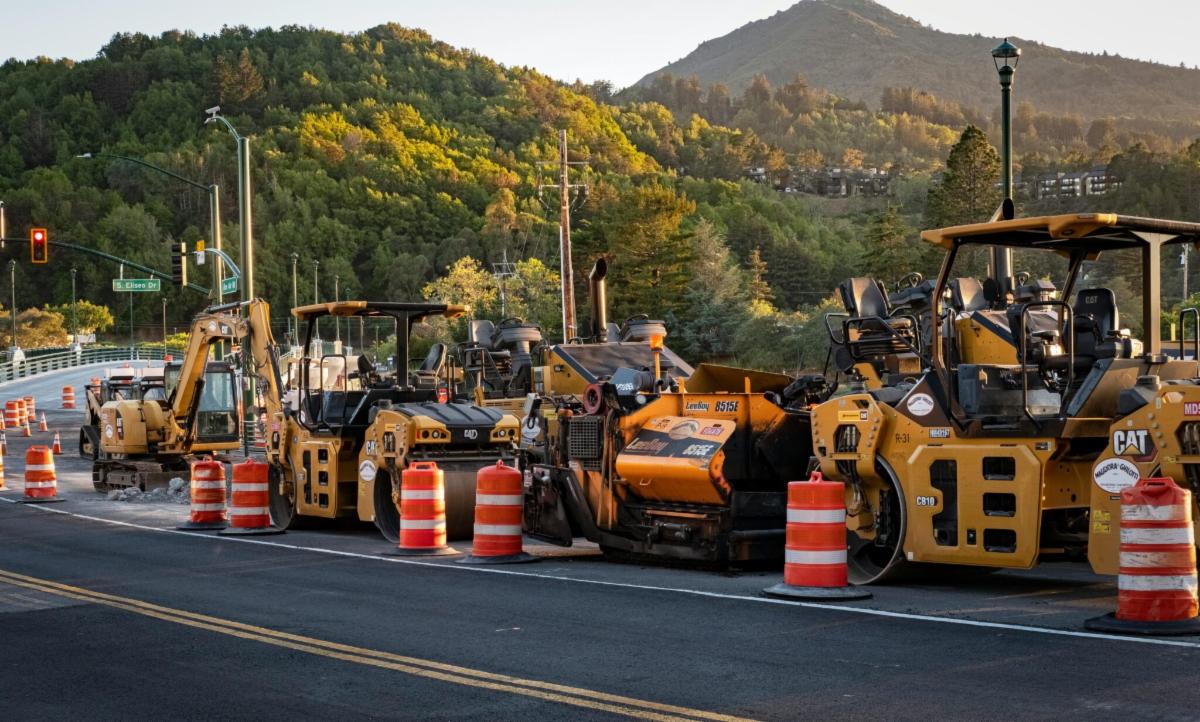
Houston is set to spend $57.9 million to reconstruct and improve neighborhood roadways across four districts. Construction is expected to begin in 2025.
The city will invest $28.4 million to build critical roadway infrastructure and utilities on Fondren Road. The project will lay 2.2 miles of pavement, build 24,000 feet of ADA-compliant sidewalk and install 2,200 feet of sanitary sewer lines. Plans include installing seven traffic signals, 15,800 feet of storm sewer and 14,600 feet of water lines. Houston will improve the roadway’s overall capacity and drainage flow, install street lighting and enhance travel safety.
An additional $16 million will advance the Tanglewood pavement rehabilitation project. The city will rehabilitate nine select roadways within the project area. Plans include repairing curbs and replacing gutters with inlets.
Houston will use $9 million to reconstruct sections of the Roseland area. The project will repave the area with concrete and install storm drainage systems including inlets, manholes and storm, water and sanitary sewer lines. The city will also build sidewalks, curbs, reconstruct driveways, install underground utilities and street lighting.
The city will also spend $4.5 million to reconstruct the Hammerly, Antonie and Hempstead intersection into a roundabout. In addition, the project will build 1,860 feet of sidewalk, curbs, nearly 900 feet of pavement and more than 3,200 feet of storm, sewer, sanitary and water lines.
(Photo courtesy of Agsftw.)
| |
Brazosport College (BC), located in Lake Jackson, is moving into the design phase for a $25 million multi-phased capital renovation project. The project will feature extensive renovations across multiple facilities, enhanced security measures campus-wide and new structures to provide better education.
The Dow Academic Center—one of the most highly trafficked buildings on campus—has recurring water infiltration issues that the college will fix. Plans include investigating the extent of the water infiltration, replacing interior doors, upgrading lighting and repairing floors that have been damaged.
BC will also build a process equipment trainer (PET) plant outside of the BASF building, which will include a slab, fencing and lighting. The college will renovate space in the BASF building into a control room. In addition, BC will renovate the Children’s Development Center to include space for a campus retail store and campus police. The project will install cold storage, mechanical and electrical systems, a stand-alone generator and IT systems.
Plans also include renovating the BC Central Library’s student collaboration spaces, semi-enclosed glass workroom/classroom space and podcast rooms. In addition, the college will build a writing center. The project will feature updated furnishing, equipment, a glass wall, IT upgrades, new finishes, audio/visual systems and mechanical, electric and plumbing infrastructure upgrades.
The college will renovate a student recreational area to incorporate the new esports arena. Plans include renovating the space’s aesthetic, installing a glass wall and improving the walls, flooring and IT systems. BC will also refurbish the Commons Dining area to replace the flooring, wall finishes, lighting, furniture and monitors.
The project will convert the campus bookstore into a tech lounge. The lounge will feature different types of workstations, standing desks and low seating. Plans also include updating the flooring, finishes, IT infrastructure, furniture and lighting as well as mounting monitors and smart boards.
The D-Wing in the Facilities Services area will be upgraded and expanded. Plans include installing a vertical garden, HVAC upgrades and improving the building’s finishes, IT, walls and ceiling. The college will also renovate the L-Wing to update aesthetics and soundproof faculty offices on the second floor of BC Central.
The college will upgrade systems, finishes, furnishings and fixtures in 14 classrooms on Level 2 of the BC Central building. In addition, the college will combine six of the rooms to create a Testing Center and combine the remaining in pairs to make four multipurpose classrooms. Plans also include refurbishing vacant space in the Sadler Building to reach modern classroom standards, including paint, flooring, IT, furnishings and audio/visual systems upgrades.
Plans also call for renovating the BC Central lobby area to better cater to student needs. The project will install improved wayfinding signage, interactive student services kiosks and improved surfaces to guide navigation. In addition, the college will improve furnishings, IT infrastructure, finishes and lighting. BC will factor in departmental operating processes into its design.
(Photo courtesy of Dom Fou on Unsplash.)
| |
Susan Redford
Executive Director
Texas Association of Counties
| |
Public career highlights and education: Before accepting my current executive director role, I served as a judge for Ector County from 2007 to 2015 and was an assistant district attorney at the county’s district attorney’s office. I started my law career in Odessa in 1997 after graduating from the Texas Tech School of Law.
What I like best about my public service is: I have continued my career in county government for the past 25 years because I love the people that I get to work with. It is rewarding when you see the impact of your work making a difference in the lives of those in your community.
The best advice I've received: My grandmother, who also spent her career in public service, told me to always be kind because you never know what the person you are talking to is going through.
People might be interested to know that: My favorite pastime is spending time with my family and friends. I am a die-hard Texas Tech fan, and love football. I have even been accused of being a fantasy football fanatic.
One thing I wish more people knew about county government is: There are 254 counties in Texas ranging in population from less than 100 to over 4.5 million. Although the needs of every county are different, county government is one of the closest forms of government to Texas residents. Full-time elected county officials are neighbors serving neighbors and genuinely try to make the county where they live and raise their families better.
|  | |
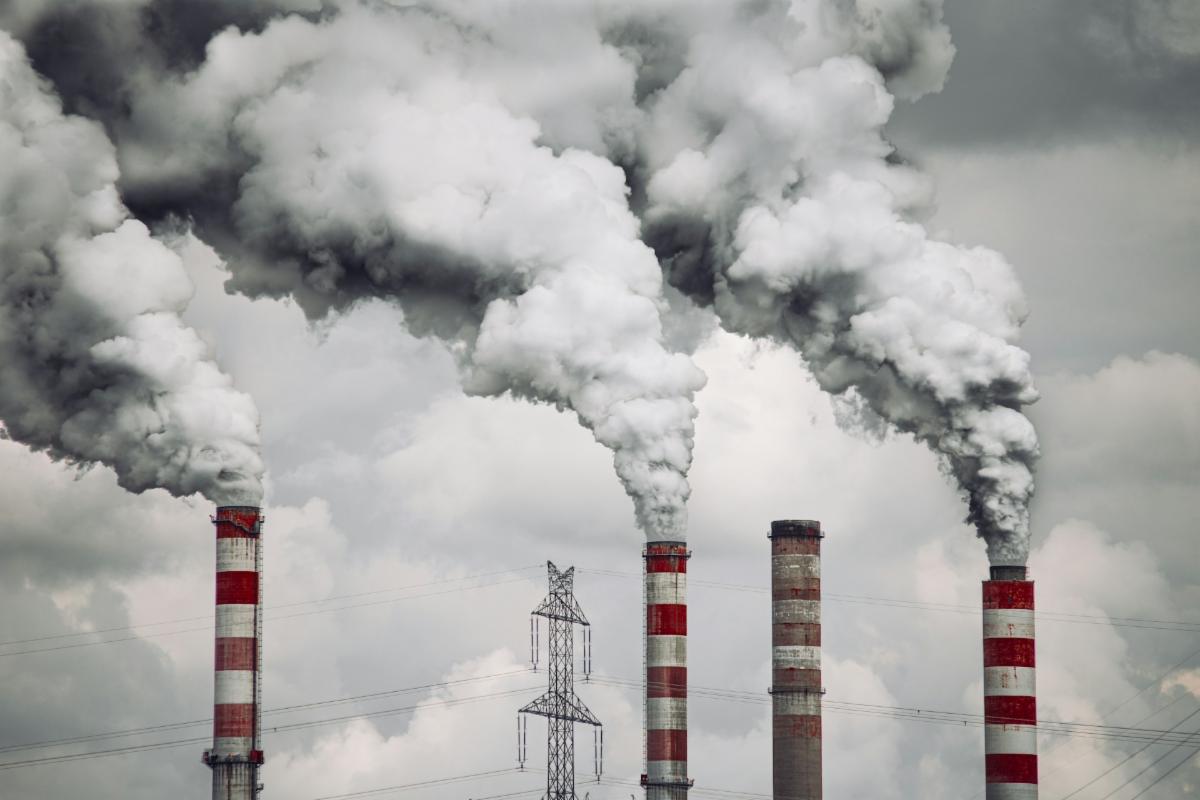
The Texas Commission on Environmental Quality (TCEQ) is making $10.9 million available to support electricity storage projects and advance technologies to reduce emissions from stationary sources as well as oil and gas industry operations. Applications are due Jan. 7, 2025.
The New Technology Implementation Grants (NTIG) Program is a competitive program with limited funding available. Eligible applicants include individuals, state and local governments, corporations or any other legal entity. Recipients may receive up to 50% reimbursement on approved projects.
The TCEQ will judge projects based on their emissions reduction capability, cost-effectiveness and alignment with program goals. Applicants can submit for projects covered under three topics:
- Technologies that will reduce emissions from stationary sources. These projects must target specified pollutants, hazardous air pollutants and other qualifying regulated pollutants.
- Technologies to reduce emissions from oil and gas projects. These must specify emission reduction technologies that target pollutants from upstream, midstream and downstream fossil fuel industry activities. Projects may include replacing, repowering or retrofitting compressor engines or installing systems to minimize gas loss, flaring or combustion.
- Projects that help store electricity generated from renewable energy sources.
All submissions must feature substantial implementation plans. These plans must include details outlining the applicant’s efforts to maximize the chances that the technology will be implemented as soon as feasible. In addition, proposals must demonstrate the applicant’s ability to operate and maintain the technology for the contract’s duration.
(Photo courtesy of Janusz Walczak on Unsplash.)
| |
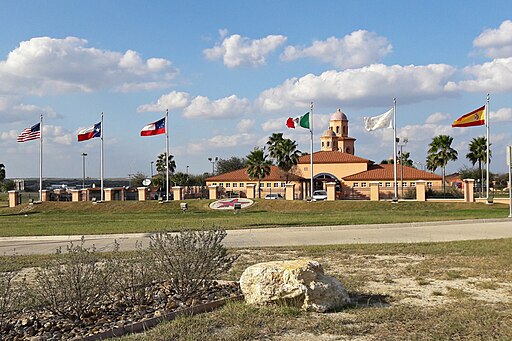
On Oct. 10, the city of Laredo declared a state of disaster after detecting E. coli in the public water system, which required all residents to boil their water until further notice was given. While the city’s quick response has since resolved the issue, the crises highlighted a critical need to upgrade the water infrastructure system.
Since then, Laredo has redoubled its efforts to seek out state and federal assistance to improve its water system to prevent future emergencies and secure the continual flow of clean, safe water. The city has requested that local businesses report negative effects with documentation to the city to support efforts to source funds from higher levels of government.
While the city has conducted emergency repairs and used chlorine to sanitize the system, officials are looking for long-term solutions to safeguard public health on a permanent basis.
Laredo is not the only city faced with challenges to maintaining effective water infrastructure. Aging systems create vulnerabilities as pipes fail, while illegal connections contribute to the contamination of public water sources. In a similar situation, the city of Floresville was informed of E. coli contamination in their drinking water Sept. 21, 2024, the latest in several outbreaks across the state throughout 2024.
Diseases are not the only concern threatening clean water supplies. After the Environmental Protection Agency (EPA) released its first limits on per- and polyfluoroalkyl substances (PFAS) in water, nearly 50 public water utility companies reported their systems surpassed that standard. In addition, outdated pipes are causing Texas’ most populous cities to lose more than 80 billion gallons of water each year.
The Texas Water Development Board (TWDB) will oversee the distribution of financial assistance to repair, replace and modernize critical water infrastructure. The agency has allocated more than $3.7 billion since January 2024 to support water and wastewater projects across the state.
(Photo courtesy of Miguel Angel Omaña Rojas.)
| |
The U.S. Department of Agriculture (USDA) is making $239 million in grants available to increase access to cost-saving domestic biofuels across the country.
The USDA is awarding $39 million in grants and will make an additional $200 million available through a new federal program that is now open to applicants.
Click here for more information the biofuel award programs
(Photo courtesy of engin akyurt on Unsplash.)
| |
From Texas to the Eastern Seaboard, U.S. federal agencies are taking major steps to reduce their carbon footprint.
The U.S. Department of Energy (DOE) is announcing nearly $150 million in grants to lessen U.S. federal agencies’ greenhouse gas emissions and local energy reliance. The funding will support energy conservation projects in 28 U.S. states and territories.
This funding is part of the Assisting Federal Facilities with Energy Conservation Technologies (AFFECT) grant program, which is designed to support the Fed’s goal of achieving net-zero greenhouse gas emissions in all federal buildings by 2045.
Click here to learn more about the AFFECT program’s impact on environmental and energy sectors
(Photo courtesy of Jakub Żerdzicki on Unsplash.)
| |  |
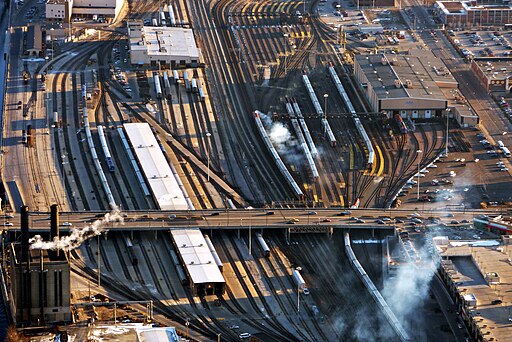 | |
A public-private partnership (P3) in Fort Worth will build a $262 million Smart Port to expand the nation’s supply chain and enhance regional chain resilience. The project recently received $80 million to advance development, with construction expected to begin in late 2026 or early 2027. Procurement will take place just before construction begins.
The AllianceTexas Smart Port project will connect key distribution and storage facilities to enhance freight mobility and efficiency, connecting the Inland Port to the Dallas-Fort Worth regional transportation network. As the primary port of entry for the southwestern United States, the expansion will allow for greater access to the larger state and national ecosystem.
Currently, nearly half of all U.S. freight tonnage is transported through Texas. The Smart Port will leverage new infrastructure and innovative technology integration to enhance intermodal services to Mexico, enhance freight logistics, optimize lane connections and facilitate efficient freight movement.
The project will build a smart connected bridge between the Intermodal Parkway and State Highway 170. The connector will support vehicle-to-infrastructure communication and supplement connected/autonomous vehicle (CAV) deployment. Plans also include building a truckport to support electric vehicle (EV) freight operations and providing a connected freight corridor node with clean energy charging units to support short- and long-haul operations.
In addition, the P3 will build an integrated intermodal depot connected to the BNSF railway, the largest freight railroad in the country. The depot will include a 32-acre container lot that can serve drayage and provides more than 14 million square feet of next-generation warehouse space.
The Smart Port will feature a seamless platform to elevate inland port physical and technological connectivity with the rest of the Texas CAV/EV freight corridor. Once completed, the port will be able to access the 865-mile Texas Triangle that links the state’s major urban areas.
The project will also develop a renewable energy micro-grid to store and manage power for future users. The grid will mitigate energy demand spikes and protect the port from future energy impacts. The P3 will also establish long-term telecommunications infrastructure. The project will ensure the network’s capacity will expand semi and fully autonomous technology and support public-private 5G network development.
(Photo courtesy of Basil D Soufi.)
|  | 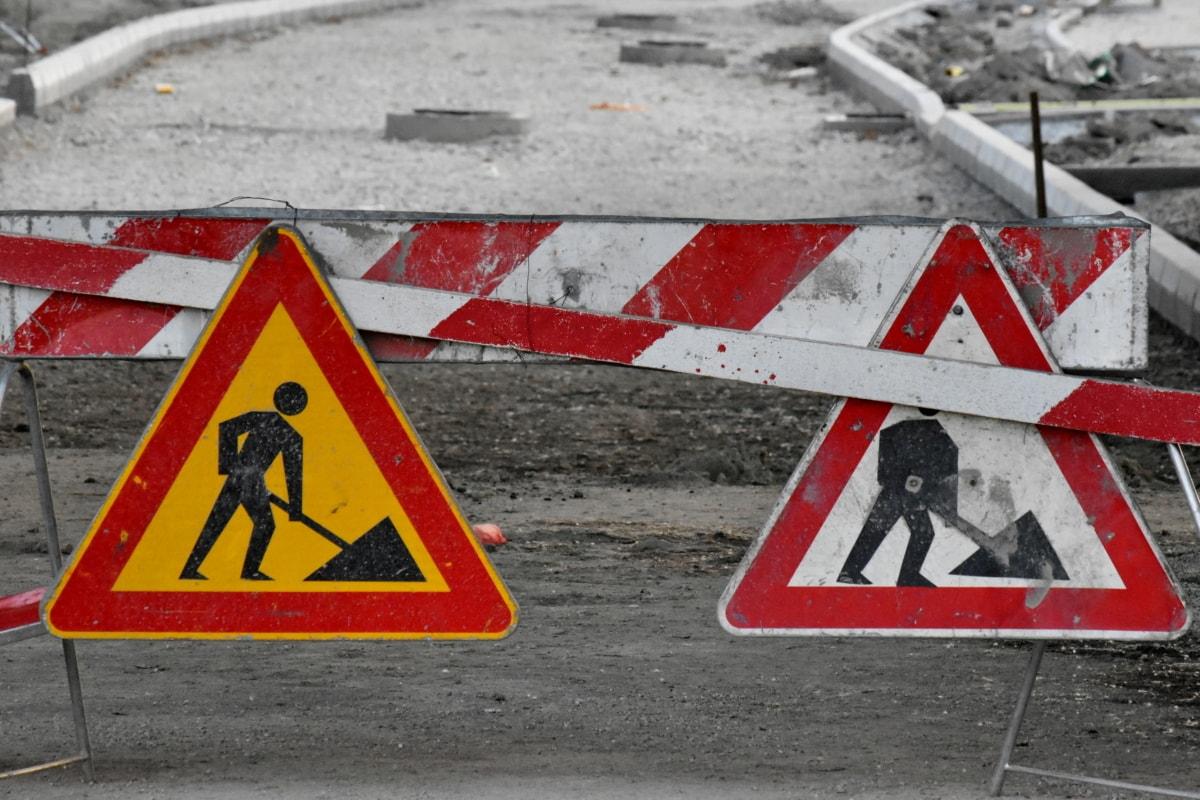 | |
The Texas General Land Office (GLO) has signed off on $24.6 million to support county and city road, water, drainage and sewer system projects. These funds will provide an influx of infrastructure support for communities vulnerable to disasters.
The city of Robstown will receive $6.8 million to increase its stormwater system capacity. The projects will prioritize two sections of the city: Central Robstown and Casa Blanca Southwest. Both projects will install piping, culverts and curb inlets. Plans also include repairing pavement, gutters and other related infrastructure.
Sinton will spend $5.3 million to improve the sewer system and lift stations throughout the city. The city will replace a water well generator, switchover and electrical components. The project will also replace the wastewater treatment plant’s generator and install pumps, piping, fittings, electrical controls and wet wells. Plans also include improving manholes, repairing pavement and extending bore and casing.
Milam County will allocate $3.4 million to reconstruct several county roads: CR 240, 342, 306 and 215. The county will perform the same type of work on all roads, which includes regrading and stabilizing the foundation, installing a new base and pavement, and making necessary improvements such as drainage or other related features.
The remaining projects selected to receive awards include:
- Martindale will spend $2.4 million to increase flood resilience along roadways. Plans include improving flood and drainage by excavating, reconstructing retaining walls, finishing embankments, replacing culverts, improving ditches and installing curbs. The city will also reconstruct a road.
- Karnes County will use $2.2 million to replace undersized low water crossings. The projects will remove and replace culverts with a small bridge, relocate utilities and grade channels. In addition, the county will install erosion controls, dewater sites and excavate and reconstruct streets.
- The city of Dilley will receive $2.1 million to build a water well, install a pump and motor, electrical controls and a generator.
- Cleveland will use $1.5 million to upgrade a fire station and three lift stations. The city will install generators and transfer shifts at all project sites.
- Madison County will improve drainage by spending more than $900,000 to demolish and replace culverts, install riprap, repair pavement, excavate ditches, install a bridge and treat sloped ends.
(Photo courtesy of Bicanski on Pixnio.)
|  | |
On Election Day, voters across the U.S. were presented with 370 state and local ballot initiatives related to transportation.
Approximately 77% of those initiatives were approved by voters, and they’re expected to generate $41.4 billion in new and renewed funding for roads, bridges, rail and trails, according to data compiled by the American Road & Transportation Builders Association (ARTBA).
Click here for more information on nationwide transportation bonds
(Photo courtesy of David McElwee.)
|  | |
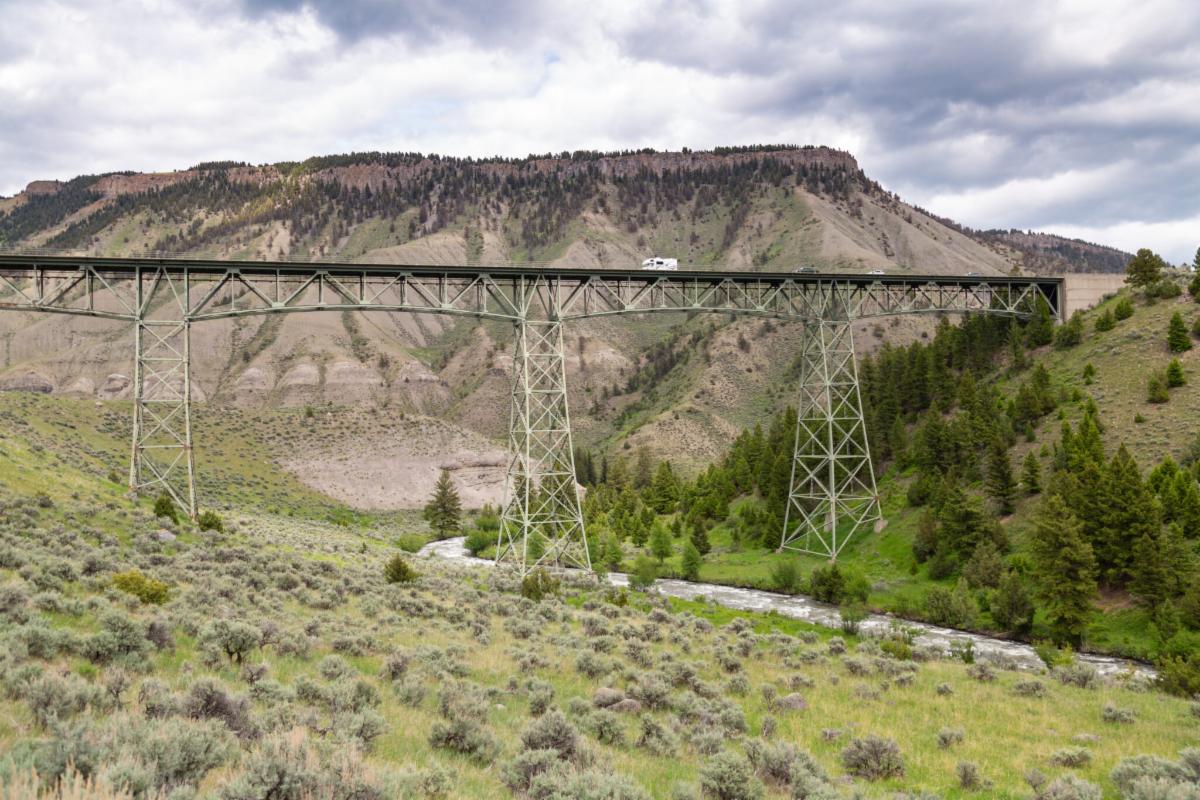
Bridges across America are about to get some much-needed repairs. The Federal Highway Administration (FHWA) is directing nearly $635 million to repair and replace bridges across 19 states, marking another major investment in America’s aging infrastructure. The funding targets small and medium-sized bridge projects in both rural and urban communities, from Maine and Mississippi to Arizona and Alaska.
The grants are part of the Bridge Investment Program created by the 2021 Infrastructure Investment and Jobs Act, which dedicates $40 billion over five years to address a nationwide backlog of bridge repairs. The program looks to improve safety for drivers, support the economy and make the transportation system better for emergency responders and commercial vehicles.
Click here to learn more about the nation’s investment in bridge infrastructure
(Photo courtesy of Yellowstone National Park.)
| |
On Nov. 7, the Texas A&M University System chose Juan Castillo as interim president of Texas A&M International University. Castillo has been acting president since Oct. 3, following President Pablo Arenaz’s death. He has served as vice president for finance and administration for the international university since 2008. Castillo brings more than three decades of management experience to the role.
| |
Jennifer Frescaz will step into the chief information officer (CIO) role for the city of Lubbock. Frescaz brings more than 15 years of public sector technology leadership experience to the position. She has been with the city of Midland since 2009, most recently serving as CIO and managing director. Her first day will be Nov. 11, 2024, succeeding James Brown.
| |
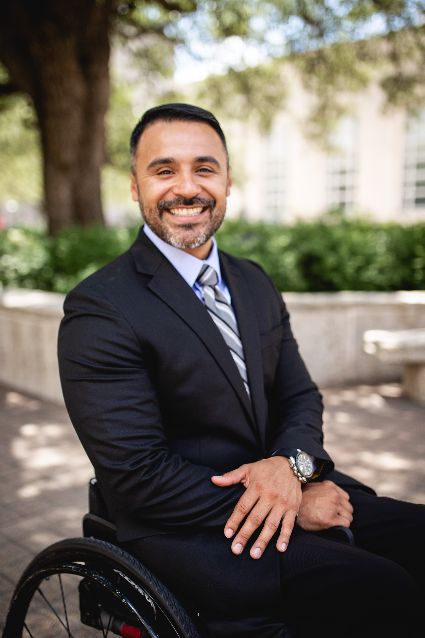
The Houston METRO Board of Directors has welcomed Angel Ponce into its ranks. Ponce most recently served as director of the Mayor’s Office for People with Disabilities. He brings more than 15 years of experience in advocacy for people with disabilities and other underrepresented groups. He replaced Chad McMillan on Nov. 6, 2024.
| |
On Nov. 5, Cal Hendrick was elected mayor of the city of Odessa. Hendrick will replace current Mayor Javier Joven. Before stepping into the government sector, Hendrick built a 34-year career in law. He currently serves as regional director for risk solutions at an insurance company.
| |
Gov. Greg Abbott announced these appointments and reappointments from Nov. 1 through Nov. 7:
State Board Of Education
Leslie Recine - Pantego
| |
Texas Government Insider is a free weekly newsletter detailing important happenings throughout the state and summarizing current political issues relevant to individuals interested in government.
Publisher: Mary Scott Nabers
Editors:
Adam Rollins
Dave Doolittle
| |