
The Garland City Council has adopted a new 10-year strategic plan that prioritizes strengthening existing structures and programs rather than pursuing expansion.
Redevelopment takes the stage as Garland’s centerpiece for the next decade. The city is already largely built out, leaving the best opportunity to reinforce revenue streams and its tax base through strengthening commercial corridors, revitalizing aging housing areas and capitalizing on the economic productivity of land within its existing geography.
Garland’s development state isn’t the only foundational challenge facing the city. On top of it, city leaders must also contend with structurally constrained revenue growth, aging and underperforming commercial landscape areas and a housing market that is trapped in a self-reinforcing cycle of underinvestment. The plan establishes a strategic approach to thrive using these hurdles as a framework for future investments that support long-term economic resilience and self-sustainability.
The strategic plan is built around four goals:
- Strengthen financial capacity.
- Accelerate economic redevelopment.
- Protect core services.
- Align, execute, measure and communicate.
Plans to strengthen the city’s financial stewardship include pursuing grants, partnerships, responsible budgeting and long-term financial planning to better invest in its future. City leaders will also align annual budgets and staff with strategic priorities, realign department programs and increase legislative and fiscal resilience.
Economic development will largely rely on the city concentrating resources in priority Economic Focus Areas possessing the greatest potential for growth and investment. The city’s existing land will be its greatest asset for achieving measurable financial stability and success. To achieve these milestones, the city will:
- Drive catalytic redevelopment.
- Promote housing diversity.
- Stabilize surrounding neighborhoods.
- Streamline development processes.
- Ensure development consistency and predictability.
- Invest capital in focus areas.
- Deliver early corridor improvements.
- Deploy city-owned land strategically.
- Govern investment decisions by return and catalytic value.
- Treat open space as a value-creating asset.
The city will ensure that it protects its core services for residents, including police, fire, streets, utilities, parks, libraries, neighborhood services and cultural amenities. Achieving these goals will require the city to build its workforce capacity, sustainability efforts and ensure continuity of operations and resilience.
The final goal depends on the city’s efforts to measure progress and remain accountable for its residents. Transparency is key, with plans to deliver public reporting, performance measures and regular updates for decision-making processes. The city will integrate the strategic into its governing and resource decision frameworks while simultaneously creating a targeting communications strategy to remain accountable. Other action items to support these efforts include:
- Measuring market momentum and fiscal impact.
- Engaging with stakeholders.
- Building data-driven decision capacity.
- Evaluating redevelopment performance.
- Reviewing departments continuously and consistently.
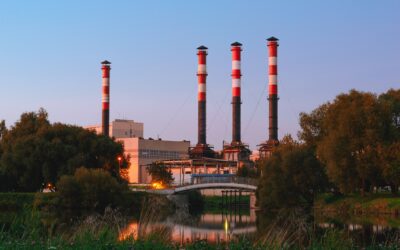
Photo by Bruno from Pixabay
This story is part of the weekly Texas Government Insider digital news publication. See more of the latest Texas government news here. For more national government news, check out Government Market News daily for new stories, insights and profiles from public sector professionals.