
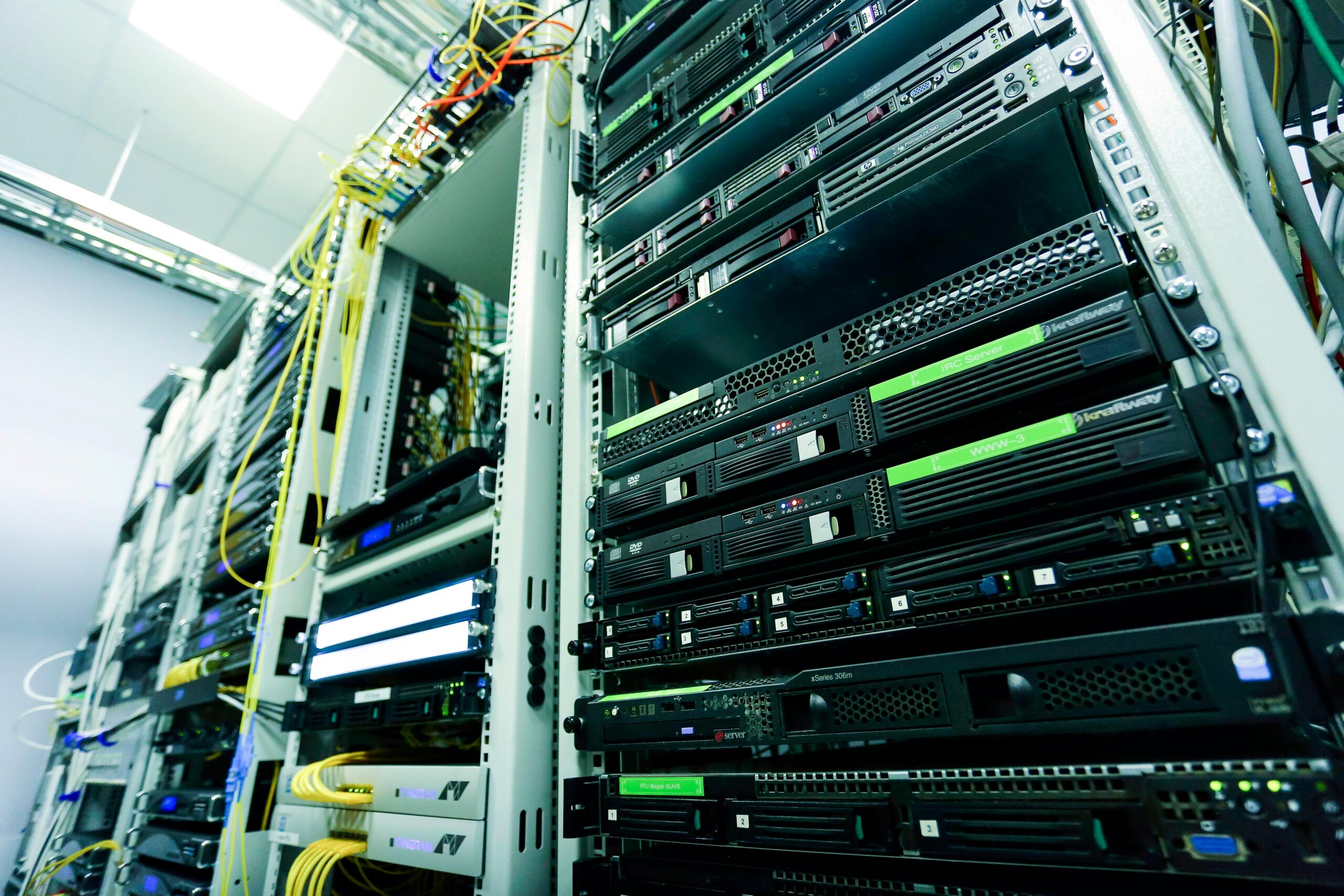
Texas stands at the forefront of the data center frontier after projections anticipate that the state will become the largest home for data centers in the country within the next two years. The state’s appeal to the booming industry is due to several conjoining factors, with none so incentivizing as the $1 billion in tax cuts used to facilitate development in 2025.
The exception is an unprecedented leap in tax incentives and breaks, stemming from rapid advancements in artificial intelligence (AI) data center technology over the last few years. The tax cut incentive was originally established during a period where data centers were smaller and needed fewer resources. Now, there are more than 300 operating data centers, with more than 100 projects planned and approximately 151 data centers are currently under construction.
Estimates conclude that there are around 121 data centers that directly benefit from the tax cut. These centers are not required to pay the state’s 6.25% sales tax on facility purchase and maintenance costs. They also are not required to pay state sales tax on electricity.
Between 2014 and 2022, Texas only lost around $142 million in revenue. The following year ballooned that to more than $150 million – just 15% of the $1 billion in breaks in 2025. The Texas Comptroller of Public Accounts (CPA) projects that the state will provide $1.3 billion in tax cuts this year and $1.6 billion by 2027. That number is only expected to rise to $1.75 billion by 2035.
While these figures are already massive, chances are they are actually an underestimate of how much revenue the state will actually lose over the coming years. Texas has become a hot spot for data center development due to the state’s business-friendly environment, cheap gas, available land and more lenient regulations. While it’s on track to dominate the data center market, lawmakers are uncertain whether the losses justify the gains.
Texas legislators have taken notice of significant losses in revenue caused by the generous tax cuts. Lawmakers will consider proposals for how to address these incentive programs during the next legislative session, which may result in either limiting the tax break scope or eliminating it altogether.
The recently released interim charges for both the Texas House and Senate incorporate measures to discuss the future of data center policy and development during the 90th Legislature. These primarily revolve around issues pertaining to the rapid growth of data centers, effects on revenue streams and impacts on water use and conservation.
As part of the discussion, the Legislature will examine the importance of Texas-based data centers to global competitiveness and national security, as well as how they directly and indirectly foster economic growth. Points of consideration will include:
- Identifying educational pathways to meet labor and trained workforce demands.
- Devising solutions to institute safeguards and ensure residents benefit from data center investment.
- Reviewing regulatory, statutory and infrastructure frameworks for data center development.
- Investigating methods to balance economic development benefits against impacts on landowners, private property rights, water infrastructure and community integrity.
- Providing solutions to streamline regulations.
- Examining how Senate Bill 6 and the Large Load Batch Study Process relate to data center expansion.
- Identifying how grid-connected data center infrastructure and co-located resources may support grid resilience and reliability.
Water usage has become a topic of significant scrutiny, intertwined with the skyrocketing expansion of data center infrastructure. The Legislature will evaluate water consumption rates for data centers and other high-consumption cooling technologies. The findings will inform lawmaker efforts to provide solutions to improve transparency and ensure data center growth does not compromise water affordability, availability or safety.
Tax cuts aren’t the only concern resulting from the data center boom. Even as Texas rises to the top of the data center industry, the resulting development and operations have placed an enormous strain on the Electric Reliability Council of Texas (ERCOT) power grid. Reports have projected that demand driven by data centers will breach 40 gigawatts (GW) by 2028. Out of ERCOT’s total peak energy demand of 94 GW in 2025, data centers alone accounted for 8 GW.
Additional projections signal that data centers will not only become more plentiful and demanding, but they will also be larger. Estimates place that one in five centers will exceed 1 GW in maximum energy demand by 2030; and one in three by 2035. Data center infrastructure has also been in the hot seat for its massive amount of water consumption and potential noise pollution.
This type of explosive growth was not accounted for when the original bill establishing the tax cuts was passed. Three years ago, the CPA’s office originally anticipated that data center tax breaks in the 2027 through 2028 budget would only account for around $180 million. With hundreds of data centers in operation and 151 more on the way, that figure has been blown out of the water.
The Texas Legislature has an array of options for addressing the tax cut programs. These range from fully repealing the break, reducing it, limiting the number of years it remains in effect or connecting it to stronger economic development requirements. Lawmakers will evaluate the impact of data centers and the merits of either keeping or removing the incentives leading up to the next legislative session.
Texas is one of 37 states that offer these tax exemptions to spur data center expansion and development. While it sits as one of the largest epicenters for data centers, it isn’t the only state rethinking its approach to how public dollars enable these projects. Virginia lawmakers have called a special session to determine the future of its own $1.6 billion sales tax break program. Illinois has recently instituted a two-year suspension of its sales tax exemption.
Photo by Sergei Starostin from Pexels
This story is part of the weekly Texas Government Insider digital news publication. See more of the latest Texas government news here. For more national government news, check out Government Market News daily for new stories, insights and profiles from public sector professionals.