
The Environmental Protection Agency (EPA) has ruled that Texas may administer permitting for Class VI underground injection wells. The authorization recognizes the state’s capability to utilize these wells for carbon sequestration while protecting water resources under the Safe Drinking Water Act (SDWA).
With its request approved, Texas is now empowered to implement Underground Injection Control (UIC), awarding primacy for well types from Class I to VI. These wells will be used to inject carbon dioxide into deep underground rock formations for permanent sequestration to reduce carbon dioxide emissions in the atmosphere.
The Railroad Commission of Texas (RRC) will have primary enforcement authority and oversight for these classes of injection wells. The agency’s UIC Class VI program was determined to meet all requirements for approval following a comprehensive technical and legal review. The RRC has been developing its Class VI program since 2021, working alongside the EPA’s Region 6 office to review applications.
The final rule will become effective 30 days after publication in the Federal Register. Geologists and engineers in the Special Injection Permits Unit will assume the duties and responsibilities associated with the program.
The EPA’s decision is the latest in its efforts to streamline permitting processes while bolstering economic growth. The approval aligns with the department’s “Powering the Great American Comeback Initiative,” advancing efforts to prioritize clean and safe water, restore U.S. energy dominance and support cooperative federalism.
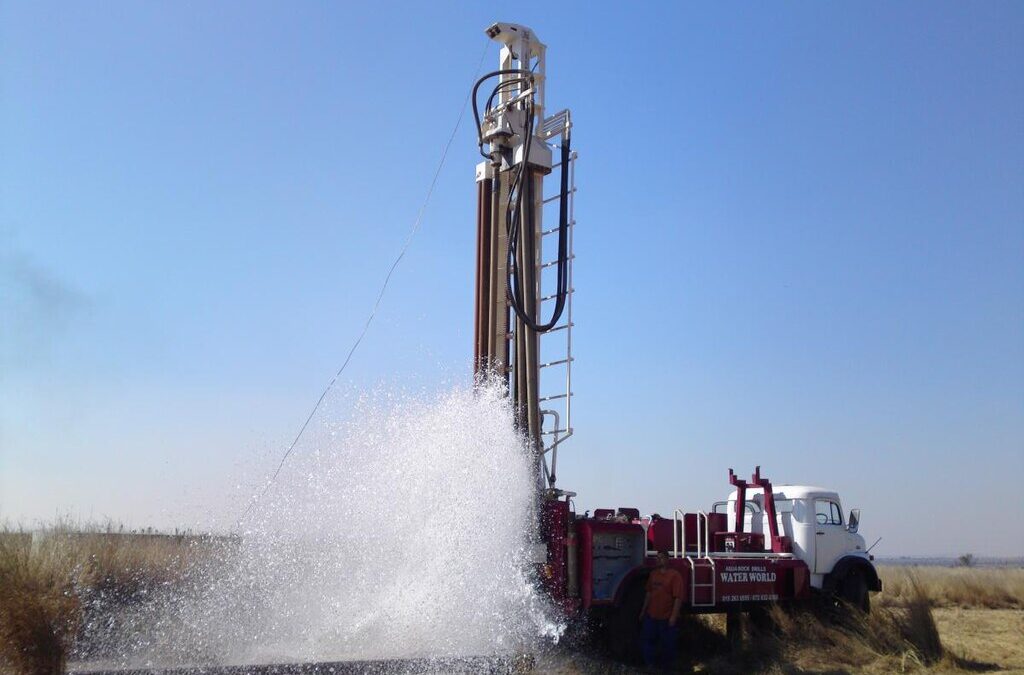
Photo by author unknown, CC BY 4.0 <https://creativecommons.org/licenses/by/4.0>, from Wikimedia Commons
This story is a part of the weekly Texas Government Insider digital news publication. See more of the latest Texas government news here. For more national government news, check Government Market News daily for new stories, insights and profiles from public sector professionals.