
The Texas A&M University (TAMU) System Board of Regents approved its 2026 through 2031 Strategic Plan during its September meeting.
The plan’s passage comes at a time when more than $400 million in construction projects are planned at the main Texas A&M campus in College Station, including a veterinary building, a space collaboration facility and a player development center.
The Strategic Plan directs the system’s 12 universities and eight state agencies over the next five years, establishing goal posts and impact drivers to align policymaking and priorities across all campuses. The system has been engaged with A&M system stakeholders since July 2025 to carve out the roadmap.
With approval finalized, the TAMU System will implement four core drivers to optimize strategic and operational success:
- Mission Enablement: Serving Texas at scale through people, technology, infrastructure and responsible financial stewardship.
- Student Success: Expanding access to lifelong learning, meeting workforce needs and developing strong leaders of character.
- Research and Innovation: Mobilizing systemwide research strengths to compete nationally and deliver real-world impact.
- Community Advancement: Applying A&M System expertise to strengthen communities, expand opportunities and improve lives statewide.
Each pillar of the Strategic Plan has corresponding objectives that campuses and faculty will strive to incorporate and achieve. The system has also provided 36 key performance indicators (KPI) to help measure overall success annually across all drivers. Implementation will be accomplished in phases.
Mission enablement focuses on supporting the people, systems, technology, infrastructure and resources that lay the foundation for its success. Meeting this goal starts with achieving systemwide priority alignment and ensuring all campuses implement parallel decisions, investment, performance measures and risk management practices.
Effective mission enablement will require the system to further invest in a stronger workforce and leadership capacity, ensuring long-term success by supporting the systems needed to sustain organizational strength and capability. The plan also calls for capitalizing on state-of-the-art technology integration and deployment by leveraging data, analytics, AI and other digital capabilities to enhance performance and decision-making processes. The last action levied at emboldening mission enablement requires the system to optimize management of financial, physical and operational resources to guarantee effective long-term service delivery and impact.
For student success, the plan sets out to achieve five key objectives, starting with creating clearer pathways for student success by identifying notable barriers to entering and progressing through education and improving infrastructure to better illustrate and support affordable degree or credential pathways. The system will also highlight efforts to ensure students are prepared for careers, leadership and service post-graduation.
The system’s holistic educational experience will undergo a transformation to meet modern expectations for student support, prioritizing lifelong learning, well-being, re-engagement and evolving student goals. Campuses should place greater investment in providing faculty with the tools and resources needed to improve the student experience while empowering students to thrive through specialized systems of support and engagement.
The Board of Regents is positioning the system’s research and innovation as another one of the plan’s drivers, ensuring that its efforts are aligned to promote discovery, developing cutting-edge solutions and creating measurable impact for pressing state needs. This starts with identifying, defining and solving significant challenges through coordinated research efforts.
Collaboration will be one of the key engines to achieve systemwide research and innovation goals, emphasizing cross-member and external collaboration venues to activate the distinct strengths and skillsets of TAMU System members. The system also plans to advance more discoveries through an innovation ecosystem by bolstering research translation, commercialization, entrepreneurship and innovation deployment capabilities. Finally, system leadership will coordinate efforts to amplify and broaden the TAMU System’s research and innovation story to emphasize its brand identity and standing at the local, regional, state, national and global levels.
The fourth and final driver centers around community advancement through TAMU System capacity application, starting by aligning priorities, identifying opportunities and measuring outcomes to maximize community and economic impact. Leaders will double down on these efforts by mobilizing systemwide expertise, resources and partnership to shape shared priorities centered around delivering long-term impacts, bolstering community capacity and promoting civic leadership.
The Board of Regents will further amplify the system’s overarching impact narrative, unifying its story through shared measures, reporting, communication and stakeholder understanding. Lastly, the system will endeavor to strengthen the conditions for long-term success by investing in thriving communities, resilient regional economies and overall prosperity.
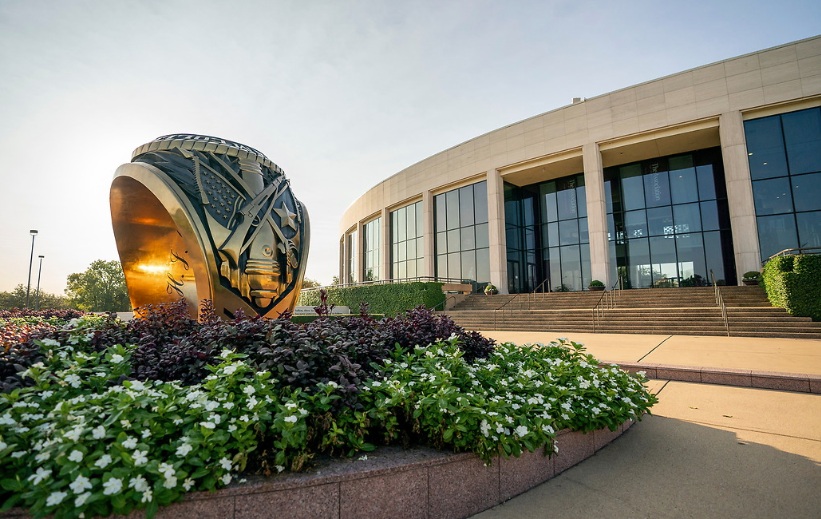
Photo courtesy of Sam Craft, Texas A&M University Division of Marketing & Communications
This story is part of the weekly Texas Government Insider digital news publication. See more of the latest Texas government news here. For more national government news, check out Government Market News daily for new stories, insights and profiles from public sector professionals.