
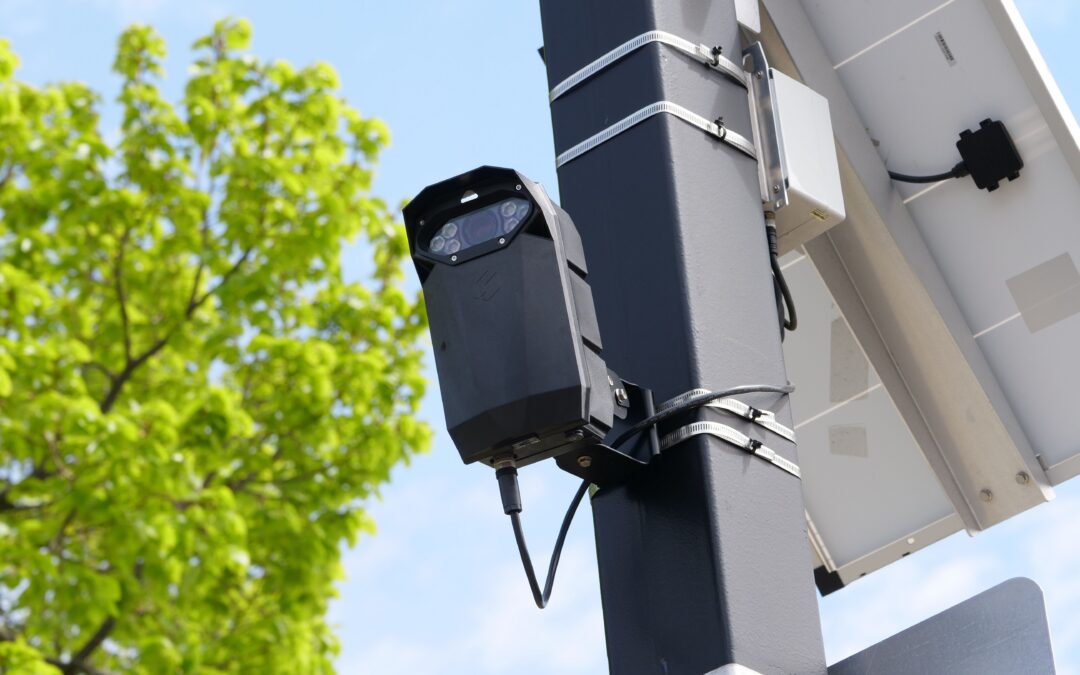
Gov. Greg Abbott has directed all state agencies to halt funding for Flock cameras, responding to nationwide concerns over privacy, mismanagement and lack of transparency issues in the roadside camera network’s usage.
Flock cameras have been at the center of a nationwide controversy in recent months amid public outcry against irresponsible utility of the mass surveillance network. Dozens of municipalities have already canceled their contracts with Flock and either taken down or disabled the AI-powered cameras, while many residents have taken matters into their own hands to vandalize and disrupt the network themselves.
Texas is the latest to issue state-level directives over how agencies should handle Flock management and investment going forward. Gov. Abbott communicated the decision Aug. 27 to all state agencies, immediately halting any further expenditures for purchasing or installing the cameras.
“To the extent that cities get any funding for those cameras, most of it comes from the federal government,” Abbott spokesman Andrew Mahaleris said in a statement. “To the extent any funding comes from Texas agencies, those agencies are clarifying that those funds cannot be used for Flock cameras.”
The state has already dedicated tens of millions of dollars toward developing its own Flock surveillance network. The Motor Vehicle Crime Prevention Authority was in the process of allocating roughly $30 million to local police departments explicitly for these technologies. The authority has helped install at least 3,200 cameras over the past three years.
The most popular Flock cameras deployed across the nation are known as automatic license plate readers (ALPR). These readers leverage AI technology to capture license plate numbers; vehicle makes, models, details and colors; and records vehicle sightings at specific places and periods of time. This information is then catalogued and shared with local police jurisdictions, as well as any other agency that uses Flock cameras.
Texas’ bid to rapidly expand the surveillance network derives its funding from legislation passed in 2023 to add $1 to Texas auto insurance policies. The law was purportedly meant to combat catalytic converter theft. Notably, there had been no mention of the funding being used to develop the Flock mass surveillance network prior to its approval.
Glaring examples of authorities abusing the Flock network have reportedly been attributed to police officer misconduct. A Lufkin officer is facing 100 counts of misusing public information for allegedly accessing the camera network to track and surveil 11 people for more than a year without a warrant. Multiple police departments and sheriff’s offices across Texas have levied their own disciplinary crackdowns on offending officers for similar actions.
The public has also expressed criticism for how the cameras use AI technology to track and gather information. While the company maintains that camera readings are highly accurate, some reports have surfaced with findings that roughly 70 percent of ALPR alerts misread license plates and flagged the wrong vehicles.
Issues with Flock cameras have become a notable bipartisan concern as both Democratic and Republican lawmakers respond with criticism for how broad the network has become and how much data each camera uses. Currently, any law enforcement agency that opts into the network can access Flock data from anywhere in the country. Some lawmakers have begun signaling legislation to curb accessibility overreach by requiring warrants for accessing information, restoring some level of privacy. ‘
Photo by Giant Asparagus from Pexels
This story is part of the weekly Texas Government Insider digital news publication. See more of the latest Texas government news here. For more national government news, check out Government Market News daily for new stories, insights and profiles from public sector professionals.