
The Baton Rouge Area Foundation (BRAF) in Louisiana unveiled Plan Baton Rouge III on May 6, a downtown master plan calling for more than $1.5 billion in early investment and outlining about 80 recommendations for the next decade.
The plan lays out a 10-year roadmap for new housing, riverfront development, transit upgrades and economic growth in downtown Baton Rouge. Full implementation would reach about $1.7 billion if every recommendation moves forward. The blueprint now heads to the East Baton Rouge Parish Planning Commission and Metro Council for review before formal adoption.
The plan positions downtown as a residential and mixed-use neighborhood rather than strictly a central business district, intending to triple the downtown residential population from about 3,800 today to more than 10,000 over the next decade.
The blueprint is built around five priorities. BRAF wants to turn the Mississippi River shoreline into a more accessible draw for residents and visitors, broaden the mix of industries and employers based downtown and develop walkable hubs across the district. The remaining priorities call for tying downtown’s cultural and civic landmarks more closely together and improving transportation throughout the area.
Over the next 10 years, the plan is projected to generate 5,000 new residential units, more than 7,000 additional downtown residents and more than 5,000 new jobs. BRAF’s broader target sits even higher at 10,000 jobs.
To reach those targets, the plan leans heavily on the riverfront. Planners recommend a marquee park and entertainment district along the Mississippi River, anchored by several headline projects. Those include a reworking of the Hilton Baton Rouge Capitol Center into a Sports Illustrated Resort and a redevelopment of the Raising Cane’s River Center with a hotel and upgraded ballroom. The plan also calls for a new youth sports and entertainment venue on the waterfront.
The recommendations go well beyond the river. Housing is a central thread, with the plan pushing for new units across a range of price points. The blueprint also calls for a downtown transit network designed to make it easier to move between neighborhoods, workplaces and the riverfront.
Public space is another major focus. The plan calls for about 80 acres of new or upgraded parks, plazas and walkable corridors across downtown.
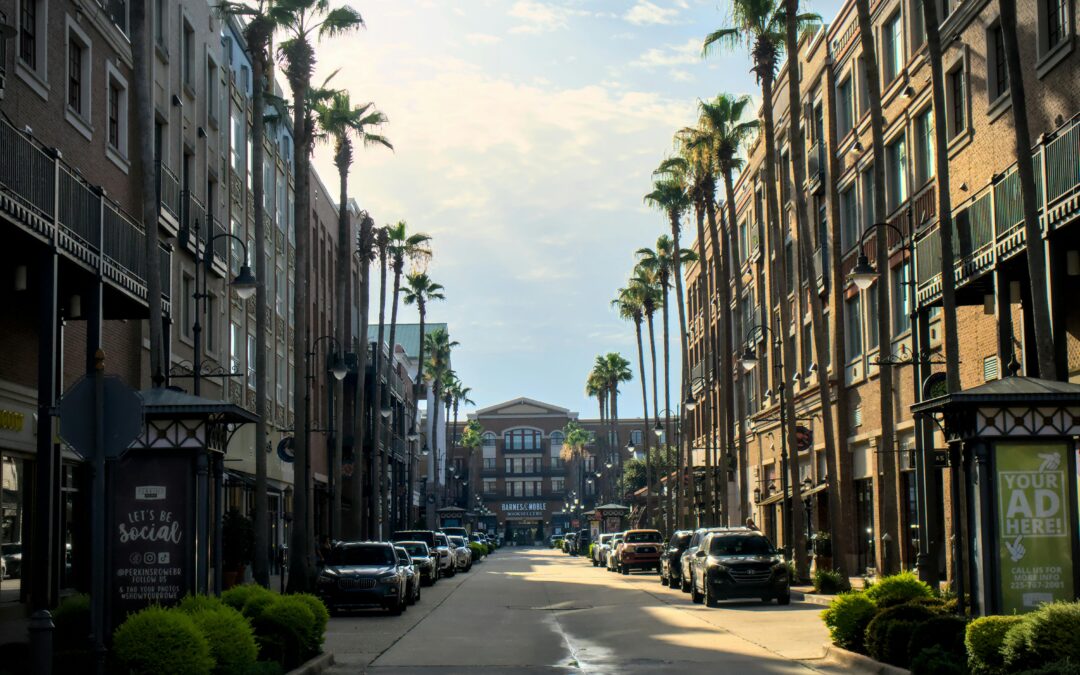
Photo by David Luyeye from Pexels
For more of the latest from the expansive government marketplace, check Government Market News daily for new stories, insights and profiles from public sector professionals. Check out our national contracting newsletter here.