Volume 16, Issue 46 - Wednesday, November 13, 2024 | |
By Mary Scott Nabers, CEO of Strategic Partnerships, Inc. | |
|
Nevada, Utah, Idaho, Texas, Florida and Arizona are among the fastest-growing states in America. In any rapidly growing state, booming population growth brings abundant opportunities.
Six of the 10 fastest-growing counties in the U.S are located in Texas. This surge in growth is particularly seen in the corridor between Austin and San Antonio as well as the North Texas communities surrounding the Dallas/Fort Worth Metroplex – all of which are exploding with infrastructure upgrade needs and either designing or considering new, large projects currently. Housing needs are great with hundreds of cities that are experiencing significant growth. Water resources are in high demand as are hospital expansions, healthcare facilities, additional school rooms, new law enforcement facilities, and all types of other amenities for families and businesses.
Voters in New Braunfels approved funding for a $28.56 million construction project that will deliver a new library. It is currently being designed as a 23,250-square-foot facility which will serve the rapidly growing southeastern part of the city. When finished, it will contain quiet rooms for studying and research, meeting spaces, a public plaza, garden areas, and a technology lab to support educational programming for all age groups. Additionally, the new library will offer 24/7 lobby access for pickups to ensure that convenience for citizens.
Law enforcement facilities are in high demand in many regions but particularly for cities located along fast-growth corridors. The White Flint Fire Station located in Rockville, Maryland will soon be replaced with a new facility. A $38 million construction project deliver a one-story facility with five apparatus bays. It will house fire and rescue services, and a police station. The building will also include dormitory support spaces, private bunkrooms, administrative offices, and meeting/training areas. There will be parking spaces for fire station staff and 26 spaces for police officials in a secure area. Sustainability will be a core aspect of the project, and the building will be designed for net-zero energy. Photovoltaic arrays will be installed on the roof and the site will also incorporate stormwater management systems. Currently in the design phase, the project’s construction is planned for 2026.
The state of Utah is historically one of the fastest growing states. It hovers between being the fastest growing state in the U.S. or the second fastest. A large upcoming transportation project in the city of Lehi has been tagged with an estimated cost of $554 million. The project will be designed to expand the freeway connection along 2100 North between the Mountain View Corridor and Interstate-15. Upon completion, east-west travel between key routes across northwest Utah County and Salt Lake County will be safer and more efficient. The project will reduce congestion, streamline traffic flow, and improve access to and from Lehi. Other project components will include development of trails, improved access and safety for pedestrians and cyclists. The design work is currently underway, and construction will follow.
Click here for more.
| |
University of Wisconsin approves $304.1 million to build, expand residence halls | |
|
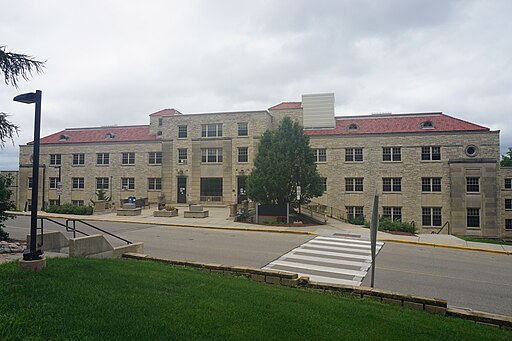
The University of Wisconsin at Madison (UW-Madison) will invest $304.1 million to build new residence halls and expand an existing facility. Construction on both projects is expected to begin in 2027.
To address the university’s ongoing housing and dining shortages, UW-Madison will build multiple residence halls, allocating $293.4 million for construction. The project will build semi-suite, double occupancy bedrooms with shared bathrooms to accommodate up to 2,000 students. The university has identified multiple sites for construction.
Each hall will feature a front desk; common areas; multi-purpose and study rooms; and staff quarters. In addition, UW-Madison will incorporate office space, laundry facilities, a central mailing and package center and storage into the building designs. The project will also integrate dining options and amenities for up to 400 seats into the residence hall designs.
The university will demolish existing structures to prepare for construction work. Plans include incorporating mechanical, electrical, fire protection and plumbing systems into the building infrastructures. UW-Madison will ensure each residence hall has adequate parking for all residents and university employees.
In a separate project, the university will spend $10.7 million to renovate and expand the Dejope Residence Hall dining area. Plans include building and renovating the hall’s dining, server, kitchen, dishwash, storage and support areas. The project will remove the existing rain gardens and upgrade the facility’s mechanical, electrical, fire protection, plumbing, architectural, site and landscaping features.
(Photo courtesy of Michael Barera.)
| |
Nashville approves $3.1 billion transit plan focusing on mobility, safety and technology | |
|
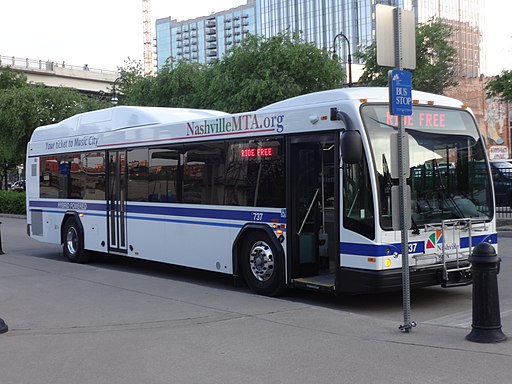
Nashville has approved a $3.1 billion transit plan to build mobility infrastructure, integrate technology to protect pedestrians and enhance transit services. Officials anticipate the “Choose How You Move” plan will help make the city eligible for up to $1.4 billion in matching funds for projects.
The transit plan highlights six investment categories that the multi-billion allocation will support. These categories include:
- Sidewalks, signals, streets and safety.
- All-Access Corridors.
- WeGo essentials.
- WeGo service enhancers.
- Places for everyone.
- Innovation and technology.
The plan estimates the city will spend nearly $1.4 billion to expand the city’s All-Access Corridor network. This network supports seamless, reliable transit along the most heavily traveled pikes and roadways.
Nashville will work to improve travel time consistency throughout the day along 10 select corridors. This will include reconstructing 54 miles of street to better accommodate all travelers. The All-Access Corridors feature a high-frequency bus line in dedicated transit-exclusive lanes, transportation upgrades for non-motorized travelers and transit signal priority along intersections.
The city will allocate more than $1 billion to improve the city’s non-motorized traveler infrastructure, prioritizing sidewalks, signals and dedicated travel lanes. The plan prioritizes installing or upgrading 86 miles of sidewalks to develop a priority sidewalk network throughout the city. Nashville will also expand the city’s Complete Streets by 39 miles to improve pedestrian, bicyclist, driver and transit-user safety.
Dangerous streets identified in the Vision Zero Implementation Plan will also be addressed though road designs that reduce speeds, mitigate crash risks and protect residents. In addition to building new or upgrading bike facilities across 35 miles of the city’s protected bike network, the plan outlines deployment of 582 smart signals to optimize traffic cycles, improve traffic flows and manage congestion.
The city will use $635 million to upgrade essential amenities for the public transit system, modernizing it to enhance service and improve safety. Plans include upgrading or building 285 bus stops, 12 transit centers, 17 park and rides, renovating a bus garage and building a new one and procuring 65 buses. Nashville will also modernize the digital fare system to make it easier to use the transit system.
An $111 million allocation in annual expenses will enhance public transit services with increased transit frequency, shortened waiting times, later service hours and new routes across the city.
Nashville will invest $25 million to develop, integrate and deploy cutting-edge technologies to enhance the average transit experience. Projects will vary from launching a transit app to installing 50 miles of fiber optic cables to support the city’s adaptive traffic signals. The city will upgrade the Traffic Management Center to better coordinate traffic signals and expedite first responders and social service providers when needed.
The plan also outlines an initial $34 million expense to buy land near transit centers for future development. These projects will build additional affordable housing in critical city centers to make areas more walkable and reduce commuting hours. The city’s transit-oriented development plans will cater to community needs, lowering the cost of living while making neighborhoods safer.
(Photo courtesy of Michael Rivera.)
| |
Denver to invest $570 million in downtown revitalization | |
|
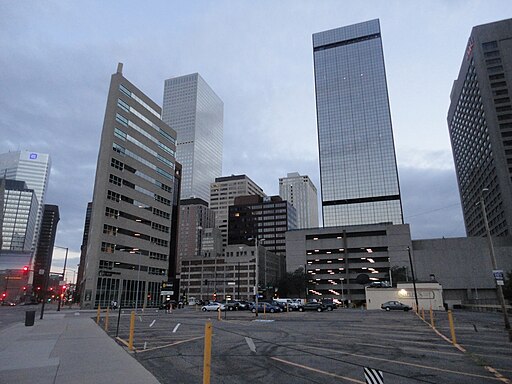
The city of Denver has overwhelmingly voted to invest $570 million into revitalizing its downtown area.
Like many cities in America, Denver has been facing challenges in returning to pre-pandemic levels of activity and economic opportunity. Office vacancies and rent are high, foot traffic is slow to recover and cultural centers are burdened by increasing costs without the means to sustain operations.
To expedite its recovery, the city will expand the Downtown Development Authority (DDA) to transform the city center and breathe new life back into Denver’s cultural, civic and economic core. City officials anticipate that the DDA will use the funds to create economic growth opportunities through new housing options, revitalized public spaces and future mixed-use development.
The DDA is working on a Plan of Development to direct funds toward critical downtown-centric revitalization projects. These projects will build on recent investments made to recover the downtown area by supporting local entrepreneurs, attracting businesses and developing public spaces for residents. The City Council will vote to approve the plan Dec. 9, 2024.
The City Council’s approval will propel the Downtown Revitalization Plan into the next stage, opening applications for projects to receive funding. The city anticipates distributing funds for selected projects in 2025.
(Photo courtesy of Paul Sableman.)
| |
Indiana town expanding convention center with $51.5 million investment | |
|
The city of Monroe, Indiana, will spend $51.5 million to expand the Monroe Convention Center. Bidding will open in March 2025, with construction slated for June 2025.
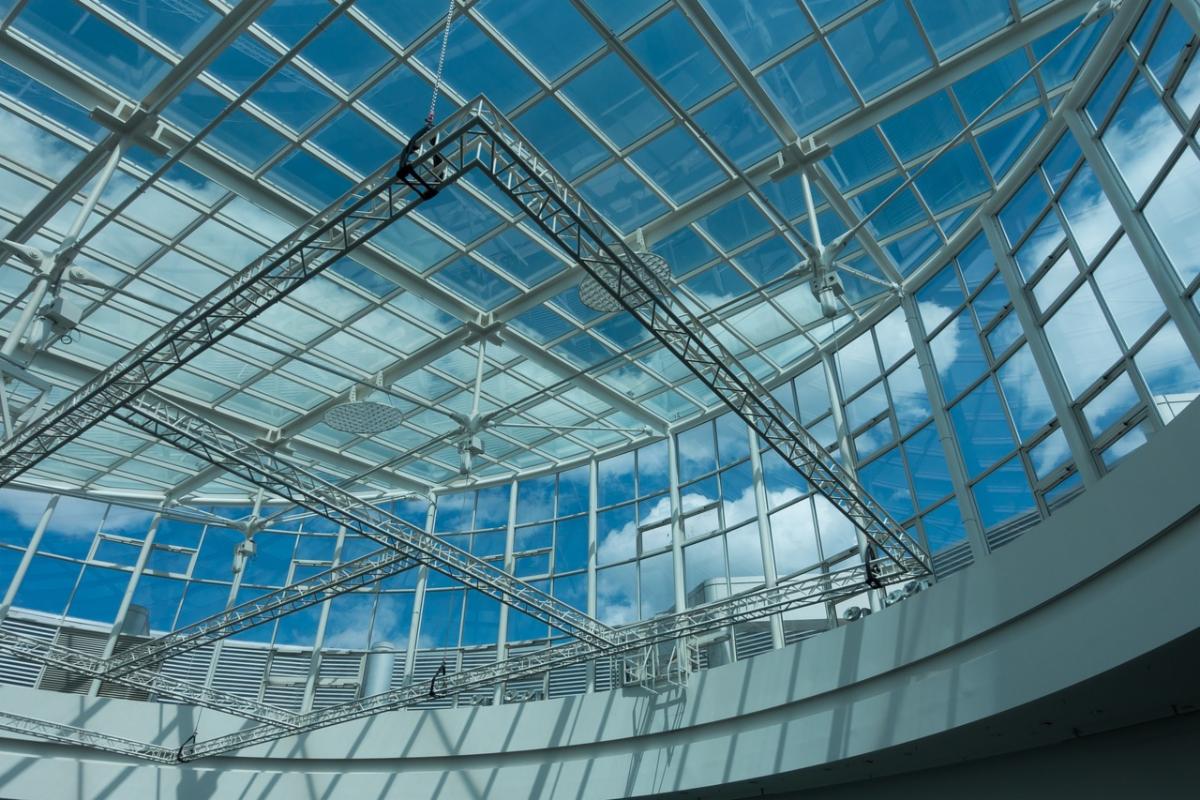
The project will build an entirely new facility across from the existing 40,000-square-foot Monroe Convention Center. The expanded building will provide an additional 60,000 square feet of space, featuring limestone elements, a simplified and refined roof line, two pedestrian entry vestibules and exterior greenspace.
The expanded wing of the Monroe Convention Center will be a two-story building, including a nearly 30,000-square-foot great hall. The designs incorporate a service corridor connected to the great hall, ample circulation space and a main storage area. Other design elements include a kitchen, dry storage and dishwashing station near the great hall.
The city will ensure the building has dedicated spaces for electrical, IT and security systems. The first floor features a shower room, recycling room, four bathrooms, a loading and staging area, a sprinkler pump room and a water service entrance.
The second floor will feature two meeting space rooms, an event office and access to a green roof. Plans include building an interconnecting bridge between the existing Monroe Convention Center and the future expansion, providing a safe path for pedestrians over the road. The city will also ensure the second floor has storage, a mechanical corridor, two restrooms and circulatory space.
The building will have a green roof area, including openings to roof gardens on lower floors. The project will leverage an HVAC system that features multiple outdoor air-to-water heat pumps with indoor backup boilers as a contingency.
(Photo courtesy of stux on Pixabay.)
| |
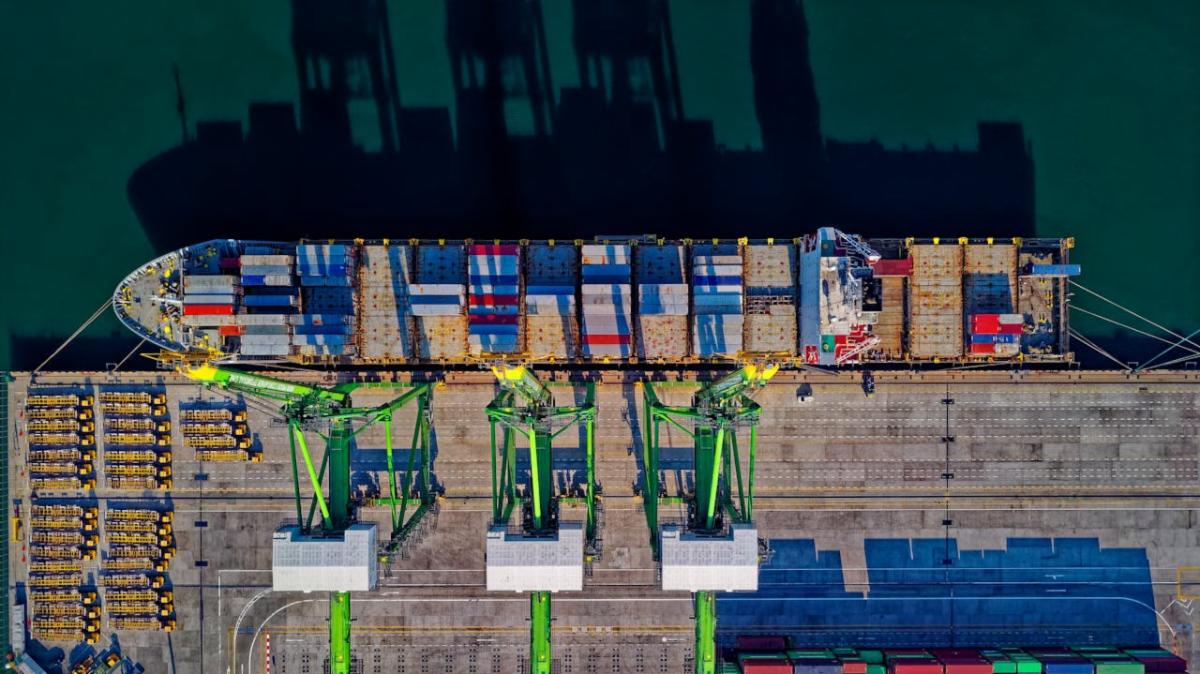
Port of Virginia pursues net-zero port operations with $380 million investment | |
|
The Port of Virginia will invest $380 million to transform its port operations with the goal of fully eliminating greenhouse gas (GHG) emissions. The port will allocate the funds to procure electric equipment, build the infrastructure to support that equipment and advance the port’s goal to achieve zero-emissions operations by 2040.
While ports play an essential role in transporting goods and people throughout the country, they heavily rely on equipment and infrastructure that produce significant amounts of GHG. These pollutants disproportionately affect nearby communities, lowering air quality, affecting public health and furthering climate change. The shipping industry, including global port operations, is estimated to produce up to 850 million metric tons of CO2 annually.
The Port of Virginia is one of dozens of ports nationwide refurbishing their operations to mitigate air pollution without reducing productivity. The port will prioritize sustainability, enacting a 15-year plan to reduce carbon emissions to zero, rely on 100% clean electricity and deploy the largest fleet of hybrid equipment in the nation.
The funds will enable the port to retire more than 150 pieces of legacy equipment. The equipment being replaced includes:
- Specialized cranes for rail operations and yards.
- Shuttle carriers.
- Electric locomotives.
- On-terminal trucks.
- Shuttle buses.
The electrification plan will not work without corresponding infrastructure. To that end, the Port of Virginia will build supplementary zero-emission infrastructure at its terminals to handle its equipment. Plans also include developing battery charging infrastructure and energy storage to expand zero-emissions operations.
Currently, the port has already achieved powering its terminals with 100% clean energy, a milestone crossed eight years ahead of schedule. Port officials are committed to developing the nation’s first net-zero port, with the recent allotment advancing related projects. Achieving that vision will require additional investment and projects over the next 15 years. The port outlined its milestones and future plans in its 2023 sustainability report. Some of these plans include:
- Dredging the channel to increase depth and width.
- Supporting offshore wind hubs.
- Expanding rail yard infrastructure.
- Improving terminals and port operations.
- Integrating cutting-edge semi-automated systems and technologies.
(Photo courtesy of Tom Fisk on Pexels.)
| |
Bids open in 2025 for $29 million Santa Monica Pier Bridge replacement project | |
|
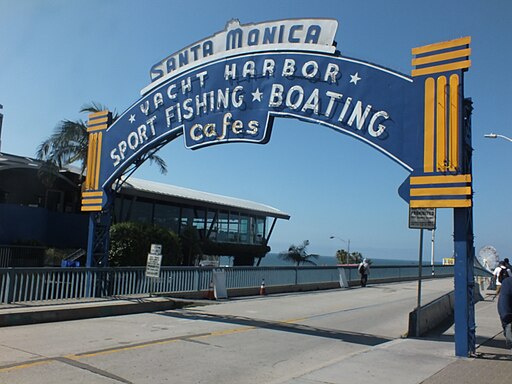
The city of Santa Monica, California, will spend $29 million to replace the Santa Monica Pier Bridge. The city confirmed that both bidding and construction are expected to begin in 2025.
The 84-year-old pier bridge, one of the most iconic historical landmarks in the city, is structurally deficient and unsuitable for expected daily traffic increases of the 2028 Olympics. To preserve the pier’s cultural significance, the project will rehabilitate and reinstall the historic blue pier sign. The city will install a replica sign on the pier during construction.
The replacement bridge will be fully seismically sound and designed to serve the needs of residents, businesses and visitors. The city will build a wider bridge on the same alignment as the existing bridge. Plans include building an ADA-accessible path, bicycle lanes and wider sidewalks.
During construction, the project will install temporary bridges to accommodate public parking, delivery vehicles and emergency vehicles and to ensure residents can still access the beach. The replacement bridge will retain the same number of vehicular travel lanes once completed. The project’s design places the vehicular and bicycle lanes at the north side of the bridge and the sidewalks at the south side.
The city also anticipates making minor improvements to the pier deck as part of the project. Plans include removing parts of the pier that connect to the bridge to ensure the city and conduct demolition. The project will reconstruct parts of the deck to connect it to the replacement bridge. The city will make other modifications to widen and extend the bridge in certain parts and reconstruct and replace other aspects to maintain the bridge’s historic appearance.
(Photo courtesy of AramilFeraxa.)
| |
Providence to improve iconic Riverwalk with $10.8 million investment | |
|
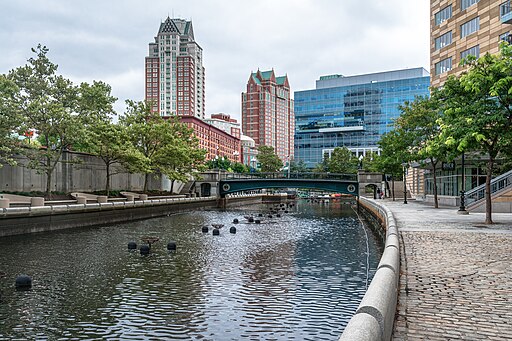
The city of Providence is in the design phase of a $10.8 million project to improve the Riverwalk and increase its structural resiliency, accessibility and mobility.
The Providence Riverwalk Resilience Project will make the Riverwalk ADA-accessible, resilient to flood events, integrated with the city’s urban trail network, and designed to reduce greenhouse gas (GHG) emissions. Construction is expected to begin in 2027.
To enhance accessibility, the city will develop an ADA-compliant shared-use path; build seven ADA access points to ensure residents can easily access the Riverwalk and integrate the Riverwalk with the city’s existing 55-mile trail network. In addition, the city will raise the shared-use path and Riverwalk above the average flood elevation.
The project will also replace the existing pedestrian bridge, building a multimodal ADA-compliant alternative designed to accommodate pedestrians and bicyclists. This includes replacing the unsafe pedestrian tunnels with an additional bicycle and pedestrian bridge to connect the Riverwalk to the city’s civic plaza and transportation hub.
The city will install additional crosswalks, naturalize riverbanks beneath the shared-use path and install technologies to assist mobility. These technologies will include adaptive signal control to adjust signal timing designed to handle changing traffic patterns, improve travel time reliability, reduce congestion and mitigate emissions.
The project will also demolish select Riverwalk walls, address structural deficiencies in the remaining walls and install wayfinding and interpretive signage to improve navigability. Once completed, the project will provide critical resilience measures to protect the Riverwalk area, enhance water quality, reduce transportation costs and improve public health.
(Photo courtesy of dconvertini.)
| |
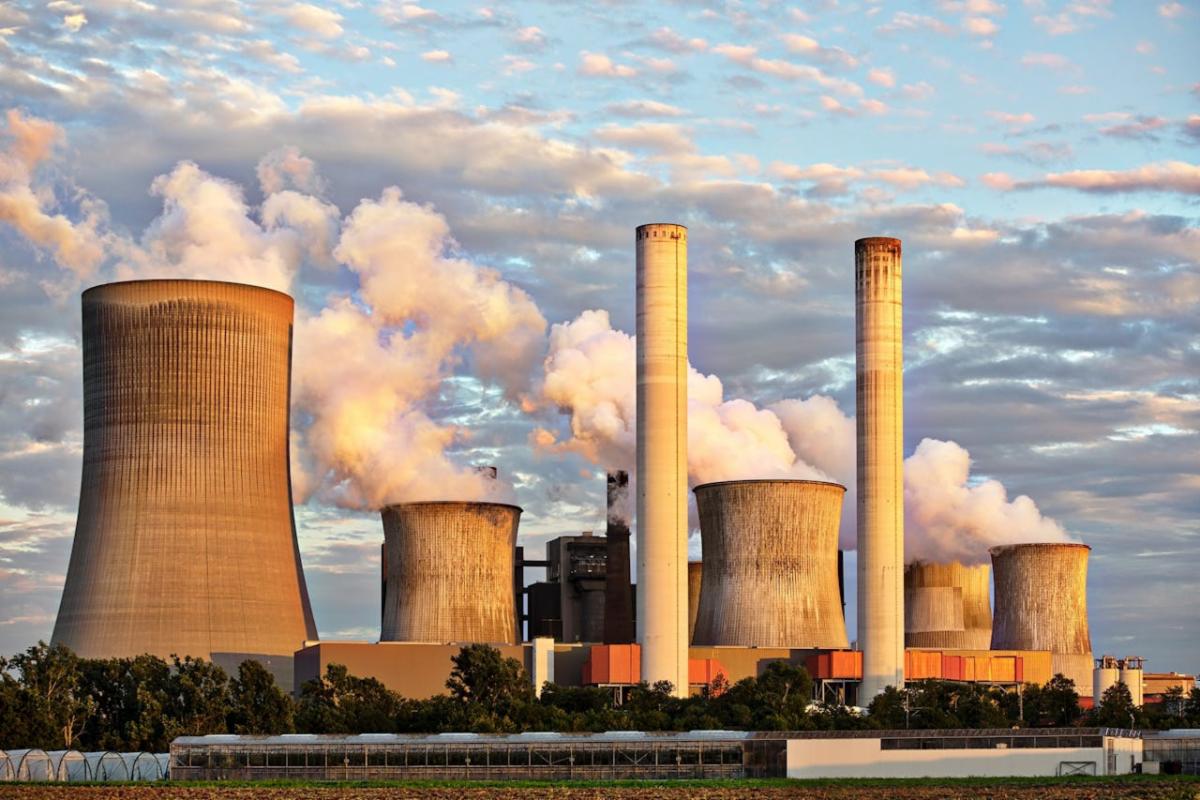
U.S. announces deployment plan to triple nation’s nuclear energy capacity | |
|
Announcements made this week indicate that a plan is in place to triple the country’s nuclear energy capacity. The news is of high interest in spite of the fact that President-Elect Trump’s energy and climate change policies will obviously be different from President Biden's priorities.
The Department of Energy (DOE) estimates that the nation will need 200 gigawatts (GW) of additional nuclear capacity to keep pace with growing power demands. To achieve that growth, the U.S. announced new deployment targets at the U.N. climate summit to ensure the nation will retain a leading role in nuclear energy generation and distribution.
The U.S. will invest in its nuclear energy infrastructure to grow the deployment ecosystem by 35 GW over the next several years, followed by a continual increase of 15 GW annually. Achieving this level of significant growth will rely on building new nuclear power plants, uprating existing reactors and restarting reactors that have been retired.
One of the key motivators behind these ambitious goals is to sustain a net-zero emissions economy while enhancing energy reliability, grid resilience and affordability. Nuclear energy prevents more than 470 million metric tons of greenhouse gas (GHG) emissions from entering the atmosphere each year, making it one of the largest and most potent sources of renewable energy available.
The Nuclear Energy Deployment Framework, published alongside the announcement, outlines actions that the nation must take to meet the deployment targets. These actions include:
- Building large-scale reactors.
- Building small modular reactors.
- Building microreactors.
- Extending, expanding and restarting existing reactors.
- Improving licensing and permitting.
- Developing the workforce.
- Developing component supply chains.
- Developing fuel cycle supply chains.
- Managing spent nuclear fuel.
The DOE determined that most of the nation’s existing nuclear power plants can host new reactors and expand to accommodate additional facilities. Many of these sites already have the existing space available for additional units. In addition, converting existing coal plants to produce nuclear power has also proven to be a feasible option. The nation is already at work deploying innovative technologies, honing reactor designs and securing uranium to ensure independence from foreign entities.
(Photo courtesy of Pixabay on Pexels.)
| |
|
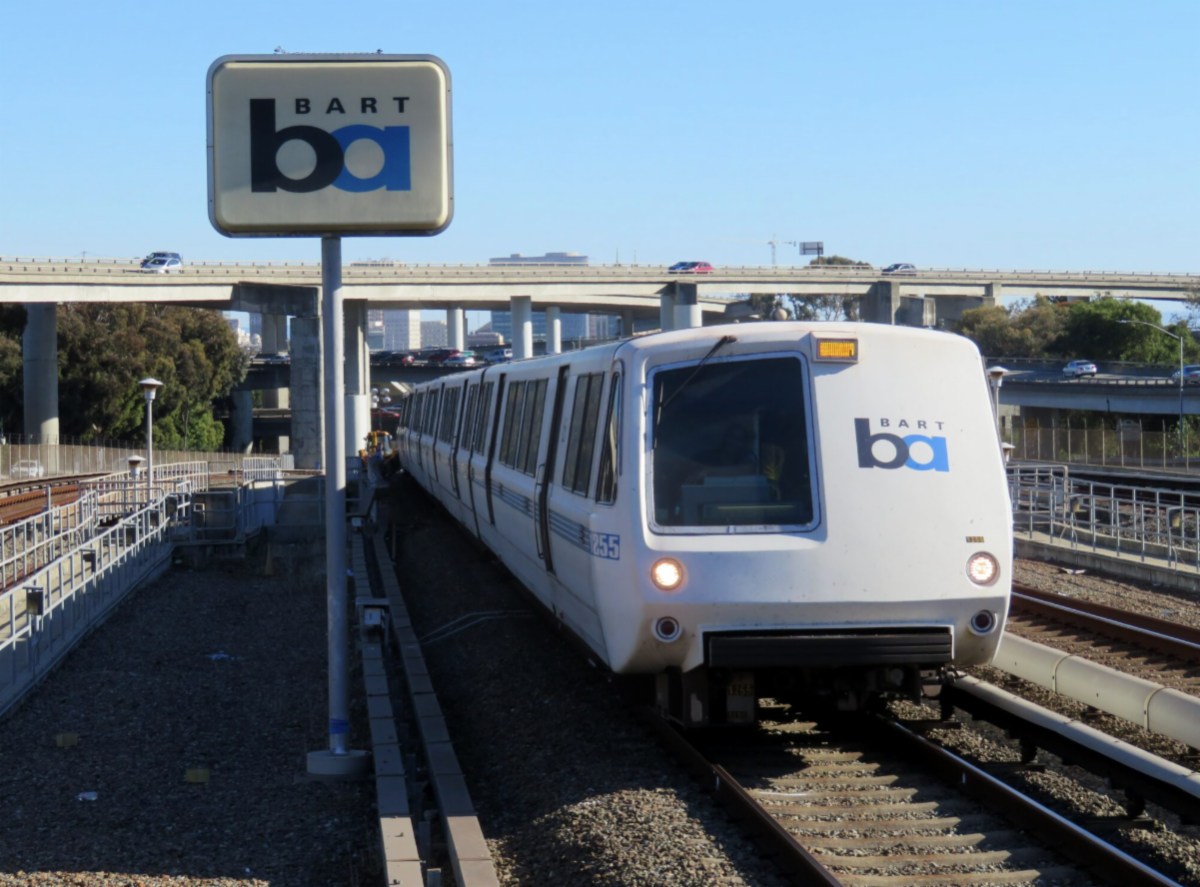
The U.S. Department of Transportation (USDOT) is loaning the San Francisco Bay Area Rapid Transit District (BART) $544.6 million for the purchase of 775 new passenger railcars.
The new railcars are part of a $2.2 billion upgrade and expansion of the entire BART system, which serves 48 million passengers each year.
BART’s new railcars feature numerous accessibility and safety improvements, including:
- LED screens to provide improved information to passengers.
- Digital cameras to enhance security and crime prevention.
- Three doors for entry and exit compared to just two in previous railcars.
Click here for more information about the district’s railcar improvements
(Photo courtesy of Pi.1415926535.)
| |
|
Wisconsin is taking a major step toward ensuring clean drinking water for its residents. The state recently announced more than $273 million in funding allocations through the Safe Drinking Water Loan Program (SDWLP) to improve water infrastructure across 86 municipalities, with a particular focus on replacing lead service lines and addressing contamination from PFAS, a toxic substance commonly known as “forever chemicals” because they can stay in the environment for hundreds or thousands of years.
The funding package combines more than $125.6 million from the Wisconsin Department of Natural Resources’ SDWLP with federal grants from multiple sources. The federal portion includes nearly $8 million from the Drinking Water State Revolving Fund, and about $140 million from the 2021 Infrastructure Investment and jobs Act. The latter includes $13.1 million specifically for contaminants like PFAS, $87.4 million dedicated to lead service line replacement and $39.4 million in general supplemental funding.
Click here to learn about Wisconsin’s investment to protect and distribute clean water sources
(Photo courtesy of eberhard grossgasteiger.)
| |
|
The Washington State Department of Commerce (DOC) is looking to make the process of bringing clean energy and climate funding opportunities to the state much easier.
DOC is announcing the launch of two programs, the Clean Energy Tax Credit Assistance Program and Grant Writing Assistance Program, that will help connect entities in Washington to identify and access federal dollars for important infrastructure projects.
Click here to learn more about how the programs will connect entities with federal funds
(Photo courtesy of Vivek Kumar on Unsplash.)
| |
|
Tennessee is investing over $100 million to bridge the state’s digital divide and enhance economic, workforce and healthcare opportunities for its residents.
The Tennessee Department of Economic and Community Development (TNECD) is announcing $101.6 million in funding to support statewide broadband internet expansion and digital literacy education programs.
The funding will support local governments, community centers, internet service providers and organizations through four grant programs managed by TNECD’s Broadband Office. They include the Connected Community Facilities initiative, the Last Mile Grant Program, Broadband Ready Communities Program and the Digital Skills, Employment, and Workforce Development.
Click here for more information about Tennessee’s broadband expansion plans
(Photo courtesy of Startup Stock Photos.)
| | |
|  |
|
|
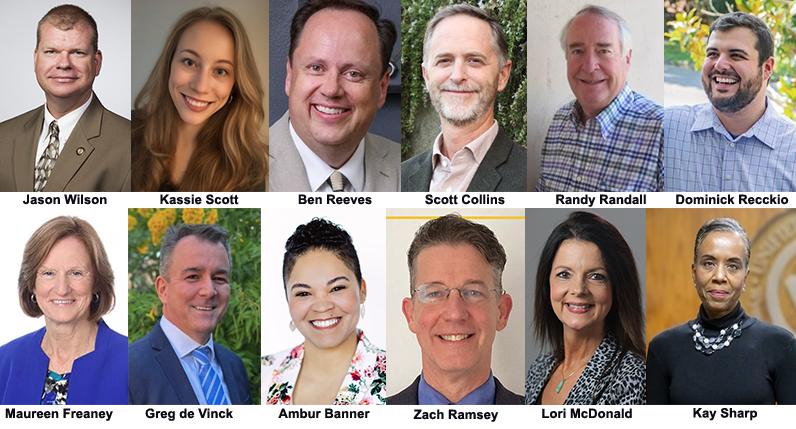
North Carolina – The city of Salisbury has appointed Jason Wilson director of Salisbury-Rowan Utilities. Wilson has been serving as the utility company’s interim director, the latest role in his 16-year career within the department. Wilson officially assumed the role Nov. 11, 2024.
Ohio – Springfield has chosen Kassie Scott as economic development manager. Scott previously worked in Washington, D.C., as a business development specialist since 2022. She began her tenure with Springfield this month.
Utah – Ben Reeves will join the city of Eagle Mountain as city manager. Reeves will leave his current role as city manager of Indianola, Iowa, to accept the new position. Prior to working for Indianola, he was city manager of Santaquin City from 2009 to 2022 and LaVerkin City from 2004 to 2008. He will assume his duties in late December.
California – San Luis Obispo has chosen Scott Collins as assistant city manager. Collins currently serves as executive director of the Housing Authority of San Luis Obispo. Prior to joining the city, he was city manager of Morro Bay. Collins brings more than 15 years of budget and management experience to the position. He will begin his role Dec. 5, 2024.
New Mexico – Randy Randall has been selected as interim city manager for Santa Fe. Randall currently serves as interim community development director and executive director for Tourism Santa Fe. He will succeed John Blair in the role. His first day as interim city manager was Nov. 5.
New York – The city of Ithaca has appointed Dominick Recckio as deputy city manager. Recckio currently serves as director of Tompkins County Communications, a position held since 2020. Prior to his current role, he was director of strategic communications and partnerships at the Tompkins County Chamber of Commerce. Recckio’s first day will be Dec. 30, 2024.
Florida – Maureen Freaney has been elected as the city of Dunedin’s mayor. Freaney, the current sitting city commissioner, will replace Julie Ward Bujalski in the role. She has been a commissioner since 2016 and brings more than 31 years of professional and government experience to the mayoral position.
California – Greg de Vinck will take over as the city of Pasadena’s public works director. De Vinck brings 28 years of public works experience to the role, most recently serving as public works director for the city of San Gabriel. He will officially assume his duties Dec. 2, 2024.
Missouri – St. Louis County has promoted Ambur Banner to director of the county’s Department of Human Services. Banner has been serving as the department’s deputy director and acting director. Prior to joining St. Louis County, Banner was deputy director of Public Health for the Unified Government of Wyandotte County and Kansas City. She brings 14 years of state and municipal experience to the role.
Kentucky – Zach Ramsey has been appointed director of the Administrative Office of the Courts. Ramsey brings more than 25 years of experience in government healthcare to the position. He will assume his responsibilities Dec. 1, 2024.
Arkansas – The Department of Human Services (DHS) has officially welcomed Lori McDonald as chief of staff. McDonald most recently served as assistant deputy director and deputy chief of staff of Legislative Affairs. She succeeded Mitch Rouse on Nov. 8, bringing more than 27 years of DHS experience to the role.
Kansas – Kay Sharp has been chosen as director of community development for the Unified Government of Wyandotte County and Kansas City. Up until her appointment, Sharp has been operating as the department’s interim director. She brings more than three decades of public service and leadership experience to the role.
| | |
|
Connect with SPI
Check out our social media links!
| |
About Government Contracting Pipeline | |
|
Strategic Partnerships, Inc.
Publisher: Mary Scott Nabers
Editors: Adam Rollins
Jerrod Kingery
www.spartnerships.com
| |
Government Contracting Pipeline, a publication of Strategic Partnerships, Inc., is a free, weekly newsletter detailing important happenings nationwide and the premier source for federal, state and local government news and contracting opportunities. | |
Help us share this message.
To ensure delivery and proper formatting of the newsletter, be sure to add editor@spartnerships.com to your safe senders list.
Otherwise, the newsletter may be flagged as spam and automatically routed to your junk e-mail folder.
| | | | |