Volume 16, Issue 43 - Wednesday, October 23, 2024 | |
By Mary Scott Nabers, CEO of Strategic Partnerships, Inc. | |
|
The attraction to and interest in parks, community centers and sports-related recreational facility projects has escalated significantly over the past several years. Public officials, especially at the municipal levels of government, are increasing their investments in these types of initiatives while federal funding programs are currently providing attractive financial support. There are numerous reasons for the newfound interest that has led to an abundance of collaborative initiatives between public and private sector partners.
Sports and recreational facilities that attract visitors, team tournaments and tourists increase city tax revenues and ramp up economic vitality. New parks make the city more attractive to businesses that are considering relocations and garner favor from citizens, but new parks also serve environmental needs by enhancing stormwater management, increasing biodiversity and providing cleaner air. Community centers are usually designed to serve multiple purposes such as providing emergency shelters during extreme weather, hosting educational programs for children and adults, and they often generate revenue by serving as venues for large events.
The following examples are indicative of similar projects that are currently in the planning stages throughout the U.S.
The largest new parkland development in Los Angeles in more than a century will create the Taylor Yard River Park. The 100-acre park will be situated along the Los Angeles River. Approximately one million residents live within a mile of the river, and the new development will provide green spaces for recreation and community gatherings for the densely populated area. It will also include a pedestrian and wildlife bridge that connects the area to the Paso del Rio State Park.
A 23-foot high and 120-foot-long bridge project will be included in the first phase of this large initiative that carries an estimated cost of approximately $30 million. In addition to the bridge, a welcome pavilion will be constructed to serve as a community hub, a kayak center will be built for river activities and an overlook area will be developed for scenic views. Initial construction is tentatively slated for 2025, and additional elements are anticipated for future phases of Taylor River Park.
City leaders in Durham, North Carolina will ask citizens to support a $43 million aquatic center in the upcoming November bond election. If the bond package passes, the new facility will be designed to include state-of-the-art amenities such as a zero-depth entry pool, a lazy river and multiple recreational swimming lanes. Both the aquatic center and all its swim features will be tailored to serve people of all ages and abilities.
Located in the East Durham neighborhood, the new facility will help to transform Merrick-Moore Park and contribute to the development of a modern recreational hub for the area. Plans for the park include various types of recreational amenities that will contribute to local economic development by attracting regional visitors and events. If the bond is supported, construction will likely begin in 2026 after the final design work is completed and the permitting work is finished.
Click here for more.
| |
Washington, D.C. advances P3 for $800 million downtown arena upgrades | |
|
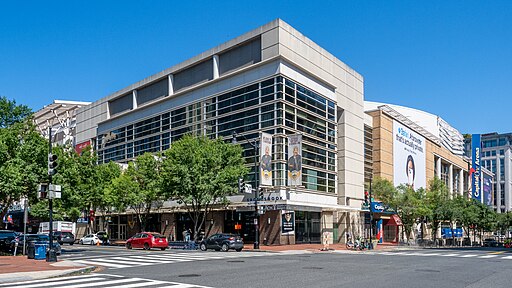
Washington, D.C., in collaboration with a private partner, is embarking on an $800 million public-private partnership (P3) to transform a sports arena and revitalize Downtown D.C. The Council of the District of Columbia approved a $515 million investment in the project, which the private partner will match with $285 million.
On Oct. 21, 2024, Mayor Muriel Bowser submitted legislation to move the P3 into the final step, codifying the term-sheet of the agreement. The D.C. Council will now vote on the legislation to approve the Lease, Development and Financing Agreement and Purchase and Sale of Real Property between the partnership’s public and private entities.
The latest legislation builds on progress made throughout the year to advance the P3, starting with a signed term sheet in March 2024. The Council unanimously voted to invest $515 million less than a week later April 2, 2024, to modernize and improve the Capital One Arena. If the Oct. 21 legislation passes before the end of the year, the P3 will begin design and expects construction in early summer 2025.
As part of the agreement, the District will buy the arena for $87.5 million and lease it back to its private partner. The renovations will keep the NBA’s Washington Wizards and the NHL’s Washington Capitals in the Capital One Arena, which District officials see as a cornerstone fixture of D.C.’s entertainment district for the next 25 years.
Plans for the updated arena include incorporating cutting-edge technologies and modern aesthetics to complement Downtown D.C. The P3 will redesign its entrances, exits, safety, lighting, traffic mitigation and public transportation in collaboration with the District and other partners. The arena will feature wider concourses, more elevators and escalators, expanded concession space and additional restrooms.
The upgrades to the arena will cater to athletes’ needs, providing additional space on top of on-site training rooms, a players’ lounge, dining space, a family lounge and a film room. The P3 will expand the Gallery Space to 200,000 square feet, covering both above and below ground for back-of-the-house operations. The project will also emphasize energy-efficient construction techniques, lighting systems, rainwater retention systems and stormwater landscaping to achieve Leadership in Energy and Environmental Design (LEED) certification.
(Photo courtesy of ajay_suresh.)
|  | |
DOE invests $518 million to advance, build carbon sequestration hubs | |
|
The Department of Energy (DOE) will allocate more than $518 million to expand decarbonization infrastructure across the nation. The funds will support 23 projects designed to combat climate change by developing large-scale carbon storage projects capable of storing 50 million or more metric tons of CO2 over the next three decades.
The projects will support the Carbon Storage Assurance Facility Enterprise (CarbonSAFE) Initiative, a program dedicated to closing key gaps in the nation’s carbon capture and storage infrastructure network. Selected projects will help significantly reduce CO2 emissions from industrial operations, power plants and legacy emissions in the atmosphere.
The initiative is split into four distinct phases that creates a pipeline from project conception and feasibility to construction. In the most recent funding round, the DOE chose:
- 12 projects for the CarbonSAFE Phase 2: Storage Complex Feasibility stage. Participants will assess potential CO2 storage complexes, prioritizing regions that do not have these facilities.
- Nine projects for the CarbonSAFE Phase 3: Site Characterization and Permitting stage. Project teams will conduct detailed site characterization projects and obtain Underground Injection Control Class 6 permits, which use wells to inject CO2 into deep rock formations.
- One project for the CarbonSAFE Phase 3.5: NEPA, FEED Studies and Storage Field Development Only stage. The DOE will complete National Environmental Policy Act (NEPA) requirements to advance projects in this phase.
- One project for the CarbonSAFE Phase 4: Construction stage. These projects will build commercial large-scale secure geologic storage facilities.
A selection of the projects receiving funds include:
A company will receive $67.9 million to assess geologic formations in Georgia to determine if they are viable options for safe, permanent CO2 storage. The project will gather seismic data, drill test wells, obtain Class 6 well permits and evaluate the capture and transportation components of the value chain. After extensive information gathering and community engagement, the project will advance to detailed design and construction. The Phase 3 project’s total cost is $84.9 million.
An energy services company will use $50.3 million to advance the development of a large-scale CO2 storage hub in Alaska. The project will drill a well, study transport options, assess feasibility of CO2 from area emitters, create a storage field development plan, undertake NEPA actions and apply for an underground injection control Class 6 permit. The hub will include two injection wells and transport pipelines for two localized regions of CO2 emitters. The Phase 3 project has a total $62.9 million cost.
The only Phase 4 project receiving funds will use $48.6 million to build a dedicated, commercial large-scale geologic carbon storage facility in North Dakota. The facility will store up to 80 million metric tons of CO2, capturing 95% of emissions from a coal-based power plant. The project will transport captured carbon to injection wells and inject approximately 4 million metric tons per year over two decades. The project will drill three injection wells and one monitoring well, install equipment and complete facility infrastructure. The project’s total cost is $97.2 million.
A Californian carbon sequestration hub project will receive $45.2 million to develop a regional hub on an island. The project will drill three wells and perform logs, tests, measurements and analyses to characterize three sandstone formations and their seals. The results will guide Class 6 well permitting and help develop the storage field. The Phase 3 project’s total cost is $56.5 million.
With the latest round of funds, the DOE has distributed more than $1.4 billion to carbon sequestration, transport and storage projects since January 2021. The agency most recently allocated $242 million for nine projects in May 2023 and $444 million for 16 in November 2023.
(Photo courtesy of Tim Collett.)
| |
Northwestern University to break ground on $300 million cutting-edge education facility in 2025 | |
|
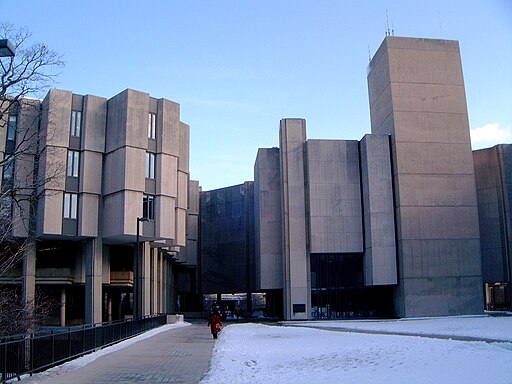
Northwestern University in Evanston, Illinois, will build a $300 million technology-enhanced facility for the Kellogg School of Business. The building is a centerpiece of the university’s $600 million Full Circle campaign to transform the campus, reimagine business education and foster collaboration among students, faculty and alumni. Construction is expected to begin in winter 2025.
The new facility will replace the Allen Center, the current home of the university’s Executive MBA Program and Executive Education programs. The university will incorporate cutting-edge technology into the building’s infrastructure, designed to create dynamic learning spaces for innovation and collaboration.
The 246,420-square-foot facility includes almost 22,000-square-feet of classroom space. Students will have access to 48 study rooms, hybrid learning classrooms with integrated LCD screens and nearly 3,500 feet of production studios. The building also features seven dining spaces, an executive club and two outdoor terraces.
The building will also include a lobby that will serve as the reception for the facility’s hotel, which includes 160 state-of-the-art guest rooms. The facility also features two entrances, ample greenspace and a fitness area. Plans include incorporating a promenade into the building’s design overlooking the nearby pond and lake.
The university will build an underground tunnel connected to the neighboring Global Hub. The tunnel will feature additional study spaces for students and protection from the elements. Northwestern University expects to demolish the Allen Center in January 2025 to make room for the new facility.
(Photo courtesy of Titration451.)
|  | |
Oregon port to use $25 million to design $2.3 billion clean energy port | |
|
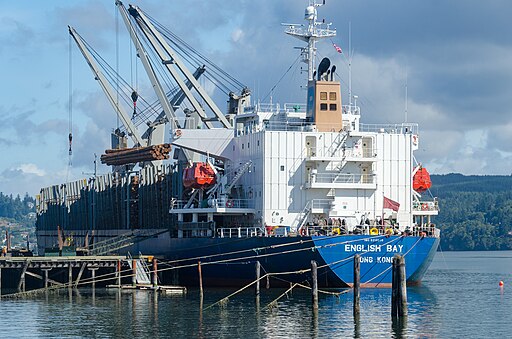
The Oregon International Port of Coos Bay will receive $25 million from the U.S. Department of Transportation (USDOT) to advance a state-of-the-art container terminal construction project. The funds will enable the project to enter the design phase for a railyard, container yard, wharf and berths. The project’s total cost is estimated at $2.3 billion.
The Pacific Coast Intermodal Port (PCIP), once completed, will be the first fully ship-to-rail port facility on the West Coast. The facility will predominantly rely on electric power to unload ships, transfer cargo and repower berthed vessels, which is part of the port’s overarching goal to reduce greenhouse gas (GHG) emissions.
The port split the project into three main components – the intermodal terminal, navigation channel and rail line. The port’s first order of business will be to build a container and rail yard, expanding the port’s cargo capacity. The port will then deepen and widen the Coos Bay Navigation Channel to accommodate larger ships. In addition, plans include improving the rail line by increasing the air draft of all nine tunnels, extending and adding siding and rehabilitating bridges and rails.
The port will build three berths outfitted with electric power plug-ins to charge docked ships. Plans include using electrified ship-to-shore gantry cranes to unload cargo directly from vessels to the rail yard. The project will also build a vessel-turning basin, implement protective measures for the North Jetty, relocate aids to navigation and increase advanced maintenance dredging. The port anticipates using multiple renewable energy sources to support operations and reduce GHG emissions.
USDOT provided the funds through the Infrastructure for Rebuilding America (INFRA) grand program. The initiative provided financial support for complex infrastructure projects multimodal that improve safety, mobility and efficiency. Projects include freight, highway, bridge, rail, wildlife crossing, surface transportation or marine highway corridors.
Oregon is one of 36 recipients receiving a share of the recently announced $2.6 billion in INFRA funds. The latest round prioritizes enhancing the mobility and safety of freight and transportation projects in rural and urban communities. Since 2020, both the INFRA and National Infrastructure Project Assistance (Mega) grant programs have contributed $12.8 billion to 140 projects nationwide.
(Photo courtesy of the Oregon State Archives.)
| |
Michigan to invest $129 million in electricity sector decarbonization, renewable energy | |
|
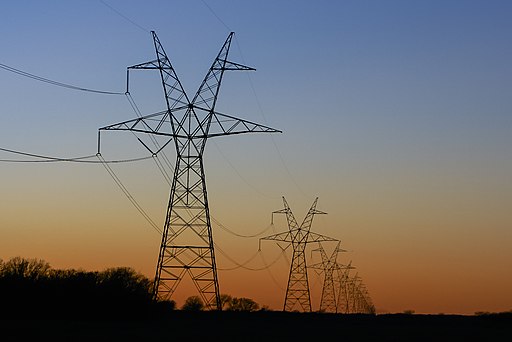
The Michigan Department of Environment, Great Lakes and Energy (EGLE) will receive $129 million from the Environmental Protection Agency (EPA) to decarbonize the electricity sector and site renewable energy projects.
EGLE will launch the Renewables Ready Communities (RRC) program, advancing the state’s efforts to achieve 60% renewable energy by 2030. The RRC program leverages five strategies to transition the state to clean energy and meet legislative standards:
The Renewables Ready Communities Award, which launched earlier this year with an initial $30 million investment. The awards provide financial incentives that approve and host utility-scale renewable energy and energy storage.
- Bolstering the Renewable Energy Academy, which helps prepare local and tribal governments to improve planning, siting and permitting for renewable energy facilities.
- Creating the Brownfield Renewable Energy Pilot grant program to support renewable energy project developments on brownfields.
- Developing the required workforce to build adequate renewable energy resources to meet state goals.
- Developing a RRC Plan for utility-scale and brownfield-based renewable energy projects to meet 60% renewable energy by 2030.
EGLE will reserve $10 million in incentives for tribal community projects. In addition, local governments will receive additional financial incentives to invest in communities per megawatt of renewable energy or energy storage installed.
The EPA allocated the funds from the Climate Pollution Reduction Grants (CPRG) program, which provides financial support to eligible recipients to develop and deploy plans to reduce harmful air pollutants. Awarded projects will address climate change, reduce air pollution, support environmental justice and transition the nation to clean energy.
Michigan is one of 25 applicants chosen to receive a portion of the allocated $4.3 billion in CPRG funding. The most recent round prioritizes reducing GHG emissions in the agriculture and working lands, transportation, commercial and residential buildings, industry, waste and materials management and electric power sectors.
(Photo courtesy of Matthew T Rader.)
| |
ADOT updates five-year highway safety plan, creates first safety action plan | |
|
The Arizona Department of Transportation (ADOT) had updated its five-year strategic plan to improve safety across all public roadways. In addition, the department created its first Active Transportation Safety Action Plan (ATSAP) to protect pedestrians and bicyclists along the state highway system.
The Strategic Highways Safety Plan (SHSP) establishes a statewide vision to leverage safety improvement strategies designed to reduce life-altering crashes by 20% by 2030. The plan prioritizes five areas to improve safety:
- Human behavior, which covered impaired, distracted, sleepy, speeding or aggressive driving or wearing inadequate protective gear.
- Intersections, including accidents related to junctions or railroad crossings.
- Lane departure, including running off the road, overturning or environmental dangers.
- Vulnerable road users, including pedestrians, bicyclists and workers in work zones.
- Incidents on tribal lands.
After conducting a public outreach process in spring 2024, ADOT compiled 75 improvement strategies based on input, data analysis and safety planning efforts. The highest-priority strategies include:
- Improving visibility of road users and roadway features.
- Incorporating vulnerable road users more prominently in planning, design and programming processes.
- Reducing high-risk movements.
- Keeping vehicles in their lane.
- Improving tribal crash data collection and sharing.
- Conducting high-visibility enforcement at intersections.
- Increasing automated and mobile speed enforcement.
- Promoting safety at crash scenes.
ADOT used the U.S. Department of Transportation’s (USDOT) Safe System Approach to inform the SHSP update. Going forward, ADOT will implement strategies to coordinate key policymakers and stakeholders to achieve the plan’s goals and vision. This includes incorporating the four Es of highway safety – engineering, enforcement, education and emergency medical services – and regional, tribal and local safety planning efforts. Statewide actions include eliminating cell phone usage while driving, providing additional education and testing for drivers, requiring periodic vehicle safety inspections and realigning speed limits.
The ATSAP outlines location-specific projects to reduce crashes involving pedestrians and bicyclists across the state, targeting high-crash, high-risk locations. ADOT will spend $103.1 million to install protective countermeasures at all 26 priority locations listed in the plan. These projects primarily focus on:
- Increasing visibility of pedestrians and bicyclists.
- Updating ADOT policies to sign and mark bike lanes at interchanges and intersections.
- Adopting striping, signage and push buttons at intersections and interchanges for non-motorized travelers.
- Reducing curb radii at intersections, interchanges and driveways.
- Installing protected mid-block crossings, sidewalks and lighting.
- Increasing enforcement for distracted and speeding drivers.
(Photo courtesy of Abstrakt Xxcellence Studios on Pexels.)
|  | |
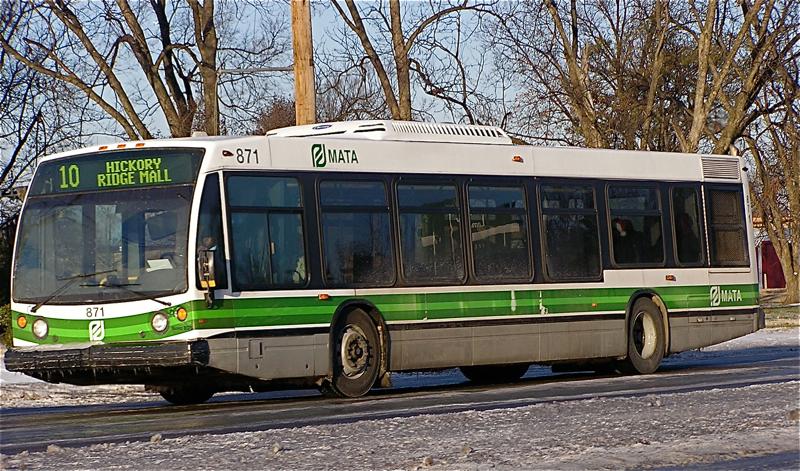
Memphis replaces MATA board, seeks to fundamentally realign public transit system | |
|
The city of Memphis has replaced the entirety of the Memphis Area Transit Authority’s (MATA) Board of Commissioners after a report highlighted problems with the system’s reliability. To fill their roles, Mayor Paul Young appointed nine members to serve out the remainder of their terms.
MATA oversees public transit throughout Memphis, transporting riders throughout the city and parts of Shelby County on fixed-route buses, paratransit vehicles and vintage rail trolleys. The decision to replace the board was ultimately made to resolve ongoing challenges MATA faces outlined in a recent report released by a consulting agency.
The 117-page draft report submitted to the Memphis City Council outlined a series of shortcomings in the current MATA system. While 93% of MATA’s riders are dependent on its services, the transit system hasn’t proven to be reliable for their needs, according to the report. MATA has struggled to keep enough buses on routes at a pace needed to maintain reasonable daily service needs.
Replacing the Board of Commissioners was intended to be the starting point for a full revamp of MATA services. The board will be responsible for developing a strategic plan to achieve a reliable, resilient public transit system, adjust financial strategies and improve route productivity across the city.
The replacement commissioners were chosen due to their collective experience in a variety of public and private sector executive roles. The nine newly appointed MATA members include:
- Brandon Arrindale.
- Cynthia Bailey.
- Emily Greer.
- Sandi Klink.
- Brian Marflak.
- Jackson McNeil.
- Anna McQuiston.
- Dana Pointer.
- Maya Siggers.
(Photo courtesy of Marduk.)
| |
Drones lay groundwork for improved landfill site surveys | |
|
The Department of Energy’s (DOE) Paducah Site in Kentucky, the nation’s last remaining gaseous diffusion plant that produces uranium for nuclear fuel, is innovating ways to use drone technologies to survey hazardous sites.
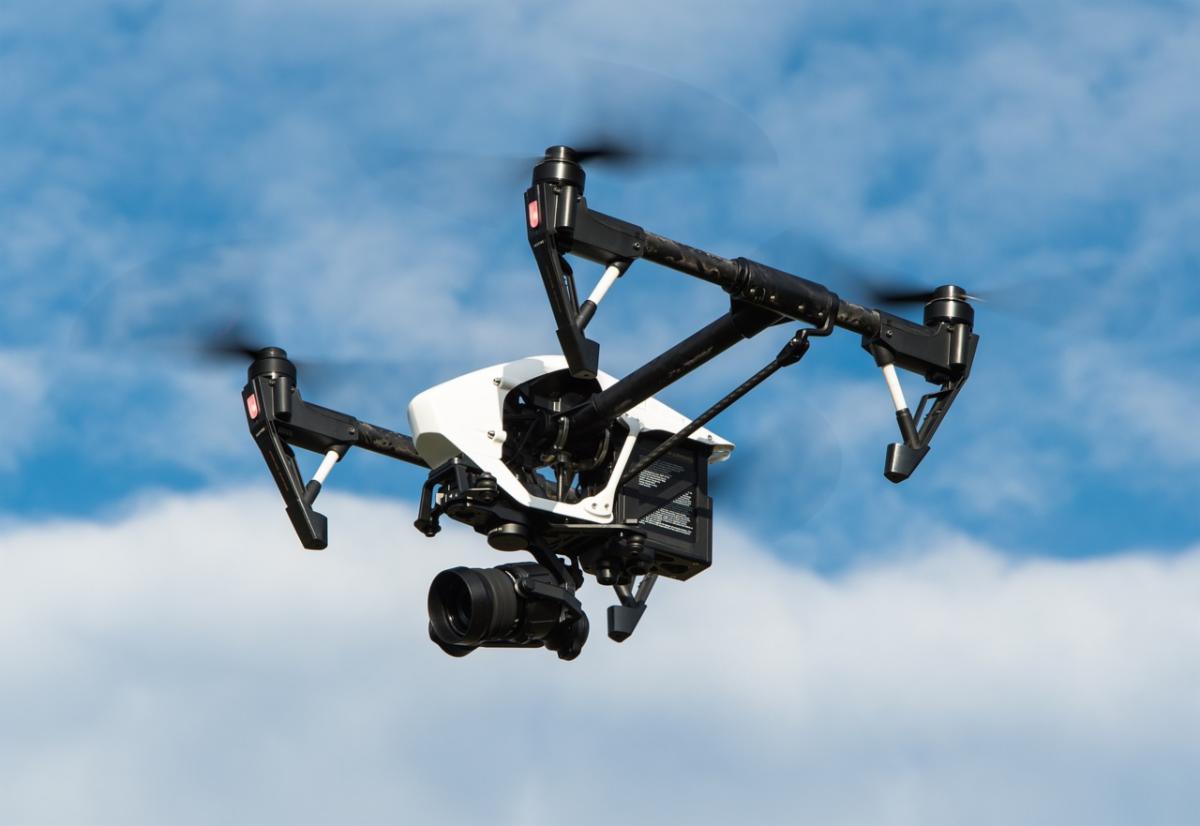
Site surveyors recently piloted a drone to help survey a 300,000-square-foot constructed landfill. Traditionally, surveyors would spend days traversing the landfill to gather requisite data for analysis. With the assistance of drone technology, surveyors were able to complete their assessment in as little as 15 minutes.
These specialized drones use Light Detection and Ranging (LiDAR) technology to produce detailed, accurate information during their surveys. LiDAR activates lasers to calculate ground distances, measuring the time it takes for light to reflect off surfaces. The drone, equipped with this technology, can generate between hundreds and millions of data points on the landfill’s elevation and GPS information.
Data compiled through these methods is accurate, fast and cost-effective for surveyors, enabling them to process, analyze and report much more quickly and efficiently. In addition, the remote surveying capabilities protect workers from dangers and injuries by eliminating the need to walk across landfills.
Surveillance capabilities are the latest drone innovation efforts underway at Paducah Site. In July 2024, workers began testing ways to use drone technology to assist and support emergency response efforts. Drone pilots, alongside emergency responders, leveraged drones to conduct surveys, thermal imaging and potential search-and-rescue operations. The drones used live-streaming video to provide real-time feedback and information that would be critical during an actual emergency.
(Photo courtesy of Powie on Pixabay.)
| |
|
The U.S. Department of Transportation (DOT) is announcing $4.2 billion in funding to advance transportation initiatives around the country. This funding will be used to advance large-scale and complex transportation projects poised to improve the safety, efficiency and reliability of the nation’s roadways, ports and bridges.
The DOT will deliver this round of grants through the National Infrastructure Project Assistance (MEGA) program and the Nationally Significant Multimodal Freight & Highway Projects (INFRA) programs. Designed to fund large transportation projects, the two programs will support multimodal transportation initiatives throughout the nation.
Click here for more information about the MEGA and INFRA awards
(Photo courtesy of Denys Nevozhai on Unsplash.)
| |
|
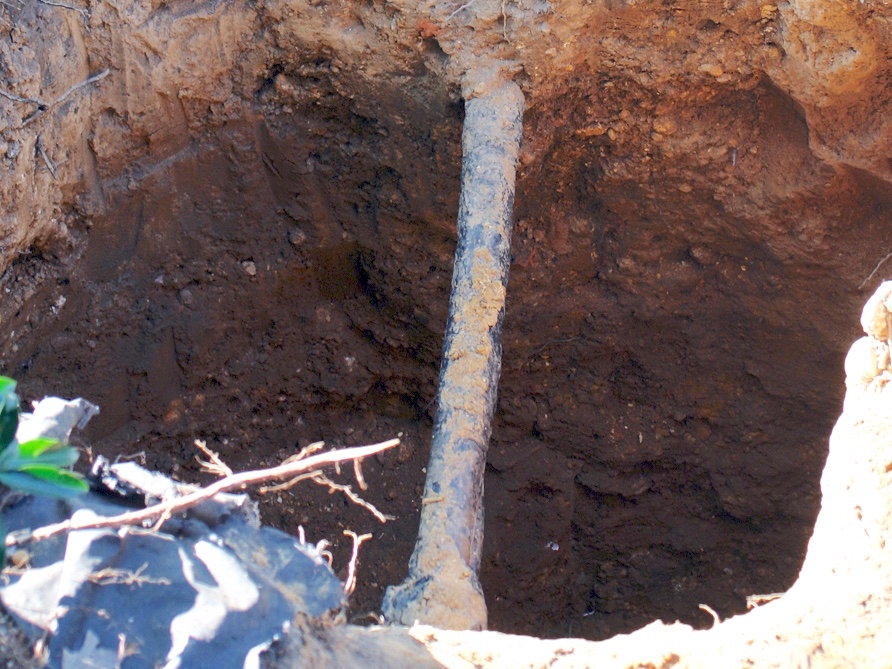
The U.S. Department of Housing and Urban Development (HUD) has announced over $420 million in funding to remove lead hazards in homes and HUD-assisted properties across the country.
The announcement follows several recent initiatives to tackle lead hazards in the United States, including a new rule requiring drinking water systems across the country to replace lead service lines within 10 years, as well as $2.6 billion in funding from the Bipartisan Infrastructure Law (BIL) for upgrading drinking water systems and replacing lead pipes.
Click here to learn more about the lead removal NOFO
(Photo courtesy of IntangibleArts.)
| |
|
California is making a big investment in upgrading the state’s transportation infrastructure.
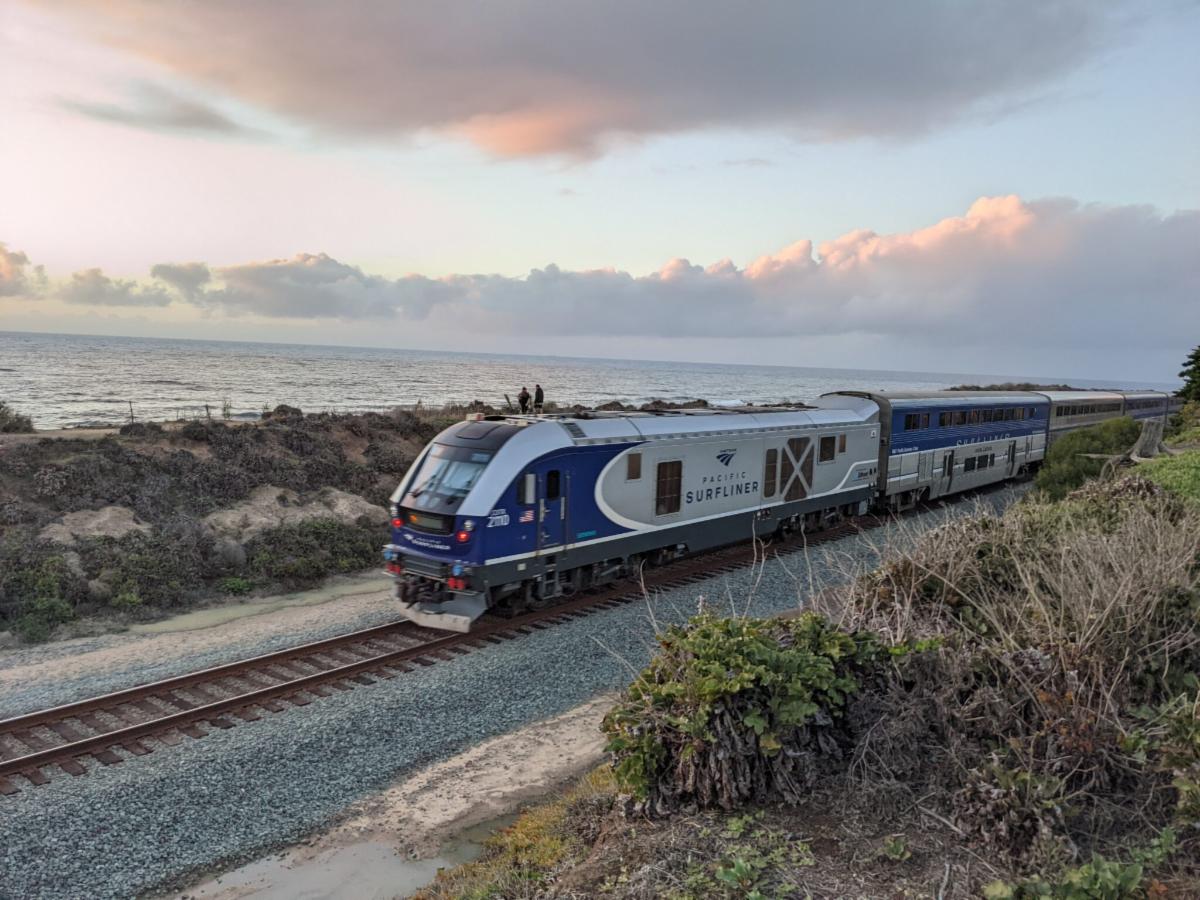
Last week, the California Transportation Commission (CTC) announced an allocation of approximately $3.8 billion for projects to refurbish coastal rail lines, freight corridors, bridges and highway interchanges. The funding will also go toward system enhancements designed to increase accessibility for multi-modal users of walking and bike paths.
Click here to learn more about California’s historic infrastructure investment
(Photo courtesy of Mds08011.)
| |
|
Broadband internet access is coming to more residents of the Sunflower State. Applications are now open for the National Telecommunications Information and Administration (NTIA) Internet for All initiative in Kansas.
As part of the Broadband Equity Access and Deployment (BEAD) program, the Kansas Office of Broadband Development (KOBD) is currently taking applications to distribute $451.7 million allocated to expand high-speed internet service to all Kansans.
Click here for more information about Kansas’ internet initiatives
(Photo courtesy of Burst on Unsplash.)
| | |
|  |
|
|
Arizona – Humberto Del Castillo Ochoa has been appointed chief financial officer (CFO) of Yuma County. He brings more than 16 years of government management and business experience to the role, most recently as finance manager for Tucson.
Wisconsin – The Wisconsin Department of Transportation (WisDOT) has appointed Scott Lawry as deputy secretary. Lawry most recently served the department as deputy administrator of the Division of Transportation System Development (DTSD). He will replace Kristina Boardman, bringing more than 30 years of experience with WisDOT to the role.
Florida – The city of Sarasota has chosen Doug Jeffcoat to take over as interim city manager. Jeffcoat has served as Sarasota’s public works director for 14 years, the latest in his nearly 30 years of experience with the city. He replaced Marlon Brown on Oct. 22, 2024.
Massachusetts – Natasha Waden has assumed her duties as Arlington’s director of recreation and community services. She previously worked within the city’s Health and Human Services Department as public health director. She has been with the city since 2005. She officially began her tenure Sept. 30.
Alabama – Jesse Fosnaugh has been appointed airport director of Gulf Shores International Airport. Prior to his appointment, Fosnaugh served as airport deputy director for Branson Airport in Missouri. He brings more than 18 years of airport experience to the role. He will officially begin his role Dec. 30, 2024.
Connecticut - The Connecticut Airport Authority will promote Michael Shea to executive director. Shea currently serves as the airport’s deputy executive director. He will replace Kevin Dillon after he retires in early 2025.
California – David Rowlands has been unanimously appointed city manager of Santa Maria. He currently serves as city manager of Fillmore in Ventura County, a position held since 2013. He brings 26 years of city management experience to the role. He will officially succeed Alex Posada on Nov. 30.
Wisconsin – Rachel Bouressa has been appointed to the Wisconsin Natural Resources Board. Bouressa is the director of the Wisconsin Farmers Union Board. She is also a project coordinator for a grassroots nonprofit and is a co-coordinator for a grazing network.
Florida – The University of Miami (UM) has welcomed Joe Echevarria as its next president. Echevarria brings nearly 40 years of leadership experience to the role. He joined UM in 2020 as CEO of UHealth, later becoming the university’s CEO and acting president.
Massachusetts – Thomas McGee has been appointed chair of the Massachusetts Bay Transportation Association (MBTA). McGee will succeed Thomas Glynn after he retires Nov. 1, 2024. McGee has been a board member since April 2023, and previously served as mayor of Lynn and in the Senate.
Michigan – The Berkley City Council has selected Crystal VanVleck as city manager. VanVleck brings more than a decade of municipal experience to the role, most recently as deputy city manager of community services for Oak Park.
California – Jaqui Guzmán has been chosen as Elk Grove’s next assistant city manager. Guzmán brings more than 17 years of public sector experience to the role. She most recently served as deputy city manager of Sunnyvale.
| | |
|
Connect with SPI
Check out our social media links!
| |
About Government Contracting Pipeline | |
|
Strategic Partnerships, Inc.
Publisher: Mary Scott Nabers
Editors: Adam Rollins
Dave Doolittle
www.spartnerships.com
| |
Government Contracting Pipeline, a publication of Strategic Partnerships, Inc., is a free, weekly newsletter detailing important happenings nationwide and the premier source for federal, state and local government news and contracting opportunities. | |
Help us share this message.
To ensure delivery and proper formatting of the newsletter, be sure to add editor@spartnerships.com to your safe senders list.
Otherwise, the newsletter may be flagged as spam and automatically routed to your junk e-mail folder.
| | | | |