Volume 16, Issue 41 - Wednesday, October 9, 2024 | |
By Mary Scott Nabers, CEO of Strategic Partnerships, Inc. | |
|
Transportation systems nationwide are undergoing significant change. Emerging technologies and innovative mobility options are changing all modes of transportation, and soon both people and freight will be transported differently.
Intelligent transportation systems use sensors to monitor vehicles, control traffic flow, reduce congestion and improve safety. Some types of technology provide real-time data that is used to optimize transportation systems. Integrated community technology connects vehicles to systems so traffic signals can be manipulated. Its capabilities include redirecting traffic around wrecks on roadways.
Autonomous vehicles travel today on many roads throughout the U.S., and technology keeps them in certain lanes and alerts officials if there are problems. Digital signage that allow messages to be relayed in a moment’s notice is already obvious on major roads.
Federal spending on transportation innovation obviously plays a crucial role in shaping the future. Funding is available for research and development as government officials seek ways to make transportation in all forms more efficient, sustainable and safe. Airports are installing air taxis, EV charging stations and renewable energy options. Ferries are being modernized with technology to improve scheduling, safety and communication. The operating systems of ferries are being transformed to use renewable energy sources. Billions are available to public transit authorities, and technology is a critical component of every modernization project.
Officials at the Ohio Department of Transportation will soon begin a collaboration with the Washington County engineer's office to launch a transportation technology project along two miles of State Route 7, a vital freight and logistics roadway. When the project is completed, the improved corridor will have better access management and other safety improvements. It will also be prepared for future deployment of connected and automated vehicle technology. A projected project cost of $14.6 million has been announced, and construction is scheduled for 2026 - with solicitations potentially released in 2025.
City leaders in Davis, California, will use cool pavement on 15 major roadways to mitigate the impacts of extreme heat and improve the city’s climate resilience. The total project cost is estimated at $29.99 million. Solar-reflective cool pavement materials that are primarily composed of concrete or asphalt with added reflective coatings will increase sunlight reflectivity, lowering surface temperatures by approximately 10-20 degrees. Cool pavement materials are permeable so water can pass through, promoting evaporation and enhancing cooling. Design work is currently underway, and construction is set for 2025.
Click here for more.
| |
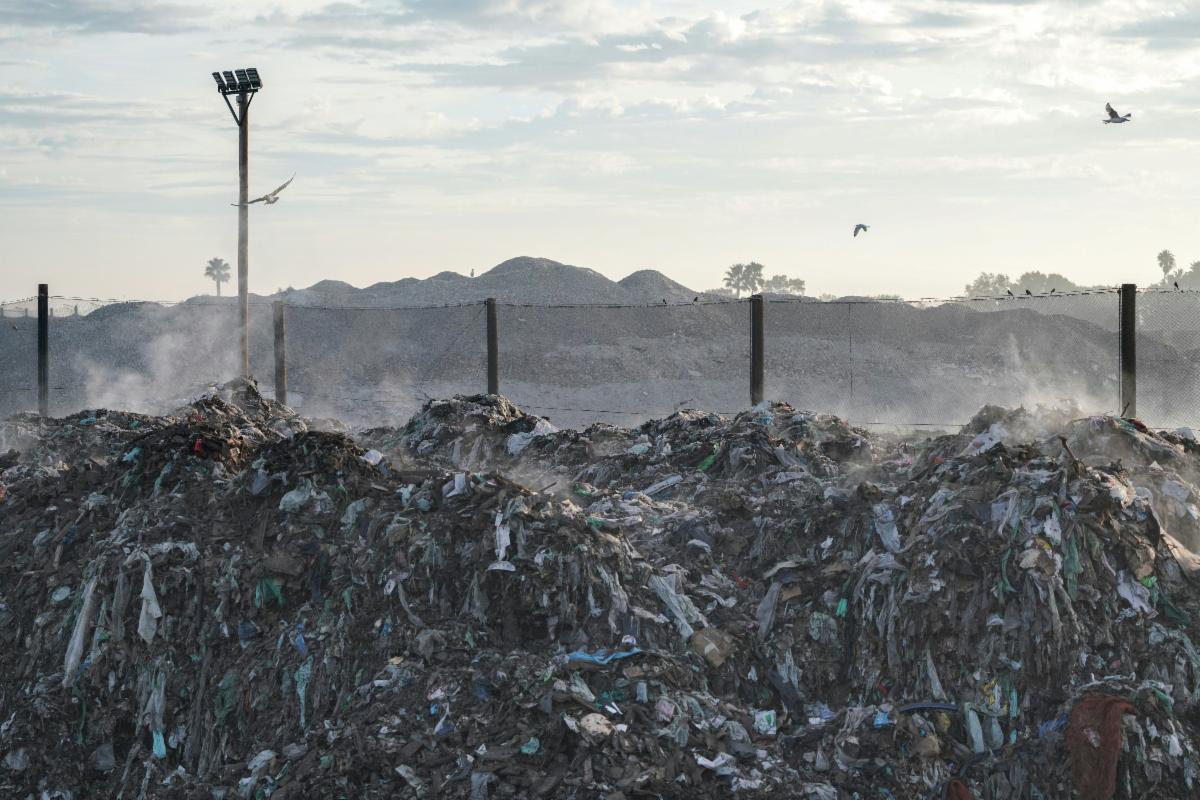
Colorado to distribute $329 million to advance decarbonization efforts in buildings, landfills, mines | |
|
The Colorado Energy Office (CEO) and the city of Denver will share two awards from the Environmental Protection Agency (EPA) totaling $328.7 million to decarbonize buildings and reduce greenhouse gas (GHG) emissions.
The Denver Regional Council of Governments (DRCOG) will receive $199.7 million to implement the Decarbonize DRCOG initiative. The program will prioritize decarbonizing commercial buildings, increasing local government capacity and access to climate-focused work and implement methane emissions monitoring and reporting. The state estimates the project prevent 148.2 million metric tons of GHG emissions from entering the atmosphere between 2025 and 2050.
The project will electrify and weatherproof more than 60,000 buildings, improving access to healthy, climate-friendly homes for low-income, disadvantaged communities. In addition, DRCOG will invest in job education for 3,800 workers and upskill 1,000 existing workers to supplement the workforce.
Aside from awarding 30 grants to help recipients adopt electrification and energy efficient measures, DRCOG will also provide financial support to help local governments advance zero-emission building policies. Plans include providing free energy advisement to residential, multifamily and commercial building owners.
The CEO will spend $129 million to develop grant programs to accelerate decarbonization of large commercial buildings and sectors with significant methane emissions from landfills, coal mines and natural seepage. The state anticipates the GHG reduction efforts will prevent 25 metric tons of CO2 from entering the atmosphere between 2025 and 2050.
Plans include deploying methane monitoring technology to enhance the quality of data gathered from polluted sites and large commercial buildings. The data will help inform regulatory policy, enabling the state to better address methane emissions in disproportionately impacted communities. The state’s current and future monitoring and measurement programs will also reduce GHG emissions from landfills and coal mines.
The CEO will distribute awards and support to local governments to further decarbonization efforts in the transportation, waste and materials management, electric power, buildings and land-use sectors. In addition, the state will upgrade the energy efficiency and electrification in commercial buildings to reduce GHG emissions and improve cost savings.
The EPA allocated the funds from the Climate Pollution Reduction Grants (CPRG) program. The CPRG program provides financial support to eligible recipients to develop and deploy plans to reduce harmful air pollutants. Awarded projects will address climate change, reduce air pollution, support environmental justice and transition the nation to clean energy.
Colorado is one of 25 applicants chosen to receive a portion of the recently announced $4.3 billion in CPRG funding. The most recent round of funding prioritizes reducing GHG emissions in the agriculture and working lands, transportation, commercial and residential buildings, industry, waste and materials management and electric power sectors.
(Photo courtesy of Katie Rodriguez on Unsplash.)
|  | |
University of Wisconsin-Milwaukee to use $188 million to renovate hospital academic space | |
|
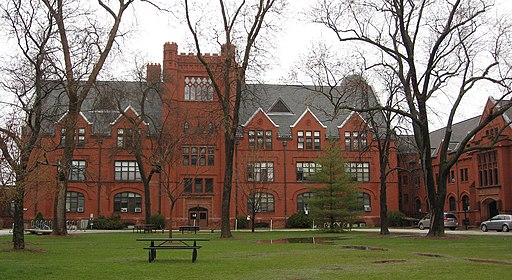
The University of Wisconsin-Milwaukee (UWM) will spend $188.1 million to renovate the Northwest Quadrant complex that houses the university’s Health Sciences programs. The renovated buildings will meet UWM’s student capacity needs and modernize teaching spaces with updated technology integration and educational spaces. Construction is expected to begin in May 2027.
The university bought the 1.1 million-square-foot former hospital in 2010, consisting of seven buildings to expand UWM’s Health Sciences offerings. To date, the campus has primarily been used as a temporary location for units. Since the Health Sciences program has outgrown its current space, the Northwest Quadrant renovation project will convert three buildings for academic use and consolidate the program to a single location.
UWM will renovate Building’s B, C and D, turning them into Health Sciences academic and IT support spaces. Plans include removing the existing patient rooms, treatment rooms and clinic space and replacing deficient architectural, mechanical, electrical, telecommunications and plumbing infrastructure.
A critical aspect of the renovation project centers around turning the Northwest Quadrant into a technology-rich teaching and learning hub. This effort will support the Health Sciences program with state-of-the-art equipment, materials and integrated learning spaces. The university will build a multidisciplinary simulation center and relocate and expand the clinic to better suit student needs.
Plans include renovating building sections to improve its infrastructure and elevator systems. The project will renovate several floors in Building D to house the relocated IT and Classroom Audio-Visual Services. All renovated spaces will feature better electrical distribution, instructional technology and audio/visual systems.
In addition to insulating the buildings’ exterior envelopes, the project will build a south entrance and mechanical penthouse to house several air-handling units. Plans include installing hot water heating systems and extending the central chilled water utilities as needed. The university will incorporate updated mechanical systems in the basement, replace the air handling units in Building C’s basement and replace the fire alarm and smoke detection systems.
Once completed, the Northwest Quadrant will house academic spaces and cutting-edge technologies for several areas of study, including:
- Healthcare administration.
- Orthopedics and neuromotor physical therapy.
- Assistive technology.
- Gerontology and pediatric occupational therapy.
- Speech and audiology.
- Biomedical science.
- Medical imaging.
- Anatomy.
- Informatics.
- Nutrition and wellness.
The university will co-locate several departments to the Northwest Quadrant, keeping interconnected academic paths under one roof. All departments will benefit from additional space, better equipment and better class configurations for teaching. In addition, UWM will renovate the complex according to the university’s Sustainable Building Guidelines to prioritize energy efficiency, renewable energy, building resilience and reduced emissions throughout construction and operation.
(Photo courtesy of Freekee.)
| |
EPA announcing final rule on lead service lines, offering $2.6 billion for nationwide replacement | |
|
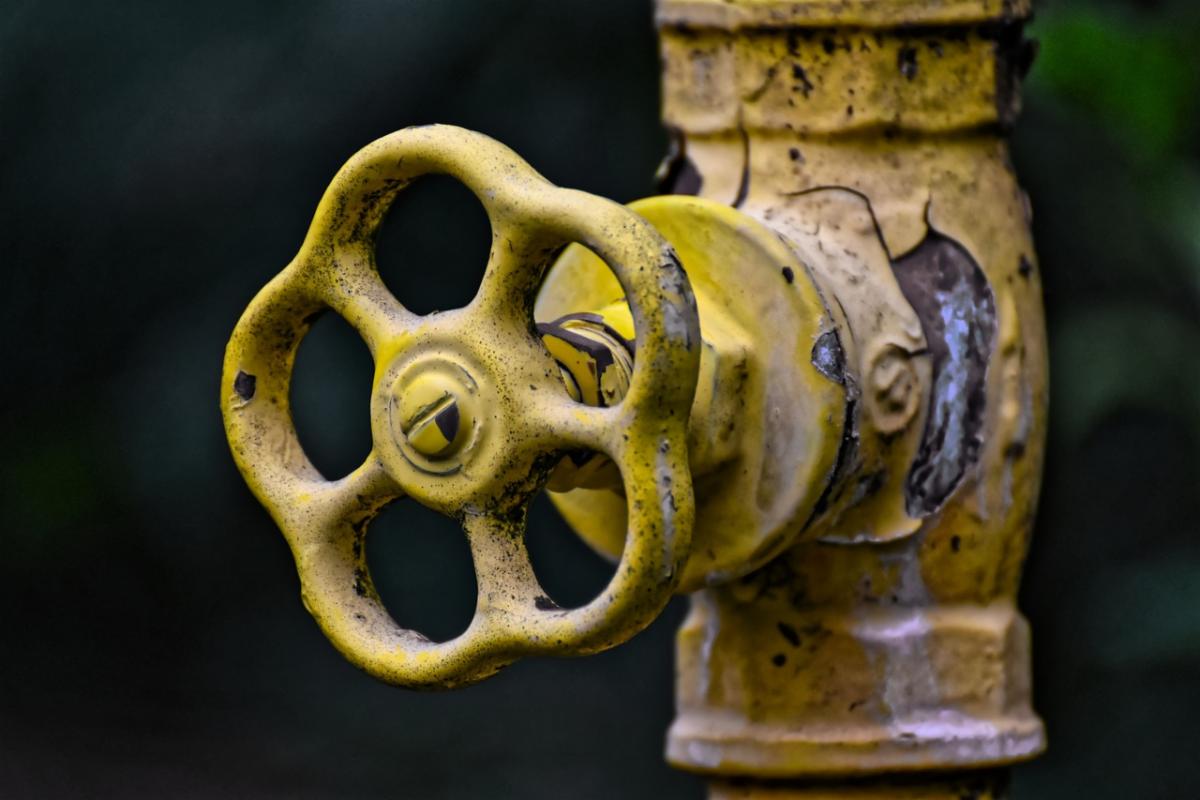
The U.S Environmental Protection Agency (EPA) has approved the final ruling for the Proposed Lead Copper Rule Improvements (LCRI) initiative that will require all legacy lead pipes to be removed from service within 10 years. To support the initiative, the EPA is announcing the availability of $2.6 billion to address lead pipe identification and replacement projects around the country.
The EPA has adopted the final proposal for the LCRI, a federal program designed to enhance the nation’s drinking water quality through regulatory advancements. The final proposal will protect children and adults from lead exposure, reduce regulatory complexity, streamline implementation and strengthen public health protections.
Lead, a harmful neurotoxin, often enters drinking water through corroded plumbing, especially in homes built before 1986. Despite being banned since the 1980s, over 9 million lead service lines are still in service in the U.S. today.
Working in tandem with the agency, the finalized LCRI will develop best practices and the regulatory framework necessary to expedite and simplify lead pipe replacements; while the EPA uses its statutory authority under the Safe Drinking Water Act to enforce these new regulations.
Some of the adopted LCRI regulatory provisions include:
- Achieving 100% lead pipe replacement within 10 years.
- Locating legacy lead pipes.
- Improving tap sampling.
- Lowering the lead action level.
- Strengthening protections to reduce lead exposure.
In addition, the EPA will make billions in funding available to states through the drinking water state revolving funds (DWSRFs) to identify, codify and replace lead service pipes.
Additionally, the EPA is making $35 million in competitive grants available to reduce lead in drinking water. Community water systems, water systems governed by tribes, non-transient non-community water systems and qualified nonprofit organizations servicing public water systems are eligible to apply for grants up to $10 million to support drinking water infrastructure and lead reduction. Applications for this EPA funding opportunity are due online by Dec. 30.
The agency is unveiling a website to assist entities pursuing lead service line replacement funding. More EPA funding and grant opportunities will be published there as funding dictates.
Both the LCRI and EPAs’ initiatives will support the White House’s Justice40 initiative, delivering more than 40% of overall benefits to disadvantaged communities overburdened by underinvestment and/or pollution.
(Photo courtesy of Alexas_Fotos on Pixabay.)
|  | |
DOC to open $100 million competition to develop semiconductor AI technologies | |
|
The U.S. Department of Commerce (DOC) will make $100 million available to develop artificial intelligence (AI) R&D and technologies to advance sustainable semiconductor materials and processes. The DOC anticipates opening the competition in the fourth quarter of 2024. The program will allocate at least two large awards.
The Notice of Funding Opportunity (NOFO) will support efforts to secure the long-term efficacy and viability of domestic semiconductor manufacturing. This NOFO builds on the nation’s CHIPS and Science Act to support semiconductor sustainability while improving microelectronic power, performance, area and cost metrics.
Recipients will accelerate innovative solutions to sustainably produce chips and materials that meet the semiconductor industry’s needs. The competition specifically prioritizes R&D of AI-powered autonomous experimentation (AI/AE) designed to achieve certain goals. These goals include:
- Improving leading-edge product performance.
- Improving manufacturing energy and water efficiency, manufacturing yield and supply chain resiliency.
- Reducing manufacturing emission and waste by developing materials and process alternatives.
The projects will be proof-of-concept that sustainable semiconductor materials and processes can meet industry standards and be ready for testing within five years. AI/AE can potentially accelerate the R&D process to more quickly and efficiently evaluate and plan experimental campaigns. These technologies merge automated synthesis and characterization tools with an AI planner to design materials and acquire relevant data.
The current state of the semiconductor industry stands to fall behind competitively as demand skyrockets. Uncovering novel methods to increase production while minimizing the impact the environment and public health is needed to ensure the U.S. remains a global leader.
The competition will be open for industry-informed, university-based AI/AE semiconductor collaborations. The DOC expects the program results will be relevant and translatable to other CHIPS Act funded programs, including the National Semiconductor Technology Center (NSTC) and CHIPS Manufacturing USA Institute.
(Photo courtesy of Republica on Pixabay.)
| |
South Carolina leverages $30 million to protect residents along dangerous corridors | |
|
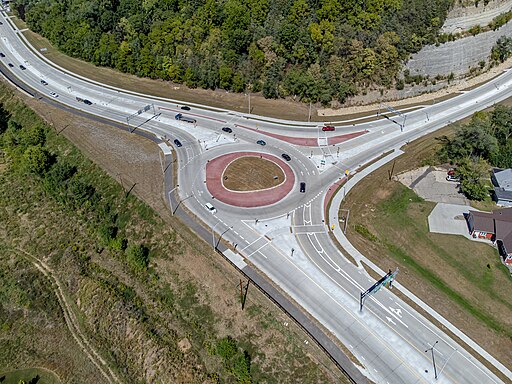
The U.S. Department of Transportation (USDOT) will allocate $30 million to South Carolina to enhance pedestrian infrastructure, mitigate crash rates and improve safety along major high-risk roadways across in three cities. The cities will use the funds to build roundabouts, sidewalks and crosswalks, improve traffic signals and implement traffic and speed control measures.
Spartanburg County will receive $16 million to improve two corridors prone to angle crashes, pedestrian collisions and speeding vehicles. The funds will go toward the project’s total $20 million cost. The county will upgrade the roadways’ traffic signal and timing, manage left-lane turn access and enhance sidewalks and crosswalks. In addition, the project will extend bike lanes, adjust on-street parking spaces, implement road diets, spot safety treatments, an educational campaign and update the Vision Zero Action Plan.
USDOT delivered $8 million to the town of Batesburg-Leesville to fix safety issues such as speeding, lack of guardrails, slow crash-response times and limited pedestrian safety facilities. The funds will go toward the project’s $10 million total cost. Plans include adding rumble strips in advance of curves, installing reflective centerline markings and upgrading advance warning signs. In addition, the town will improve and redesign five intersections to add a roundabout, sidewalks and crosswalks.
The city of Goose Creek will use $6 million to supplement a $7.5 million project to address a dangerous four-lane roadway. The current road configuration encourages speeding and lacks adequate safety measures to protect pedestrians. The project will develop an approximately 3.3-mile shared-use path as an alternative separated from the roadway for non-motorized travelers.
USDOT allocated the funds through the Safe Streets for All (SS4A) grant program. The SS4A program is a five-year, $5 billion initiative that helps local, rural and tribal communities remediate some of the most dangerous roads in the country to prevent deaths and serious injuries.
The South Carolina projects are a selection of 453 projects receiving a share of the recently announced $1.1 billion. This is the second round of SS4A funding for Fiscal Year 2024, with the first round releasing $63 million in May. Since 2023, the program has allocated $2.7 billion from the available $5 billion. USDOT expects to open the third and final round of Fiscal Year 2024 awards in November.
(Photo courtesy of Wikideas1.)
|  | |
Minnesota PUC approves two projects for 200-mile regional transmission system | |
|
Minnesota is the first state to approve a 200-mile regional transmission line that will provide thousands of residents with access to renewable energy, reliable electricity and fewer transmission losses. The state’s Public Utilities Commission (PUC) recently approved two watershed transmission projects as part of this transmission line to bolster the state’s energy infrastructure across the Midcontinent Independent System Operator (MISO) region.
The approved projects are included among MISO’s Long-Range Transmission Planning (LRTP) projects. The 10 states in MISO Midwest will collectively share the project costs, providing the PUC with the financial power needed to complete the 345-kilovolt (kV) transmission lines. Once implemented, the state will be able to distribute reliable, affordable electricity to communities that need it the most.
The first project – Big Stone South-Alexandria-Big Oaks – will account for the eastern segment of the line. The pipeline will be approximately 100 miles long, connecting the Alexandria substation to a Becker substation. Plans include using existing structures to support 95% of the line, offsetting environmental and landowner impacts. Construction for the segment is expected to begin in the second quarter of 2025.
The Mankato-Mississippi segment will cover the western half of the project, providing energy distribution from the Mankato area to the Mississippi River. However, before construction can begin on the 150-mile line, project operators must analyze alternative routes and the impacts of potentially moving the line from water sources. The PUC will review the project’s draft environmental analysis in 2025.
The regional transmission line is the PUC’s latest investment in modernizing the state’s clean energy distribution system. Last month, the commission approved a certificate of need and route permit to upgrade the existing 465-mile Square Butte transmission system. The project will update the system to mitigate outages and control system failures, creating a reliable, resilient energy transmission network.
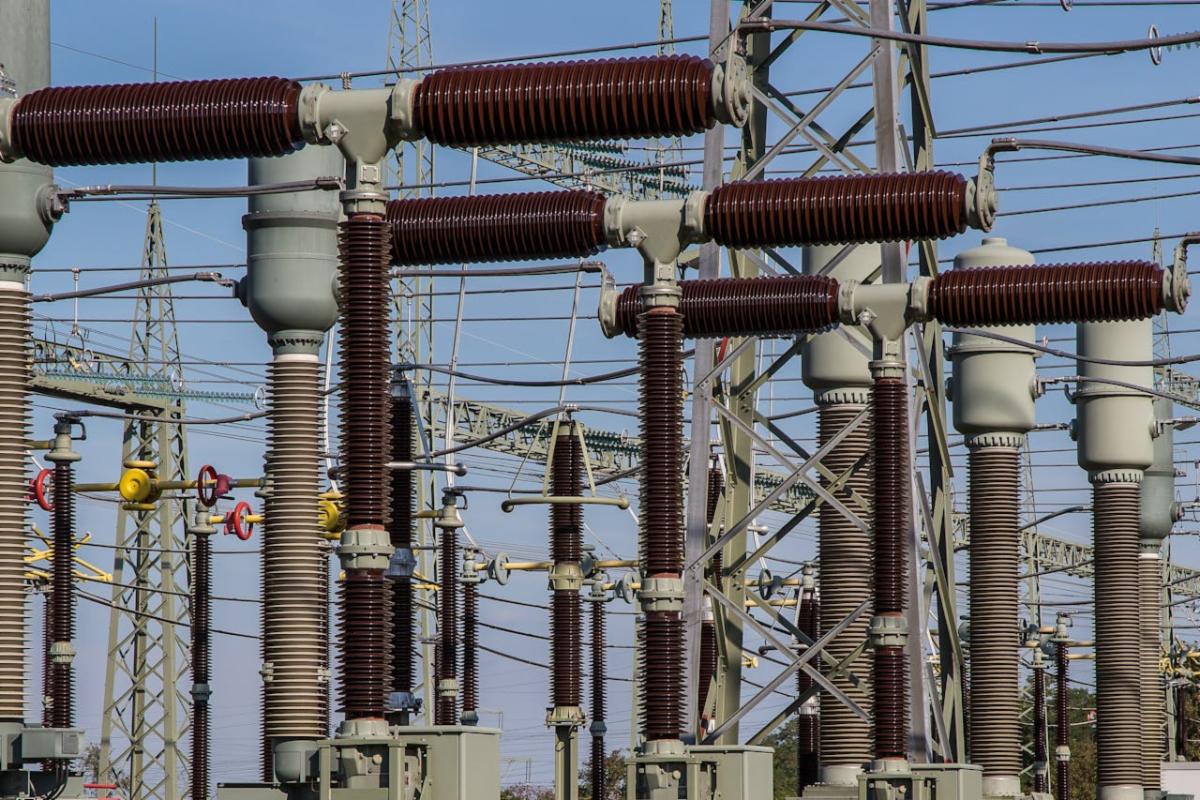
(Photo courtesy of NickyPe on Pixabay.)
| |
New York signs off on 26 projects to advance innovative clean energy technologies | |
|
New York’s Energy and Research Development Authority (NYSERDA) recently expanded its portfolio with 26 projects selected through its Innovation program. The innovation projects will play critical roles in preparing New York for a clean energy, fossil fuel-independent future. The program provides resources and funding across several sectors and industries.
The latest batch of approved projects fall under the following categories:
- Renewable Optimization and Energy Storage Innovation.
- Hydrogen and Clean Fuels.
- Grid Modernization.
- Advanced Buildings.
- Commercialization.
NYSERDA selected eight Hydrogen and Clean Fuels projects to receive financial support. These projects center around decarbonizing industrial process heat, facilitating clean hydrogen production integration with renewable energy and demonstrating the utility of hydrogen-based generation systems. A few of the selected projects include:
- Demonstrating the viability of reusable metal fuels of clean hydrogen production through a two-step electrolysis process.
- Creating green hydrogen fuels that provide high-grade industrial heat or serve as a process input while remaining carbon-neutral and minimally impacting manufacturing processes.
- Implementing a small-scale hydrogen production system powered by solar energy that could potentially cost $2 per kilogram of hydrogen within the next decade.
A total of 11 projects will help modernize the grid by improving distributed energy resource coordination and enhancing grid management and integration. Implementation of these technologies will help optimize grid performance, leading to better cost savings and critical transitional support to a sustainable, reliable energy system. Some of the projects include:
- Developing a fixed-wing unmanned aerial system that uses electromagnetic fields to remotely inspect transmission lines.
- Establishing enhanced inverter-based resources interconnection requirements to adopt the state’s future zero-emission electric power system.
- Creating a microgrid hybrid power plant to support a bus depot. The project will expand electric vehicle charging capabilities, ground-mount photovoltaic technologies and evaluate the feasibility of all-electric bus depots.
(Photo courtesy of Pixabay on Pexels.)
|  | |
NOAA receives $15.3 million to enhance national climate resilience with updated extreme weather projections | |
|
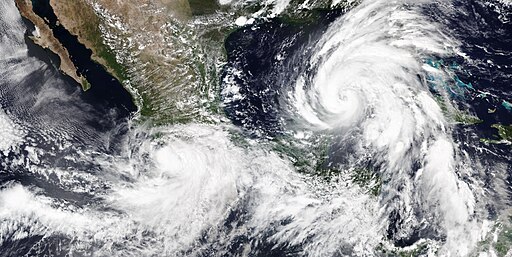
As inclement weather sweeps across the nation with increasing intensity and frequency, most notably by Hurricanes Francine, Helene and Milton over the past 30 days, communities need up-to-date information to prepare for disaster. To provide better serve impacted and at-risk communities, the National Oceanic and Atmospheric Administration (NOAA) will spend $15.3 million to advance research for reliable, long-term climate projections and services.
NOAA will use the funds to develop transparent climate information for users to guide critical decision-making processes for infrastructure deployment, energy systems deployment and financial investments. The agency and its collaborators will use existing resources and new cloud-based computing platforms to compile and distribute these projections to users.
One of the most important aspects of NOAA’s efforts to update and improve climate projections will be its impact on climate resilience. Currently, NOAA has multiple sources of information relevant to upcoming disasters, which can make it challenging to identify which information is best to guide decision-making. The improved climate projection products and services will ensure users will have the latest, most accurate information to make informed climate resilience decisions.
Reliable and precise inclement weather information will provide people in both the public and private sectors with a clear understanding of the risks and dangers associated with upcoming disasters. These projections factor in data and risks such as heavy precipitation, temperature extremes, drought and coastal flooding. The projects will incorporate dynamic information on weather patterns, keeping communities up to date on how they might change in upcoming years.
NOAA researchers will collaborate with key decision-making groups that specialize in a wide array of natural disasters to develop customized climate information. The resulting information will help communities plan for disaster and build resilient infrastructure.
(Photo courtesy of NASA.)
| |
|
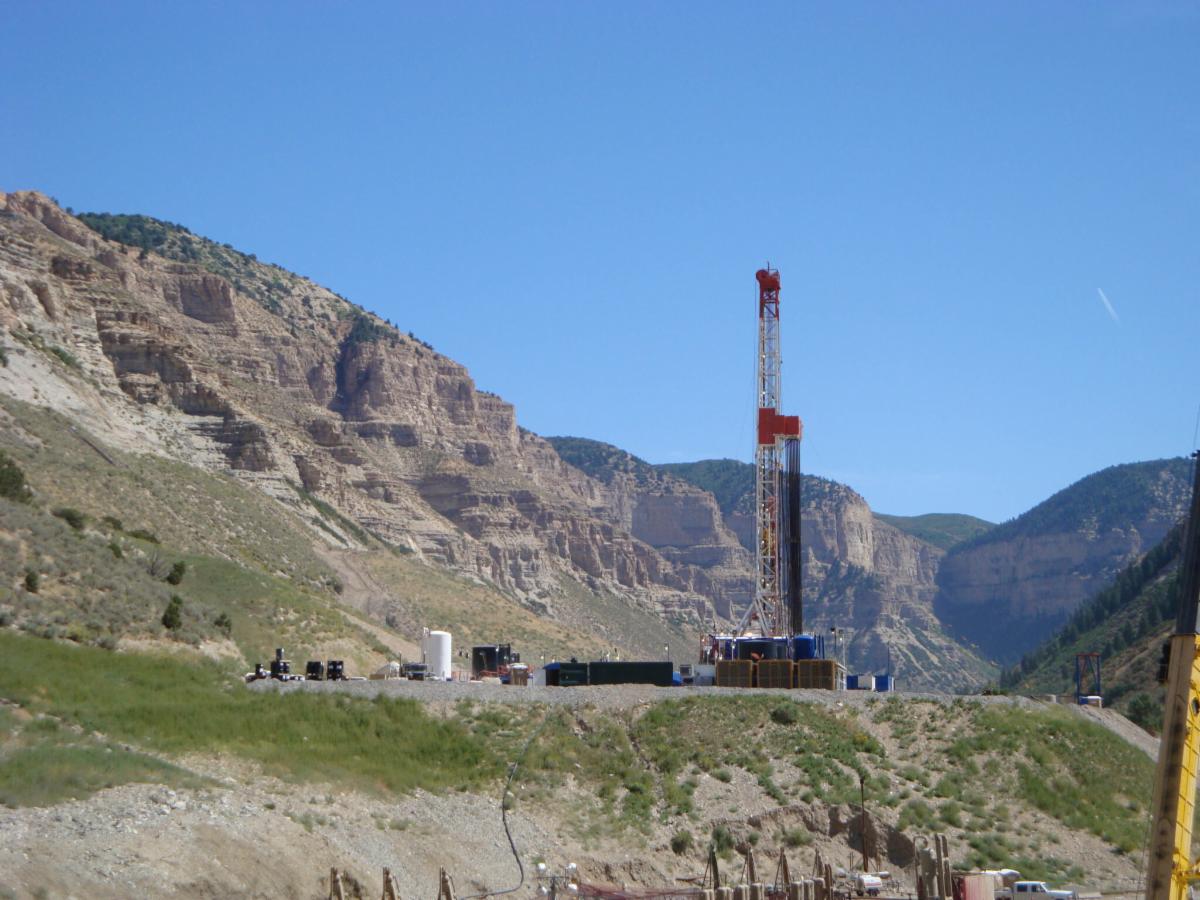
The U.S. Department of the Interior (DOI) is announcing the availability of $1.5 billion for states to clean up orphaned oil and gas wells across the country. Building on nearly $2 billion already invested, the DOI anticipates the influx of funds will spur economic growth, prevent harmful methane leaks and remediate environmental and public health risks associated with unsafe surface and groundwater.
Funded through the $4.7 billion Bipartisan Infrastructure Law (BIL) investment in orphaned wells, the DOI will make up to $40 million in grants available to states looking to tackle legacy pollution through the DOI’s Orphaned Well Program Office (OWPO).
Click here to learn more about the DOI’s investment in plugging orphaned wells
(Photo courtesy of the National Institute for Occupational Safety and Health (NIOSH) from USA.)
| |
|
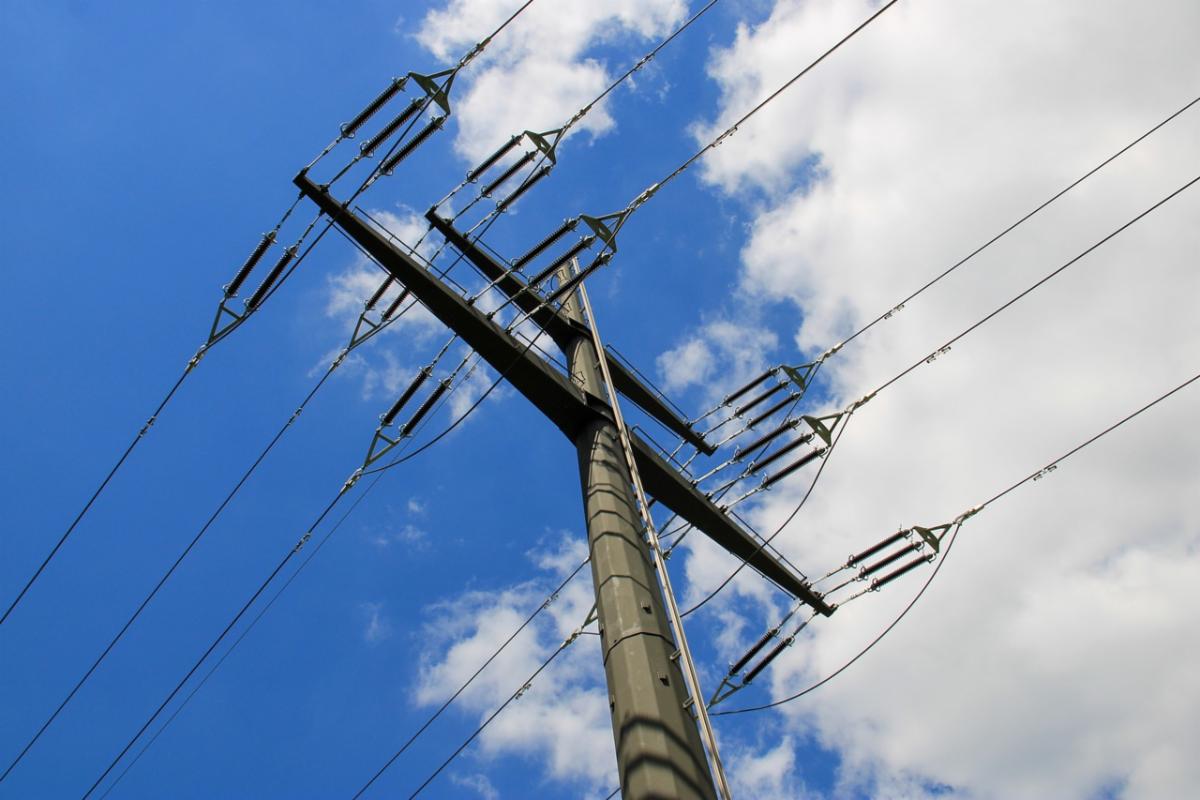
America’s power transmission lines are like the highways of the electric grid, but increasingly traffic is getting backed up, leaving electrons of energy with nowhere to go. But with a $1.5 billion boost from the Department of Energy (DOE), four major projects will proceed, improving the viability of new clean energy projects and potentially making the grid more reliable.
Big wind and solar power arrays are often located in rural areas. High voltage transmission lines allow power to flow from where it is generated to substations located in towns and cities. At the substation, electricity is transferred to lower-voltage power lines that bring it to homes and businesses.
Click here for more information about the four projects receiving funds
(Photo courtesy of Thomas Despeyroux on Unsplash.)
| |
|
Arkansas has gotten the green light to proceed with a program involving $1 billion in federal grant funding to further the “Internet for All” program.
The state is being allocated the funding to deploy or upgrade broadband networks to ensure that everyone has access to reliable, affordable, high-speed internet service.
Once deployment goals are met, any remaining funding can be used on high-speed internet adoption, training, and workforce development efforts, among other eligible uses, the Department of Commerce (DOC) says.
Click here to learn more about Arkansas’ broadband expansion plans
(Photo courtesy of Glenn Carstens-Peters on Unsplash.)
| |
|
The U.S. Department of Energy (DOE) is making up to $500 million available for basic research initiatives that support clean energy, economic growth and national security. The funds, available through the DOE’s Office of Science, will advance priorities such as advanced scientific computing, fusion energy, high energy physics and nuclear physics.
The funding is available through the Office of Science’s annual Notice of Funding Opportunity (NOFO), which was previously known as a Funding Opportunity Announcement (FOA). This year’s NOFO allows research institutions to apply for financial support in areas not covered by other specific solicitations.
Click here for more information about the science NOFO
(Photo courtesy of Radowan Nakif Rehan on Unsplash.)
| | |
|  |
|
|
Kansas – The Unified Government of Wyandotte County and Kansas City has selected Lesley Strohschein as deputy chief financial officer. Strohschein brings more than 22 years of public finance experience to the role. She most recently served as controller and assistant controller at Kansas City, Kansas Community College.
Hawai’i - Todd Apo has been appointed as an interim member of the Hawai’i Tourism Authority Board of Directors. He will replace Sig Zane in the role. Apo is the current CEO of a sustainability and resilience nonprofit. He previously served as chair of the Honolulu City Council.
Arkansas – Sam Dubke has been promoted to communications director for the Governor’s Office. Dubke previously served as deputy communications director and speechwriter for the governor. He joined the office in February 2023.
Ohio – The Ohio Department of Transportation (ODOT) has welcomed Pamela Boratyn as its director. Boratyn officially assumed the role Oct. 1. She brings more than 35 years of public service experience to the position. She previously served as assistant director of business and human resources and chief of staff for ODOT.
Virginia – Loudoun County has chosen Nathaniel Wentland as director of the IT Department. Wentland brings more than 25 years of IT planning, development and implementation for both local governments and the private sector. He most recently served as Fairfax County’s IT deputy director. He will begin his tenure Oct. 10.
Washington, D.C. - The Economic Development Administration (EDA) has selected Cristina Killingsworth as acting assistant secretary of economic development. Killingsworth took over the role effective immediately on Sept. 30. She replaced Alejandra Castillo. Killingsworth most recently served as the EDA’s deputy assistant secretary for policy and external affairs.
North Carolina – The Greensboro City Council has appointed Nathaniel Davis as city manager. Davis has served as Greensboro’s assistant city manager since 2019. He officially replaced interim City Manager Chris Wilson on Oct. 4.
California – The city of Antioch has welcomed Bessie Scott as city manager. Scott is the former Seattle deputy inspector general. She will replace Cornelius Johnson.
Maine – Samantha Horn will lead the recently created Maine Office of Community Affairs as director. Horn brings more than 30 years of experience in policy, planning and science to the role. She will begin her tenure in late October.
North Carolina – Morgan Mansa has been chosen as director of Wake County’s Housing Affordability and Community Revitalization Department. Mansa began her role Oct. 1. She was promoted from her previous role with the department as deputy director of programs.
Michigan – Michigan State University (MSU) has selected Pouyan Nejadhashemi as director of the MSU Institute of Water Research. Nejadhashemi will retain his current role as professor in the departments of Biosystems and Agricultural Engineering and Plant, Soil and Microbial Sciences. He will assume his director duties Oct. 15.
Texas – Wes Moorehead has been chosen as deputy director of the Texas A&M Forest Service. Moorehead most recently served as associate director of forest resource protection and fire chief since 2022. He has been with the Texas A&M Forest Service since 2001.
| | |
|
Connect with SPI
Check out our social media links!
| |
About Government Contracting Pipeline | |
|
Strategic Partnerships, Inc.
Publisher: Mary Scott Nabers
Editors: Adam Rollins
Dave Doolittle
www.spartnerships.com
| |
Government Contracting Pipeline, a publication of Strategic Partnerships, Inc., is a free, weekly newsletter detailing important happenings nationwide and the premier source for federal, state and local government news and contracting opportunities. | |
Help us share this message.
To ensure delivery and proper formatting of the newsletter, be sure to add editor@spartnerships.com to your safe senders list.
Otherwise, the newsletter may be flagged as spam and automatically routed to your junk e-mail folder.
| | | | |