Volume 16, Issue 39 - Wednesday, September 25, 2024 | |
By Mary Scott Nabers, CEO of Strategic Partnerships, Inc. | |
|
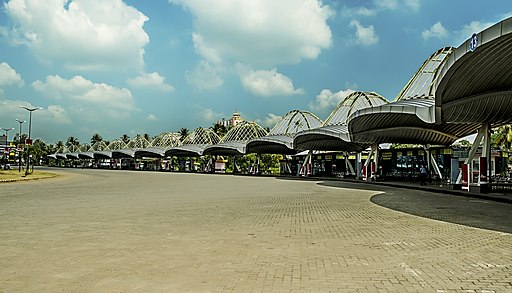
The U.S. Federal Transit Administration recently awarded $300 million for upcoming projects designed to expand and modernize the nation’s ferry systems. Specifically, the funding will support 18 new projects in 14 states, including replacing old vessels with electric ships, upgrading the waterfront facilities and modernizing the systems with technology.
Alaska’s Department of Transportation was recently awarded three funding awards totaling more than $177 million to support upcoming projects. The largest one will require $33 million in revenue and will be designed to replace the diesel-powered Tustumena Ferry that serves rural southwest Alaska and expand the ferry’s infrastructure. The new vessel's propulsion system will be updated with a diesel-hybrid design incorporating batteries. When completed, the project will deliver improved service reliability, reduced greenhouse gas emissions and a modernized vital transit lifeline. The anticipated date for completion of all the work is early 2027.
A second grant of $66 million will be consolidated with other funding for an effort to improve operations on the Alaska Marine Highway System. This ferry transportation system serves 30 communities along 3,500 miles of coastline. The project will strengthen the state’s ferry system by adding route service to remote communities. Transportation improvements will include the development of new routes to rural communities, confirming that seasonal route schedules can accommodate travel and workforce demands, and performing preventative maintenance on vessels. The total project cost for this initiative is $89 million, and it has multiple phases of work to ensure the long-term stability of the highway system. The project is still in the pre-construction phase.
A third project with a lower price tag will receive $5 million in funding support. This project will install Wi-Fi on ferry vessels. The objective will be to provide and enhance port communication and improve operational efficiency for the entire ferry system.
The Vallejo Ferry Terminal in California will be reconfigured, and the federal government will support the project with approximately $16 million in funding. The effort will be designed to improve ferry operations and reduce environmental and operational disruptions caused by siltation in the Napa River. The project will mitigate frequent and costly dredging and decrease service interruptions for passengers.
Click here for more.
| |
Pennsylvania tackles industrial pollution with $396 million grant | |
|
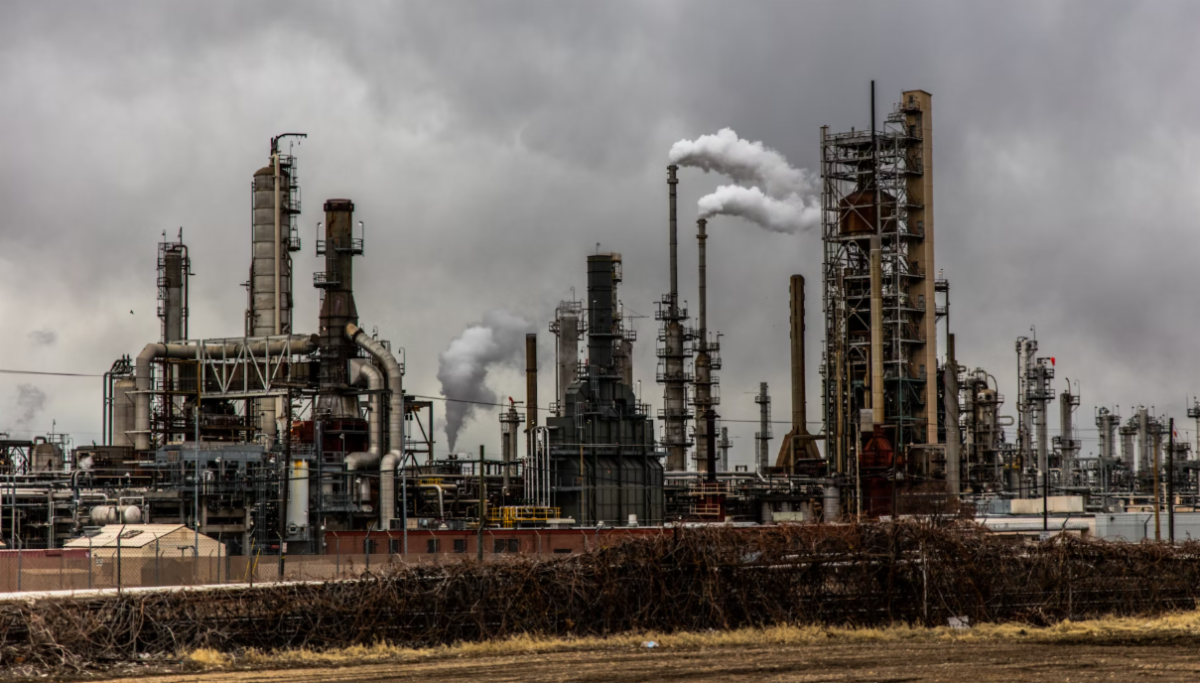
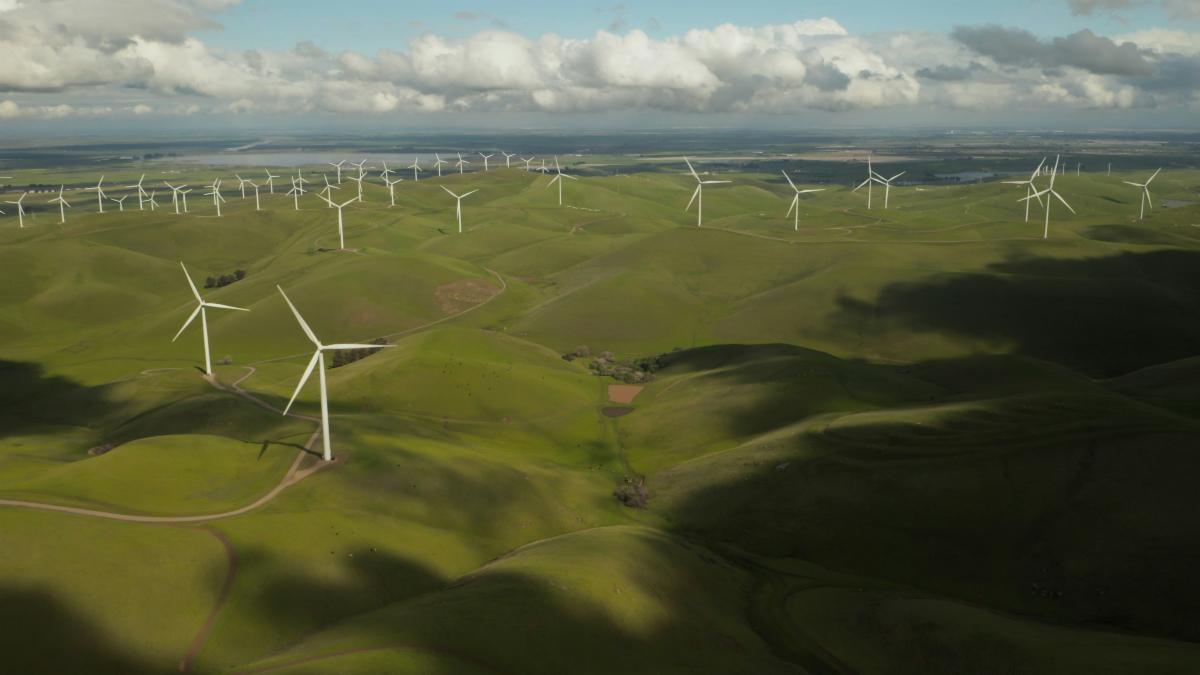
The Pennsylvania Department of Environmental Protection (PA DEP) will receive $396 million from the Environmental Protection Agency (EPA) to deploy an industrial decarbonization incentive program across the state.
The funds will empower the agency to reduce greenhouse gas (GHG) emissions across the industrial sector. The DEP will distribute grants up to $300 million to advance small-, medium- and large-scale decarbonization projects. The department estimates that the Reducing Industrial Sector Emissions in Pennsylvania (RISE PA) program will remove 9.2 metric tons of GHG emissions from the atmosphere by 2050.
The project will allow hundreds of facilities to greenlight shovel-ready decarbonization projects, resulting in the state reducing approximately 20% of GHG emissions. Plans call for additional private capital investment ranging between $283 and $973 million to support these projects.
The results of the decarbonization projects will mitigate hazardous air pollutants, toxins and other harmful substances, drastically raising the state’s overall air quality. These benefits will particularly affect nearby low-income and disadvantaged communities disproportionately affected by industrial pollution.
The DEP will use the funds to support and create high-quality jobs, prioritizing fair wage and apprenticeship requirements. In addition, the department will support equitable workforce development and create replicable and scalable GHG reduction strategies for impacted sectors.
The EPA allocated the funds from the Climate Pollution Reduction Grants (CPRG) program. The CPRG program provides financial support to eligible recipients to develop and deploy plans to reduce harmful air pollutants. Awarded projects will address climate change, reduce air pollution, support environmental justice and transition the nation to clean energy.
Pennsylvania is one of 25 applicants chosen to receive a portion of the recently announced $4.3 billion in CPRG funding. The most recent round of funding prioritizes reducing GHG emissions in the agriculture and working lands, transportation, commercial and residential buildings, industry, waste and materials management and electric power sectors.
(Photo courtesy of Patrick Hendry on Unsplash.)
| |
University of Wisconsin campus to spend $138 million on facility renovations | |
|
The University of Wisconsin at Oshkosh (UWO) will spend $137.6 million to renovate and replace a 60-year-old library and learning commons building. The Polk Learning Commons is severely outdated, with years of deferred maintenance attributed to failing mechanical systems, insufficient learning areas and obsolete amenities. Construction is expected to begin in May 2026.
The Polk Learning Commons will undergo several major changes to ensure it achieves the modern criteria needed to fit the needs of the university’s student body and staff. As part of the project, UWO will demolish the building’s north wing – including the library, connector link and mechanical penthouse - and rebuild it to modern specifications. The restructured project will total 163,000 square feet, slightly smaller than the existing building, but will feature a better use of energy and space to facilitate learning and sustainability.
UWO will build a smaller, flexible learning commons building as part of the renovations. In addition, the university will replace the building’s exterior envelope with an energy efficient facade that aligns the new structure’s design. Plans include building a main building entrance, general access classrooms and meeting spaces.
The university will incorporate a multi-story, interior circulation avenue to provide access to study and communal areas and connect to pedestrian walkways and green spaces. Plans include halving the size of the library collection and building dedicated learning spaces for:
- Group study rooms.
- Digital multimedia laboratories.
- Active learning classrooms.
- Experience-driven learning spaces.
- Flexible event, instructional whitebox and multi-use areas.
A critical aspect of the project will include ensuring the building’s deferred maintenance issues are addressed. This includes renovating infrastructure systems and operations including HVAC system, pipes, electrical systems, ventilation and lighting. The university will replace windows to mitigate water intrusion, add a fire sprinkler system and repair flooring, walls and doorways. The project will also bring all facilities into ADA-compliance.
(Photo courtesy of Troy Mortier on Unsplash.)
| |
Florida DOT to spend $101 million on road improvements | |
|
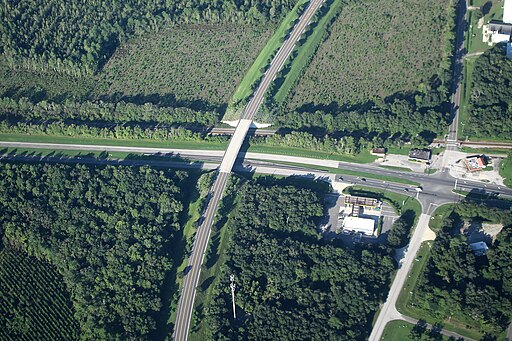
The Florida Department of Transportation (FDOT) will invest $100.9 million to widen and enhance 11.8 miles of road across four projects near Fort Myers. The projects are a part of the state’s Moving Florida Forward Infrastructure Initiative, a $68 billion five-year plan to capitalize on critical transportation infrastructure projects across the state.
The first project consists of FDOT spending $45 million to enhance a stretch of State Route 29. The roadway currently features a 12-foot lane in each direction and a 4-foot shoulder on either side. The project will widen approximately 3 miles of the road to add another travel lane on either side. Plans include installing paved 4-foot inside shoulders, 10-foot paved outside shoulders and a 30-foot grass median. Construction is expected to begin in 2026.
FDOT will spend $35.9 million to improve the next 3.4 miles of SR 29. The project will build a signalizes intersection alongside a four-lane divided roadway and 12-foot shared use paths on both sides. Plans also include installing emergency and pedestrian actuated signals for a local fire station, a 22-foot median and improved drainage. Construction is estimated to begin in the spring of 2027.
The agency will use an additional $16 million to widen another 3.1 miles of the roadway. The project will expand the road to four lanes, with two 12-foot travel lanes on either side. In addition, FDOT will install a 40-foot grass median, stormwater ponds and realign an intersection along a private road. While the project is in the design phase, a construction date has not been released.
The last project covers a $4 million, 2.3 mile stretch of road. FDOT will widen the road to a four-lane divided highway. Plans include building curbs and gutters on either side of the 12-foot travel lanes, a 22-foot median, shared use paths on either side and a series of drainage improvements. FDOT has not released a start of construction date for this project.
FDOT will build the projects in Immokalee, approximately 35 miles southeast of Fort Myers.
(Photo courtesy of formulanone.)
| |
California to enhance coastal resilience, recreational opportunities | |
|
California will leverage $48 million from the California State Coastal Conservancy (CSCC) on public access projects along the state’s coasts and coastal watersheds. The funds will support efforts to protect land from wildfires, build resilience-focused recreational amenities and restore local wetlands and habitats.
Some of the projects receiving funds include:
A nonprofit organization will use $8 million to advance the South San Francisco Bay Shoreline Project. Plans include building Reaches 1-3 ecotone in Ponds A12 and A13. Ecotones are vegetated dirt slopes that help transition tidal wetland areas to levees. The organization will build a 500-foot-wide dirt slope next to the A12 levee and a 270-foot-wide slope adjacent to the A13 levee.
The project will help restore tidal marsh and upland transition zone habitat, providing critical flood protection for the area. In addition, the project will restore 2,900 acres of former salt evaporation ponds and improve public access to a local low-income neighborhood with trails.
The San Diego Unified Port District (SDUPD) will receive $6.6 million to advance the San Diego Harbor Park Project. The district will undertake the first phase of the project to build Harbor Park, a 25-acre recreational space. In addition, SDUPD will expand and replace Bayside Park.
The project will build a waterfront promenade and recreational lawn area. The district will remove the eroded beachfront and replace it with an enlarged, improved beach. The project will also build an ADA-compliant boat ramp to dock kayaks and paddleboards. Plans include installing a pocket marsh with salt marsh plantings to enhance the area’s climate resilience, alongside structured enclosures to increase sand retention. The district will also improve pedestrian and bicyclist amenities and adapt the coastline to accommodate sea level rise.
(Photo courtesy of Frank Schulenburg from Mill Valley, California, United States.)
| |
New Mexico invests in supply chain sovereignty, clean mobility | |
|
New Mexico will receive $38.5 million from the U.S. Department of Transportation (USDOT) to mitigate flood risks, reconstruct roads, plan supply chains and build mobility hubs across the state.
Bernalillo County will receive $15 million to support planning activities for the Interstate 40 Tradeport Corridor project. The funds will enable the county to finalize infrastructure development plans for a regional multi-hub supply chain system. Once built, the system will connect around 805 miles freight corridor between California, Arizona and New Mexico.
The planning actions will prioritize two hubs in Arizona and one in New Mexico. The plan will ensure the supply chain system has equitable connectivity and access across each involved state, streamlined cargo flows and clean energy incorporated into its design and operations. The project will leverage transit-oriented development (TOD) to improve community connectivity and emerging technologies to enhance freight mobility.
The city of Taos Pueblo will use $14.3 million to reconstruct four dirt collector roads. The project will widen and pave the roads, build sidewalks and install bicycle facilities. In addition, the city will elevate all four roadways and detention ponds to improve drainage and mitigate flood risks. Construction is expected to begin in March 2026.
The North Central Regional Transit District (NCRTD) will receive $9.5 million to reduce greenhouse gas (GHG) emissions by advancing the first phase of the Blue Bus Regional Rural Rapid Transit System project. The project will help support the development of seven mobility hubs across the state. In addition, the district will buy seven diesel electric hybrid buses to provide a clean transportation option for residents.
USDOT allocated the funds through the Rebuilding American Infrastructure with Sustainability and Equity (RAISE) grant program. The RAISE program invests in community projects to build and renovate critical transportation infrastructure projects across the country.
The projects are a selection of 148 receiving a portion of the recently announced $1.8 billion in RAISE funding for Fiscal Year 2024. Including the latest round, USDOT has invested $7.2 billion across 550 projects through the RAISE program since it was established.
(Photo courtesy of Augustus Binu.)
|  | |
Ohio receives $38 million to improve high-crash corridors | |
|
The U.S. Department of Transportation (USDOT) will allocate $37.9 million to protect pedestrians and bicyclists in communities across the state of Ohio. The state will use the funds to improve roadways, calm traffic, implement systematic safety improvements and provide safer crossing options.
The agency awarded the counties of Lucas, Ottawa, Wood and Sandusky a cumulative $24.5 million for several safety projects. There are five high-injury, high-risk corridors across these communities that are notably unsafe for nonmotorized travelers. The award will go toward the total project cost of $30.6 million.
The counties will reconstruct interchanges, build roundabouts, develop shared-use pathways and reduce the number of travel lanes. Plans include improving pedestrian crossings and intersections, building pedestrian and bicycle facilities, center medians, dedicated left-turn lanes and other traffic calming measures. In addition, the recipients will plan a pilot public information campaign, a traffic safety education campaign and perform a study on how effective rural roundabouts are at calming traffic and preventing accidents.
The city of Hamilton will receive $9.8 million to improve safety measures across 50 intersections and a portion of State Route 4. Currently, the city ranks among the most dangerous in the state for both bicyclists and pedestrians. With the $9.8 million contribution to the project’s total $12.2 million cost, Hamilton will upgrade the city’s crosswalks, lighting, signage, medians, high-intensity activated crosswalk signals and curb bump outs.
Cambridge will use $3.6 million to increase the safety of a critical corridor connecting the downtown area with retail and commercial centers. The corridor has one of the highest crash rates in the country with limited safe crossing options for nonmotorized travelers. The city will use the award to supplement the project’s total $4.6 million cost. The project will upgrade traffic signals, add pedestrian crosswalks, install functional pedestrian signal heads and build a multi-use path for pedestrians and bicyclists.
USDOT allocated the funds through the Safe Streets for All (SS4A) grant program. The SS4A program is a five-year, $5 billion initiative that helps local, rural and tribal communities remediate some of the most dangerous roads in the country to prevent deaths and serious injuries.
The Ohio projects are a selection of the 453 projects that will receive a share of the recently announced $1.1 billion. This is the second round of SS4A funding for Fiscal Year 2024, with the first round releasing $63 million in May. Since 2023, the program has allocated $2.7 billion from the available $5 billion. USDOT expects to open the third and final round of Fiscal Year 2024 awards in November.
(Photo courtesy of McKenzie & Snyder.)
| |
DOE awards $90 million to update energy codes nationwide | |
|
The U.S. Department of Energy (DOE) will award $90 million in competitive grants to assist states, cities, tribal nations and their partners in updating energy codes for residential and commercial buildings.
The awarded projects are a part of the $225 million Resilient and Efficient Codes Implementation (RECI) Initiative, which focuses on enhancing compliances with modern energy standards and climate change goals.
The projects selected for funding represent the second round of RECI grants and will address a diverse range of activities designed to bolster national energy code compliance, including workforce development, community engagement and research.
The funding, made possible by the Bipartisan Infrastructure Law, will support projects aimed at improving energy efficiency, lowering utility bills and advancing climate change action nationwide.
Notable projects receiving funds include:
- Regional Energy Efficiency Organizations (National) – $7.5 million for regional networks to support the adoption and implementation of energy codes and building performance standards across the U.S.
- Institute for Market Transformation (District of Columbia) – $5.5 million to advance equitable building performance standards through standardized compliance pathways and tailored technical assistance in jurisdictions.
- Midwest Energy Efficiency Alliance (Chicago, Illinois) – $4.8 million to collaborate with communities in home-rule states and tribal nations, focusing on local needs and resources for energy code advancement. The project will build support networks and develop tools, resources and workforce opportunities to aid the advancement and implementation of energy codes in Alaska, Arizona, Illinois, Iowa, Kansas, Minnesota, Nevada, New Mexico, North Dakota, Wisconsin and Wyoming.
- California Energy Commission – $4 million to create a network of credentialed energy code experts to assist local governments and the construction industry during the permit application process.
- Karpman Consulting (Marlborough, Connecticut) – $4 million to streamline commercial energy code review through automated processes and performance-based approaches.
The DOE has more information and resources about the first round and this round selectees on their website.
(Photo courtesy of Diego Delso.)
|  | |
Energy Department taps universities for research into hydrogen turbines | |
|
The U.S. Department of Energy’s Office of Fossil Energy and Carbon Management (FECM) is funding 11 university research projects to improve hydrogen-powered turbines. These projects will create new materials and parts that can handle the extreme conditions of hydrogen combustion, aiming to use 100% clean hydrogen in gas turbines for low-carbon energy.
Ramping up development of these technologies will help build strong supply chains and create living-wage jobs in the energy and industrial sectors. This research also supports the federal goal of 100% carbon-free electricity by 2035 and net-zero emissions by 2050.
Six institutions will conduct basic research on materials to gain insights that can be applied to enhance the design of components of gas turbines that use hydrogen-based fuels:
- Arizona State University (Tempe).
- Clemson University (Clemson, South Carolina).
- Colorado State University (Fort Collins).
- University of California (Davis).
- University of Minnesota (Minneapolis).
- Texas A&M University (College Station).
Pennsylvania State University will concentrate on applied research for turbine hot gas path components, incorporating advanced cooling designs along with cutting-edge materials and manufacturing techniques.
Four fundees will focus on developing knowledge about the risks of material fatigue, as well as thermal and mechanical stresses, in engines running on hydrogen fuels. These will also explore strategies to reduce these risks through improved materials and designs that maintain performance:
- Purdue University (West Lafayette, Indiana).
- University of Michigan (Ann Arbor).
- The University of Central Florida (Orlando).
- University of New Mexico (Albuquerque).
A detailed list of all projects being funded is available online.
Since 2021, FECM has allocated some $147 million to projects aimed at developing cleaner ways to produce hydrogen and enhancing the performance of hydrogen-powered turbines. This is part of the department’s Hydrogen Shot initiative, which aims to cut the cost of clean hydrogen to $1 per kilogram – an 80% reduction – within the next decade to advance and commercialize clean hydrogen technologies in the U.S.
(Photo courtesy of Tyler Casey on Unsplash.)
| |
|
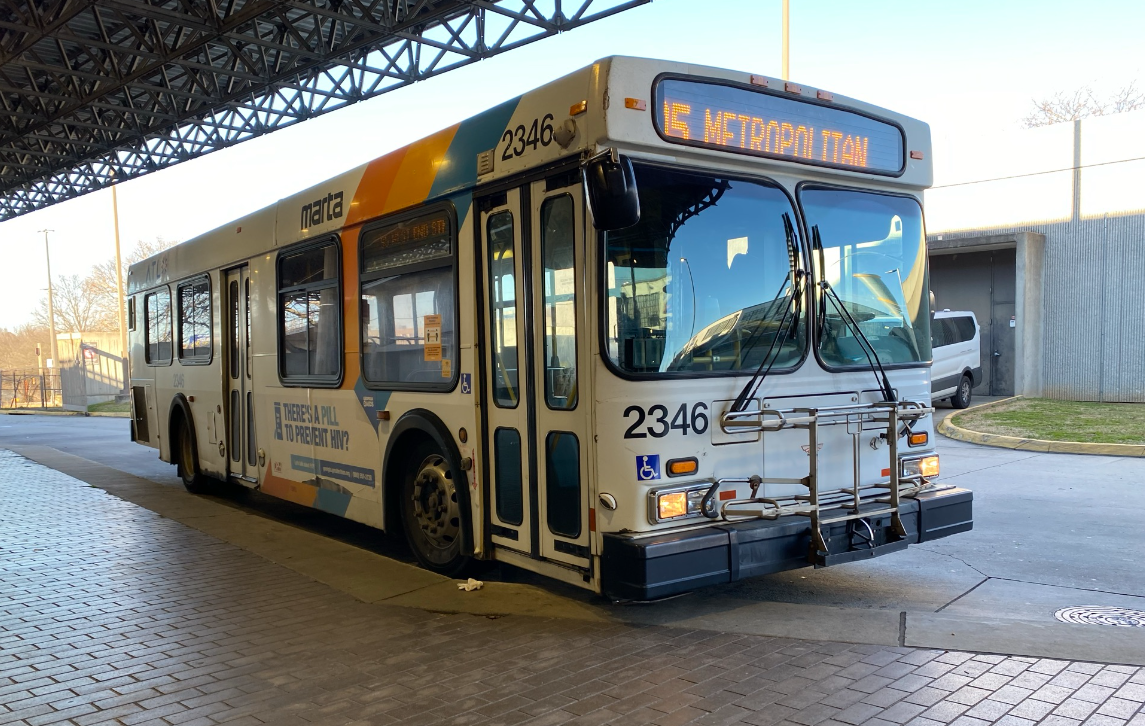
Voters in Cobb County, Georgia, will have their say on a proposed list of transit and transportation projects developed from the county’s Comprehensive Traffic Plan study and community outreach efforts. The Mobility Special Purpose Local Option Sales Tax (MSPLOST), set to appear on the Nov. 5 general election ballot, proposes a 1-cent sales tax to support, expand and improve Cobb County’s transit services over the next 30 years, bringing in $11 billion.
According to the county, the MSPLOST proposal provides residents with the opportunity to consider a dedicated funding source that will help infrastructure meet current and future mobility demands, encourage commerce, reduce traffic congestion and encourage environmental sustainability.
Click here for more information about the groundbreaking transit bond project
(Photo courtesy of R32s on the E Train.)
| |
|
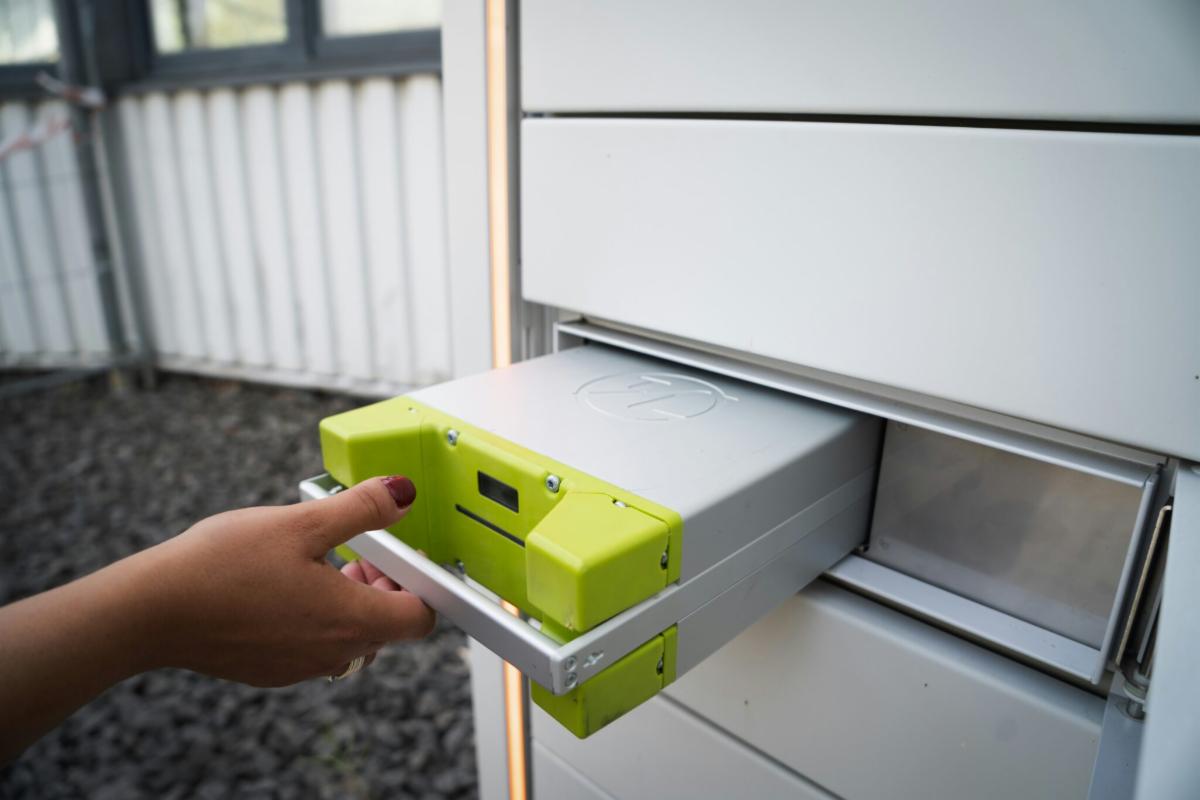
The U.S. Department of Energy (DOE) is unveiling billions in funding for projects boosting domestic advanced battery manufacturing and battery materials production nationwide. With projects spanning 14 states, the DOE will build upon previous investments bolstering the U.S. battery supply chain while creating jobs and boosting economic competitiveness.
Administered by the DOE’s Office of Manufacturing and Energy Supply Chains, the over $3 billion investment marks the second round of funding from the Battery Materials Processing and Battery Manufacturing and Recycling Program. The program, made possible by the Bipartisan Infrastructure Bill, enables the DOE to invest $16 billion in grants and funding opportunities for battery manufacturing, processing and recycling.
Click here to learn more about the DOE’s historic investment in domestic batteries
(Photo courtesy of Kumpan Electric on Unsplash.)
| |
|
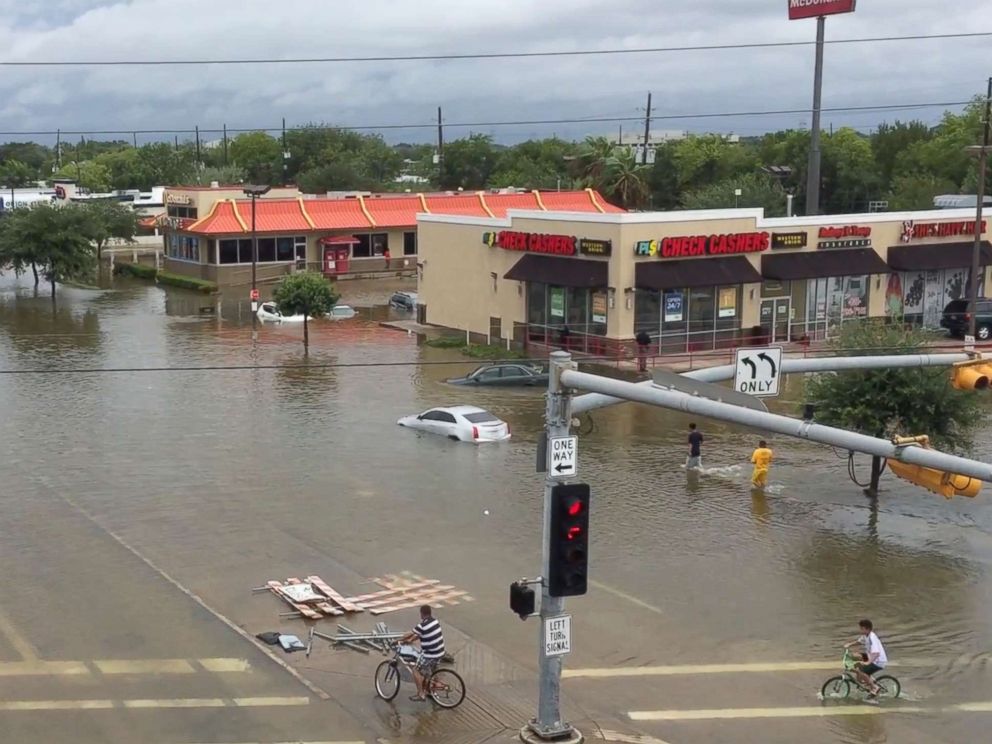
Due to climate change, extreme weather events are occurring with greater frequency and intensity, resulting in a rise in response and recovery efforts nationwide. The Federal Emergency Management Agency (FEMA) announced Monday that the agency will soon reveal around $715 million in new project selections designed to prevent or minimize flood damage.
Funds come from the Investing in America Agenda and will assist communities across the country in strengthening their resilience to extreme weather.
Click here to learn more about the upcoming NOFO
(Photo courtesy of Chabad Lubavitch.)
| |
|
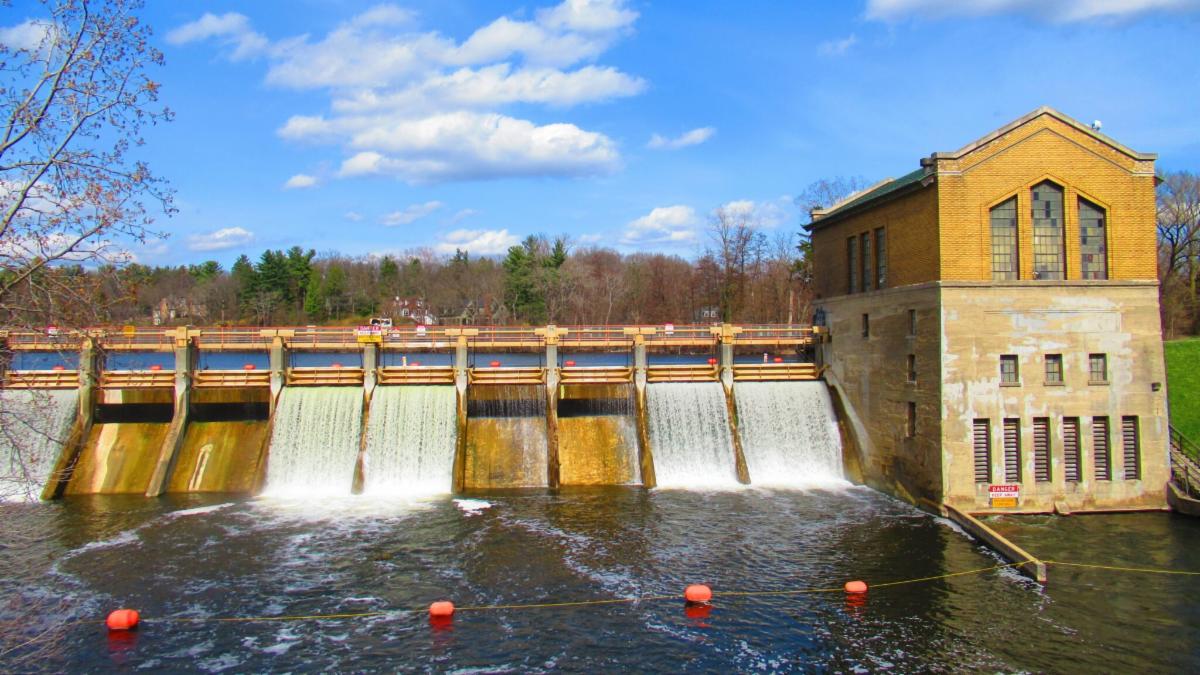
The U.S. Army Corps of Engineers has invited 18 water infrastructure projects across 12 states to apply for a total of $3.19 billion in federal loans. This funding, part of the Corps Water Infrastructure Financing Program (CWIFP), will work to enhance dam safety, safeguard communities against flooding, and modernize critical water infrastructure.
The CWIFP, authorized by the Water Infrastructure Finance and Innovation Act of 2014, is a new federal financing program administered by the Army Corps of Engineers. The program received an $81 million boost through the 2021 Infrastructure Investment and Jobs Act and additional appropriations.
Click here for more information about the dam improvement loans
(Photo courtesy of Notorious4life.)
| | |
|  |
|
|
New Mexico – Valerio Ferme has been appointed as president of New Mexico State University. He most recently served as executive vice president for academic affairs and provost at the University of Cincinnati. Prior to the University of Cincinnati, Ferme was dean at the Northern Arizona University College of Arts and Letters and associate dean at the University of Colorado at Boulder.
Michigan – Midland has hired Chris Saladine as assistant city manager. Saladine left his role as finance director for the city of Mount Pleasant to join Midland. He began his role immediately Sept. 23.
Louisiana – Shreveport has appointed William Sabo as director of economic development. Sabo currently serves as regional director of the Arkansas Small Business and Technology Development Center at the University of Arkansas in Fort Smith. He brings nearly 30 years of leadership experience to the role. Sabo will officially assume his duties Nov. 1, 2024.
Washington, D.C. - James Binniker stepped into his role as director of the National Oceanic and Atmospheric Administration (NOAA) Office of Law Enforcement. Binniker most recently served as the office’s assistant director, a role held since 2022. He briefly took over as acting director from February to July 2024.
Florida – The city of Pensacola has chosen Tim Kinsella as city administrator. Prior to his appointment, Kinsella served on Pensacola Mayor D.C. Reeves’ transition team since 2022. His first day will be Sept. 30.
California – Katherine Butler will take over as director for the California Department of Toxic Substances Control (TSC). Since 2023, Butler has operated as deputy director of the Hazardous Waste Management Program for TSC. She has also worked as a senior health deputy for Los Angeles County and program supervisor at the Los Angeles County Department of Public Health.
Washington – The Bellevue City Council unanimously approved Diane Carlson as permanent city manager. Carlson has worked as acting city manager since November 2023. Before serving as acting city manager, Carlson was deputy city manager for Bellevue. She has replaced Brad Miyake in the role.
California – Samantha Arthur has been appointed deputy secretary of water at the California Natural Resources Agency (CNRA). She most recently served as assistant secretary for Salton Sea policy at CNRA since 2023. She brings more than 17 years of teaching and conservation experience to the role.
Georgia – The city of Bainbridge officially confirmed Roy Oliver as city manager during its Sept. 20 City Council meeting. Oliver has served as Bainbridge’s assistant city manager for 12 years. He assumed his responsibilities immediately.
Hawai’i - Diane Yogi has been appointed deputy director of the County of Maui Department of Transportation. She has worked for the department since it was founded in 2003, most recently as transportation grants administrative officer since 2014. She took over as deputy director Sept. 3, 2024.
Oregon – The Portland Housing Bureau (PHB) has appointed Angel Landrón Gonzalez and Josh Roper to executive positions.
- Gonzalez will take over as deputy director of PHB. He has served as the bureau’s finance and accounting manager since 2022.
- Josh Roper will serve as the bureau’s policy and planning manager. He will leave his position with the city of Philadelphia as the policy director for health and human services in the Managing Director’s Office.
| | |
|
Connect with SPI
Check out our social media links!
| |
About Government Contracting Pipeline | |
|
Strategic Partnerships, Inc.
Publisher: Mary Scott Nabers
Editors: Adam Rollins
Dave Doolittle
www.spartnerships.com
| |
Government Contracting Pipeline, a publication of Strategic Partnerships, Inc., is a free, weekly newsletter detailing important happenings nationwide and the premier source for federal, state and local government news and contracting opportunities. | |
Help us share this message.
To ensure delivery and proper formatting of the newsletter, be sure to add editor@spartnerships.com to your safe senders list.
Otherwise, the newsletter may be flagged as spam and automatically routed to your junk e-mail folder.
| | | | |