Volume 16, Issue 38 - Wednesday, September 18, 2024 | |
By Mary Scott Nabers, CEO of Strategic Partnerships, Inc. | |
|
Rarely does Congress pass a bill that allocates $50 billion to cities and counties to support water infrastructure projects. But that happened when the Bipartisan Infrastructure Law was passed by Congress several years ago. That funding was made available because of the critical need to protect and expand water infrastructure throughout America. As of May 2024, nearly half of the funding, $25 billion to be exact, is still available to support upcoming water projects. A recent announcement stated that $11.5 billion in funding will be awarded in 2024. The projects to expand and improve water systems will result in high demand for contractors throughout America for at least another two years. Even before the 2024 funding begins to flow, numerous contracting opportunities will open for bidding very soon.
Edmond, Oklahoma, has been growing steadily over the past two decades, and as it has grown, so has the need for more water. The city’s primary water source is Arcadia Lake, constructed in 1986 by the U.S. Army Corps of Engineers. This body of water also serves as flood control for the Deep Fork River Basin and provides 4 billion gallons of water yearly to the Edmond Water Treatment Plant.
The current intake structure that draws and delivers raw lake water to the treatment plant has reached its limits and can no longer deliver enough water to support the growing city. The repair effort will provide a new $20 million intake structure. The project will be implemented in separate phases, and work will first focus on construction related to the waterline. City officials must wait for regulatory approval to proceed with phase 2, which will make improvements to the electrical infrastructure, the addition of generators, construction of a new high-lift pump station, installation of large water storage tanks along with granular activated carbon filters and a new backwash basin/pump station. Solicitation documents will be issued in 2025.
In New York, Saratoga County, a $265 million wastewater treatment plant project will soon be launched. Project components will include the construction of new aeration tanks, modifications to existing tanks, the installation of new diffusers and blowers, and the construction of a chemical feed facility. These upgrades will ensure the plant’s compliance with current environmental standards and significantly reduce ammonia levels currently being discharged. The emissions threaten the region’s local water ecosystems. Construction will begin in 2025.
The Birmingham Water Works Board in Alabama secured a $171 million loan from the federal government to upgrade the city’s drinking water systems. The funding will replace aging water mains and lead service lines that have suffered leaks and breaks, thereby creating frequent service disruptions. The improvements are necessary to ensure a reliable water supply for 770,000 residents who depend on the Birmingham system.
Click here for more.
| |
California receives $500 million to decarbonize freight sector | |
|
The Environmental Protection Agency (EPA) will award $500 million to help California’s South Coast Air Quality Management District (AQMD) decarbonize the transportation and goods movement sector.
The funds will support district initiatives to expand electric vehicle (EV) infrastructure, transition its fleet to zero-emission vehicles and reduce air pollution. South Coast AQMD will use the award to advance the Infrastructure, Vehicles and Equipment Strategy for Climate, Equity, Air Quality and National Competitiveness (INVEST CLEAN) initiative.
The INVEST CLEAN program is designed to reduce greenhouse gas (GHG) emissions throughout the state’s largest goods movement corridor, consisting of Los Angeles, Long Beach-Anaheim and Riverside-San Bernardino-Ontario. The agency estimates the project will remove 12 metric tons of GHG emissions from the atmosphere by 2050.
South Coast AQMD will use the funds to support four key measures to incentivize projects as part of the initiative. These measures include:
- Installing EV charging stations.
- Increasing the number of zero-emission freight vehicles.
- Electrifying equipment.
- Electrifying diesel freight switcher locomotives.
As part of the project, the district will install more than 1,000 medium- and heavy-duty vehicle chargers. Plans include deploying 800 medium- and heavy-duty vehicles alongside 18 electric locomotives. These updated EVs will significantly reduce the amount of air pollutants affecting low-income and disadvantaged communities.
The project will also invest in supporting EV education and workforce programs, creating up to 43,500 jobs after building and utilizing the new infrastructure. The district will accelerate EV deployment by educating local communities and supporting an educated EV workforce to modernize the freight sector.
The EPA allocated the funds from the Climate Pollution Reduction Grants (CPRG) program. The CPRG program provides financial support to eligible recipients to develop and deploy plans to reduce harmful air pollutants. Awarded projects will address climate change, reduce air pollution, support environmental justice and transition the nation to clean energy.
California is one of 25 applicants chosen to receive a portion of the recently announced $4.3 billion in CPRG funding. The most recent round of funding prioritizes reducing GHG emissions in the agriculture and working lands, transportation, commercial and residential buildings, industry, waste and materials management and electric power sectors.
(Photo courtesy of Sander Yigin on Unsplash.)
| |
Phoenix to spend $371 million on major roadway adjustments | |
|
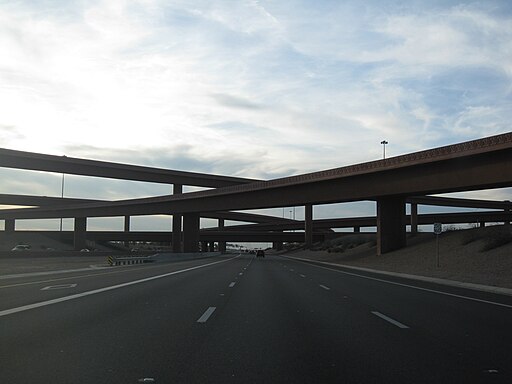
The Arizona Department of Transportation (ADOT) will invest $371.3 million into shifting and elevating a major roadway to create an intersection along US Route 60 in Phoenix. The project will build ramps, widen roadways, create buffers and replace utilities. Construction is expected to begin in 2026.
The project will raise and shift 35th Avenue to the west to create an elevated intersection with Indian School Road to pass over US 60. Plans include building additional bridges to provide access over the local railroad and US 60.
Designs include building two lanes in each direction along 35th Avenue to accommodate a future Bus Rapid Transit (BRT) line. The project will expand Indian School Road to three lanes in each direction to offer enough room for a future high-capacity transit (HCT) route. Plans include reconfiguring the median and creating turn lanes at intersections along US 60.
The project will extend adjoining roadways to create connector roads between 35th Avenue and US 60. The department will also realign streets, eliminate an existing offset intersection and extend and reconnect additional roads with the project. In addition, the project will place signage and pavement markings, install traffic signals, street lighting systems, incorporate fiber optic cables, excavate 78,000 cubic yards of earth and place 566,000 cubic yards of embankment.
Plans include building retaining walls along all affected roadway sections. The project will adjust existing drainage infrastructure to install and realign storm drains, regrade two existing detention basins and build six additional basins. The city will also relocate and adjust critical utilities in the area.
The roads will also feature dedicated shoulders and lanes for bicyclists. Plans include two high-intensity activated crosswalks and sidewalks to accommodate non-motorized travelers.
(Photo courtesy of Dougtone.)
| |
NOAA to provide $102 million to increase coastal resilience | |
|
The National Oceanic and Atmospheric Administration (NOAA) and Department of Commerce (DOC) will distribute $101.5 million to modernize U.S. Integrated Ocean Observing System (IOOS) Regional Associations.
IOOS provides critical data collection along ocean, coastal and Great Lakes waters. Regional associations use this data to increase coastal community resilience and address climate change. The funds will help expand the capabilities of community partners to make sure all collected data is freely available.
Some of the notable recipients receiving funding include:
The Mid-Atlantic Regional Association Coastal Ocean Observing System (MARACOOS) will receive $48.8 million to support two initiatives. MARACOOS will allocate $43.8 million toward establishing itself as a national coordination point for all IOOS Regional Associations. As the coordination point, MARACOOS will support efforts in ecosystem change management and place-based planning, water level and wave observation and monitoring, and optimization of product development and delivery.
The remaining $5 million will strengthen data information delivery services and equitable service delivery for coastal resilience needs across 10 states. Plans include expanding ocean acidification and water quality sensing for ocean forecasting systems, developing tailored community-driven data tools and expanding the communications program.
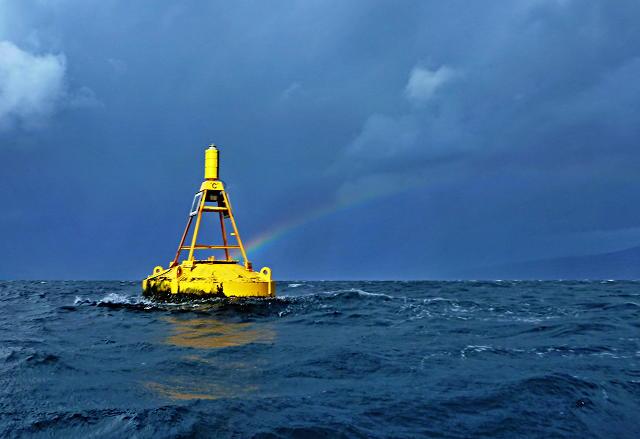
The Alaska Ocean Observing System will use $7.7 million for two initiatives. The association will start with a $5 million effort to support community-led and co-developed projects. Plans include deploying buoys and moorings, providing workshop and monitoring support for harmful algal blooms and fisheries, supporting regional observing networks and data management. The remaining $2.7 million will fill gaps in the Alaska Water Level Watch Network. The association will expand tool coverage for converting elevation data into a common reference system.
The Gulf of Mexico Coastal Ocean Observing System (GCOOS) will spend $5 million to support projects in and around the Gulf of Mexico. The association will fill observation gaps in existing networks, build additional asset networks and enhance regional technical capacity to improve coastal resilience. Projects will include equipping frontline and Indigenous communities with data about coastal dangers and developing multilingual program materials.
(Photo courtesy of Toby Speight.)
| |
Florida to distribute $47 million to reconstruct streets, improve safety | |
|
The U.S. Department of Transportation (USDOT) will allocate $47.4 million to support Florida projects that increase access to affordable transportation, make streets safer and redevelop roadways.
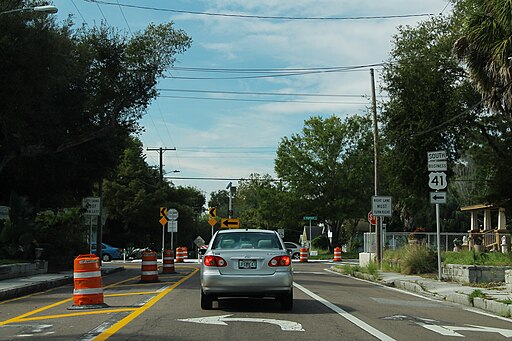
The city of Tampa will use $24.5 million to make a series of complete street improvements to improve the safety along three roadways. The current street conditions are unsafe for pedestrians and are vulnerable to extreme weather. In addition, the streets have unmarked parking areas, lack sidewalks and do not have enough landscape buffer between the seawall and street.
Plans include building a shared-use trail connecting the streets to the city’s 22-mile Green Artery Trail, a network of pathways connecting Tampa’s parks, neighborhoods and greenspaces. In addition, the city will resurface pavements, install a bioswale buffer area and build ADA-compliant sidewalks. The project will install mid-block crossings, perform landscaping, build on-site parking and institute traffic calming measures. Construction is expected to begin in January 2025.
The city of Lake Wales will receive $22.9 million to redevelop four road segments into complete streets. The project will expand ADA-compliant accessible sidewalks, improve safety measures at crosswalks and railroad crossings and build a separated cycle track. Plans also include a road diet, increasing shade tree canopy cover and raingardens, installing underground high-speed fiber, streetscaping and installing streetlight power sources. Construction is expected to begin in November 2024.
USDOT allocated the funds through the Rebuilding American Infrastructure with Sustainability and Equity (RAISE) grant program. The RAISE program invests in community projects to build and renovate critical transportation infrastructure projects across the country.
The projects are a selection of 148 receiving a portion of the recently announced $1.8 billion in RAISE funding for Fiscal Year 2024. Including the latest round, USDOT has invested $7.2 billion across 550 projects through the RAISE program since it was established.
(Photo courtesy of formulanone.)
|  | |
Georgia receives $35 million to upgrade street safety projects | |
|
Georgia will use $34.8 million from the U.S. Department of Transportation (USDOT) to improve pedestrian safety measures along the state’s most dangerous roads. The state will use the funds to build dedicated pedestrian and bicyclist paths, implement pedestrian safety features, upgrade intersections and improve street signals.
The Buckhead Community Improvement District in Atlanta will receive $10 million to support the $43.3 million Lenox Road Complete Street Project. The city will build a 0.62-mile separated shared-use path and elevated pedestrian and bicycle bridge at Lenox Road. The completed project will reduce fatal and serious injury accidents and connect non-motorized travelers to essential amenities. Construction is expected to begin in 2025.
The city of Savannah will use $10 million to implement safety improvements along 37th Street. The funds will go toward the project’s total $12.5 million cost. The road is one of the city’s highest-risk areas, involving a disproportionately high number of intersection and turning crashes with pedestrians and bicyclists.
The city will upgrade 15 intersections with critical safety features and improvements. Plans include installing updated signals and timing and implementing dedicated left turn lanes with protected phasing. The city will also build sidewalks, extend bicycle lanes and install crosswalks.
The city of Carrollton will spend $9.2 million to transition Maple Street into a complete street. The $11.5 million project will better protect non-motorized travelers and increase the accessibility of downtown businesses and amenities to local neighborhoods. The completed upgrades will help lower vehicle speeds, reduce conflict points and enhance mobility safety.
Plans include building a roundabout, installing dedicated bicycle lanes and upgrading signal equipment. The project will also create ADA-compliant sidewalks, pedestrian mid-block crossings and better crosswalk visibility. The city will reduce lane width, enhance corridor lighting, improve signage and enhance ingress and egress areas along the corridor.
Macon-Bibb County will receive $5.6 million to improve Gray Highway and create the East Macon Loop. The funds will go toward the project’s total $7 million cost. The stretch of road is one of the deadliest in the county, surpassing the national pedestrian fatality rate by more than five times. The project will build a mile of sidewalks and three miles of multi-use paths. In addition, the county will install street lighting and two high-intensity activated crosswalk signals to improve area visibility.
USDOT allocated the funds through the Safe Streets for All (SS4A) grant program. The SS4A program is a five-year, $5 billion initiative that helps local, rural and tribal communities remediate some of the most dangerous roads in the country to prevent deaths and serious injuries.
The Georgia projects are a selection of the 453 projects that will receive a share of the recently announced $1.1 billion. This is the second round of SS4A funding for Fiscal Year 2024, with the first round releasing $63 million in May. Since 2023, the program has allocated $2.7 billion from the available $5 billion. USDOT expects to open the third and final round of Fiscal Year 2024 awards in November.
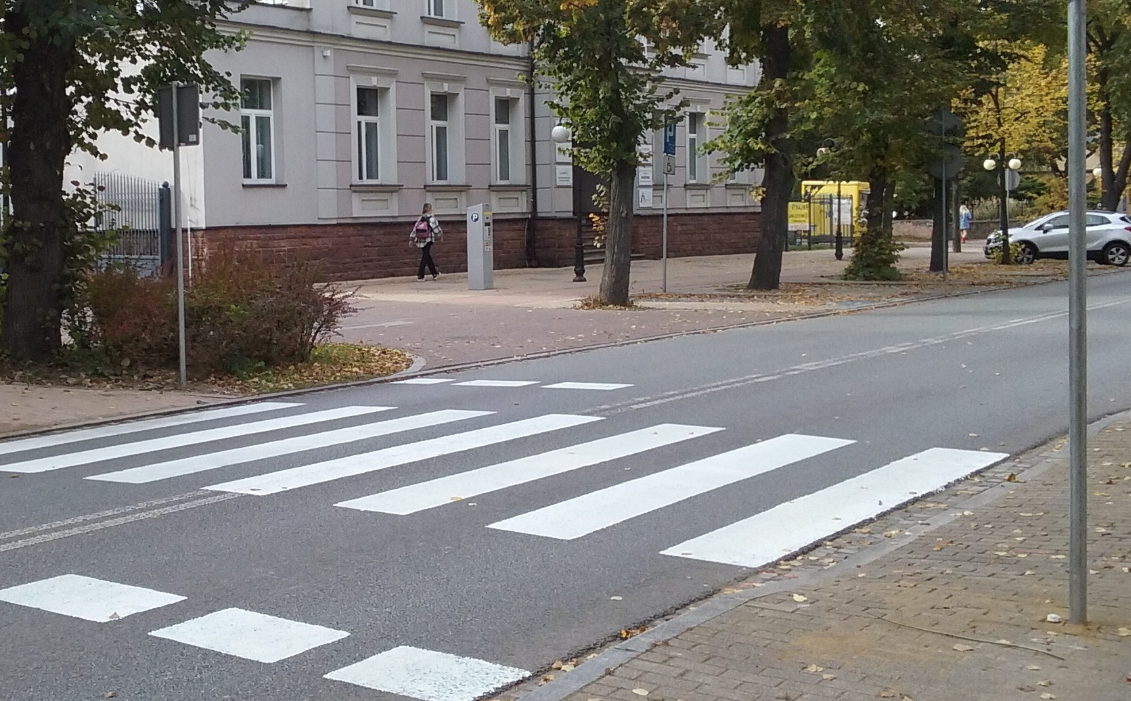
(Photo courtesy of WrS.tm.pl.)
| |
DOE advances innovative hydrogen sensor technology research, development | |
|
Most modern methods to detect hydrogen leaks are primarily focused on larger volumes that pose fire hazards along supply chains. However, smaller leaks that are more difficult to detect, while they might not pose a significant fire danger, can severely impact the environment and climate if left unaddressed. The Department of Energy (DOE) is investing $18 million to research and develop sensors that detect and quantify hydrogen concentrations in the range of parts per billion.
The nine selected projects are a part of the Advanced Research Projects Agency-Energy's (ARPA-E) H2SENSE exploratory topic. These projects center around developing innovative, cost-effective, precise methods to detect and quantify hydrogen gas.
While hydrogen plays a crucial role in decarbonization industries across the world, excessive amounts can extend the lifetime of other greenhouse gases. Both public and private entities will use these solutions to help mitigate the amount of hydrogen released into the atmosphere.
Some notable projects include:
The Vernova Advanced Research Center in Niskayuna, New York, will combine a high-fidelity, cost-effective gas sensing technology with physics enhanced analytics to detect hydrogen leaks at industrial sites. The technology will have a higher localization capability, able to differentiate and rank multiple leaks within 10 meters of the actual leak location. The technology can be used to evaluate hydrogen sites across diverse geographic location and climate conditions to safeguard industrial workspaces.
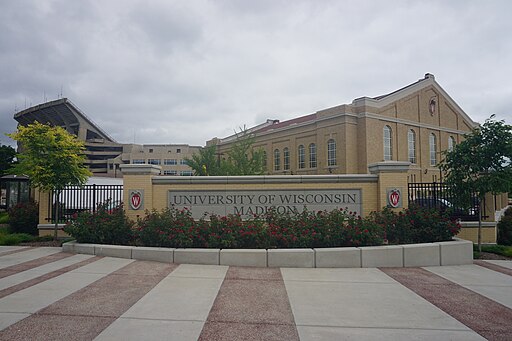
The University of Wisconsin-Madison (UWM) will develop a laser-based hydrogen detection system to image and record videos of hydrogen leaks. The system uses an imaging technique designed to quantitatively image hydrogen plumes with extreme spatial detail. Operators can mount the system on a quadcopter to cover large areas. Recorded videos can be used with computer algorithms, data science and computational fluid dynamics to estimate leak rates.
Northeastern University in Boston will develop a platform that integrates miniaturized, near-zero power hydrogen sensing technology with airflow modeling. The resulting sensor nodes will create detailed geographic heatmaps of hydrogen concentrations and flows within a predetermined area. These sensors can last for years before replacement, running on a low-power battery that only activates when detecting elevated hydrogen levels. Public and private entities will use this platform as a precise, cost-effective method to improve hydrogen emissions monitoring.
(Photo courtesy of Michael Barera.)
|  | |
DHS collaborates with UC San Diego on AI-based wildfire response platform | |
|
The Department of Homeland Security (DHS) collaborated with the University of California San Diego (UC San Diego) to design, develop and deploy edge computing and artificial intelligence (AI) technologies to combat wildfires. WIFIRE uses these technologies to provide fire personnel with advanced data collection and processing tools to improve their situational awareness during emergencies.
Wildfires spread quickly and unpredictably. Responses to emerging wildfire events require simulations to create models that help instruct emergency responders how to best respond to rapidly changing situations. However, because current models can take hours to develop and are snapshots of a situation, their utility is limited.
Typically, when sensors gather information, data is sent to the cloud or a distant datacenter for processing and analysis. Edge computing offers a faster, feasible alternative by processing sensor data within a local network, typically using a remote, on-site system. This allows operators to conduct real-time fire simulations and create precise models leveraging AI, hyper-localized data collection and edge computing.
The WIFIRE platform provides immediate response measures using real-time data in a dynamic environment. Operators attach sophisticated sensors to firefighters and their equipment to accurately capture different environmental measurements. These include GPS locations, temperature, humidity, barometric pressure and air quality.
WIFIRE analyzes these and other environmental conditions and uses predictive AI to determine where the fire will expand, providing critical intelligence for emergency responders. The platform creates dynamic images and graphs that are continually updated as conditions change, ensuring firefighters have the best possible situation awareness.
The project team has conducted two field tests. Once completed, the WIFIRE platform has the potential to save lives and prevent property destruction in wildfire-prone areas across the nation.
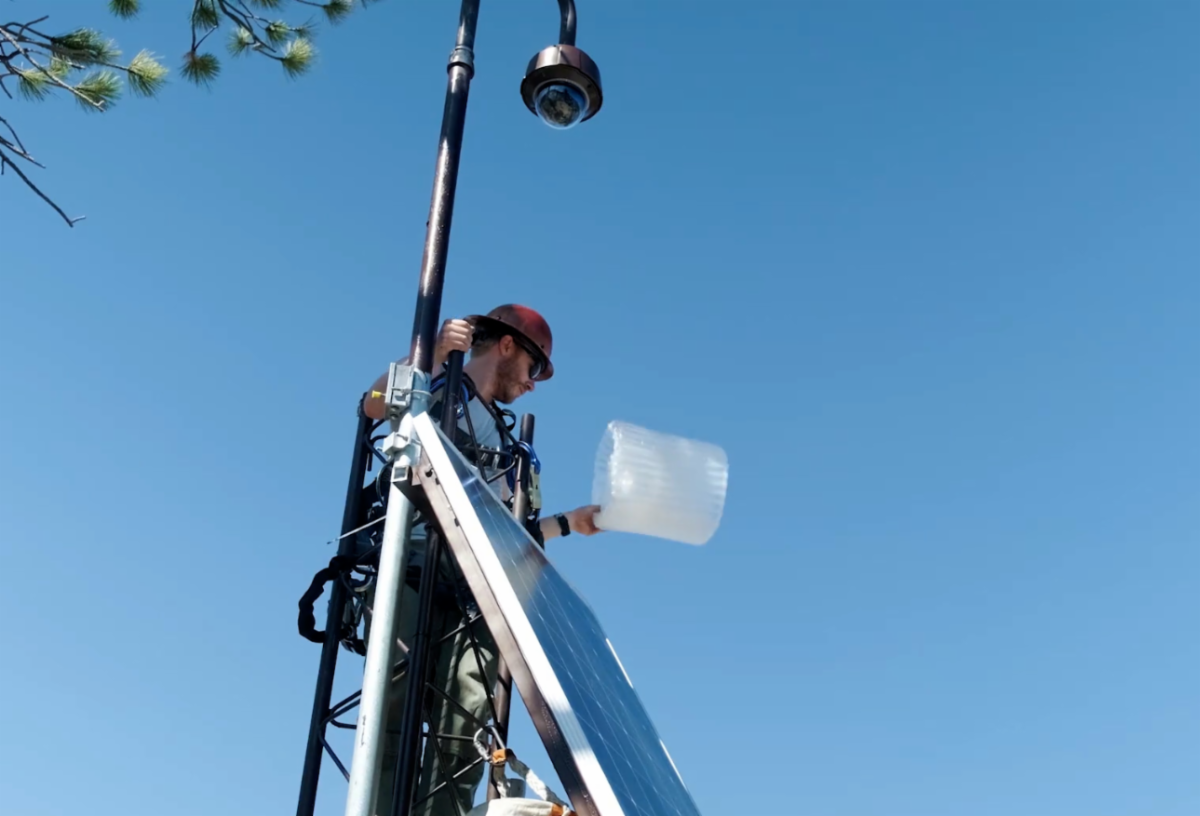
(Photo courtesy of BLM Oregon & Washington.)
| |
DOE launches five-year consortium to advance geothermal research, projects | |
|
Geothermal energy, despite its vast potential of available resources, is a drastically underutilized source of renewable energy due to unique challenges in accessibility, processing and administration. To overcome these barriers, the Department of Energy (DOE) has launched a consortium to curate opportunities and support innovation in the geothermal energy sector.
The Geothermal Energy from Oil and Gas Demonstrated Engineering (GEODE) initiative pulls from the expertise of the oil and gas sector to expand geothermal energy deployment, innovate cutting-edge technologies and impact the future of renewable energy. The program will develop a roadmap to solve geothermal energy technology and knowledge gaps based on best practices in the oil and gas industry.
Over the next five years, GEODE will support research activities with up to $155 million in available funds. Research teams that receive awards will advance projects centered around four primary focus areas laid out by the GEODE team. These categories, called “Facets,” include:
- Technology Transfer and R&D.
- Demonstrations and Deployment.
- Analysis and Regulatory Barriers.
- Workforce and Communication.
The Technology Transfer and R&D Facet revolves around research into the technology and workflow needs of the geothermal industry. Teams will determine solutions to transition oil and gas industry technologies and methodologies to suit the geothermal energy sector. By first cataloguing the major gaps separating the renewable and fossil fuel-based industries, GEODE will prioritize the most significant areas that need research focus.
The Demonstrations and Deployment Fact prioritizes solutions to overcoming common barriers in evaluating and using geothermal resources with existing oil and gas infrastructure. Teams may research methods to improve data availability, resource and engineering assessments and demonstration projects. All facet projects will help support the viability of producing geothermal heat and electricity from existing infrastructure.
The Analysis and Regulatory Barriers Facet revolves around dismantling existing barriers that prevent geothermal expansion. These may include addressing policy and financial issues that impede the development and activation process needed to advance geothermal energy projects.
The Workforce and Communications Facet emphasize the needs of the future geothermal workforce and potential gaps. The consortium will identify the execute solutions designed to promote educational and professional experiences to help prepare the workforce.
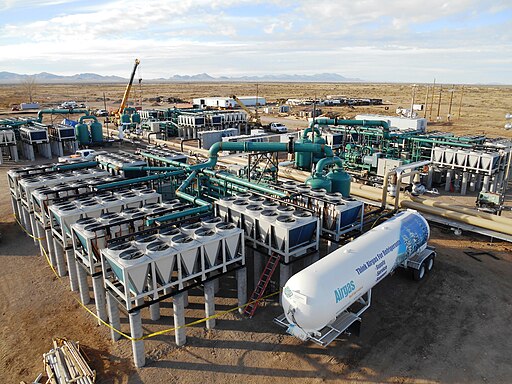
(Photo courtesy of the Bureau of Land Management.)
| |
|
The Colorado Broadband Office (CBO) has announced that state-managed grant program Advance Colorado Broadband is accepting applications for $826.5 million in federal Broadband Equity, Access and Deployment (BEAD) funds available through the Bipartisan Infrastructure Law.
The BEAD program is one part of the “Internet for All” initiative, which harnesses the resources of multiple federal agencies to provide affordable, reliable, high-speed internet service to every American.
Click here to learn more about applying for Colorado BEAD funding
(Photo courtesy of Albert Stoynov on Unsplash.)
| |
|
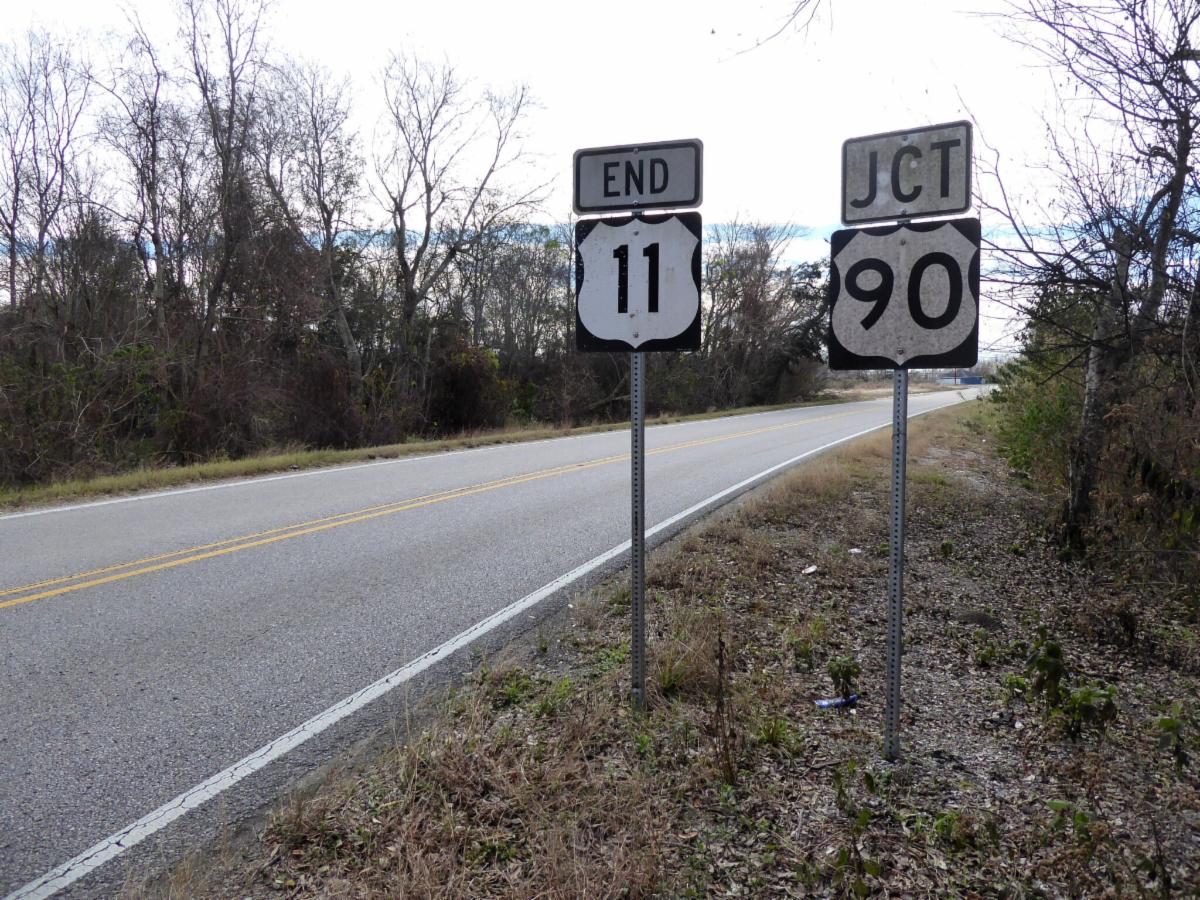
The Louisiana Department of Transportation and Development (DOTD) is announcing $104 million in redistributed funds from the Federal Highway Administration (FHWA). This funding will support state transportation initiatives including infrastructure budget shortfalls and critical road, bridge and safety projects.
DOTD has selected the transportation and infrastructure projects to be funded through the FHWA’s annual redistribution process, which reallocates unused transportation funds from other states and makes them available to states that request additional funding on a discretionary basis. Released in August, FHWA has made $8.7 billion available to states through this year’s redistribution.
Click here to learn more about the Louisiana infrastructure investment
(Photo courtesy of Patriarca12.)
| |
|
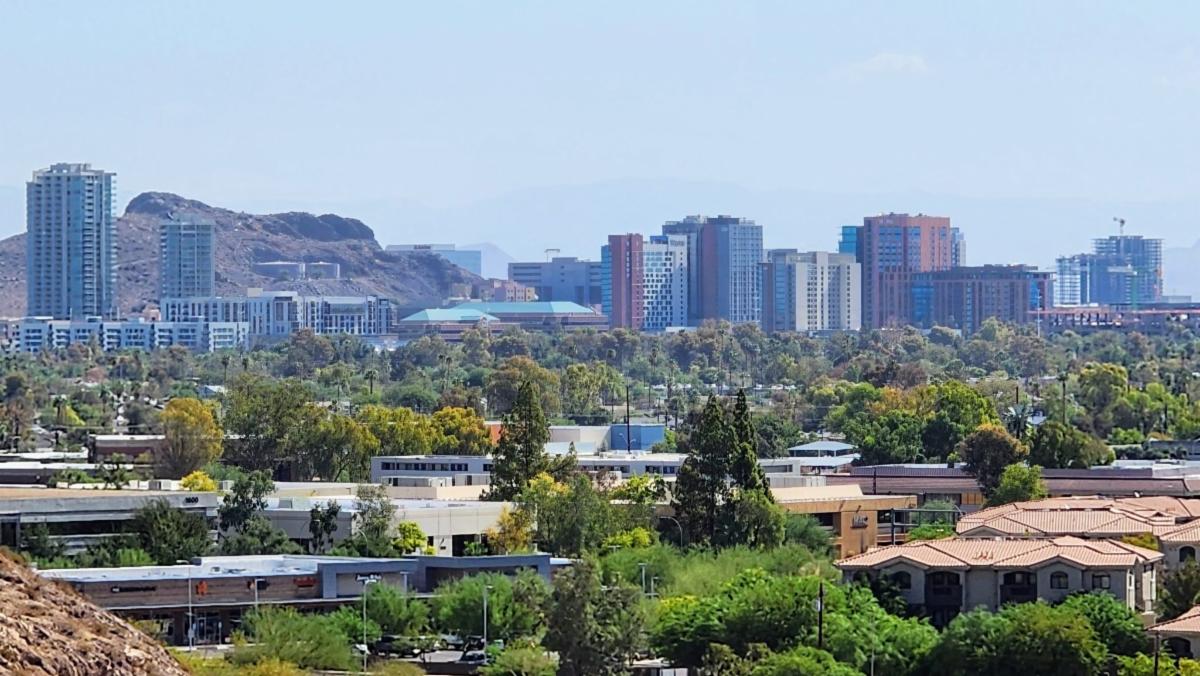
The City of Tempe, Arizona is asking voters in November to approve the issuance and eventual sale of $581.5 million in bonds to pay for affordable housing, preservation of historic buildings and improvements to roadways and public safety.
The ballot will include three questions. Click here to learn more about what voters are being asked to approve.
(Photo courtesy of Siphonophora.)
| |
|
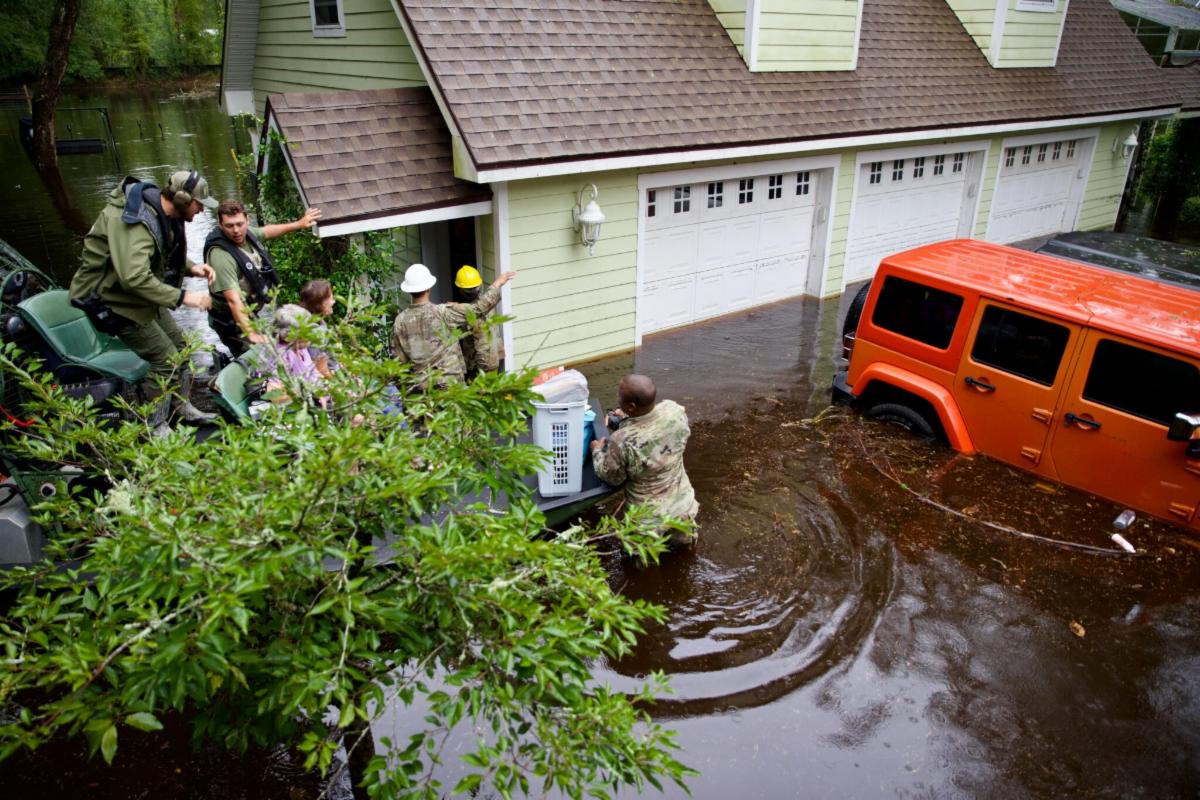
As the United States enters the back half of the 2024 Atlantic hurricane season, attention is turning to the colossal task of rebuilding the damage suffered from storms past. Floridians know all too well the destructive power of hurricanes, but with $350 million recently invested in rebuilding, Florida also shows that progress is being made.
The Sunshine State is leveraging a combination of federal, state, and local funding for recovery efforts. Just last week, the state announced over $122 million in awards from the Florida Department of Transportation for rural infrastructure through programs including the Small County Outreach Program and Small County Resurfacing Assistance Program. While not exclusively for disaster recovery, these funds include provisions for hurricane-impacted areas.
Click here to learn more about Florida hurricane recovery
(Photo courtesy of The National Guard.)
| | |
|  |
|
|
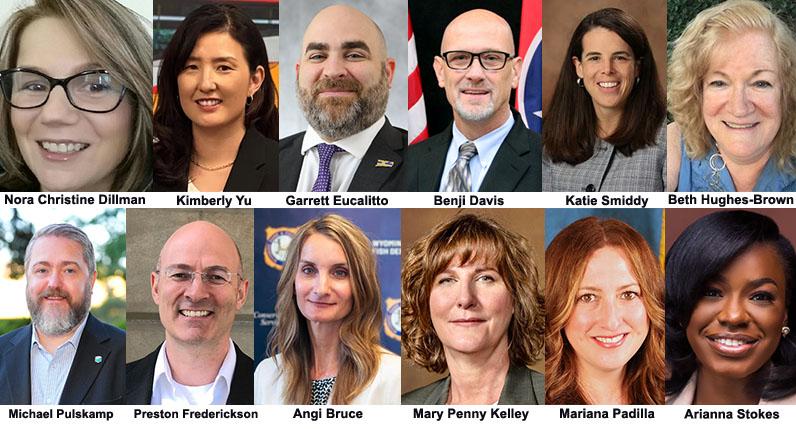
Washington, D.C. - The Department of Defense has appointed Nora Christine Dillman as deputy director of the Office of the Chief Information Officer. Dillman most recently served as associate deputy assistant administrator at the Drug Enforcement Administration. She brings more than 19 years of federal government experience to the position.
California – Kimberly Yu has been chosen as Long Beach Transit’s deputy CEO. Yu brings more than 20 years of transportation, operational management and strategic planning experience to the role. She most recently served as vice president of Southern California Transportation with an infrastructure consulting firm.
Washington, D.C. - Garrett Eucalitto has been officially named president of the American Association of State Highway and Transportation Officials (AASHTO). Eucalitto is commissioner of the Connecticut Department of Transportation and was the organization’s vice president. He will finish out Craig Thompson’s term in the role.
Tennessee – The city of Springfield has hired Benji Davis as gas director. He brings 27 years of private sector experience managing operations in the utility industry.
Ohio – Oakwood has chosen Katie Smiddy as city manager. Smiddy will leave her role as the city’s finance director to accept the position. She brings more than 25 years of municipal government experience to the role. She will succeed Norbert Klopsch on Oct. 14, 2024.
Washington, D.C. - The Bureau of Reclamation (BOR) has appointed Beth Hughes-Brown and Michael Pulskamp to management and adviser roles.
- Hughes-Brown will take over as director of the Office of Program and Budget. She has worked with the office since 2010, starting as a branch chief. She was later promoted to deputy director in 2012.
- Pulskamp will be the senior adviser for hydropower and electric reliability compliance officer. He joined BOR in 2008 as a program analyst. He later managed the Power Resources Office, overseeing several key programs. Pulskamp brings 28 years of energy sector experience to the position.
Washington – The city of Walla Walla has selected Preston Frederickson as deputy city manager. Frederickson will officially succeed Robert Francis on Nov. 4, 2024. He currently serves as director of the Development Services Department, a role held since July 2020. He has worked with the city for almost 18 years.
Wyoming – Angi Bruce has been appointed director of the Wyoming Game and Fish Department. She has been with the department since April 2019, most recently serving as deputy director of external affairs. She replaced Brian Nesvik in the role.
North Carolina – On Sept. 17, Mary Penny Kelley took over as secretary of the Department of Environmental Quality (DEQ). She succeeded Elizabeth Biser in the role. Kelley brings more than 27 years of experience in environmental work to the role. Prior to her new role, Kelley served as special adviser of Hometown Strong, an initiative that supports rural counties and small communities across the state.
New Mexico – Mariana Padilla has been appointed cabinet secretary of the New Mexico Public Education Department. Padilla most recently served as director of the New Mexico Children’s Cabinet. She will replace Arsenio Romero in the position.
Mississippi – Jackson State University has selected Arianna Stokes as deputy transformation officer. Stokes previously worked as a learning experience designer for the Mississippi Community College Board. She brings more than five years of teaching experience to the position.
| | |
|
Connect with SPI
Check out our social media links!
| |
About Government Contracting Pipeline | |
|
Strategic Partnerships, Inc.
Publisher: Mary Scott Nabers
Editors: Adam Rollins
Dave Doolittle
www.spartnerships.com
| |
Government Contracting Pipeline, a publication of Strategic Partnerships, Inc., is a free, weekly newsletter detailing important happenings nationwide and the premier source for federal, state and local government news and contracting opportunities. | |
Help us share this message.
To ensure delivery and proper formatting of the newsletter, be sure to add editor@spartnerships.com to your safe senders list.
Otherwise, the newsletter may be flagged as spam and automatically routed to your junk e-mail folder.
| | | | |