Volume 16, Issue 27 - Wednesday, July 3, 2024 | |
By Mary Scott Nabers, CEO of Strategic Partnerships, Inc. | |
|
Last week, the U.S. Department of Transportation announced $1.8 billion in funding for 148 infrastructure projects. Most of the funding is available for projects that make streets safer for people who travel on them in any way. Work on these projects should be under way by November of this year, and funding of this type will continue to be available through 2028.
The 23 projects are located in 17 states - Arizona, Arkansas, Colorado, Connecticut, Florida, Georgia, Hawaii, Iowa, Kentucky, Maryland, Michigan, Minnesota, Mississippi, New York, Vermont, Washington and West Virginia. The funding is evenly split between urban and rural areas.
A major road reconstruction project is planned for the city of Worthington, Minnesota. The project, funded by $27.6 million from the federal program, will include several key components. These components range from improving an L-shaped stretch of two intersecting roads to constructing improved sidewalks, shared-use paths, several roundabouts and grass boulevard strips. The project is currently in the development and design phase and is slated to be completed by the end of 2028.
Funding of $24.9 million was recently allocated to a roadway connector project in Charleston, West Virginia. The project carries an overall cost projection of $26.7 million, but city officials have already secured additional funding. Construction will primarily focus on reclaiming over 5 acres of existing roadway to make a safe space for pedestrians and bicyclists. When completed, the project will deliver a 3.5-mile stretch of protected bike lanes and pedestrian walkways, which will be made possible by reducing the road’s traffic lanes. Additionally, the project will upgrade lighting, stormwater drainage, crosswalks and bus stops.
Two other objectives will be addressed – accommodating increased pedestrian and bicycle traffic and enhancing connectivity between East and West Charleston. The effort will also improve access to heavily used bus stops, a local airport and an Amtrak station. The city anticipates a 10% increase in pedestrian and bike traffic along this road in the coming years, and the project will enhance commuters' safety and travel quality. Currently in the design phase, solicitations for contractors are scheduled for release in 2024.
Click here for more.
| |
GSA invests $80 million to integrate smart technology in federal buildings | |
|
The U.S. General Services Administration (GSA) will allocate $80 million to support smart building technology that will reduce emissions, increase efficiency, reduce costs and enhance comfort across approximately 560 federal buildings. The agency intends to achieve net-zero emissions across federal buildings by 2045.
The GSA will use the funds to improve operations across its federal building portfolio. The agency will prioritize implementing granular controls, deploying advanced metering sources and optimizing the operator experience.
Plans include installing around 1,000 meters to measure utility performance, including electricity, water and gas. These meters will enable employees to optimize building operations and energy use. The GSA will measure air and environmental quality, carbon dioxide levels and other conditions using real-time data. The GSA will also install Smart Sensors in more than 70 buildings to provide additional real-time data.
The GSA will deploy a Unified User Interface (UUI) across more than 150 buildings to more easily manage operations with real-time data. The interface will consolidate information across separate applications, allowing employees to access equipment operation, energy usage and sustainability performance data.
Finally, the agency will invest in improved HVAC controls for approximately 15 buildings. The upgraded HVAC system will reduce energy usage, greenhouse gas emissions and utility costs. In addition, the HVAC system will make the building’s interior more comfortable for occupants.
The funds come from the Inflation Reduction Act, which provided $3.4 billion to the GSA to build, modernize and maintain sustainable and cost-efficient facilities. From that allocation, the GSA will use $975 million to support emerging and sustainable technologies that reduce emissions and enhance environmental programs. The GSA estimates these technologies could reduce emissions by 2.3 million metric tons by 2045.
(Photo courtesy of NIST.)
| |
NYC develops proactive building inspection system to prevent structural collapse | |
|
The Department of Buildings (DOB) in New York City (NYC) will now be required to establish a proactive inspection program to identify hazardous building conditions. The NYC City Council passed a bill June 20, 2024, to protect residents and identify buildings prone to collapse.
The DOB has developed a risk-based structural inspection system to determine the likelihood of a building’s structural collapse. The system created a risk score based on several factors that allow the DOB to assess if a building is at-risk and endangering its inhabitants:
- Building information and characteristics such as age, occupancy type, ownership and construction material.
- Permit history.
- Violation history.
- Applicable compliance filings.
- Disciplinary history of registered design professionals, contractors or licensees.
- Relevant 311 complaints.
- Neighboring site characteristics and construction activity.
- Any other factors the commissioner determines.
Following the assessment, the DOB will inspect those with high-risk scores. In addition to the at-risk assessment, the agency will develop rules for when corrective action plans are necessary after each inspection. Registered design professionals will then create and submit a plan to the DOB outlining the violations, relevant documents and when repairs will be completed.
The DOB will perform a follow-up inspection after the action plan has been received. This allows the DOB to verify that the corrections have been completed and the building’s structure is no longer at-risk of failure.
The NYC City Council created the bill in response to a building collapse in winter 2023 that left several families displaced. The legislation will take full effect 180 days after it becomes official law.
(Photo courtesy of the DOB.)
|  | |
|
The Federal Emergency Management Agency (FEMA) is making $1 billion in grants available to 656 projects nationwide that officials say will enhance community resilience against climate change and threats from natural disasters. The grants, provided in part with $398 million from the 2021 Infrastructure Investment and Jobs Act, will help state, Tribal, local and territorial governments address current and future risks from extreme weather events.
The investment comes at a critical time as communities across the United States grapple with increasingly frequent and severe weather events linked to climate change. The number of billion-dollar weather disasters has increased from less than 10 per year in the 2000s to over 20 in recent years, according to data from the National Oceanic and Atmospheric Administration’s Centers for Environmental Information.
Click here to learn more about FEMA’s investment in combatting climate change
(Photo courtesy of the University of Alaska Fairbanks.)
| |
Ohio provides $69 million to preserve historic buildings across the state | |
|
The state of Ohio will invest $68.5 million in tax credits to preserve 43 historic buildings statewide that are vacant or generate minimal economic activity. The projects will renovate the buildings into residential housing, commercial and office space and manufacturing facilities.
Ohio will provide $10 million to support the $171.9 million Kroger Bakery Complex renovation project in Columbus. The facility has been vacant since 2019. The project will redevelop the existing buildings into a large residential complex and build on-site apartments. Plans include installing systems and finishes while preserving the buildings’ historic industrial design.
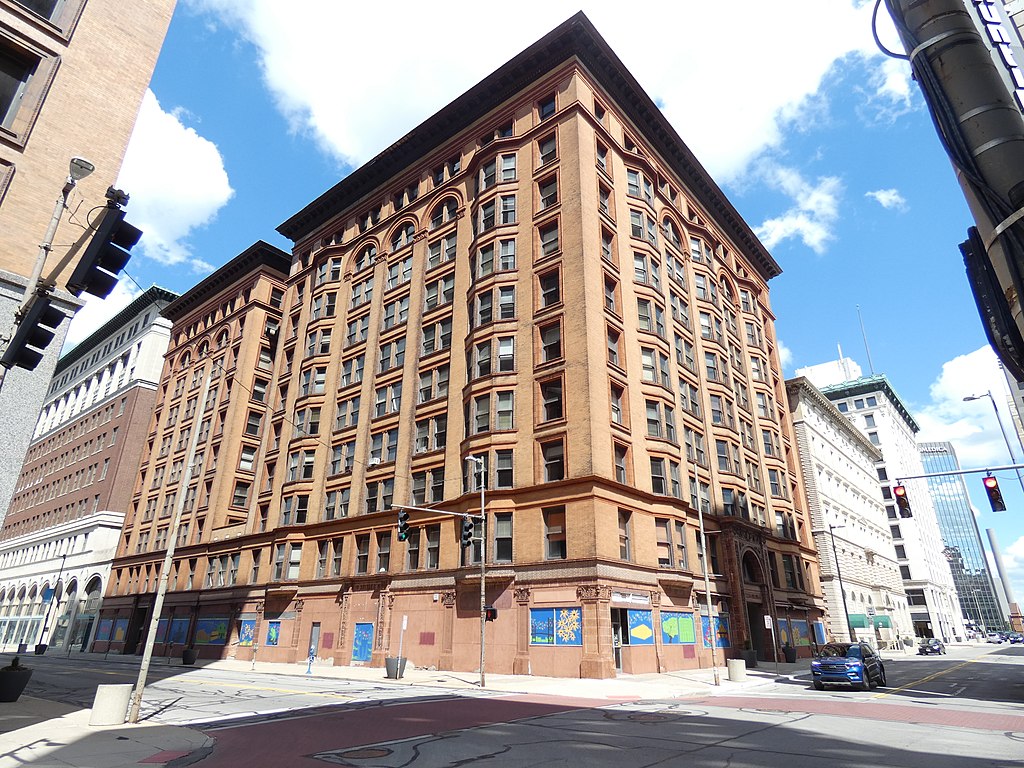
The Spitzer Building in Toledo will receive $9.2 million in tax credits for its $92 million rehabilitation project. The 11-story building was built in 1896 and was owned and operated by the Spitzer family until 2009. The building was vacated in 2013 for safety reasons. The project will rehabilitate the building into 152 residential units and five commercial spaces. Plans include converting the building’s penthouse into resident amenity space while retaining the structure's interior and exterior historic features.
The state will allocate $5 million to the $50 million Heller and Keller-Kohn Building rehabilitation project. The project consists of two former industrial buildings in Cleveland – the Heller Building and the Keller-Kohn Building. Plans include converting the buildings into 134 residential units, parking and commercial spaces.
The projects are part of the state’s Historic Preservation Tax Credit Program, an initiative dedicated to preserving historic buildings through private redevelopment. To date, the initiative has supported 708 projects and has rehabilitated more than 952 buildings.
(Photo: The Spitzer Building. Courtesy of MrJacon000.)
|  | |
|
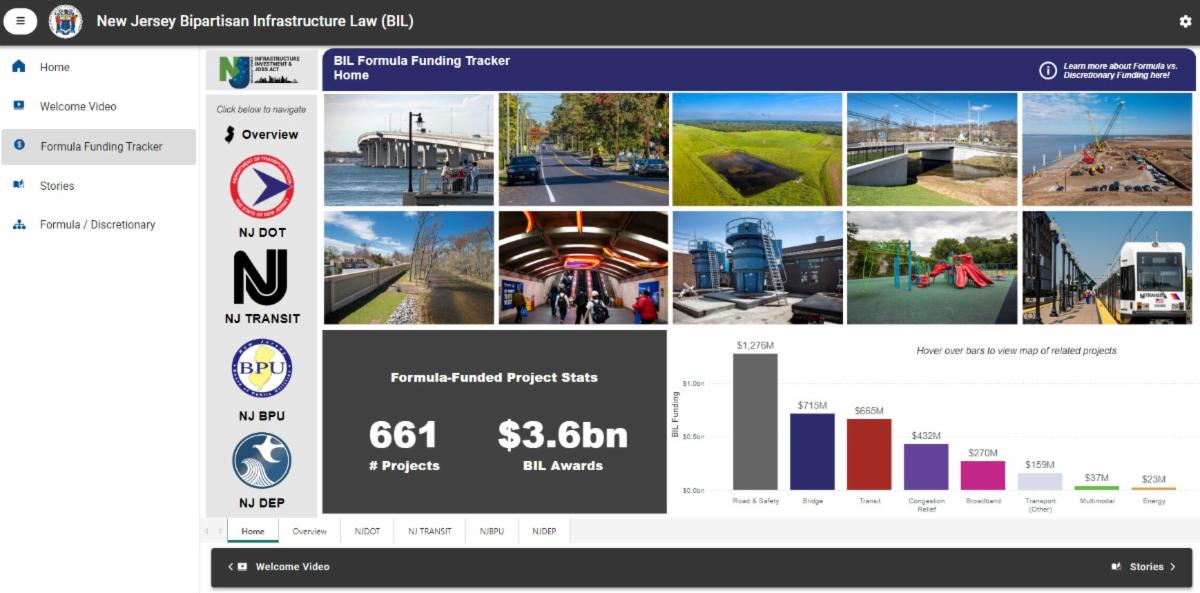
New Jersey has launched an interactive website that tracks federal Bipartisan Infrastructure Law (BIL) funding for projects across the state. The Bipartisan Infrastructure Law (BIL) Formula Funding Tracker explains how the state will use more than $7 billion in federal funding over five years.
New Jersey has already received $3.6 billion and invested in 661 projects, the tracker shows. Funding data is categorized by project type and further divided by state agencies. Website users can explore interactive graphs and maps to view project locations, descriptions, status, funding allocated and expenditures to date.
Click here to learn more about New Jersey's interactive project site
(Photo courtesy of the state of New Jersey.)
| |
DOI protects millions of Alaskan public lands, rejects $350 million road project | |
|
The Department of the Interior (DOI) made two decisions to protect fish and wildlife habitat, rivers and streams and other resources across Alaska. The DOI rejected a project that would build a 211-mile roadway from Ambler River to Dalton Highway. In addition, the agency will retain protection of over 28 million acres of public lands.
The DOI issued a Record of Decision (ROD) on June 28, 2024, selecting the No Action Alternative for the Ambler Road project. The $350 million, 211-mile, two-lane access road would have provided exclusive infrastructure for mining-related industrial use. The Alaska Industrial and Development Export Authority (AIDEA), which proposed the project, would have built bridges, material sites, maintenance stations and related infrastructure and utilities.
The ROD means AIDEA will not have right-of-way access across Bureau of Land Management (BLM)-managed lands. The BLM’s Final Supplemental Environmental Impact Statement (EIS) showed that the project would severely affect at-risk wildlife populations, reduce the availability and accessibility of subsistence resources and that permafrost impacts would make the road unreclaimable.
The second action retains protections over 28 million acres of land that will prevent potential development from affecting natural and cultural resources across the state. Lifting the protections would have opened the public lands to mining and oil and gas drilling, as well as removing federal subsistence priority from millions of acres.
The BLM performed a Final EIS that determined that revoking the land protections would harm subsistence hunting and fishing in communities, affecting 44 to 117 native Tribes, corporations and Tribal entities. In addition, lifting the protections would have lasting negative impacts on wildlife, vegetation and permafrost.
While the Final EIS identifies “no action” as the preferred alternative, the decision will only be finalized after the Record of Decision is signed at least 30 days after the statement’s publication. Prior to publishing the Final EIS, the BLM received around 15,000 public comments on the draft analysis from Alaska Native Tribes and corporations, rural and urban communities and the public.
(Photo courtesy of images.gws.gov.)
| |
DOE invests in groundbreaking projects to create hydrogen from biomass, waste | |
|
The Department of Energy’s (DOE) Office of Fossil Energy and Carbon Management (FECM) awarded $9.3 million to projects that will develop innovative hydrogen-based technologies. These solutions will make clean hydrogen more a more feasible fuel source for generating electricity, decarbonizing industry and fueling transportation.
All six projects receiving awards will prioritize hydrogen solutions that convert waste feedstock materials into clean energy. The selected projects will advance the performance, reliability and flexibility of existing and new methods to create, transport, store and use hydrogen. Once deployed, communities will be able to use the projects to decrease how much waste is sent to landfills and build waste-to-energy plants.
Some of the notable projects receiving funding include:
A technology innovation company will use $4 million to develop a “feedforward” gasifier feed control system to maximize yields from converting biomass and waste feedstocks. The system will measure and analyze the feedstock compositions and optimize gasifier operating parameters to achieve a target operating temperature and effective yield. The project would help hydrogen production plants better generate hydrogen from biomass and waste mixtures.
Lehigh University in Bethlehem, Pennsylvania, will receive $2.95 million to integrate machine learning (ML) with laser induced breakdown spectroscopy (LIBS). The project will help provide information on feedstock streams in gasifier systems that produce hydrogen from biomass, waste plastics and legacy coal waste. The project will create a LIBS system to detect and quantify feedstock materials and leverage ML algorithms to optimize the gasifier for optimal production.
A research institute in Palo Alto, California, will receive $700,000 to develop a digital twin model to assess the net-zero capability and performance of combined gas turbine cycle plants that use hydrogen fuel blending and carbon capture. The project will enhance and integrate existing digital twins to create the institute’s innovative digital twin model. The institute will create a web-based tool allowing others to create their own digital twins to help sites enhance efficiency, flexibility and transition to clean energy using hydrogen and carbon capture technologies.
(Photo courtesy of the DOE.)
| |
|
The U.S. Department of Transportation’s Federal Aviation Administration is distributing $289 million in grants to 129 airports across 40 states for projects to improve the safety and efficiency of air travel.
The projects include terminal expansions, baggage system upgrades, runway safety enhancements and air traffic infrastructure improvements.
These grants are the seventh round of Airport Infrastructure Grants awarded since the program’s inception in 2021.
Click here to learn more about the Airport Infrastructure Grant program
(Photo: Philadelphia International Airport. Courtesy of PHL.org.)
| |
North America’s first zero-emission train pulls into California station | |
|
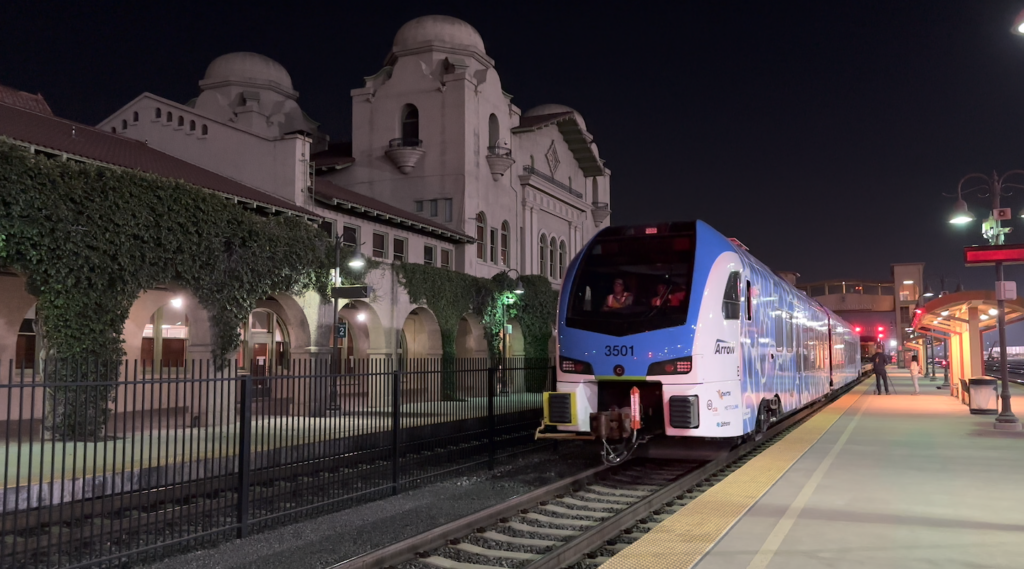
The San Bernardino County Transportation Authority (SBCTA) will soon begin operating North America’s first self-powered, zero-emission passenger train. The train’s arrival is the result of more than a decade of planning and development by the authority.
The train is a Zero Emission Multiple Unit (ZEMU) that uses a hybrid hydrogen and battery technology to propel and power the vehicle. The train’s propulsion engine only generates water vapor, making it a clean-energy transportation alternative that reduces greenhouse gas emissions and improves air quality. In addition, the train makes less noise than traditional diesel trains, seats up to 108 passengers and reduces energy consumption and operational costs for the train system.
The SBCTA will use this first-of-its-kind transportation technology to transition away from fossil fuels and to provide service along the new Arrow line. The Arrow line is a 9-mile corridor between San Bernardino and the Redlands. The line currently uses eco-friendly Diesel Multiple Unit (DMU) rail vehicles.
Once fully operational, the ZEMU will provide an efficient, sustainable rail for the San Bernardino regional transportation system. The SBCTA will begin the final phase of testing on the Arrow line and Metrolink system to ensure the two-car train will work safely once put into service later this year.
As part of the project, the SBCTA will upgrade and modify the existing Arrow Maintenance Facility to support the hydrogen-powered train. Plans include installing hydrogen storage, refueling and enhancing safety measures. The project will cost approximately $16 million. The agency expects to build and complete the storage and fueling facility enhancements in 2024.
(Photo courtesy of SBCTA.)
| |
DOE funding opens for geothermal energy production, heating, cooling systems projects | |
|
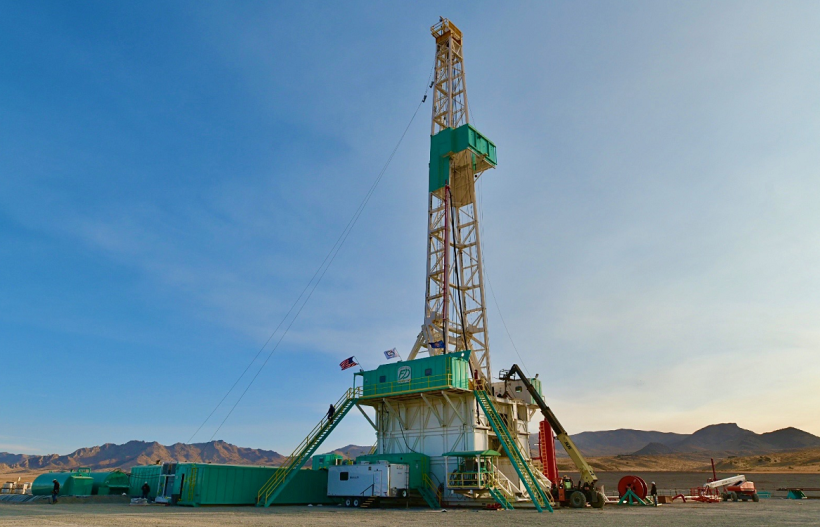
The Department of Energy (DOE) is making $14.2 million available to advance enhanced geothermal system (EGS) pilot programs across the nation.
This is the second round of funding to support EGS demonstration projects designed to test the efficacy and scalability of geothermal energy as a feasible clean energy alternative. To qualify for the funding opportunity, applicants must submit letters of intent by July 18, 2024. Full applications will be due Sept. 25, 2024.
Currently, geothermal energy generates approximately four gigawatts (GW) of electricity. However, by advancing innovated EGS technologies and distribution systems, it could provide at least 90 GW the U.S. grid by 2050. To generate power, these systems use geothermal reservoirs composed of hot rock that feature little to no permeability or fluid saturation. The projects create permeability in these areas and circulate fluid through the rock, transferring heat to the surface.
In addition to generating power, geothermal heating and cooling systems can use the Earth’s subsurface to control building temperature through an underground distribution network. Structures using this method can alleviate reliance on traditional heating and cooling solutions, allowing communities to decarbonize buildings with a low carbon producing option.
While subsurface heat exists everywhere, not every location has the required natural conditions to easily use it. Projects selected through this program will help advance the nation’s clean-energy transition by innovating technologies and techniques to effectively use geothermal energy. These projects will act as:
- Models that prove the reliability and performance of EGS technologies, de-risking their use in developing and sustaining geothermal reservoirs.
- Upscaled experiments that will help identify new problems that can’t be easily seen in smaller lab scenarios.
- Opportunities to test hypotheses and validate design approaches for EGS geological conditions in specific locations.
- Collaboration opportunities to establish best practices and standardize general operational processes.
- Opportunities to connect with consumers, understand their needs, define the market and factor those into EGS design.
The DOE announced the first round of EGS pilot projects receiving funds in February 2024. The agency allocated $60 million to three projects that will deploy EGS in select geographic locations, geologic formations and subsurface conditions. Both rounds will support the DOE’s Enhanced Geothermal Shot and GeoVision analysis goals, supporting ongoing growth and innovation in geothermal energy.
The current round of EGS awards will exclusively support projects in Topic Area 4. Projects in this topic area will cover demonstrations in the eastern U.S. and will examine near-term electrical and thermal power production potential. Previous topic areas included:
- Using existing infrastructure near existing geothermal/hydrothermal development to transform low or underproductive wells into geothermal assets.
- Determining how to scale up EGS to target low-permeability geothermal anomalies with power potential in areas where geothermal development does not exist.
- Innovate EGS technologies in super-hot/supercritical EGS resource basins to control fracture generation and sustainability in extreme environments.
(Photo courtesy of the DOE.)
| |
|
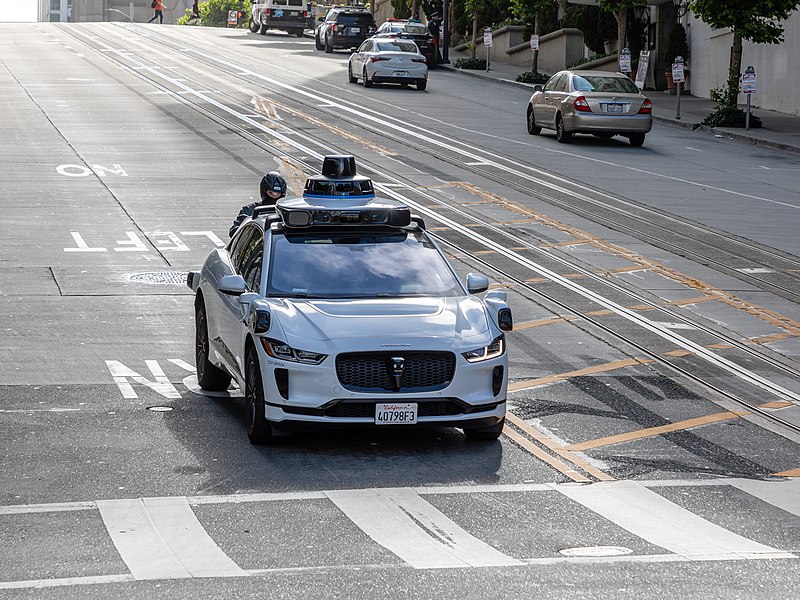
Amid a technology renaissance for the automobile industry, most U.S. cities are preparing for the integration of autonomous vehicles (AVs) on their roads, according to a recent report from Verra Mobility, a smart mobility technology company.
Based on the survey of 100 C-suite technology leaders, 93% anticipate needing to be ready for AVs, also known as driverless cars, within five years. More than a third of respondents said they would need to be ready in the next two years.
Click here for more information about the future of driverless transportation
(Photo courtesy of Dietmar Rabich.)
| | |
|  |
|
|
Alaska – Suzanne LaFrance has been sworn in as mayor of Anchorage. She is the first woman elected to lead Alaska’s largest city. LaFrance has served in the city’s assembly for the past six years, two of those as chair.
South Dakota - Kevin McCardle was named president of the Mitchell City Council, the result of a coin toss following a 4-4 tie. McCardle has served on the city council since 2017.
Oregon – Brookings City Council members unanimously selected Timothy Rundel as city manager. Rundel, who has more than 23 years of experience in public administration, is currently the city manager of Weed, California. He will start his new position July 22.
California – The University of California Board of Regents has elected physician and sociologist Dr. Julio Frenk to be chancellor of UCLA. Originally from Mexico City, Frenk will be the university’s first Latino chancellor. He been president of the University of Miami since 2015. He will begin the role Jan. 1, 2025.
Kentucky – Robbie Fletcher, Ed.D., started his new role as the state’s commissioner of education and head of the Department of Education on July 1. Fletcher has been the superintendent of Lawrence County since 2014.
New York – The United States Military Academy (West Point) has appointed Rance Lee as director of admission and promoted him to colonel. Lee began his career in admissions as the Far West Minority Outreach officer in 2006, 14 years after entering the academy.
Montana - Duane Gill has been appointed executive director for the Montana Veterans Affairs Health Care System. He is currently the interim executive director. He is a U.S. Navy veteran and fellow of the American College of Healthcare Executives.
Mississippi - Jackson Public Schools has named Kennieth Green executive director of athletics for the 2024-2025 school year. Green began his teaching career in 2002.
California - The Placer County Superior Court has appinted Leon A. Dixson as its newest newest court commissioner, effective July 29. Dixson will be leaving his role as regional counsel for Civil Rights for Legal Services of Northern California, where he had served for 14 years.
Hawai’i - Lori Tsuhako has been sworn in as County of Maui director of human concerns, a new department that launched July 1. Tsuhako brings 38 years of experience as a professional social worker to the role.
Virginia – The University of Virginia Community Health Foundation has named Felicia Blow, Ph.D., executive director. Blow previously served as chair of the Public Relations Society of America.
New Jersey - Dr. Renee Baskerville has been sworn in as mayor of Montclair. She is the first woman of color to lead the township. Baskerville has served as a council member for 12 years.
| | |
|
Connect with SPI
Check out our social media links!
| |
About Government Contracting Pipeline | |
|
Strategic Partnerships, Inc.
Publisher: Mary Scott Nabers
Editors: Adam Rollins
Dave Doolittle
www.spartnerships.com
| |
Government Contracting Pipeline, a publication of Strategic Partnerships, Inc., is a free, weekly newsletter detailing important happenings nationwide and the premier source for federal, state, and local government news and contracting opportunities. | |
Help us share this message.
To ensure delivery and proper formatting of the newsletter, be sure to add editor@spartnerships.com to your safe senders list.
Otherwise, the newsletter may be flagged as spam and automatically routed to your junk e-mail folder.
| | | | |