Volume 16, Issue 12 - Wednesday, March 20, 2024 | |
‘Connecting Communities’ funding is available; public officials should not wait to seek it | |
By Mary Scott Nabers, CEO of Strategic Partnerships, Inc. | |
|
Last week, the U.S. Department of Transportation announced $3.33 billion in grant funding for 132 projects. The revenue will flow from the Reconnecting Communities Pilot Program and the Neighborhood Access and Equity Program.
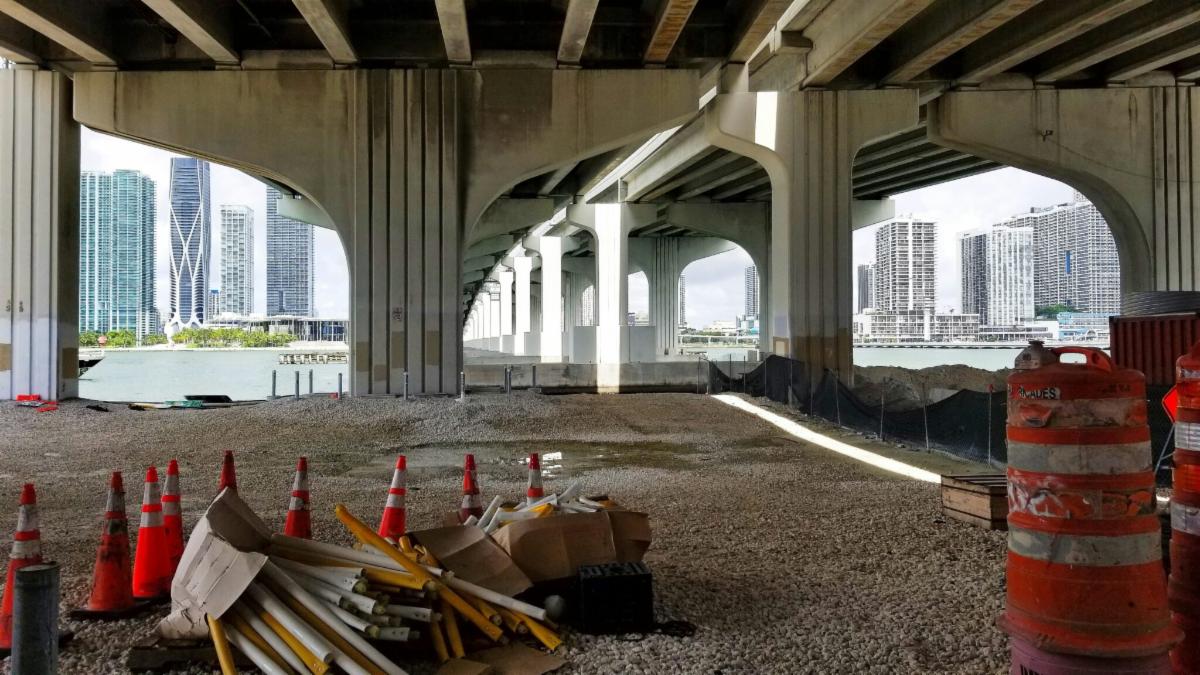
This funding is allocated for projects that reconnect communities that were cut off and/or divided by transportation infrastructure decades ago. It is earmarked for neighborhoods that lack direct access to schools, jobs, medical offices and places of worship. The projects are designed to stitch communities back together by capping highways to open access and add transit routes. Many projects will also include building sidewalks, bridges, bike lanes and trails – whatever is required to provide access to critical services. Forty-one states and Washington, D.C., will benefit from the funding, and the total allocation this year is 18 times larger than what was made available last year.
The large Allston Multimodal Project in Boston received a boost with the receipt of $335 million to support a $1.9 billion multi-modal project. The area around Interstate 90 on the Charles River waterfront in Allston will benefit from removing an elevated bridge structure that divides and cuts off multiple neighborhoods in the area. The project will remove the barrier and replace it with various transportation connections. A new multimodal transit station and more than 10 miles of new sidewalks and bike trails will be constructed. Approximately 40 acres will be reclaimed for open spaces and parks.
Construction will begin after all necessary permits are secured, but that will likely be sometime in late 2025. Project funding will come from several sources. City and state funds will be consolidated with federal funding and a partnership with Harvard University will also provide revenue.
Earlier this month, the city of Atlanta received $157 million from programs that support efforts to connect communities. This allotment of revenue will support a civic infrastructure project designed to reunite downtown and midtown. The effort has a projected cost of $713 million, and when completed, this project will deliver a reimagined transportation plan for the core of the city.
Click here for more.
| |
Reno to build $221 million facility to purify water for reuse | |
|
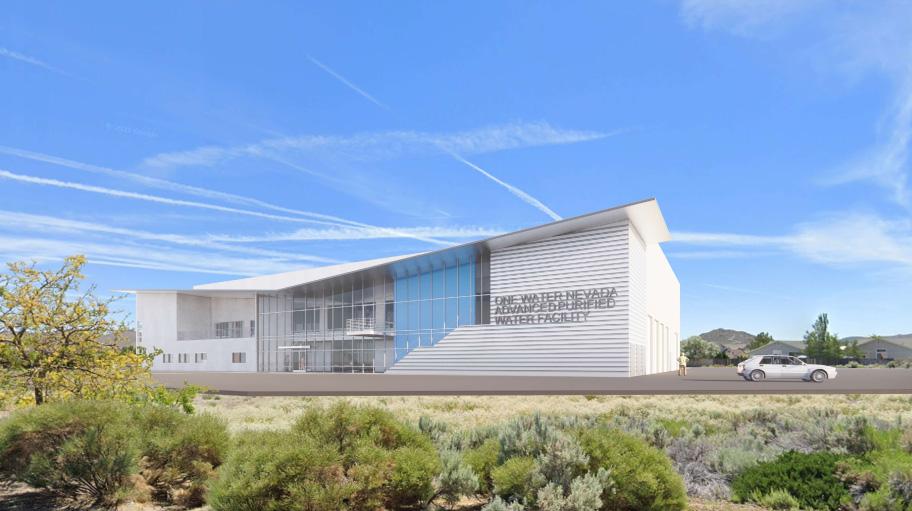
A joint partnership between the city of Reno and Truckee Meadows Water Authority (TMWA) will build the first water purification and reuse facility in Nevada. The $221 million Advanced Purified Water Facility (APWF) at American Flat will produce high-quality reclaimed water to meet and sustain the state’s needs. The project is in the design phase. Construction will begin in 2025.
The APWF project is a part of OneWater Nevada, a larger initiative that protects local water supplies by improving water resiliency, sustainability and resource management. The APWF will produce Category A+ reclaimed water, defined as safe for all Nevada water recycling practices. The facility will treat high-quality filtered and ultraviolet (UV) disinfected effluent from the nearby Reno-Stead Water Reclamation Facility (RSWRF).
The project team will use an ozone-biological-carbon based treatment system to meet or exceed state and federal drinking water standards. The process is cost-effective, requires less energy, less chemical consumption and produces no brine discharge commonly found in coastal water purification facilities.
The facility will filter the effluent to reduce pathogens and other contaminants. It will then convey the water 7 miles to further polish and disinfect it at an undeveloped, rural site. The project team will then recharge the local aquifer with purified water for future use.
Plans include enhancing piping and pumping capacity, adding Per- and Polyfluorinated Substances (PFAS) treatment processes and building a public education and engagement center.
The APWF will reduce the amount of water discharged by RSWRF into the nearby Swan Lake by up to 2 million gallons per day. The facility will improve the quality of the remaining discharged water, simultaneously increasing the regional water portfolio’s resilience and sustainability. If successful, the APWF will help promote using the water purification technology in future facilities.
Reno will cover 70% of the project’s cost, and TMWA will provide the remaining 30%. The partners will evenly split the operating costs. Reno officials recently approved $70 million in sewer bonds to support the project. In addition, the project has received a combined $96.2 million from 2016 and 2020 sewer bonds.
(Photo courtesy of OneWater Nevada.)
| |
Wisconsin secures $211 million in federal funds for community projects | |
|
The state of Wisconsin has received $211 million to support community-driven infrastructure, housing, energy resilience and water projects. The award comes from the Fiscal Year 2024 federal government funding package.
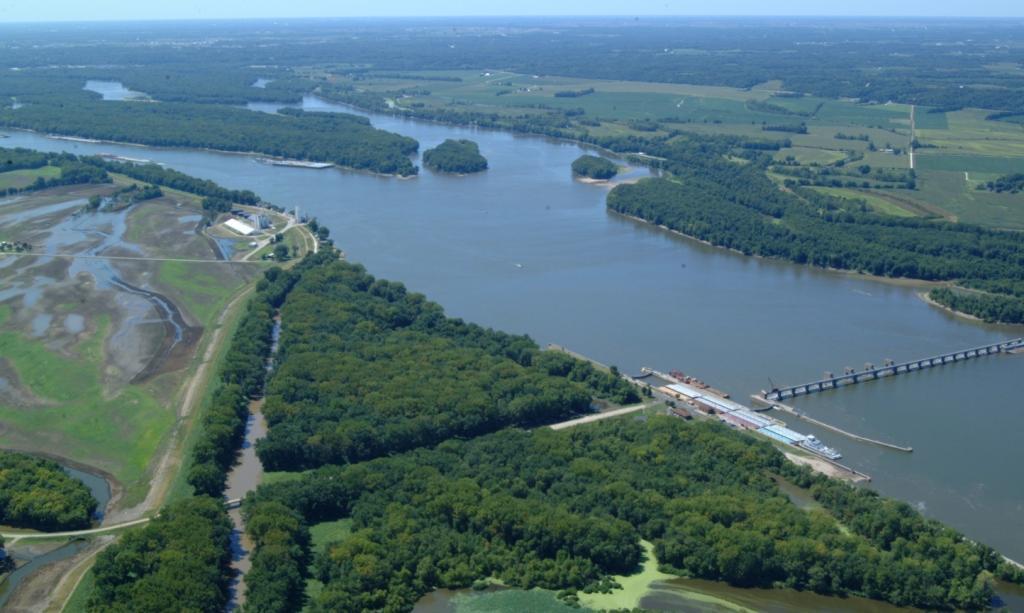
The lion’s share of the funds - $120 million - will go to the U.S. Army Corps’ Navigation and Ecosystem Sustainability Program (NESP). The NESP is a long-term program designed to improve navigation and restore ecosystems along the Upper Mississippi River System and Illinois Waterway.
The funds will enable the state to improve the capacity and efficiency of the navigation system. The Army will update lock and dam infrastructure in addition to enhancing smaller-scale infrastructure for towboat and barge transportation.
The Wisconsin Department of Transportation (WiDOT) will use $10 million to reconstruct the Chippewa Valley Corridor in Eau Claire County. The 80-mile corridor provides critical links between cities and counties in the west-central Wisconsin region to the Twin Cities metro area. The project will improve airports, highways, public transit, freight and passenger rail and intercity bus routes throughout the corridor. Eau Claire is 92.6 miles east of Minneapolis.
The Wisconsin Air National Guard will receive $7.1 million to build a 10-lane, live fire indoor small arms range at General Mitchell International Airport in Milwaukee. The Green Bay-Austin Straubel International Airport will use $5 million to improve passenger boarding bridges.
The Waadookodaading Ojibwe Language Institute (WOLI) will leverage $5 million to build a language revitalization center in the city of Hayward. The center will provide full-time Ojibwe immersion education for children from pre-K to 12th grade. Hayward is 138 miles northeast of Minneapolis.
(Photo courtesy of the US Army Corps of Engineers.)
| |
Anchorage to decide on $130 million for schools, public safety, roads | |
|
Voters in Anchorage will cast their vote on a $130.1 million bond package that would help upgrade schools; improve roads, drainage and parks; enhance public safety and restrooms; and maintain cemeteries and connect trails. The election will be April 2, 2024.
Proposition 1 would allocate $62.4 million to replace the roofs and upgrade the seismic structures at an elementary, middle and high school. The municipality would improve security and build vestibules at three middle schools, fund a separate middle school’s renovation design and replace an elementary school. The bond would also support planning and design services for upcoming projects across nine campuses.
Proposition 3 would deliver $47.1 million for road and drainage projects. If approved, the municipality would use the money to acquire, build, renovate and upgrade the Anchorage Roads and Drainage Service Area. The bond would distribute the funds across 31 projects.
Proposition 8 would provide $5 million to install public restrooms citywide. Proposition 6 would allocate $4.6 million to help the municipality replace ambulances, transit vehicles and support equipment. Anchorage would also improve signal systems, signage, traffic and safety. Plans include improving transit facilities and centers, school safety zones and bus stops. Passing the bond would support six projects.
Proposition 4 would offer $4.4 million to renovate and rehabilitate trails and parks. Other plans include improving parks and recreational facilities in the Anchorage Parks and Recreation Service Area. The funds would support 13 projects.
Proposition 7 would allocate $4.1 million to improve and maintain cemeteries areawide. In addition, approving Proposition 9 would deliver $4 million to improve public access to roads and connect parking to trailheads.
Finally, Proposition 5 would provide $1.5 million to improve the APD Elmore Station in the Anchorage Metropolitan Police Service Area. This includes reconstructing the roof and renovating the heating delivery system.
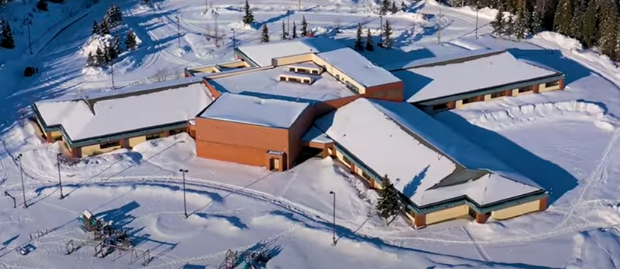
(Photo courtesy of the Anchorage School District.)
| |
Missouri city places $85 million municipal complex on ballot | |
|
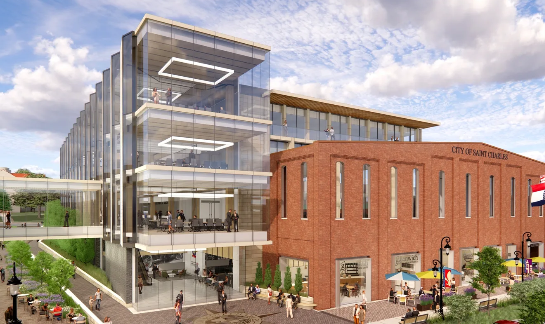
The city of St. Charles, Missouri, will place the $85 million Proposition C in front of voters to replace the functionally obsolete city hall. The current 52-year-old building was built for a population of 17,000, which has since more than quadrupled. The structure lacks adequate space, has outdated technology and requires updated security to better serve the community. The vote will be April 2, 2024.
The city center complex would house the city hall, providing extra office space, and an expanded historical society. The complex would include updated fire-suppression systems to promote safety. The city would consolidate services for residents to a single floor, increasing accessibility and convenience.
Plans include a separate building that would house the redesigned senior center. The senior center will also feature a rec center component. The city would use the same building to create council chambers separate from city hall for public meetings and events.
The complex would feature other community amenities, including an arts and cultural center, daycare and Sister Cities International offices. Mixed-use developments such as apartments and restaurants will complement the area.
The city would build the complex at the American Car Foundry property, providing direct connections between the historic main street district and Frenchtown cultural hubs. The complex would include a connected parking garage. Plans include walkways throughout the complex that connect with the nearby Katy Trail.
(Photo courtesy of the city of St. Charles.)
| |
California city plans $76.5 million aquatic and community center | |
|
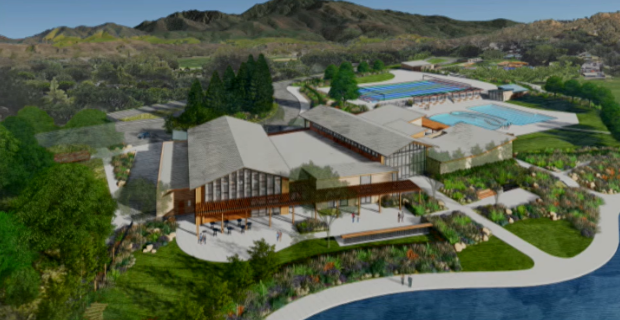
The city of Walnut Creek, California, will build a $76.5 million aquatic and community center at Heather Farm Park to replace the existing community center. The city will demolish the current center before building the combined facility. The project is currently in the design phase. Construction will begin summer 2025.
The Heather Farm Park Aquatic and Community Center will be a one-story, approximately 23,500-square-foot facility on a 4.7-acre site. The council’s preferred design will feature an angled layout with simplified roofs. It will provide separate entries with direct connections for indoor and outdoor programming spaces. The plan includes a central atrium for multi-purpose use.
As part of the project, the city will preserve the existing playground and creek corridor while renovating the pond’s eastern edge. The design features improved access and circulation for visitors, including a designated drop-off/pickup zone, improved pedestrian connections, service access to the pool deck and bike path alignment.
The city will replace the three existing pools with two, installing a family recreation pool and a lap pool. The recreational pool features a zero-depth beach entry, play structure and a splash zone. The design includes a current channel that uses moving water to promote fitness or ease-of-walking. The recreational pool will be attached to a 25-yard, six-lane deep-end pool.
A barrier will separate the family recreation pool from the Olympic-sized pool. The pool will be 50 meters long, 25 meters wide and will include walkout stairs, 13 lanes and diving boards. The pool’s shallow end will be 3 feet deep, whereas the deep end will be 13 feet deep. Plans also include lawns, an aquatics classroom and offices, locker rooms/family restrooms, pool storage and a lifeguard room.
The facility will include outdoor gathering spaces, providing terraces, gardens, courtyards and patios for meetings and events. The city will build a landscape berm to help enhance privacy and reduce noise between the park and pools.
(Photo courtesy of the city of Walnut Creek.)
| |
Idaho town seeks $33 million to rebuild fire-damaged school | |
|
Residents in Pocatello-Chubbuck School District No. 25 (PCSD) in Idaho will vote on a $33 million bond resolution to build facilities at Highland High School.
In April 2023, a fire swept through Highland High School, destroying or damaging the school’s gymnasium, cafeteria, weight room, band, orchestra and choir rooms. If voters pass the bond, PCSD expects to finish reconstruction by fall 2027. The district will hold the election May 21.
If approved, the bond would allow the district to replace facilities that were lost or damaged by the fire and build an auditorium. PCSD would also replace and increase the size of the gymnasium and activity space. Plans include adding, remodeling and modernizing science classrooms.
The bond election might not be necessary based on the outcome of Idaho House Bill 521 (HB 521). If passed, HB521 would make additional school building funding available, including $43 million for PCSD. The financial boost would provide the district with enough capital to rebuild Highland High School with state funds.
Pocatello and Chubbuck are 164 miles north of Salt Lake City.
(Photo courtesy of MChe Lee on Unsplash.)
| |
New York town to use $17 million to improve school infrastructure | |
|
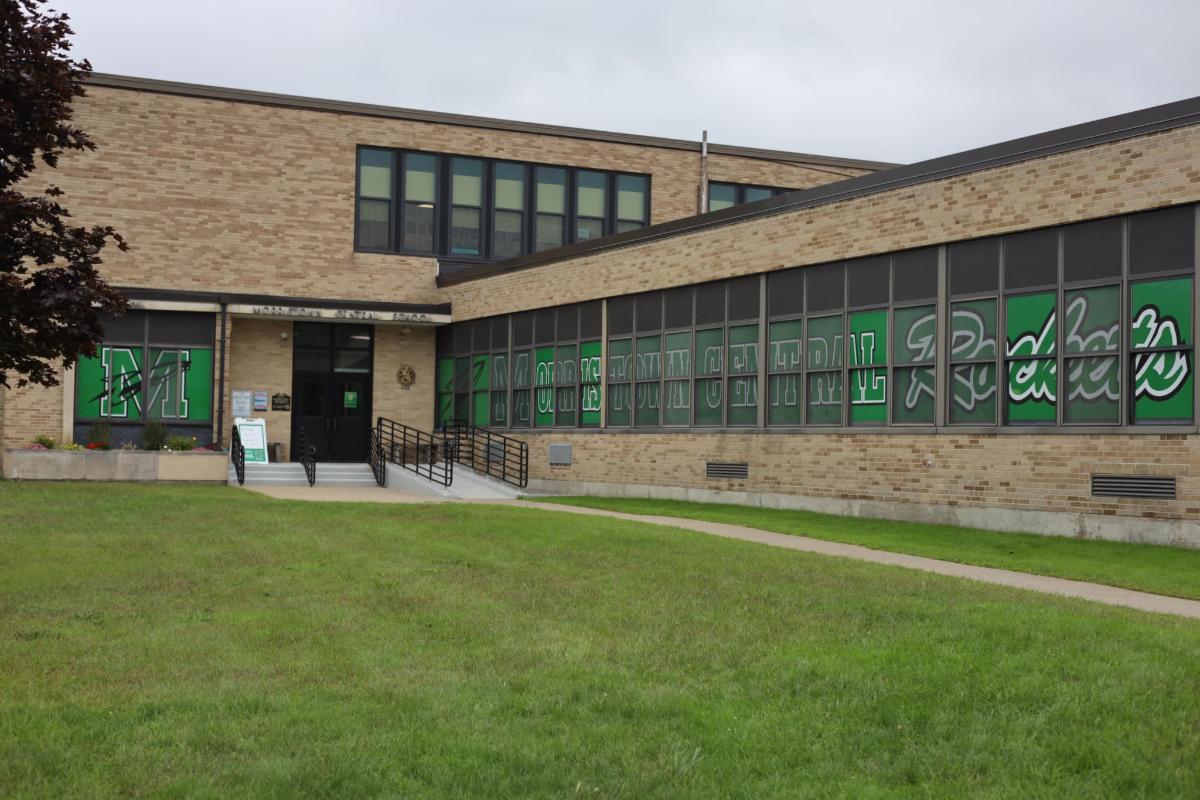
The Morristown Central School District (MCSD) in New York will kickstart a $16.9 million capital improvement project (CIP) to enhance safety and security measures, reinforce building infrastructure and address space adequacy. Construction will begin in 2025.
The scope of work will include addressing inadequate space by reconstructing the kitchen and serving area. In addition, the district will renovate the cafeteria and add a dedicated food storage space and loading dock for deliveries.
Plans include renovating the existing STEM classroom into an industrial arts and STEM suite for more programming and activities. MCSD will also replace seating and improve acoustics in the existing gymnasium. The district will expand the fitness center, nurse’s office and install an exterior entry to improve community access.
MCSD will expand the school’s stage and convert it into a dedicated performance area. The district will add a choral music classroom, allowing students to practice without sharing the space with the gymnasium.
The district will update the school’s infrastructure by installing HVAC and boiler systems. Plans also include expanding parking lots, restoring masonry and performing site drainage maintenance in the school’s transportation building. The school will build a restroom that can be accessed from the exterior of the building.
MCSD will improve school safety and security by replacing all classroom doors and locks. In addition, the district will replace shared restrooms in the elementary wing.
New York State will cover approximately 80% of the project’s cost. MCSD will contribute the remaining funding from capital reserves, available funds and tax levies.
(Photo courtesy of the Morristown Central School District.)
| |
DOE grants will support integrating clean energy sources into grid | |
|
Applications are open for the i2X Solar and Wind Interconnection for Future Transmission (SWIFTR) funding opportunity. The U.S. Department of Energy (DOE) will provide $10 million to help integrate clean energy sources and transition to a decarbonized electrical system by 2035. Applicants have until April 17, 2024, to submit concept papers. Full submissions are due June 28, 2024.
SWIFTR supports projects that create software tools that simulate the effects of solar energy, wind energy and energy storage systems on the existing grid infrastructure. The tools provide detailed, secure data that project developers can use to streamline the interconnection process.
SWIFTR will fund projects specializing in two topic areas. The first topic area covers projects that will create or improve software that simulates how clean energy systems affect the functionality and reliability of the existing grid.
Qualifying projects will determine when these studies are needed, how to increase their reliability and how to speed up the interconnection approval process. The DOE expects to provide up to five recipients between $1 million and $2 million each.
The second topic area enables grid operators to develop tools that gather data on transmission system characteristics, including stability, voltage and grid strength. These projects will provide stakeholders with the information needed to operate large-scale renewable energy grids.
Stakeholders will also use those tools to test at least one real transmission system. Transmission systems deliver energy from generators to consumers. The DOE expects to provide up to five recipients between $1 million and $2.5 million each.
(Photo courtesy of Fré Sonneveld on Unsplash.)
| |
|
The Federal Highway Administration is considering discontinuing a waiver that allows foreign-made manufactured products to be used in federally funded highway projects, part of an effort to boost domestic manufacturing and bolster critical supply chains.
The highway administration published a notice of proposed rulemaking that would get rid of the waiver and require developers to use manufactured products that meet the standards set out in the Build America, Buy America (BABA) Act. The proposed rule change is open for public comments until May 13.
Click here for more information on the proposed rule
(Photo courtesy of George Paga III on Unsplash.)
| |
|
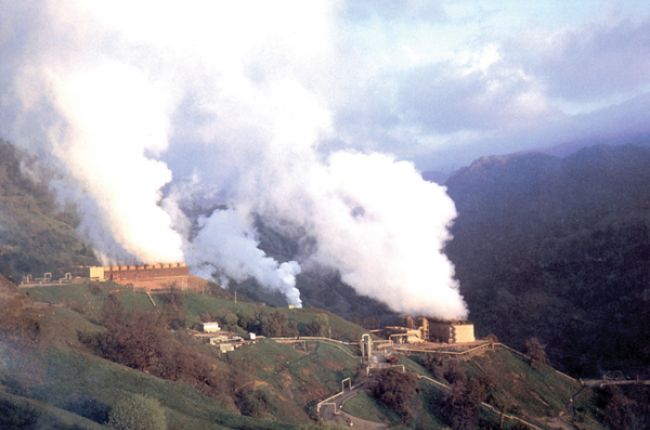
Advances in technology, including enhanced and closed-loop geothermal energy systems, could increase U.S. geothermal energy production by 20 times the current levels, according to the Department of Energy’s (DOE) latest Pathways to Commercial Liftoff report.
The ninth addition to the Liftoff reports breaks down “next generation” geothermal power and its potential to add to the U.S. clean energy supply.
Click here to learn more about geothermal energy technology
(Photo courtesy of the American Geosciences Institute.)
| |
|
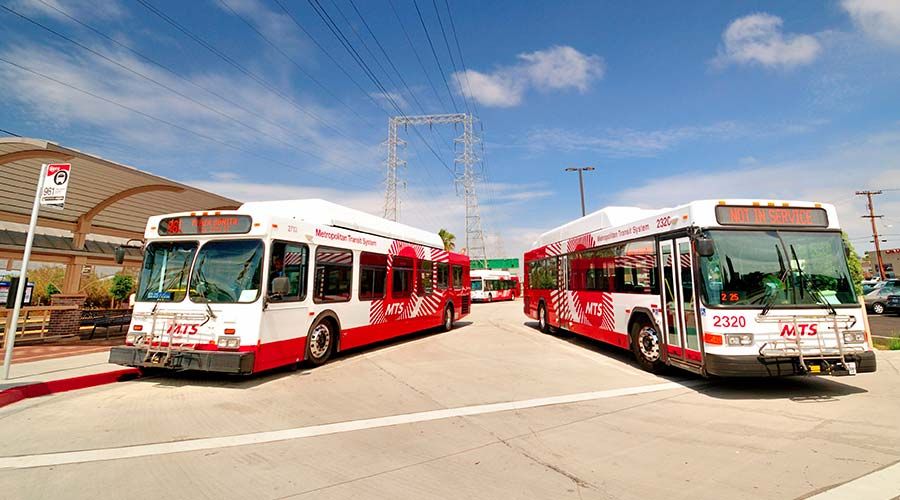
San Diego will spend $243.3 million on improving transit in FY 2025, including purchasing 10 electric buses for its fleet and building charging infrastructure.
The San Diego Metropolitan Transit System Board of Directors passed the largest capital improvement project budget in the agency’s history last week in part to boost the city’s goal of transitioning to an all-zero emissions bus fleet by 2040.
Click here for more information about San Diego’s transit investment
(Photo courtesy of SDMTS.)
| |
|
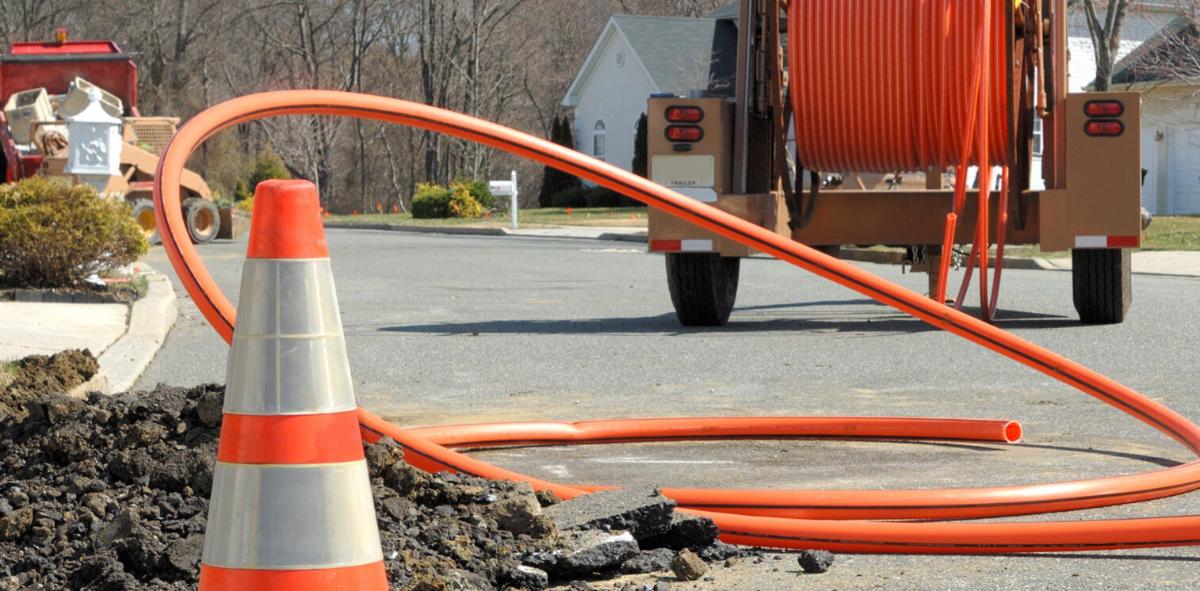
The state of New Jersey has been approved for $180 million from the U.S. Treasury Department for several projects that promote public health and safety, digital connectivity and equitable access to critical services.
The funds come from the Treasury Department’s Capital Project Fund (CPF), which has awarded more than $9 billion since 2022 for broadband, digital technology and multi-purpose community center projects.
Click here to learn more about the supported state projects
(Photo courtesy of the state of New Jersey.)
| |
|
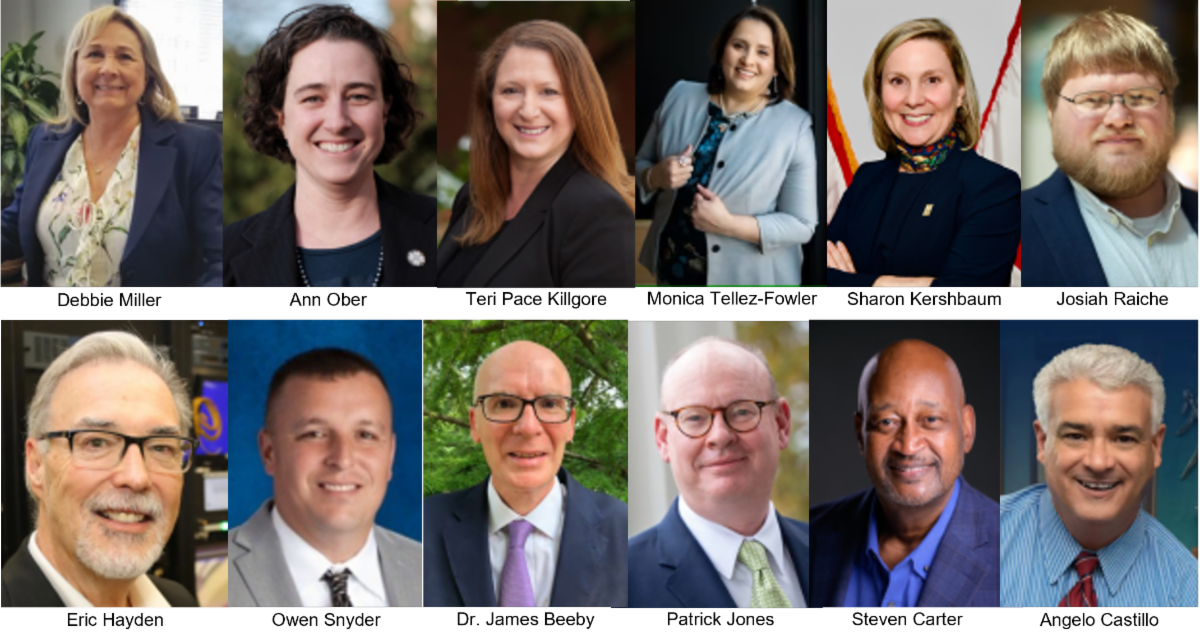
Oklahoma - Debbie Miller was promoted to public works director and city engineer for Oklahoma City on Feb. 15, 2024. Miller is the first woman to hold the position. She previously served the city as assistant city engineer and assistant public works director. She succeeded Eric Wenger.
Oregon - Ann Ober has been appointed Washington County’s assistant county administrator. Ober will begin her tenure May 1. She brings nearly two decades of government experience, most recently as city manager of Milwaukie, Oregon.
Arizona - The city of Scottsdale has hired Teri Pace Killgore as its economic development director. Killgore will leave her role as assistant city manager for Walnut Creek, California, to join Scottsdale. She brings 19 years of municipal government experience with her.
Ohio - The Central Ohio Transit Authority (COTA) unanimously appointed Monica Tellez-Fowler president and CEO. She joined the authority March 2023 as chief operating officer before being promoted to deputy chief executive officer May 2023. Tellez-Fowler previously served as deputy CEO/treasurer of Clark County Public Transit Benefit Area Authority (C-TRAN) in Vancouver, Washington. Tellez-Fowler will assume her responsibilities May 6, succeeding Joanna M. Pinkerton.
Washington D.C. - Acting Director Sharon Kershbaum will be the permanent director of the DC Department of Transportation (DDOT). Kershbaum is a seasoned public sector administrator with 21 years of experience. Prior to DDOT, she worked as the chief operating officer of the DC Department of Human Services.
Vermont - Josiah Raiche will be the chief data and AI officer for the state’s Agency of Digital Services. Raiche started with the Vermont state government in 2015 as a software developer. He was promoted to director of artificial intelligence September 2022.
Florida - The city of Tampa has named Eric Hayden interim chief information officer. Hayden has served the city since 1986, most recently as infrastructure services manager, a role he has had for nearly 17 years. He replaced Russell Haupert in January.
Virginia - Owen Snyder is the new assistant town manager for the city of Leesburg. He will serve as the town’s chief financial officer and finance director and provide management oversight of the Human Resources and Information Technology Departments. Snyder’s first day will be April 22.
Wisconsin - James Beeby, Ph.D., has been named chancellor of the University of Wisconsin–La Crosse. He is the university’s 11th leader. Beeby is currently provost and vice president for academic affairs at Keene State College in New Hampshire. Previously, Beeby served as dean of the College of Liberal Arts at the University of Southern Indiana. He also spent time as a professor and chair in the Department of History at Middle Tennessee State University.
Pennsylvania - Patrick Jones, Ph.D., has been named president of Bucks County Community College, effective July 1. He is currently serving as chancellor of Penn State University’s Schuylkill campus. Jones will take over the post following the resignation of Felicia Ganther in December.
Virginia - The Portsmouth City Council has approved Steven Carter as city manager. The U.S. Air Force veteran has served as chief information officer for Albany, Georgia, and Dougherty County in southwestern Georgia.
Florida - Pembroke Pines voters have elected Commissioner Angelo Castillo to serve as the city’s first new mayor in two decades. Castillo has served on the City Commission since 2004.
| | |
|
Connect with SPI
Check out our social media links!
| |
About Government Contracting Pipeline | |
|
Strategic Partnerships, Inc.
Publisher: Mary Scott Nabers
Editors: Adam Rollins
Dave Doolittle
www.spartnerships.com
| |
Government Contracting Pipeline, a publication of Strategic Partnerships, Inc., is a free, weekly newsletter detailing important happenings nationwide and the premier source for federal, state, and local government news and contracting opportunities. | |
Help us share this message.
To ensure delivery and proper formatting of the newsletter, be sure to add editor@spartnerships.com to your safe senders list.
Otherwise, the newsletter may be flagged as spam and automatically routed to your junk e-mail folder.
| | | | |