Volume 13, Issue 22 - Wednesday, June 2, 2021 |
|
By Mary Scott Nabers, CEO of Strategic Partnerships, Inc. |
|
Public schools have been granted approximately $190.5 billion in new funding from the federal government. In 2020 and 2021, Congress passed three stimulus bills that provided funding to the Elementary and Secondary School Emergency Relief (ESSER) Fund. It came in three tranches:
- ESSER I: The Coronavirus Aid, Relief, and Economic Security (CARES) Act, passed in 2020, provided $13.5 billion to the ESSER Fund.
- ESSER II: The Coronavirus Response and Relief Supplemental Appropriations Act, 2021 (CRRSAA) provided $54.3 billion more in supplemental ESSER funding.
- ESSER III: The American Rescue Plan Act, passed in 2021, provided the final tranche of funding - another $122.7 billion in supplemental ESSER funding.
Few restrictions apply as to how the funding may be used. The guidance is that ESSER funding indicates it should be used for initiatives linked to helping students, educators, staff, and families emerge from the impacts of COVID-19. That leaves school officials with quite a bit of latitude. For example, the funding may be used for:
- Purchase of educational technology (hardware, software, connectivity, and other devices.
- School facility repairs and improvements.
- Inspections, testing, maintenance, replacements, and projects to improve indoor air quality.
- Mental health services and support.
- Acquisition of cleaning and sanitizing facilities.
Hundreds of school officials are making budget decisions for 2022 and discussing potential uses of ESSER grants. Many school districts will use the funding to launch large construction projects, and some school officials say they will use the funding for technology services.
Minnesota
School officials in the Brandon-Evansville School District have discussed construction projects that include expansion of learning spaces at two schools. At the B-E Elementary Evansville Campus 2-5, the conceptual plan includes adding new classrooms, a commons area, a multi-purpose gymnasium, and a new parking area. A fitness room will be a part of the new gym, and a new storage shed facility for district vehicles will be built. Additional revenue sources will leverage the school’s anticipated ESSER funding.
|
|
Amtrak proposes $75B in passenger rail corridor expansions |
|
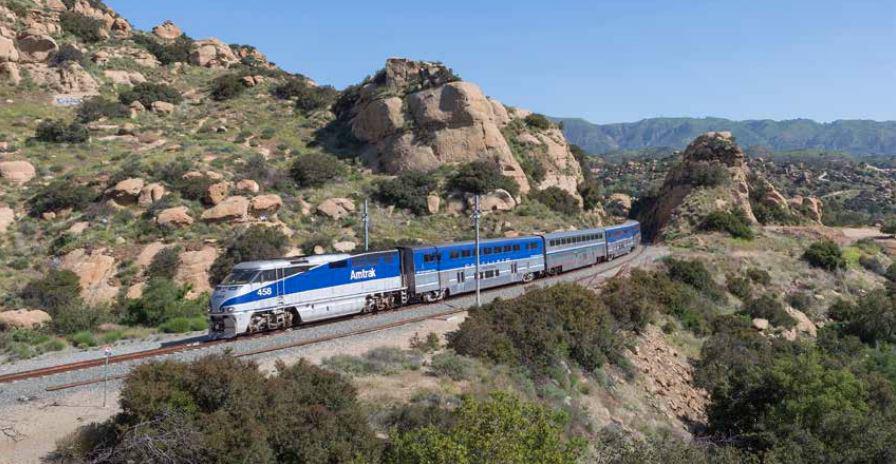
Washington, D.C. – Amtrak released the Corridor Vision on May 27 that proposes the federal government invest $75 billion over 15 years to develop and expand intercity passenger rail corridors around the nation.
To be implemented in collaboration with states, local communities, the administration, and other stakeholders, the Corridor Vision builds upon Amtrak’s national network, integrating new and improved corridors to expand the existing system.
Amtrak’s vision to grow rail service across America includes 39 potential new routes and more trips or other enhancements on 25 existing routes, creating the potential to expand or improve rail service for 20 million additional passengers each year by bringing service to more than 160 new communities.
The plan calls for improved service in major cities currently underserved by rail such as Houston, Atlanta, and Cincinnati and new intercity passenger rail service to cities such as Las Vegas, Nashville, Columbus, Phoenix, and Wichita, with increased access for many towns and cities in between.
If fully built out within 15 years, Amtrak’s vision would increase its state-supported corridor ridership nationwide by 120 percent. Forty-eight of the top 50 U.S. metropolitan areas by population would have corridor intercity passenger rail service, compared to 27 today.
New stations would be built in more than half of the U.S. states as part of an additional $195 billion in economic activity generated by increased capital investment during 2021-2035.
|
|
FTA recommends $2.5B for rail, bus, streetcar projects |
|
Washington, D.C. – The Federal Transit Administration (FTA) is recommending $2.5 billion to help fund the construction or completion of 25 rail, bus rapid transit (BRT), and streetcar projects in 12 states as well as others that earn eligibility in fiscal year 2022.
FTA's FY 2022 Annual Report on Funding Recommendations includes $1.56 billion for 17 Capital Investment Grants (CIG) Program projects with existing grant agreements, and $461.1 million for eight new CIG projects estimated to be ready for grants in FY 2022. An additional $427.2 million is recommended for other CIG and Expedited Project Delivery Pilot Program projects that may become ready for funding during FY 2022.
First-time recommendations for eight transit projects in five states will award a share of CIG funds to:
- Arizona - $158.12 million for the Northwest Extension Phase II project to extend Valley Metro’s light rail system 1.5 miles from the existing end of line station in Northwest Phoenix to the Metrocenter Mall.
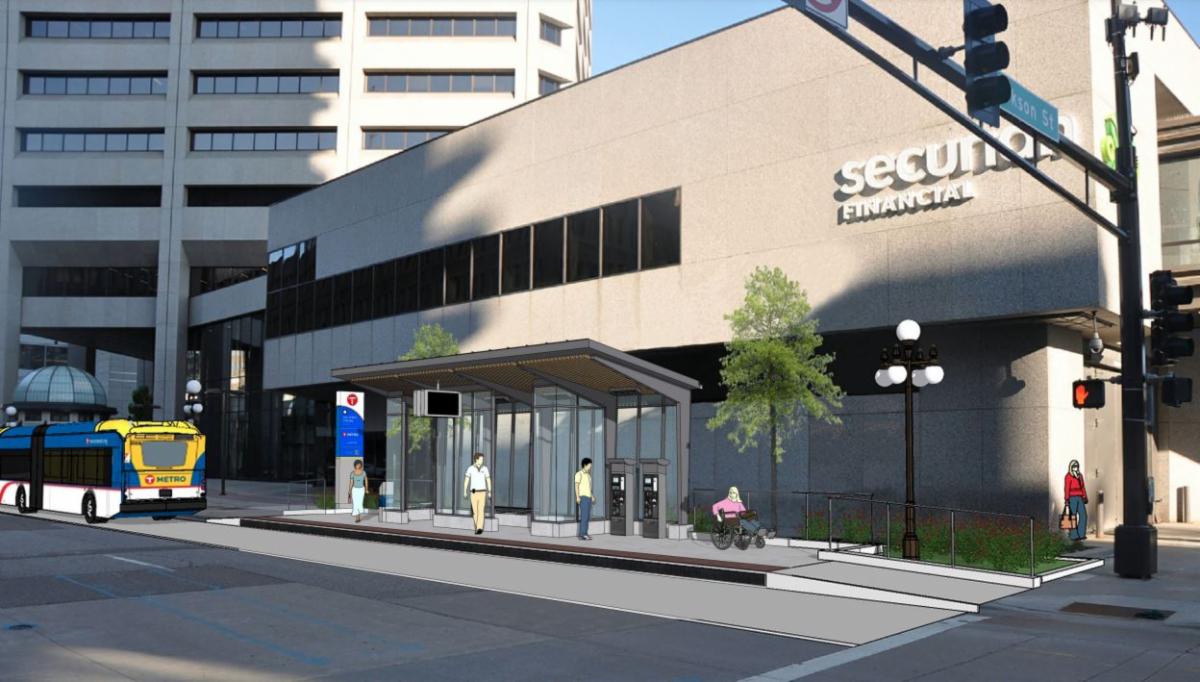
- Minnesota - $239.35 million for the METRO Gold Line BRT project in St. Paul to better connect transit riders traveling along a 10.3-mile corridor on I-94 between downtown Saint Paul and the suburban cities of Maplewood, Landfall, Oakdale, and Woodbury.
- Minnesota - $56.09 million for the Rochester Rapid Transit BRT project to bring BRT service to a 2.6-mile corridor that includes downtown Rochester, Mayo Clinic campuses, commuter lots, and residential neighborhoods.
- Texas - $17.81 million for the Expo Center BRT project to bring BRT service to residents along a 12-mile corridor, connecting East Austin to The University of Texas, downtown Austin, and other major employment areas.
- Texas - $18.28 million for the Pleasant Valley BRT project would bring BRT service to a 14-mile corridor connecting residents of the Mueller neighborhood in northeast Austin to the Goodnight Ranch neighborhood in southeast Austin.
- Washington state - $55.63 million for the RapidRide I Line BRT project in South King County to bring BRT service to suburban communities along a 17-mile corridor between the cities of Renton, Kent, and Auburn.
- Washington state - $75.20 million for the Pacific Avenue/State Route 7 BRT project in Pierce County to bring BRT service to communities along a 14.3-mile corridor between downtown Tacoma and Spanaway.
- Wisconsin - $80 million for the Madison East-West BRT project to provide fast, reliable bus service for residents in a 15.5-mile corridor running along East Washington Avenue, around the State Capitol building, through downtown Madison and the University of Wisconsin-Madison campus, and continuing west on University Avenue to the West Transfer Point or West Towne Mall.
The CIG Program is the federal government's primary grant program for supporting transit capital projects that are locally planned, implemented, and operated. It provides funding for investments such as new and expanded heavy rail, commuter rail, light rail, streetcars, bus rapid transit, and ferries, as well as corridor-based BRT investments that emulate the features of rail.
|
|
Florida seeks input on statewide aviation system planning |
|
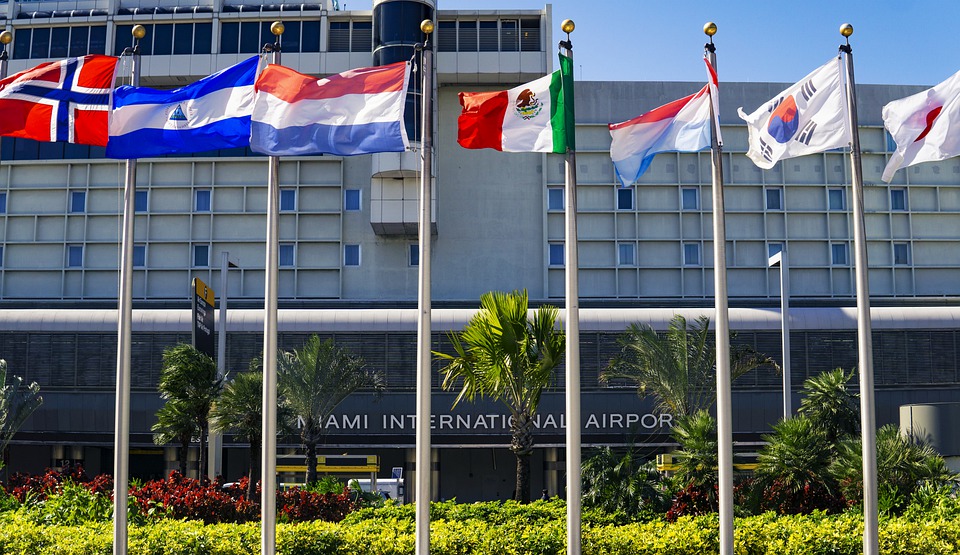
Florida – The Aviation Office in the Florida Department of Transportation (FDOT) issued a request for information (RFI) seeking feedback from vendors experienced in the development of statewide aviation system plans.
Florida’s Aviation System Plan (FASP) summarizes the five-year, 10-year, and 20-year airport and aviation needs within the state and is coming due for a periodic update. The FASP is a comprehensive plan designed to achieve and facilitate the establishment of a statewide, integrated aviation system consisting of all 106 publicly owned, public-use airports that are owned and operated within the state and those which will be developed and made operational in the future.
Several major FASP goals used in analyzing the impact of capital projects at airports across the state are to:
- Provide safe, efficient, secure, and convenient service to Florida’s citizens, businesses, and visitors.
- Contribute to operational efficiency, economic growth, and competitiveness while remaining sensitive to Florida’s natural environment.
- Support and enhance the national position held by Florida’s aviation industry.
- Protect airspace and promote compatible land uses around airports.
- Foster technological innovation and support the implementation of new technologies.
- Promote support for aviation from business, government, and the public.
- Foster Florida’s reputation as a military- and aerospace-friendly state.
This integrated study is designed to assess the ability of the existing system to achieve current and anticipated future demands.
RFI responses are due by 5 p.m. EST June 18.
|
|
Boston Public Schools building on $1B capital improvement plan |
|
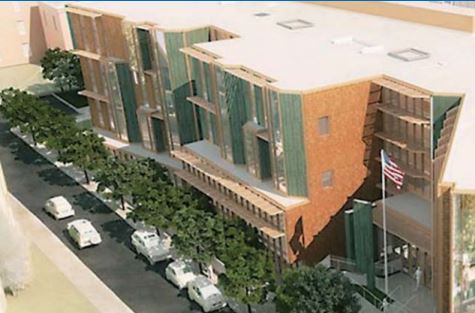
Massachusetts – The Boston School Committee adopted a capital improvement plan (CIP) that is part of a 10-year, $1 billion BuildBPS initiative focused on new school construction and renovations in the Boston Public Schools district.
District officials created the plan in 2018 to address aging facilities, many of which are more than 50 years old. The CIP for fiscal year 2022 includes $78 million in capital improvements and districtwide initiatives and the introduction of a prioritized list of all school buildings by October 2022.
Staff members are proposing reconfigurations to Irving and Timility middle schools and construction of five new building projects:
- Dorchester – Pre-K-6, which is in site and school selection.
- Roxbury – Pre-K-6, which is in site and school selection.
- East Boston expansion, which is currently in design.
- Horace Mann School for the Deaf and Hard of Hearing, which is in state review.
- Allston-Brighton – Pre-K-6, which is in state review.
The district plans major renovations to BCLA-McCormack and Edwards, Irving, and Timilty buildings to establish two preferred school grade configurations to K-6/7-12 and K-8/9-12.
|
|
Arlington County Board evaluates $1.25B capital project list |
|
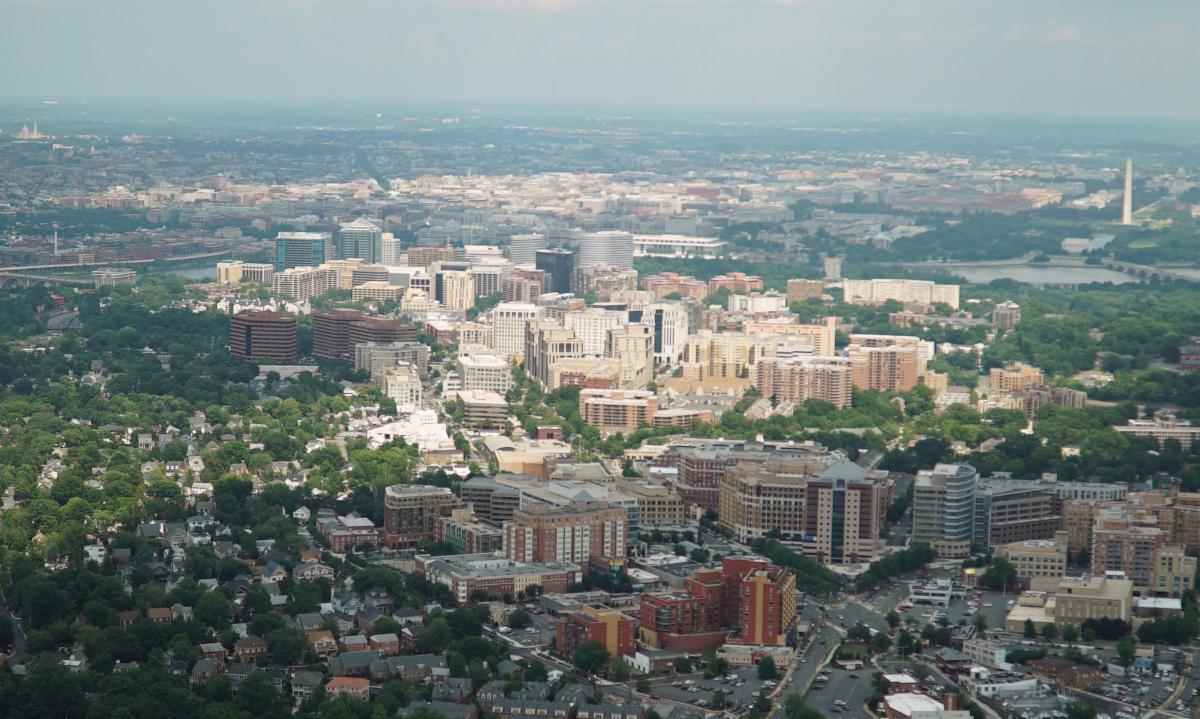
Virginia – After suspending its 10-year capital improvement plan (CIP) for fiscal years 2023-32 because of the pandemic, the city of Arlington is considering a three-year $1.25 billion CIP.
In a presentation to the County Board, the county manager proposed a CIP that focuses on meeting Arlington’s existing commitments, increasing infrastructure maintenance, and beginning investments in long-term plans and programs.
The short-term CIP reflects immediate priorities, including bridge replacements and renovations, street safety improvements through Vision Zero, community conservation, technology infrastructure, and Metro funding.
Additionally, it continues the investment into the county’s stormwater infrastructure, with $95.9 million allocated for projects such as the Cardinal Elementary School stormwater detention facility and the Spout Run and Ballston Pond watersheds.
Parks and public facilities projects included in the FY 2022-FY 2024 CIP are:
- Crystal City parks and public space.
- Bluemont Park tennis complex.
- Phase two of Alcova Heights construction.
- Synthetic turf replacements at Barcroft Park, Rocky Run Park, Wakefield High School, and conversion of the TJ Upper Field.
- Roof and HVAC replacements to focus on solar installation.
- Upgrades to the courts and police complex.
- Arlington Boathouse planning and design.
For the second year in a row, the county manager has put forward a proposal for a bond referendum, asking voters to consider funding for many of the CIP projects when they go to the polls in November.
Included in the $62.535 million referenda are $20.7 million for Metro, $17.5 million for paving, $2 million for neighborhood conservation, and $9.73 million for courthouse renovations and courts and police building improvements. The proposal includes $5 million for renovation of the Bluemont Park Tennis Court complex replacement and $800,000 for planning the Arlington Boathouse project.
A joint work session with the County Board and the Arlington Public Schools board is scheduled for June 9.
|
|
Hudson Tunnel reaches environmental review milestone |
|
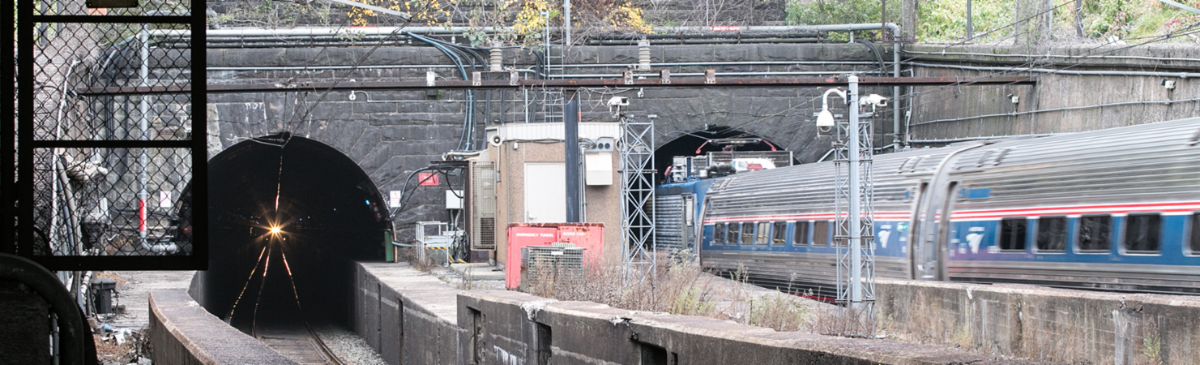
New Jersey – The Federal Railroad Administration and Federal Transit Administration jointly issued a Final Environment Impact Statement (FEIS) and Record of Decision for the Hudson Tunnel Project on May 28.
Attainment of these milestones represents the Administration’s commitment to working with New Jersey Transit and the Port Authority of New York and New Jersey, in coordination with other project partners including Amtrak and the Gateway Development Commission, to advance the estimated $11.6 billion project toward final design and construction.
Plans call for the construction of a new two-track rail tunnel on the Northeast Corridor (NEC), connecting New Jersey to Penn Station New York beneath the Hudson River, and including railroad infrastructure in New Jersey and New York connecting the new rail tunnel to the existing NEC.
The United States Army Corps of Engineers, another cooperating agency, will rely on the FEIS to fulfill its review obligations if it issues a Department of Army permit for the project, anticipated to occur this fall.
|
|
Cybersecurity, digital services among CIOs' midyear priorities |
|
Kentucky – Cybersecurity, risk management, and digital services lead the list of top 10 priorities for state chief information officers (CIOs) in a survey released last week.
The National Association of State Chief Information Officers (NASCIO) polled its members during the organization’s virtual midyear conference May 25-27.
Cloud services ranked third to include cloud strategy, selection of service and deployment models, and scalable and elastic services. CIOs also prioritized governance, service management, security, privacy, and procurement for cloud-based services.
Strengthening statewide connectivity and implementing rural broadband expansion pushed broadband/wireless connectivity to fourth place, and the need for budget, cost control, and fiscal management came in fifth.
CIOs put data management and analytics in sixth with a focus on data governance, data architecture, strategy, business intelligence, predictive analytics, and big data.
Identity and access management ranked eighth as CIOs emphasized supporting citizen digital services, workforce access, authentication, access control, credentialing, and digital standards.
Preparing for the future workforce and reimagining the government workforce came in ninth with a desire for transformation of knowledge, skills and experience, more defined roles for information technology asset management, business relationship management skills, and service integration.
Customer relationship management dropped to 10th place from 2020, but still pointed to the importance for state CIOs and customer agencies to connect with the public through developing internal customer service strategies and building customer agency confidence, trust, and collaboration.
|
|
Kansas to invest $42M in 30 transportation projects |
|
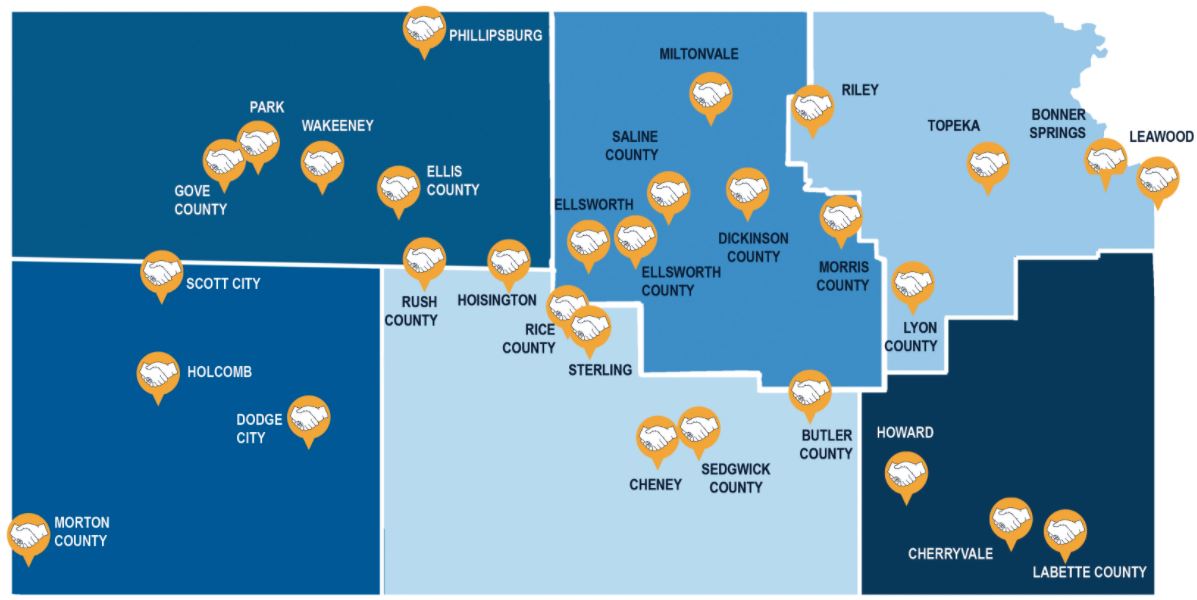
Kansas – Thirty transportation projects will receive more than $42 million from the Cost Share Program under the Kansas Department of Transportation (KDOT).
Cost Share is a component of Gov. Laura Kelly administration’s 10-year, bipartisan Eisenhower Legacy Transportation Program, or IKE, and is designed to help both rural and urban areas advance transportation projects to improve safety, support job retention and growth, relieve congestion, and improve access and mobility.
Among the projects to receive funding are:
- City of Dodge City – Downtown streetscape project.
- City of Hoisington – Second Street reconstruction.
- City of Phillipsburg – Runway extension.
- City of Sterling – East Cleveland and 1st Street corridor project.
- City of Topeka – 8th Avenue bikeways connection.
- Ellis County – Cathedral Avenue improvements.
- Morris County – Dunlap Neosho River Bridge replacement.
- Rush County – 360 Road Realignment.
KDOT took advantage of 2020 federal coronavirus relief funds by doubling the available Cost Share funding for this round. Selection criteria was adjusted to take into account hardships caused by the pandemic, and points were added to communities that endured above-average economic loss. The department is investing $21 million in this cycle of Cost Share with recipients contributing a 50 percent match.
|
|
Maryland awards grants to microgrid studies, design projects |
|
Maryland – Eight organizations will receive more than half a million dollars from the Maryland Energy Administration (MEA) to fund feasibility analysis, planning, and design of microgrids with the goal of bringing resilience and sustainability to communities, critical infrastructure, essential businesses, and emergency services.
Funding for these projects comes via MEA’s Resilient Maryland program that supports community, campus, and building-scale microgrids, advanced combined heat and power systems, resiliency hubs, and other distributed energy resource (DER) projects.
The city of Frostburg will use its $100,000 FY21 Resilient Maryland award to conduct feasibility analysis, planning, and design of a community microgrid to serve critical city infrastructure that includes public safety and potential emergency shelters as well as the city’s water supply and wastewater systems.
Baltimore’s mayor and City Council will use their $100,000 award to conduct feasibility analysis, planning, and design of a campus microgrid to serve the city's downtown municipal campus consisting of 14 buildings that provide essential city services such as emergency, police, and fire services.
The University of Maryland will use its $100,000 award to conduct feasibility analysis, planning, and design of a campus microgrid to serve its Central Maryland Research and Education Center in Clarksville. The center is home to critical agricultural research projects that study nutrient management, insect pest management, wetlands, thermodynamics, honeybee management, dairy cattle nutrition, among others.
Williamsport town leaders will use their $100,000 award to conduct feasibility analysis, planning, and design of a community microgrid for the town’s most critical facilities, including a water treatment facility, emergency services, traffic signal lights and streetlighting, and a nursing home community.
Town officials in Poolesville will use their $24,000 award to conduct feasibility analysis, planning, and design of a network of solar photovoltaic (PV) and battery storage streetlight pole-mounted nanogrids to power public streetlights and to-be-installed public Wi-Fi hotspots.
|
|
Princeton University releases RFI for cybersecurity practices review |
|
New Jersey – Princeton University is seeking a consulting partner to review the alignment of its current research cyberinfrastructure with federal cybersecurity regulations and make recommendations on the establishment of institutional ownership and governance.
In a request for information (RFI), the university outlines its goals for a consulting partner with extensive experience in higher education, research computing, and the implications of emerging federal regulations on grants to assess its research cybersecurity posture, strategies, and future, and develop a roadmap to enable the university to achieve greater compliance and efficiency via institutional coordination and communication.
Upon completion of the RFI, the university plans to start this engagement with the selected partner in July and complete as much work as possible over eight to 10 weeks during the summer.
The deadline for RFI submissions is 4 p.m. EDT June 30.
|
|
Delaware county collecting input on ERP solutions |
|
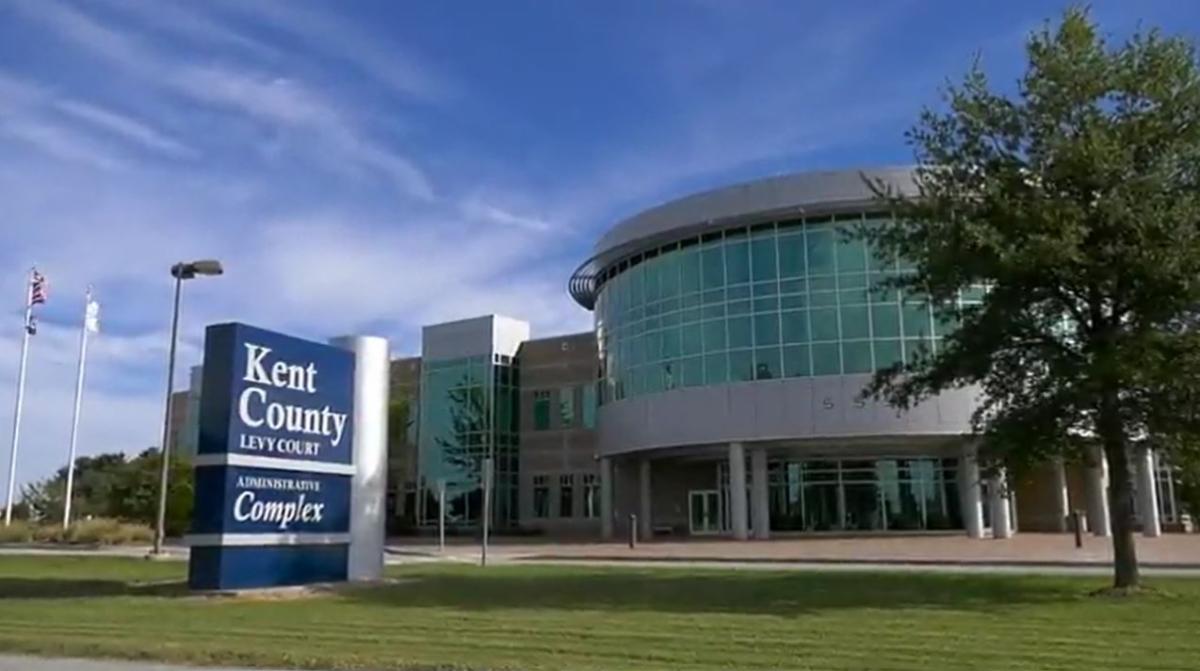
Delaware – Kent County Levy Court released a request for information (RFI) to gather input on market availability of Enterprise Resource Planning (ERP) technology that could serve as the core business application platform for the county government.
The county is seeking information on what ERP solutions, options, and approaches are available that are designed for or adaptable to government organizations such as Kent County to achieve greater efficiency and effectiveness in government business workflow and in the management and delivery of county government services.
Kent County is interested in learning about platforms that are expandable and that provide real-time data monitoring with initial concentration on the core components of financial systems and human resources management. Responses should detail fully integrated business applications and include platform architecture, hardware requirements, software, implementation processes, and systems maintenance.
It is anticipated that information gained through this RFI will advance the county’s business case for transition from legacy systems to an ERP solution and will assist in understanding budgetary requirements.
The deadline for RFI responses is 2 p.m. June 14.
|
|
Former energy defense secretary to lead cybersecurity panel |
|
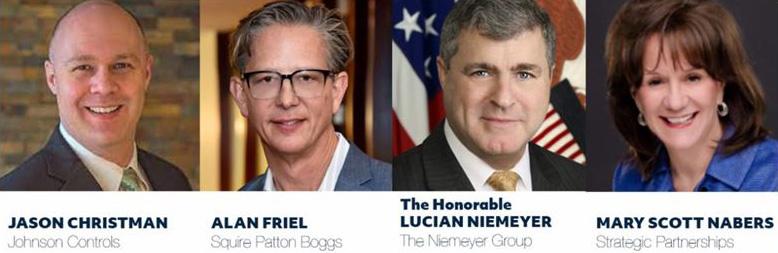
The Association for the Improvement of American Infrastructure (AIAI) invites you to join former Assistant Secretary of Defense for Energy, Installations, and Environment Lucian Niemeyer as he leads Protecting Infrastructure and Asset Value from Cyber Threats, a discussion on cybersecurity and how infrastructure must be protected.
Niemeyer will be joined by:
- Mary Scott Nabers, president and CEO of Strategic Partnerships, Inc.
- Jason Christman, vice president and chief product security officer of Johnson Controls.
- Alan Friel, deputy chair of data privacy and cybersecurity practice at Squire Patton Boggs.
Rapid investments in a “smart” built environment for a more efficient and convenient world are not being complemented by a commensurate safety framework designed to protect lives and resources in society from cyber attacks to technology, also known as cyber physical systems.
Cyber threats are expanding as ransomware attacks proliferate not just from Nation States, but from thousands of cyber hackers and criminals. As the Colonial Pipeline incident demonstrated, any one cyber attack can quickly impact lives and the nation by threatening the processes and technologies we rely on for essential services. Currently, governments do not have the resources or flexibility to quickly respond with protections for all sectors of the U.S. economy.
Our power grids, gas lines, water systems, transportation system, every building we walk into, and even our homes and cars, are at cyber risk from bad actors wanting a pay-off or to make headlines. A cyber incident can cost millions to recover while devaluing an asset immediately. How can the nation incentivize investments in the cyber protections of these essential assets?
Please register for Protecting Infrastructure and Asset Value from Cyber Threats on June 8 at 2 p.m. EDT.
|
|
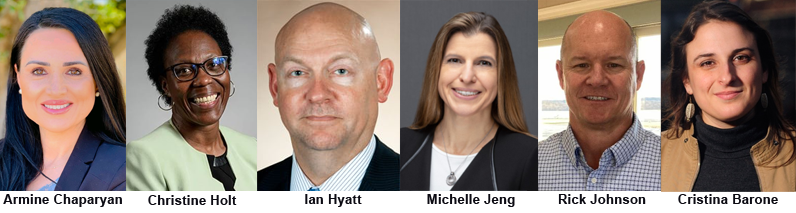
California – The South Pasadena City Council appointed Armine Chaparyan as their new city manager. She took over from Interim City Manager Sean Joyce who filled the position after Stephanie DeWolfe left the city in September. Chaparyan most recently served as assistant city manager for the city of San Gabriel. Before that, she was housing and community preservation/redevelopment manager for the city of Santa Clarita.
Arkansas – University of Arkansas System President Dr. Donald Bobbitt is recommending Dr. Christine Holt as the next chancellor at the University of Arkansas Hope-Texarkana. Holt, who serves as chief of staff for the University of Missouri System, is expected to begin her new role by September 1. Before that, she was associate provost at the University of Missouri at Columbia.
Indiana – Purdue University selected Ian Hyatt as the university’s next chief information officer (CIO). He succeeded Karl Browning who will retire this year. Hyatt most recently served as vice president of global services, logistics, and fleet in the private sector.
North Carolina – Effective June 21, Michelle Jeng will serve as North Carolina Railroad Company’s new chief financial officer (CFO). Jeng previously served as CFO of the Southwest Ohio Regional Transit Authority (SORTA) in Cincinnati. Before that, she was SORTA’s senior director of treasury.
Maryland – The Washington County Board of County Commissioners appointed Rick Johnson as airport director at Hagerstown Regional Airport, effective June 14. He will succeed Garrison Plessinger who announced his resignation in February. Johnson serves as airport manager of the Frederick Municipal Airport and as a senior master sergeant in the U.S. Air Force Reserves.
Washington – Link Transit has named Cristina Barone as planning and development manager. She is expected to start her new role in mid-September. Barone has served as project manager for a Seattle-based transit planning consultant.
|
|
|
|
Connect with SPI
Check out our social media links!
|
|
About Government Contracting Pipeline |
|
Strategic Partnerships, Inc.
Ph: 512-531-3900
|
|
Government Contracting Pipeline, a publication of Strategic Partnerships, Inc., is a free, weekly newsletter detailing important happenings nationwide and the premier source for federal, state, and local government news and contracting opportunities.
|
|
Help us share this message.
To ensure delivery and proper formatting of the newsletter, be sure to add editor@spartnerships.com to your safe senders list. Otherwise, the newsletter may be flagged as spam and automatically routed to your junk e-mail folder.
|
|
For news or calendar items: editor@spartnerships.com
For information about SPI's products and services: sales@spartnerships.com
© 2021 Strategic Partnerships, Inc. All rights reserved.
|
|
|
|
|
|
|
|