|
The 4.2 million miles of roads and highways in the U.S. are critical components of the country’s economic vitality. The transportation infrastructure allows Americans to commute, connect and transport goods efficiently. Yet, many of the older roadways limit access between communities, negatively impacting citizens and businesses. Congress has appropriated an abundance of funding to remedy these situations by supporting projects that reconnect communities with various types of new access options.
The impact has been profound, and many city officials are focused on removing physical and social barriers created by past highway construction. Most projects provide access extensions for pedestrians and cyclists, and often there are project components that include the addition of green spaces, paths and trails that beautify and connect communities.
The projects described below seek to align infrastructure investments with a commitment to social equity, environmental justice and inclusivity.
A large multimodal project with a projected cost of $1.3 billion will be launched in Massachusetts. It is currently in the environmental permitting process, but this large effort will require many types of collaborative engagements between public and private sector partners. The I-90 Allston Multimodal Project will be led by the Massachusetts Department of Transportation and the City of Boston. When completed, it will deliver a reconstructed section of roadway that has been a physical and social barrier in Boston’s Allston neighborhood for many years.
The project will be designed to reconnect neighborhoods previously separated by the interstate and reconfigure the interchange and railyard areas with modernization standards outlined in Complete Streets programming. The existing I-90 interchange no longer meets current interstate highway design standards, so the project will include removing 2,900 feet of elevated highway, constructing a multimodal transit station and adding walking and biking infrastructure. It will also include adding more than 10 miles of new sidewalks and bike trails and reclaiming over 40 acres of land for parks, open spaces and community developments. No timelines have been announced regarding contracting solicitations.
Click here for more
| |
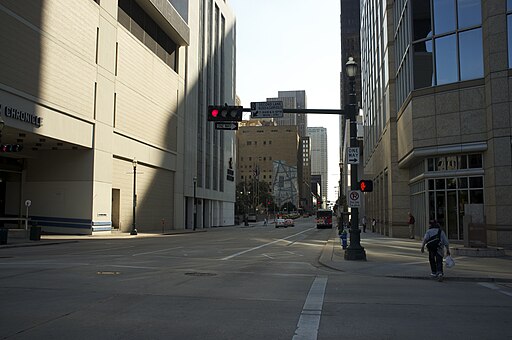
The city of Houston will spend $156.6 million to reconstruct and improve connecting streets across three districts. Construction is expected to begin in fall 2025.
The largest project – totaling $137 million – will fully reconstruct 5 miles of Antoine Drive. The chosen section of the road’s infrastructure is deteriorating, does not support safe multimodal amenities for bicyclists or pedestrians and has utilities that have exceeded their service life.
The Antoine Drive Project will improve pedestrian and bicycle facilities, installing nearly 53,000 feet of shared-used paths along either side of the road. The reconstruction efforts upgrade intersection safety, replace traffic signals and install additional street lighting. Plans include replacing three bridges and building a new one. In addition, the city will improve the road’s storm sewer system and replace approximately 51,500 feet of wastewater and water lines.
Houston will spend $8.2 million to repave and reconstruct the roads and drainage systems in the Gray and Taft area. Plans include installing 2.6 miles of pavement, more than 25,000 feet of sidewalks and 1,240 feet of bike lanes. The project will install 151 improved ADA-accessible ramps and 302 enhanced storm drains. In addition, the city will rebuild driveways as needed, install street lighting and replace 9,300 feet of stormwater, wastewater and water utility lines.
The city will use $6.9 million to reconstruct Dunlavy Street. The project will pave 1,900 feet of roadway, install 2,450 feet of sidewalk, curbs and replace 44 trees. Plans include installing 5,400 feet of storm sewer, sanitary and water utility lines, reconstruct driveways and install street lighting.
Houston will complete the $4.5 million feeder road project along Chimney Rock Road. Plans include building a pedestrian crosswalk at an intersection and extending nearby streets and sidewalks. In addition, the city will install a traffic signal and improve streetlights.
(Photo courtesy of Aleksandr Zykov.)
|  | |
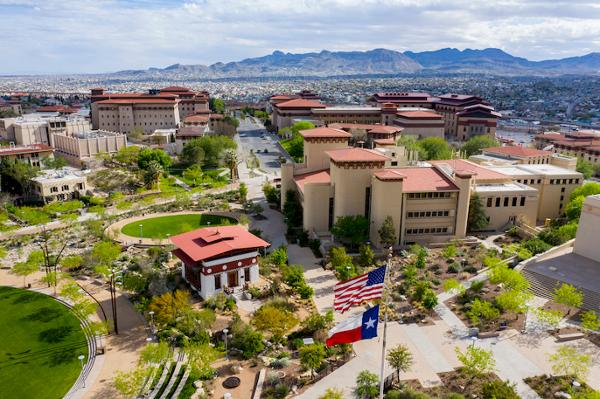
The University of Texas at El Paso (UTEP) will build a $62.7 million student housing complex to accommodate the university’s growing student population. Construction is expected to begin in 2026.
The housing complex project will feature a residence hall north of UTEP’s Kidd Field. To make room for the student housing facility, the university will demolish the existing portion of the stadium in this area. Once completed, the complex will house between 225 and 250 beds. The dormitory style facility is anticipated to have a 30-year life span.
The co-ed complex will include single and double occupancy in a pod configuration with suite-style bathrooms. The project will also build a dining hall and kitchen to accommodate student residents. The building will also help expand the campus’ core while enhancing pedestrian flow and connectivity.
The project will incorporate indoor and outdoor community amenities, including flex space, lounges, group study areas, group living spaces and conference rooms. UTEP will factor in additional space for a classroom, open vending space and rooms for private counseling. Plans include emphasizing exterior gathering areas and building irrigated landscapes, roads, drives and fire lanes.
The housing complex features a flexible design to accommodate future expansion opportunities, including a second, nearly identical dormitory. The university will consider other program additions throughout the design phase, including:
- An outward facing convenience store.
- A small gym.
- Common space with recreational amenities.
- Outdoor patios and other outdoor areas.
- Dining hall accommodations for student athlete training meals.
- Restrooms accessible to coaches and athletes on Kidd Field.
- Improving surrounding roads to increase safety and mobility.
The project is included as a part of UTEP’s 2024 Campus Master Plan.
(Photo courtesy of EPDude.)
| |
San Antonio will invest $58.7 million to enhance road infrastructure and upgrade drainage systems in conjunction with the city’s Hazard Mitigation Action Plan. Construction is expected to begin in 2025.
The city will spend $35.2 million to reconstruct and improve the Marbach Road Area drainage systems and infrastructure. Plans include improving the area’s sidewalks, curbs and driveway approaches. In addition, San Antonio will upgrade the segment’s existing undersized storm drain system. The drainage portion of the project will also require the city to reconstruct roadways, curbs, sidewalks and driveway approaches as necessary.
San Antonio will use $11.7 million to upgrade an underground storm drain system as part of the Frio City Road Outfall project’s first phase. The existing roadway is old and has deteriorating pavement, broken sidewalks, poor drainage and non-ADA compliant ramps. The city will widen the road, sidewalks, buffer greenspace and driveway approaches as part of the storm drain improvement project.
The city will allocate $6.1 million to install an underground storm drain system in the Southwell North Area. The project will feature an earthen channel outfall to direct water flow. Plans include reconstructing roadways, curbs, sidewalks and driveway approaches.
The $5.7 million Valley Hi Area Drainage project will revamp the area’s drainage, water crossings and roadways. The current street has a deteriorated drainage system that is no longer capable of sufficiently managing flooding. The project will replace the drainage system, improve two low water crossings and reconstruct roadside earthen ditches. In addition, the city will reconstruct the roadway, adjust utilities and build sidewalks, ADA-accessible ramps, curbs and driveway approaches.
(Photo courtesy of Oscar Sánchez on Pexels.)
| |
The Texas Commission on Environmental Quality (TCEQ) is making $25 million available to replace or repower vehicles and engines with natural gas-powered alternatives. Applications are due March 4, 2025, on a first-come, first-served basis.
The Texas Natural Gas Vehicle Grant Program (TNGVGP) has limited funding and will close once the awards are exhausted. Eligible applicants include individuals and entities that operate on-road heavy- or medium-duty vehicles registered in Texas. Recipients may cover up to 90% of project costs.
Applicants can submit for projects that replace or repower medium- or-heavy-duty motor vehicles with options that run on natural gas. Eligible natural gas fuels include compressed natural gas (CNG), liquefied natural gas (LNG) and liquefied petroleum gas (LPG).
Vehicles being replaced must run on gasoline or diesel. For repower projects, participants may replace the engine in existing vehicles with a qualifying natural gas engine. Applicants may also convert the existing vehicle or engine with an eligible conversion system. These repowering projects must be certified by the Environmental Protection Agency (EPA) to meet a series of standards:
- Engines must emit at least 25% less Nitrous Oxide (NOx) than the engine being replaced.
- The EPA must certify the conversion system being installed.
- The conversion system must meet the current federal emission standard (FED) or lower family emissions limit (FEL). The TCEQ may also accept the system if it meets the emissions criteria.
- The conversion system must produce at least 25% less emissions than the original engine.
- The new engine or conversions system must receive at least 60% of its power from natural gas fuels.
Only certain vehicles will qualify for the program. These vehicles must be of the same weight class and usage as the vehicle being replaced. The program will only accept new vehicles or older vehicles that were originally purchased with funds under a separate Texas Emissions Reduction Program (TERP). Vehicles and engines that qualify for replacement must follow similar standards and requirements as qualifying repowering projects. In addition, replacement vehicles must weigh more than 8,500 pounds.
(Photo courtesy of Leadership scholar.)
| |
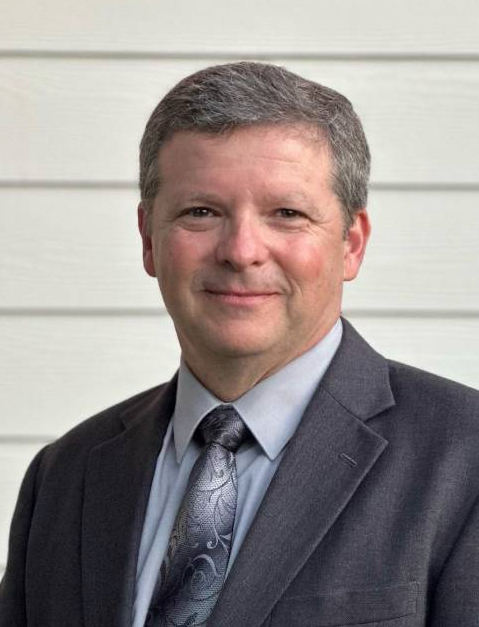
Christy Whiteway
City Secretary
City of Valley Mills
| |
Public career highlights and education: I started my professional career at Brazos Higher Education in 2001 where I held several positions in my seven-year tenure. In 2008 I worked for Texas Farm Bureau as a policy analyst, and in 2009 I began my career as an administrative assistant for the chairman of neurosurgery at Baylor Scott & White. In August 2018 I started at JRBT in Waco, and in September 2024 I began my new career as city secretary for Valley Mills, where I hope to retire from.
What I like best about my public service is: I love to help people and to meet new people.
The best advice I've received: Always be accountable and treat others how you want to be treated.
People might be interested to know that: I love to spend time with my family. I also like to crochet. Steak and shrimp is my favorite meal, and I could eat that everyday, if I could afford it.
One thing I wish more people knew about the city of Valley Mills is: This is a great, small town, and the people are friendly and welcoming.
|  | |
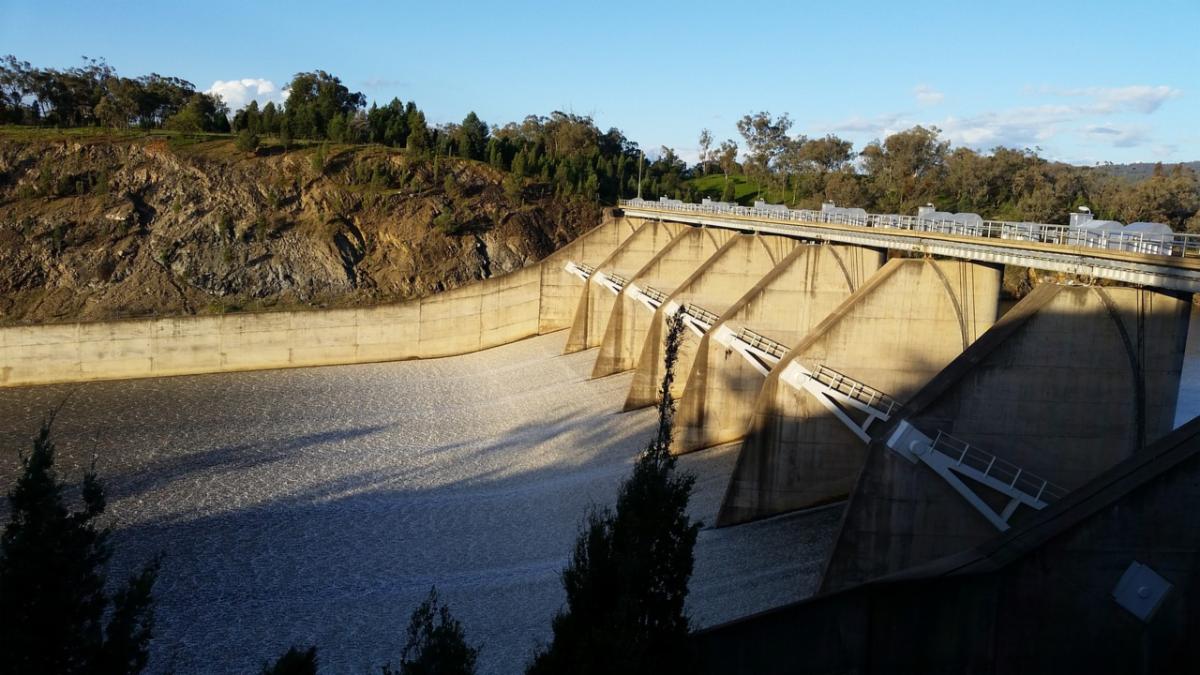
The city of Houston will spend $160 million to improve the Lake Houston Dam Spillway to better control water flow and reduce the risk of flooding. Construction is expected to begin in late 2026.
The Houston City Council approved an Interlocal Agreement during its Sept. 10 meeting, authorizing the project to move into its second phase. The current structure has only four small gates, which are able to release approximately 10,000 cubic feet of water per second (cfs). The number of gates is insufficient to effectively manage water flow during flooding events.
The city will build 11 tainter gates into the dam’s existing east embankment. Each gate will be 20 feet tall and 20 feet wide and will release approximately 7,100 cfs – totaling approximately 79,000 cfs. The additional gates will provide dam operators with greater capability to manage flow release from the lake’s reservoir during flood events.
The project will remove the high construction risk of modifying the existing gate structures. In addition, the water authority overseeing the dam’s operation will conduct repairs to extend the dam’s useful life and protect it from failure. This will include patching voids and leaks found in the dam’s infrastructure.
(Photo courtesy of colmkay on Pixabay.)
| |
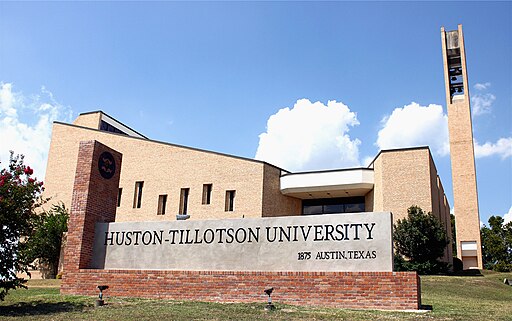
Huston-Tillotson University (HTU) recently announced its vision to open the first historically Black university campus in California.
HTU has begun establishing collaborative agreements to expand an off-site presence in California, starting in January 2025. The university will offer coursework for students to work toward HTU degrees, providing curriculum and co-curriculum experiences. As officials continue developing programs and meeting accrediting agency requirements, they hope to have approval for an official branch campus in California by August 2025.
The university revealed the plan Oct. 25, 2024, during its first celebration of its sesquicentennial. HTU is the only historically Black college or university (HBCU) in Austin and will be the city’s first higher education institution to reach the 150-year milestone. As the closest HBCU to California, HTU has been enrolling California residents in the Austin campus through dual credit and online programs for the past decade.
The expansion is not the only example of HTU’s achievements and growth. Officials anticipate launching the university’s 2024-2034 Master Plan in the near future, detailing campus infrastructure projects over the next decade. HTU also published its 10-year strategic plan in June 2024, creating a blueprint for the university’s long-term vision to support development, enrollment and fundraising.
(Photo courtesy of 2C2K Photography.)
| |
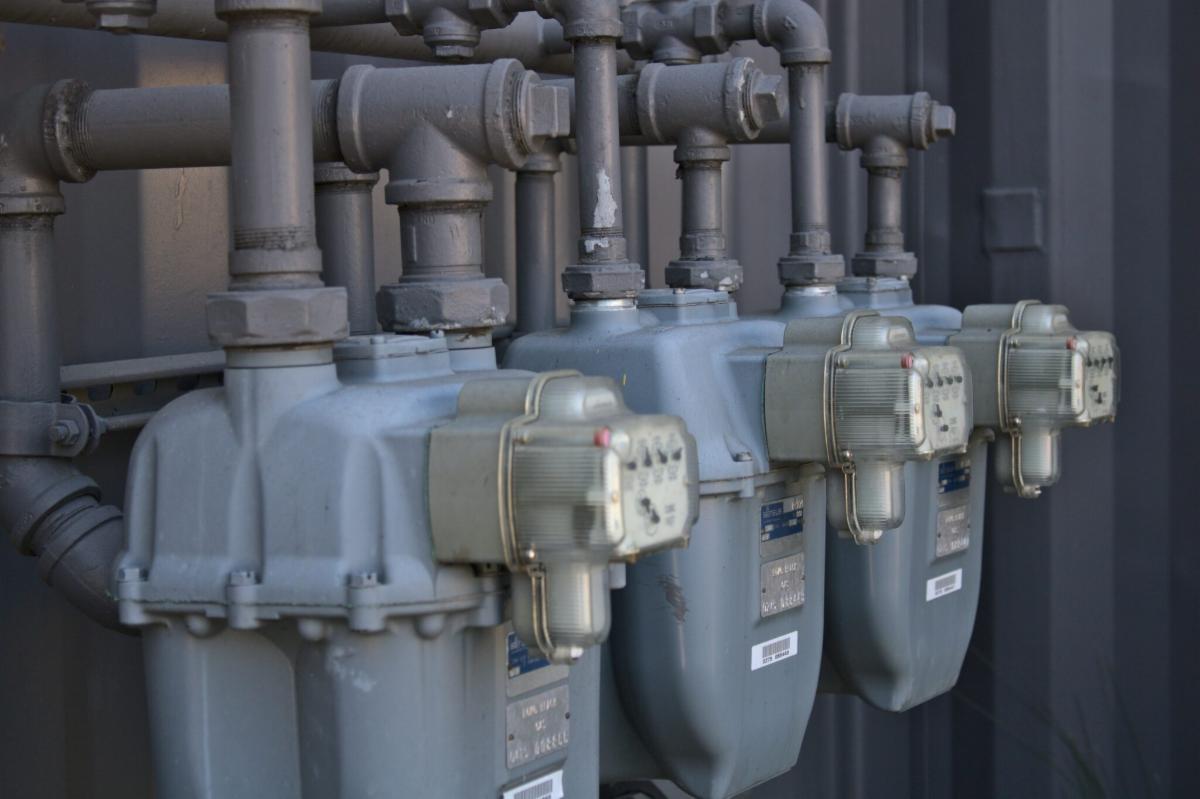
The U.S. Department of Transportation (DOT) is announcing $196 million in grants to modernize America’s aging natural gas pipelines. Funded under the Bipartisan Infrastructure Law of 2021, these grants will enhance the safety of gas pipeline distribution systems, further environmental justice initiatives and reduce residents’ energy costs.
Addressing an urgent need to replace aging, leak-prone infrastructure, the Pipeline and Hazardous Materials Safety Administration (PHMSA) will distribute grants to projects that primarily replace aging or leaking natural gas mains and service lines throughout the country. The administration will also fund projects that are designed to lower energy costs for consumers, reduce methane emissions and ensure safer pipeline operations.
Click here to learn more about which states received funding
(Photo courtesy of Doris Morgan on Unsplash.)
| |
The U.S. Department of Commerce’s National Telecommunications and Information Administration (NTIA) is approving four more states’ initial proposals for the federal Broadband Equity, Access and Deployment (BEAD) Program. This approval will offer nearly $4.3 billion in funds to expand states’ ability to connect residents to reliable, high-speed internet.
Alaska, Alabama, Florida and Ohio will now be eligible to request funding from the NTIA to initiate broadband deployment and develop broadband infrastructure. Under this round of BEAD funding, the states will engage in various identification, mapping, deployment and workforce training initiatives that will connect thousands of residents to broadband.
Click here to learn more about the DOC's investment in broadband
(Photo courtesy of Possessed Photography on Unsplash.)
| |  |
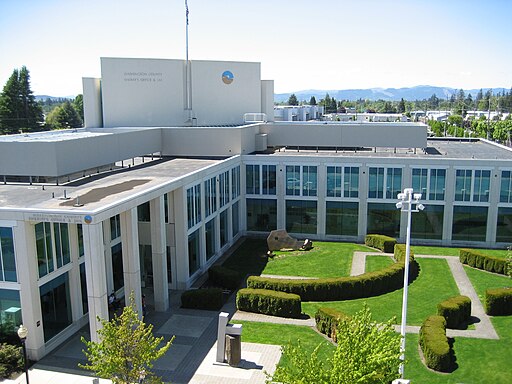 | |
The Texas Facilities Commission (TFC) will spend $200 million to build two advanced juvenile justice facilities. Construction is expected to begin in September 2025.
The facilities will be located in urban areas, but the TFC has not finalized where they will be built. The commission will choose two of the following market areas for the project: Dallas/Fort Worth, Houston or San Antonio. The facilities will feature a combined total of 200 beds and provide rehabilitative environments for young offenders.
The facilities will include state-of-the-art security measures and rehabilitative technologies to care for mental health needs, aggressive and violent behaviors and female inmates. Plans include therapeutic spaces such as therapy rooms, counseling offices and group session areas.
The TFC will incorporate educational amenities into the facilities, including classrooms, vocational training centers and libraries. The project will feature indoor and outdoor recreational areas. In addition, the TFC will ensure all residential units are secure, comfortable and de-emphasize an institutional atmosphere.
The facility security measures will utilize surveillance systems and controlled access points to maintain order. The buildings will be near local communities and will emphasize accessibility for public transportation and major roadways. The project will leverage eco-friendly designs to optimize energy efficiency and mitigate environmental impact.
(Photo courtesy of M.O. Stevens.)
|  | 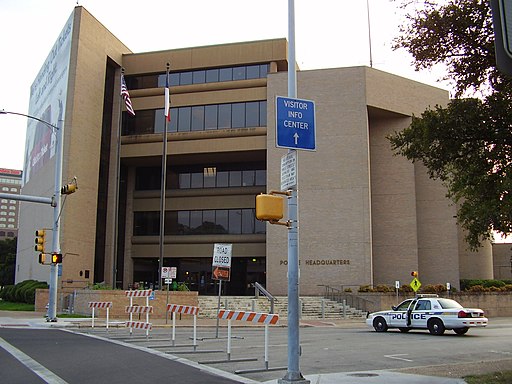 | |
On Oct. 24, the Austin City Council approved a $120.5 million plan to buy and convert a building into a new consolidated public safety building.
As part of the approved plan, the Austin City Council will spend $107.9 million to buy a 386,000-square-foot facility to house the police, fire and emergency medical services (EMS) departments. The purchase includes two four-story office buildings and two five-level parking garages, providing more than 1,500 parking spaces. The city will allocate the remaining $12.9 million toward design and renovations.
The city’s current public safety departments are spread across multiple public safety campuses in varying states of disrepair. The Austin Police Department’s 50-year-old headquarters has water breaks and leaks, non-functional bathrooms, inadequate parking and is largely inaccessible due to its outdated design. The city’s fire and EMS departments face similar issues in their buildings, all stemming from decades of outdated design and use.
Centralizing these departments under a single roof will significantly improve the departments’ capabilities to respond to emergency situations. The new building is closer to the city’s downtown area, enabling responders to dispatch and remediate incidents much more quickly.
In addition, keeping the public safety departments under a single roof will enhance real-time communication and coordination. The building will provide a shared space that supports training, streamlined information sharing and upholds a cohesive operational strategy between the city’s emergency response teams.
(Photo courtesy of WhisperToMe.)
|  | |
U.S. ports are set to become more climate friendly thanks to a massive investment by the federal government.
The Environmental Protection Agency (EPA) has selected 55 ports to receive nearly $3 billion in grants to fund zero-emission equipment and infrastructure improvements across 27 states and territories.
The Clean Ports Program, funded through the Inflation Reduction Act, includes $2.8 billion for zero-emission technology deployment and $60 million for climate and air quality planning at U.S. ports. Over half of the selected projects will take place in disadvantaged communities experiencing poor air quality.
Click here for more information about upcoming port innovations
(Photo courtesy of Barrett Ward on Unsplash.)
|  | |
The U.S. Department of Commerce’s (DOC) National Institute of Standards and Technology (NIST) is announcing a funding opportunity of up to $1.6 billion to support advanced semiconductor packaging research and development.
Supporting the DOC’s CHIPS for America initiative, this notice of funding opportunity (NOFO) looks to enhance U.S. leadership in advanced semiconductor packaging by developing the necessary technology and skilled workforce for domestic product manufacturing.
Click here to learn more about the NOFO
(Photo courtesy of Vishnu Mohanan on Unsplash.)
| The city of Belton has promoted Scott Hodde to director of Public Works and James Grant to director of Parks and Recreation. Both began their roles Oct. 29, 2024. | |
Hodde has been serving as interim director of Public Works since March 1, 2024. He brings a decade of leadership and utilities experience to the role, first joining the city as building superintendent in 2014. Prior to his stint as interim director, Hodde was the city’s assistant director of Public Works.
| |
Grant has been working as the city’s interim director of Parks and Recreation since March 1, 2024. He has been with Belton for 14 years, starting his career as a maintenance worker. He would later go on to serve the city as building superintendent, parks superintendent and assistant director of Parks and Recreation.
| |
The city of Liberty Hill has appointed Mike Etienne, Ph.D., as deputy city manager. Dr. Etienne most recently served as assistant city manager for Victoria, the latest in his 25 years of municipal experience. He officially began his tenure Sept. 30, 2024.
| |
James McKechnie has been selected as interim city manager for Wichita Falls. McKechnie, who currently serves as deputy city attorney for Wichita Falls, has been with the city for 12 years. He will assume the role Nov. 6, 2024.
| |
Gov. Greg Abbott announced these appointments and reappointments from Oct. 25 through Oct. 31:
Commercial Oyster Mariculture Advisory Board
B. Keith Miears - Rockport
Eric Davis - Mont Belvieu
Larry McKinney, Ph.D. - Corpus Christi
Shane Bonnot - Lake Jackson
Lauren Dunlap - Austin
Bradley Lomax - Corpus Christi
Texas Ethics Commission
Sean Gorman - Houston
State Pension Review Board
Roel “Roy” Rodriguez, P.E. - McAllen
State Board Of Veterinary Medical Examiners
Lawrence "Larry" Moczygemba, D.V.M. - Berclair
Stacy McLeod, D.V.M. - Weatherford
(both reappointed)
Raquel Olivier - Houston
Randall Skaggs, D.V.M. - Perryton
| |
Texas Government Insider is a free weekly newsletter detailing important happenings throughout the state and summarizing current political issues relevant to individuals interested in government.
Publisher: Mary Scott Nabers
Editors:
Adam Rollins
Dave Doolittle
| |