|
Public-private partnerships (P3s) of all sizes and types are becoming more common throughout America and this type of project delivery model is being use for all types of initiatives. Many federal funding programs now require some amount of private-sector investment, and public officials, eager to launch critical projects, are routinely reaching out to contractors, developers and funding sources for partnerships.
There is no structural standard for a P3 project, but all have certain commonalities. There is a private-sector funding requirement of some sort and a planned repayment model or other incentives of some kind. One of the benefits of a P3 delivery method is that governmental entities can benefit from the type of expertise that is not available internally. And private-sector firms normally specialize in certain types of projects, so they can bring decades of experience to very large and complicated projects. Another benefit is that the private-sector partner assumes much of the risk that accompanies any large undertaking.
Some of the common types of P3 initiatives that tend to be extremely attractive now are wrapped around projects that result in revenue generation. When those types of projects are completed, revenue sharing is possible and public entities are able to boost economic development, improve critical infrastructure, and also add a new revenue stream into their coffers. However, a majority of large P3 projects currently being launched also involve some mode of transportation, water or power generation.
In 2025, contractors and developers can expect even more unique opportunities to be procured through a partnership delivery mode. Many P3 projects are currently in planning stages, and firms wanting to be selected as the private-sector partner can significantly increase their attractiveness by getting involved now in the activities. The following examples are all represent upcoming opportunities.
One example of the new and unique P3 opportunities that can be expected will be launched in Florida. Officials at the University of South Florida have announced plans for a major redevelopment of the school’s 120-acre Claw Golf Course. Plans call for a revitalization of this underutilized asset, which has been closed to the public for some time. The redevelopment project has attracted considerable support from stakeholders, the adjacent community and the university’s leadership, faculty and students. Although specific financial details are not completely finalized, this project will be extremely large because estimators are already saying that the redevelopment project’s cost could range from $1 billion to $3.5 billion as new facilities and other development plans are completed. Currently, the project is in the pre-procurement phase, but timelines and final planning documents will be completed soon.
Click here for more
| |
The Texas Water Development Board (TWDB) will provide $120.4 million across 13 projects to replace lead service lines, realign wastewater collection systems and enhance water systems.
Some of the projects receiving funding include:
The city of Denison will receive $38.2 million to improve its wastewater systems and replace lead service lines. Plans include using $28.2 million to improve the capacity and efficiency of four major areas of the wastewater collection system. As part of the project, Denison will replace approximately 81,500 feet of sanitary sewer and rehabilitate or replace 185 manholes. The remaining $10 million will enable the city to inventory its distribution system, identify lead or galvanized lines and replace around 500 service connections.
The city of Honey Grove will spend $16.9 million to upgrade its wastewater treatment plant. The project will expand the plant’s capacity from 0.5 million gallons per day (mgd) to 1 million mgd. In addition, the city will replace the collection system’s inadequate lines.
Arlington will receive $16.6 million to relocate two wastewater pipelines near major waterways. These pipelines are currently being affected by soil erosion. The city will also build two lift stations, 11,000 feet of force main and 1,100 feet of gravity sewer mains. In addition, Fort Worth will use $13.3 million to replace around 35,696 lead service lines.
Crystal City will spend $9.2 million to repair and replace critical components of the city’s wastewater treatment plant and collection system. Plans also include building 1,500 feet of force main and lines to connect existing households that use septic tank systems to the collection system.
The city of Seminole will use $6.1 million to build five water wells within an existing well field. The project will also build two 350,000-gallon ground storage tanks and a 100,000-gallon ground storage tank. Plans include modifying the existing pump stations to accommodate the new ground water storage tanks.
(Photo courtesy of analogicus on Pixabay.)
|  | |
The University of Houston (UH) will build a $77.5 million on-campus medical research facility. Construction is expected to begin in January 2026.
The university will build the 54,000-square-foot research facility on the central campus east of the College of Medicine. The three-story building will be located on a 36-acre tract of land and will support medical and clinical research, provide flexible-use spaces and foster interdisciplinary collaboration.
The building will feature a 5,400-square-foot wet lab research space. This area will include open bench lab space, lab support spaces, alcoves, rooms and specialized spaces. All included areas will be flexible and adaptable per the needs of university researchers.
Plans include building a dry research space for computational research. The 2,900-square-foot area will include workstations that connect to the university’s secure server and fiber-optic cable network. The program’s design will emphasize privacy and confidentiality for both paper and digital information.
The facility will feature a 3,000-square-foot clinical research suite near the main entrance. In addition, UH will attach an extra 1,200 square feet of medical maker space for clinical research activities.
UH will also build a vivarium, containing a 400-cage small animal holding suite. The facility will include a 60-person seminar room that can be divided into separate 30-person rooms. The building will incorporate a 1,000-square-foot café.
The university will feature site landscaping to add additional green spaces, gathering spaces and natural areas to surround the facility. Plans include installing a quad, rain garden and street trees. UH will connect water lines, sanitary sewer lines and electrical utilities to the building. The project will expand the nearby open-air pond to provide additional detention and ensure the building is above the 500-year floodplain elevation line.
(Photo courtesy of Claca016.)
| |
The Lake Houston Redevelopment Authority (LHRA) will spend $69.6 million to reconstruct a heavily congested section of Northpark Drive in a Houston suburb. The project covers the second phase of a $150 million initiative to build an overpass, improve mobility and enhance resilience in a flood-prone area. Construction is expected to begin in 2027.
The mile-long stretch of road does not have enough lanes to handle the volume of traffic it currently sees. The congestion impacts mobility for residents, which the LHRA expects will only worsen as the area’s population grows. In addition, heavy rainfall events consistently flood the area due to poor drainage infrastructure. These issues mean that Northpark Drive is not a reliable evacuation route and endangers residents during inclement weather and flooding events.
The project will expand the roadway to three travel lanes in each direction, along with one turning lane at cross streets. The LHRA will build a shared-use path on either side of the road to accommodate bicyclists and pedestrians. Plans include installing a ditch median with retaining walls to separate travel lanes.
The LHRA will reconfigure the existing bridges to provide two additional travel lanes. The project will build shared-use paths on either side of the road, outside buffers in each direction and a westward left-turn lane. The improved bridge 116-foot bridge will span the Kingwood Diversion Ditch. Plans include installing signals along an adjoining intersection.
The project will raise the roadway above the 100-year floodplain to make the road passable during heavy rainfall events. Plans include replacing the existing drainage system with a series of large box culverts providing underground storage. The LHRA will improve the channel along the nearby waterway to maintain existing stream flows during rainfall events.
(Photo courtesy of Bill Jacobus.)
| |
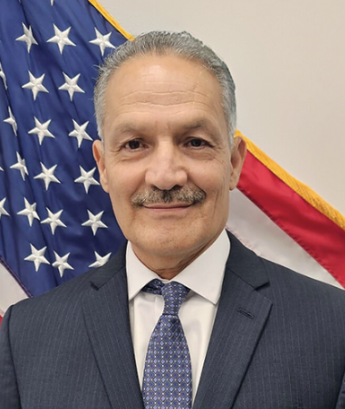
Tommy Gonzalez
City Manager
Midland
| |
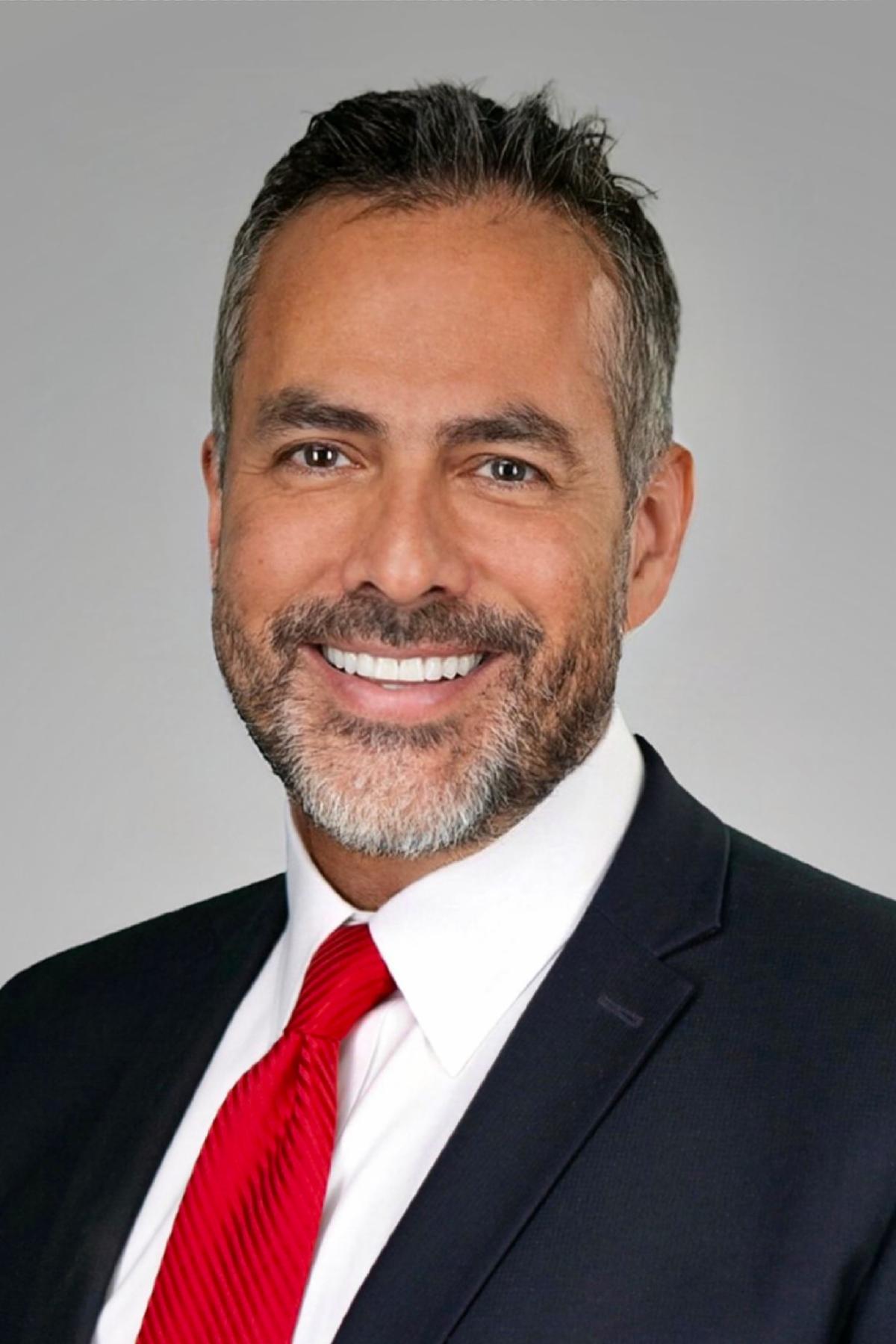
Public career highlights and education: I was appointed city manager of Midland in July 2023, where I lead the 26th largest city in Texas. My previous experience includes serving as city manager of Irving from 2006 to 2013, where I led the city to win the Texas Award for Performance Excellence and the Malcolm Baldrige National Quality Award. I hold a Master of Public Administration from Texas Tech University and a Bachelor of Science from Eastern New Mexico University. I also retired as a Lieutenant Colonel after serving 22 years in the U.S. Army.
What I like best about my public service is: What I appreciate most about public service is the profound opportunity to drive transformation on multiple levels – individuals, organizations and entire cities. It's incredibly rewarding to see how effective policies and initiatives can uplift communities and improve lives.
The best advice I've received: “Always listen more than you speak.” This insight has been invaluable in both my personal and professional life. It encourages humility and fosters a deeper understanding of others’ perspectives, which is especially important in public service.
People might be interested to know that: I grew up very poor. This experience has profoundly influenced my approach to public service. Living through financial hardship has given me a deep understanding of the challenges that many citizens face every day.
One thing I wish more people knew about local government: Local government is truly at the heart of public service, providing essential services that residents rely on daily. Whether it’s maintaining infrastructure, ensuring public safety or enhancing recreational spaces, we are here to serve our community.
|  | |
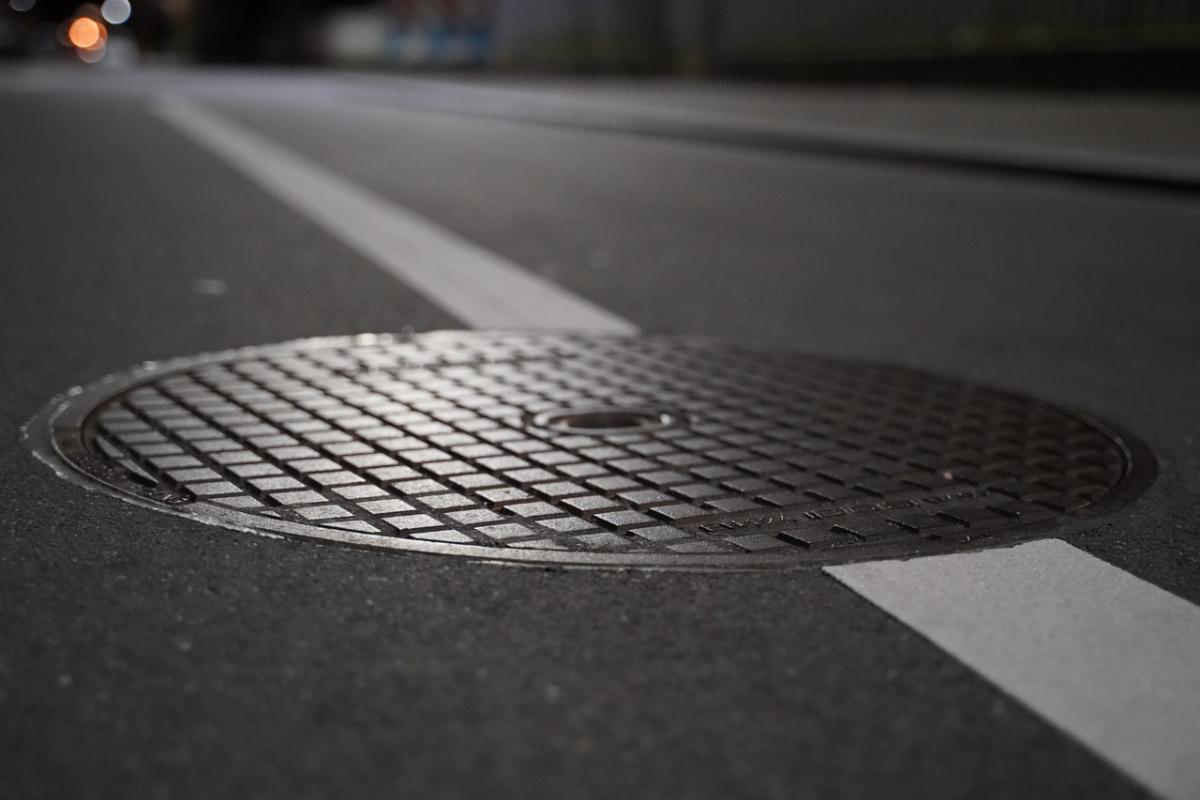
The city of Leander has updated its wastewater master plan to include 43 projects worth a combined $266.6 million over the next two decades. The most recent master plan was published in 2017 to support and guide Leander’s efforts to create a wastewater collection system suited to the city’s needs and projected growth.
Leander incorporated manhole data, growth areas, projected water flows, developed a hydraulic model of the existing collection system and conceptualized sewer extensions to accommodate growth while developing the plan. In addition, the city conducted model simulations under current, five-year, 10-year and 20-year growth conditions to develop a list of projects and costs.
The projects will ensure the city will be able to accommodate an additional 120,000 people and handle major storm events over the next two decades. The recommended projects include:
- Spending $28 million on two projects that must be immediately addressed.
- Using $6.8 million over a five-year period on three projects.
- Leveraging $98.9 million over the next 10 years on 18 projects.
- Spending $131.6 million over a 20-year period on 22 projects.
For the present day, the city will expand two interceptors to accommodate flooding and excessive surcharging. Leander will spend $17.7 million to upsize 13,020 feet of the Block House Interceptor’s pipes to 21- to 24-inch diameter pipes. Plans for the Mason Creek Interceptor are similar, including upsizing approximately 8,200 feet of pipes to 15- to 24- inch diameter pipes.
Out of the five-year projects, the city will spend the most – $5.6 million – to upsize three segments of the Horizon Lake Interceptor’s pipeline. Plans include replacing around 1,850 feet of pipe with 18- and 36-inch diameter alternatives. The city will spend the remaining $1.2 million to install gravity mains connecting a subdivision and townhouses to the Brushy Creek Interceptor.
For 10-year projects, the city will allocate $29.2 million to upsize gravity mains across three projects. Plans include using the remaining $69.7 million on 12 projects to extend and install gravity mains, lift stations and force mains to accommodate future growth. In addition, the city will decommission up to three lift stations.
The 20-year projects will cover similar projects as those listed in the 10-year planning document. The city will use $24.2 million to upsize gravity mains for three projects and $107.4 million to expand and install lift stations, gravity mains and force mains. Once all projects are completed, the city will increase its wastewater capacity from 8.24 million gallons per day (gpd) to 11.67 gpd.
(Photo courtesy of mediazeit on Pixabay.)
| |
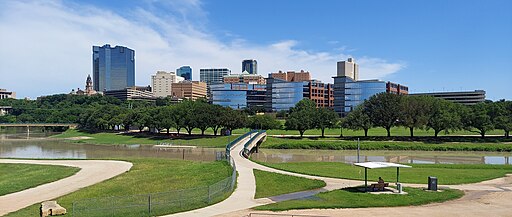
A year and a half after its creation, the Fort Worth Economic Development Partnership (EDP) will officially split from the Fort Worth Chamber of Commerce (CoC). Starting Jan. 1, 2025, the EDP will operate as a separate organization to focus on its core function: facilitating business recruitment and attraction for the city.
The CoC formed the EDP in March 2023 to oversee aspects of the city’s economic development, allowing the chamber to prioritize advocacy and workforce development. The EDP’s numerous accomplishments – most recently with the University of Texas at Arlington’s (UTA) recent plans to expand its campus into west Fort Worth - are testaments to the nonprofit’s success.
Before the EDP, Fort Worth was noted to be far less effective at stimulating economic growth compared with its peers – Austin, Dallas, Houston and San Antonio. The city's 2017 Economic Development Strategic Plan acknowledged this, and despite being one of the fastest-growing cities in the U.S., Fort Worth’s economic development was lagging.
The delegation of economic duties to the EDP has allowed Fort Worth to refocus its developmental goals and become more competitive at the national scale. The organization has been a critical factor in helping the Fort Worth Economic Development Department be more selective about the types of projects the city would support.
As an independent entity, The EDP will no longer depend on the CoC’s resources and infrastructure to supplement its duties. The five-member team is working toward a $5 million annual investment goal, with $3 million already raised. Going forward, the organization will continue to supplement the city’s marketing, development, workforce training and business attraction needs.
(Photo courtesy of DerekAyala27.)
| |
Consulting firm Deloitte is facing scrutiny in Texas over the company’s management of the Texas Energy Fund, a taxpayer-funded program to provide low-interest loans for new power plants. Deloitte was awarded a $74 million contract to manage the program on behalf of the Public Utility Commission of Texas (PUC). But now, Texas lawmakers are looking to hold the company accountable, including reducing their contract by 10%, after one of the loan applications that Deloitte approved contained false information.
Texas lawmakers created the Texas Energy Fund in 2023, which was then approved by voters as a state constitutional amendment that November. The program is designed to increase reliability on the state’s main power grid by providing financing for new natural gas power plants. Applications for the fund opened in March, and $39 billion worth of proposed projects were submitted. With only $5 billion available for the initial round of funding, the applicants had to undergo a thorough review process.
Click here to learn more about the change in energy management
(Photo courtesy of Mitchell Kmetz on Unsplash.)
| |
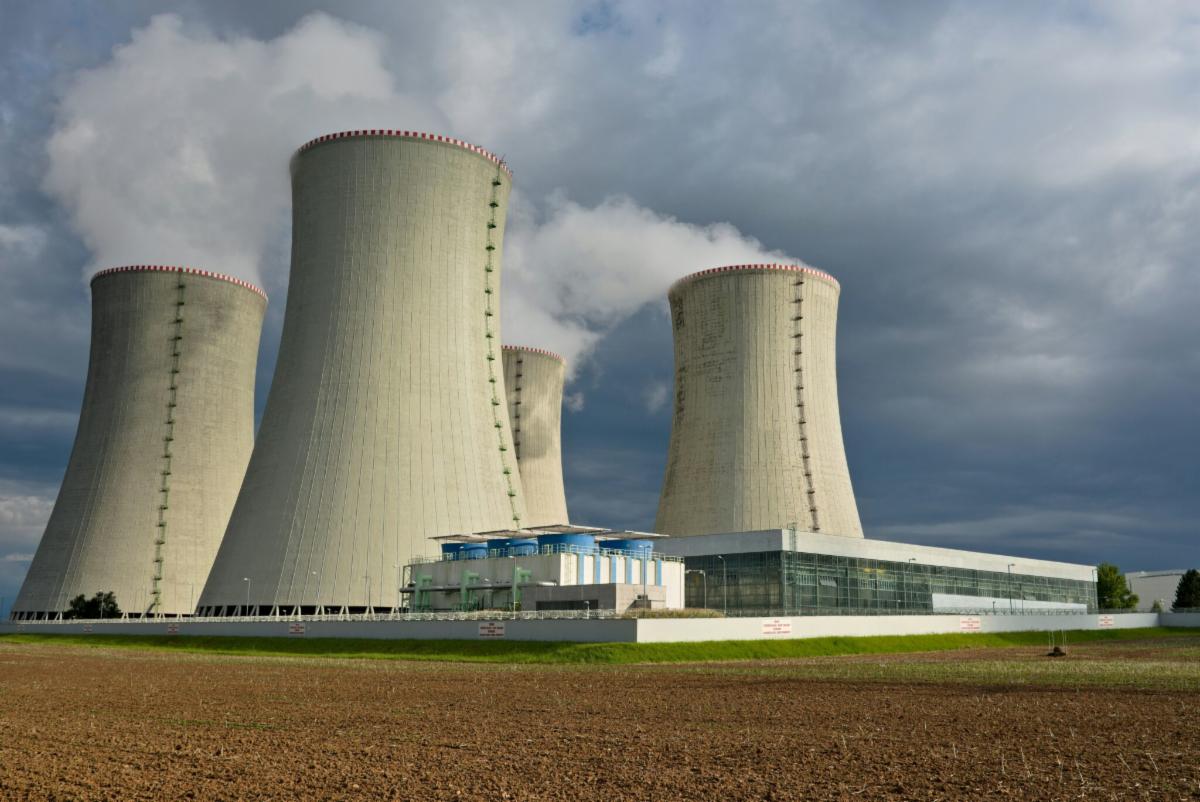
The U.S. Department of Energy (DOE) is unveiling a funding opportunity announcement (FOA) to advance clean energy initiatives throughout the country with nuclear power. The FOA will make $900 million in funding available to support the domestic deployment of Generation III+ (Gen III+) small modular reactor (SMR) technologies.
The DOE’s FOA focuses on encouraging the private sector to establish a sustainable pathway for deploying Gen III+ SMRs. Siphoning funding from the Bipartisan Infrastructure Law of 2021, the DOE will distribute funds to projects that spur fleet-level deployment of clean nuclear energy throughout the nation and support the agency’s long-term goal of achieving net-zero emissions by 2050.
Click here for more information about the nuclear NOFO
(Photo courtesy of Lukáš Lehotský.)
| |  |
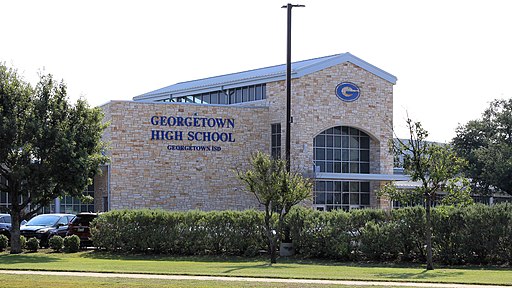 | |
The Georgetown Independent School District (GISD) will spend $649.5 million to build schools, reconfigure existing campuses, improve safety and security infrastructure, upgrade technology and renovate facilities. Construction is expected to begin on projects between 2024 and 2026.
Approved as part of the district’s May 2024 bond election, the largest sum – $584.1 million – will go toward building two elementary schools, a middle school and a comprehensive high school. The district will spend an additional $38.4 million to convert an old middle school into Frost Elementary.
The district will use $19.1 million for various renovation and infrastructure improvement projects across its campuses. This includes replacing HVAC units at three schools, replacing tile hallway and classroom carpet flooring with vinyl tiles across four campuses and upgrading interior and exterior lighting for six facilities.
Plans include replacing playground equipment, upgrading library furniture and book collections, painting hallways and corridors, improving parking lots and renovating labs and classrooms. The district will enhance safety and security measures by improving security vestibules, upgrading fencing, replacing fire alarm panels and installing protective window film.
GISD will invest $27.9 million to upgrade the fine arts program across the district, starting with building a $26 million performing arts center. The remaining funds will help expand and renovate fine arts programs, maintain a theater, renovate the band and orchestra space at a high school and upgrade and install equipment.
The district will spend $20.3 million to update technology for students, faculty and buildings. The majority of the funds – $17.2 million – will go toward replacing devices that are at the end of their useful life. The remaining $3.1 million will support various technological improvements, including upgraded audio and visual equipment, security cameras and servers, an improved data center and sports technologies.
Plans include allocating $3.9 million to repair a track and expand the field house and locker room across two high schools. The district will also invest in buying 15 buses to replace its aging fleet and nine replacement maintenance and student transportation vehicles.
Strategic Partnerships, Inc. does bond reports for all 50 states. These comprehensive reports feature information on every funded project. To purchase any and/or all reports, click here.
(Photo courtesy of Larry D. Moore.)
|  | |
Brian Bailey has been reappointed chair of the Texas Facilities Commission (TFC). He has held this role since May 2023. TFC oversees projects related to building, maintaining and supporting state buildings, property and other infrastructure across Texas.
Bailey was originally appointed to the commission in May 2019. He is also a member of the Greater Austin Crime Commission and The University of Texas (UT) Chancellor’s Council Executive Committee. Before stepping into the public spotlight, Bailey spent three decades as a custom home builder
Bailey holds a Bachelor of Business Administration in Finance from UT Austin and a Master of Business Administration from the University of Houston. His term is set to expire Jan. 31, 2027.
|  | 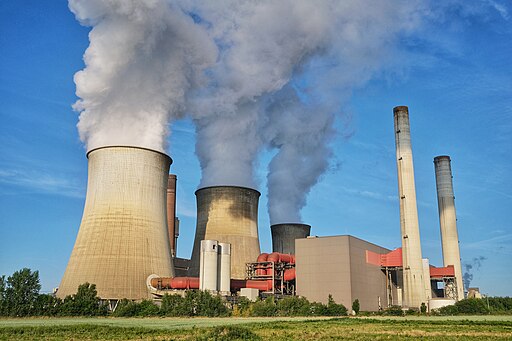 | |
An electric cooperative in Atascosa County, located just south of San Antonio, will procure up to 600 megawatts (MW) of clean, renewable energy to support underserved local communities. The cooperative will convert its lignite power plant to solar energy production and storage.
Currently, the cooperative’s operations produce nearly 400 MW of electricity and distribute it across 47 counties. Its power plant consumes lignite coal to generate this power, leaving a substantial carbon footprint. The cooperative’s goal is to reinvent its power plant operations to produce and store more energy while minimizing its environmental impact.
The project will officially decommission all lignite-based power generation and procurement operations. The cooperative will transform the power plant to use photovoltaic solar panels to generate 400 MW of clean energy and a 200 MW battery storage facility. The conversion will virtually eliminate the plant’s greenhouse gas (GHG) emissions.
Once the conversion is completed, rural communities will benefit from clean, reliable and affordable renewable energy. The cooperative estimates the solar and battery storage facility will be operational by 2027. The proposed project is estimated to reduce GHG emissions by more than 1.8 million tons and remove 446,000 gasoline-powered cars from the road annually.
The cooperative was one of 16 rural electric cooperatives chosen to receive a portion of the U.S. Department of Agriculture’s (USDA) Empowering Rural America (New ERA) program. The program was created to help rural Americans transition to affordable, clean energy options. The latest $7.3 billion investment will enable these cooperatives to provide more than 10 gigawatts of clean energy and prevent 43.7 million tons of GHG emissions from the entering the atmosphere each year.
(Photo courtesy of Jörg Fuhrmann (Intermerker).)
|  | |
Texas A&M University is exploring a plan to build underground transportation tunnels to help alleviate traffic congestion on campus.
The proposed project would create a tunnel system throughout campus to decrease student traffic, combining both underground and aboveground elements to achieve this.
Click here to learn more about the proposed tunnel system beneath the university
(Photo courtesy of Blueag9.)
| |
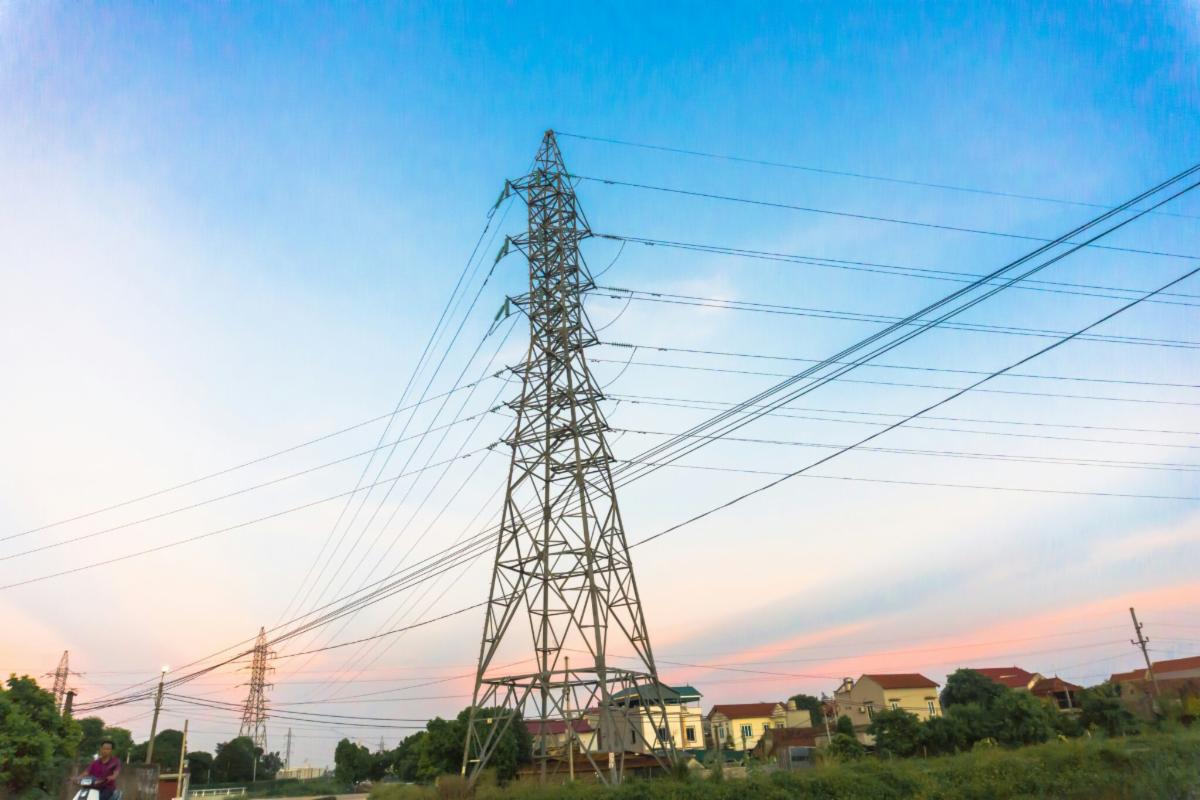
Water and electric systems across rural America are set to receive major upgrades. The U.S. Department of Agriculture is investing $1.3 billion in rural infrastructure projects across 30 states. The goal of this funding is to modernize infrastructure, expand access to reliable electric grids and safe drinking water and create jobs in rural and tribal communities.
The investment is split between two main programs: $852 million through the Electric Infrastructure Loan and Loan Guarantee Program, benefiting 14 states, and $443 million through the Water and Waste Disposal Loans and Grants program, benefiting 24 states. Of the total funding, approximately $1.18 billion is in loans with the remaining $137 million being grants.
Click here to learn more about the nation’s billion-dollar investment in critical systems
(Photo courtesy of Leohoho on Unsplash.)
| |
Colin County Judge Chris Hill has officially stepped into his role as president of the North Central Texas Council of Governments (NCCOG). Hill was appointed to the role June 14, 2024. He has worked with Colin County since January 2013, both as a judge and commissioner. He replaced Bill Heidemann as president.
| |
Jaime Sandoval has officially assumed the role of city manager for La Joya. The City Council approved his contract during its Oct. 9 meeting. Sandoval most recently served as La Feria’s city manager for seven years. He has replaced Leo Olivares.
| |
The Lampasas City Council has unanimously voted for Erin Corbell as city manager. Corbell brings 18 years of public service experience to the role, most recently serving as city manager of Brady since September 2021. She will succeed Finley deGraffenried after his retirement Oct. 31.
| |
Gov. Greg Abbott announced these appointments and reappointments from Oct. 11 through Oct. 17:
Texas Facilities Commission
Brian A. Bailey - Austin (reappointed)
Environmental Flows Advisory Group
Catarina Gonzales - Austin
Pediatric Acute-Onset Neuropsychiatric Syndrome Advisory Council
Mark Edwards, M.D. - Sonora
| |
Texas Government Insider is a free weekly newsletter detailing important happenings throughout the state and summarizing current political issues relevant to individuals interested in government.
Publisher: Mary Scott Nabers
Editors:
Adam Rollins
Dave Doolittle
| |