|
In 2023, the Federal Emergency Management Agency (FEMA) responded to 100 disasters, provided approximately $12 billion to communities and states for disaster recovery and $1.3 billion to survivors of disasters. With three months remaining in 2024, 150 disasters have already been declared in the U.S., and more are anticipated.
Recently FEMA received $20.3 billion for its Disaster Relief Fund in the wake of Hurricane Helene. The total damage caused by Helene won’t be known for months, but current projections estimate the damage cost will likely reach $35 billion. Federal emergency declarations were approved for Florida, North Carolina, Tennessee, South Carolina, Georgia, Virginia and Alabama. Other states and territories – including Louisiana, New York, Connecticut, Vermont, U.S. Virgin Islands and Puerto Rico – have also received emergency declarations. Climate change has wreaked havoc on many parts of the country.
As government leaders prepare for even more disasters, there are hundreds of disaster preparedness and sustainability projects throughout America already underway or almost ready to launch. In 2025 there will be even more preparedness projects along with all the cleanup efforts that will be underway. Disaster relief services will be in extremely high demand.
Commissioners at Harris County in Texas have announced a disaster recovery and preparedness initiative designed to mitigate flood risks in the Vince Bayou Watershed. Improving flood management in that area will support recovery from past floods and improve resilience for future natural disasters such as hurricanes.
The area is particularly vulnerable to flooding because of its flat topography and frequent exposure to extreme weather events. The project, funded through a $15 million bond, will be designed to improve stormwater detention and channel conveyance systems. Four construction alternatives are under consideration, with cost projections range from $11 million to $24 million. Construction is expected to begin in 2025.
Officials in the coastal town of Crisfield, Maryland, are planning a major flood mitigation project to protect the area from tidal waves and storm surges. With the support of $36 million in federal funding, the project’s objective will be to safeguard the area by constructing a tidal flood protection barrier and improving the existing internal drainage system. Crisfield faces increased flooding risks due to rising sea levels and frequent extreme weather events so the components of the effort will include elevating key roads and bulkheads, installing tide gates and restoring wetlands to serve as natural stormwater storage systems. When delivered, protection will be provided for a 3.5-foot storm surge initially along with capacity to guard against 5-foot surges in the future as part of a future-proof strategy. Construction is expected to begin in 2025.
A $20.26 million reconstruction project to rebuild seawalls and revetments to protect a coastal roadway between North Hampton and Rye, New Hampshire, will be launched. The area currently suffers from rising sea levels and the increasing frequency of coastal storms. The effort will be designed to ensure that the critical artery remains open during extreme weather events. Approximately 3.2 miles of vulnerable roadway will be worked to strengthen the region’s overall climate resilience and reduce the need for post-storm clean-up efforts.
The project is currently in the design and permitting phase, and construction contracts are likely to be awarded in 2025.
A $20.19 million floodplain restoration project in Mississippi will use natural infrastructure to restore 1,516 acres of wetlands and riparian forests. The objective will be to protect Interstate 40, Interstate 55, two freight rail lines and a pedestrian and bicycle bridge that converge in the floodplain of the Mississippi River. The project will also address long-term climate resilience. With frequent Mississippi River flooding, the elevated routes face increasing risks from floodwaters over 10 feet. Embankments and bridge footings are vulnerable to shear stress, wave action and scour. The result will reduce flooding, improve ecosystem health and prevent erosion. Construction is expected to begin in 2025 and be complete by 2028.
Click here for more
| |
The Fort Worth City Council approved the Spinks Airport Master Plan during a session. The master plan will guide the airport’s growth and development over the next decade. The city last updated the airport’s master plan in 2004. With its approval, both the Texas Department of Transportation – Aviation (TxDOT-Aviation) and Federal Aviation Administration (FAA) will have to approve it for implementation.
The master plan outlines a total of $93.6 million in improvement projects that the airport will undertake between 2025 and 2044. The airport divided these improvement projects into short-, intermediate- and long-term estimates, depending on their level of priority. As the FAA recommends updating long-term planning documents every seven to 10 years, the airport expects to update its master plan again in 2034.
Spinks Airport anticipates spending $18.9 million over the next five years on a variety of short-term projects. These include building out the second phase of eastside hangar access taxilanes, installing Medium Intensity Taxiway Lights (MITLs) and Medium Intensity Runway Lights (MIRLs) and rehabilitating taxiways. Projects also include replacing perimeter fencing, acquiring land and building hangars.
The airport’s selection of intermediate-term projects will cover $32.6 million for projects between 2030 and 2034. The airport will build and improve runway underdrains, overlays, grading and grooving, expand the primary apron and demolish and replace two taxiways. Plans include building additional hangars, replacing perimeter fencing, expanding three primary aprons and rehabilitating several taxiways.
The master plan factors $42.2 million to cover the remaining long-term projects from 2035 to 2044. Projects will rehabilitate the primary apron, taxiways, taxilanes and a runway. The airport will build a taxiway, realign a separate taxiway, reduce a runway and relocate a road. Plans include installing MITLs and MIRLs, extending a runway and taxiway and relocating a Precision Approach Path Indicator (PAPI) and runway approach lights.
(Photo courtesy of Marek Ślusarczyk.)
|  | |
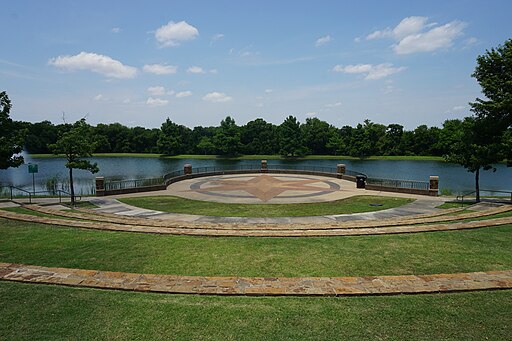
The city of Frisco has inked a design service agreement for the $43 million Phase 1 of the Grand Park project. Zoned on a 1,000-acre property, the city recently approved a master plan that splits the project’s vision into five distinct areas: Civic Park, Botanic Gardens and Nature Area, Adventure Play, Sports Park and Nature Center. Construction on the first phase of the project, consisting of Civic Park, is expected to begin in the third quarter of 2025.
Civic Park will feature a variety of recreational amenities for the local community, including an amphitheater lawn that can accommodate up to 7,500 people. The park will also include a stage, splash pad and climbing structure. The project will incorporate picnic pavilions, a dedicated food truck area and future development space into the park’s design.
The city will install a 5-acre pond with an accompanying beach and boardwalks. Plans include an orchard, woodland picnic area, boat house, gateway pavilions and a sculpture garden. The park will also feature flex lawn greenspace for events and parking. In addition, the project will install 6,350 feet of 12-inch water distribution pipe.
While the city has only approved construction for Phase 1 of the Grand Park project to date, the park’s master plan includes details for the future park additions. Once confirmed, the Adventure Play section will feature a great lawn, action play area, swings hill and three separate, unique playgrounds. Plans include gateway pavilions, picnic areas, a pond, treehouses, homestead structures, a slide hill and plenty of greenspace. The city will also include nature trails and parking.
The Sports Park will feature a baseball diamond, table tennis area, pickleball and tennis courts and a sand volleyball arena. The park will include basketball courts, a soccer field, dog park, disc golf course, skate park and cornhole boards. Plans also include a pond, flex lawn area and parking.
The Botanic Gardens and Nature Area will include an entry pavilion, conservatory, formal gardens and lawns, rose garden and restaurant. The city will build a labyrinth, nursery, greenhouses, discovery garden, woodland ramble, meadow garden and water features. The gardens area will also include nature trails and parking.
Finally, the Grand Park project includes a dedicated Nature Center. The center will include native gardens, a trailhead and meadow. In addition, the city will incorporate nature trails and parking.
(Photo courtesy of Michael Barera.)
| |
The city of Robinson will receive $9.7 million from the U.S. Department of Transportation (USDOT) to implement safety measures along high-injury networks. The funds will go toward the project’s $12.1 million total cost.
The city has identified five roads that have high rates of injuries and deaths involving pedestrians, bicyclists and motorists. These areas have poor visibility, speeding issues and outdated road signs.
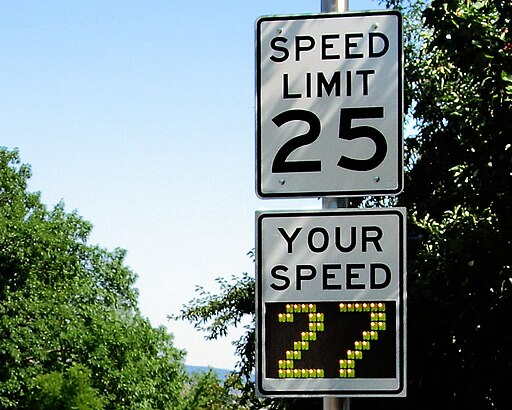
The project will update the street lighting and signage systems along those roads, fixing nighttime visibility issues. Plans include installing speed feedback signs to help deter dangerous driving and speeding. The city will also install a series of pavement delineation and rumbling strips. In addition, Robinson will initiate supplemental planning for a Safe Routes to School feasibility study.
USDOT allocated the funds through the Safe Streets for All (SS4A) grant program. The SS4A program is a five-year, $5 billion initiative that helps local, rural and tribal communities remediate some of the most dangerous roads in the country to prevent deaths and serious injuries. This award will be the city’s third, adding onto its $22.9 million award in 2022 and $288,000 grant in 2023 to advance ADA transition projects for trails and crossings.
Robinson, located just southeast of Waco, is one out of 453 projects that will receive a share of the recently announced $1.1 billion. This is the second round of SS4A funding for Fiscal Year 2024, with the first round releasing $63 million in May. Since 2023, the program has allocated $2.7 billion from the available $5 billion. USDOT expects to open the third and final round of Fiscal Year 2024 awards in November.
(Photo courtesy of Richard Drdul.)
|  | |
Suzy Whittenton
Chief Financial Officer
Texas Department of Public Safety
| |
Public career highlights and education: After I graduated from The University of Texas at Austin with a BBA in Finance, I spent five years in the private sector before my first state government position at the office of the governor. I have worked for six agencies as a CFO, finance professional or director of administration. For the past 10 years, I have served as the CFO for the Texas Department of Public Safety.
What I like best about my public service is: The array of career options is endless and provides significant personal fulfillment. I feel a real sense of accomplishment nearly every day.
The best advice I've received: Stay positive and thankful. Staying positive drives leadership, and success and makes life more enjoyable. Be grateful for all of your opportunities.
People might be interested to know that: My siblings are in the medical profession. I am the only sibling out of five who decided that a business background was more my speed.
One thing I wish more people knew about the Texas Department of Public Safety: While there is no greater responsibility of government than protecting its citizens, the agency is also responsible for programs such as driver licenses, crime records, 16 state crime labs, professional licensing of private security, polygraph examiners, license to carry, organizations dispensing low-level THC, motor vehicle inspectors, metal recycling and ignition-interlock devices.
| |
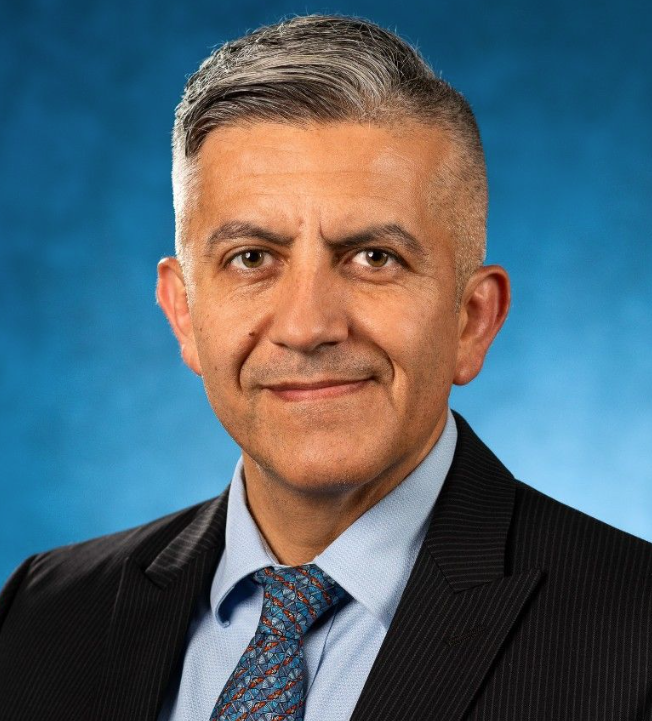
The Texas Department of Family and Protective Services (DFPS) has chosen Roberto Beaty to fill the position of chief operating officer (COO).
Prior to his recent appointment, Beaty served DFPS for more than four years as associate commissioner for program operations. This role is the latest in his nearly 20-year-long state government career. Beaty held leading roles with both the Texas Health and Human Services (HHSC) and Office of the Attorney General before joining DFPS.
Before stepping into the public service sector, Beaty worked in the private sector, focusing on management consulting and business process improvement. He earned his Master of Business Administration from the University of Hull in the United Kingdom. In addition, he received his Bachelor of Arts in industrial engineering from the Instituto Tecnologico y de Estudios Superiores de Monterrey in Mexico.
| |
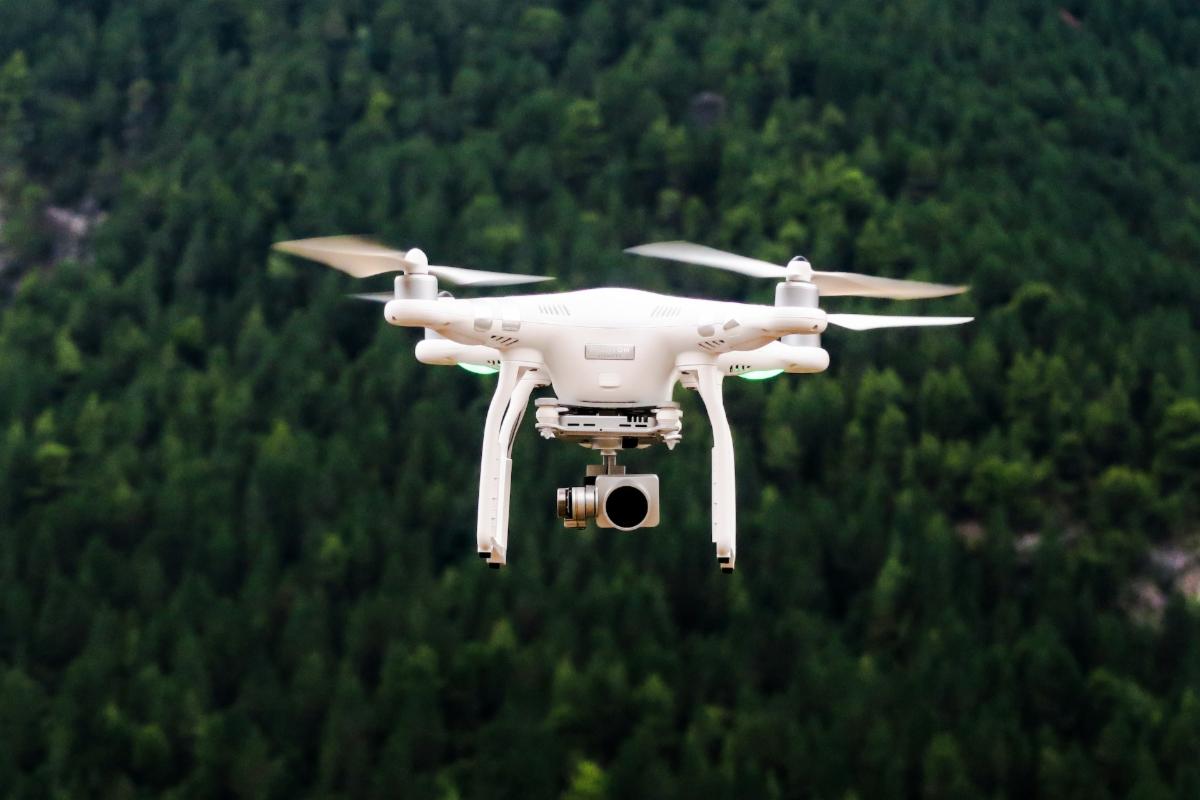
A state-of-the art outdoor netted drone facility is coming to The University of Texas at Arlington (UTA). The Maverick Autonomous Vehicle Research Center (MAVRC) will expand the university’s research and innovation capacity with autonomous and intelligent urban mobility systems.
Once completed, the facility will propel developments in the future of self-driving cars and home package delivery. The potential that these technologies offer local governments, companies, the community and UTA faculty and students is exemplified with the university’s recent pilot project delivering groceries with ground and air robots.
The pilot, which delivered groceries to nearly 150 homes in Arlington, is a product of the city’s partnership with UTA, the North Central Texas Council of Governments (NCTCOG) and other private entities. The partnership involves a two-year study into the feasibility of using no-emission or low-emission unmanned aerial vehicles (UAV) and four-wheeled robots to deliver essential food items. The city is planning a second demonstration in spring 2025.
The MAVRC will pave the way for more similar projects, determining how to advance autonomous machines to provide critical services when it's impractical or unsafe for people to perform the same work. The open-air design of the facility will enable researchers to test drones in all-weather conditions.
Once completed, the MAVRC will be a vital resource complementing existing autonomous vehicle research already underway at UTA. Researchers involved in the MAVRC project, for example, are developing an airborne computing platform to enable UAVs to provide first responders with better coordination during emergencies.
UTA will build the facility at the UTA Research Institute (UTARI) in Fort Worth, which already has a smaller indoor drone facility. The existing Autonomous Systems Laboratory (ASL) prioritizes research in controls design for autonomous vehicles. The ASL also focuses on cooperative control of networked teams, sensor networks and real-time implementation.
The MAVRC will provide researchers with the open space needed to effectively experiment with UAVs and innovate new ways to make them more efficient, cost-effective and versatile. These cutting-edge technologies offer several potential practical applications at state, municipal, commercial and local levels in a variety of contexts and environments. Use cases may include:
- Improving traffic management.
- Providing incident response.
- Inspecting infrastructure such as buildings, powerlines and pipelines.
- Monitoring the environment for forest fires, landslides and landfills.
- Assisting with search and rescue and border patrol.
(Photo courtesy of Jason Mavrommatis on Unsplash.)
| |
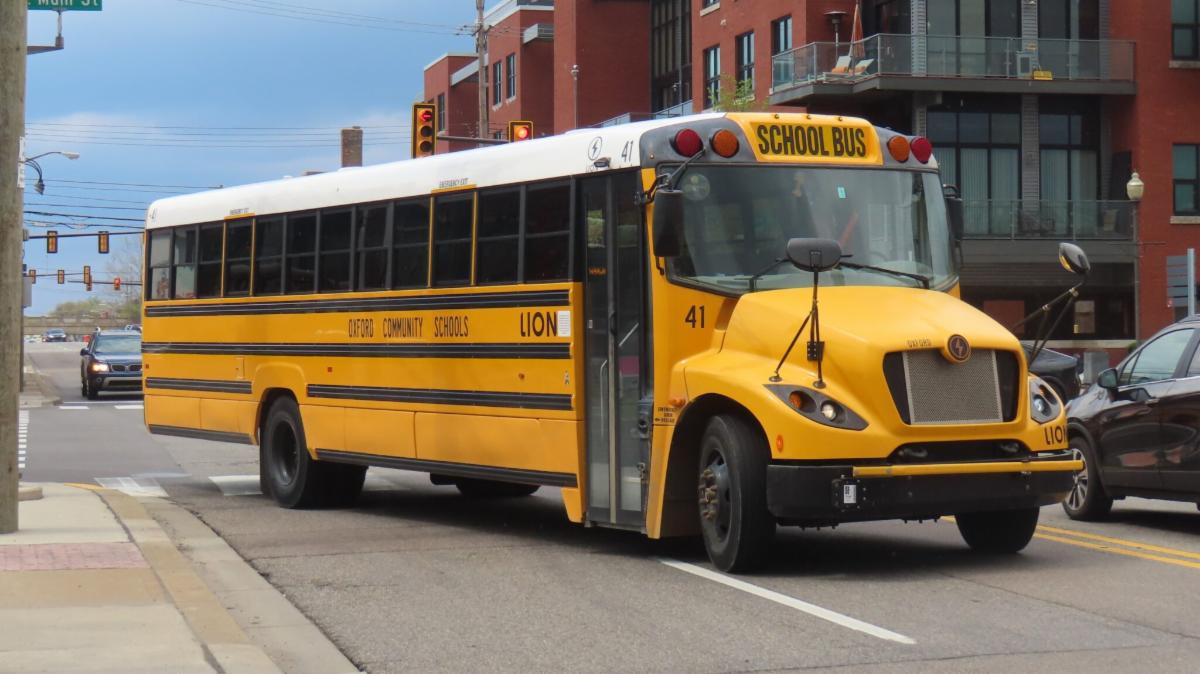
The U.S. Environmental Protection Agency (EPA) is opening the next round of rebates for a federal electric school bus program. By making $965 million in rebates available, the EPA will accelerate the national transition of the nearly 500,000 school buses to cleaner, zero-emissions technologies.
In this round, applicants can apply for rebates up to $325,000 per bus and up to 50 buses per application. Rebates can cover costs for buses, infrastructure and eligible training for personnel involved in operating and maintaining the new vehicles.
Click here for more information about the rebate program
(Photo courtesy of 42-BRT.)
|  | |
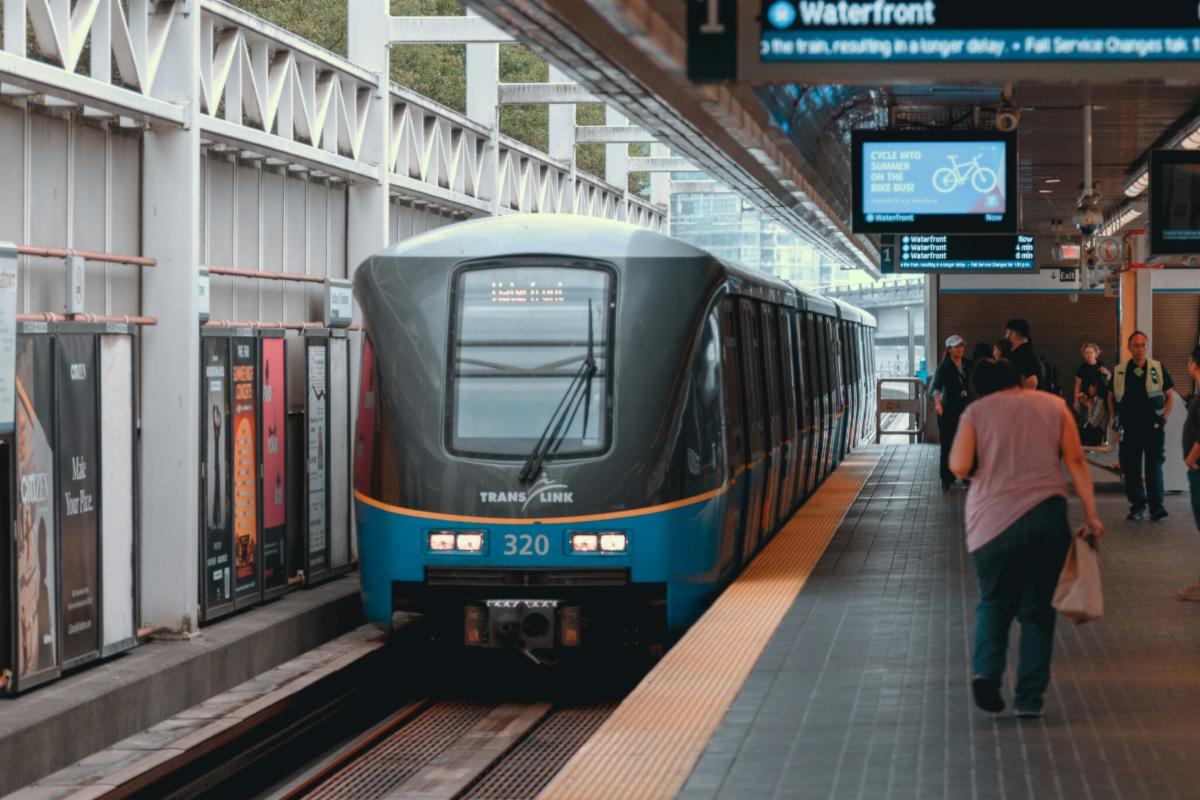
More than $1 billion in federal funding is being made available this week for projects to expand and modernize intercity passenger rail transportation.
The funding is being made available through the U.S. Department of Transportation’s (USDOT) Federal Railroad Administration’s (FRA) Federal-State Partnership for Intercity Passenger Rail Program. Applications are due by Dec. 16.
Click here for more information about this funding opportunity
(Photo courtesy of Albert Stoynov on Unsplash.)
| |
The U.S. Department of Transportation’s Federal Highway Administration (FHWA) is allocating $62 billion for road, bridge and tunnel projects in Fiscal Year 2025.
The funding is being allocated across all 50 states, the District of Columbia and Puerto Rico. Texas tops the list when it comes to funding for highway programs, with an allotment of over $5.4 billon.
Click here for more information about the funding
(Photo by Bernd 📷 Dittrich on Unsplash)
| |  |
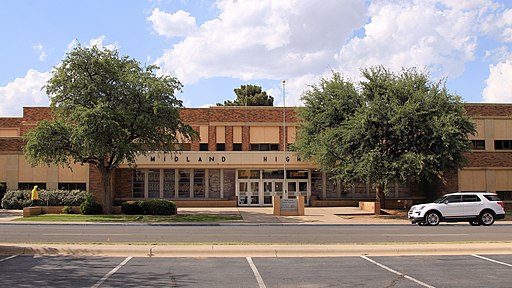 | |
The Midland Independent School District (MISD) will spend $985.2 million to build two high school campuses. The projects were approved by voters as part of the district’s $1.4 billion September 2023 bond election. Construction is expected to begin in summer 2025.
The current Legacy High School was built in 1961 and is no longer fit to accommodate the district’s growing student body effectively. The replacement campus will provide ample room for the current population and future growth, providing space for up to 4,200 students. The project will add and improve classrooms, expand the kitchen and dining room, install security vestibules and improve both interior and exterior accessibility.
The project scope incorporates several development improvements, including three baseball/softball, football, track and practice fields. The campus will feature tennis courts, a batting facility, concessions and a marching pad. MISD will build additional staff and student parking areas, a multipurpose facility, events parking, drop-off zones, a service yard and a visitor’s parking lot.
Midland High School was built in 1929 and, like Legacy, has been well over functional student capacity for years. The replacement school will accommodate up to 4,200 students and will resolve several issues with the existing campus.
The campus will feature nearly identical amenities to Legacy High School, including updated athletics fields, parking, courts, and other facilities. In addition, MIST will improve the campus’ infrastructure by patching and replacing concrete, striping parking, fixing irrigation leaks and remediating drainage issues.
Plans include repair and replacing exterior building material and fixing the roofing, patch and paint. Interior changes include similar work in addition to repairing and replacing damaged casework, ceiling tiles, doors and flooring.
Strategic Partnerships, Inc. tracks bonds like this in its Texas Bond Report. This comprehensive report features information on every public entity planning to hold a bond election. To purchase this report, click here.
(Photo courtesy of Larry D. Moore.)
|  | |
Amanda Crawford, CIO and executive director of the Department of Information Resources (DIR), has taken over as president of the National Association of State Chief Information Officers (NASCIO).
Crawford, who most recently served as vice president, will replace James Weaver, secretary and CIO of the North Carolina Department of IT.
Crawford has also served as secretary/treasurer and an executive committee member of NASCIO.
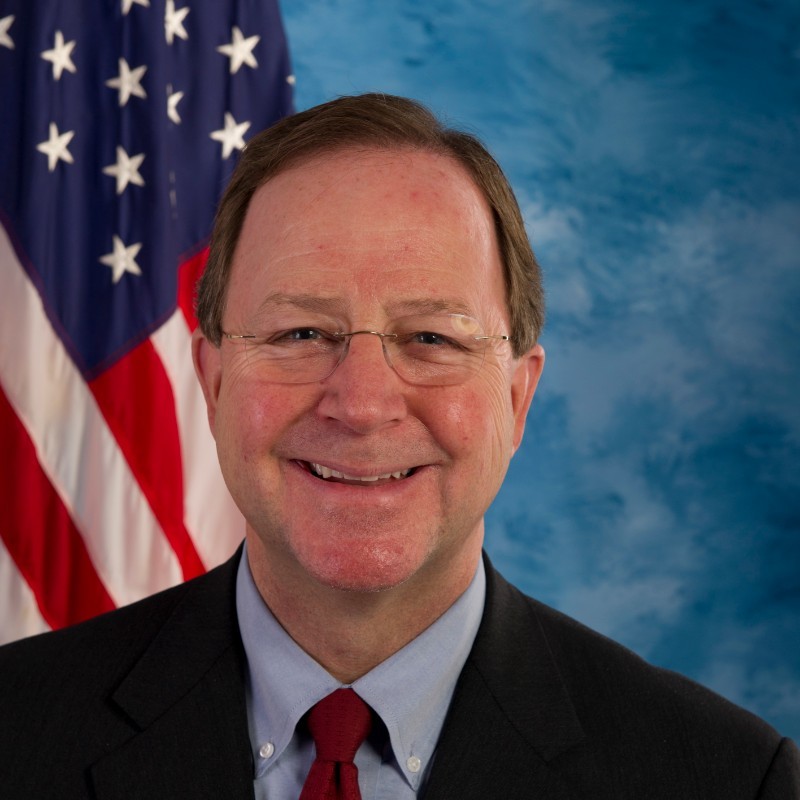
| The Electric Reliability Council of Texas (ERCOT) has appointed William H. “Bill” Flores as chair and Peggy Heeg as vice chair of the Board of Directors. ERCOT oversees Texas’ power grid and is responsible for managing the flow of power to more than 27 million customers. The network covers more than 54,1000 miles of transmission lines and 1,250 generation units. | |
Flores has served on the ERCOT Board of Directors since November 2021. During that time, he has been an independent director, chair of the Finance and Audit Committee, vice chair and interim board chair. He was elected as the representative of the 17th Congressional District of Texas from 2011 to 2021.
Flores brings 48 years of experience serving in executive leadership capacities for both private and public entities to the role. He succeeded Paul Foster as chair of the ERCOT Board of Directors. Flores served as interim board chair following Foster’s departure from the role in June 2024.
| |
Heeg has been with ERCOT since January 2022, serving as chair of the Human Resources and Governance Committee and as a member of the Audit Committee. She brings 34 years of public and private sector experience to the role, functioning as a board member for several energy companies and as a commissioner for the Texas Lottery Commission.
In addition, the ERCOT Board Selection Committee announced the second terms of service for five board members, including Flores and Heeg. Board directors serve three-year terms for up to three consecutive terms. The directors starting their second terms of service are:
- Bill Flores.
- Peggy Heeg.
- Carlos Aguilar.
- John Swainson.
- Julie England.
|  | 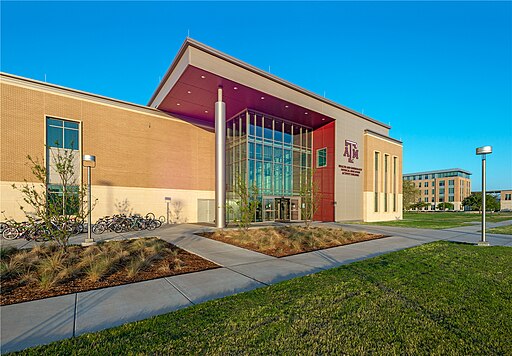 | |
Texas A&M University (TAMU) is seeking a designer for its $5.7 million pathway widening and construction project. The project will expand the university’s transportation system, enhancing both TAMU and College Station’s roadway network. Construction is expected to begin in summer 2025.
The project’s main focus will be on widening Penberthy Road from its current two-lane configuration to four lanes. As part of the project, the university will install a larger concrete pavement section and build two shared-use paths on either side of the roadway. Plans include installing inlets that will be integrated into the existing storm system.
While expanding the road, TAMU will reconstruct adjoining driveways at shared-use path crossings. The reconstructed sections will feature raised crossings, a brick paver crosswalk and green crossing paint for bikes. The project will include centerline striping, lane delineation and additional bike and pedestrian crossing zones.
The city will improve all intersection crosswalks for pedestrians and bicyclists with updated paint and road treatments. Plans include providing enhanced pedestrian signage at midblock crossings, installing pipe gates at driveway entrances and electric sign boards to all Lot 100 entrances.
The project will feature a mixture of trees and shrubs along sidewalks and roadways. The university will install street lighting according to the university's light pole and fixture standards.
(Photo courtesy of Maureen.allen.)
|  | |
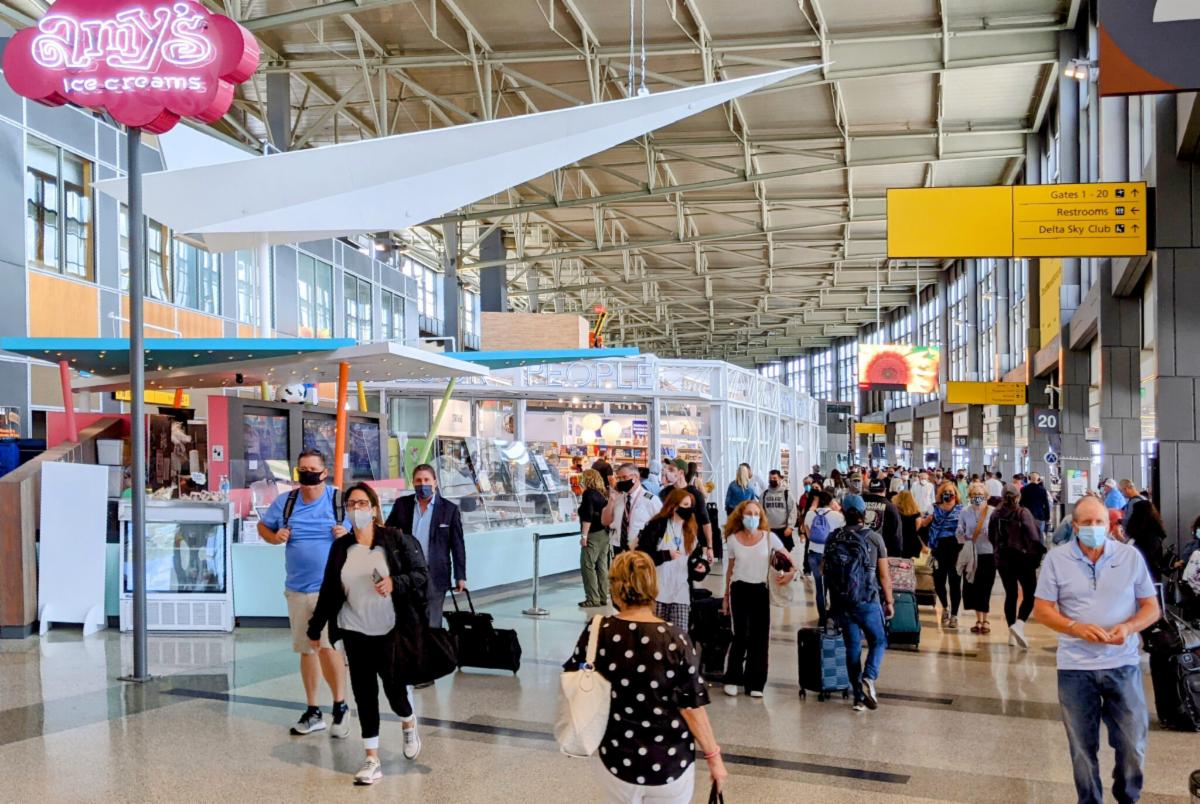
Big changes are coming to Austin-Bergstrom International Airport (AUS) following the Austin City Council’s approval of $1.9 billion in contracts for the airport’s Journey With AUS expansion program.
The program includes numerous projects designed to help AUS, which has regularly broken passenger records, meet the needs of the growing Central Texas region.
Click here to learn more about contracting opportunities
(Photo courtesy of Lars Plougmann.)
| |
Duncanville has welcomed Kevin Hugman back as assistant city manager of operations. Hugman previously served as Duncanville’s city manager from 2015 to 2020. He brings more than 27 years of municipal government experience to the role. Before Duncanville, Hugman was parks and recreation director and human resources director in Southlake and assistant city manager for Wichita Falls.
| |
Kelsee Jordan Lee has been selected to take over the role of assistant city manager for Fulshear. Lee most recently served as planning and economic development director for the city of Cibolo. She will officially succeed Zach Goodlander on Oct. 28, 2024.
| |
Gov. Greg Abbott announced these appointments and reappointments from Sept. 27 through Oct. 3:
Texas Municipal Retirement System Board Of Trustees
Jim Parrish - Anna
Statewide Health Coordinating Council
Dakota Marks - Huntington
Emily Hunt, D.N.P. - Houston (reappointed)
Texas Economic Development Corporation Board Of Directors
Tom Mason - Dallas
Texas Commission On Law Enforcement
Sergio Saenz - Mission
Texas Crime Stoppers Council
Cheryl Sinacola - Fairview
Jarrod Robertson - Amarillo
Gregory New - Waxahachie (reappointed)
| |
Texas Government Insider is a free weekly newsletter detailing important happenings throughout the state and summarizing current political issues relevant to individuals interested in government.
Publisher: Mary Scott Nabers
Editors:
Adam Rollins
Dave Doolittle
| |