|
Just over a decade ago, a sweeping trend was very noticeable as state agencies, cities, counties, transit authorities and higher education institutions added Innovation Officers at the executive levels of organizational charts. These individuals were hired to play a strategic role – one that would incorporate new thinking into operations. The primary objective in adding this position was to stimulate thinking and action about meeting critical needs in new ways.
Most innovation officers have focused on ways to improve citizen services, create more efficiencies, reduce resources and enhance safety. And all innovative initiatives have included-leading edge technology.
The result has been that public sector innovation officers are significantly increasing the demand for all types of technology in government-funded projects. Many upcoming projects that will be launched by innovation officers in 2025 are currently on drawing boards or under discussion, but the following examples provide insight into the types of opportunities that can be expected from just one segment of government – transit authorities and departments of transportation – next year and for the next several years.
The Alabama Department of Transportation, in 2022, launched a project to alleviate traffic congestion along Interstate 65. The agency and the chief innovation officer only had a budget of $5 million but tackled a large initiative that called for the use of cutting-edge technologies, including artificial intelligence (AI) and real-time data systems that could predict and manage traffic patterns. The project’s objective was to adjust traffic signals and lane designations based on current conditions to reduce delays and improve traffic flow. The effort was designed to specifically improve the management of traffic during peak hour.
All state DOTs struggle continually to find ways to decrease traffic congestion, so it is obvious that other upcoming projects will focus on the same problem. Technology will definitely be in high demand as innovative and improvement projects related to transportation improvement are launched in the future.
Click here for more
| |
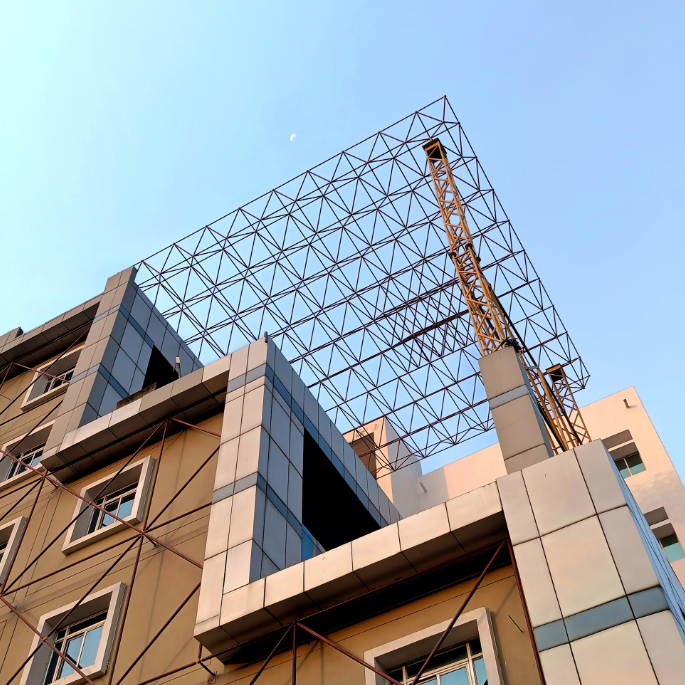
The Tarkington Independent School District (TISD) expects to spend $80 million on critical infrastructure improvement projects across the district. These projects will focus on building schools, renovating campuses and expanding facilities. Residents will be able to vote on the future of these projects during the Nov. 5, 2024, bond election.
The largest project on the ballot is the construction of an elementary campus. If approved, the school will help accommodate the school’s growing student population by building a dedicated facility on an unused plot of land. The 110,000 square foot school will have a 900-student capacity.
TISD will make extensive renovations at the early childhood center, prioritizing deficient infrastructure by repairing roof leaks, painting the interior, upgrading flooring and installing ceiling tiles. Plans include upgrading the plumbing and restrooms, installing LEDs and controls, improving the gym and ensuring the facility is ADA-compliant.
The district will make identical improvements to the middle school. In addition, the project will renovate the cafeteria and kitchen to provide more space, build a security vestibule that meets ADA compliance standards and install a main entrance canopy. Plans include renovating the science lab, installing telescoping bleachers in the gym and building covered walkways.
The high school will receive significant renovation work alongside an additional wing for the building’s Career and Technical Education (CTE) program. The district will add more classrooms, expand and renovate the agriculture shop, install fencing and gates and renovate the science labs. The project will include similar infrastructure improvements for LEDs and controls, roof leaks, ADA-compliant interior signage and upgraded HVAC.
TISD will expand and renovate two band halls and an auditorium. Plans for the high school band hall include increasing its rehearsal space, building practice rooms and providing more storage. The district will add soundproofing and carpet to the middle school band hall. The middle school auditorium will receive an upgraded sound system, lighting and stage repairs.
In addition to the other improvements, TISD will perform additional renovations across the district. These will include upgrading the utilities, parking lot lighting and campus marquees. The district will also upgrade and repair the mechanical, electrical and plumbing systems and wastewater management plant. Plans include building districtwide security vestibules and upgrading entry access hardware systems.
This article was written using information found in the Texas Bond Report from Strategic Partnerships, Inc. This comprehensive report features information on every public entity planning to hold a bond election. To purchase this report, click here.
(Photo courtesy of Abhinav Anand on Unsplash.)
|  | |
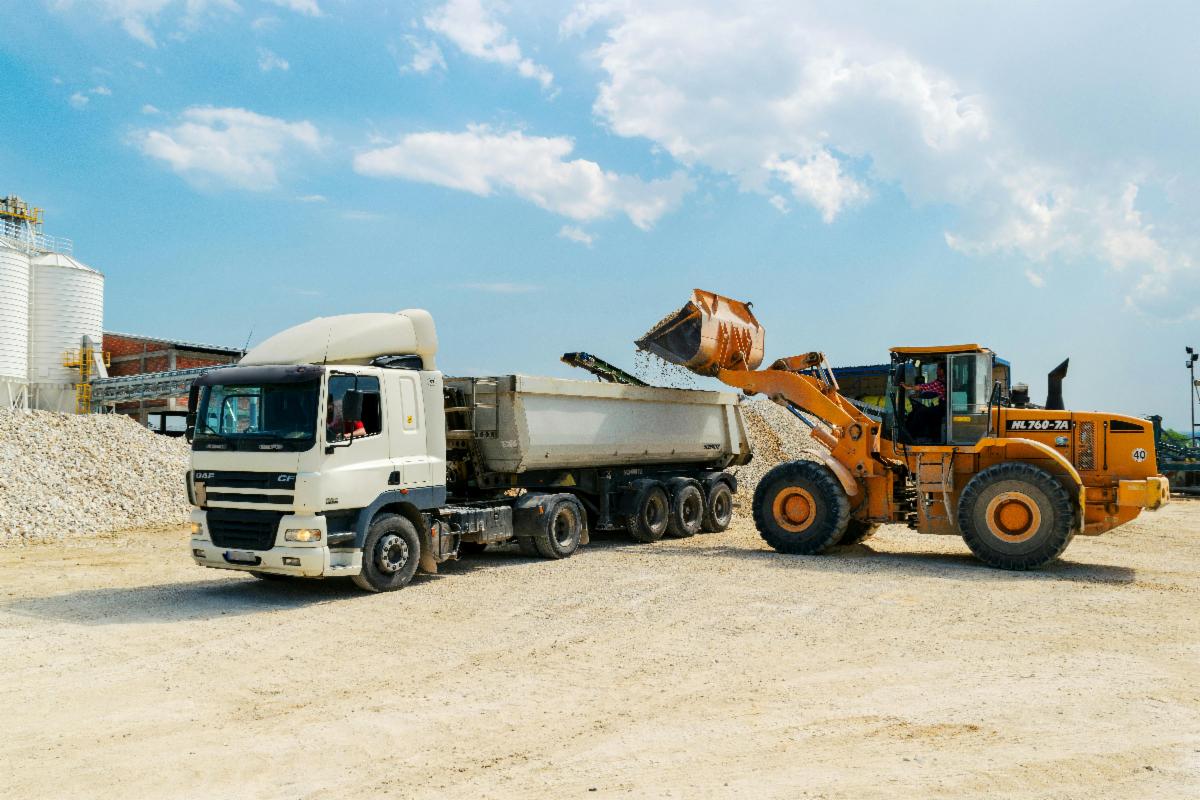
The Texas Commission on Environmental Quality (TCEQ) is making $25 million available to replace motor vehicles with natural gas-powered alternatives. Applications are due March 4, 2025, on a first-come, first-served basis.
The grants come from the Texas Natural Gas Vehicle Grant Program (TNGVGP), an initiative dedicated to replacing or repowering heavy- or medium-duty vehicles with natural gas vehicles or natural gas engines. Alternative natural gas fuels include compressed natural gas (CNG), liquefied natural gas (LNG) and liquefied petroleum gas (LPG).
Eligible applicants include individuals and entities that operate on-road heavy- or medium-duty vehicles registered in Texas. Applicants may replace fossil fuel-powered vehicles or engines with vehicles of the same type and class. Recipients may receive up to 90% of the incremental cost for the replacement or conversion of old vehicles and engines.
Replacement vehicles must be certified by the Environmental Protection Agency (EPA) to meet emissions standards and emit at least 25% less nitrogen oxides (NOx) than the old vehicle. Additionally, all replacement natural gas vehicles must weigh more than 8,500 pounds. Applicants may not replace dump trucks with ones that have a sleeper cab. Replacement engines must receive at minimum 60% of their power from CNG, LNG or LPG.
Applicants interested in repowering and converting diesel- or gasoline-powered engines to natural gas must also meet several EPA standards. The EPA must certify these replacement engines and conversion systems to:
- Meet the current federal emission standard or a lower family emissions limit (FEL).
- Produce minimally 25% less NOx than the engine being replaced.
- Be approved by the TCEQ for installation.
- Receive at least 60% of its power from CNG, LNG or LPG.
Submissions must be placed through the TCEQ’s third-party site. Participants may also submit applications by mail.
(Photo courtesy of Ivan on Pexels.)
| |
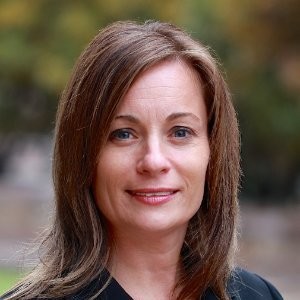
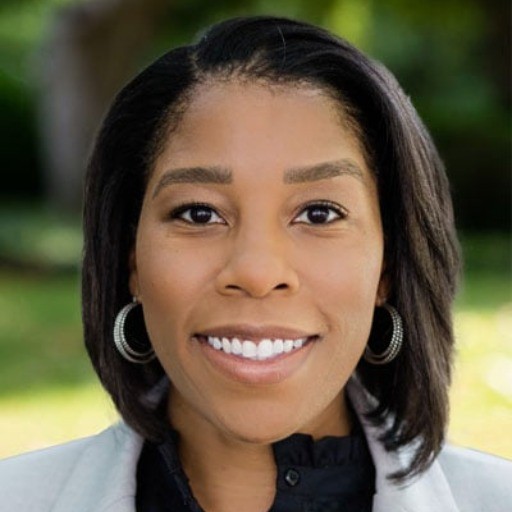
Gov. Greg Abbott has promoted Tonya Miller to serve on the Texas Water Development Board (TWDB). The TWDB is the primary agency responsible for providing planning, financial and technical assistance for water development projects across the state. With Miller’s appointment, the board is staffed entirely by women for the first time in Texas history, alongside Brooke T. Paup and L’Oreal Stepney.
Before her appointment to the TWDB, Miller operated as vice president of wholesale power strategic projects and optimization for the Lower Colorado River Authority. She has held several other key leadership positions with multiple Texas departments, including executive director of the Texas Solar Power Association and director of the Office of Air at the Texas Commission on Environmental Quality (TCEQ).
Miller has previously served as public counsel and chief executive officer for the Office of Public Utility Counsel, assistant director and special counsel for the Radioactive Materials Division at TCEQ and as legislative liaison for TCEQ. In addition, Miller is a member of the State Bar of Texas, is formerly a Financial Research Institute Advisory Board member and ex-officio Electric Reliability Council of Texas board member.
Miller has a Juris Doctor and Bachelor of Science in Business Administration from the University of South Dakota.
| |
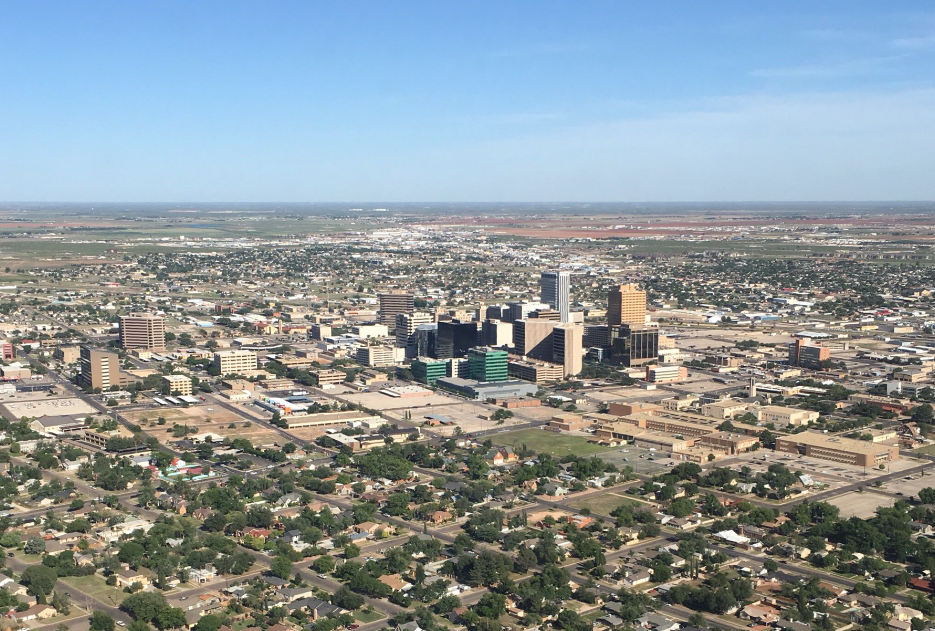
The United States Department of Transportation (USDOT) provided $8.7 million to support the city of Midland’s Vision Zero plan to improve street infrastructure and protect non-motorized travelers. The funds will go toward the project’s total $10.8 million cost.
The Strengthening Roadway Safety in Midland, Texas for All Road Users (SRSARU) project will prioritize improving the Lamesa Road corridor and intersections across the city. Plans for the Lamesa Road Corridor project include improving 1.4 miles of road to reduce red light running and failure to yield to pedestrians and bicyclists.
The city will address signal timing and mobility issues along all city intersections. The project will improve intersection signals to give pedestrians and bicyclists additional time to cross the street. Plans also include building or rebuilding curb ramps to be ADA-compliant and enhancing lighting for better visibility.
USDOT allocated the funds through the Safe Streets for All (SS4A) grant program. The SS4A program is a five-year, $5 billion initiative that helps local, rural and tribal communities remediate some of the most dangerous roads in the country to prevent deaths and serious injuries. This award will be the city’s third, adding onto its $22.9 million award in 2022 and $288,000 grant in 2023 to advance ADA transition projects for trails and crossings.
Midland is one out of 453 projects that will receive a share of the recently announced $1.1 billion. This is the second round of SS4A funding for Fiscal Year 2024, with the first round releasing $63 million in May. Since 2023, the program has allocated $2.7 billion from the available $5 billion. USDOT expects to open the third and final round of Fiscal Year 2024 awards in November.
(Photo courtesy of Dclemens1971.)
| |
Cray Crouse
Chief Information Officer
City of Bryan
| |
Public career highlights and education: I started my public service journey as a helpdesk technician for the city of Bryan. I spent a year as customer service manager for Montgomery County before coming back to Bryan. Since then, I have served in many roles from network administrator, helpdesk supervisor, deputy CIO and as CIO for the last couple of years. I graduated Tarleton State University, focusing in Information Technology.
What I like best about my public service is: My favorite aspect of public service is that the work we do really matters. In Technology, we are privileged to support the people who save lives, deliver critical utility services, parks and public works staff among many others.
The best advice I've received: A trusted mentor told me to accept blame and pass praise. It took a long time and much self-reflection to learn that it’s not about me. Leadership is about celebrating the accomplishments of others and not seeking the limelight.
People might be interested to know that: I had the opportunity to teach classes at Blinn College regarding various technology subjects, which was a very enjoyable addition to my day job.
One thing I wish more people knew about the city of Bryan: Information Technology is about service, as we only exist so others can do their job more effectively. It’s easy for this to get lost in the shuffle when the difficulties of technologies arise.
| |
The University of Houston (UH) has joined the Energy Storage Research Alliance (ESRA), a national Energy Innovation Hub (EIH) dedicated to advancing battery innovation and energy storage. The hub will prioritize projects that contribute to a clean energy future, improve grid reliability, optimize renewable energy usage, reduce emissions and develop clean energy technologies.
The ESRA is one of two innovation hubs funded by the Department of Energy, receiving half of a $125 million investment to develop next-generation technologies to overcome critical battery barriers. Argonne National Laboratory leads the ESRA, composed of three national laboratories and 12 universities.
The hub will research and develop projects in three interconnected focus areas – liquids, soft matter and condensed matter phases. The EIH will leverage the skills and experience of 50 researchers to break ground in materials chemistry. The resulting projects will increase the nation’s understanding of electrochemical phenomena at the atomic scale and enable innovations in energy storage technologies.
A critical aspect of these projects is the development of high-energy density, long-duration batteries made from inexpensive, common materials. The hub endeavors to create batteries that surpass the limitations and performance standards of lithium-ion technology. The ESRA’s batteries will feature long-duration storage, remain usable for decades at a time and never spontaneously combust.
Yan Yao, UH Cullen College of Engineering professor and principal investigator at the Texas Center for Superconductivity, brings unique expertise suited for these goals. Yao specializes in using low-cost organic materials called quinones to increase energy density, electrochemical stability and safety in next-generation batteries. These materials can be easily synthesized from plants and food.
Yao will serve as deputy lead of the soft matter scientific thrust and principal investigator for UH’s portion of the project. He will work alongside Pieremanuele Canepa, UH assistant professor of electrical and computer engineering, to investigate phase transitions in materials to enable solid-state batteries.
(Photo courtesy of jarmoluk on Pixabay.)
| |
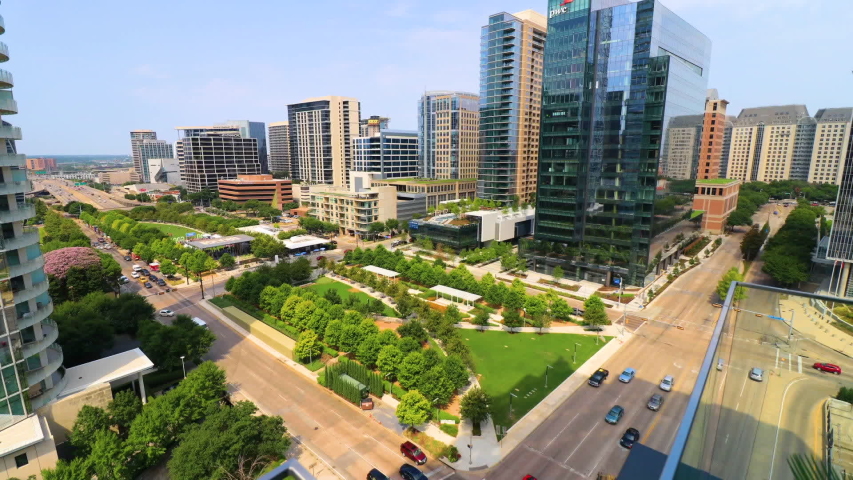
Plans to reconnect neighborhoods bisected by a highway in Dallas using deck park bridges are moving forward after the Dallas City Council voted to greenlight its portion of funding for the project, totaling about $187 million.
The parks will be built over Interstate 30 on Lamar Street and between South Ervay Street and Harwood Street near Old City Park, bridging together communities that were separated decades ago when the freeway was constructed.
Click here to learn more about the Dallas highway project
(Photo courtesy of 75316serk.)
| |
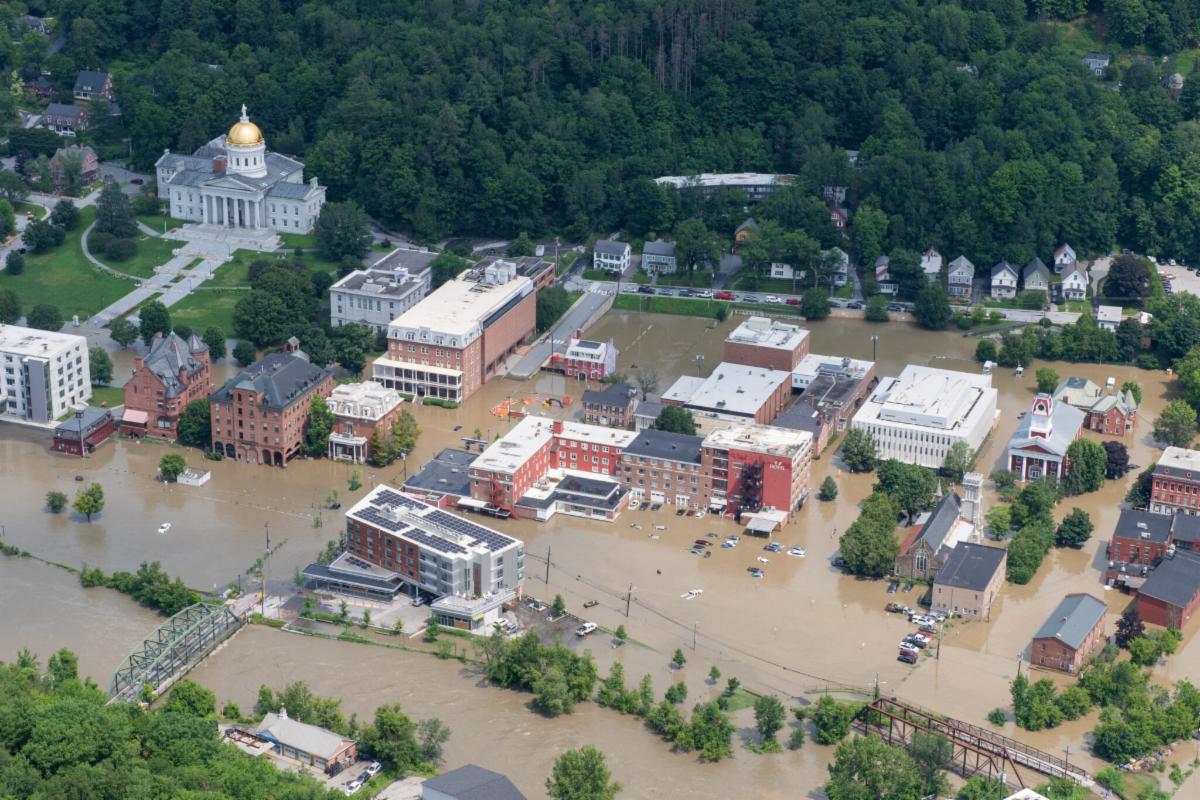
The Federal Highway Administration’s (FHWA) emergency relief allocations to help states repair and rebuild roads and bridges damaged during storms, flooding, mudslides and other natural disasters will total $802 million for 2024, the FHWA recently announced.
Repairs in 36 states, Guam and Puerto Rico will receive federal reimbursement funding through the program this year, the FHWA said.
Click here to learn more about how recipients will use the disaster relief funds
(Photo courtesy of Senior Master Sgt. Michael Davis, U.S. Air National Guard.)
|  | |
The U.S. Department of Transportation (DOT) is announcing $49.46 million in grants to public entities at the local, regional and state levels through the Innovative Finance and Asset Concession Grant Program (IFACGP), established under the 2021 Bipartisan Infrastructure Law (BIL). More than 70% of the projects receiving funding involve transit-oriented development (TOD) and downtown revitalization efforts, aligning with the administration’s goals of increasing housing availability and reducing costs.
The grant program consists of $100 million over five years to assess current assets to maximize their value and explore financing and project-delivery options, such as the Build America Bureau’s low-cost loan program under the Transportation Infrastructure Finance and Innovation Act (TIFIA). Grants can go up to $2 million, with no matching funds required for the first million dollars.
Click here for more information about TOD and housing investments
(Photo courtesy of Chris Greninger.)
| |
The U.S. Department of Health and Human Services (HHS) is announcing a funding opportunity aimed at revolutionizing healthcare with up to 15 grants across the country. The announcement comes through the HHS’ Agency for Healthcare Research and Quality (AHRQ). The Notice of Funding Opportunity (NOFO) will introduce the establishment of state-based Healthcare Extension Cooperatives and begin development on the Healthcare Extension Service program.
In a bid to address pressing health disparities, particularly among Medicaid recipients, the uninsured and medically underserved populations, AHRQ plans to award grants over five years. The initiative includes a special focus on behavioral health and will provide significant support to local health care systems in their quest to enhance care delivery and reduce disparities.
Click here to learn about the HHS NOFO
(Photo courtesy of the National Cancer Institute on Unsplash.)
| |  |
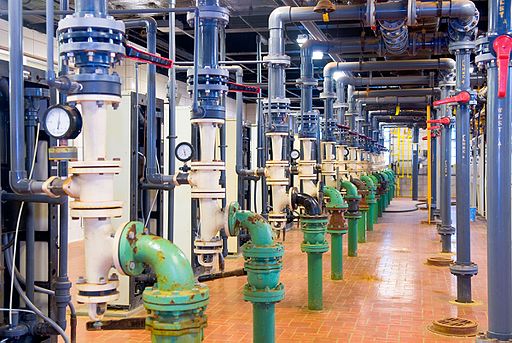 | |
The Texas Water Development Board (TWDB) will allocate $98.7 million across 12 projects to improve water systems, replace treatment plants and address emerging contaminants.
Some of the project receiving funding include:
The East Rio Hondo Water Supply Corporation (ERHWSC) will receive two awards totaling $33 million to expand and improve two water treatment plants.
The corporation will use $19 million to expand the North Cameron Reverse Osmosis Treatment Plant (WTP) from 2.3 million gallons per day (mgd) to 5 million. This will cover the project’s first phase and will build two groundwater wells, two reverse osmosis (RO) trains, cartridge filters, RO feed pumps, clean-in-place equipment, chemical feed equipment, a degasifier and high-service pumps. Plans also include improving the building’s site process piping, electric, controls and instrumentation. Construction is expected to begin in June 2026.
The remaining $14 million will allow ERHWSC to upgrade the Martha Ann Simpson WTP’s disinfection system and emergency backup power source. The project will install a dissolved air flotation system and a series of upgrades including flocculation basins, dissolved air flotation basins and mechanical support systems. The corporation will also install an emergency generator to support a waterworks pump station. Construction is expected to begin in June 2026.
The TWDB will provide $17.5 million to help the city of Mason mitigate leaks in its water system. The city will replace around 56,000 feet of 6- and 10-inch water lines. Plans include using these lines to remove leaks, prevent water loss and loop the city’s distribution system. In addition, the city will build a 200,000-gallon storage tank. Construction is expected to begin in March 2026.
The city of Crockett will receive two grants totaling approximately $16 million to improve water and wastewater systems. The city will use $11.7 million to rehabilitate its wastewater treatment plant (WWTP), replace failing equipment and address sewer system overflows. Plans include replacing a mechanical bar screen chamber, grit chamber, final clarifiers, aeration basin, aerobic digester, sludge dewatering and other relevant equipment. In addition, the project will improve the plant’s structure and electrical system. Construction is expected to begin in December 2026.
The remaining $4.3 million will help improve the city’s water system. Plans include building a water well and accompanying transmission and treatment facilities. The completed project will provide the city with better operational control and disinfection management for water safety and supply capacity. The city will also develop an asset management plan. Construction is expected to begin in December 2026.
The city of Bronte will use $15 million to replace and relocate their existing WTP. The project will also expand its capacity and combine micro or ultra-filtration with reverse osmosis to remove lithium from the water supply. Construction is expected to begin in December 2025.
(Photo courtesy of the USEPA Environmental-Protection-Agency.)
|  | |
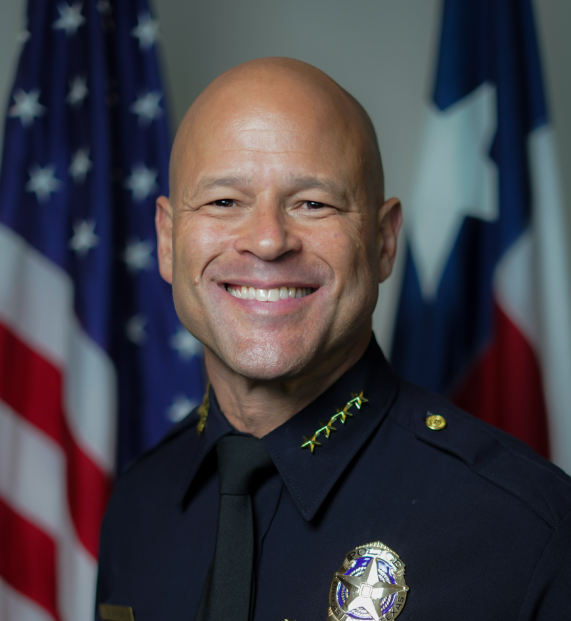
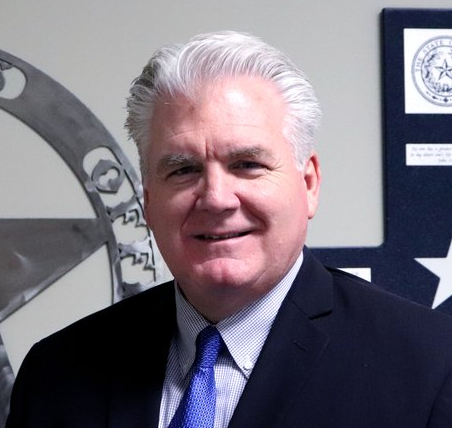
Austin City Manager T.C. Broadnax has chosen Edgardo Garcia as assistant city manager. Garcia will officially assume his duties Nov. 4, 2024.
As assistant city manager, Garcia will oversee the city’s public safety portfolio. These include the Austin Fire, Austin Police, Austin/Travis County Emergency Medical Services, Downtown Austin Community Court, Forensic Science and Homeland Security and Emergency Management departments.
Garcia brings more than three decades of public safety experience, responsible for furthering efforts to build community trust, increase transparency and utilize fair, impartial constitutional policing. He will leave his role as chief of the Dallas Police Department to accept the position.
Garcia is also the president of the Major Cities Chiefs Association. He was recently elected to oversee the organization, composed of police executives from the United States and Canada.
|  | |
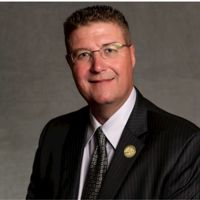
Mark Jones has been appointed to the Board of the Texas Department of Motor Vehicles (DMV). The DMV oversees activities pertaining to vehicle registration, regulation of vehicle dealers and grants to reduce vehicle burglaries and thefts. His term will end Feb. 1, 2029.
Jones brings extensive experience in the auto industry to the board, currently serving as CEO of a car dealership company. His CEO role is his latest in a long history of leadership roles, previously serving as president of the Texas Independent Automobile Dealers Association, the Fort Worth Independent Automobile Dealers Association and trustee for the National Independent Automobile Dealers Association Foundation.
Jones is a frequent volunteer for several non-profit and community-based organizations. He holds a Bachelor of Arts in Broadcast Communication from The University of Texas at Arlington.
|  | Nancy Rainosek has retired as chief information security officer (CISO) of the Texas Department of Information Resources (DIR). Deputy CISO and State Cybersecurity Coordinator Tony Sauerhoff will succeed her immediately. | |
Rainosek joined DIR in 2013, later accepting the CISO role in 2017. During her tenure as CISO, Rainosek oversaw critical cybersecurity initiatives, including the deployment of Regional Security Operations Centers, the Texas Information Sharing and Analysis Organization and the Statewide Portal for Enterprise Cybersecurity Threat, Risk and Incident Management.
Rainosek will continue to serve as DIR’s executive cybersecurity strategist until her official retirement in December 2024.
| |
Sauerhoff is a communications and cybersecurity veteran with more than three decades of experience. He joined DIR in January 2022 after serving as a circuit IT security officer for the United States Courts. He has a Master of Science in Information Security and Privacy from The University of Texas at Austin.
| |
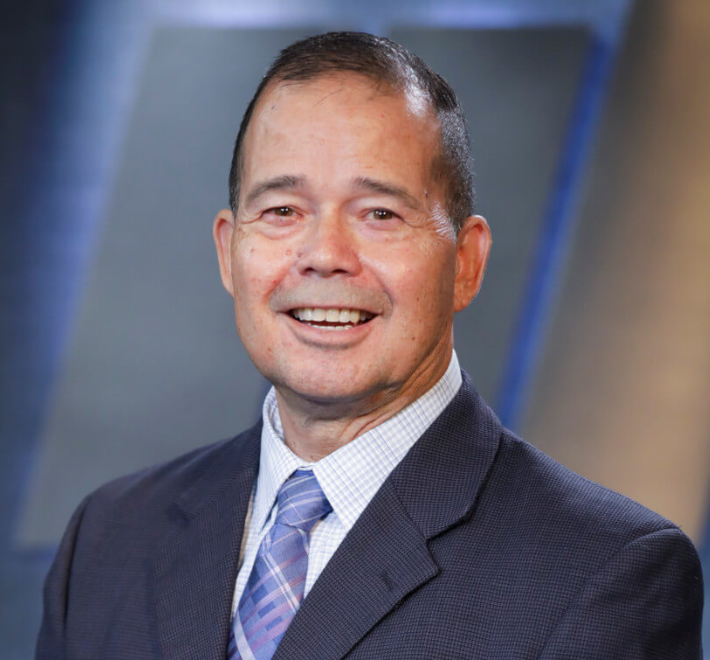
Chris Miller has been chosen to lead the Capital Area Council of Governments (CAPCOG) as executive director. Miller brings more than three decades of local government and consulting experience to the role. Before joining CAPCOG, he was county administrator and general manager service authority for King George County, Virginia. He has officially succeeded Betty Voights.
| |
The city of McAllen welcomes David Vasquez as director of finance. Vasquez brings 13 years of municipal experience to the position. He most recently served as finance director for the city of Donna.
| |
Terri Osborne, Ed.D., will leave her current role as assistant superintendent of secondary schools for Aldine ISD to join Killen ISD as deputy superintendent. This will be Dr. Osborne’s latest role in her 16-year career. She has also served as a high school principal for two schools, assistant principal and dean of students. She will officially begin Sept. 30.
| |
On Sept. 9, Attorney General Ken Paxton made Austin Kinghorn deputy attorney general for legal strategy for the Office of the Attorney General. Kinghorn previously served the Office as associate deputy attorney general for legal counsel. He brings more than 12 years of public legal experience to the role, serving in both the Attorney General’s Office and the Supreme Court of Texas.
|  | |
Gov. Greg Abbott announced these appointments and reappointments from Sept. 13 through Sept. 19:
Texas Medical Board District Four Review Committee
Glena Yates - Horseshoe Bay
Mary Green, M.D. - Marble Falls
Chris Putnam, Ph.D. - Spicewood
Shirlene Samuel, D.O. - Austin (reappointed)
Task Force On Infectious Disease Preparedness And Response
Jack Franklin Jr., M.D. - Llano
Andrew Cortez - Corpus Christi
Firefighters’ Star Of Texas Award Advisory Committee
Stephen “Steve” Eck - Fort Worth
Texas Water Development Board
Tonya Miller - Austin
Board Of The Texas Department Of Motor Vehicles
Mark Jones - Mansfield
Texas Violent Gang Task Force
Victor Bedolla, Jr. - Houston
Texas Medical Board District One Review Committee
Laurel Simmons - Houston
Rajesh Shenava, M.D. - Houston
Mark Hobson - Houston
David Davila, D.O. - Cypress
Texas State Affordable Housing Corporation Board Of Directors
Ernest Richards - Dallas
Brazos River Authority Board Of Directors
Jerry “Kenny” Weldon, II - Stephenville
Southern Regional Education Board
Representative Brad Buckley, D.V.M. - Salado (reappointed)
|  | |
Texas Government Insider is a free weekly newsletter detailing important happenings throughout the state and summarizing current political issues relevant to individuals interested in government.
Publisher: Mary Scott Nabers
Editors:
Adam Rollins
Dave Doolittle
| |