|
School district construction throughout the U.S. is rampant currently, and it promises to be the same in 2025. That’s probably because a report from the U.S. Government Accountability Office noted that 54% of all schools in America were in dire need of updates or complete building replacements as long ago as 2020. In fact, the report outlined an estimated $1.1 trillion that would likely be needed to modernize and replace outdated school facilities.
Most funding for public school upgrades comes from state and local budgets, and the available funding is much more abundant in some regions. School districts usually issue voter-approved bonds to pay for large-scale projects such as new buildings, equipment upgrades and sports facilities.
The Avondale School District in Michigan will soon embark on a comprehensive $150 million infrastructure and facilities modernization project. The planned upgrades will focus heavily on enhancing safety and security across all district campuses. New emergency alert systems, fire alarms, and PA equipment will be added, along with significant improvements to access control systems and security cameras.
One key component of this initiative will be the construction of a new $32.9 million Early Childhood Center. It will feature 20 state-of-the-art classrooms designed to provide a nurturing and advanced learning environment for approximately 300 children. Additional districtwide enhancements will include modernizing instructional spaces, replacing playgrounds, and upgrading both high school and middle school art facilities. Athletic facilities will be modernized, including replacing high school running tracks, updating tennis courts and enhancing lighting systems. Construction will begin in 2025.
Fayette County Public School officials plan to construct a new Henry Clay High School facility in Lexington, Kentucky. The new building will replace an outdated and pest-infested one that relies on portable classrooms for students. The $151.6 million project will deliver a three-story facility capable of accommodating 2,300 students. It will have secure outdoor learning areas and possibly an amphitheater.
The new high school will be built on the current high school campus. The project will locate the baseball and softball fields together so that all athletic facilities are centralized. About 70 more parking spaces will be added. The old high school will remain in operation until the new high school opens, after which the old building will be demolished. A construction launch is planned for 2025.
Click here for more
| |
The National Center for Advancing Translational Research (NCATR) has allocated $44.2 million to the University of Houston (UH) and Baylor College of Medicine (BCM) to establish the Consortium for Translational and Precision Health (CTPH). The CTPH will be a regional hub dedicated to driving clinical translational science innovation.
The hub will fund pilot projects and provide the necessary resources for ongoing research. This includes providing access to clinical data, assisting with community outreach or helping with study planning.
The CTPH will draw on the expertise from 10 UH colleges to improve population health outcomes. Both institutions will leverage basic science, translational research, health services and pharmaceutical sciences to develop and deploy innovative solutions for healthcare, policy and clinical research.
NCATR distributed the funds through the Clinical and Translational Science Award (CTSA) Program, an initiative dedicated to helping medical institutions advance critical research and scientific innovation in the healthcare field. The CTSA currently funds more than 60 medical institutions across the nation.
(Photo courtesy of Jaron Nix on Unsplash.)
| |
Texas officials have announced a $148 billion investment in the state’s transportation infrastructure. This includes the Texas Department of Transportation’s (TxDOT) approval of a $104 billion, 10-year plan designed to improve safety, reduce congestion, improve connectivity and maintain roadways across the state. On top of that, more than $43 billion is allocated for development and routine maintenance, marking a $5.6 billion increase from the previous year’s total investment.
Many of the projects in the 2025 Unified Transportation Program (UTP) target roadway segments listed among Texas’ 100 Most Congested Roadways. Funding for Texas Clear Lanes congestion-relief projects in the state’s largest metro areas will increase by $1.9 billion, contributing to the $75.8 billion total investment in completed, ongoing and planned non-tolled projects since 2015.
Click here to learn more about Texas’ 10-year plan for its transportation infrastructure
(Photo courtesy of Larry D. Moore.)
|  | |
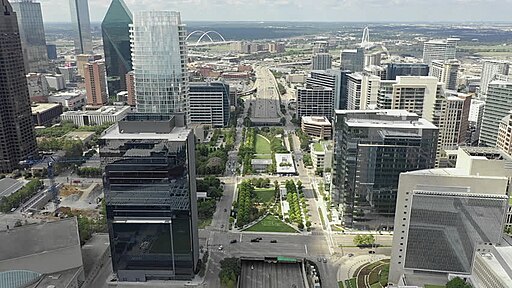
The city of Dallas has adopted a resolution to advance the city’s Comprehensive Environmental and Climate Action Plan (CECAP), ensuring the city prioritizes environmental sustainability and resiliency through all 2024 Bond Program infrastructure projects.
Dallas approved the CECAP in 2020, introducing eight goals and 97 climate- and environmental-based actions to combat climate change. The plan provides a concrete roadmap to achieve net-zero emissions, address environmental injustices in underserved communities, enhance infrastructure resiliency and improve quality of life by 2050. The city expects to benefit from several measurable outcomes once the plan is fully implemented, including:
- 100% net-zero energy in all new construction.
- Increased energy efficiency in all residential buildings.
- Expansion of renewable solar power installation.
- Up to 50% of residents and businesses enroll in renewable electricity plans.
- Reduction of organic, paper and landfill-directed waste.
- Greater protections for water resources and improved community resilience.
- Reductions in the urban heat island index.
- Expanded tree canopy coverage and community proximity to parks and trails.
- Better access to healthy, affordable food.
- Improved air quality across the city.
The approved resolution further develops the tools, standards and programs needed to achieve CECAP’s goals by 2030 and 2050.
Implementation of these resources in the upcoming bond infrastructure projects will help the city attain significant milestones laid out in the CECAP. The city will ensure all building projects – including libraries, fire stations and a police training academy facility – will achieve green building certification like LEED Gold. Plans include using green certification programs like Envision and SITES for parks, trails, skateparks and select water infrastructure projects.
The resolution will progress the deployment and development of energy efficient technologies. The city will use appliances and equipment with a top 20% energy rating and the EPA’s Energy Star Portfolio Manager to benchmark and track energy usage. The resolution requires vendors to submit environmental product declarations and embodied carbon data before buying materials like glass, steel and concrete. As the city implements the bond program projects, the resolution calls for providing regular status updates to increase transparency and accountability for residents.
(Photo courtesy of 75316serk.)
| |
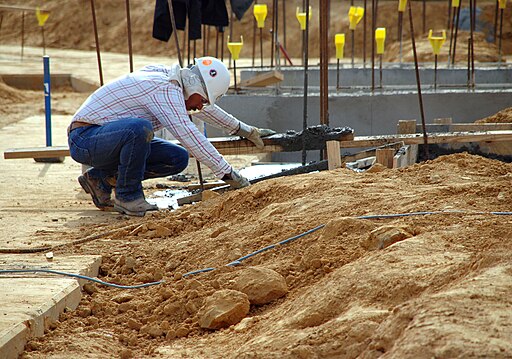
The Texas A&M University System (TAMUS) Board of Regents will apply for up to $229 million in Hazard Mitigation Assistance (HMA) grants from the Federal Emergency Management Agency (FEMA). If approved, TAMUS will match the funds with $25.5 million to build 10 stormproof shelters across the state. Construction is expected to begin in 2025. Storm shelters are hardened structures that provide critical life-safety protection during extreme weather events such as tornados and hurricanes. The shelters often serve multiple purposes outside of emergency situations, providing space for use as basketball arenas, convocation centers or lab space.
Depending on FEMA approval, the TAMUS Board of Regents will add the storm shelter projects to its 10-year Capital Plan. The projects featured in the proposal include:
- Texas A&M – Corpus Christi would receive $56.8 million to build a multi-purpose community center and safe room designed for hurricanes. The facility would contain 4,000 seats and serve as a basketball exhibition location.
- Texas A&M International would use $50.8 million to build a tornado-proof multi-purpose safe room building. The university would also use the building as a convocation and multi-use events center.
- Texas A&M – San Antonio would spend $30.3 million to build a hurricane safe room facility. The structure would double as an athletic center.
- Tarleton would receive $30 million to build a tornado safe shelter that would also serve as a laboratory for agricultural and environmental research.
- Texas A&M – Commerce would receive $20 million to build a safe room and multi-purpose facility for protection from tornados. The facility would provide space for basketball, pickleball and banquets.
- Texas A&M – McAllen would spend $17.8 million to build a safe room and student rec building. The structure would feature a gymnasium, multi-purpose activity room and weight room.
- Texas A&M – Texarkana would use $16.4 million to build a storm shelter and safe room for tornados. The structure would provide multi-use space for volleyball, cheer and dance teams, office space and community events.
- West Texas A&M would spend $14 million to build a multi-purpose tornado safe building and shelter that the university would also use for recreation, club sports and as an athletics facility.
- AgriLife Research would receive $10 million to build a hurricane safe room with additional open space for community events and offices.
- Texas A&M – Central Texas would receive $8.5 million to build a tornado-proof community safe room facility. The building would provide space for university physical education courses, indoor recreational activities, student gatherings, professional development and campus gatherings.
The HMA grant program provides financial assistance to develop and deploy mitigation measures that reduce disaster losses. These include projects that reduce the risk of loss of property or life from future extreme weather events.
(Photo courtesy of Jennifer Smits.)
| |
Debra Kerney
Associate Superintendent
Canutillo Independent School District
| |
Public career highlights and education: As a 28-year educator, I have had the pleasure of working in higher education and in two school districts, one large and one small. In Canutillo ISD, we won the 2022 HEB Best Small School District and have earned TEA "A" ratings in the three years ratings were assigned. I am very proud of what our team has accomplished together over the years.
What I like best about my public service is: Public service in the field of education has given me wonderful opportunities to work with diverse populations of students. I love being given the opportunity to help people resolve issues that really matter to them, enabling me to have a positive impact in my community. I often reflect on these stories as a reminder of my purpose in life and why I have chosen to engage in the work that I do.
The best advice I've received: My grandfather used to always say, "It's just nice to be nice." This is the best advice I have ever received because being "nice" to others helps build both personal and professional relationships. It helps set the tone for strong communication, transcend barriers and makes the work that we do each day so much easier for ourselves and those around us.
People might be interested to know that: People may not know that I have worked in a variety of public service areas. My first job was at a hospital, next I worked at the police department, and also at the library reference desk. Working at the reference desk before the internet existed was an extremely challenging job. For every question people had - whether it was about the NASDAQ, geographic locations, or anything else you could think of, we were Google, so we had to find all of those answers.
One thing I wish more people knew about Canutillo ISD: I wish that more people knew that most of what we do every day as educators comes more from instinct and from our hearts than anything else. There are so many things we do for our students that course work and books simply don't teach - like how to motivate a student, or how to address their many varied academic and personal needs. Education truly is a work of "heart."
| |
Texas A&M University (TAMU) will join a National Science Foundation (NSF) Engineering Research Center (ERC) to create the next generation of dexterous robot hands. The ERC, led by Northwestern University (NU), will use $26 million to develop robot hands - currently inaccessible due to limited mechanical functionality - that are far more versatile, flexible and intuitive for broader workforce usage.
Current iterations of robotic hands still lack the comparative dexterity of their human counterparts, making it difficult to use precision instruments to the same level of effectiveness among other challenges. In addition, the barrier of entry for using these technologies is restrictive as they are too specialized and complex for the average worker to effectively use.
The ERC Human AugmentatioN via Dexterity (HAND) center will innovate robot hand design, application and accessibility to make them suited for a wider utility range. The center will create robotics that have the versatility needed for several different tasks that anyone can use out-of-box with proficiency. These technologies will enhance human labor and make up for shortages in industries such as manufacturing, caregiving, food processing and materials handling.
Due to the complexity of robotics, researchers will need to achieve breakthroughs in multiple aspects of the technology’s development. To achieve these breakthroughs, researchers will organize the research program into three main areas:
- Hands - Researchers will enhance the robotics' sensing, actuation and design capabilities.
- Intelligent Dexterity - Researchers will improve the technology's imulation representation and control aspects.
- Human Interface - Researchers will enhance the hands' multimodal interface, no-code programming and conduct social, legal and industrial studies to make it easier to use. Plans include developing training materials and a training interface to educate human operators on how to properly use the robotic hands.
As part of the HAND center, TAMU will work alongside other higher education institutions including Carnegie-Mellon University, Florida A&M University, Syracuse University, the University of Wisconsin-Madison and MIT. Dr. Cynthia Hipwell, professor in the J. Mike Walker ‘66 Department of Mechanical Engineering at TAMU will serve as deputy director for the HAND center. In addition to Dr. Hipwell, five other TAMU researchers will contribute to the center’s focus areas. The ERC’s start date is slated for Sept. 1, 2024, and is estimated to conclude Aug. 31, 2029.
(Photo courtesy of ThisisEngineering on Unsplash.)
|  | |
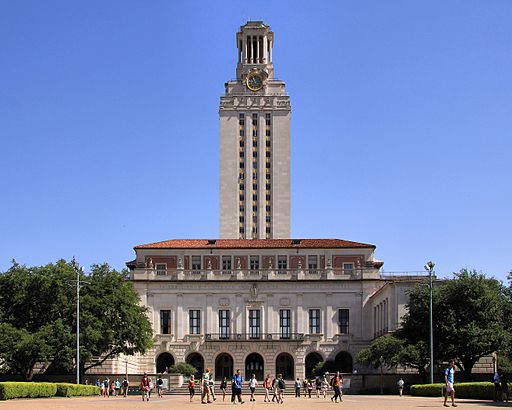
The University of Texas at Austin (UTA) has joined the Small Town and Rural Students (STARS) College Network to expand more academic opportunities to students in small towns and rural communities. Students from these areas are frequently underrepresented in higher education due accessibility restrictions such as distance, cost and limited outreach from colleges and universities. Those from rural and small-town communities are about half as likely to graduate from higher education institutions as their peers from metro areas.
The STARS College Network partners with leading colleges to ensure students from rural and small-town backgrounds have equal access to resources such as financial aid information, campus recruitment and admissions assistance. UTA is among 32 institutions joining the network this year, dedicated to helping students along every step of their college journey. Other partners include Stanford, Dartmouth, the Georgia Institute of Technology and the University of California, Berkeley.
UTA has emphasized rural outreach for years, investing in efforts to reach underserved students across Texas. More than half of Texas counties are considered rural, making the initiatives essential for fostering equitable educational opportunities. Partnering with STARS will provide additional funds to support UTA’s efforts to support these students.
As part of the network, schools like UTA can access the rootEd Alliance – a public-private partnership (P3) dedicated to guiding students along their academic careers to achieve success and stability after graduation. The P3 places college and career advisers in rural schools, providing specialized training and support to best support the needs of those students.
STARS was launched in 2023 with a $20 million investment to open doors to higher education. During that time, the network helped more than 250,000 students access selective college and university institutions. STARS anticipates that it will receive $7.4 billion over the next 10 years to further expand these efforts.
(Photo courtesy of Larry D. Moore.)
| |
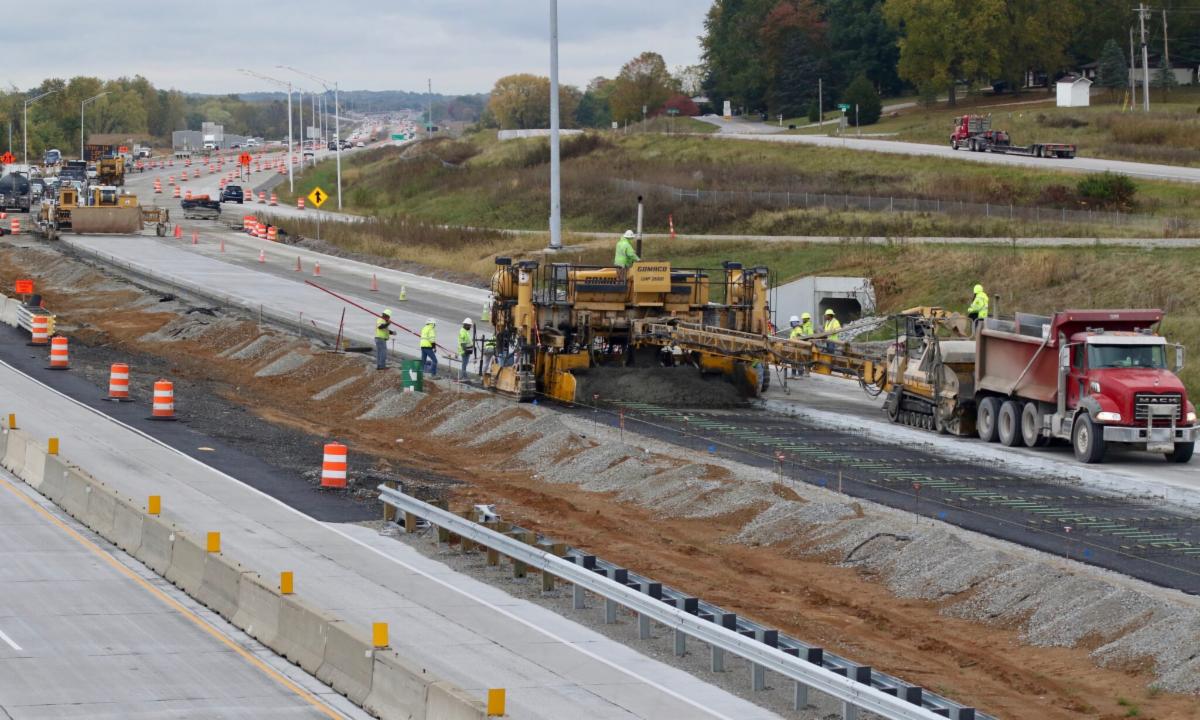
The U.S. Department of Transportation is offering funding for projects designed to support the use of materials in highway construction that produce less pollution and reduce greenhouse gas emissions compared with traditional materials. The Federal Highway Administration (FHWA) announced $800 million in funding through the Low Carbon Transportation Materials Program that will provide opportunities for local and regional agencies to develop greener infrastructure.
Transportation infrastructure, particularly roads, bridges and highways, has traditionally been a significant source of carbon emissions, both in its construction and use. As the nation looks to meet emissions reduction goals as part of the fight to stave off climate change, policymakers are looking at ways alternate construction materials can play a part. This program aims to reduce the environmental impact of essential infrastructure projects and take a step toward more sustainable cities by incentivizing the use of low-carbon materials.
Click here to learn more about the NOFO
(Photo courtesy of ITB495.)
| |
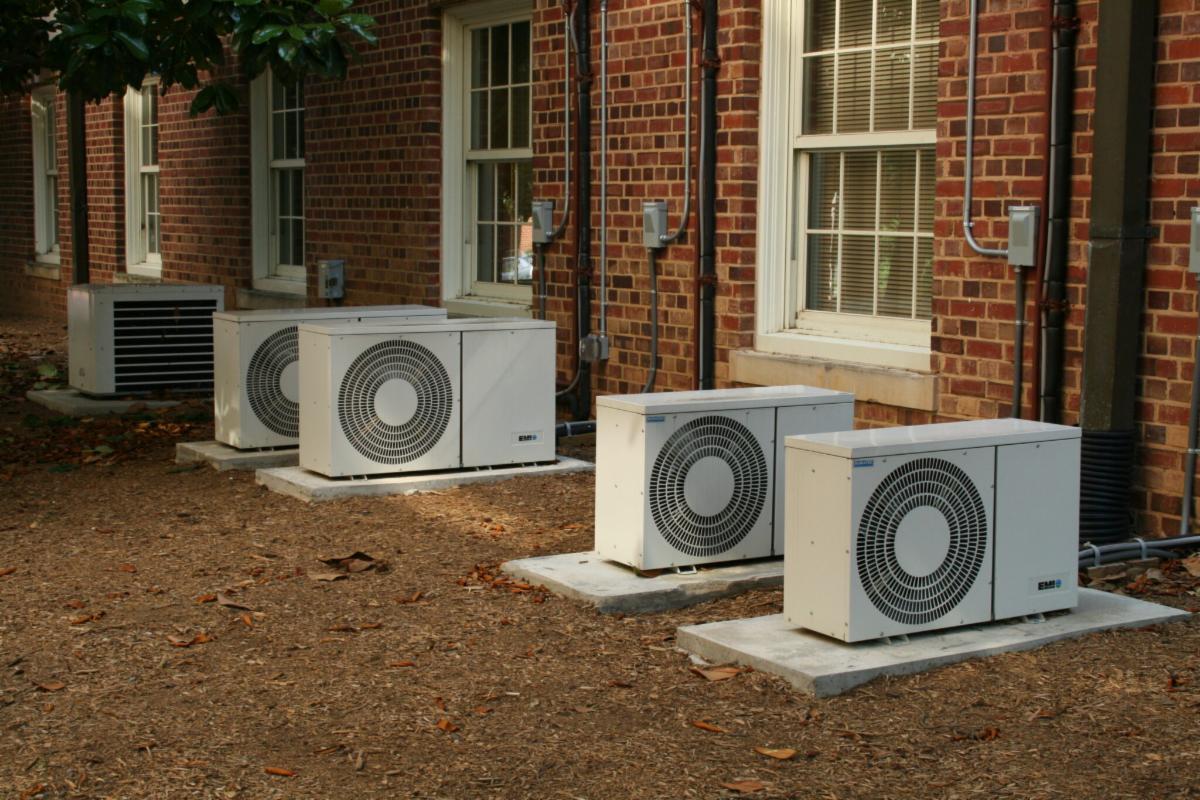
The U.S. Department of Energy is granting over $240 million in funding for 19 state and local governments to adopt and implement new energy-saving building codes. The initiative aims to improve energy efficiency, save consumers money, and reduce the impacts of climate change across the United States.
The program seeks to address the need for more sustainable infrastructure and the rising costs of living burdening many Americans. As climate change continues to intensify weather extremes, Americans rely more heavily on air conditioning during the summer and heat during the winter. At the same time, that increased need can drive up demand for energy, which can in turn make climate change worse depending on the power source. In an effort to break the cycle, these improvements are intended to make buildings more resilient to extreme weather events while simultaneously lowering the amount of energy residents and businesses need to consume.
Click here to learn more about the DOE’s investment in energy efficiency
(Photo courtesy of Ildar Sagdejev.)
|  | |  |
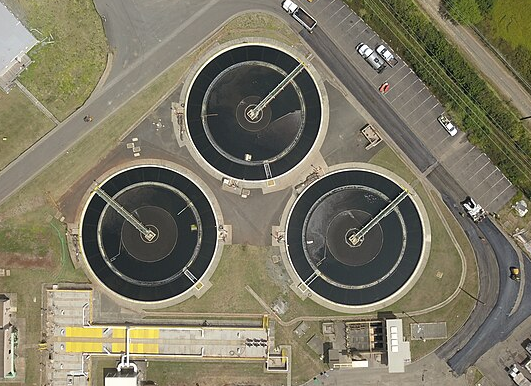 | |
The Texas Water Development Board (TWDB) has invested $82.3 million in nine projects to improve water and wastewater systems and replace lead service lines.
The city of Port Lavaca will receive $39.3 million to improve the Lynn’s Bayou Wastewater Treatment Plant, expanding its capacity from 2 million to 4 million gallons per day (gpd). The city will allocate funds from the Clean Water State Revolving Fund (CWSRF) to modify and upgrade existing processes, centralize instrumentation and control operations and lower sludge production.
The TWDB provided $11.7 million to help the city of Jacksonville expand the Double Creek Wastewater Treatment Plant’s capacity from 2.9 million to 5.8 million gpd. In addition, the city will create an asset management plan.
Rio Grande City will spend $11.3 million to plan, design and build a series of water systems improvements. The funds will enable the city to perform a comprehensive engineering assessment and develop a rehabilitation plan for Water Treatment Plant No. 1. The city will also address water pressure deficiencies, resolve water loss and acquire rights to secure a reliable water supply.
The Angelina and Neches River Authority will receive $7.7 million to expand the Prairie Grove Water Supply Corporation system. Plans include building a ground storage tank, aeration tower and equipment building. The Authority will install two 5,000-gallon hydropneumatic tanks and two 500-gallon-per-minute high service pumps. In addition, the project will replace around 35,000 linear feet of undersized water lines, build 25,000 feet of a water main loop and install approximately 250 automatic meters.
Other recipients include:
The city of Pearsall will receive $7.4 million to build 2.1 miles of water line extension and replace pipes to provide adequate pressure for customers and businesses.
The city of Gordon will use $2.1 million to replace the water treatment plant’s clarifier, replace additional deteriorated components, install interconnecting piping and upgrade the Supervisory Control and Data Acquisition (SCADA) system. Plans include replacing 6,000 feet of distribution pipeline.
The Westwood Shores Municipal Utility District will use $1.6 million to survey and replace lead service lines.
The Panhandle Groundwater Conservation District will receive $1 million to help farmers buy irrigation systems and associated equipment.
The city of Mertzon will spend $122,449 to identify lead or galvanized materials across its distribution system.
(Photo courtesy of Roen Wainscoat.)
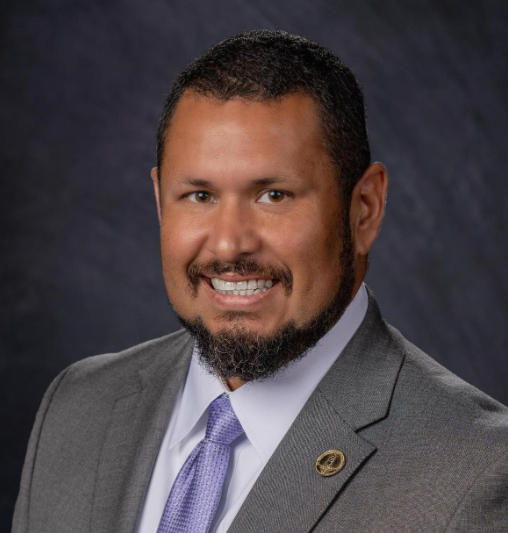
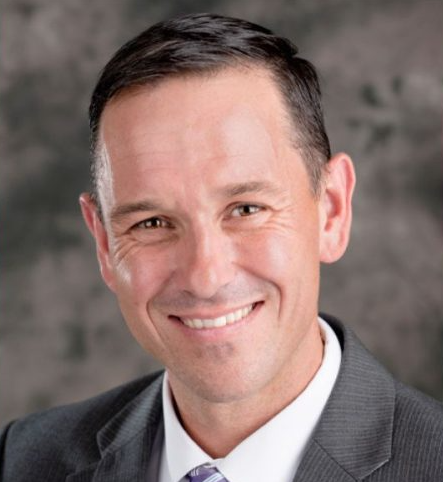
|  | Gov. Greg Abbot appointed Arun Agarwal as chair and S. David Deanda, Jr., as vice chair of the Texas Economic Development Corporation (TEDC) Board of Directors. The TEDC, an established public-private partnership with the Governor’s Office of Economic Development and Tourism, helps drive economic development in the state through global marketing and business collaboration initiatives. | |
Agarwal, the previous vice chair of the TEDC Board of Directors, brings more than 25 years of business experience to the role. Throughout his career, Agarwal has served in multiple executive leadership positions and capacities. He is the current CEO of two private companies and president of the Dallas Parks and Recreation Board.
Agarwal is also a board member of the University of Texas at Dallas Executive Board, Texas Tech Innovation HUB at Research Park, the Texas Medical Association and MD Anderson Board of Visitors. He has a master’s degree in business administration from the Institute of Management Technology in Ghaziabad, India. In addition, Agarwal has a master’s degree in computer information systems from Southern New Hampshire University and an advanced certificate in International Business from Harvard University.
| |
Deanda, who currently works as president and serves on the Board of Directors of a bank, brings decades of leadership experience to the role. He is also a member of the Doctors Hospital at Renaissance Board of Managers, the Texas A&M University Kingsville Foundation Board of Trustees and Board of the Bauer College of Business for the University of Houston among other roles. He is the former chairman of the Hidalgo County Regional Mobility Authority.
| |
Richard Benson, Ph.D., current president of the University of Texas (UT) at Dallas, has announced his retirement. As the university’s fifth president, Dr. Benson has spent the last eight years spearheading its growth as an innovative research university.
Dr. Benson’s announcement will spur the UT Board of Regents’ search for the university’s sixth president. However, Dr. Benson has agreed to remain in the role until the Board has found a suitable replacement. The search for the next president is expected to take most of the 2025 academic year.
As president, Dr. Benson has made significant accomplishments to raise the university’s standard as a leading institution in the UT System. Since he took office in 2016, Dr. Benson oversaw the construction of a 12-acre on-campus cultural district due to open in the fall of 2024. In addition, Dr. Benson led the university to expand its partnership with UT Southwestern Medical Center to open a $120 million, 150,000-square-foot biomedical engineering and sciences building.
Throughout his tenure, Dr. Benson has been a pivotal player in expanding the university, building more than 2 million square feet of construction and landscaping. Student enrollment has grown to more than 30,000, a 57% increase in the last 10 years, and the university’s four- and six-year graduation rates have significantly increased.
Dr. Benson earned his doctorate in mechanical engineering from the University of California, Berkeley. He also holds a Master of Science in mechanical engineering from the University of Virginia and a Bachelor of Science and Engineering in aerospace and mechanical science from Princeton University.
|  | |
Round Rock City Manager Laurie Hadley will retire in December 2024. Hadley joined Round Rock in 2011 as assistant city manager and was later promoted to city manager. Her last 14 years with the city have been the capstone of her 37-year government career. Before moving to Round Rock, Hadley was deputy city manager in Prescott, Arizona, and community relations manager for Yavapai County, Arizona.
Hadley has led the city through tremendous growth during her tenure, guiding major investments that shaped the city’s infrastructure and services. In part due to her leadership, Round Rock has been recognized as one of the best-managed municipalities in Texas. As city manager, Hadley oversaw numerous critical projects that grew the city’s economy, drew international industries, expanded medical facilities and broke ground on new university campuses.
Notably, Hadley helped pass two bond general obligation bonds worth nearly $400 million dollars to build a main library, fund public safety facilities, enhance parks and recreation and build a public safety training facility.
The Round Rock City Council voted Aug. 22, 2024, for Assistant City Manager Brooks Bennett to assume the city manager role after Hadley departs. He will officially begin his tenure Dec. 8, 2024. Bennett has been Round Rock’s assistant city manager since February 2015. He has worked with the city since 2004, starting in the Communications and Marketing Department. Before transitioning to assistant city manager, he served as the city’s CIO from 2012 to 2015.
| |
The Round Rock City Council voted Aug. 22, 2024, for Assistant City Manager Brooks Bennett to assume the city manager role after Hadley departs. He will officially begin his tenure Dec. 8, 2024. Bennett has been Round Rock’s assistant city manager since February 2015. He has worked with the city since 2004, starting in the Communications and Marketing Department. Before transitioning to assistant city manager, he served as the city’s CIO from 2012 to 2015.
| |
The National Institute of Standards and Technology (NIST), part of the U.S. Department of Commerce, has completed its initial set of encryption algorithms intended to resist cyberattacks from quantum computers. The release of these three standards comes nearly eight years after NIST issued its first call for proposals on the topic.
Researchers in several countries are in a race to develop quantum computers, which function in fundamentally different ways than traditional computers and have the potential to break the encryption that secures nearly all online activities. The algorithms being introduced are detailed in the first finalized standards from NIST’s post-quantum cryptography (PQC) standardization project and are available for immediate implementation.
Click here for more information about the NIST cryptography standards
(Photo courtesy of Markus Spiske on Unsplash.)
| |
Starting Sept. 1, Jessica Ballew, the Texas Department of Public Safety's (DPS) current chief of innovation and data office (IDO), will transition to the role of chief of IT. The IDO will be integrated into the IT Division. The vacancies created by recent retirements are being filled through internal promotions.
| |
On Aug. 13, the San Benito CIST Board of Trustees hired Fred Perez as the district’s next superintendent. Perez has been serving as the district’s acting superintendent since September 2023. Throughout his career with San Benito CISD, he has served as director of federal programs, principal and assistant principal.
| |
Jeremy Glenn has been chosen to take over as superintendent of Carroll Independent School District. The district’s Board of Trustees unanimously approved his appointment Aug. 26. Glenn will replace Superintendent Lane Ledbetter after they retire Dec. 31, 2024. Glenn most recently served as superintendent of Granbury ISD.
| |
Gov. Greg Abbott announced these appointments and reappointments from Aug. 23 through Aug. 29:
Texas Economic Development Corporation Board Of Directors
Arun Agarwal - Dallas
S. David Deanda, Jr. - Mission
Texas Southern University Board Of Regents
Lauren Gore - Houston
Texas Commission On The Arts
Robert “Bobby” Lee - Amarillo
| |
Texas Government Insider is a free weekly newsletter detailing important happenings throughout the state and summarizing current political issues relevant to individuals interested in government.
Publisher: Mary Scott Nabers
Editors:
Adam Rollins
Dave Doolittle
| |