Volume 22, Issue 30 - August 2, 2024 | |
|
There is a significant trend to watch as cryptocurrency gains momentum and acceptance. If this trend continues, it will bring about many changes throughout America.
The total global value of cryptocurrency now is approximately $3 trillion, and while that may sound small considering the world’s GDP, it is significant because of how quickly that value has been established and the fact that it is happening worldwide. Approximately 40 million Americans, including approximately three in 10 between the ages of 18 and 29, have already engaged in some form of investment, trade or other use of cryptocurrencies.
Surprisingly, the U.S. government also holds far more Bitcoin than any other government. In fact, America’s 207,000+ Bitcoin holdings are currently worth at least $5 billion. Now, citizens and investors who initially thought that cryptocurrency would fade away are realizing that it's here to stay.
Public agencies at every level of government in America are moving into cryptocurrencies. Many have already adopted cryptocurrency guidelines, and others are investing in cryptocurrencies.
A U.S. senator recently proposed a plan to establish a national strategic stockpile of Bitcoin. There appears to be other political support for this as well. One reason is that, with almost all successful cyberattacks involving ransomware, the payment demanded is only acceptable in cryptocurrency. That is because it is quick and untraceable. Cryptocurrency, typically Bitcoin, has become almost the universal way criminals extort vast sums of money from across diverse sectors with incredible speed.
Congress is considering ways to handle cyber breaches, particularly the new ransomware attacks. Rulemaking conversations are underway. One bill entitled Reporting for Critical Infrastructure Act was signed into law in 2022. It mandates incident reporting of substantial cyber-attacks and any ransomware payments made.
Click here for more
| |
The city of Waco will implement a $1.4 billion downtown development plan over the next 12 to 20 years. The Waco City Council officially adopted the Strategic Roadmap in late June, laying the groundwork for a multi-phase operation to develop more than 100 acres and improve the city’s infrastructure, greenspace, community areas, amenities and services.
The city organized the 100-acre master development plan into a series of sub-districts exemplifying Waco’s rich history. The plan includes four distinct phases of development accommodating large-scale amenity projects designed to amplify the city’s economic prosperity, appeal and long-term success.
Phase 1A/B will take place over the next four years, starting with a list of priorities for improving the Barron’s Branch District, City Hall and the Waco Independent School District (WISD).
Phase 1A is expected to take two years and will prioritize improving the walkability and connectivity of the Barron’s Branch District to the river, riverwalk and local neighborhoods. The project will convert University Parks to a wide festival street that will only allow fire and delivery vehicular access. The district’s goal is conversion to accommodate pedestrians, including plans to improve street connectivity, community spaces, plazas and private development.
Phase 1B will advance the city’s goals by investing in a City Hall and WISD building over years two through four. The city will build a multi-purpose parking structure, support commercial and retail space development and extend streets for greater accessibility. The parking garage will allow the city to relocate the current parking areas to make room for additional private and public development in future phases.
Phase 2 is expected to take place over years four through eight. The city will relocate and replace the current convention center, alongside a hotel and performing arts venue, to enhance the appeal of the riverwalk area and pedestrian bridge. The convention center will be a four-story, 386,000 square foot structure with a grand ballroom and exhibit hall facing the river and providing views of the city’s cultural centers and amenities.
The district will host a 150-room, 4-star hotel with two room towers. The hotel will have an elevated deck with views over the river and downtown area, a shaded green space and a drop off area. The city will also integrate a 2,000-seat performing arts venue with the hotel and convention center’s operations. The city expects the venue to be comparable in size, location and function to the Moody Theater venue in Austin.
Phase 3 is planned for years eight through 10, starting with the demolition of the current convention center. This portion of the master plan focuses on developing the town center for retail, mixed-use and gather spaces. The town squares green spaces will integrate with the riverwalk and local parks. They will include water features, landscaped pedestrian paths and internal vehicular circulation options.
As part of the plan, the city will refurbish and modify the existing City Hall’s exterior and improve the interior electrical, mechanical and plumbing systems to make it a viable rentable space. In addition, the project will refurbish and modify the bridges at Washington and Franklin to provide safe passage for bikes and pedestrians to cross the riverwalk and reach the future youth sports complex. The complex is a separate project that will move forward independent of the plan’s phases.
The final phase is expected to start around year 12 and will focus on building a stadium and adjacent mixed-use development. The project will cover approximately 2 million square feet and will include a multi-purpose event center and commercial and retail establishments.
(Photo courtesy of HuecoBear.)
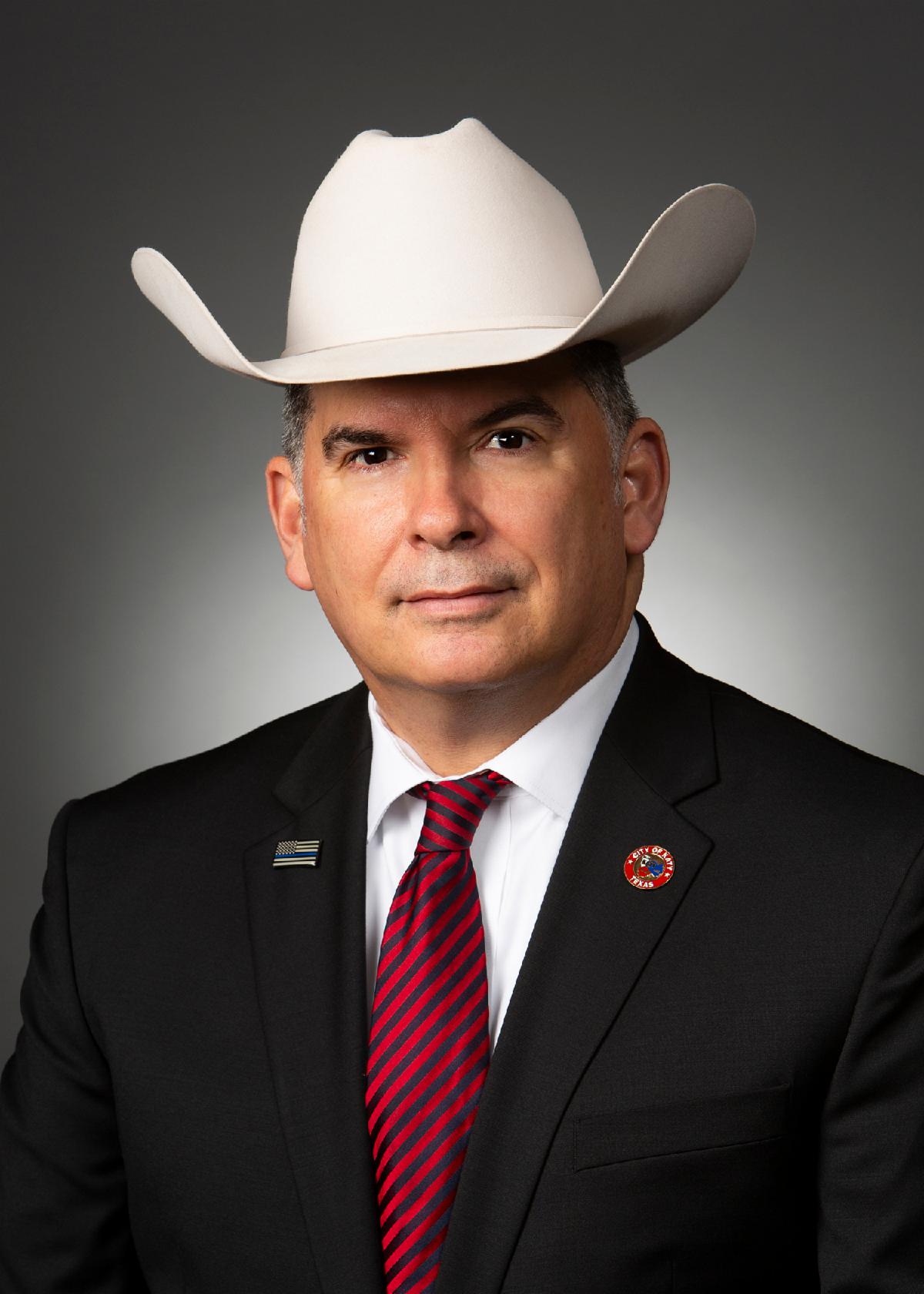
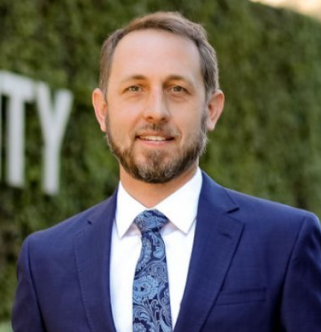
| Houston has officially hired Katy Police Chief Noe Diaz as the city's next police chief. Also Friday, Austin City Manager T.C. Broadnax made a final nomination for the city’s police chief. | |
Diaz began his law enforcement career in 1986, working as a correctional officer in the Texas Department of Criminal Justice. Since then, he has served as a deputy constable for Harris County, a Texas state trooper, a sergeant in the Narcotics Division and a Texas Ranger. He has served in his current role as chief of police for Katy since March 2019.
Diaz will leave a 100-person department for Houston’s force of more than 5,000. Diaz will take over for Acting Chief Larry Satterwhite. Satterwhite will transition to director of the Mayor’s Office of Public Safety and Homeland Security.
| |
In Austin, the city manager has nominated Lisa Davis to assume the city’s chief of police position. Davis currently serves as assistant chief with the Cincinnati police department. The City Council and Mayor Kirk Watson will consider her official appointment during a special-called meeting Aug. 6.
Davis brings a 30-year career with the Cincinnati department to the role, starting as police captain in 1992 and later taking over as assistant police chief. If approved, Davis will be the second woman in Austin’s history to hold the permanent position as police chief.
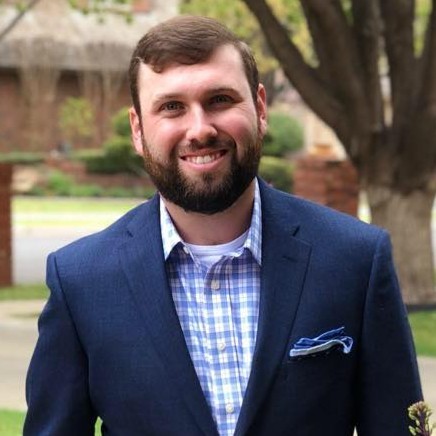
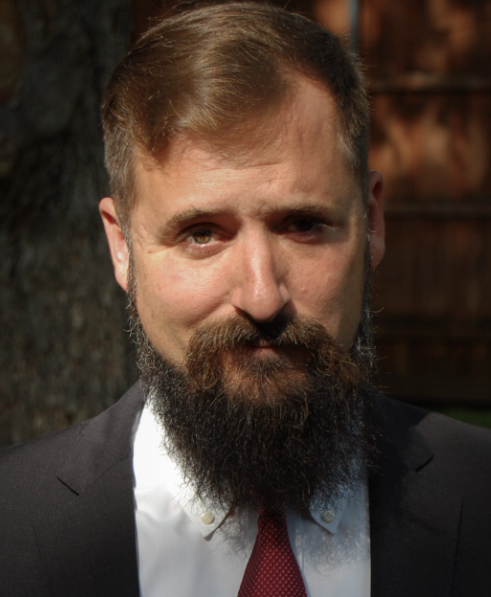
|  | The attorney general has made four appointments to senior staff positions in the Office of the Attorney General (OAG). The promotions include Ralph Molina as deputy first assistant attorney general, Joseph Mazzara as special counsel to the attorney general and first assistant attorney general, Ryan Baasch as associate deputy attorney general for civil litigation and Amy Hilton as chief of the Healthcare Program Enforcement Division. | |
Molina most recently served as deputy attorney general for legal strategy. In that role, he was responsible for managing the Legal Strategy Division (LSD) and Special Litigation Division (SLD), guiding and overseeing critical Texas litigation. Molina officially joined the OAG in August 2019 after serving as a clerk while studying at the University of Texas School of Law. He started in the LSD and General Litigation Division (GLD) before joining Paxton’s executive team.
| |
Before his appointment, Mazzara served as assistant solicitor general, where he litigated some of the state’s most significant cases in the Texas court system. Mazzara joined the OAG in September 2022, leaving his job as a clerk for three judges. He is a graduate of George Mason University’s Antonin Scalia Law School.
| |
Baasch most recently served as chief of the Consumer Protection Division (CPD) within the OAG. He joined the office in October 2021 as assistant solicitor general. Baasch was later appointed to his most recently held position in July 2023. Baasch worked for one of the largest law firms in the country before his government career.
| |
Hilton will leave her role as managing attorney for the SLD to accept her appointment. While working with the division, Hilton brought high-profile cases against unlawful federal regulatory actions taken by the federal government. She originally joined the OAG in 2015 in the Civil Medicaid Fraud Division (CMF). She transferred to the GLD in 2019 to handle jury trials and key federal government cases.
| |
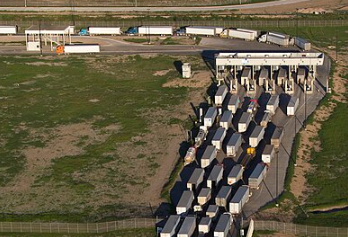
The General Services Administration (GSA) has published a notice for a $550 million contract for the Bridge of the Americas (BOTA) Land Port of Entry (LPOE) modernization project. Construction is expected to begin in October 2026.
The project is part of the Design Excellence Program, an initiative established to maintain and modernize legacy federal infrastructure for up to a century of service. The LPOE project will include design and construction of a replacement port of entry for the existing facility. The current port was built in 1967 and has outdated, deteriorating facilities that cannot meet the needs or goals of the port and its tenants.
The current facility processes a high volume of traffic for toll-free inbound and outbound commercial, non-commercial and pedestrian traffic. The amount of traffic, in addition to the facility’s age, has rendered much of the facility at the end of its life cycle. The buildings operate beyond capacity, the facility isn’t compliant with modern codes and standards and increased traffic generates significant congestion that the port isn’t equipped to handle.
The GSA expects the replacement port to address port deficiencies and modernize its facility to handle increased border traffic rates. The project includes a new administration building with an expanded pedestrian inspection area, primary and secondary passenger vehicle inspection facilities and expand the outside vehicle parking areas.
Plans also include building a seized vehicle processing area, a kennel, export cargo booths, a cargo building and a dock. In addition, the project will build an office building, canopy structure and paving for the Federal Motor Carrier Safety Administration (FMCSA) while keeping options open for commercial primary and exit booths. All structures will conform to facilities standards and codes, be net-zero ready and maintain LEED Gold and SITE Silver standards.
The BOTA LPOE is located on the border separating El Paso and Juarez, Chihuahua, Mexico. The area has a high population and is landlocked on all four sides, is surrounded by a highway system on three sides and sits on 27 acres of developed property.
(Photo courtesy of U.S. Customs and Border Protection.)
| |
Andy Brown
County Judge
Travis County
| |
Public career highlights and education: I grew up in Austin and went to The University of Texas School of Law. I first ran for county judge in 2014 but lost, but I ran a winning campaign in 2020 and became a judge by October of that year.
What I like best about my public service is: I really love that county government gives us the opportunity to focus on one issue at a time. For example, I started a sobering center with the purpose of diverting people away from the criminal justice system into treatment and health care.
The best advice I've received: I got to know Ann Richards after she was governor in the early 2000s. A specific political advice that she gave me was to always remember how important is to connect with people. A story she would tell about the time she was commissioner is that she would knock on doors and connect with the person who would answer.
People might be interested to know that: I spent a semester in Costa Rica and have gone back a bunch of times.
One thing I wish more people knew about county government: A lot of people, if they follow government at all, may know their mayor, probably the governor and of course the president, but county government is the level that has a tremendous amount of power and ability to make change that affect your day-to-day life. But it is not as well-known.
| |
Utilities providers in Texas have applied for $24.4 billion in loans through a state program that finances projects to expand reliable electricity.
The Public Utilities Commission of Texas (PUCT) reported it has received 72 applications to the Texas Energy Fund’s In-ERCOT Generation Loan Program to fund projects that could dispatch up to 38,379 megawatts of electricity to energy consumers.
To be eligible for a loan, a project must add a minimum of 100 megawatts of new generation to the in-state power grid managed by the Electric Reliability Council of Texas. New construction and upgrades to existing dispatchable electric generating facilities are both eligible for loans that could finance up to 60% of the project’s costs.
The PUCT will determine which projects will proceed to due diligence at its Aug. 29 open meeting. Initial disbursements for approved loans will be issued by Dec. 31, 2025.
(Photo courtesy of Matthew Henry on Unsplash.)
| |
The Texas Department of Transportation (TxDOT) and the Texas Transportation Finance Corporation (TTFC) will pay $1.7 billion to terminate an agreement with a private company overseeing the Texas 288 Toll Lanes. The Texas Transportation Commission (TTC) gave final approval for the change in ownership during its July 30 meeting.
The private company overseeing the toll lanes signed a contract in 2016 with TxDOT to build and maintain the tollway for approximately 50 years. However, with TTC’s approval, that agreement will terminate after less than a decade. With the proposal passed, TxDOT will officially end the agreement Oct. 8, 2024, for the agreed buyback cost.
With the Texas 288 Toll Lanes under state control, TxDOT will be able to advance projects without restrictions imposed by the agreement and potentially lower toll prices. The agency plans to build additional free general-purpose lanes to increase safety and mobility. The 10-mile stretch of road currently contains four tolled lanes, 18 direct connectors, 14 general purpose lanes, ramps and auxiliary lanes along tolled and general-purpose lanes, frontage roads, an operations and maintenance facility and the electronic toll collection system.
The Texas 288 Toll Lane project was one of several public-private partnership (P3) development agreements Texas officials signed. It is the only P3 agreement of its kind in the Houston area. The TTC created the TTFC, a public nonprofit transportation corporation, on March 3, 2024, to assume custody of the toll lane’s operations and management.
(Photo courtesy of SounderBruce.)
|  | |
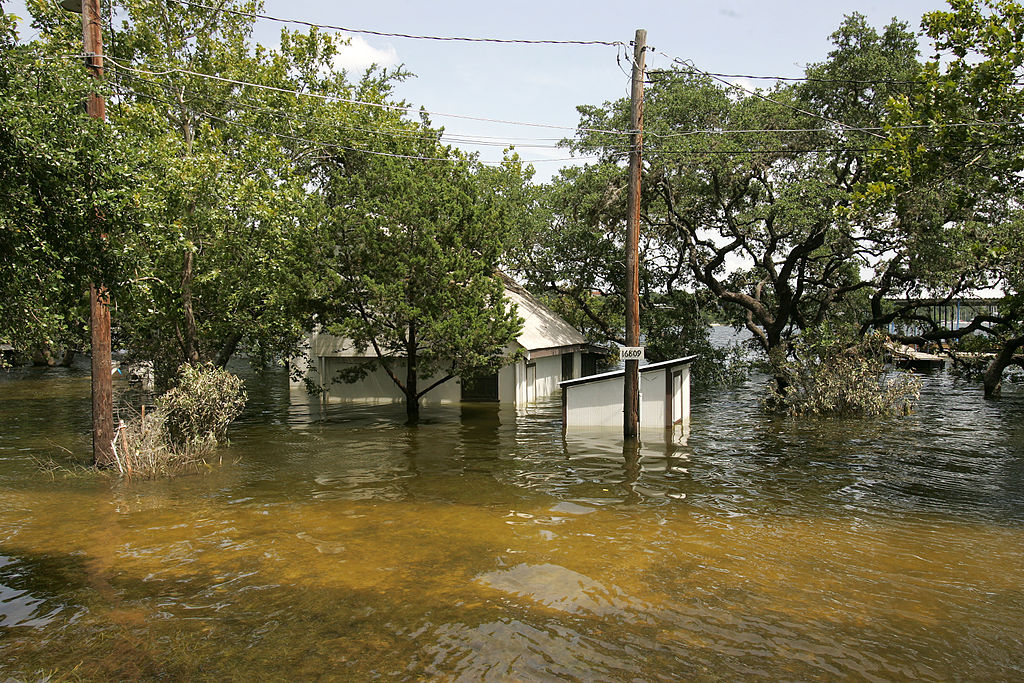
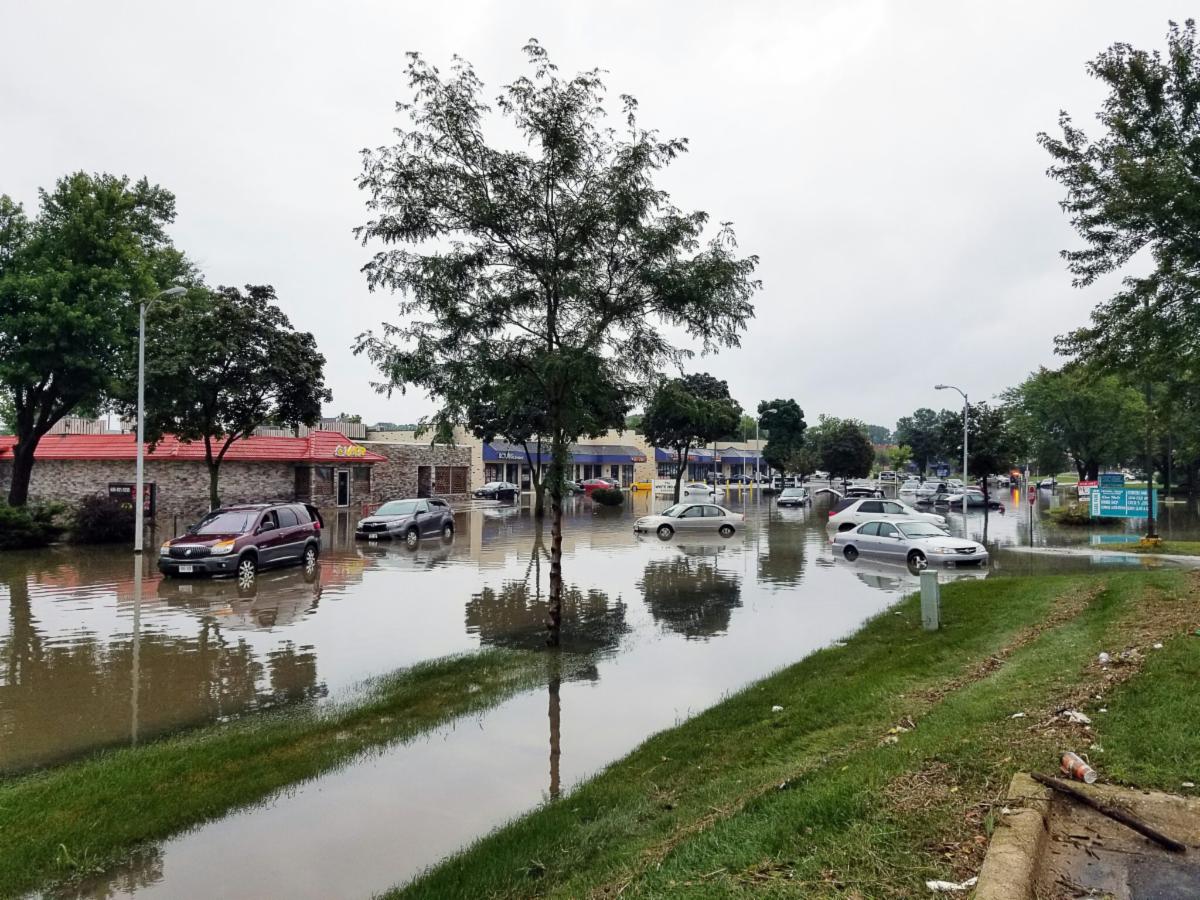
In the wake of Hurricane Beryl, the Texas General Land Office (GLO) will provide $66.4 million to improve roads, water detention, drainage and sewer systems statewide. These regional mitigation projects will help communities recover from extreme weather and shore up infrastructure resilience against future disasters.
Some of the notable projects receiving funding include:
Fort Bend County will use $17.5 million to improve levees, detention basins and erosion across three projects. The projects will clear and grub sites, install erosion protection, build tiebacks, install grade control structures and perform excavation and disposal services.
The county will also seed each site, stockpile, backfill, complete relevant appurtenances and conduct Stormwater Pollution Prevention Plan activities. Additional plans include building a detention basin with weirs, outfall pipes, a backslope interceptor structure, lining and riprap.
The city of Corpus Christi will receive $15.1 million to improve the Greenwood and Oso Wastewater Treatment Plants (WWTP). For the Greenwood WWTP, the city will grade the site, improve piping, install flooding walls, build an effluent pump station and install generators, instrumentation and an electrical control system. Plans for the Oso WWTP include installing a generator, instrumentation and electrical control system alongside other associated appurtenances.
The city of Houston will spend $10.8 million to build the Sunnyside Detention Pond. The project will buy and excavate land, build a detention pond and install piping, a backslope swale and interceptor structures. The city will also finish associated appurtenances.
Other projects receiving a portion of the allocation include:
- Matagorda County will receive $8 million to upgrade, harden and increase the resiliency of existing infrastructure for water lines, wells and sewer, water and wastewater treatment systems.
- The city of Jasper will receive $4 million to reconstruct roads and improve sewer lines and systems.
- The city of Baytown will receive $2.7 million to improve lift stations and reconstruct roads.
- The city of Charlotte will receive $2.1 million to build a water well.
GLO’s Regional Mitigation Program receives funding from the U.S. Department of Housing and Urban Development’s (HUD) Community Development Block Grant Mitigation (CDBG-MIT) initiative. The CDBG-MIT supports nationwide efforts to mitigate and recover from natural disasters. At least half of the funds received through the program must benefit low- to moderate-income individuals.
(Photo courtesy of Bob McMillan.)
| |
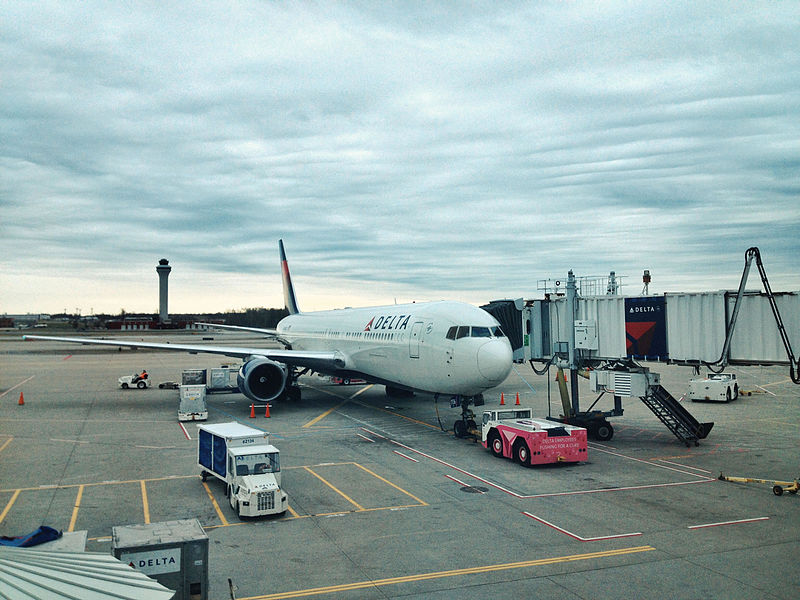
The Federal Aviation Administration is investing $427 million in projects to modernize airports across the United States.
The FAA will award 245 grants across 39 states to make improvements that include terminal expansions and baggage system upgrades, runway safety enhancements and air traffic infrastructure improvements.
Click here to learn more about the FAA airport modernization awards
(Photo courtesy of Russland 345.)
| |  |
 | |
The Texas Transportation Commission (TTC) has adopted the state’s long-range transportation plan. The plan will provide the state with the framework and guidance to create and pursue transportation priorities for the next 26 years. The statewide transportation plans are updated every four years, with the last adopted in 2020.
Connecting Texas 2050 outlines six goals that serve as guideposts for the state’s mission and vision for the transportation system’s future:
The safety of Texas residents while traveling through all modes of transit is a top priority. The plan will help advance efforts to reduce fatal and severe injury crashes on Texas roadways.
The plan will guide solutions to preserve vital infrastructure and services across the state. These include roads, bridges, sidewalks, transit fleet and facilities, railways, airports, seaports and border crossings.
Texas will implement initiatives designed to enhance public and freight mobility by providing efficient, resilient and reliable travel options.
The state will address challenges imposed by its size, geography and diversity of connectivity needs. Plans will include improving connectivity for all modes of transportation between urban areas, rural areas and border regions.
Texas will invest in modernizing aging transportation infrastructure, leveraging innovative and tech-oriented solutions, expanding system capacity to handle freight demand and promoting job creation.
The plan will help guide the state’s efforts to promote fiscal responsibility, maintain funding, minimize negative natural and cultural impacts and improve project delivery processes.
TxDOT’s long-range transportation plan is critical for implementing projects designed to maintain the safety, effectiveness and sustainability of the state’s transportation system. Texas has the largest road network and most bridges of any state, overseeing more than 700,000 lane-miles of roadway and 57,500 bridges. In addition, the state has the largest number of rail miles, the largest airport system, critical port and waterway networks, 28 border crossings with Mexico and more residents resorting to biking.
(Photo courtesy of Daniel L on Unsplash.)
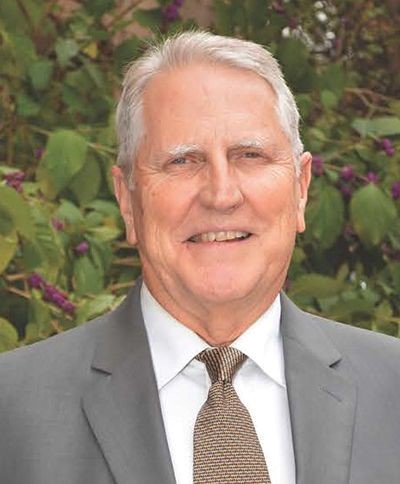
|  | Texas Facilities Commission (TFC) Deputy Executive Director John Raff officially retired at the end of July. Raff has been with the commission since 2005, the latest role in his 40-year career. Will McKerall has been selected to succeed Raff. McKerall has been with TFC since October 2023. | |
Raff played a key role in growing the agency from a small team of architects and engineers responsible for less than $400 million in projects per year in 2005 to more than 400 employees overseeing a $4.4 billion construction portfolio today.
Before joining TFC, Raff for an architecture firm for 20 years. His work with the firm and TFC include the Palmer Event Center, the Bullock Star at the Bullock State History Museum, the University of Texas at Austin Microbiology Wet Lab and the Student Health Center.
At TFC, Raff has overseen several high-profile projects and pioneered change within the organization’s structure and strategy. He helped develop the agency’s Deferred Maintenance Program, Maintenance and Renewal Program. Notable projects Raff oversaw include facility improvements for the Texas schools for the Blind and Visually Impaired (TSBCI) and the Deaf (TSD). He also worked on the North Austin Complex, the Texas Border Wall project and both phases of the Capitol Complex project.
| |
McKerall brings 45 years of engineering, construction and infrastructure management experience to the role. Before joining TFC, McKerall was the founding partner and president of an engineering technology firm. He holds a master's degree in civil engineering from Texas A&M and is a registered professional engineer in Texas.
|  | |
The National Oceanic and Atmospheric Administration (NOAA) has announced its selections of 19 projects slated to receive a total of $575 million to boost coastal readiness against storms and flooding in states and territories along the oceans and Great Lakes.
As climate change continues to accelerate, coastal communities face increasing threats from sea level rise and intense storms. Coastal infrastructure and habitats can take a beating from the elements. The communities along the coast will have to face the challenge head on. The grant funding will help ensure those communities have the resources to minimize the damage from future climate impacts.
Click here to learn more about NOAA’s investment in coastal resilience
(Photo courtesy of jim gade on Unsplash.)
|  | |
Economic development ranks as the most-discussed issue among mayors in the United States, according to the National League of Cities (NLC), which just released its 2024 State of the Cities Report.
According to an analysis of mayoral State of the City speeches, economic development was the most prominent topic, accounting for 32% of the average overall speech duration.
Click here to learn more about the NLC’s 2024 State of the Cities Report
(Photo courtesy of Cbaile19.)
| |
Portia Hogg will take over as Duncanville’s Information Technology (IT) director. Hogg has been with the city for half a year, starting as a project manager. She has been the interim IT director since May 2024. She brings more than 12 years of experience in the IT industry to the role.
| |
The city of Lake Dallas has chosen Luke Olson as city manager. Olson previously served as city administrator for Parker, the latest in his 16-year city management career. He will replace Tom Muehlenbeck. Olson will begin his tenure Sept. 3, 2024.
| |
Roxann Cotroneo has officially been selected by the Port Aurthur City Council as city attorney. Cotroneo brings 29 years of municipal law experience to the role. She most recently served as city attorney for Harlingen. She will replace Valecia Tizeno.
| |
Gov. Greg Abbott announced these appointments and reappointments from July 26 through Aug. 1:
Boyd To Gulf States Marine Fisheries Commission
Douglass “Doug” Boyd - Boerne (reappointed)
Governor’s Committee To Support The Military
Fernando Fernandez - Nolanville
| |
Texas Government Insider is a free weekly newsletter detailing important happenings throughout the state and summarizing current political issues relevant to individuals interested in government.
Publisher: Mary Scott Nabers
Editors:
Adam Rollins
Dave Doolittle
| | |
| |
| |
|
|
Check out our
social media links!
|
|
Help us share this message.
To ensure delivery and proper formatting of the newsletter, be sure to add editor@spartnerships.com to your safe senders list. Otherwise, the newsletter may be flagged as spam and automatically routed to your junk e-mail folder.
| | | | |