|
The most notable recent news in American infrastructure broke last week when the U.S. Department of Transportation announced $1.8 billion in new funding for 148 infrastructure projects. On Wednesday of this week, my column published in our digital newsletter, Government Contracting Pipeline, covered many of the projects already selected for that funding. Today’s column focuses on more projects chosen for this new funding.
The upcoming projects described in today’s column are located in different states. They are not just new but monumental in scale. Solicitations for private sector contractors will not be released for months, so interested companies have ample time to vet the opportunities and get positioned to compete for the work. The initiatives are large, and most will consolidate other funding with this recent federal support. Because the funding amount is so large, projects are divided into categories. This column will cover projects selected for support in the bridge and multimodal category.
Most new bridge structures today are designed to accommodate non-motorized traffic and include cutting-edge technology, new signage, lighting, trail connections and other enhancements. This results in a need for a diverse range of contractors, from construction to technology, making these projects inclusive and full of opportunities.
Officials in Sharpsburg, Pennsylvania, received $24.9 million to support a project to connect the Allegheny Riverfront to an economic development initiative. The objective will be to improve alternative transportation options and connect waterfront sites to the surrounding communities to accommodate future redevelopment. A 300-foot multimodal bridge over the impassable Conemaugh rail line will be constructed to connect sidewalks and pedestrian rail crossings. It will also include a new roadway that connects surrounding communities to the riverfront. A multi-use bike and pedestrian trail will be built along the riverfront, and improvements will be made to six bus stops along a major roadway.
Once the project is complete, development of 52 acres of waterfront brownfields will be available for development. The new connections will allow the construction of affordable housing, transportation options, attractive greenways, retail and economic opportunities for residents. The project will improve safety conditions for citizens and also support the goal of carbon neutrality by 2050. Construction will likely be postponed until 2027.
Department of Transportation officials in Washington, D.C., will begin preparations for a $35 million infrastructure project designed to increase connectivity across the Anacostia River after receiving $25 million in funding support. The New York Avenue Bridge and Lincoln Connector Trail project will provide various types of transportation connections across the Anacostia River. The work will also rehabilitate the current New York Avenue Bridge to fix erosion issues and improve freight connections. Protective materials will be added to stop erosion, repair concrete supporting piers and stabilize metal railings.
Click here for more
|  | |
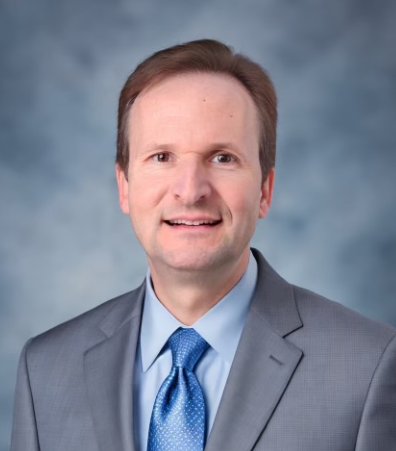
Robert Black has been appointed as the Texas Office of the Governor’s chief of staff. Black will replace Gardner Pate in the role. He will officially assume his duties July 22, 2024, leading Gov. Greg Abbott’s team into the 89th Legislative Session.
Black will bring more than 30 years of political, government and corporate experience to the role. He has served as vice president of public affairs for the Electric Reliability Council of Texas (ERCOT) since 2022. Prior to joining ERCOT, Black was vice president of external affairs for American Electric Power (AEP) Texas.
Black has served in multiple capacities for both former Gov. Rick Perry and Gregg Abbott. Between 2003 and 2008, he served as Perry’s press secretary and communications director. He was also Perry’s deputy communications director during his 2011 presidential campaign. Black worked as Abbott’s senior media adviser during the governor’s 2014 campaign and his 2002 campaign for attorney general.
Black began his career in 1990 as a legislative assistant in the Texas House of Representatives. He would later work for two Texas state senators. He also founded his own law firm, serving Fortune 500 companies with communications, governmental affairs and consulting services.
| |
The Texas Commission on Environmental Quality (TCEQ) is making $86.8 million available to replace or upgrade vehicles and equipment with all-electric models. Applications are due Aug. 31, 2025, on a first-come, first-served basis.
The grants come from the Texas Volkswagen Environmental Mitigation Program (TxVEMP). The initiative will help reduce the number of vehicles and equipment that emit Nitrogen Oxide (NOx) while in operation, mitigating greenhouse gas (GHG) emission rates.
The program is a part of the TCEQ’s Texas Emissions Reduction Program (TERP), which improves the state’s air quality by replacing outdated machinery with clean technology upgrades. TERP has distributed over $1.4 billion in grants since 2001 to reduce NOx emissions.
Eligible applicants include individuals, state and local governments, corporations or any other legal entity. Corporations located outside of Texas may also apply, but only if they operate vehicles or equipment in an eligible priority area in the state. These priority areas include:
- Austin Area.
- Beaumont-Port Arthur Area.
- Dallas-Fort Worth Area.
- Houston-Galveston Area.
- San Antonio Area.
- El Paso County.
- Bell County.
The program supports projects that replace or repower vehicles or pieces of equipment with electric alternatives that emit at least 25% less NOx than the original models. Eligible projects also include building related refueling infrastructure for electricity and hydrogen alternative fuels. Projects include local freight and port drayage trucks, school buses, shuttle buses, transit buses, airport ground support equipment, forklift and port cargo handling equipment and refueling infrastructure.
All eligible vehicles and equipment must operate at least 51% of the year in one of the priority areas. Government entities may request up to 100% of the incremental cost of the project. Nongovernmental entities may request up to 75%.
(Photo courtesy of Bernd Dittrich on Unsplash.)
|  | |
The Federal Emergency Management Agency (FEMA) is making $1 billion in grants available to 656 projects nationwide that officials say will enhance community resilience against climate change and threats from natural disasters. The grants, provided in part with $398 million from the 2021 Infrastructure Investment and Jobs Act, will help state, Tribal, local and territorial governments address current and future risks from extreme weather events.
The investment comes at a critical time as communities across the United States grapple with increasingly frequent and severe weather events linked to climate change. The number of billion-dollar weather disasters has increased from less than 10 per year in the 2000s to over 20 in recent years, according to data from the National Oceanic and Atmospheric Administration’s Centers for Environmental Information.
Click here to learn more about FEMA’s investment in combatting climate change
(Photo courtesy of the University of Alaska Fairbanks.)
| Gov. Greg Abbott has made several additions to his senior staff leadership in anticipation of the 89th Legislative Session. The four appointments will assume advisory and director positions in Gov. Abbott’s team. | |
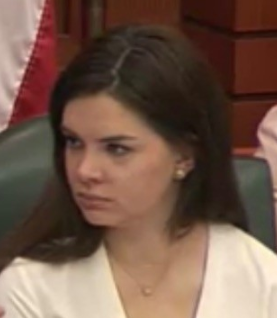
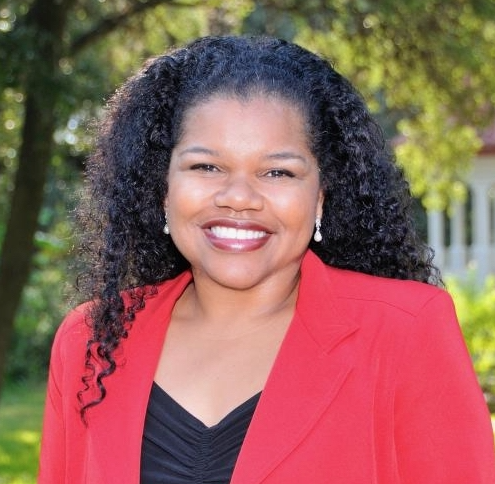
Tabatha Vasquez, the governor’s previous policy director and deputy budget and policy director, has been promoted to senior adviser for budget and policy. Vasquez has held several positions within the Texas Legislature, including chief of staff in the House and legislative director and sunset committee director for Sen. Brian Birdwell. Before entering the public sector, Vasquez worked in several management roles for consulting and law firms. She will succeed Sarah Hicks, effective immediately.
| |
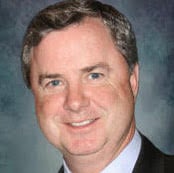
Robert Howden will begin his role as senior adviser and director of legislative affairs Sept. 9, 2024. Howden currently works as an independent legislative and public affairs consultant with his own consulting business. Howden previously served as communications director and senior adviser for former Gov. Rick Perry, where he also oversaw the former governor’s Task Force on Economic Development Growth. Howden is a current member of the University of Texas Chancellor’s Council Executive Committee and is chairman of the Texas Exes Legislative Committee.
| |
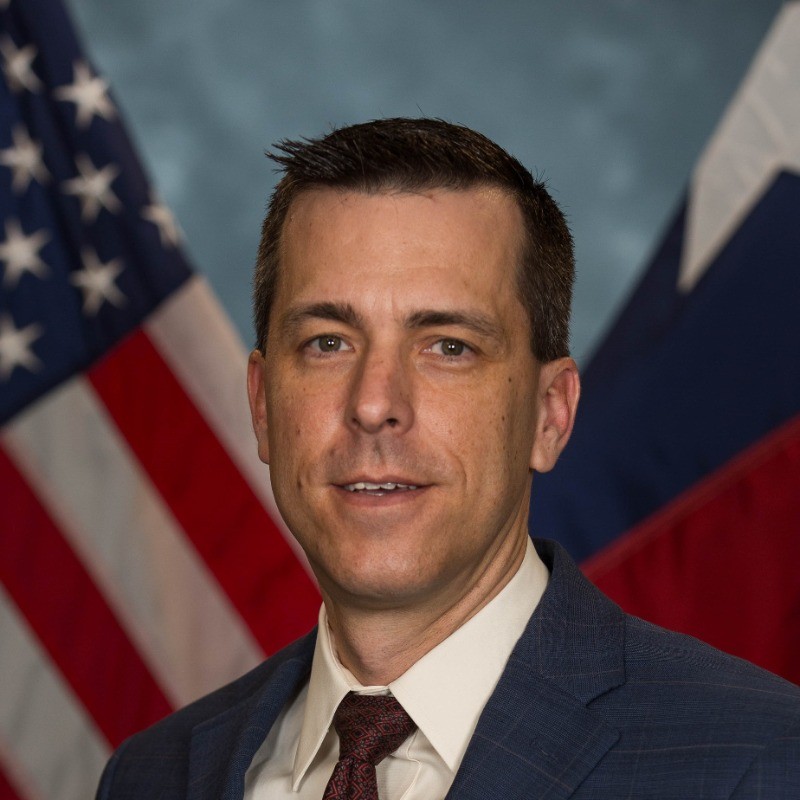
Brady Franks will take over as state budget director Aug. 1, 2024. Franks previously served as a budget and policy adviser to Gov. Abbott. He was later promoted to deputy budget and policy director. Prior to joining the Office of the Governor, Franks worked as director for government relations at The University of Texas (UT) at Austin from 2016 to 2019. He began his public sector career as a legislative aide in the Texas House of Representatives in 2007. He served in the House until 2016 as a policy analyst and assistant committee clerk, budget analyst and subcommittee clerk and senior budget and policy adviser.
| |
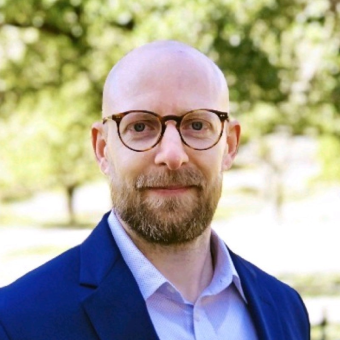
Michael Hull, Ph.D., will begin his tenure as policy director Aug. 1, 2024. Hull is the current chief research officer and senior adviser for the vice chancellor of disaster and emergency services at the Texas Division of Emergency Management. Prior to that role, he worked for Gov. Abbott as a policy adviser, later promoted to deputy budget and policy director. He also worked for the Office of the Attorney General as a lead policy and program coordinator.
| |
Daniel D. Poane
Program Manager
Texas Small Business Credit Initiative
Office of the Governor
Economic Development and Tourism Office
| |
Public career highlights and education: My public career highlights include serving as the program manager for the recently launched Texas Small Business Credit Initiative program at the Office of the Governor, Economic Development & Tourism. In this role, I authored key governing documentation, informed policy decisions through data-driven analysis, and optimized program performance. Prior to this, I worked as a finance officer at the New Jersey Economic Development Authority. I hold a Bachelor of Science in Business Administration in Finance from Rider University.
What I like best about my public service is: I enjoy the opportunity to make a tangible impact on communities and drive positive change. I find great satisfaction in utilizing data-driven insights and strategic planning to optimize programs and initiatives that support economic development, job creation and assistance for small businesses.
The best advice I've received: Consistently seek out and embrace continuous improvement opportunities. This mindset has been invaluable in my career, as it has pushed me to stay ahead of market trends, analyze feedback and prioritize enhancements to improve programmatic experiences.
People might be interested to know that: I am a certified ScrumMaster through the Scrum Alliance. This certification reflects my passion for agile methodologies and my commitment to fostering collaborative, self-organizing teams that deliver high-quality products and services efficiently.
One thing I wish more people knew about the Texas Department of Agriculture is: I wish more people understood the complexity and significance of the work undertaken by the Economic Development & Tourism division of the Office of the Governor. This division plays a crucial role in driving economic growth, attracting businesses and supporting job creation within the state.
|  | |
The Environmental Protection Agency (EPA) has reclassified the Dallas-Fort Worth, Houston-Galveston-Brazoria and San Antonio metro areas to serious nonattainment of the current ozone standard. Nonattainment areas do not meet the national ambient air quality standard (NAAQS).
Passed into law Dec. 31, 1970, the Clean Air Act and its subsequent amendments established NAAQS based on six criteria air pollutants that are harmful to public health and the environment. NAAQS are divided between primary and secondary standards:
- Primary standards protect public health, particularly for sensitive and at-risk populations including asthmatics, children and senior citizens.
- Secondary standards focus on protecting public welfare and the environment, including animals, crops, vegetation and buildings.
The EPA will now require the three metro areas, having failed to maintain adequate emissions control to comply with NAAQS, to implement additional emission control strategies to manage their air quality. To meet compliance, the Texas Commission on Environmental Quality (TCEQ) must revise the state clean-air plan to enhance measures for emissions control and contingency planning. In addition, the state must still fulfill planning and control requirements for other moderate nonattainment areas.
The three metro areas were previously classified as moderate nonattainment areas with deadlines in 2024 to attain compliance. The updated classifications have adjusted their ozone standard attainment deadlines. Dallas-Fort Worth and Houston-Galveston-Brazoria have until Aug. 3, 2027, and San Antonio has until Sept. 24, 2027.
(Photo courtesy of the EPA.)
|  | |
The National Oceanic and Atmospheric Administration NOAA is making more than $44 million available to coastal states and territories for investments in ecologically significant habitats.
The NOAA’s Office for Coastal Management has opened a Notice of Funding Opportunity (NOFO) of $44.6 million in competitive and non-competitive grants that will be awarded to an estimated 25 projects. The NOFO is scheduled to close Jan. 9, 2025.
Click here to learn more about projects receiving NOAA funding
(Photo courtesy of the U.S. Fish and Wildlife Service - Northeast Region.)
| |  |
 | |
The Texas Department of Transportation (TxDOT) is requesting public feedback on its upcoming draft 2025 Unified Transportation Program (UTP). The 10-year plan includes approximately $104.2 billion in transportation spending. The record-breaking amount makes it the second year in a row that the state’s UTP plan exceeds $100 billion.
The UTP serves as a blueprint for TxDOT for advancing projects over the next decade. The plan provides guidance to help the agency improve safety, address congestion and connectivity and preserve roadways across the state. TxDOT annually updates the plan with projects across various sectors, including public transportation, freight and international trade, maritime, aviation, rail and bicycle and pedestrian connectivity.
The plan’s 10-year outlook provides TxDOT with the organization and structure it needs to allocate resources in advance of major projects. Planning activities provide key insight into the agency’s transportation system funding distribution strategy. In addition, the UTP allows TxDOT and transportation partners to get projects ready for construction.
While the UTP provides a road map for development, projects included in the plan are not guaranteed to move forward. The UTP serves as a communication tool to convey how TxDOT commits to project development.
The public comment period for the draft 2025 UTP begins July 5, 2024. It will conclude Aug. 5, 2024. The next virtual public meeting will be July 31. TxDOT will publish the approved plan in August after receiving and incorporating public feedback.
(Photo courtesy of TxDOT.)
|  | |
Texas A&M Chancellor John Sharp will retire June 30, 2025. He is the university’s longest serving chancellor, having held the role for almost 14 years.
Sharp published a letter July 1 announcing his retirement. As chancellor, Sharp has led the university through some of its most successful years, ranked as the top Texas university in 2023. During his tenure, the university increased its enrollment by more than 25%. In addition, the university added the Texas A&M School of Law, which rose faster in the national ranking than any other in history.
Among his accomplishments, Sharp helped pioneer more than 306 projects worth $11.4 billion to improve facilities at all 11 Texas A&M System universities and eight state agencies. These projects included building and renovating athletics facilities throughout the System. Kyle Field, one of the most notable athletics projects, now seats more than 102,000 people and is the fourth biggest football stadium in the nation.
During his tenure, Sharp oversaw the transformation of Riverside Campus into Texas A&M RELLIS. RELLIS is an innovative tech hub devoted to supporting research and development of technologies for national defense and other applications. The System and the state have invested more than $1 billion into RELLIS since its founding in 2016.
Sharp brought decades of public service experience with him when he joined Texas A&M in 2011. He began his career in 1978 after he was elected to the Texas House of Representatives. He would later serve in the Texas Senate, on the Texas Railroad Commission and twice as state comptroller.
The Texas A&M Board of Regents will conduct a national search over the course of the next year to find a successor for Sharp.
|  | |
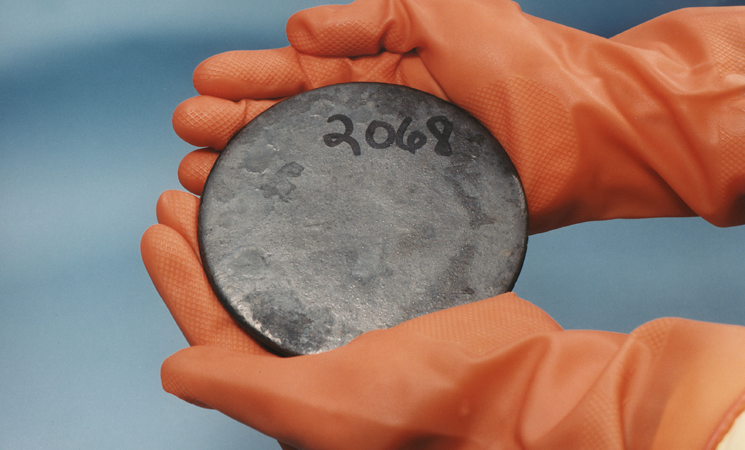
The U.S. Department of Energy will spend $2.7 billion to enhance the country’s clean energy capacity by boosting the domestic nuclear fuel supply chain.
Specifically, the DOE has issued a request for proposals to buy low-enriched uranium from domestic sources.
Low-enriched uranium is the basic material to fabricate nuclear fuel, consisting of uranium hexafluoride that is a white-grey, waxy solid at standard temperature and pressure. LEU is made by enriching naturally occurring uranium to improve its ability to produce energy.
Click here for more information about the future of uranium development
(Photo courtesy of the DOE.)
|  | |
The U.S. Department of Transportation’s Federal Aviation Administration is distributing $289 million in grants to 129 airports across 40 states for projects to improve the safety and efficiency of air travel.
The projects include terminal expansions, baggage system upgrades, runway safety enhancements and air traffic infrastructure improvements.
These grants are the seventh round of Airport Infrastructure Grants awarded since the program’s inception in 2021.
Click here to learn more about the Airport Infrastructure Grant program
(Photo courtesy of PHL.org.)
| |
The Texas A&M System has appointed E. Steve Putna, Ph.D., inaugural director of the Texas A&M Semiconductor Institute. The System’s Board of Regents approved the establishment of the Institute in May 2023. Dr. Putna brings more than 25 years of expdrience in the semiconductor industry to the role. He began his tenure July 1, 2024.
| |
On June 25, the Pflugerville Community Development Corporation (PCDC) voted Terri Toledo to assume the organization’s interim executive director role. Toledo currently serves as director of management services for Pflugerville’s city manager’s office. Prior to her current role, she was the city’s communications director and public information officer. Toledo will take over the interim position from Christian Kurtz.
| |
Angela Means will lead the Austin Parks and Recreation Department as its interim director. Means has worked across several city departments since 2007, serving most recently as assistant director of the city’s Development Services Department and Code Department. Before coming to Austin, she worked with the city of San Diego as a fiscal and policy analyst and supervising management analyst for seven years. She began her interim parks director role May 28, 2024.
| |
After serving in an interim capacity since January 2024, Sarah Novo has accepted the role of permanent city manager for Granite Shoals. Novo brings more than 24 years of management and director experience to the role. She previously served as city manager for the cities of Flatonia and Rocklin and director for Sacramento. Novo took over the position from Peggy Smith.
| |
Gov. Greg Abbott announced these appointments and reappointments from June 28 through July 4:
Teacher Retirement System Board Of Trustees
John R. Rutherford - Houston
Robert H. “Rob” Walls, Jr. - San Antonio (appointed chair)
Fourth Court Of Appeals
Lori Massey Brissette - San Antonio
Texas Industrialized Building Code Council
Jorge Olivares - San Antonio
(all reappointed)
Suzanne Arnold - Rowlett
Edwin "Scooter" Lofton - Horseshoe Bay
Alex Morales - Houston
John "Johnny" Scholl - Claude
W.F. "Dubb" Smith - Dripping Springs
| |
Texas Government Insider is a free weekly newsletter detailing important happenings throughout the state and summarizing current political issues relevant to individuals interested in government.
Publisher: Mary Scott Nabers
Editors:
Adam Rollins
Dave Doolittle
| |