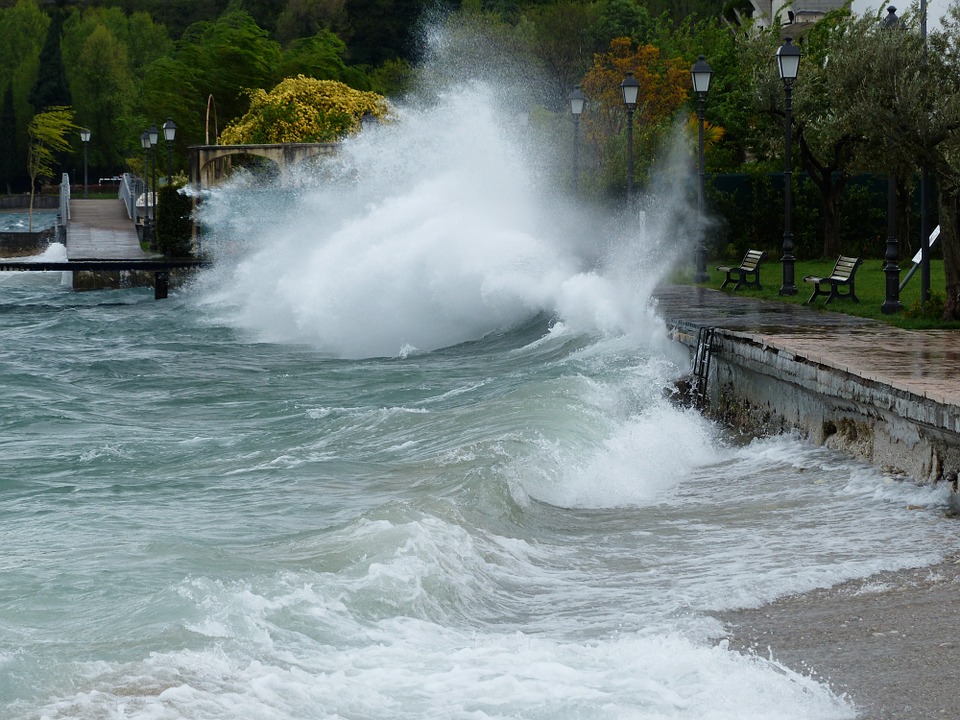
In the wake of Hurricane Harvey and Hurricane Irma, coastal cities will, without question, soon be reviewing flood prevention infrastructure planning. The Federal Emergency Management Agency (FEMA) and other governmental agencies are too stretched at the moment to help, but most regions don’t intend to wait. The devastation caused by flooding has become entirely too common.
Cities will obviously seriously consider public-private partnership (P3) engagements. That’s because the funding can be readily available and this is a critical need that should be addressed immediately. Flood prevention infrastructure is specifically designed to mitigate the economic and physical damage that is caused by storms, heavy rain and hurricanes.
Here’s why flood prevention infrastructure is so critical…and why there’s little doubt that it will be addressed sooner rather than later:
- Projections are that 10 million people will experience the trauma of coastal flooding by 2050;
- The Environmental Protection Agency estimates annual damages from flooded areas will rise significantly in the near future;
- Public demand for preventative projects makes storm water fees a viable financing option; and
- The average 100-year floodplain will likely increase 45 percent by the year 2100.
 Not only is there immediate private-sector funding available through P3 engagements, but there are also other sources of alternative funding. Environmental Impact Bonds (EIBs) are available for flood prevention projects. These bonds are a type of pay-for-success funding where payments vary based on the success of project outcomes. Proceeds of the EIB bond package that recently passed in New York will be used to construct green infrastructure to manage storm water runoff and improve water quality. The deal is structured to include payments contingent upon the effectiveness of the green infrastructure deployed.
The Rockefeller Foundation, in combination with two financial partners, has announced the nation’s first EIB challenge. Cities can respond to the challenge RFP solicitation document which will provide funding for projects. Once the deadline for submissions closes, the Foundation will choose two U.S. cities or water districts to receive environmental impact bonds so that construction can begin on projects in 2018. Submissions can be a singular project or multiple projects bundled together. The challenge hopes to award about $5 million for each problem selected. Cities can submit here.
Boulder, Colo., and The Stanford Urban Resilience Initiative are in the process of creating a resilience bond pilot study. This group wants to look at the possibility of lowering insurance payments so that funding can be reallocated to resiliency projects. They hope that by linking resilience infrastructure funding to insurance the focus can shift to preventing disasters rather than cleaning up after they occur.
Concern from homeowners pushed the city of Miami Beach to commit to a $100 million project to raise roads and install pumps and water mains and redo sewer connections. The project impacts 800 residences as well as city land and it will be partially financed through a $400 million bond pending voter approval in November. The city is considering using a P3 engagement to deliver the project.
In an area about 18 miles south of Philadelphia, the state’s Storm Water Authority has announced a plan to address a known flooding problem. The plan is to create 350 acres of green storm water infrastructure, including runoff areas and elevated streets. This proposed partnership will be funded with $50 million from a new storm water fee. The Storm Water Authority is still in the planning stage but hopes to start construction on the project in 2018.
The Red River in Fargo, N. D., has been higher than flood stage 50 times in the past 111 years. As a result, Cass County is launching a project that involves a 30-mile-long, 1,500-foot-wide diversion channel with 32,500 acres of upstream staging. The $1.8 million project is expected to protect one in five residents from flooding when completed.
Climate change, flooding and weather-related destruction result in havoc, loss of life, unbelievable economic losses and huge costs for American taxpayers. Changes are inevitable and that is a very good thing.
Strategic Partnerships, Inc. is your leading source for P3 News. Sign up for our free weekly e-newsletters to ensure you never miss out.