
The Colorado Department of Transportation (CDOT) is planning a project to modernize and enhance the Interstate 270 corridor. The department is currently gathering feedback to inform the project’s development and anticipated completing the environmental study later this year.
CDOT recently released the Draft Environmental Impact Stated (DEIS), outlining the preferred alternative for the I-270 Corridor Improvements Project. The alternative, which is estimated to cost approximately $806 million, would consist of expanding the corridor with an additional express lane in each direction while maintaining the two existing general-purpose lanes.
The department ended up choosing this alternative over the three general-purpose lanes option. The new express lane would be available to all vehicles, although public transit and high-occupancy vehicles would not be tolled. The state would install associated tolling equipment and technology along the corridor as part of the process.
Improvements featured as part of the expansion would include widening the roadway shoulders, restriping an off-ramp into a two-lane exit ramp and installing emergency turnouts and turnarounds. CDOT will also add a continuous auxiliary lane in each direction between the I-76 and Vasquez Boulevard on- and off-ramps.
Planned improvements to various nearby interchanges would include adding new ramps, separating streets and off-ramps and improving on-ramp acceleration lanes and off-ramp deceleration lanes. CDOT would also add four bus stops with connecting sidewalks and curb ramps along nearby streets.
The department would implement a series of significant bridge reconstructions throughout the corridor, targeting structures at the end of their useful life. The rebuilt York Street bridge would have an additional travel lane in each direction, a 10-foot multi-use path, a five-foot sidewalk and better lighting. Several other existing I-270 bridges would be replaced to meet current bridge standards, accommodate non-motorized travel, enhance lighting and prepare for future bicycle and pedestrian enhancements.
The project would implement a series of bicycle and pedestrian improvements besides those already incorporated into the bridge reconstruction portions. CDOT’s efforts to accommodate non-motorized travelers would include improving intersections with crosswalks, curb ramps and pedestrian indicators at traffic signals. Additional work would involve reconstructing sidewalks, adding on-street bicycle lanes, building multi-use paths, improving lighting and installing wayfinding signs to nearby amenities.
Connecting trail systems would see their own share of improvements as part of the project. Plans include reconfiguring trails to enhance bicycle and pedestrian visibility around tight curves, increasing vertical clearance from overpasses and straightening out select trail sections. The department would add striping, improve lighting, add multi-use paths, trail spurs and build a 10-foot-wide bicycle and pedestrian overpass.
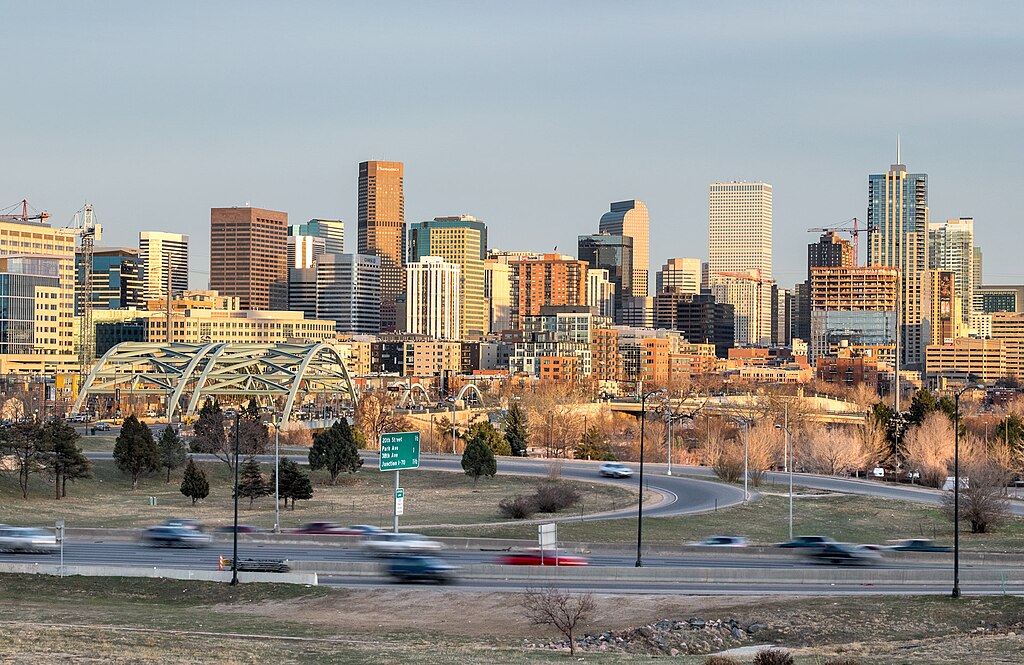
Photo by Alex Gray, CC BY 3.0 https://creativecommons.org/licenses/by/3.0, from Wikimedia Commons
For more of the latest from the expansive government marketplace, check Government Market News daily for new stories, insights and profiles from public sector professionals. Check out our national contracting newsletter here.