
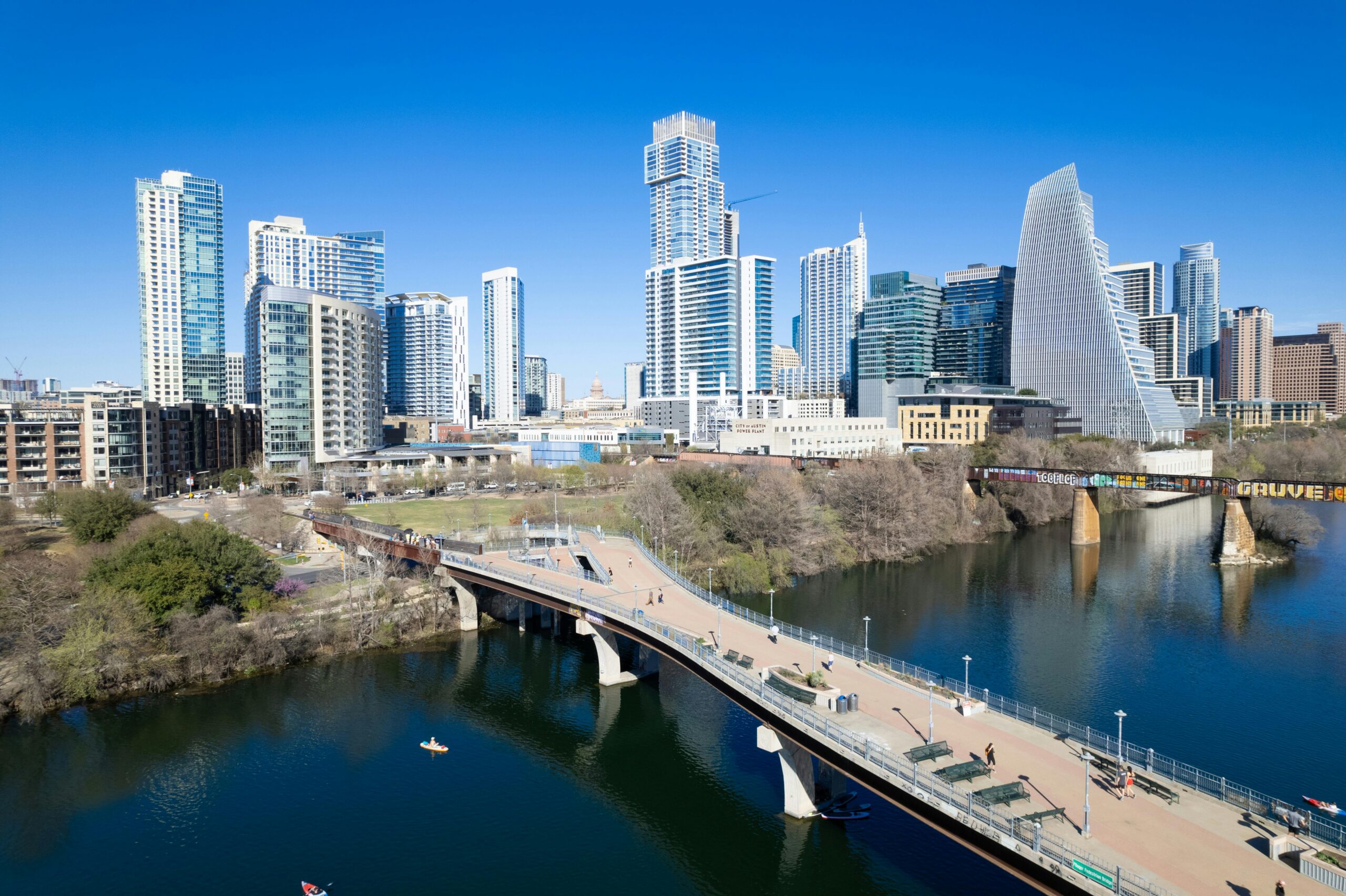
The city of Austin has released the Resilient Austin Playbook, a strategic roadmap aimed at addressing climate risks, affordability pressures and infrastructure challenges in one of the nation’s fastest growing cities.
The playbook, which was published in late February, prioritizes coordinated action across the city to strengthen infrastructure, advance climate adaptation, and expand economic aspiration through a framework of pillars, strategies, and actions.
Austin collaborated on the playbook with the University of Texas at Austin and developed the plan with the help of Resilient Cities Catalyst, a global nonprofit organization focused on helping cities address resilience challenges and prepare for the future.
UT contributed to the Playbook through UT-City CoLab, a climate-based initiative between policymakers and UT researchers, faculty and students.
Austin and UT officially renewed and expanded their partnership in November 2025. The renewed, five-year agreement includes a $12 million investment to continue collaborative projects in areas like climate resilience, transportation and public health.
Austin Climate Action and Resilience will help implement the playbook by providing clear monitoring and reporting on its actions, including annual progress updates that document status, milestones, barriers, and next steps, the city said.
Projects in the playbook include:
- Strengthening critical infrastructure, such as roads, bridges, and power, to minimize the impacts of extreme weather and wildfires
- Managing wildfire risk through vegetation management and establishment of a fire-resistant network of safe zones.
- Implementing reflective coating on pavement to mitigate heat risk in neighborhoods
- Advancing Austin’s 50% tree canopy goal, which includes strengthening the urban forest by auditing existing tree protection policies and identifying ways to expand preservation as well as prioritizing feasible locations for quick and straightforward tree plantings.
- Completing flood risk reduction projects, including new infrastructure, property buyouts and maintaining drainage infrastructure.
- Preventing an increase in the number of flood-prone homes, businesses, and roads by enforcing drainage regulations.
Photo by Drone Doggy from Pexels
This story is a part of the weekly Texas Government Insider digital news publication. See more of the latest Texas government news here. For more national government news, check Government Market News daily for new stories, insights and profiles from public sector professionals.