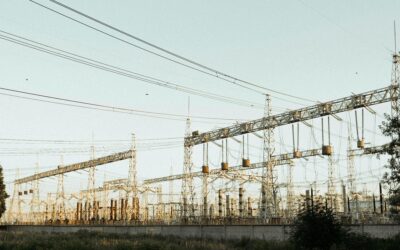

The city of Austin continues to pioneer a clean energy future following approval of a contract with Austin Energy for 299 megawatts (MW) of wind energy, 100 MW of local battery storage and 400 MW of high-efficiency natural gas peaker units.
The City Council’s decision to further bolster clean energy infrastructure and resources aligns with Austin Energy’s Resource, Generation and Climate Protection Plan to 2035. With the adoption of these new sources, the city will benefit from increased reliability, resilience and clean energy availability – particularly during stressful periods where high demand strains the power grid.
Grid stability has long been a cornerstone of widespread Texas policy and energy consumption, defining statewide efforts to ensure residents have power in the face of extreme weather and natural disasters. The latest agreement solidifies Austin’s efforts to promote a green energy future and steadily transition away from fossil fuels.
The use of gas peaker units significantly amplifies the city’s capabilities for ensuring consistent energy availability, sitting semi-dormant until they are needed during long-term energy scarcity or blackouts. These supplementary energy sources provide insurance coverage during extended deprivation periods when other sources – such as wind, solar and battery storage – are unable to meet peak demand. While these units aren’t carbon-free, they provide utility that other clean technology alternatives are unable to match.
Contracting with Austin Energy represents the city’s latest endeavor to meet community needs and power demand, but only covers the tip of the iceberg for developments since the 2035 Plan’s adoption. Austin Energy recently entered into an agreement with another power supplier company to deploy 40MW of residential battery storage within its territory. Expanding battery storage – in a similar move to adopting gas peaker plant technology – sets up the utility company to reinforce the local grid and provide ample backup power as needed.
Battery storage comes into play when power demand or price volatility threatens available energy for homes. Activating these systems provides an immediate large energy resource to support customers and mitigate costs during outages and other events. Austin Energy will manage and dispatch the resource, providing full power for an hour and a half or smaller amounts over longer periods.
These solutions are paramount to ensuring the 2035 Plan functions as intended, providing sustainable relief through carbon-free sources for local communities. Since Austin Energy adopted the plan 18 months ago, it has made progress on several key initiatives to expand its portfolio. These include:
- Expanding solar availability by increasing solar value, residential solar leasing, commercial solar standard offers and repurposing an old city landfill for solar technology infrastructure.
- Launching a virtual power plant program, customer-sited batteries and utility-scale battery storage to amplify the utility of battery storage technologies.
- Developing demand response measures by enrolling 195 city facilities in demand response programs, launching battery demand response pilots and increasing energy efficiency rebates.
Photo by EdWhiteImages from Pixabay
For more of the latest from the expansive government marketplace, check Government Market News daily for new stories, insights and profiles from public sector professionals. Check out our national contracting newsletter here.