
The Arlington City Council is looking toward the future with a downtown transformation initiative designed to overhaul opportunities for commercial and mixed-use businesses and forge new connections with the entertainment district.
During the April 7 meeting, the city council moved forward with a form-based zoning code that subdivide land parcels into dedicated options – including retail, office, multi-family and mixed-use. The change is a departure from traditional zoning options, expanding the city’s ability to incentivize private development.
Specifically, officials have noted they intend to encourage high-value development and walkability to define the downtown area. The city has already proposed a series of projects to pilot the form-based code, highlighting downtown areas that are inhospitable for pedestrians and in need of restoration.
The city council selected District 5 as an opportune location for the pilot program. The area – composed of dozens of blocks near Division Street – has little appeal for visitors and residents alike. Existing business buildings are set back from the road and in need of restoration, the area is swamped with parking lots, public spaces are limited and pedestrians must use unprotected narrow sidewalks and intermittent crosswalks.
A vision for the district includes a complete revamp of the architectural design for the entire area. This would include shops and businesses having ample parking in the back, parking garages with retail and dining areas, improved building aesthetics, wider sidewalks and better crosswalks.
Additional features may include greenspace and shade trees between the road and pedestrian amenities. The result prioritizes the form of infrastructure rather than filling in available parcels regardless of building placement or purpose. Requirements will include maximum building heights, setback from the road, number of parking spaces and what configuration those parking spaces are in.
Notably, the new zoning code will only influence future development, redevelopments and major expansion projects in the area. Existing buildings and businesses will remain unaffected. Officials project that it may take years before the full effects of the new zoning standards are evident.
The final site – covering Downtown Arlington alongside some surrounding neighborhoods in adjacent districts – has been split into five subdistricts. These include:
- Traditional neighborhood.
- Urban neighborhood.
- Corridor mixed-use.
- Downtown core.
- Special district for the downtown gateway.
The city council anticipates the final product will emphasize a walkable downtown area, increase foot traffic and provide development opportunities that align with the city’s vision for the area’s character. As part of the sub-districting, the city recommended new streets and alleys for future developers to implement at their choosing.
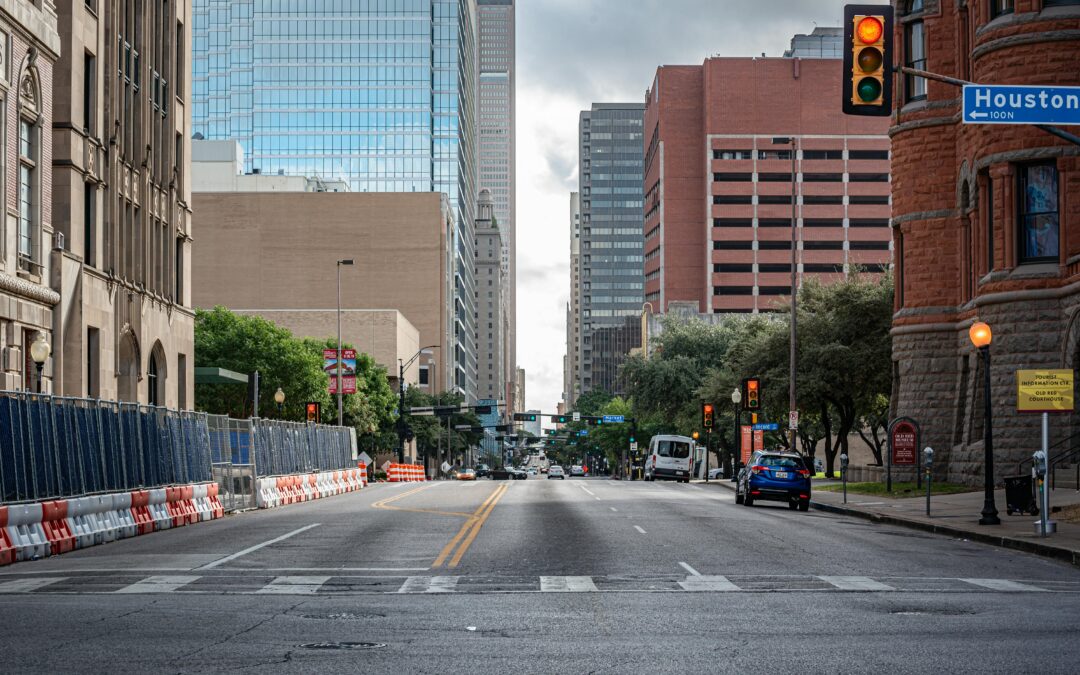
Photo by Dominik Gryzbon from Pexels
This story is part of the weekly Texas Government Insider digital news publication. See more of the latest Texas government news here. For more national government news, check out Government Market News daily for new stories, insights and profiles from public sector professionals.