
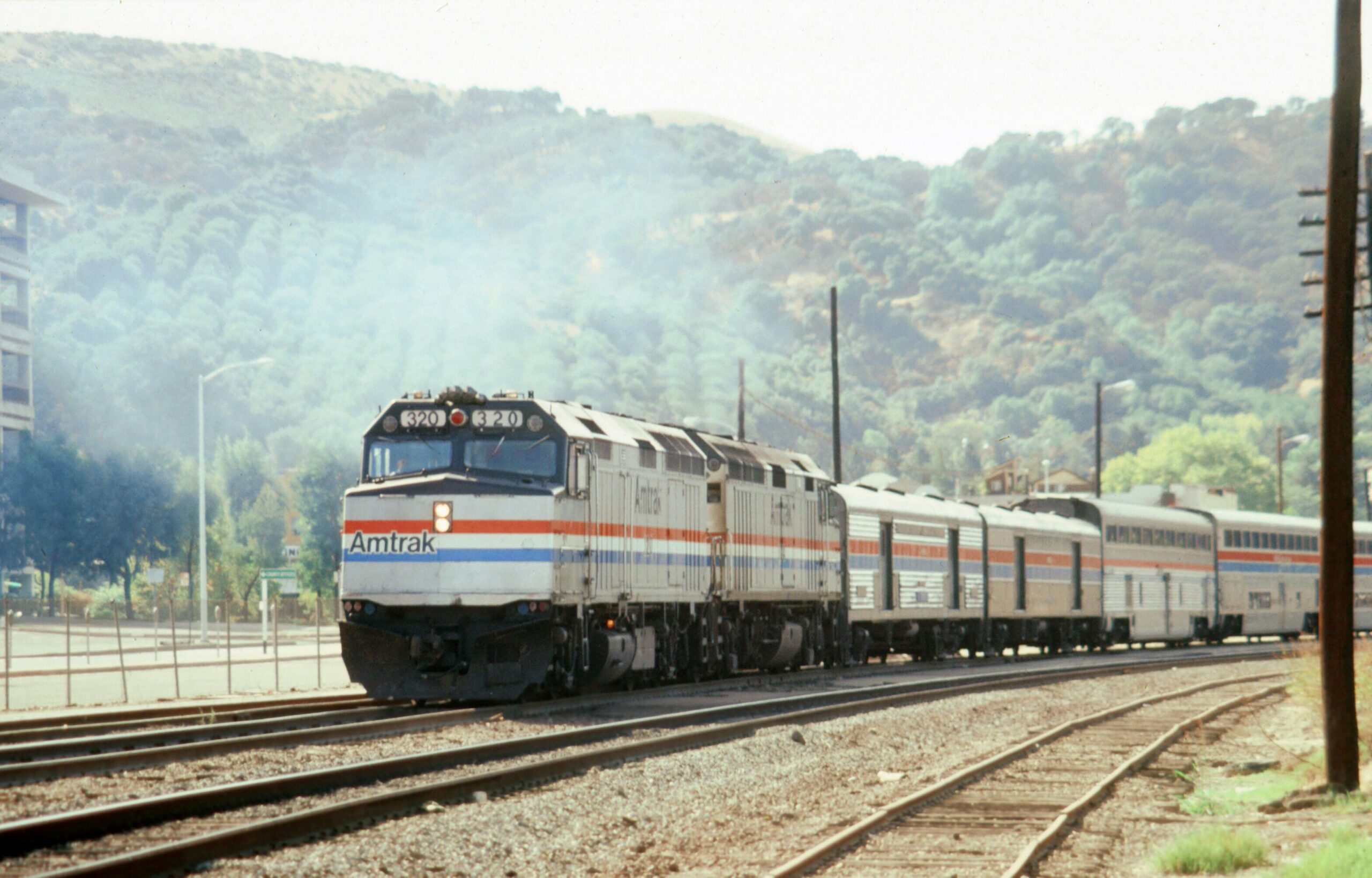
Amtrak has roughly $47 billion in backlog repairs needed to bring infrastructure back into a state of good repair (SOGR), according to a recently released report from the Amtrak Office of Inspector General (OIG). However, while the organization has been grinding away at making infrastructure improvements for the past decade, its efforts are hindered by weaknesses in its governance framework and data.
Achieving a SOGR is paramount to keeping the passenger rail service in reliable standing. For its infrastructure assets to be considered in good condition, they must operate as designed, are not unacceptably dangerous and have their maintenance up to date. However, until it’s able to address these weaknesses, Amtrak is unable to demonstrate how it will use federal dollars to reduce its backlog or establish a timeline to eliminate it.
The percentages of backlog projects are broken into four segments accounting for the $47 billion cost.
- Structures – 75%.
- Electric traction – 10%.
- Communications and signals – 8%.
- Track – 7%.
Amtrak originally inherited the rail infrastructure from private companies after it was created in 1970. By that point, much of the 2,500 miles of tracks, structure and electrical systems were already aging, with some current bridges and tunnels being more than a century old.
These challenges, when combined with Amtrak’s goal to eliminate the backlog by 2040, has placed pressure on the organization to resolve these ongoing issues. Amtrak has commendably been working toward improving its handling of infrastructure management since 2016 by developing a strategy, policy and plan for addressing the SOGR backlog, according to the report.
Despite Amtrak’s efforts, the OIG’s audit revealed challenges that have compromised the organization’s ability to adequately overcome barriers that actively stunt meaningful progress to improve its infrastructure assets. The report determined that the strategy lacks specific objectives and performance metrics needed to create project milestones and meet the 2040 deadline.
In addition, Amtrak has failed to communicate its infrastructure asset management policy, pointing to miscommunication issues and confusion surrounding how it will deliver on its asset management vision. The OIG also uncovered misaligned data between the organization’s two primary asset tracking systems, leading to either missing or outdated information cluttering the database.
Ultimately, although Amtrak has performed well by collecting data on infrastructure asset conditions, the project is incomplete and requires Amtrak to use asset age and field staff knowledge to prioritize infrastructure.
In response to the audit, Amtrak has announced that it will take the foundational steps to resolve these issues by creating a governance framework for infrastructure asset management. This framework will target specific objectives and performance metrics needed to define activities and resources required to reach a SOGR. Additional efforts will include:
- Communicating roles and responsibilities for involved staff and involvements.
- Advancing data improvement efforts.
- Developing additional controls to maintain an accurate inventory.
Photo by Bill Silveira from Pexels
For more of the latest from the expansive government marketplace, check Government Market News daily for new stories, insights and profiles from public sector professionals. Check out our national contracting newsletter here.