
The University of Texas Southwestern Medical (UTSW) Center has secured a $25 million grant to push the boundaries of biomedical innovation by developing advanced 3D printing technology for functional artificial livers.
The Advanced Research Projects Agency for Health (ARPA-H) delivered the funding as part of a national program to develop state-of-the-art bioprinting technology to 3D print personalized human organs that do not require immunosuppressive drugs to implant. UTSW’s Vascularized Immunocompetent Tissue as an Alternative Liver (VITAL) project will use patients’ own cells to create new livers, mitigating the risk of rejection and addressing the increasing demand for healthy organs.
The university research team will convert harvested cells into pluripotent stem cells (iPSCs) – specialized cells capable of being turned into any cell type in the body. These cells will then be combined with a hydrogel “bioink” used with 3D printing technology to create the livers.
While progress has been made in creating liver tissue through this method, research teams have hit a wall when scaling it to a fully functional artificial liver. Normal liver function is exceedingly complex, requiring blood vessels and bile ducts capable of carrying out critical functions such as generating and removing bile, filtering toxins and metabolizing nutrients. The team at UTSW has developed a unique approach to solving this challenge and intends to create a scalable organoid manufacturing facility at the university.
The VITAL project has several anticipated benefits, including:
- Reducing the gap between supply and demand for donor livers.
- Removing the need for lifelong immunosuppression for liver transplant patients.
- Creating artificial livers for in vitro drug testing and research.
The project will set a historic milestone building on decades of work creating lab-made organs. While researchers have pursued multiple other solutions to resolve the discrepancy between available livers and their demand, these approaches haven’t yielded the results needed to resolve the core issue: a lack of sufficient donor livers. Up to 31% of patients die while on the waitlist for liver transplants.
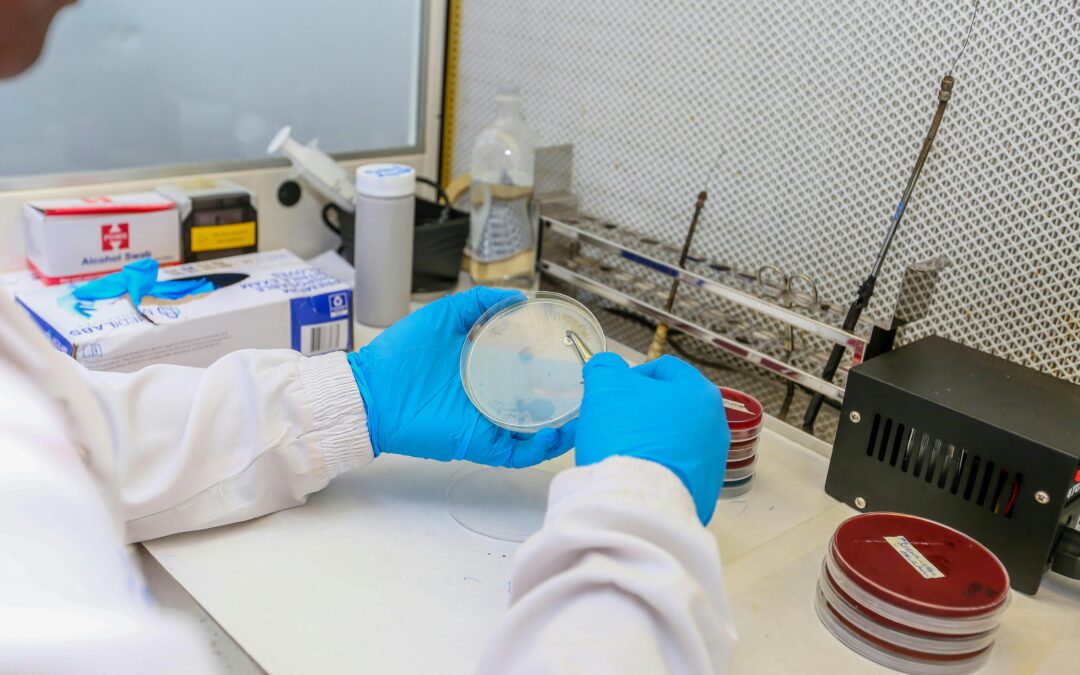
Photo by Timothy Nkwasibwe from Pexels
This story is a part of the weekly Texas Government Insider digital news publication. See more of the latest Texas government news here. For more national government news, check Government Market News daily for new stories, insights and profiles from public sector professionals.