Volume 16, Issue 50 - Wednesday, December 11, 2024 | |
By Mary Scott Nabers, CEO of Strategic Partnerships, Inc. | |
|
Cities and counties throughout the U.S. are launching or planning new cultural arts centers. Many of them have plans to partner with universities, local foundations or non-profits. Others may have leveraged state or federal funds. No matter how it is obtained, funding does not seem to be a major hurdle. That’s because cultural centers generate revenue, encourage citizen engagement and create economic vitality.
The following upcoming opportunities are typical of many currently in the planning stages with scheduled launch dates in 2025. Most are high-cost construction initiatives that will either replace an aging facility or deliver a new one. These types of projects are exciting and are usually developed with lots of input from the communities. Many provide benefits to the entire state where they are located.
In a unanimous vote, elected officials in the city of Portland, Oregon recently approved a strategic plan that calls for two substantial theater projects. Together, the two projects are budgeted at a combined cost of $600 million. The Portland city council is committed to preserving Portland’s arts and culture district which provides a significant boost to the city’s downtown economy. The first project will involve renovation of the Keller Auditorium, which is currently vulnerable to earthquakes, and the second project will deliver a new performing arts center on the Portland State University campus.
Although a detailed timeline is yet to be finalized, the available information indicates that the Portland State University theater will be planned and delivered by 2029. Both facilities will be Broadway capable, meaning that both have the dimensions, lighting, and infrastructure required for hosting Broadway performances.
A large $170-million-dollar project to deliver an 85,000 square-foot multi-arts facility in South Gate, California has been announced. Dubbed the Southeast Los Angeles Cultural Center, its design will combine world-class architecture with the vibrant culture of the Southeast Los Angeles community. The arts complex, when completed, will include a performance hall, music education spaces, professional recording studios, a dance theater, café, workshop areas, galleries, and expansive plazas with gardens. The new center will also provide a permanent space for creative expression, and it will support, encourage, and showcase local artists.
Currently in the design phase, the project has already secured 76% of its total estimated budget, including $132 million from state coffers. An advisory panel has been named and the group will guide the development to ensure alignment with community needs and goals. A construction start date will not be announced until the design phase has been completed. The overall objective is to construct a building that will not only be a landmark facility in Los Angeles County, but also a transformative beacon that will draw visitors from the entire state.
Click here for more.
| |
Florida utilities investing $873 million to upgrade rural electrical infrastructure | |
|
Electric utility companies in Florida will receive $873.2 million to expand rural electrical infrastructure. The funds will support design, construction and operation for transmission lines, smart grid technologies and power generation facilities.
Seminole Electric Cooperative will spend the lion’s share of the funds – totaling $750 million – to build and operate a natural gas-fired 575-megawatt (MW) natural gas combined cycle (NGCC) generation facility. They plan to build this new facility alongside associated transmission facilities and a 230-kilovolt interconnection tie-line. Once completed, the facilities will service 42 Florida counties.
Peace River Electric Cooperative will receive more than $65.8 million for a project nearly identical to Seminole Electric Cooperative’s. The funds will enable the company to build a natural gas-fire 575-MW NGCC generation facility, transmission facilities and a 230-kV interconnection tie-line. The facilities will also provide power for 42 counties in Florida.
Suwannee Valley Electric Cooperative will use $42.4 million to support a number of distribution system improvement projects. The allocation will enable the company to deploy smart grid technologies, including 1,770 miles of fiber to provide improved service to four Florida counties.
Finally, Tri-County Electric Cooperative will receive $15 million to expand electrical infrastructure to connect more than 1,300 customers. As part of the expansion, plans include building and improving 104 miles of line and deploying smart grid technologies to support seven counties.
(Photo courtesy of kentoshima1982 on Pixabay.)
| |
Oklahoma Turnpike Authority approves $322 million FY2025 budget | |
|
During its November meeting, the Oklahoma Turnpike Authority (OTA) adopted its $322 million Fiscal Year 2025 budget, partitioning $166 million for capital projects.
The approved budget covers the first year of the OTA’s five-year capital improvement plan (CIP), which outlines a total $753.5 million budget to support projects through FY 2029. The authority split the FY 2025 budget between transportation-centric projects and other projects that don’t qualify as roadwork.
OTA will allocate $115.9 million for road and bridge projects. Some of the projects include:
- $35.4 million to reconstruct pavement, rehabilitate a bridge, repair a lagoon and conduct dowel bar retrofits and diamond grinding along the Muskogee Turnpike.
- $19.2 million to rehabilitate bridges and reconstruct shoulders and guardrails along the Indian Nation Turnpike.
- $19.1 million to reconstruct shoulders and guardrails at the H.E. Bailey Turnpike.
- $17.4 million to lift and replace concrete panels, treat and re-stripe surfaces, remove infrastructure and buy equipment for all turnpikes.
- $10.8 million to reconstruct shoulders and guardrails along the Cimarron Turnpike.
(Photo courtesy of Pixabay on Pexels.)
| |
Riverside County spending $171 million to enhance roadway infrastructure, improve safety, decrease congestion | |
|
Riverside County - located to the east of Los Angeles, California – will invest $171 million to enhance its transportation infrastructure across multiple highway, interchange and roadway projects. Currently in the design phase, construction on the earliest project is anticipated to begin in late 2026.
Plans include allocating $121 million toward the Jackson Interchange Project. The county will use the funds to reconstruct and widen the interchange along the Interstate 10 freeway to address traffic congestion, improve mobility and enhance safety.
The project will reconstruct the interchange’s I-10 on- and off-ramps and replace the 264-foot overcrossing. The replacement structure will be wider to accommodate additional through lanes, turn lanes and a multimodal active transportation pathway – known as the Coachella Valley Link (CV Link). The pathway will provide pedestrians, bicyclists and low-speed electric vehicles (EV) with safe travel lanes. The county will also reconstruct the 553-foot bridge over the nearby river, providing more traffic lanes and a connection to the CV Link.
The updated interchange’s finalized design has been narrowed down to two alternatives. The first option is a compact diamond configuration that preserves the existing layout while building additional traffic lanes and enhancing the interchange’s geometry. The second alternative features a diverging diamond interchange. This configuration enhances roadway efficiency, providing free flow left and right turning movements while streamlining traffic signal operations.
The county will spend an additional $50 million to widen Temescal Canyon Road from two lanes to four. Additional improvements will include installing a two-way left turn lane, sidewalks, on-street bike lanes, streetlights, bus turnouts and traffic signals. The project will also relocate and adjust utilities and install roadway striping, pavement markings and signage. Once completed, the 0.8-mile stretch of Temescal Canyon Road will be safer and experience reduced congestion.
(Photo courtesy of Denys Nevozhai on Unsplash.)
| |
Rio Grande project gets $143 million for realignment, habitat preservation, water conservation | |
|
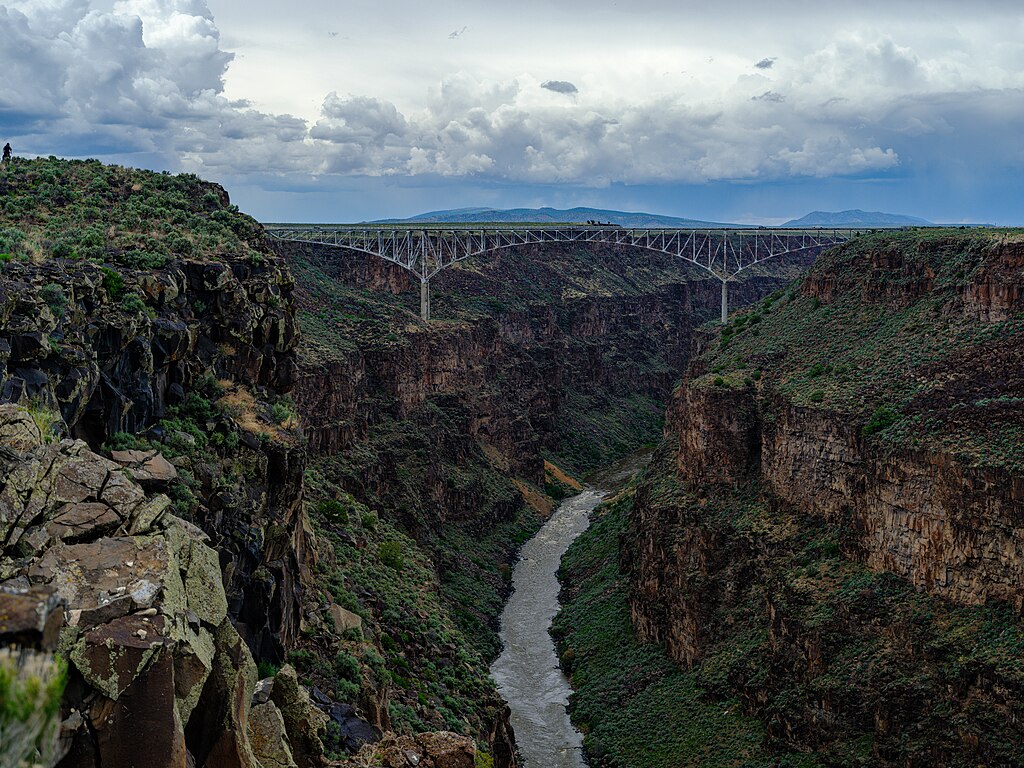
The Bureau of Reclamation (BOR) will spend $143 million to realign the Rio Grande, kickstarting an effort that will improve water conveyance, protect habitats and establish a long-term sediment management strategy. This investment will push the Lower San Acacia Reach Improvement Project into the design phase, with construction expected to begin in 2026.
The project covers 15 miles of the Rio Grande, prioritizing water conservation practices and better flow management. The river currently faces several issues that impact its capability to safely and efficiently deliver water to the Elephant Butte Reservoir and other key regional areas.
These issues include:
- High sediment loads are being deposited in the system, causing channel perching that maintains the riverbed’s elevation above the water table. This leads to seepage loss and drying that increases sediment concentrations in the main channel.
- The river is experiencing conveyance losses caused by transpiration, evaporation, seepage and stranded water. Cumulatively, these contributions severely impact the system’s ability to deliver adequate water supplies.
- Key endangered species are being threatened by reduced floodplain inundation. This stresses native vegetation and reduces available native habitat due to changing environmental conditions as the river shrinks and narrows.
The project has identified two alternatives that will help conserve critical water conveyance and supplies. Both alternatives will convert the existing two-channel system to a single channel.
Alternative A would realign the river to reconnect with the low flow conveyance channel (LFCC) and increase the flow by an additional 100 cubic feet per second (cfs). The project would fill in certain areas of the LFCC and the previous channel to support realignment. Additional actions would include creating a floodplain by removing existing levees and building a berm and flow path to connect upstream overbanking flow with the new channel.
This project would also reinforce the San Marcial Railroad Bridge embankment to redirect overbanking flows. The realignment would be further supported by berm installations near a culvert outlet to direct water flow and excavated floodplains, levees and outlet channels to handle overbanking into the existing upstream river channel. Estimates conclude Alternative A would excavate 4.3 million cubic yards of sediment (cys), fill 610,000 cys, dispose of 3.7 million cys and clear and grub 540 acres.
Alternative B would start the realignment further downstream and would not intersect with the LFCC. The effort would include filling in the previous main channel and drainage channel; building a berm and flow path connecting upstream; and excavating floodplains, levees and outlet channels for overbanking.
Like with Alternative A, this option would increase the river’s flow by 100 cfs. Estimates conclude Alternative B would excavate 3.8 million cys, fill 599,000 cys, dispose of 3.2 million cys and clear and grub 470 acres.
(Photo courtesy of Peter Michael Kamarchik.)
| |
Virginia county seeks P3 developer for $140 million multi-use center | |
|
The Prince William Board of County Supervisors in Virginia is working on a revised public-private partnership (P3) to transform an underutilized plot of land into a mixed-use development. Construction on the approximately $140 million project is tentatively scheduled to begin in 2028 after securing a developer.
The project, known as The Landing Town Center, is still in early phases, although the Board spent $15.5 million in May 2024 to buy 22 acres of land where the center is slated to be built. The plan’s current concept envisions making the development a global cultural destination, integrating a variety of restaurants, arts and cultural gathering spaces and hybrid work areas.
The dynamic features of the complex’s multi-use design would place an emphasis on encouraging economic growth through a sustainable, pedestrian-friendly, transit-oriented town center. The county is interested in forming a partnership with a developer dedicated to creating a blended environment composed of residential living, recreational activities and commercial enterprises.
The Landing Town Center would feature expansive public spaces that blend greenspace and tree coverage seamlessly with community-centric architecture. All plans will take a sustainable approach to construction, enhancing the center’s ecological footprint and environmental stewardship.
Additional center spaces would incorporate cultural venues, public art and performance spaces alongside innovative housing and office solutions that embrace hybrid living environments. The development would include parking lots, additional mixed-use development opportunities and an integrated transportation network.
The project may also feature an indoor sports complex to accommodate different sports activities. This complex, however, is not guaranteed to be a part of the final development design. The Board anticipates requesting proposals for the center in 2026.
(Photo courtesy of Pixabay on Pexels.)
| |
Arizona school district approves $138 million to enhance campus infrastructure, make critical repairs | |
|
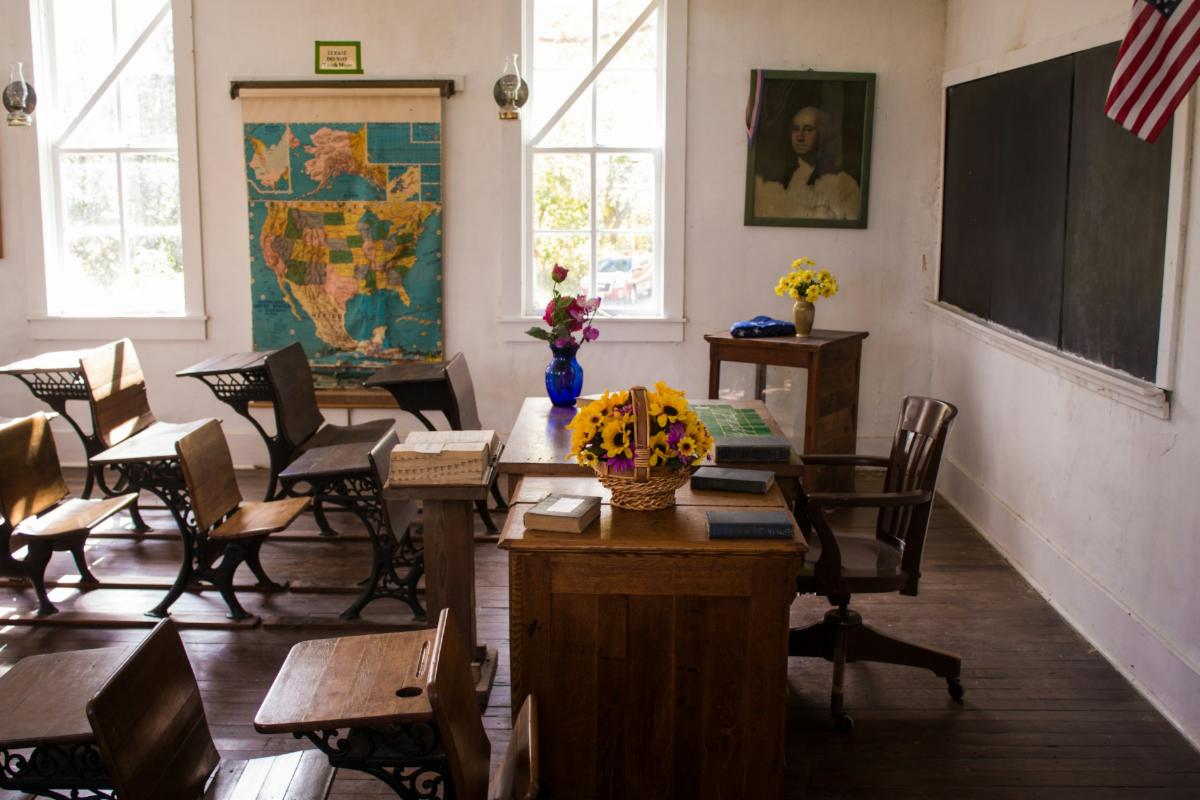
The Agua Fria High School District (AFHSD) in Arizona will spend $138 million to make critical school building improvements, campus repairs and improve learning environment safety measures.
The funds will support improvements to school buildings across the district’s existing campuses. These projects will support multi-phased remodeling and improvement initiatives across four of the campuses, focusing on modernizing their classrooms and buildings. The fifth campus will prioritize improving sound architecture in classrooms.
AFHSD will invest in the second phase of district-wide critical repairs. These repairs will upgrade facilities to meet student needs, including replacing or repairing aging systems like air conditioning, roofs and parking lots. Additional efforts will enhance technology infrastructure, buy new buses and install updated classroom furniture and equipment.
In addition to updating aging buildings, the district may also build another pool. The remaining funds will go toward improving school security measures and training for workforce development.
(Photo courtesy of Jeffrey Hamilton on Unsplash.)
| |
NCDOT partners with state universities to advance air mobility technology innovation and integration | |
|
The University Transportation Center of Excellence for Advanced Air Mobility (AAM) and Unmanned Aircraft Systems (UAS) will spend the next two years researching how drones and next-generation aircrafts can address critical challenges in the transportation sector.
The coalition’s projects will focus on innovating transformational solutions for air mobility, emergency response systems and infrastructure designed to enable new aviation technologies. The organization will also prioritize workforce development to ensure the state’s education and training programs produce the next generation of workers to lead the transformation of the aviation industry.
Each university taking part in the center will work on specialized focus areas aligned with cementing North Carolina as a pioneer in aerial innovation.
North Carolina Agricultural and Technical State University is the project lead, spearheading efforts to develop simulation platforms to enhance coordination between ground and air transportation systems. These solutions focus on using electric Vertical Take-Off and Landing (eVTOL) aircraft, a cutting-edge addition to the transportation industry. The university will also cultivate public engagement to ingratiate the technologies to the public and analyze how the aviation job market will change.
North Carolina State University will focus on examining the best methods and practices to integrate surface and air mobility systems. Plans will factor in how best to use the technologies to enhance rural emergency response capabilities and how AAM solutions will impact the economy and workforce.
Elizabeth State University will advance research into AAM and UAS deployments for emergency response in rural areas. These efforts will guide and inform key decision-making processes and policy development, as well as create training programs for the next generation of aviation industry workers.
(Photo courtesy of Brian Jenkins.)
| |
|
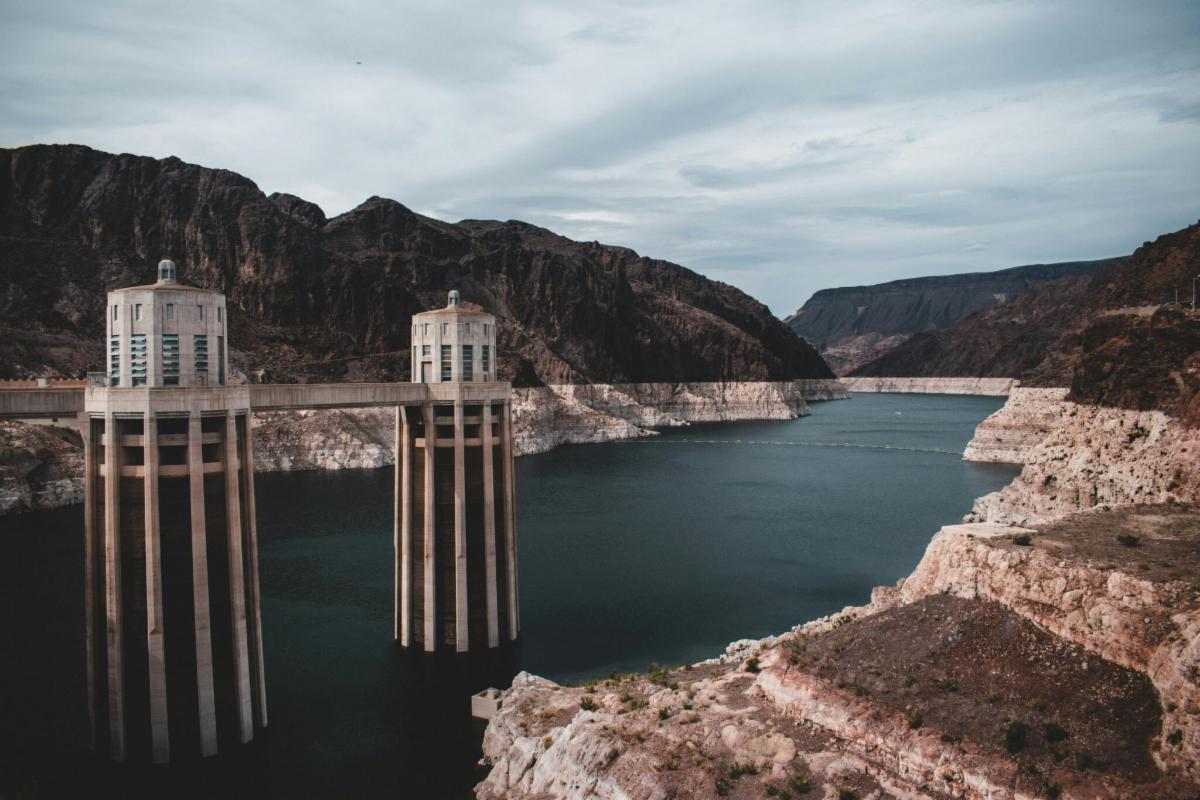
The U.S. Department of the Interior (DOI) has announced $849 million for revitalizing aging water-delivery systems throughout the western United States, supporting projects across Arizona, California, Colorado, Idaho, Montana, New Mexico, North Dakota, Oregon, South Dakota, Utah and Washington.
These projects will focus on better water distribution and storage, improving safety measures, boosting hydropower generation and providing water treatment solutions. 14 projects in the Colorado River Basin alone have been allocated a total of $118.3 million.
Click here for more information about projects receiving water and drought support
(Photo courtesy of B.Bailey on Pexels.)
| |
|
The communities alongside ports in Georgia are about to see some of the benefits of being neighbors with major trading hubs.
The Georgia Ports Authority (GPA) is launching a series of infrastructure improvements aimed at reducing environmental impact on neighboring communities, backed by more than $120 million in federal grants. The funding spans three major projects across the ports of Savannah and Brunswick, focusing on power resilience, emissions reduction and rail system expansion.
Click here to learn more about the GPA’s upcoming infrastructure projects
(Photo courtesy of the US Army Corps of Engineers.)
| |
|
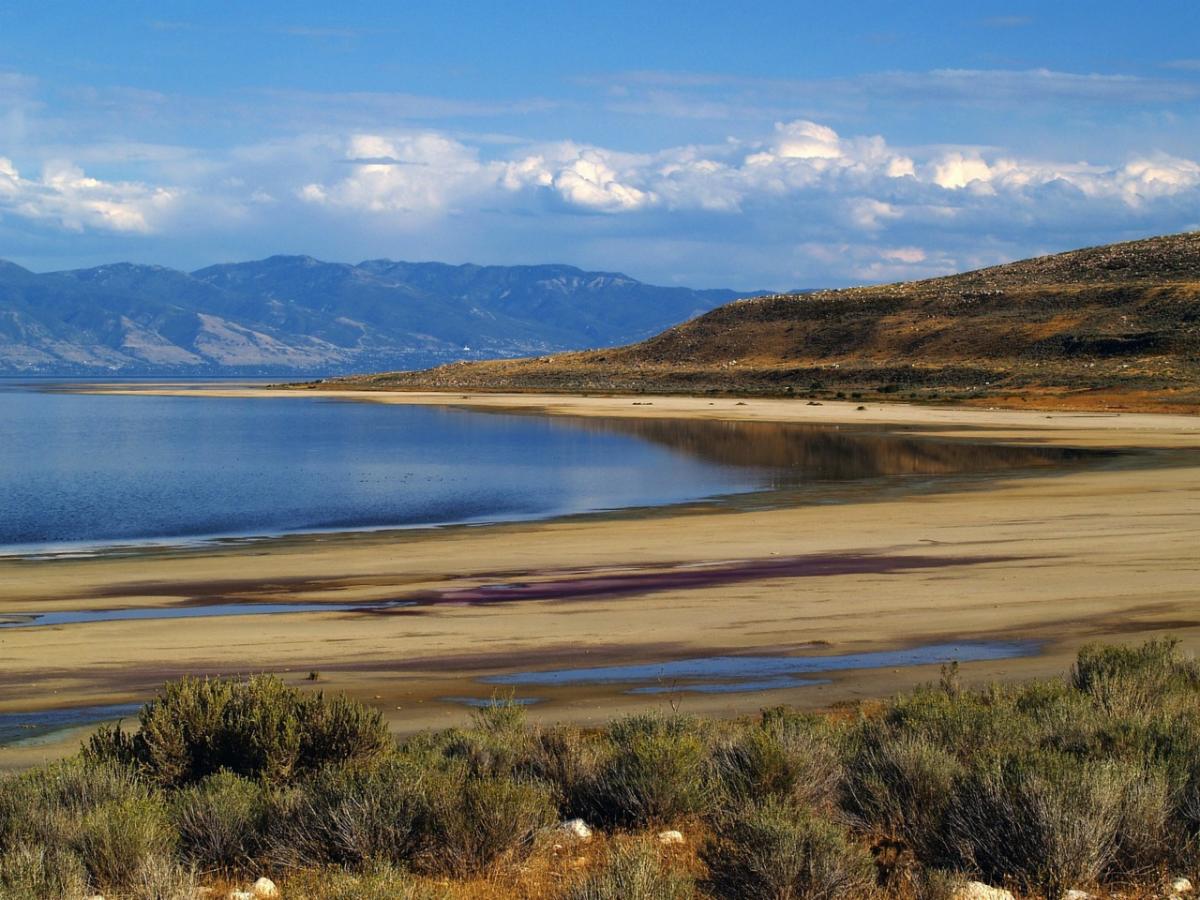
The Bureau of Reclamation is allocating $50 million from the Inflation Reduction Act to support a water delivery program designed to maintain a sustainable and resilient water supply in the Great Salt Lake Basin. Utah has partnered with other entities to match the grant, bringing the total investment to $100 million.
The Great Salt Lake has shrunk to about one-third of its typical size. To address this crisis, the Office of the Great Salt Lake Commissioner has implemented a strategic plan that outlines both immediate and long-term actions.
Click here to learn more about Utah’s efforts to preserve the iconic Great Salt Lake
(Photo courtesy of Pixabay.)
| |
|
Native American tribes around California will secure more than $91 million in grants to address the growing threat of housing insecurity and homelessness in their communities.
The California Housing and Community Development Department (HCD) is funding two grant programs that provide stable housing opportunities for tribal communities – the Tribal Homeless Housing, Assistance and Prevention (HHAP) program and a first-ever tribal investment from the state’s successful Homekey initiative.
Click here to learn more about how California tribes are combatting homelessness
(Photo courtesy of Ron Lach on Pexels.)
| | |
|  |
|
|
North Carolina – The city of Charlotte has appointed Markell Storay as CIO. Storay has been with the city since 2020, most recently serving as its chief technology officer. He succeeded Reenie Askew in the role.
Pennsylvania – Scott Sauer will take over as interim general manager for the Southeastern Pennsylvania Transportation Authority (SEPTA). Sauer left his previous role as the agency’s COO to accept the new position. He has been with SEPTA since 1990, starting as a surface trolley operator. Sauer succeeded Leslie Richards.
Arkansas – Jared Wiley has been selected to take over as director of the Arkansas Department of Transportation (ARDOT). Most recently serving as the department’s chief engineer for preconstruction, Wiley will succeed Lorie Tudor on Jan. 10, 2025.
California – The Carlsbad City Council has promoted Assistant City Manager Geoff Patnoe to full-time city manager. Patnoe’s first day as city manager will be Dec. 19, 2024. He brings more than two decades of municipal government experience to the position. Before joining Carlsbad in 2020, Patnoe worked for a decade as director of the Office of Strategy & Intergovernmental Affairs for San Diego County.
Illinois – Nancy Rabel will take over as the city of Champaign’s deputy city manager Dec. 16, 2024. Rabel brings more than 25 years of municipal government and legal experience to the position. She most recently served as the city’s assistant director of Human Resources.
North Carolina – Raleigh has selected Niki Jones as its next assistant city manager. Jones is the current interim manager for the Athens-Clarke County, Georgia Unified Government. He previously served as Raleigh’s assistant director of the Housing and Neighborhoods Department from 2016 to 2020. His first day in the new role will be Jan. 21, 2025.
Iowa – David Jones will take over as the city of Urbandale’s next city manager. Jones brings more than 25 years of local government experience to the role. He will officially succeed A.J. Johnson on Jan. 27, 2025. He will leave his current position as Ankeny’s city manager to join Urbandale.
Washington – Casey Sixkiller has been appointed director of the Washington Department of Ecology. Sixkiller will be the department’s 14th director, officially starting Jan. 15, 2025. He currently serves as the regional administrator for region 10 of the Environmental Protection Agency. Before his current role, he was deputy mayor of Seattle and COO of King County, Washington.
Montana – The Montana Department of Fish, Wildlife and Parks will have a new leader. Christy Clark will take over as director, leaving her current role as director of the Montana Department of Agriculture.
Iowa – The Polk County Board of Supervisors has selected Juliann Van Liew to lead the county’s Health Department as director. Van Liew brings more than a decade of leading health initiatives at both the municipal and state levels. She is currently the wellness and preventative health director at the Iowa Department of Health and Human Services. Her first day with the Health Department will be Dec. 18, where she will train under Helen Eddy until her retirement Jan. 17, 2025.
Hawai’i - The city and county of Honolulu has chosen Brian McKee as the next CIO and director of the IT Department. McKee will succeed Mark Wong in the position. He will officially begin his tenure Jan. 2, 2025.
Georgia – Chris Hobby has stepped into his new role as assistant city manager for Peachtree City. Hobby brings more than 28 years of government management experience to the role, previously serving the cities of Colquitt and Bainbridge. His first day with the city was Nov. 25.
| | |
|
Connect with SPI
Check out our social media links!
| |
About Government Contracting Pipeline | |
|
Strategic Partnerships, Inc.
Publisher: Mary Scott Nabers
Editors: Adam Rollins
Jerrod Kingery
www.spartnerships.com
| |
Government Contracting Pipeline, a publication of Strategic Partnerships, Inc., is a free, weekly newsletter detailing important happenings nationwide and the premier source for federal, state and local government news and contracting opportunities. | |
Help us share this message.
To ensure delivery and proper formatting of the newsletter, be sure to add editor@spartnerships.com to your safe senders list.
Otherwise, the newsletter may be flagged as spam and automatically routed to your junk e-mail folder.
| | | | |