Volume 16, Issue 48 - Wednesday, November 27, 2024 | |
By Mary Scott Nabers, CEO of Strategic Partnerships, Inc. | |
|
As the demand for modernized and expanded infrastructure surges, one sector stands out with unprecedented momentum: healthcare facilities. Healthcare facilities are critical components of the nation’s infrastructure and from what can be seen in planning documents, it appears that almost every state and/or region in America is evaluating some type of healthcare-related-upgrade. The obvious needs and high interest in these types of projects will present a wealth of new opportunities for contracting throughout the U.S.
A $2.5 billion project to expand the MD Anderson Cancer Center located in the UT Austin Medical Center will involve the construction of two hospital towers: one operated by MD Anderson which will be dedicated to cancer treatment and the other by the University of Texas offering a broader range of medical services. The new facility will address an increasing need for specialized healthcare services in the region. The facility’s design will incorporate the necessary infrastructure to accommodate both current and future needs. The integration of two towers into one facility will provide a streamlined, centralized location for patients to receive specialized treatment and additional medical services. The pre-RFP construction services are set to begin in 2026
A large expansion and renovation project in Pullman, Washington is set to launch in early 2025. With a cost projection of somewhere between $45 million and $50 million the Pullman Regional Hospital expansion project aims to position the facility to better manage an increase in demand for specialized medical services while maintaining efficient operations and a high standard of care. The original hospital was constructed in 2004 and over the past 20 years healthcare methods have evolved, technology has moved forward, and the population that the system needs to accommodate has increased significantly.
The design focuses on creating increased capacity within key areas of the hospital, including the emergency department and surgical spaces. It will also renovate critical areas such as the maternity ward. The project will incorporate updated systems designed to improve medical workflows, optimize space utilization, and increase capacity to support a higher volume of services. Many critical infrastructure updates including the enhancement of utilities and communication networks, are included, ensuring the facility is equipped for future operational demands.
Officials at the University of South Carolina in Columbus will oversee the construction of a new neurological hospital designed to advance operational efficiency and enhance the infrastructure supporting neurological and neurosurgical care. It carries a cost estimate of $50 million. The new facility will provide115 beds, all engineered to function as intensive care units if required. It will have decentralized nursing stations on each floor as well as laboratories and research spaces positioned to ensure alignment between academic and operational objectives. The design documents outline a high focus on long-term sustainability and the potential for future growth. A construction launch is planned for 2025.
Click here for more.
| |
Los Angeles County investing $380 million in reservoir restoration | |
|
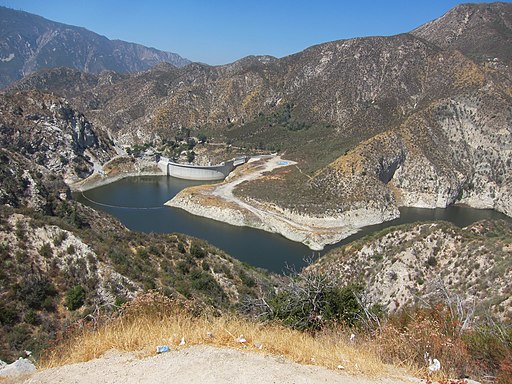
The Los Angeles County Public Works has approved three major reservoir restoration projects totaling $380 million to protect the local water supply and mitigate flood risks for millions of California residents. The county expects both bidding and construction to begin in 2025.
The $240 million Rory M. Shaw Wetlands Park Project will convert a 46-acre landfill into a multi-purpose wetlands park. The conversion will play an essential role in preventing floods and reducing stormwater pollution, protecting nearby communities while also promoting recreational opportunities and wildlife habitats.
The project will build a 21-acre detention pond to capture and treat stormwater runoff. The detention pond will direct runoff into a connecting 10-acre wetland, creating a natural water treatment system to remove pollutants. Accumulated water will then be pumped into infiltration basins in the neighboring Sun Valley Park to recharge groundwater levels.
The county plans to reserve approximately 15 acres for open space and future recreational areas. The completed wetlands park will also provide a sustainable habitat for local flora and fauna. In preparation for the wetlands project, the county approved an additional $5.6 million for interim fencing and landscaping enhancements. This will replace the perimeter fencing with eight-foot tubular steel fencing and up to 90 24-inch box young mature trees.
The Pacoima Reservoir Restoration Project is an $80 million, three-phase initiative that will remove up to 5.5 million cubic yards of sediment and reinforce the Pacoima Dam. A series of wildfires and heavy storms have burned 96% of the nearby drainage region and washed the debris into the reservoir, impacting the dam’s efficacy, storage capacity and water quality.
The first phase of the project will remove approximately 1.5 million cubic yards of sediment by truck. The county will restore a connecting access road to help facilitate movement. Plans include controlling the release of water into the Pacoima Wash to make the sediment accessible for excavation.
The goal of the second phase is to remove between 2.2 and 4 million cubic yards of sediment. The county will use trucks, but may also implement a conveyor belt system, though haul routes are still being discussed. Removing the sediment will mitigate flood risks and restore stormwater capacity, allowing the dam to recharge a connecting groundwater basin.
The third phase will focus on the long-term viability of the Pacoima Dam. The project will develop a maintenance plan to prepare the site and reduce the need for future sediment-removal projects. Once implemented, the plan will increase the dam’s reliability, safety and climate change resilience.
The $60 million Big Tujunga Reservoir Restoration Project will remove between 2 and 4.4 million cubic yards of sediment to a nearby placement site. Efforts will restore the reservoir’s storage and flood control capacity and decrease flood risk to nearby communities. Once completed, the project will also improve conservation capabilities and preserve the dam’s flood control valve operability.
(Photo courtesy of Shannon1.)
| |
University of Nebraska signs off on $2.2 billion healthcare facility project | |
|
The University of Nebraska Medical Center (UNMC) has been given the greenlight to move its $2.2 billion healthcare facility project into the design phase. A construction contract has not yet been awarded. Officials anticipate breaking ground in August 2025.
The UN Board of Regents’ approval marks the start of the university’s most ambitious public-private partnership (P3) in history: Project NExT. The healthcare facility – known as Project Health: Building the Healthiest Nebraska – is the first part of a three-phase plan to transform the UNMC campus' healthcare facilities and research capabilities.
Project Health will be located on a 7.5-acre site on the center’s main campus. Once built, the facility will be the primary in-patient clinical hospital for UNMC, providing more than 550 beds. The project will offer a modern environment for learning, bolstering the university's inpatient clinical education offerings.
The facility will expand UNMC’s capacity to meet the state’s healthcare needs by increasing classroom and residency sizes and enhancing research, education, clinical and community service programs. It will also replace outdated facilities that no longer meet the university’s medical education standards.
Approximately $50 million will fund the project’s design work. Once Project Health has been completed, the university will kickstart the next two phases of Project NExT. Phase 2 would potentially expand existing facilities to support key regional partnerships. Phase 3 would lay the groundwork for a joint civilian-military medical surge facility through a selection of P3s.
(Photo courtesy of DarkoStojanovic on Pixabay.)
| |
Kansas City school district approves $175 million to build state-of-the-art facilities | |
|
Kansas City, Kansas, Public Schools (KCKPS) will spend $174.7 million to build, rebuild and expand district school facilities.
The district will evenly split $132.7 million to build two middle schools. Central Middle School will be built on a nearly 7-acre site, covering approximately 125,000 square feet. The two-story facility will be able to house about 950 students and will be equipped with tech-enhanced classrooms, modern learning spaces and a state-of-the-art Career and Technical Education (CTE) facility. Plans also include security upgrades with advanced monitoring and safety protocols.
Argentine Middle School will be rebuilt on the site of an existing campus. Prior to construction, KCKPS will demolish the current Silver City facility. After the two-story school is rebuilt, the district will either repurpose, demolish or use the current Argentine Middle School area as a swing site. The new facility will cover 125,000 square feet, host around 950 students and will feature identical amenities and services to Central Middle School.
The district will also consolidate two schools into a single campus, spending $35 million to build an elementary school for both Silver City and Noble Prentis students. The project will be located on the existing Noble Prentis site, featuring a 3-story facility. The 72,000-square-foot building will hold around 550 students. Like the other schools, the new campus will feature tech-enhanced classrooms, modern learning spaces, a CTE facility and improved campus security measures.
Sumner Academy will receive a $7 million building expansion. The project will add eight classrooms, restroom facilities and additional support space that will connect to the main facility. Once built, the district will be able to remove mobile classrooms from campus.
While the projects have been approved, a construction timeline has not been firmly established.
(Photo courtesy of victorsteep on Pixabay.)
| |
Alaska Railroad Corporation invests $125.6 million to rehabilitate, replace critical bridges | |
|
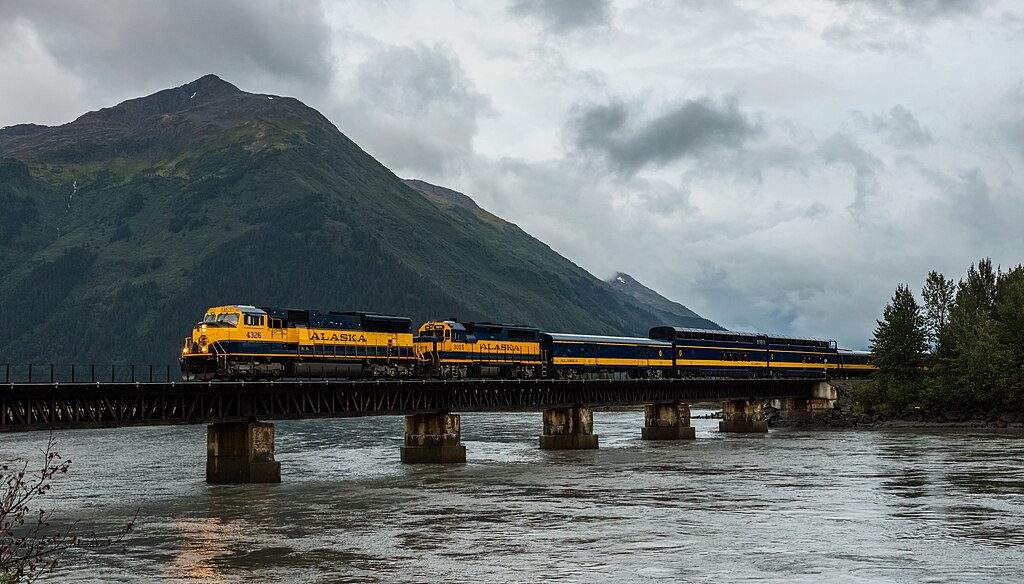
The Alaska Railroad Corporation (ARRC) will spend a combined $125.6 million to rehabilitate and replace a series of rail bridges across the state. Construction on the projects is estimated to begin between 2025 and 2026.
The largest project will prioritize rehabilitating the $48 million Bridge 413.7, a truss bridge spanning the Tanana River in Nenana. The work will extend the bridge’s useful life span, starting with rehabilitation for its through truss, deck truss and deck girders. ARRC will also stabilize pier 12 and replace its expansion bearings, shorten the northern approach span and repair concrete spalls.
The corporation will also allocate $23 million to rehabilitate Bridge 284.2, starting with the 394-foot deck arch span. To ensure stability and resilience, the project will realign or replace the expansion bearings at piers 2 and 5, secure piers 3 and 4 with rock bolt anchors, repair spalling concrete and install maintenance and inspection platforms. Additional efforts to increase bridge safety, stability and load capacity will revolve around securing the south canyon wall and channel to mitigate current and future erosion.
Another $15.3 million will go toward replacing Bridge 351.4 - a triple-span, 369-foot pony truss bridge – with an approximately 175-foot span. The replacement bridge will include two 65-foot beam approach spans on either end, bolstering the rail corridor’s integrity and resilience for years to come.
ARRC will spend $15 million to replace Bridge 354, a 123-foot through-plate girder bridge with four 31-foot I-beam ballast deck spans. The replacement will be a 125-foot steel through-plat girder bridge, featuring three 31-foot and one 46-foot deck plat girder spans.
Plans also include investing $14 million to replace Bridge 355.2 and $10.3 million for Bridge 190.5. Bridge 355.2 will be swapped out with an updated 125-foot steel through-plate girder bridge designed to be more stable and durable than its pony truss and timber predecessor. ARRC will replace Bridge 190.5 - currently an 80-foot, single-span bridge – with a 125-foot, single-span through-plate girder bridge.
(Photo courtesy of Diego Delso.)
| |
University of Wisconsin Residence halls to receive $52 million face lift | |
|
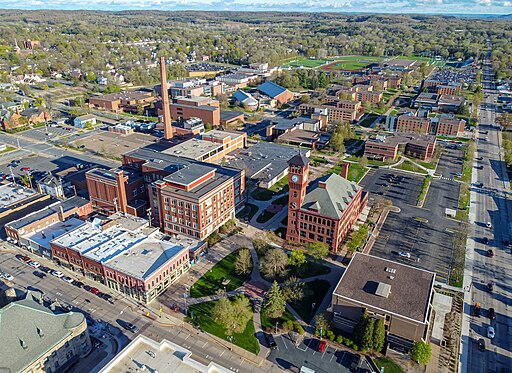
The University of Wisconsin at Stout (UW-Stout) will spend $51.7 million to renovate four residence halls and build an addition to the complex. Construction is expected to begin in May 2027.
The Hansen, Keith, Milnes and Chinnock (HKMC) Residence Hall Complex is around 60 years old and has never received an extensive update to improve its accessibility or maintain its infrastructure. Students currently staying in the complex have had to contend with failing utility systems, poor insulation, leaks and overall poor functionality.
To bring the complex up to modern standards, the university will renovate the halls, improving the functionality and efficiency of the buildings’ programmatic spaces and infrastructure. Accessibility improvements will include relocating the main entrance from the first floor to the ground floor and building new entrances, circulation stair towers and an elevator.
Plans include comprehensive renovations for all restrooms and showers in the complex. Other substantial replacements will include:
- All resident room interior finishes.
- Interior door assemblies.
- Electrical and telecommunication service distribution.
- Lighting and controls.
- Roofing systems.
- Exterior windows.
- Exterior storefronts and vestibules.
- Medium voltage electrical feeders.
- Building electrical system and equipment.
- Fire alarm and smoke detection system.
UW-Stout also plans to enhance the building by maintaining and repairing the exterior masonry and adding new windows in place of selected masonry sections.
The project will install fiber optic cable, connecting the HKMC Residence Hall Complex to the main campus hub. For added security, the university will install card access systems, cameras and security systems. Other upgrades include replacing the complex’s underground steam service, HVAC equipment and associated distribution. The controls for these utility features will also be replaced with direct digital controls.
To better protect the student body, UW-Stout will revamp the complex’s water infrastructure, replacing the domestic, sanitary and storm sewer systems. Replacement plumbing systems will supplement the other systems, ensuring the residence halls will have access to clean, reliable water. The university will also retrofit the buildings with fire protection systems, reconstruct or restore paved surfaces and install landscaping around the complex.
(Photo courtesy of Wikideas1.)
| |
Georgia utility company leveraging grid-enhancing tech to boost energy capacity and resilience | |
|
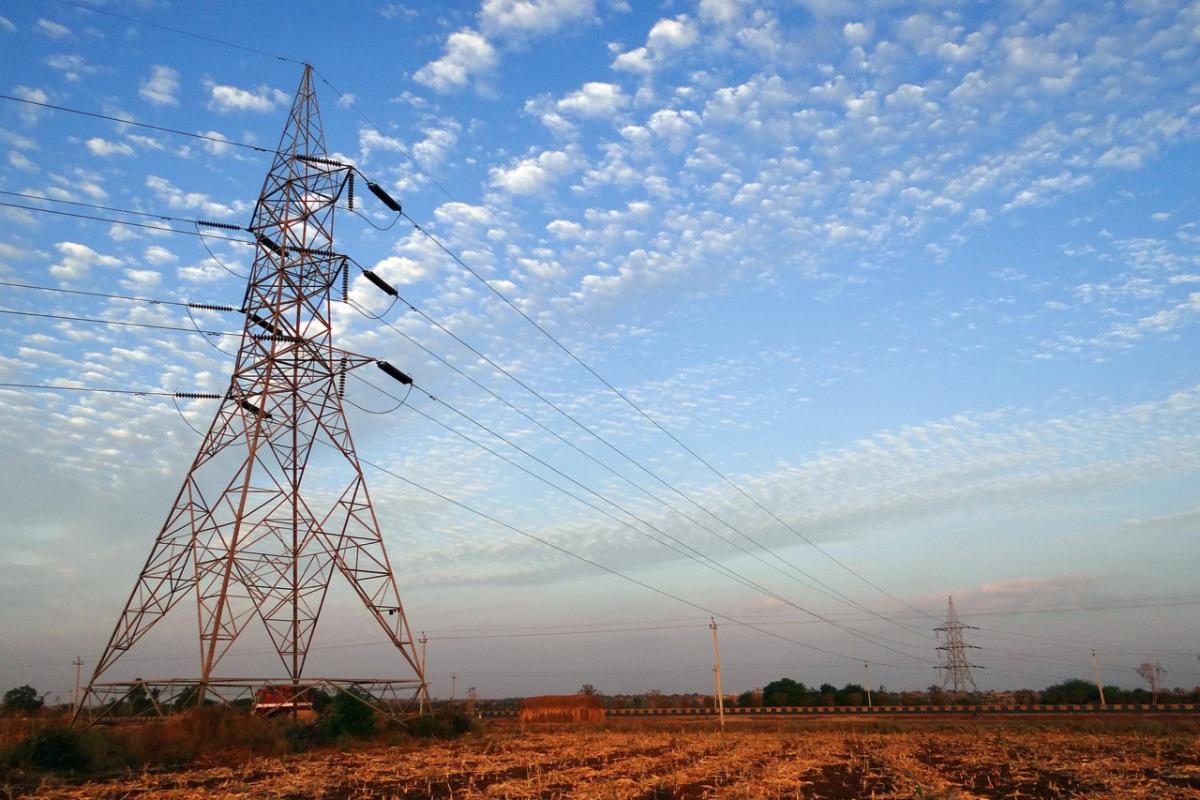
A Georgia-based utility company will invest $320.6 million into deploying grid-enhancing technologies designed to enable the state’s power grid to meet critical capacity and flexibility.
As climate change and population growth increase power demand on Georgian infrastructure, improving grid resilience has become more important than ever. Integrating advanced technologies into the statewide energy system will ensure Georgia can reliably keep the power on during extreme weather events and natural disasters.
As part of the project, the utility company will deploy a series of grid-enhancing tech across key locations in the grid. These include dynamic line rating technology and reconductoring, proving real-time insight into transmission line operations based on changing local conditions.
The reconductoring process will involve installing improved conductor technology on existing structures. These upgrades will maximize the amount of power that existing transmission lines can handle, ensuring higher volumes of energy can be transmitted to sustain the state’s growing population.
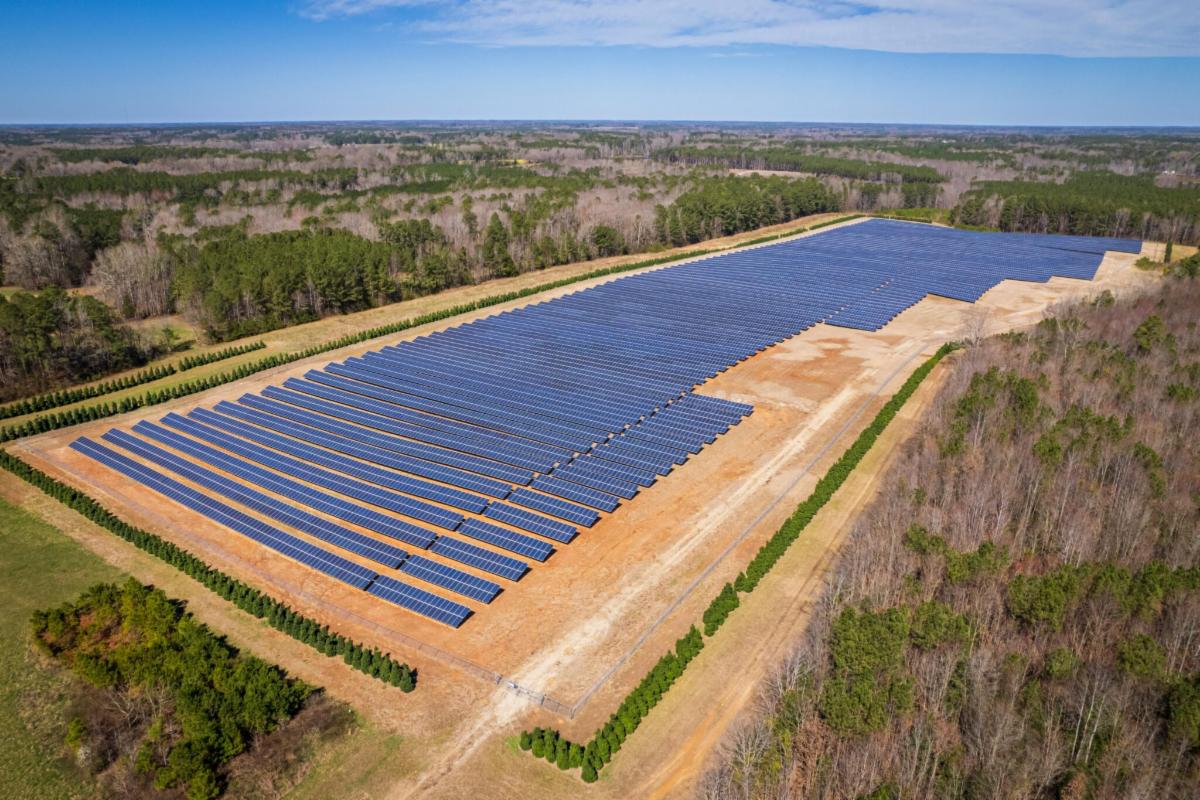
In addition, the grid-enhancement tech will make it easier for the utility company to connect clean energy to customers. Expanding renewable energy will provide critical locations and underserved communities with affordable, clean power while reducing the frequency and duration of outages.
The utility company will invest in workforce development throughout the project to sustain and maintain the power grid. Participants will learn how to install and configure advanced aluminum conductors, steel supported conductors and the dynamic line rating sensor systems.
(Photo courtesy of sarangib on Pixabay.)
| |
Arizona launches tri-university institute for transportation innovations | |
|
The Arizona Department of Transportation (ADOT) has officially launched the state’s first tri-university transportation consortium.
The Arizona Transportation Institute (AZTI) - composed of the state’s three public universities – will provide a framework for industry-leading researchers to advance innovative projects that benefit the transportation sector. While the Arizona Board of Regents officially approved the institute in September, ADOT’s support will ensure AZTI has ongoing funding for the next two years.
Arizona follows in the footsteps of other states that have established similar institutions, supporting cutting-edge R&D and workforce development. Currently, AZTI has eight projects underway, some of which include:
- Investigating the impacts of heavier and oversized vehicles on roads and bridges compared to other vehicles.
- Developing Arizona-specific factors to supplement ADOT decision-making processes on where best to place safety countermeasures – such as median barriers and traffic control lights - to reduce crash frequency and severity.
- Determining if landscaping and vegetation management may help reduce roadway maintenance costs by helping native plants recover after wildfires.
- Creating asphalt mixes that are more efficient and cost-effective for use.
AZTI researchers will conduct their own studies and consider ADOT project recommendations, prioritizing collaboration among the participating universities to streamline funding and advance R&D. The institute looks to attract more state and federal grants, with the next proposals expected to open in February 2025.
(Photo courtesy of Aleksejs Bergmanis on Pexels.)
| |
UNC researchers develop tool to advance hydrokinetic technologies, support renewable energy resources | |
|
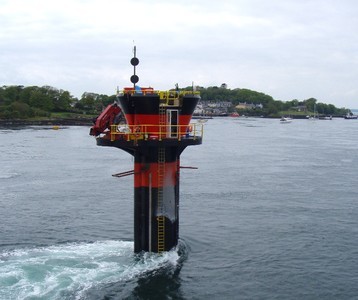
Upcoming ocean-based hydrokinetic energy projects will soon be able to leverage a free-to-use modeling tool to help design more robust technologies and inform risk assessments.
University of North Carolina (UNC) researchers developed the tool to help ensure innovative marine hydrokinetic devices can more easily secure funding and permitting for deployment. Hydrokinetic devices convert the ocean’s mechanical energy generated by tides, currents and waves into renewable electricity. Examples of these technologies include:
- Ocean current turbines.
- Floating point absorber structures.
- Multi-segmented floating attenuators placed parallel to waves.
- On-, near- or offshore terminator devices.
- Semi-permeable barrages.
While these devices have great potential to support sustainable energy initiatives, they are costly and at risk of damage from the ocean’s natural movement. The same mechanical energy that generates electricity also wears them down, especially during severe weather.
The fragility of these technologies makes securing financing and permits for construction and deployment more challenging. The model helps developers conduct more accurate risk assessments, providing clear metrics on how the device would hold up under pressure. The tool provides two main services:
- Determining the device’s fragility curve based on specific characteristics and the mooring and anchoring system used.
- Using a hydrodynamic simulation that provides precise information on how systems will respond to various current and wind speed conditions.
The fragility curve graphs how much force a device can withstand from inclement weather before the mooring system fails and damage occurs. The software allows users to input environmental conditions and the physical characteristics of the hydrokinetic device and determine how likely it is to break free at a specific location or how much stress it can endure. This data can then be used to improve and innovate the technology’s design.
(Photo courtesy of Fundy.)
| |
|
Massachusetts has enacted a nearly $4 billion initiative that will accelerate the state’s transition to a cleaner, more sustainable energy future.
The new legislation, S.2967 or An Act Promoting a Clean Energy Grid, Advancing Equity and Protecting Ratepayers, represents a major stride toward achieving the state’s goal of net-zero greenhouse gas emissions by 2050. The bill has been signed into law by Governor Maura Healey.
Click here for more information about the newly passed climate legislation
(Photo courtesy of C1MM.)
| |
|
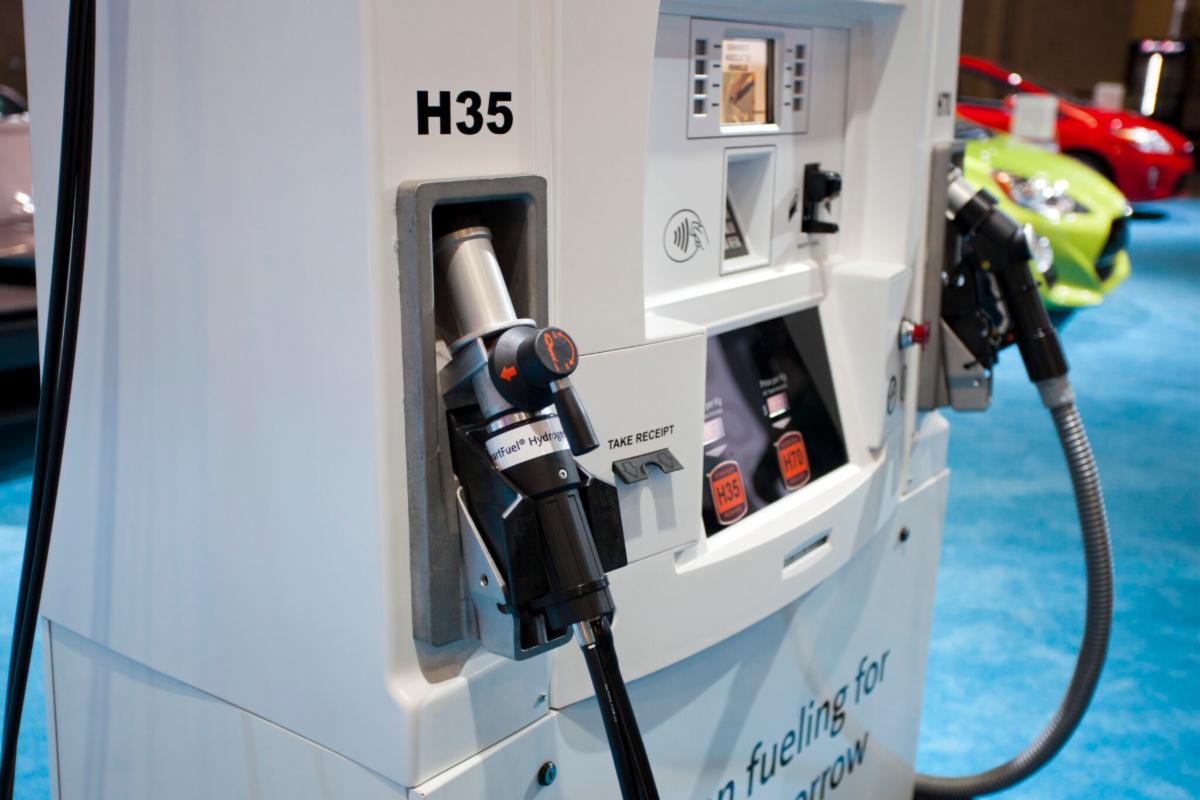
The U.S. Department of Energy (DOE) has announced plans to allocate up to $2.2 billion for two Regional Clean Hydrogen Hubs (H2Hubs). These hubs — Gulf Coast H2Hub and Midwest H2Hub — will speed up the large-scale use of affordable, clean hydrogen, an energy source that can be made with little or no carbon emissions.
The H2Hubs program’s goal is to create a nationwide network connecting clean hydrogen producers, users and infrastructure while supporting its production, storage, transportation and applications.
Click here to learn more about the upcoming hydrogen hubs
(Photo courtesy of the U.S. Department of Energy.)
| |
|
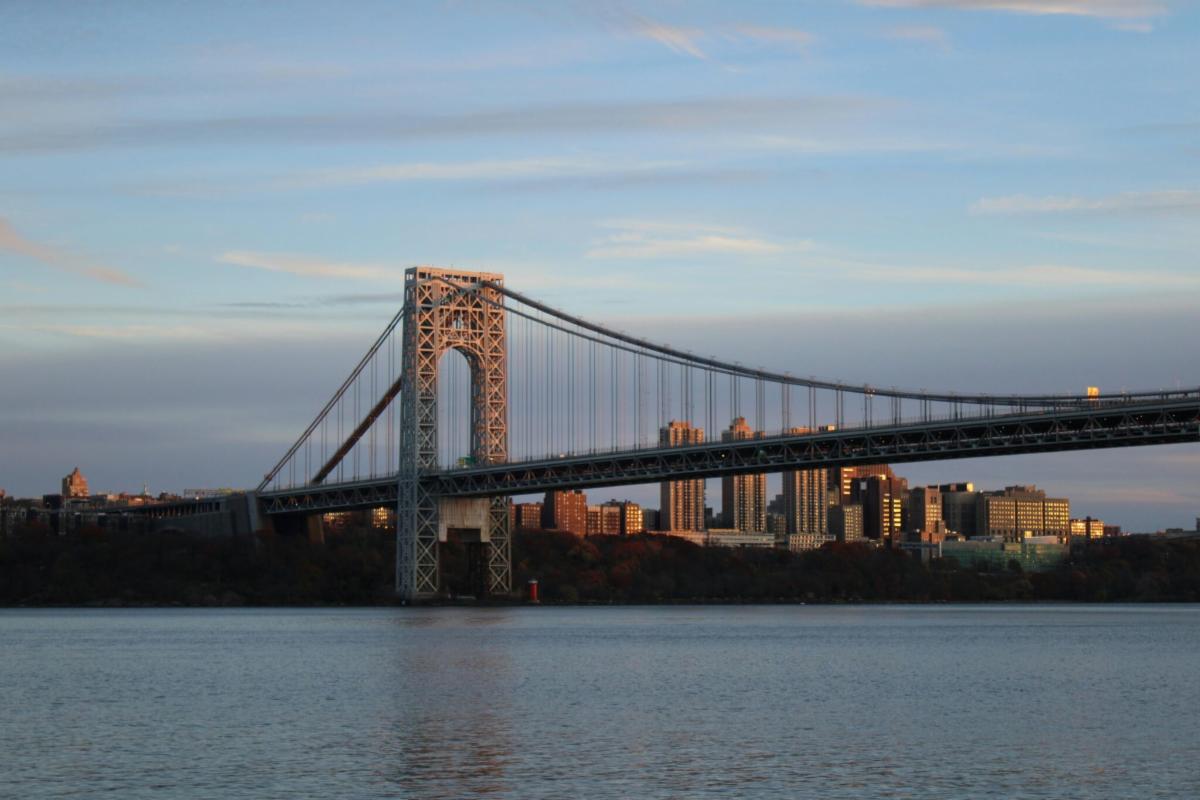
The Port Authority of New York and New Jersey has unveiled its proposed $9.4 billion budget for 2025, allocating $3.6 billion to capital infrastructure projects.
These projects include the redevelopment of the region’s key airports, the replacement of the aging Midtown Bus Terminal and a comprehensive rehabilitation of the George Washington Bridge.
Click here to learn more about what’s proposed in the port’s 2025 budget
(Photo courtesy of The Global Guy.)
| |
|
The U.S. Department of Agriculture is ramping up its support for clean energy adoption across rural America. The agency recently announced more than $256 million in new loans and grants that will fund projects across 40 states.
This latest round of funding pushes the total investment through the Rural Energy for America Program (REAP) past the $1 billion milestone utilizing funding from the 2022 Inflation Reduction Act. The grants and loans will support farmers and rural businesses in transitioning to renewable energy sources and implementing energy efficiency improvements.
Click here for more information on energy projects receiving federal support
(Photo courtesy of Mark Stebnicki.)
| | |
|  |
|
|
California – Rebecca Franklin has been appointed chief deputy director of the California Housing Finance Agency. Franklin most recently served as the agency’s director of enterprise risk management and compliance, a role held since 2020. She brings 16 years of administrative, operations and management experience in both the public and private sectors to the position.
Arkansas – The University of Arkansas Board of Trustees has chosen Jay Silveria as the system’s next president. Silveria currently serves as executive director of Texas A&M’s Bush School of Government and Public Service in Washington D.C. He will officially begin his tenure Jan. 15, 2025.
Arizona – Lester Godsey will take over as chief information security officer (CISO) at Arizona State University. Godsey will bring more than three decades of IT experience to the position. He most recently served as CISO for Maricopa County. Godsey will assume his role in early December.
California – The Port of San Diego has selected Scott Chadwick as its next president and CEO. Scott currently serves as city manager of Carlsbad. He will bring more than two decades of municipal government experience to the position. He will officially assume his responsibilities in mid-January.
Hawai’i - Kevin Auger has been appointed executive director for the city of Honolulu’s Office of Housing. Auger is a real estate veteran, bringing almost four decades of housing development experience to the position. He most recently served as deputy director of the Office since July 2023. He replaced Denise Iseri-Matsubara on Nov. 18, 2024.
Virginia – Westmoreland County has chosen James Taylor as its next county administrator. Taylor most recently served as deputy county administrator in Hanover County, the latest in his 24-year career. His first day will be Dec. 1, 2024.
Washington – K.D. Chapman-See has been selected to take over as director of the Office of Financial Management. Chapman-See currently serves as the Office’s legislative affairs liaison, a post held since October 2022. She will officially begin her tenure Jan. 15, 2025, succeeding Pat Sullivan.
Kentucky – The Cincinnati/Northern Kentucky International Airport (CVG) has appointed Lawrence Krauter as CEO. Krauter’s first day with the airport will be March 3, 2025, but he won’t succeed Candace McGraw until she leaves June 30, 2025.
Illinois – Knox College will officially welcome Justin Newell as its next vice president and director of athletics Feb. 3, 2025. Newell currently works at Kenyon College as associate director of athletics. Before his most recent position, he was the college’s assistant athletic director and director of the Lowry Center from 2012 to 2021.
Maine – The city of Portland has made Bridget Rauscher the permanent public health director of the Health and Human Services Department. Rauscher has been serving as the department’s interim director since September, the latest in her 14 years with the city. She has replaced Alfredo Vergara in the position.
North Dakota – Corey Mock has been chosen to lead the state’s IT Department as CIO. Mock will replace Greg Hoffman in the role, officially taking over Dec. 15, 2024. He has been a member of the North Dakota House of Representatives since 2009.
Washington, D.C. - The Department of Energy (DOE) has appointed Dawn Zimmer as principal deputy chief information officer. Zimmer brings more than 25 years of experience across a variety of sectors to the role, including IT, service delivery, business partnerships, relationship management and strategic planning. She most recently served as executive director of IT experience and engagement at Virginia Tech.
| | |
|
Connect with SPI
Check out our social media links!
| |
About Government Contracting Pipeline | |
|
Strategic Partnerships, Inc.
Publisher: Mary Scott Nabers
Editors: Adam Rollins
Jerrod Kingery
www.spartnerships.com
| |
Government Contracting Pipeline, a publication of Strategic Partnerships, Inc., is a free, weekly newsletter detailing important happenings nationwide and the premier source for federal, state and local government news and contracting opportunities. | |
Help us share this message.
To ensure delivery and proper formatting of the newsletter, be sure to add editor@spartnerships.com to your safe senders list.
Otherwise, the newsletter may be flagged as spam and automatically routed to your junk e-mail folder.
| | | | |