Volume 16, Issue 2 - Wednesday, January 10, 2024 | |
By Mary Scott Nabers, CEO of Strategic Partnerships, Inc. | |
|
In the United States, there are over 6,000 hospitals, approximately 1 million hospital beds and thousands of small clinics. The physical healthcare infrastructure includes buildings, research labs, costly mechanical systems, leading-edge technology and medical equipment of all types. America’s hospital infrastructure is designed and expected to function under a daunting array of circumstances, including providing services 24 hours per day, seven days a week and meeting continually evolving federal quality and safety standards.
For more than 50 years, the federal government has provided funding for the ongoing modernization of the country’s healthcare infrastructure. That’s because of the critical nature of citizen needs. Not only does the funding ensure sustainability, but healthcare facilities are a vital component of the country’s economic development. In fact, hospitals and health systems are economic anchors that support 1 out of every 9 jobs in the U.S. and provide more than $1 trillion annually to the nation’s GDP in goods and services.
The 2021 American Rescue Plan Act allocated $1 trillion to build, renovate and modernize healthcare facilities. That same year, the Build Back Better Act provided another $10 billion for projects related to healthcare facilities. That funding is still flowing, and 2024 will see hundreds of healthcare projects launched because there is a looming deadline on the availability of funding.
In Texas, state leaders are making a substantial investment in mental health care. One of the first initiatives will be the construction of a North Texas State Hospital in Wichita Falls. The $452 million project includes $300 million for construction and another $152 million for the demolition of an old structure. The project is in the planning phase, and construction is slated to begin in summer 2024.
The effort is part of a larger statewide initiative that includes plans to construct additional hospitals in Amarillo and Lubbock and to replace a hospital in Terrell. Those projects will follow the Wichita Falls project.
Officials at the University of Utah will oversee a project to construct a medical campus designed to address the health needs of Salt Lake Valley’s residents. This initiative will represent the largest capital project ever undertaken in or near West Valley City. The $855 million project will include a multi-specialty outpatient health center, an emergency building and a hospital facility. A state bond has provided financial support, but university officials plan to break the project into phases to combat rising construction costs. Phase 1 will include the construction of the multi-specialty health center, which will be designed to offer primary care services and more specialized services. That effort will begin in 2024, and the entire medical campus is scheduled for completion in 2027.
Click here for more.
| |
|
Welcome to the inaugural episode of “The Connection: Partnering Public & Private Entities,” the podcast specifically for professionals navigating the intricacies of government procurement, public-private partnerships and policy innovation.
This enlightening podcast series serves as an essential companion to Government Market News, the premier destination for comprehensive coverage of the U.S. government marketplace — the world’s largest and most dynamic economic sector.
Each episode of “The Connection” offers a deep dive into the latest government market developments, from emerging contracting opportunities to the nuances of policy trends that are reshaping the United States. Our distinguished guests, including public officials, seasoned business leaders and the foremost experts on public-private collaboration, will provide you with the knowledge and perspectives necessary to thrive in this multi-trillion-dollar marketplace.
In this episode, hosts Mary Scott Nabers and Marshall Macomber delve into the transformative world of public-private partnerships (PPPs) and how they can be used to develop infrastructure and create innovative technology.
Look for new episodes of “The Connection: Partnering Public and Private Entities” wherever you get your podcasts.
Click here for more.
| |
|
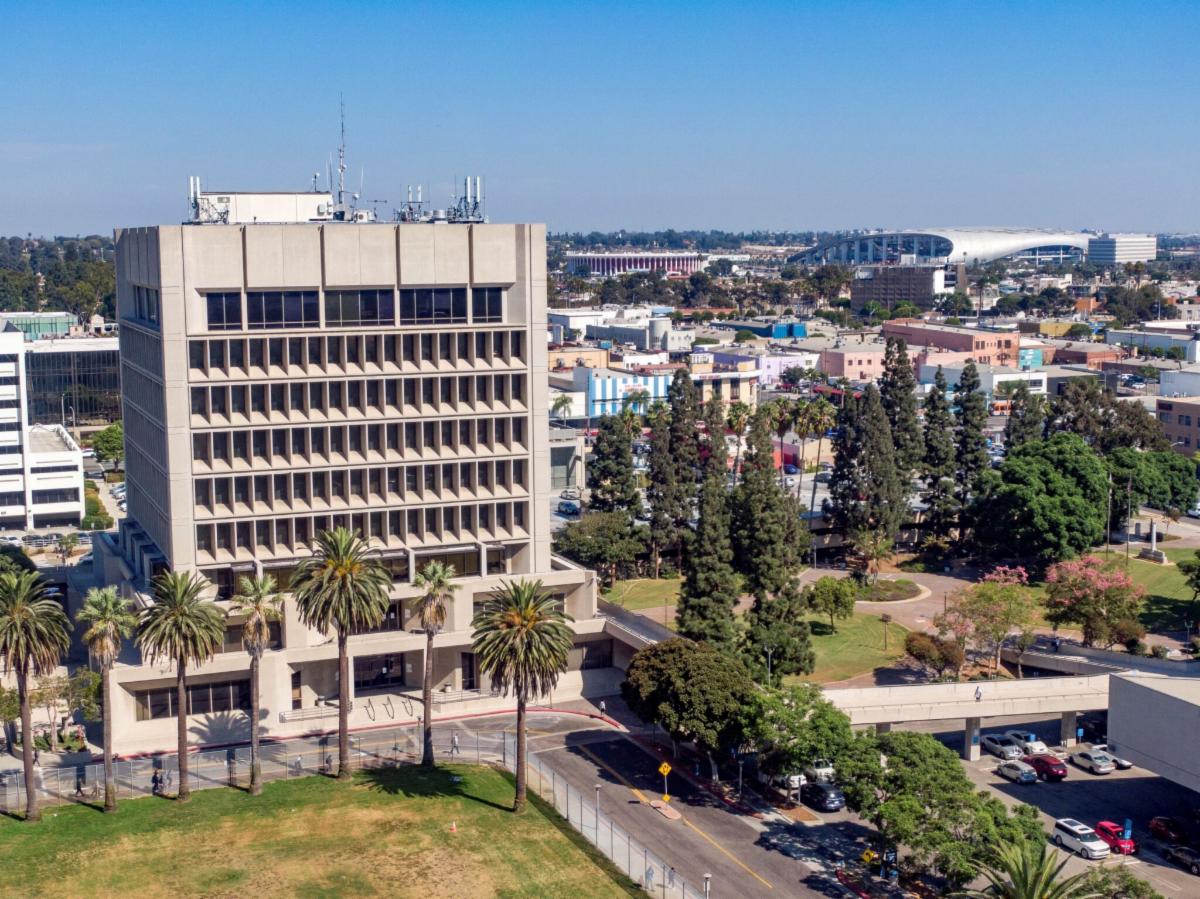
The Federal Transit Administration (FTA) will cover half the cost of a $2 billion automated, elevated, fixed-guideway people mover in the city of Inglewood, California. The $1 billion comes from the Capital Investment Grant (CIG) program, an initiative that supports rail, streetcar and bus rapid transit projects.
The 1.6-mile Inglewood Transit Connector (ITC) will address a “first/last” mile transportation gap between the Metro K Line and Inglewood’s major employment and destination centers. The ITC will provide service every 6 minutes between 5 a.m. and midnight seven days a week.
The line will have three stations and shuttle up to 11,000 riders hourly. The ITC is projected to have a ridership of 4,300 daily linked trips and 2.1 million annual linked trips by 2040, according to a U.S. Department of Transportation project summary. In addition to building the guideway and stations, the city will buy 24 vehicles.
Click here for more.
(Photo courtesy of the city of Inglewood.)
| |
|
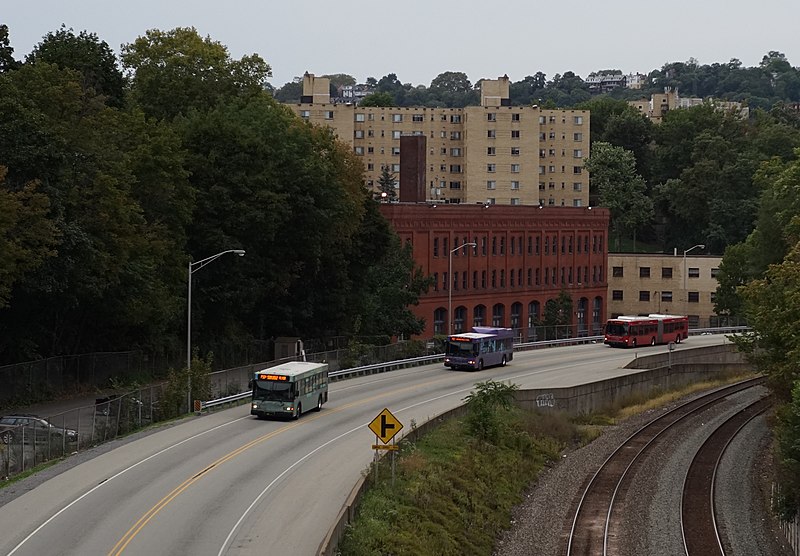
The state of Pennsylvania will use a $142.3 million federal grant to support a multimodal corridor project that will make two of Pittsburgh’s most heavily traveled roadways safer. The Pennsylvania Department of Transportation (PennDOT) will spend an estimated $213.2 million over the next three to five years on the Eastern Pittsburgh Multimodal Corridor (EPMC) Project, which will mitigate congestion on Interstate 376 (I-376) Parkway East and the MLK Jr. Busway.
I-376 Parkway East serves as the primary route between the city’s downtown and the Pennsylvania Turnpike. It is the country’s fifth-most congested section of interstate. The MLK Jr. Busway is a Pittsburgh Regional Transit (PRT) bus route that connects downtown Pittsburgh to local neighborhoods.
Big‑ticket items include a $57.5 million investment in Active Traffic Management systems to improve traffic flow, incident response and congestion. The traffic upgrades include dynamic message boards, variable speed limit systems, wrong-way vehicle detection, queue warnings and an Arterial Traffic Management system.
Plans call for a $39 million floodwall to drain a section of I-376 that frequently floods during storms, known locally as “the Bathtub.” The heavy rains cause commuter problems and high cleanup costs for the city.
Upgrades to the MLK Jr. Busway include using $46.5 million to build a hard shoulder with a ramp to the busway. Plans also call for $23 million for the busway’s paving, drainage and retaining walls.
Click here for more.
(Photo: The MLK Jr. East Busway. Courtesy of Dllu.)
| |
|
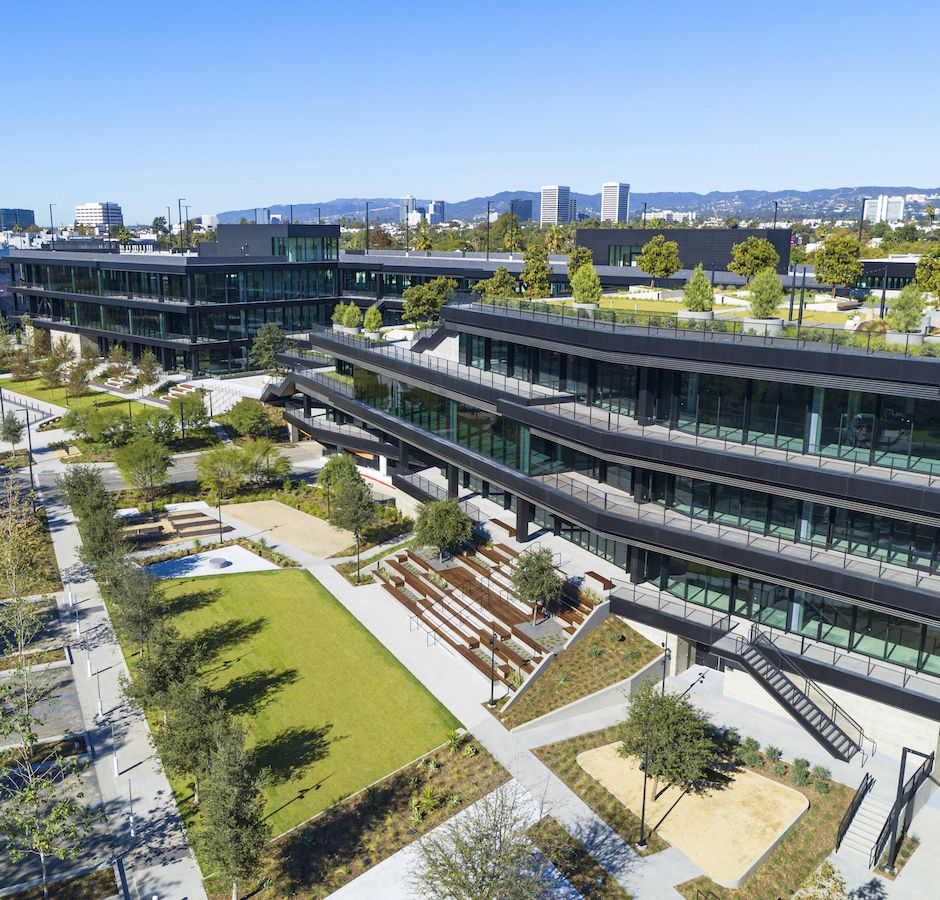
The University of California Los Angeles (UCLA) will transform a nearly 40-year-old mall into a multidisciplinary research center that will help scientists develop tools, treatments and vaccines for various health issues such as cancer, autoimmune and immune deficiency disorders, infectious diseases, heart conditions and organ transplants.
The UCLA Research Park will house the California Institute for Immunology and Immunotherapy as well as the UCLA Center for Quantum Science and Engineering. University officials announced their plans Jan. 3 with Gov. Gavin Newsom.
“California is the epicenter of global innovation – from the creation of the internet to the dominance of artificial intelligence, humanity’s future happens here first,” Newsom said in a press release. “Leveraging the next waves of technology and science – quantum computing and the immense potential of immunology – the UCLA Research Park will cement California’s global economic, scientific and technological dominance into the 22nd Century and beyond.”
The Center for Quantum Science and Engineering will allow researchers to continue studying the behavior of subatomic particles. In the past two years, the center has received millions of dollars in financial contributions from Boeing and the National Science Foundation. Expanding the center will further research with its partners.
“UCLA’s goal is to build the immunology equivalent of Silicon Valley in Los Angeles,” said John Mazziotta, vice chancellor for health sciences and CEO of UCLA Health. “Given the university’s expertise and state-of-the-art facilities, we are expecting to attract the world’s best scientists in immunology and immunotherapy, as well as top students.”
Located 2 miles from the UCLA Westwood campus, the UCLA Research Park will occupy 700,000 square feet of space at the former three-story Westside Pavilion mall. The university purchased the site for $700 million from real estate firm Hudson Pacific Properties and Macerich, a retail and mixed-use development firm.
Click here for more.
(Photo courtesy of UCLA.)
| |
|
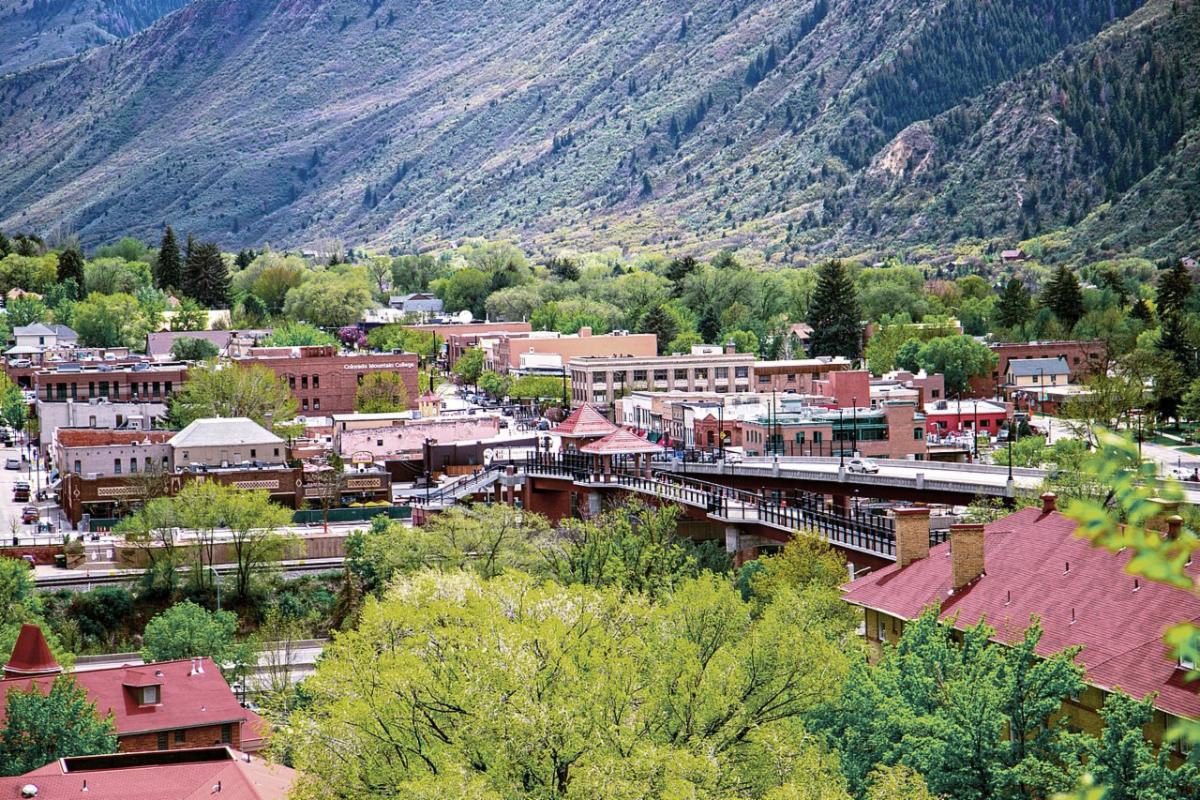
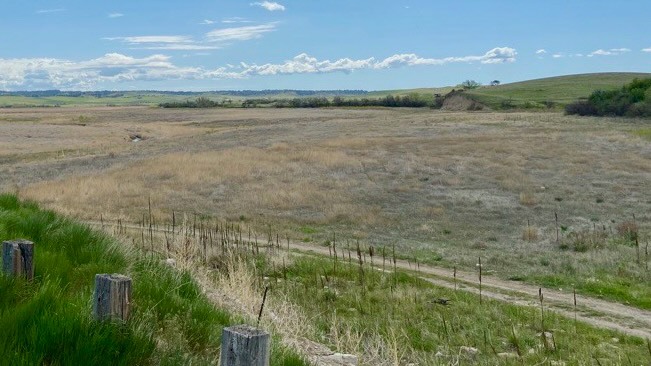
The city of Glenwood Springs, Colorado, received a $49.7 million grant from the U.S. Department of Transportation (USDOT) to build a bridge evacuation route in response to wildfires in recent years. Glenwood Springs is located 157 miles west of Denver.
The money comes from the Rural Surface Transportation Grant Program (Rural), a $645 million USDOT initiative. The program prioritizes quality-of-life improvements in rural areas by supporting road, bridge and other infrastructure projects that enhance passenger and freight mobility and safety. Rural roads experience an inordinately high fatality rate, according to USDOT.
Glenwood Springs will use the funds to build a bridge across the Roaring Fork River, providing a second paved route connecting residents with State Highway 82’s southern corridor. Currently, there is only one paved road to the corridor, creating a traffic bottleneck during emergencies.
Click here for more.
(Photo courtesy of GSpics.)
| |
|
The Department of the Interior has made $27 million available to help Tribal communities repair and upgrade clean water systems and replace failing dams. The funds, available through the Bureau of Indian Affairs (BIA), are part of an ongoing effort to help tribes make critical infrastructure improvements nationwide.
In South Dakota, $12 million will go toward repairs to the Ogala Dam on the Pine Ridge Reservation, which was drained in 2019 to protect downstream communities following flood damage. To date, the BIA has put $68 million toward the $78 million project. Repairs are expected to be completed by 2026.
In southern Arizona, $10.3 million will support a project to replace the Menager Dam, which will provide flood protection for downstream communities on the Tohono O’odham Nation Reservation.
The BIA also will allocate $4.1 million to address water sanitation needs at Columbia River Treaty Fishing Access sites in the Pacific Northwest. That effort calls for spending of $2.9 million and $1.2 million at the sites of Cooks In-Lieu and North Bonneville, respectively.
Click here for more.
(Photo: Oglala Dam on the Pine Ridge Indian Reservation. Courtesy of the U.S. Department of the Interior.)
| |
|
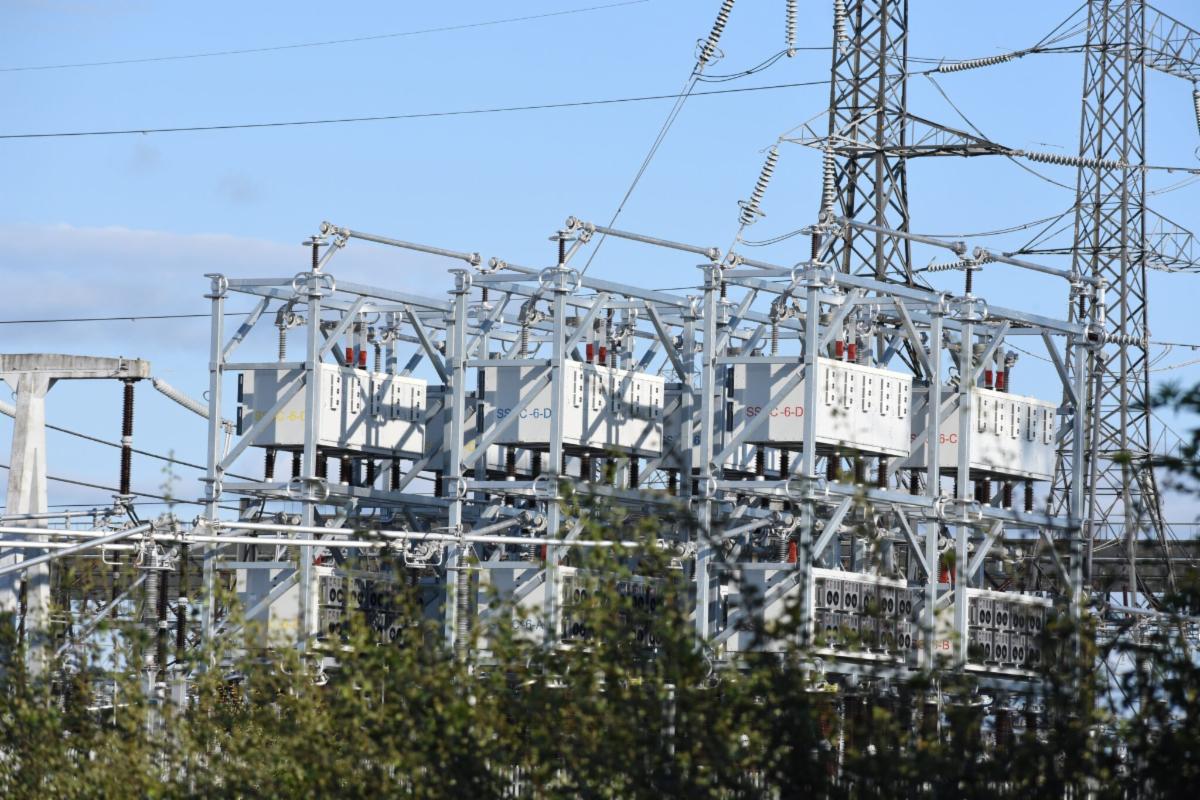
The United States Department of Energy (DOE) is making $70 million available to support research projects designed to protect the country’s energy sector against cyber and physical threats, natural disasters and extreme weather.
The funds, available through the DOE’s All-Hazards Energy Resilience program, will support innovative ways to strengthen power grids, electric utilities, pipelines and renewable energy sources such as wind and solar. The competitive funding opportunity is open to public and private stakeholders, including non-profits, universities, state and local governments, tribes and national labs.
Risks to the nation’s energy security plummeted to an all-time low in 2019, according to most recent report from the U.S. Chamber of Commerce’s Global Energy Institute. However, security risks are expected to rise in the coming years as technology evolves and natural disasters increase as a result of climate change.
The DOE hopes the funding opportunity will help develop next-generation tools and technology that can be widely adopted throughout the energy sector.
Click here for more.
(Photo courtesy of Andrew Hall on Unsplash.)
| |
|
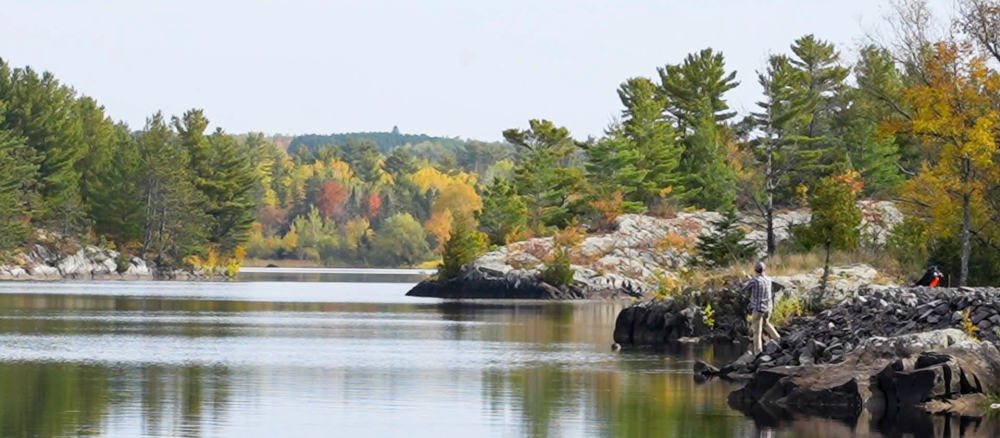
The Minnesota Pollution Control Agency (MPCA) has received $22.3 million in support from the Environmental Protection Agency (EPA) to clean up contaminants in the St. Louis River’s Thomson Reservoir, near Duluth. The funding comes from the Bipartisan Infrastructure Law’s $1 billion investment to clean and restore one of the Great Lakes. The project will begin in 2024.
The money will help remediate the 116-year-old Thomson Reservoir, a $36 million cleanup effort to protect public health from contaminants left behind by decades of industrial pollution.
The 330-acre project is the seventh and final initiative to restore and revitalize the St. Louis River. The EPA identified the 194-mile Lake Superior tributary as a Great Lakes Area of Concern – which are places that have experienced environmental degradation due to human activity.
Plans for the Thomson Reservoir project call for distributing activated carbon pellets over 225,000 cubic yards of contaminated sediment. The MPCA will carry out the process in a partnership with PotlatchDeltic, a Washington-based forest products company with operations in Minnesota.
“The activated carbon rapidly binds to contaminants in the sediment, preventing accumulation in bottom-dwelling organisms and safeguarding the aquatic food chain,” the EPA said.
Click here for more.
(Photo courtesy of the Minnesota Pollution Control Agency.)
|  | |
|
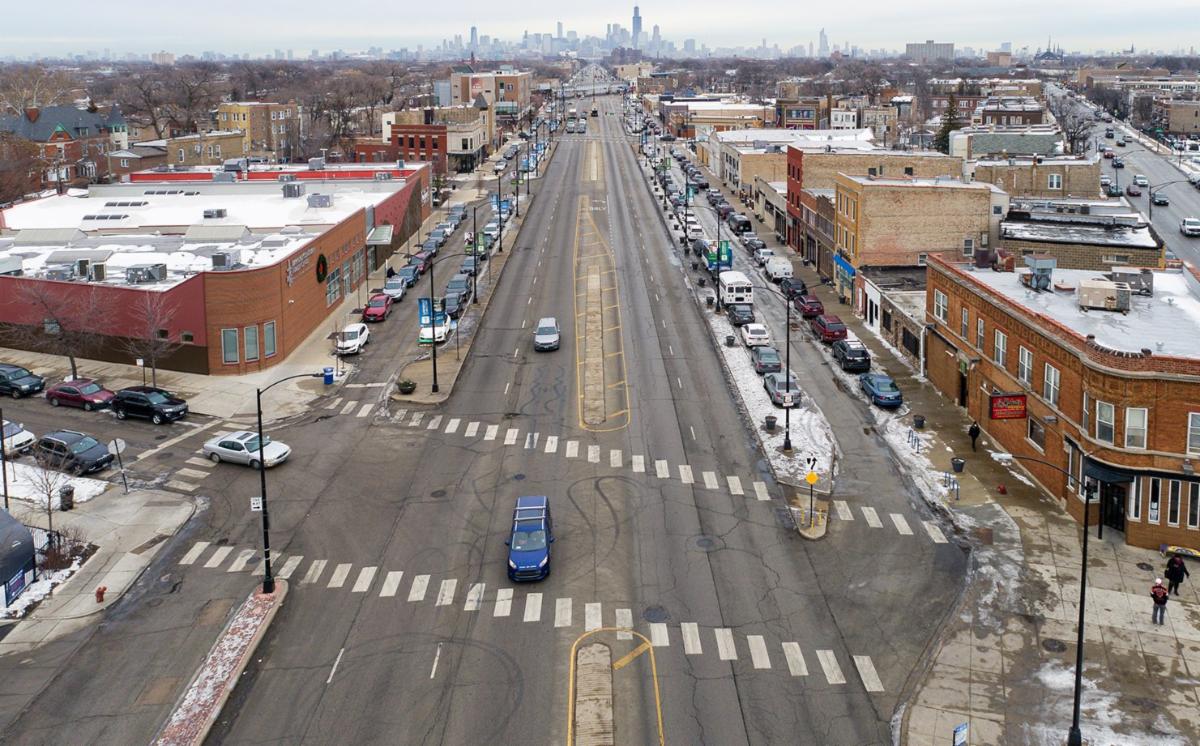
Chicago will use a $20.9 million U.S. Department of Transportation (USDOT) grant to improve safety along Ogden Avenue, a high crash corridor in the North Lawndale neighborhood on the city's west side. The funds will help the city revitalize the southwest corridor and repurpose public spaces along connecting roads. Construction is slated for 2026.
Lawndale is one of eight Chicago communities identified as high-crash areas accounting for a combined 36% of the city's roadway fatalities, according to the 2019 Vision Zero Chicago West Side Plan. Other high-risk neighborhoods in the plan include Garfield Park and Austin.
Pedestrian corridor hazards include “excessive distances” to cross the “highway-like feel” of Ogden Avenue, according to a 2023 project overview by the city of Chicago. The avenue lacks refuge spaces and other safety amenities to help residents cross the street.
The project will eliminate vehicle lanes, install pedestrian refuge islands and build protected bike lanes along the entire corridor. Additional improvements include pedestrian countdown timers and leading pedestrian intervals at all signalized intersections.
Click here for more.
(Photo courtesy of the city of Chicago.)
| |
|
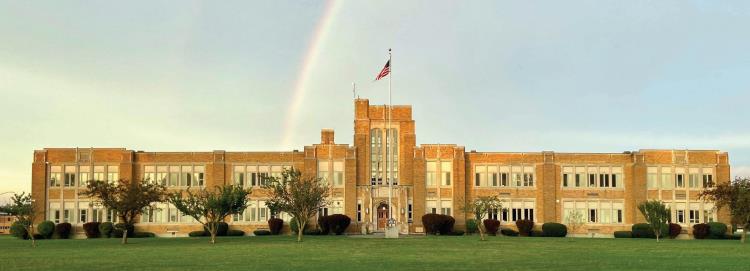
Voters in the New York town of Caledonia in December approved a $15.2 million Capital Improvement Project for the Caledonia-Mumford Central School District campus. The project will renovate facilities for two schools to preserve aging building infrastructure, improve health and safety and integrate innovative learning technology.
New York State will cover 84.1% of the total project cost. The remaining funding will come from the voter-authorized capital reserve. Bidding will begin December 2024, followed by construction during the summer months of 2025 and 2026. Caledonia is located southwest of Rochester.
Both school campus buildings need extensive repairs to remain compliant and address building code issues. By investing in renovations and education upgrades, the district will extend the lifespan of the structures while increasing space for better educational programming.
The campus’ middle/high school will receive $7.8 million to renovate the facility’s library STEM Innovation Center and reconfigure the main office and building entry to improve safety and security. Other improvements include renovating shop spaces and upgrading the PA system.
Click here for more.
(Photo courtesy the Caledonia-Mumford Central School District.)
| |
|
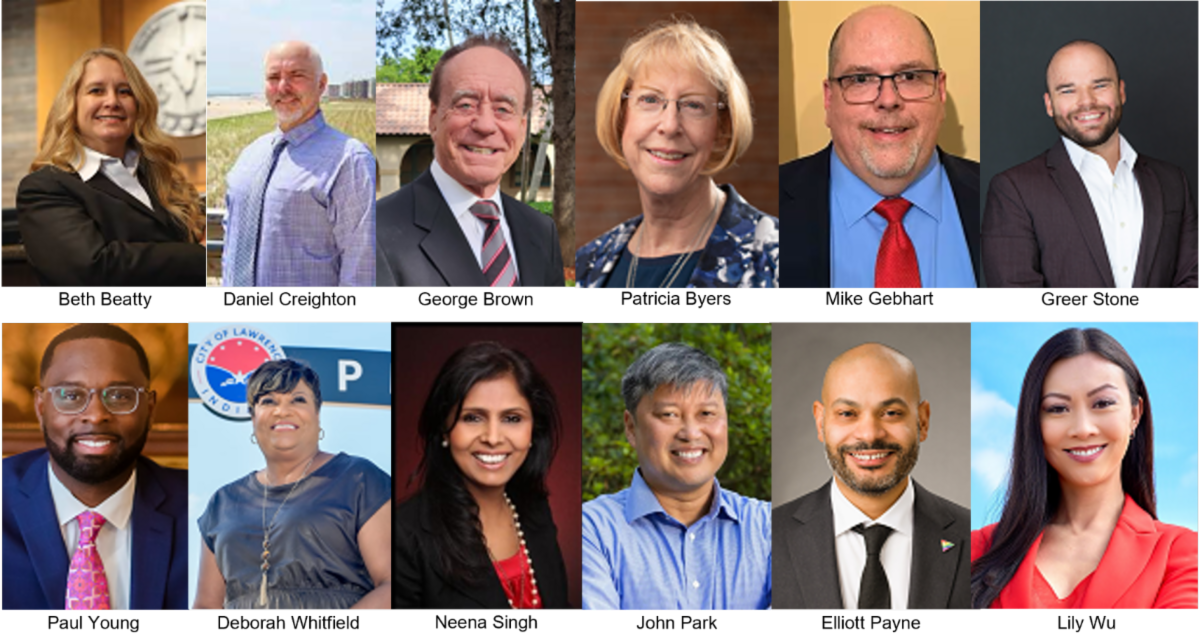
Illinois - Beth Beatty has been selected city manager of Joliet, making her the first woman to serve in this role in the city's history. She served as a policy analyst, deputy chief financial officer of Finance and most recently as the deputy mayor of Intergovernmental Affairs in the city of Chicago.
New York - Daniel Creighton was sworn in as Long Beach's new city manager Tuesday. An engineer by trade, Creighton has spent the past eight years at the Metropolitan Transit Authority. Prior to joining the MTA, Creighton served at the United States Department of Transportation.
Florida - The City of Boca Raton has named George S. Brown as city manager. A city employee for over 40 years, Brown brings a wealth of knowledge and experience to the position. Brown officially assumed the position Jan. 1, 2024.
Washington - The city council unanimously selected Patrica Byers as the town of Yakima’s mayor. Byers previously served as mayor from 2020-22. Yakima has a council-manager form of government, and the mayor is a council member who leads meetings, votes and performs some ceremonial roles. Byers represents District 3.
Ohio – The town of Fairborn has selected an internal candidate for its city manager. City Council members approved a two-year contract for Acting City Manager Mike Gebhart, who has been an administrator with the city for several years. He replaces Rob Anderson, who served as city manager from 2017 until his resignation effective Dec. 31.
California - The Palo Alto City Council has voted its former Vice Mayor Greer Stone as the new mayor and chose Councilmember Ed Lauing as vice mayor. Stone said one of his priority projects would be supporting mental health programs for Palo Alto’s youth.
Tennessee - The first Memphis City Council meeting coincides with the city's newest leader, Mayor Paul Young, who, along with the council, was sworn into the office on Jan. 1, 2024. Young is no stranger to Memphis. He is currently the president and CEO of the Downtown Memphis Commission and previously was director of the city’s Division of Housing and Community Development.
Indiana – On Jan. 1, the first black person and first woman elected as mayor in all of Marion County was sworn in the city of Lawrence. Deborah Whitfield was elected to the Lawrence Common Council At-Large in 2019 and serves as Chair of the Public Safety Committee.
New Jersey - Neena Singh, the newly appointed mayor of Montgomery Township, made history last week by becoming the first Sikh and Indian American woman mayor in the state. Singh, who has lived in Montgomery for 25 years, was appointed to the Montgomery Township Committee in 2021 to fill the unexpired term of Committeewoman Catherine Gural.
Georgia - John Park has been named mayor of Brookhaven. He is the first Asian-American mayor in the state. Park has served three terms on the city council and has worked at the Center for Disease Control and the George Health Department as a technical consultant for surveillance of national diseases.
Minnesota - The Minneapolis City Council has a new leader. On Monday, council members chose Ward 1 representative Elliott Payne as president by a 10-3 vote.
Kansas - Political newcomer Lily Wu was sworn in as the first Asian-American mayor of Wichita on Monday. Wu won the mayoral election in November by earning 58% of the votes, beating incumbent Brandon Whipple.
| | |
|
Connect with SPI
Check out our social media links!
| |
About Government Contracting Pipeline | |
|
Strategic Partnerships, Inc.
Publisher: Mary Scott Nabers
Editors: Adam Rollins
Dave Doolittle
www.spartnerships.com
| |
Government Contracting Pipeline, a publication of Strategic Partnerships, Inc., is a free, weekly newsletter detailing important happenings nationwide and the premier source for federal, state, and local government news and contracting opportunities.
| |
Help us share this message.
To ensure delivery and proper formatting of the newsletter, be sure to add editor@spartnerships.com to your safe senders list.
Otherwise, the newsletter may be flagged as spam and automatically routed to your junk e-mail folder.
| | | | |