Volume 16, Issue 37 - Wednesday, September 11, 2024 | |
By Mary Scott Nabers, CEO of Strategic Partnerships, Inc. | |
|
The U.S. is experiencing a significant surge in population growth in certain regions, increasing the demand for enhancing or expanding basic infrastructure. Public officials in high–growth regions struggle to expand housing, water, roadways, education facilities, healthcare and public safety. Southern states, including South Carolina, Florida and Texas, increased their populations about four times faster than the national median last year. Other states experiencing rapid growth include Nevada, Utah, Idaho and Arizona.
The city of Taylor, Texas, is located near what some are calling a technology boom area, and city leaders are trying to find ways to increase basic infrastructure quickly. A $17 billion, 1,200-acre semiconductor chip manufacturing plant is under construction less than 15 miles from Taylor and a new $225 million, 135,000-square-foot data center will break ground in 2025 very near Taylor. The two new plants will bring thousands of new jobs and an influx of new residents. The city is expected to grow by 135% by 2040.
Infrastructure needs in Taylor are not just a future concern, but a pressing demand for immediate action. The city urgently requires highways and roads, new land development, more housing and schools and healthcare facilities. The existing grid is being studied and public safety must be increased. The city is currently revitalizing its historic downtown to welcome all the incoming new retail, lodging and entertainment establishments. Public-private partnerships are anticipated as a way to help meet the ever-growing needs.
Fort Mill, South Carolina, has also more than doubled in population in the past decade. The Fort Mill School District is one of the top-performing school systems in South Carolina, making the area very attractive to families. The student population has grown from 4,000 to 18,500, creating an urgent need for new school facilities. Earlier this year, taxpayers approved a $204 million bond to build a middle school campus and an early childhood development center and acquire more land for future school expansion. Other large renovation projects include technology upgrades across the district. Construction on the middle school and early childhood development center is planned for 2025.
Henderson, Nevada, is a fast-growing city that also faces challenges. One immediate need is adequate public transportation for its growing population. Residents are struggling with the recent closure of key bus stops, and alternative services have been insufficient. A light rail system is being considered. The Las Vegas Valley is currently the only large metro region in the Mountain West without a developed light rail system. A proposed 5-mile light rail line in Henderson is estimated to cost approximately $300 million once land acquisition, construction and infrastructure development is factored into the effort. Also under discussion is a light rail system stretching across the Las Vegas Valley region from Harry Reid International Airport to downtown Las Vegas with lines that branch from that central core into residential neighborhoods.
Click here for more.
| |
Nebraska to receive $307 million to expand clean energy, reduce air pollution | |
|
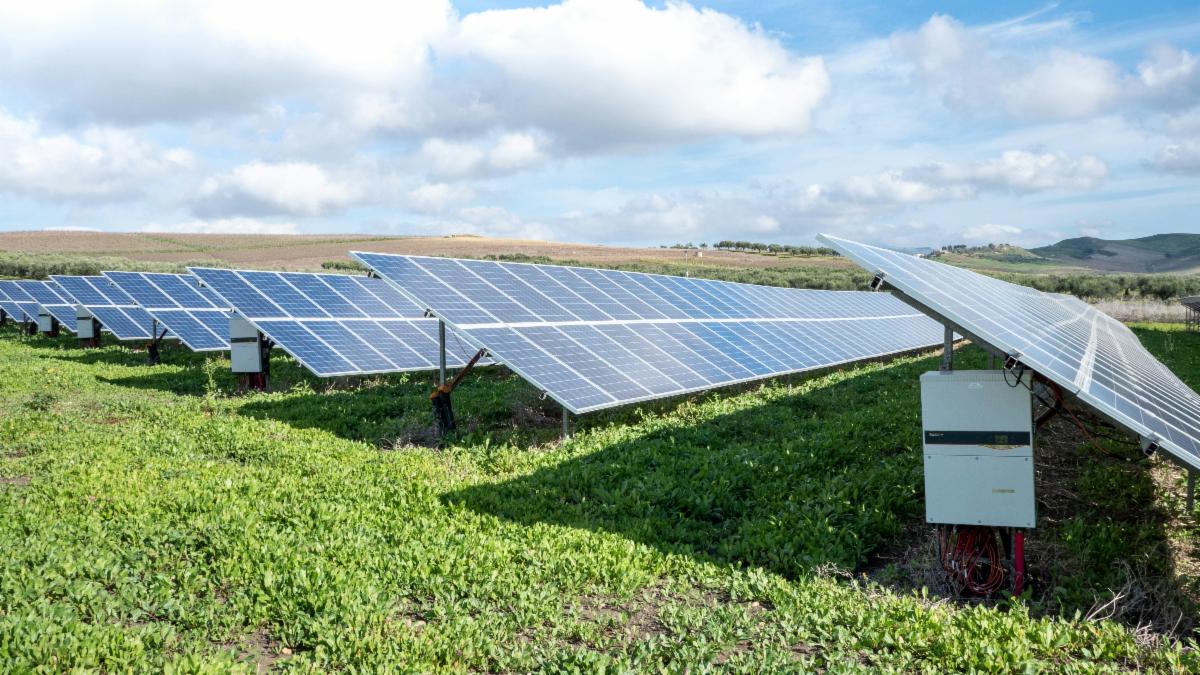
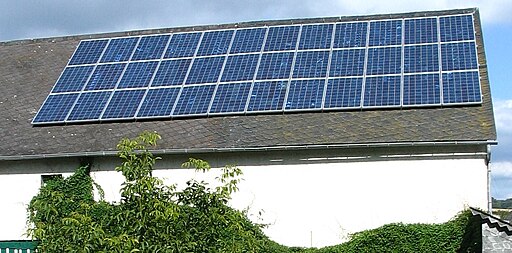
The Environmental Protection Agency (EPA) will award $307 million to help Nebraska’s Department of Environment and Energy (DEE) implement community-driven solutions to reduce greenhouse gas (GHG) emissions, deploy clean energy solutions and combat the climate crisis. The funds will support state initiatives to develop solar-powered solutions, increase soil carbon sequestration and electrify irrigation wells to support low-income households.
The funds will support the DEE’s ONE RED program, an initiative designed to advance energy-efficiency measures to reduce energy costs across several economic sectors, mitigate air pollution and strengthen the economy. The department estimates the project will use the funds to remove 134.4 million metric tons of GHG emissions from the atmosphere by 2050.
The DEE will invest in the state’s public incentive program, supporting statewide plans to upgrade nonresidential buildings and facilities for better energy efficiency, electrification and weatherization. In addition, the program will improve the quality of life for low-income and disadvantaged communities by improving air quality and providing financial assistance for critical home repairs.
The state will install solar arrays at water and wastewater treatment facilities, reducing energy costs and generation of electricity using fossil fuels in rural communities. In addition, plans include converting irrigation wells from diesel fuels to electricity.
The DEE will expand support for low-income rural communities by reducing nitrous oxide emissions by 14.5 million metric tons, prioritizing precision agricultural practices to protect public health and local ecosystems. As part of the state’s GHG emissions reduction initiatives, the project will incentivize the production and use of biochar by supporting regional hubs for manure management.
The EPA allocated the funds from the Climate Pollution Reduction Grants (CPRG) program. The CPRG program provides financial support to eligible recipients to develop and deploy plans to reduce harmful air pollutants. Awarded projects will address climate change, reduce air pollution, support environmental justice and transition the nation to clean energy.
Nebraska is one of 25 applicants chosen to receive a portion of the recently announced $4.3 billion in CPRG funding. The most recent round of funding prioritizes reducing GHG emissions in the agriculture and working lands, transportation, commercial and residential buildings, industry, waste and materials management and electric power sectors.
(Photo courtesy of Sungrow EMEA on Unsplash.)
| |
Illinois allocated $40 million to improve multimodal infrastructure, connectivity | |
|
The U.S. Department of Transportation (USDOT) will invest $40 million in Illinois projects that will improve multimodal transportation, support connectivity, build roadway infrastructure, align roads and enhance pedestrian safety.
The city of Edwardsville will receive $21.2 million to reconstruct and improve a roadway section. The completed project will help support non-vehicle related mobility through alternative multimodal transit options. By reducing the level of dependency on vehicles, the city will reduce its carbon footprint and greenhouse gas (GHG) emissions.
The project will install solar lighting and green medians along a 1.8-mile stretch of road, build 2.9-miles of shared-use path, convert three intersections to roundabouts and rehabilitate a portion of the road to mitigate flooding. In addition, the city will update a bus stop, install 10 electric vehicle (EV) stations and build three bicycle parking facilities. Construction is expected to begin in June 2029.
Lake County will use $18.8 million to align a section of road to improve safety and accessibility to essential community amenities and multimodal transit options. Plans include building five intersections, share-use paths and bicycle paths.
To improve pedestrian safety and accessibility, the city will also build additional ADA-compliant sidewalks and pedestrian crossings. The project will improve one of the city’s commuter railway stations by extending the platform, consolidating parking and building warming shelters, bus stop shelters and kiss-and-ride facilities. Construction is expected to begin in February 2026.
USDOT allocated the funds through the Rebuilding American Infrastructure with Sustainability and Equity (RAISE) grant program. The RAISE program invests in community projects to build and renovate critical transportation infrastructure projects across the country.
The projects are a selection of 148 receiving a portion of the recently announced $1.8 billion in RAISE funding for Fiscal Year 2024. Including the latest round, USDOT has invested $7.2 billion across 550 projects through the RAISE program since it was established.
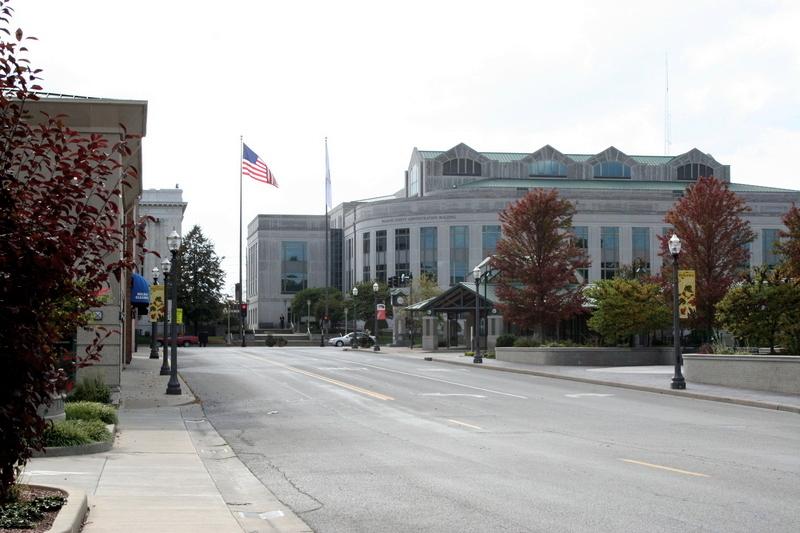
(Photo courtesy of Illinois2011.)
| |
Kentucky to advance safety measures along hazardous roadways | |
|
Kentucky will receive $26.7 million from the U.S. Department of Transportation (USDOT) to improve road conditions and install safety features along some of the state’s most dangerous streets. The state will use the funds to build roundabouts, pedestrian facilities and implement safety measures in high-traffic areas.
The city of Danville will spend $12.2 million to resolve safety concerns along a 2-mile stretch of highway along the South Danville Bypass. The funds will go toward the project’s total $15.3 million cost. The bypass is the city’s most dangerous corridor for both pedestrians and vehicles due to high speeds and unprotected crossings.
The city will convert select unsafe signalized intersections into roundabouts. The project will also restrict crossing U-turn intersections, enhance pedestrian crossings and install pedestrian facilities to better protect non-motorized travelers. The completed project will ensure the local underserved community can safely reach critical city amenities.
Elizabethtown will receive $11.1 million to enhance safety along three key roads that serve as important connectors and gateways into and throughout the city. The award will support the project’s total $13.9 million cost.
Currently, the chosen streets have oversized access points, high traffic volumes, insufficiently connected sidewalks and unprotected shoulders that increase the likelihood of severe angle crashes and accidents. Plans include implementing road diets, roundabouts, walkways and improved lighting to reduce the risk of accidents at the most hazardous locations.
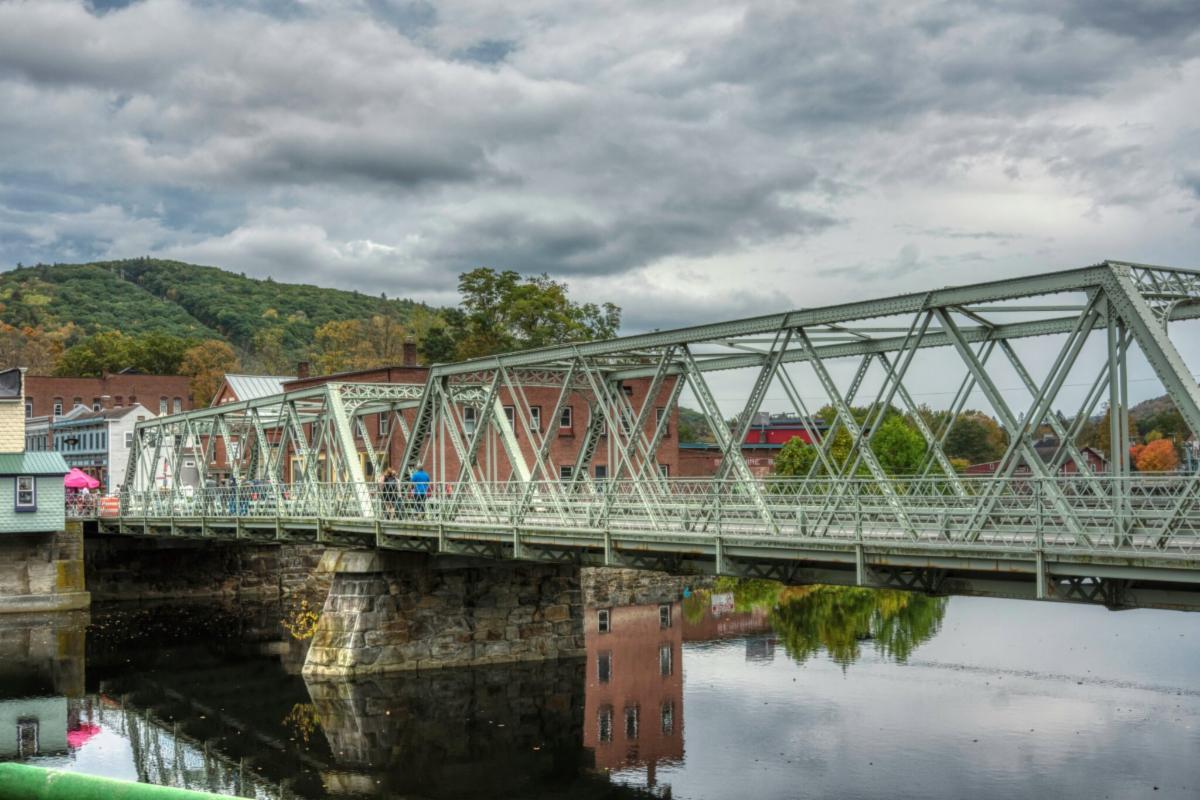
The Henderson County Fiscal Court will use $3.3 million to install safety measures along the Ohio River Bridges that connect Kentucky to Indiana. The total project cost is $4.1 million. The bridges have the highest amounts of traffic in the region, resulting in frequent collisions that disrupt and redirect traffic to alternate routes not designed to handle high vehicle volumes. To mitigate collision risks, the court will install signs, add striping, build shoulders and open the clear zone.
USDOT allocated the funds through the Safe Streets for All (SS4A) grant program. The SS4A program is a 5-year, $5 billion initiative that helps local, rural and tribal communities remediate some of the most dangerous roads in the country to prevent deaths and serious injuries.
The projects are a few of the 453 projects that will receive a share of the recently announced $1.1 billion. This is the second round of SS4A funding for Fiscal Year 2024, with the first round releasing $63 million in May. Since 2023, the program has allocated $2.7 billion from the available $5 billion. USDOT expects to open the third and final round of Fiscal Year 2024 awards in November.
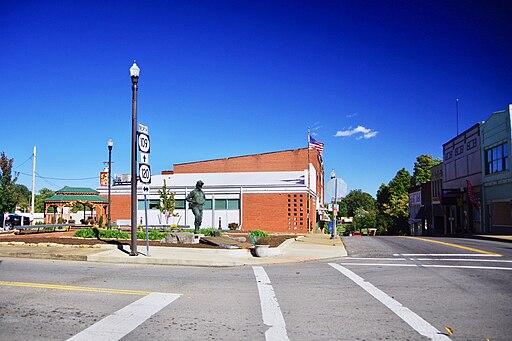
(Photo courtesy of Brian Stansberry.)
| |
Alabama city finalizes redesign of $20 million pedestrian bridge | |
|
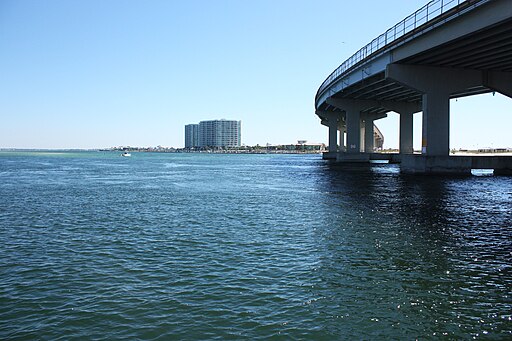
The city of Gulf Shores, Alabama, will build a $20 million pedestrian bridge as part of a larger multimodal connectivity project. The Waterway Village Pedestrian Bridge, in combination with the Highway 59 expansion project, will provide safe travel paths for non-motorized individuals. Construction is expected to begin in Spring 2025.
As the city completes the Highway 59 project, it will eliminate pedestrian access over the intracoastal waterway. The replacement pedestrian bridge is necessary to ensure travelers can still access critical amenities. The project was originally sent out to bid in late 2023, but overbudget proposals forced the city to redesign the bridge and put it up for rebidding.
The 70-foot bridge will feature a prefabricated truss design with towers on each side. The design includes the potential to add ramps in the future. The city will install an integrated elevator as part of the project.
Plans include other improvements in the immediate area to accommodate the bridge and improve traffic flow. The city will add additional turn lanes, resurface roadways and enhance traffic signals at key local intersections. The project will also build sidewalks, develop a turnaround and grade streets.
The project is funded through the 2019 BUILD grants cycle. The city of Gulf Shores is located 54.2 miles southeast of Mobile.
(Photo courtesy of Alabama Extension.)
|  | |
SPI welcomes Noel Bernal as a consulting partner | |
|
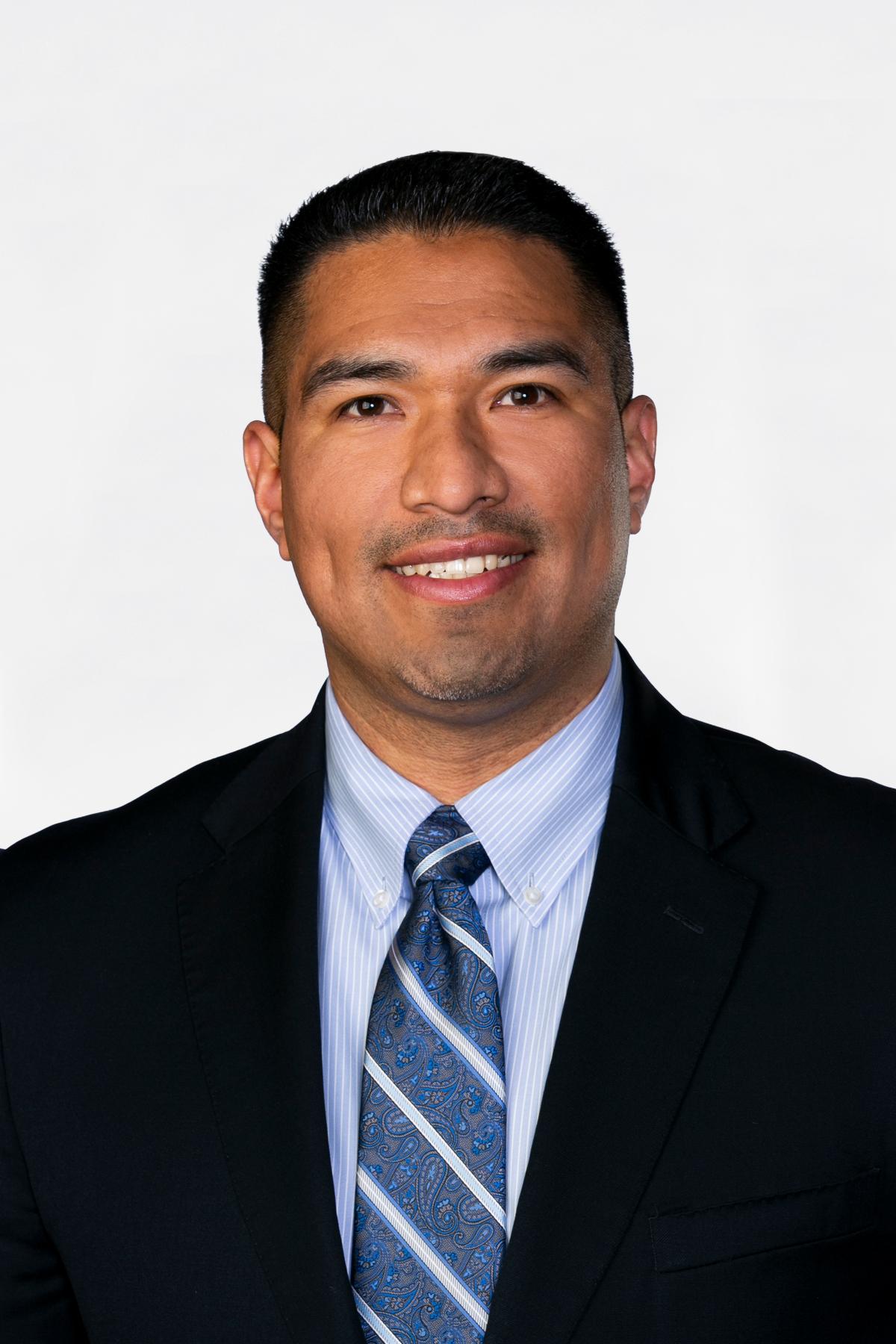
Noel Bernal has joined the SPI team as a consulting partner. Noel has a distinguished professional local government management career spanning almost fifteen years of service. From helping bridge the digital divide in one of the nation's top five most disconnected cities, to supporting the remedial infrastructure needs of a rural community at age twenty-five, applying a civic entrepreneurship approach to professional local government has marked his career journey.
In 2022, his contributions to professional municipal management were recognized by the Texas City Management Association (TCMA) as City Administrator of the Year for his management of Brownsville, Texas and contributions to his profession. His experience ranges from operating budget oversight of less than $5 million to $821 having served in communities with a population of 2,000 to over 525,000 in city and county management roles.
Noel is entrepreneurial at his core and wants to see more of those practices come into the public sector. Noel earned an undergraduate degree and a Master of Public Administration (MPA) from the University of Texas Pan American. He is a Credentialed Manager through the International City/County Management Association (ICMA), a Certified Public Manager through the William P. Hobby Center for Public Service at Texas State University, a graduate of the Senior Executive Institute at the University of Virginia and has completed the Bloomberg Harvard City Leadership Initiative.
His professional involvement includes service on various committees with the TCMA, ICMA, and Board Director positions with the Institute for Building Technology and Safety (IBTS) as ICMA representative, Local Government Hispanic Network (LGHN), and the Texas Municipal League Intergovernmental Risk Pool (TMLIRP).
| |
DOE opens $52.5 million competition to innovate carbon dioxide removal technologies | |
|
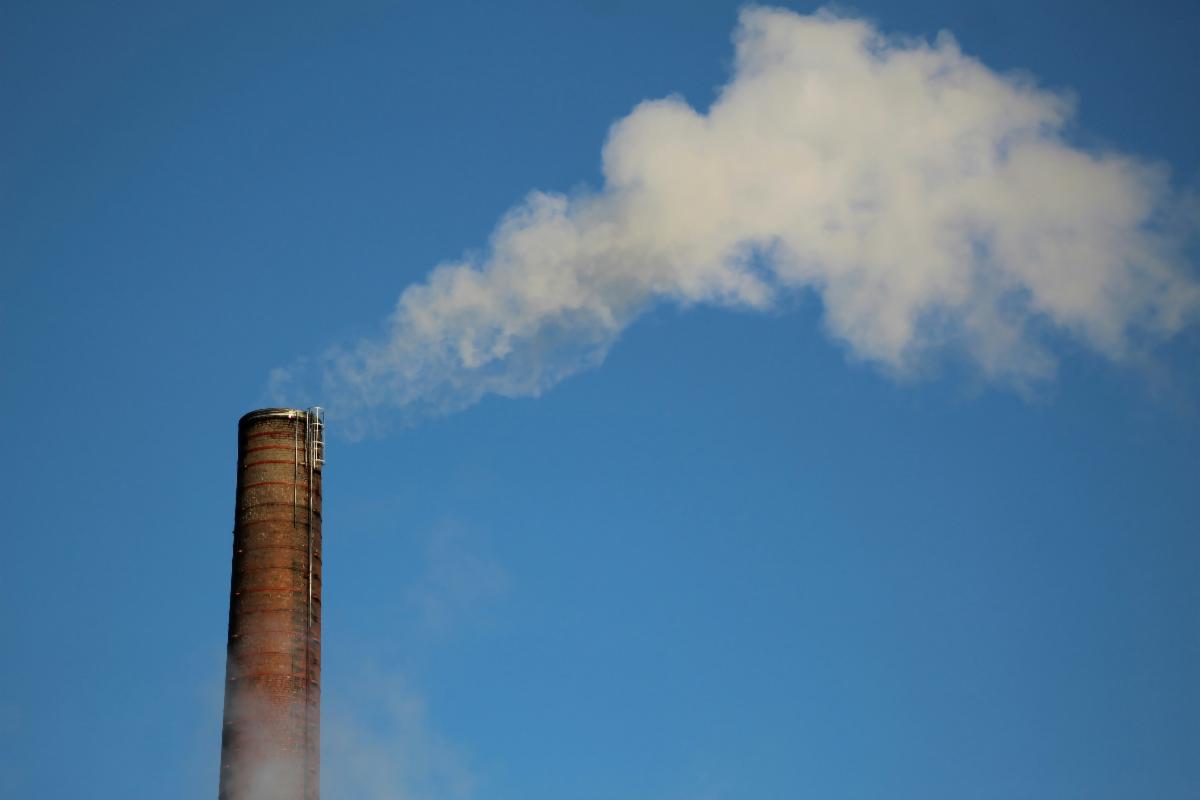
The Department of Energy (DOE) is making $52.5 million available to advance the development of carbon dioxide removal technologies. The funds come from the Bipartisan Infrastructure Law, which approved $100 million to support direct air capture (DAC) technologies. Participants must apply by Feb. 7, 2025, for the first phase of the competition.
The Commercial DAC Pilot Prize is a four-phase competition centered around designing, developing and deploying DAC technologies to remove at least 500 metric tons of legacy carbon dioxide (CO2) pollution from the atmosphere. Directly removing CO2 is an essential component of the nation’s clean energy agenda to counter-balance emissions from the aviation and shipping industries.
The awards will help innovative DAC projects meet technology standards, de-risk development and deploy the final products in commercial industries. Winners will also qualify for participation in the Regional DAC Hubs program, a $3.5 billion initiative to develop four domestic DAC hubs that will capture at least 1 million metric tons of CO2 annually.
The program is split into four phases: Concept, Engineer, Permit, Operate. Participating teams may win up to $12 million as they achieve design, development and deployment milestones. Eligible applicants include states, counties, Tribes, municipalities, academic institutions and for- or non-profit organizations.
Phase 1 requires applicants to design and submit a DAC Pilot Prize concept paper. The paper must include details on the proposed technology, project data and a pre-Front End Engineering Design (pre-FEED) study on the pilot system. Up to five applicants can win $500,000 each for this phase.
Phase 2 covers engineering, requiring participants to provide a complete FEED study for the pilot system. In addition, DAC teams must secure host site commitments, life cycle assessments, community benefits plans, environmental health and safety risk assessments and National Environmental Policy Act (NEPA) compliance documents. Up to five winners will receive $4 million each.
The DOE will only allow Phase 2 winners to compete in the Phase 3 permitting stage. Applicants will have to complete a detailed design of its DAC pilot system and acquire necessary approvals per the Official Rules document. Up to four participants will win $1 million each.
Phase 4 will only be open for Phase 3 winners. During this final phase, participants will build their DAC pilot system and operate it for at least 2,000 hours. The DOE also requires updated reporting and testing plans, as per the Official Rules document. Winners will receive $6.5 million each.
(Photo courtesy of Anne Nygård on Unsplash.)
|  | |
NYC receives $15 million to expand EV charging network | |
|
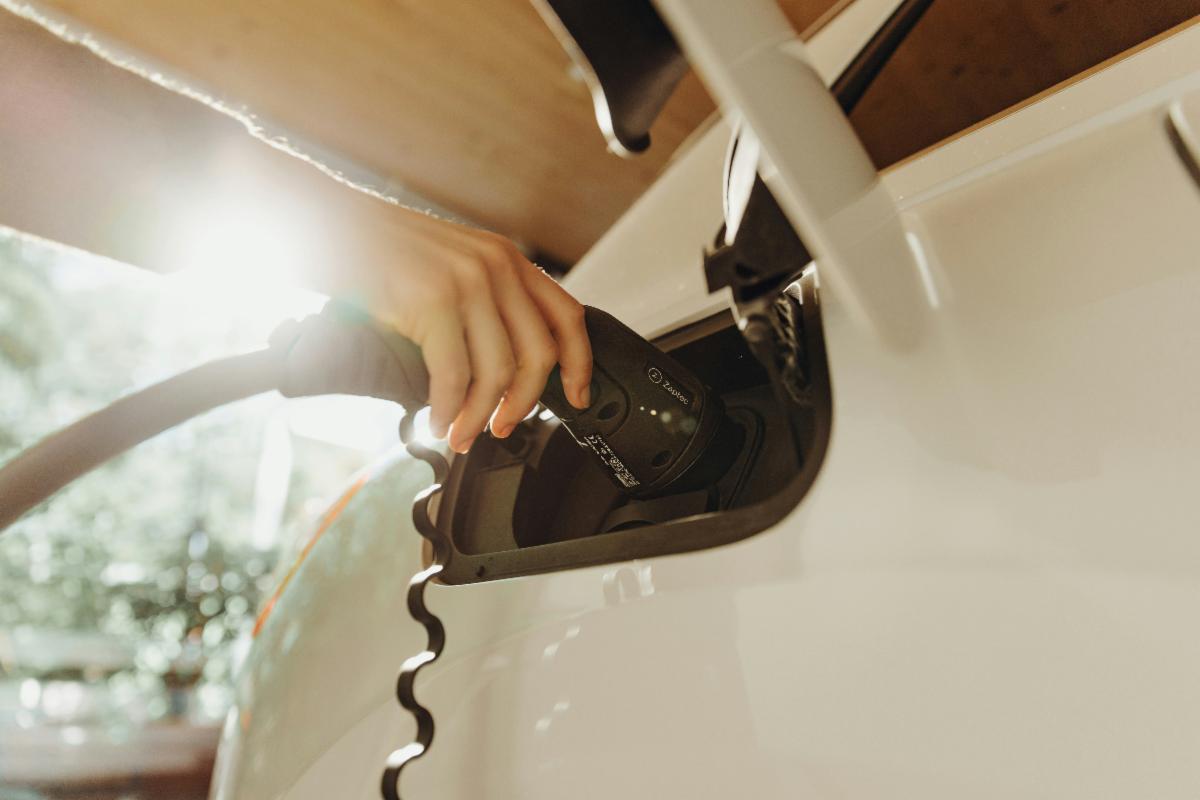
New York City (NYC) will receive $15 million from the U.S. Department of Transportation (USDOT) to build out the nation’s largest curbside electric vehicle (EV) charging program. The funds came from USDOT’s $2.5 billion Charging and Fueling Infrastructure (CFI) program.
The city will use the funds to install 600 Level 2 chargers across NYC’s five boroughs. Plans also include building 31 solar-powered charging ports at eight NYC Department of Parks and Recreation (Parks) around the city. These ports will ensure that EVs – particularly taxi and rideshare services - will have quick and easy access to chargers in low-income, disadvantaged areas of the city.
The emphasis on transitioning these types of ridership programs to clean energy aligns with NYC’s objectives to decarbonize the transportation sector. In October 2023, NYC committed to achieving a ridership fleet exclusively composed of vehicles that are either wheelchair accessible or zero-emission by 2030. The Green Rides program will ensure the city leads the nation as the first to have a complete fleet that complies with these accessibility and clean energy standards.
The EV charging port expansion builds on the city’s existing curbside EV charging pilot that brought 100 chargers to NYC streets. The initiative has been a resounding success, having the highest utilization rates out of any other comparable system in the nation. The city expects its decarbonization initiatives to remove approximately 8,000 tons of greenhouse gas (GHG) emission annually.
The funds are the latest federal investment in NYC’s goals to foster sustainable and equitable infrastructure. To date, the city’s Federal Infrastructure Funding Task Force has directed more than $850 million in grant awards to support city projects and programs. NYC has committed significant investments to support affordable, clean transit options, including improving subway fare affordability, building 40 miles of protected bike infrastructure and supporting the city’s ferry system.
The CFI and National Electric Vehicle Infrastructure (NEVI) programs joint released $521 million out of its $2.5 billion allocation to support EV charging and alternative-fueling infrastructure projects across 29 states, eight Tribes and the District of Columbia. The projects will deploy more than 9,200 EV charging ports along the nation’s major highways, interstates and roadways.
(Photo courtesy of Zaptec on Unsplash.)
| |
DOE expands solar partnership program to broaden access to community initiatives, technologies | |
|
The Department of Energy (DOE) will expand the National Community Solar Partnership (NCSP) to broaden the types of projects covered under the program. The updated program model will support additional technology areas and increase solar energy access to more disadvantaged communities.
The initiative, now called NCSP+, will extend to include residential and distributed rooftop solar, storage and commercial solar projects. The NCSP+ was established to ensure equitable access to affordable solar energy for every U.S. household. The organization supports community solar systems with the goal to power 5 million households by 2025 and save $1 billion in energy costs.
The expansion provides NCSP+ stakeholders with more resources to help low-income households and communities transition to clean energy. The organization will fund two national laboratories to advance projects to expand accessibility to rooftop solar and storage, microgrids and virtual powerplants. To date, the NCSP has helped grow the nation’s community solar capacity by nearly 500% since 2018, now generating more than 7.8 gigawatts of power.
As part of the announcement, the DOE will also expand the Community Power Accelerator (CPA) to help connect solar developers with clean energy projects. Stakeholders will use the support to broaden the program’s reach beyond community solar projects. Plans include connecting viable solar and storage projects with investors and supplying developers with tools and features to plan projects and receive financing.
Since its launch in 2023, the CPA has built a virtual marketplace with 143 community solar projects seeking capital investments and trained more than 250 solar developers. It recently launched the third round of the American-Made Community Power Accelerator Prize. The prize will award $10 million to expand the community solar project developer ecosystem and streamline clean energy technology development. Participants have until Dec. 17, 2024, to apply.
(Photo courtesy of Markus Braun.)
| |
Ohio creates third innovation hub to advance polymer technologies | |
|
The state of Ohio will launch its third innovation hub in the Greater Akron region. The project received more than $41 million in state, local and private investments to build the Greater Akron Polymer Innovation Hub. The hub will help the region become a leader in polymer research, development and technology.
The state will use a majority of the funds to build the hub’s Polymer Pilot Plant, providing a centralized location where the hub’s 70-plus private and public partner agencies will consolidate development and research efforts. The pilot plant will help the project partners advance innovations in polymer science for healthcare, mobility, electronics, semiconductors, industrial materials and energy.
The Polymer Innovation Hub will prioritize advancements in polymer science and manufacturing that lead to improved materials with better properties for countless applications. These upgraded materials will be stronger, more durable, more flexible and more sustainable than current polymer technologies.
Hub partners will collaborate to foster the long-term success and growth of the polymer industry, focusing on developing the skills of the local workforce. The innovation hub expects to attract and retain the next generation of scientists and engineers by increasing the number of STEM credentials by at least 500, training underemployed individuals and supporting the commercialization of new polymer applications for small businesses.
The Ohio Innovation Hubs Program, led by the Ohio Department of Development (ODOD), is supporting the creation of the innovation hub to spur investment outside Ohio’s primary metro areas. ODOD plans to invest $125 million to create more innovation hubs across the state, most recently establishing the state’s first hub in July 2024 and its second in August 2024. The hubs are similar to innovation districts – created to position Ohio as a healthcare, life sciences and technology leader – already created in Columbus, Cincinnati and Cleveland.
(Photo courtesy of Allan Rodrigues on Unsplash.)
|  | |
California invites developers to pitch AI solutions for homelessness, housing challenges | |
|
California is seeking the most qualified developers to pitch generative artificial intelligence (GenAI) solutions to address housing and homelessness challenges across the state.
The state is hosting an event Sept. 26, 2024, to give large language model (LLM) developers the opportunity to present their GenAI solutions. These demonstrations will showcase the current functional capabilities of each owner-developer's GenAI tools designed to address the housing and homelessness challenges facing much of California’s population. Presenters will have 15 minutes to showcase their solutions and explain their qualifications.
After analyzing potential uses for GenAI and prominent housing and homelessness challenges, state agencies determined three key issues that the AI solutions must address:
- Solutions must identify available shelter and treatment beds to ease homelessness and connect people to treatment. Local jurisdictions should use GenAI solutions as a portable tool for real-time access to treatment and shelter bed availability.
- Developers must account for improving clarity and transparency into local permitting and development decisions. By empowering local leaders with better data and accountability, GenAI solutions should help create more housing and deploy tools to support home building in communities for residents, particularly vulnerable individuals.
- GenAI solutions should support state budget analysts develop state budgets. The solutions should help streamline policy, fiscal analyses across programs and policies that spotlight shared needs and statewide opportunities. These tools will help analysts be more efficient and effective when deploying state budget resources.
In 2023, California accounted for 28% of the nation’s total homeless population, according to a fact sheet presented to the Senate Housing Committee. In order to combat the housing and homelessness crisis, Gov. Gavin Newsom is building on his 2023 executive order to advance studies on the development, use and risks of AI development to support underserved residents across the state.
(Photo courtesy of AI Artificial Intelligence concept.)
| |
|
The ongoing maintenance and upkeep of water infrastructure is key to the delivery of clean water to communities across the nation, which is why the U.S. Environmental Protection Agency (EPA) is announcing an additional $7.5 billion in funding available through the Water Infrastructure Finance and Innovation Act (WIFIA) program.
This program will provide long-term loans to assist communities with essential water infrastructure projects. These projects are designed to protect water resources such as drinking water, stimulate local economies and generate over 60,000 well-paying jobs – all at a reduced cost.
Click here to learn about where the EPA is investing in water infrastructure
(Photo courtesy of Swanky Fella on Unsplash.)
| |
|
According to a new analysis from the American Road & Transportation Builders Association (ARTBA), nearly 221,800 bridges across the United States are in urgent need of major repairs or replacement. ARTBA estimates it would cost over $400 billion to repair, replace and renovate all the bridges and structures in need of rehabilitation, according to federal data.
The data, sourced from the Federal Highway Administration’s National Bridge Inventory, tallies all bridges in the U.S., classifying bridges on a scale of 0 (failed condition) to 9 (excellent condition) based on biennial inspections. According to the data, 49% of all bridges in the country are in fair condition, while 6.8% of bridges are classified as poor. ARTBA’s analysis of the data supports the organization’s advocacy for infrastructure investments and safe and efficient travel initiatives.
Click here to learn more about the state of U.S. bridges
(Photo courtesy of Yuval Zukerman on Unsplash.)
| |
|
The California High-Speed Rail Authority and the City of Brisbane have settled a two-year lawsuit that gets a project to connect Los Angeles to San Francisco via high-speed rail back on track.
Brisbane filed a lawsuit over the proposed placement of a light maintenance facility (LMF) on the Baylands, a former rail yard and landfill in the city. The agreement involves reducing the size of the planned facility by more than 50 acres to avoid conflicts with existing infrastructure and future development projects.
Click here for more information about the settlement’s outcome
(Photo courtesy of Markus Winkler on Unsplash.)
| |
|
Keeping America’s water clean comes with a high price tag. Two recent Environmental Protection Agency (EPA) studies have unveiled a staggering reality: America’s water infrastructure needs more than $1.2 trillion in investments over the next two decades, analysis from Pew Charitable Trusts found. This figure encompasses everything from updating aging pipes and treatment plants to stormwater management systems and lead service line replacements.
Earlier this year, the EPA’s Clean Watersheds Needs Survey identified $630.1 billion in needs for wastewater and stormwater infrastructure. Meanwhile, the Drinking Water Infrastructure Needs Survey and Assessment released toward the end of 2023 pinpointed an additional $625 billion required for drinking water systems.
Click here to learn about the nation’s water infrastructure needs
(Photo courtesy of Matthew Ball on Unsplash.)
| | |
|  |
|
|
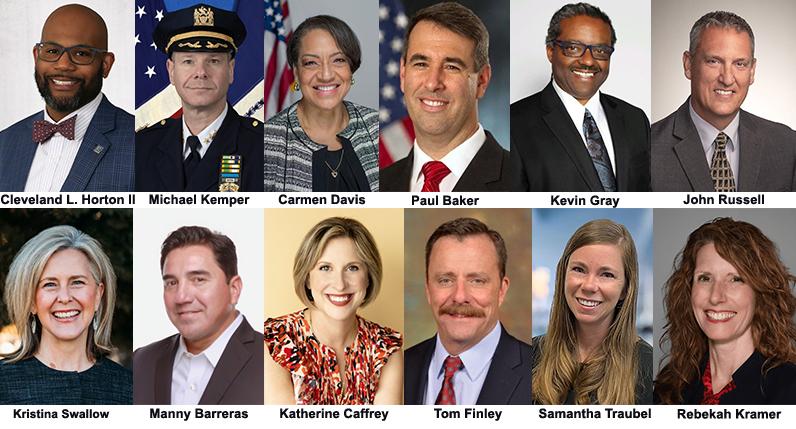
Maryland – Cleveland L. Horton II has been appointed executive director for the Maryland Commission on Civil Rights. Horton has dedicated more than 15 years of his career to the commission, most recently serving as deputy director.
New York – The Metropolitan Transportation Authority has selected Michael Kemper as its chief security officer. Kemper most recently served as the New York City Police Department’s chief of transit, his latest role in 33 years of service. Kemper will officially begin his role Sept. 30, 2024.
Georgia – The city of South Fulton has appointed Carmen Davis as assistant city manager. Davis brings more than 25 years of local government experience to the role. Some of her notable positions include COO for a medical group, county administrator for Hinds County, Mississippi, and city manager for Lake Worth Beach, Florida.
D.C. - The Federal Law Enforcement Training Centers has chosen Paul Baker to assume the agency’s deputy director position. Baker most recently served as deputy assistant commissioner of the U.S. Customs and Border Protection’s Office of Training and Development. He will officially begin his role Oct. 3.
California – Kevin Gray has been selected as Metrolink’s chief technology officer. Gray brings nearly 30 years of management and IT experience in both public and private institutions to the role. He most recently served as CIO for the city of Burbank. He officially began his tenure Sept. 3.
Ohio – The city of Huber Heights has appointed John Russell to permanent city manager. Russell has served as the city’s interim city manager since May 2024. He has worked for the city since Aug. 15, 2000. He officially replaced Richard Dzik on July 22, 2024.
Arizona – Kristina Swallow officially began as the city of Tucson’s assistant city manager Sept. 9, 2024. Swallow brings 27 years of executive leadership experience to the role, most recently as Tucson’s director of planning and development services since May 2023.
New Mexico – Manny Barreras has been appointed cabinet secretary of the Department of IT. Barreras brings more than 22 years of sales, marketing and public relations experience to the role. He most recently served as the senior territory account manager for a telecommunications equipment company. He assumed responsibilities Sept. 9, 2024.
Washington – The city of Des Moines has chosen Katherine Caffrey as city manager. Caffrey brings more than 18 years of management experience to the role. She previously served as director of community affairs and both assistant and deputy city manager for Cedar Park.
Arizona – Tom Finley has been appointed director of the Arizona Game and Fish Department. Finley was unanimously voted to replace Ty Gray after his retirement. Finley has worked with the department for 33 years, currently serving as the agency’s deputy director.
Colorado – The Delta County Health Department has appointed Samantha Traubel as environmental health director. She was promoted from her role as environmental health specialist within the department, a position held since March 2024.
California – The city of Menifee has chosen Rebekah Kramer as deputy city manager. Kramer has served as assistant to the Menifee city manager for the past three years. She brings more than 25 years of public and private sector management experience to the role. Before coming to Menifee, Kramer was assistant city manager for San Bernardino.
| | |
|
Connect with SPI
Check out our social media links!
| |
About Government Contracting Pipeline | |
|
Strategic Partnerships, Inc.
Publisher: Mary Scott Nabers
Editors: Adam Rollins
Dave Doolittle
www.spartnerships.com
| |
Government Contracting Pipeline, a publication of Strategic Partnerships, Inc., is a free, weekly newsletter detailing important happenings nationwide and the premier source for federal, state and local government news and contracting opportunities. | |
Help us share this message.
To ensure delivery and proper formatting of the newsletter, be sure to add editor@spartnerships.com to your safe senders list.
Otherwise, the newsletter may be flagged as spam and automatically routed to your junk e-mail folder.
| | | | |