Volume 16, Issue 35 - Wednesday, August 28, 2024 | |
By Mary Scott Nabers, CEO of Strategic Partnerships, Inc. | |
|
At a time when project needs are so great throughout America, it is hard to understand why some cities and states have not endorsed public-private partnerships (P3s).
Billions of funding support is available for critically needed efforts, but many of the federal funding programs require some percentage of private sector investment, so the projects become somewhat of a public-private engagement. Is that why so many billions are still available with the funding programs scheduled to end in 2026? The federal government has also incentivized public-private partnerships with tax credits for investors. The amount of funding available through federal programs is historic and there is no assurance that the amount of funding that Congress made available previously will be reauthorized. In fact, the potential loss of this funding is a looming threat, with some saying reauthorization is doubtful.
City and county leaders in numerous states are grappling with budget issues. Public school districts are millions short on funding. Educational funding is needed for teacher salaries, facility repair, technology modernization and security upgrades. School districts also need new buses and equipment upgrades to lower operational costs. City officials cannot find adequate funding for public safety, water projects, technology modernization and public facility maintenance. These needs will not be met in 2025 because of budget shortfalls unless local public entities are visionary and aggressive in considering alternative types of delivery methods for innovative projects. The potential loss if these needs are not met is significant, underscoring the urgency of the situation.
However, many local government leaders are already reaping the benefits of public-private partnership initiatives. School officials, for instance, are launching P3 initiatives that not only support critical needs but also generate ongoing revenue for the district. By installing solar panels to cut power costs and constructing housing for teachers on campuses, they can return revenue to the district. Similarly, numerous city leaders are leveraging P3 projects to generate ongoing revenue through urban renewal, which in turn attracts more retail to downtown areas and increases tax revenue. Other cities and counties are launching projects that aim to attract more tourism, conventions, large tournaments, and entertainment seekers. Elected officials are also leading efforts to capture part of the billions available in federal funding for public asset recycling, renewable energy efforts, public safety expansions, and transit-oriented development. These types of projects not only address critical needs but also generate revenue for public entities when delivered through public-private partnerships.
Projects related to infrastructure resilience can be supported by federal programs designed to combat the ravages of weather-related damages. Why aren't government entities seeking funding support? Do some federal funding programs require private-sector investment, or should the state provide grant writing assistance? Funding is abundantly available to regions of the country with water purity issues, and some cities received grants to replace old lead poisoning pipelines... but much of the funding is still available for similar projects. These funding programs end in 2026, so now is the time to capture the grant funding. Support will not be available after 2026.
Click here for more.
| |
Multi-state coalition receives $421 million to conserve, restore environments | |
|
The Atlantic Conservation Coalition (ACC), composed of the states of North Carolina, South Carolina, Maryland and Virginia, will receive $421.2 million from the Environmental Protection Agency (EPA) to protect and restore polluted coastal habitats, peatlands and forested areas. These environments are natural carbon sinks, ideal for reducing greenhouse gas (GHG) emissions and enhancing wildlife habitats.
Each state will use $50 million to advance shovel-ready projects, with the coalition using the remaining funds to support additional restoration projects. The ACC anticipates its conservation efforts will prevent 28 million metric tons of GHG emissions from 2025 to 2050. The projects receiving funds align with North Carolina’s Priority Climate Action Plan.
The ACC will undertake projects revitalize critical natural environments while simultaneously benefiting local low-income or disadvantaged communities. While the approved projects notably fall in line with North Carolina’s climate plans, the funds will support initiatives for all states.
- Maryland will use its funds to plant and maintain 5 million trees by 2031 and achieve net-zero emissions by 2045.
- Virginia will work toward decarbonizing all port operations by 2040.
- South Carolina will advance the state’s efforts to conserve and restore natural and working lands by 2040.
The coalition will use the money to preserve and restore 33,000 acres of peatlands and coastal wetlands and plant 217,700 trees and 4.8 million native wetland species to restore native ecosystems. Additional plans include reforesting 55,000 acres of land in North Carolina and reducing flood, wildfire and extreme heat risks in vulnerable communities.
The funds will support South Carolina, Virginia and Maryland’s efforts to manage 93,000 acres in the Appalachians and bottomland forest. The ACC will restore 10,000 acres of shorelines and habitats in Virginia and 10,000 acres of forests, coastal habitats and agricultural lands in Maryland. Plans include reducing soil runoff and nitrogen pollution in Chesapeake Bay and other waterways to improve overall water quality.
The EPA allocated the funds through the Climate Pollution Reduction Grants (CPRG) program. The CPRG program provides financial support to eligible recipients to develop and deploy plans to reduce harmful air pollutants. Awarded projects will address climate change, reduce air pollution, support environmental justice and transition the nation to clean energy.
The ACC are among 25 applicants chosen to receive a portion of the recently announced $4.3 billion in CPRG funding. The most recent round of funding prioritizes reducing GHG emissions in the agriculture and working lands, transportation, commercial and residential buildings, industry, waste and materials management and electric power sectors.
(Photo courtesy of line0966.)
| |
Minnesota city to use $47.5 million to upgrade, expand wastewater treatment facility | |
|
The city of Big Lake, Minnesota, will spend $47.5 million to expand its Wastewater Treatment Facility (WWTF). The project will demolish abandoned structures, increase capacity, replace equipment and build structures to ensure the upgraded facility will meet the city’s needs. Construction is estimated to begin in July 2026.
The city will demolish the abandoned old main lift station and update the current main lift station, increasing its design capacity and adding an additional forcemain to preliminary treatment. For preliminary treatment, the city will add a redundant grit pump and replace the influent fine screening, compacting equipment and grit classifying and washing cyclone.
Plans include improving secondary treatment with a replacement selector basin mixers and baffle and expanding the basin’s hydraulic capacity. The city will expand secondary treatment organic capacity and secondary clarifier hydraulic and solids capacity. The project will replace existing waste and return activated sludge pumps and coagulant feed equipment. The city will also replace existing ultraviolet disinfection equipment and effluent flow measurement and relocate everything to a new building.
As part of improving the solid treatment process, the WWTF will provide waste sludge and scum thickening prior to aerobic digestion. The city will expand the digester’s solids treatment capacity and replace aeration equipment and diffusers. Plans include centralizing sludge and biosolids aeration at the biosolids control building, converting the waste sludge storage to a sludge receiving station and evaluating alternatives for holding tanks, digesters and storage.
The city will upgrade the biosolids dewatering process by replacing centrifuge controls and drives, feed pumps and odor control equipment. Plans include installing additional emergency eyewash and lavatory showers. The project will also replace the vertical shaftless screw conveyor, install a permanent gate and controls for the dewatered biosolids loadout and provide a covered storage facility.
The project will build a blower building near the secondary treatment, including blower equipment, valves, piping, controls, instrumentation and power. The city will also build a disinfection and pumping building, serving as a multi-purpose process facility. The structure will include ultraviolet disinfection equipment, effluent flow measurement, pumping, chemical storage and feed, electrical equipment and generators.
Plans include improving the WWTF’s administration building, replacing the HVAC with forced air. The city will demolish equipment on the building’s lower level and convert the upper level of the process room to a maintenance garage. The project will include building a bathroom, hydration station and showers.
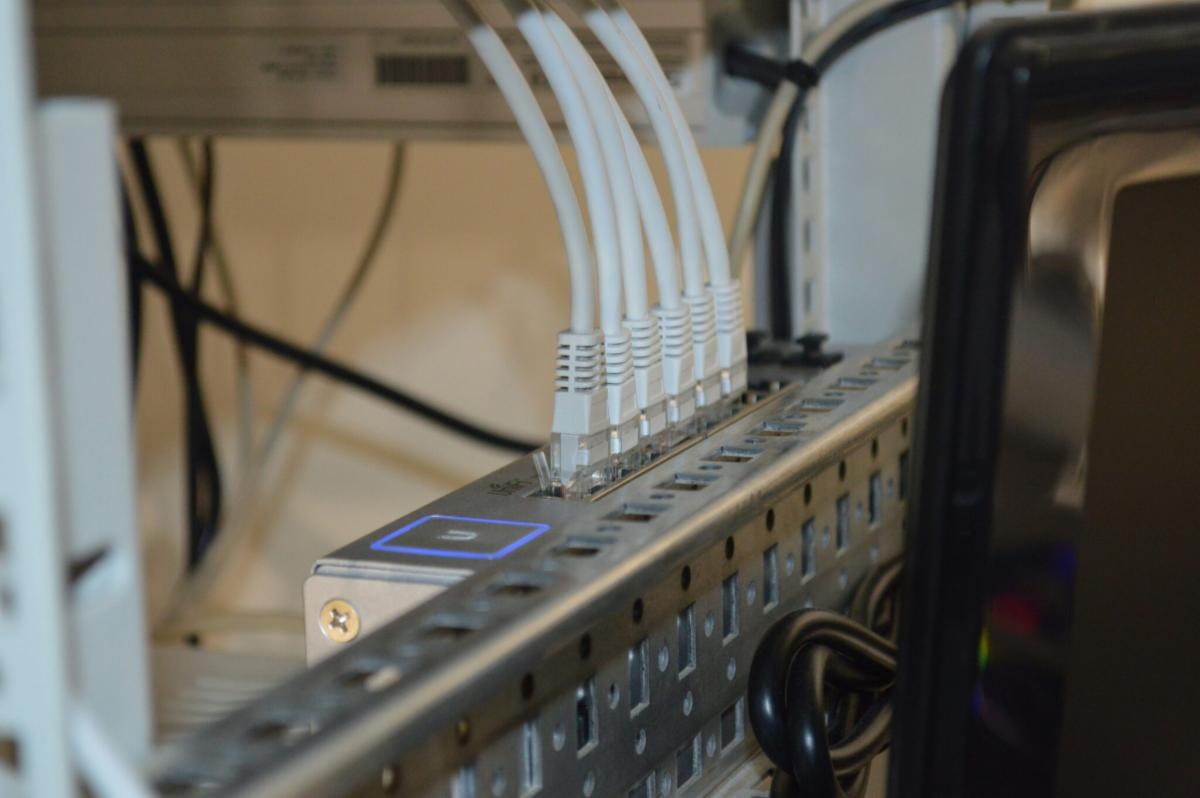
The administration building will receive a replacement backup generator and updated Programmable Logic Controller (PLC) and Supervisory Control and Data Acquisition (SCADA) systems. The city will provide additional sitewide improvements, including fiber communications, lighting, asphalt, stormwater system, front gate and septage receiving.
(Photo courtesy of Ivan Bandura on Unsplash.)
| |
FTA publishes major regulatory updates for public transportation safety plans | |
|
The Federal Transit Administration (FTA) has published its first major update to the Public Transportation Agency Safety Plans (PTASP) and National Public Transportation Safety Plan (NSP) regulations since January 2017.
The PTASP requires public transportation systems operators and rail transit agencies that receive FTA grants and/or are subject to the FTA’s State Safety Oversight (SSO) program to develop an Agency Safety Plan (ASP). These plans help implement Safety Management Systems (SMS) designed to lay out processes and procedures for managing safety in the transit workplace.
The regulation update prioritized involvement, communication and data usage. Applicable transit agencies are now required to create safety committees made up of frontline workers and management representatives, giving workers a stronger voice in worksite safety plans and issues. The regulation includes requirements for committee membership, procedures and responsibilities to inform and include frontline workers in the decision-making process.
These safety committees will be able to recommend safety improvement strategies and mitigations. Transit agencies must implement these recommendations if approved as part of the ASP. In addition, both agencies and committees must set safety performance targets. Agencies must also provide de-escalation training for frontline workers and mitigate disease exposure.
The FTA has also revised the NSP to include better safety practices to protect workers from assault and vehicular collisions. The NSP provides guidelines via best practices, tools, technical assistance and voluntary standards to reduce injuries and fatalities along transit systems.
The updated plan added seven additional safety performance measures for PTASP applicable agencies, bringing the total number to 14. The new general safety performance measures include:
- Collision rate.
- Pedestrian collision rate.
- Vehicular collision rate.
- Transit worker fatality rate.
- Transit worker injury rate.
- Assaults on transit workers.
- Rate of assaults on transit workers.
Transit agencies must set these performance targets for all modes of public transportation. Once deployed, the regulations will help prevent assaults on transit workers, mitigate the risk of bus collisions and improve overall safety.
The plan includes an additional eight safety performance measures for the large urbanized area (UZA) provider safety risk reduction program. These measures include:
- Major events.
- Major event rate.
- Collisions.
- Collision rate.
- Injuries.
- Injury rate.
- Assaults on transit workers.
- Rate of assaults on transit workers.
(Photo courtesy of Amy Chen on Unsplash.)
| |
|
The Arlington County Board in Virginia has adopted a $5.2 billion Capital Improvement Plan (CIP) that will address community-prioritized infrastructure upgrades. The plan focuses on community facility infrastructure, environmental resilience, parks, transportation, stormwater management and utility initiatives over the next 10 years.
The CIP is Arlington County’s planning tool for building, maintaining and renovating county facilities and infrastructure. Amended every two years, the plan schedules funding allocations for the next decade.
Click here to learn more about Arlington’s CIP
(Photo courtesy of APK.)
| |
Jerrod Kingery joins SPI as news content manager | |
|
Jerrod Kingery has joined the SPI Team as the News Content Manager for Government Market News, SPI’s premier publication covering the government marketplace. With decades of experience in journalism and content management, Jerrod is an award-winning journalist who has covered major stories in Austin and the State of Texas.
In addition to his journalistic experience, Jerrod has also worked as a marketing professional, contributing to brand awareness through the creation and production of TV commercials, podcasts, and documentary films.
Originally from San Antonio, Texas, Jerrod studied broadcasting and communications at San Antonio College.
| |
NSF advances groundbreaking innovations in robotics, biotechnology, manufacturing | |
|
The National Science Foundation (NSF) will support research center efforts to develop innovative technologies that will advance and strengthen the biotechnology, manufacturing, robotics and sustainability sectors. The Engineering Research Centers (ERC) will share $104 million to reduce the nation’s carbon footprint, enhance manufacturing capabilities and make heating and cooling more sustainable.
Examples of the research projects receiving funding include:
Washington University (WU) in St. Louis will receive a portion to support the ERC for Carbon Utilization Redesign through Biomanufacturing-Empowered Decarbonization (CURB). WU will collaborate with the University of Delaware, Prairie View A&M University and Texas A&M University to develop manufacturing systems to convert CO2 into usable products more efficiently than current systems.
The ERC’s goal is to transform the U.S. manufacturing industry to curb greenhouse gas (GHG) emissions and decrease the nation’s carbon footprint. CURB will develop cost-effective, emissions-free biomanufacturing technologies to convert CO2 at a higher conversion rate than existing state-of-the-art systems. This will allow manufacturers to create a broad range of products at a higher level of productivity. CURB will prioritize converting CO2 into environmentally friendly materials and biofertilizers, platform chemicals, polymer precursors, lipids and proteins.
The University of Kansas (UK) will use its share to support the ERC for Environmentally Applied Refrigerant Technology Hub (EARTH). UK will collaborate with the universities of Lehigh, Hawaii, Maryland, Notre Dame and South Dakota to combat climate change and increase the energy efficiency of heating, ventilation, air conditioning and refrigeration (HVACR).
Refrigerants currently used to control indoor climates – such as hydrofluorocarbons (HFC) - are significant contributors to climate change, being up to 4,000 times more potent than CO2. EARTH will research methods to develop a sustainable refrigerant lifecycle that will lower HFC emissions, create safe replacement refrigerants and increase the energy efficiency of HVACR systems.
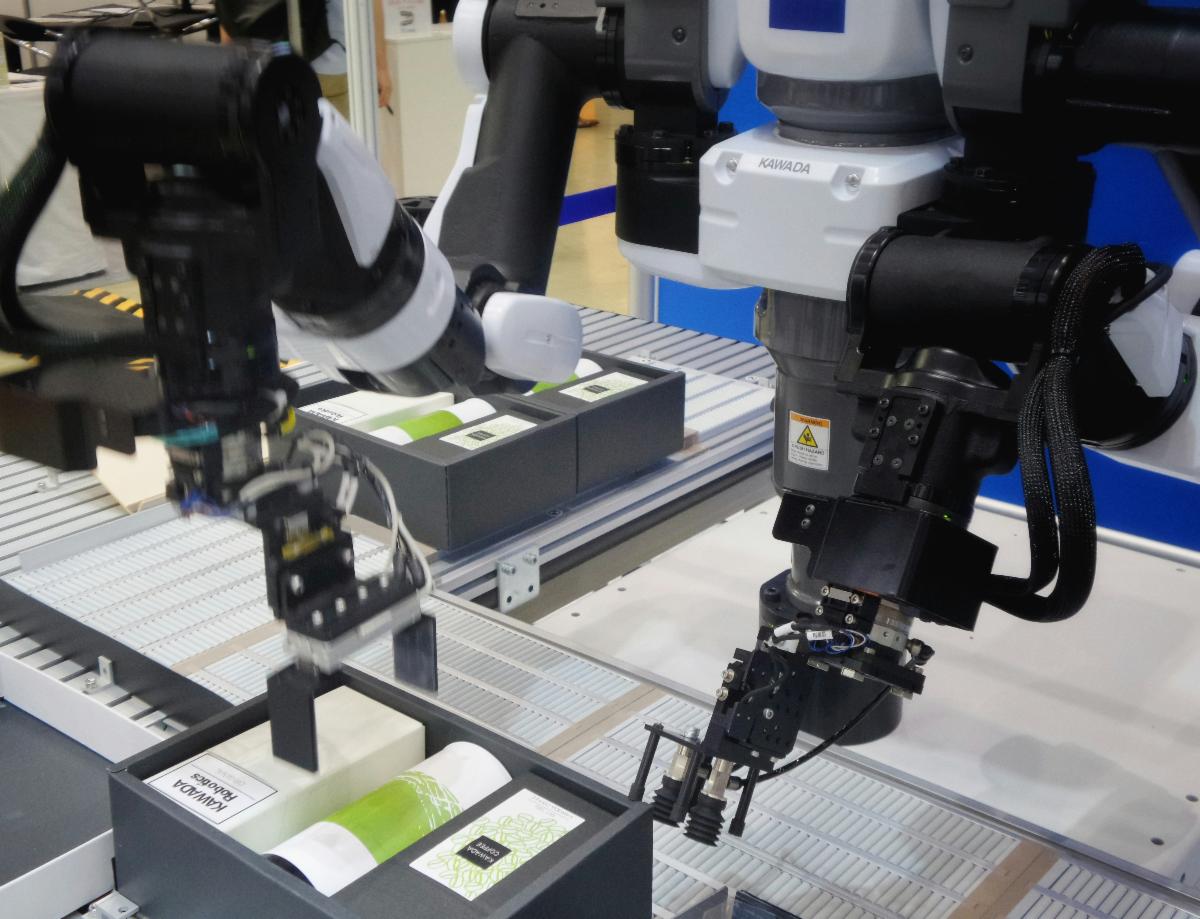
Northwestern University (NU) will receive funds to support the ERC for Human AugmentatioN via Dexterity (HAND). NU will partner with Carnegie Mellon University, Florida A&M University, Texas A&M University and MIT to turn dexterous robot hands into versatile, flexible tools.
Modern robot hands developed for use in the workforce are inaccessible due to limited mechanical functionality, cost of integration and unintuitive design. HAND will create robot arms and hands designed to be more useful out-of-the-box and for a wider variety of applications. The project will focus on improving the sensor and actuation capabilities of the robot hands, enhancing the technology’s level of control and range of application and improving how easy it is for humans to interface with the product.
(Photo courtesy of Possessed Photography on Unsplash.)
| |
USDOT delivers $46 million to support Colorado transit projects | |
|
Colorado will receive $45.6 million from the U.S. Department of Transportation (USDOT) to build complete streets and a regional mobility hub. The projects will provide additional transit options and increase safety, accessibility and mobility.
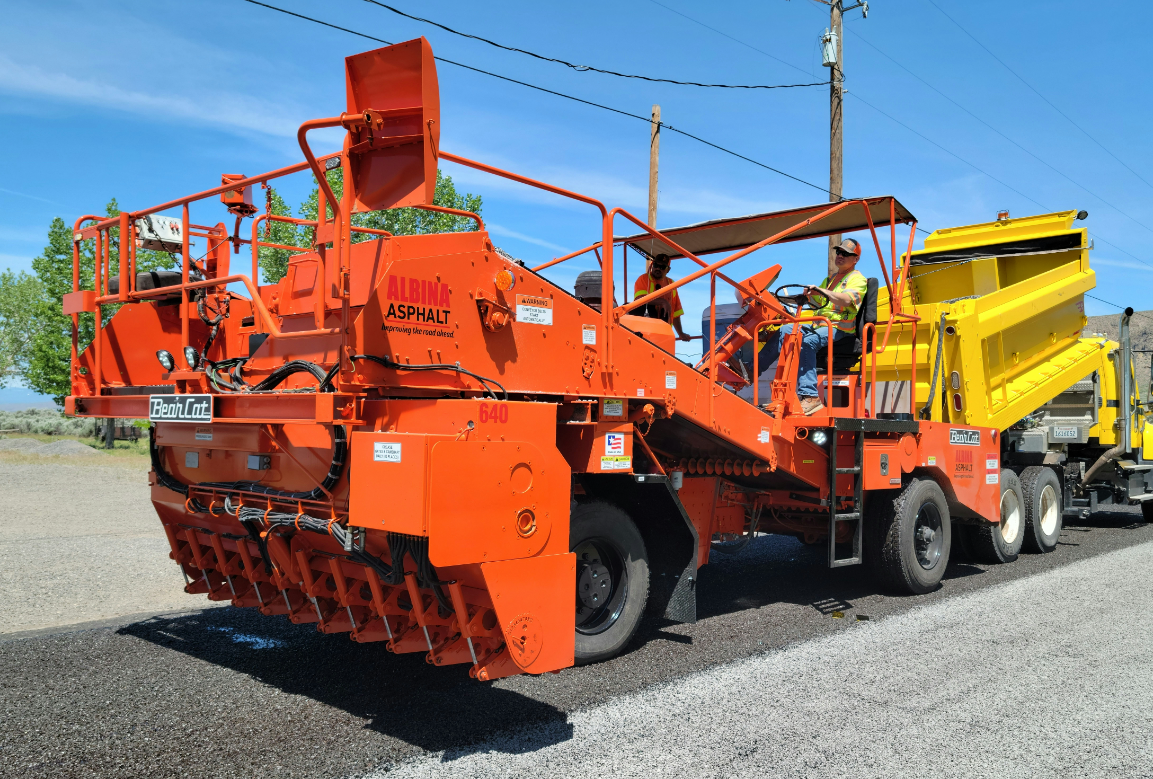
The city of Thornton will receive $25 million to transform a section of road into a Complete Street. The project will include widening the roadway, building multimodal paths and reconfiguring the intersection. Plans also include rehabilitating pavement, improving floodplain encroachments and installing additional lighting.
The city will improve the road to reduce fatal crashes and injuries. The roadway improvements will increase the roads safety and provide better access to active transportation choices and rail stations. The project will provide feasible alternatives to cars, allowing residents to reduce their carbon footprint and rely on non-motorized and public transport options. The city will also build dedicated bicycle and pedestrian facilities to improve connectivity, build regional trail connections and fill gaps in the active transportation network. Construction is expected to begin in April 2026.
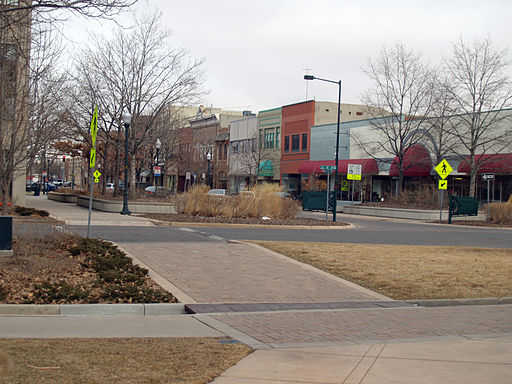
The city of Greeley will use $20.6 million to build a regional mobility hub between two grade-separated interchanges. The project will remove signals and grade separating along this portion of the highway, which the city expects will reduce crashes by approximately 40%. The hub will provide additional transportation options for underserved communities. The city will also provide bike and scooter sharing services, install ADA-compliant parking and build electric vehicle charging stations. Construction is expected to begin in May 2027.
USDOT allocated the funds through the Rebuilding American Infrastructure with Sustainability and Equity (RAISE) grant program. The RAISE program invests in community projects to build and renovate critical transportation infrastructure projects across the country.
The projects are a selection of 148 receiving a portion of the recently announced $1.8 billion in RAISE funding for Fiscal Year 2024. Including the latest round, USDOT has invested $7.2 billion across 550 projects through the RAISE program since it was established.
(Photo courtesy of David Shankbone.)
| |
GSA releases RFI for technologies to improve structure energy efficiency, decarbonization | |
|
The General Services Administration’s (GSA) Green Proving Ground (GPG) program is soliciting information on emerging green technologies that improve energy efficiency and decarbonization in buildings. Single vendors and teams have until Sept. 13, 2024, to respond to the Request for Information (RFI).
The GPG program tests technologies early in their development phase, integrating next-generation solutions in federal buildings to evaluate their performance in real-world settings. The pilot programs allow the GSA to examine the technical and operational aspects of emerging technologies and determine if they are fit for wide-scale adoption in the future.
The RFI focuses on emerging technologies and solutions that enhance building energy efficiency and decarbonization, support efficiency in electric infrastructure and improve resiliency and occupant health. All submissions must include technologies and solutions ready for evaluation in operational buildings across six focus areas. These include:
- Deep energy retrofit technologies that revolve around improving energy efficiency and reducing the carbon footprint. These submissions leverage energy conservation measures or monitoring and controls to optimize building performance and safety.
- Technologies and solutions dedicated to eliminating fossil fuel-use in buildings and vehicle fleet operations, transitioning to all-electric alternatives.
- Technologies that promote healthy and resilient buildings, designed to improve overall comfort and building health while minimizing vulnerabilities.
- Low-embodied carbon building materials that reduce lifecycle emissions associated with facility construction, renovation and reuse.
- Technologies dedicated to supporting net-zero operations, ensuring buildings can operate without fossil-fuel equipment through on-site renewables and off-site carbon-free electricity.
- Solutions for packages of emerging and sustainable technology solutions from single or multi-vendor teams that combine to create deeper energy or emissions reductions.
The GPG program is part of the GSA’s Center for Emerging Building Technologies, which consists of three programs dedicated to investing in innovative solutions to achieve next-generation building technologies:
- Green Proving Ground.
- Pilot to Portfolio.
- Applied Innovation Learning Lab.
The program has evaluated 107 technologies since it was founded in 2011. Out of those selections, the GSA has deployed 23 across more than a third of its federally owned real estate portfolio.
(Photo courtesy of Josh Olalde on Unsplash.)
| |
Purdue University invests $44.4 million to renovate infrastructure projects | |
|
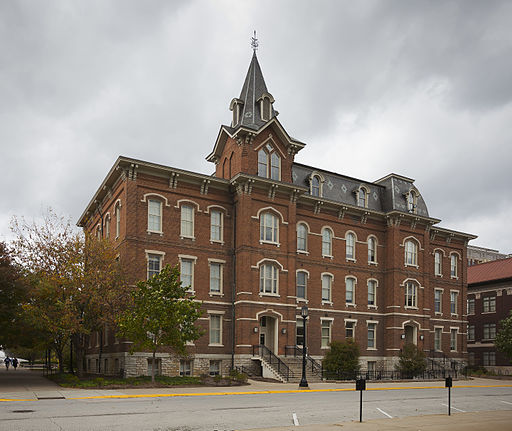
During its Aug. 2 Board of Trustees meeting, Purdue University (PU) approved $44.4 million in renovation projects to revitalize STEM buildings, improve labs, replace roofs and enhance utility infrastructure. The Board signed off on the projects in addition to the system's $239 million 10-year capital plan.
The university will spend $16.5 million to renovate 19,000 square feet of the Biochemistry Building. The renovations cover the facility’s first and second floors in addition to minor renovations in two accompanying buildings. The project will modernize and improve the facility’s layout, providing more space for research, studies and education. The university will also replace or modify the mechanical, electrical and plumbing systems. Construction is expected to begin in March 2025.
PU will use $16 million to renovate approximately 21,000 square feet of the Mathematical Sciences Building’s ground and basement floors. The project will repurpose existing floor space and provide additional room for the facility’s data center for computer servers and supporting utilities. Construction is expected to begin in May 2025.
The university will spend $4 million to replace and repair equipment in the Reed Animal Disease and Diagnostic Laboratory. The current key process equipment is obsolete, breaks frequently and finding the correct parts for repair is difficult due to its age. Construction is expected to begin in April 2025.
Other renovation projects that received Board approval include:
- Using $3.2 million to demolish concrete pavement in the courtyard between Stewart Center and the Purdue Memorial Union. The university will install waterproofing measures and reconstruct the courtyard afterward. In addition, the project will reconstruct Stewart Center’s east entrance to include ADA-compliant ramps and limestone seating. Construction is expected to begin in January 2025.
- Spending $2.6 million to replace the Fitness and Recreation Center roof. Plans include replacing lower roof sections with a single-ply roofing system to fix leaking and deterioration. Construction is expected to begin in May 2025.
- Allocating $2.1 million to kickstart the second phase of the lab drain line replacement project in the Wetherill Laboratory of Chemistry. Plans include replacing and separating potable and laboratory water supply piping systems and associated plumbing, including water heaters, water softeners and outdated wastewater equipment. Construction is expected to begin in March 2025.
(Photo courtesy of Diego Delso.)
| |
DOE docks electric-diesel research vessel at Washington laboratory | |
|
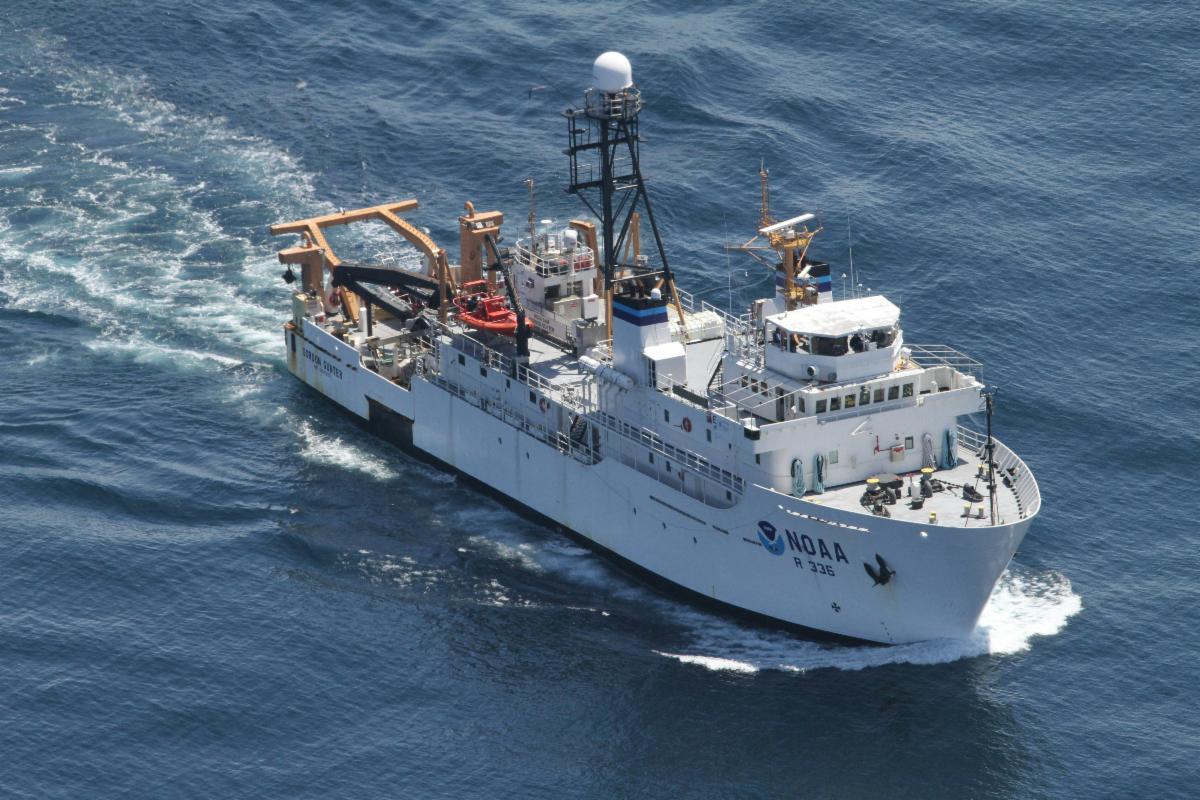
The Department of Energy’s (DOE) first hybrid electric-diesel research vessel has arrived at the Pacific Northwest National Laboratory’s (PNNL) Sequim, Washington, campus. PNNL-Sequim researchers will manage and operate the vessel to study environmental impacts of marine energy, ocean-based carbon dioxide removal and coastal ecosystem sciences.
The vessel is the first of its size class that is partially electrified. The 50-foot-long vessel uses a mixture of diesel and electric energy, enabling a larger scale design that uses cleaner power without restricting its research capabilities out on open waters.
The hybrid electric design provides several benefits to support researchers without compromising or limiting their data pool. Since it's partially electrified, the vessel is much quieter than other vessels of similar size when using its battery. Less noise pollution ensures researchers can conduct their work without disturbing local wildlife. Researchers will also benefit from a better environment for sensitive acoustic measurements while using less fossil fuels in the process.
The vessel’s size broadens PNNL-Sequim's research range, allowing researchers to travel further offshore to gather data and measurements. In addition, the ship can accommodate large research equipment while traveling at 28 knots using its two diesel engines or 6 knots on the battery. Potential research equipment includes remotely operated vehicles, ocean observation systems and demonstration-scale marine energy devices.
Researchers will use the vessel to advance research projects on generating power from ocean waves and tides and test marine energy infrastructure environmental impacts. It has laboratory space with multiple science stations, an A-frame and knuckle crane to assist research efforts.
(Photo courtesy of NOAA on Unsplash.)
| |
|
More than half of the country has completed the initial steps of expanding internet access through the Broadband Equity, Access and Deployment (BEAD) program, a cornerstone of the National Telecommunications and Information Administration’s “Internet for All” initiative.
As of mid-August, 35 out of 56 states and territories have unlocked funding by completing each phase of the approval process, and several states have begun putting their funds into action on broadband projects.
Click here to learn more about BEAD approval progress
(Photo courtesy of Thomas Jensen on Unsplash.)
| |
|
The California Transportation Commission is allocating $1.8 billion from various sources to improve transportation infrastructure throughout the state. Transportation projects will include highway improvements, walkways and new dedicated bike lanes and signage.
Sixty-six projects in eight of Caltrans’ 12 districts received funding. Funding sources include more than $1 billion in funding by the Bipartisan Infrastructure Law and $458 million from the Road and Accountability Act of 2017.
Click here for more information on Caltrans’ investment in infrastructure
(Photo courtesy of Tom Shamberger on Unsplash.)
| |
|
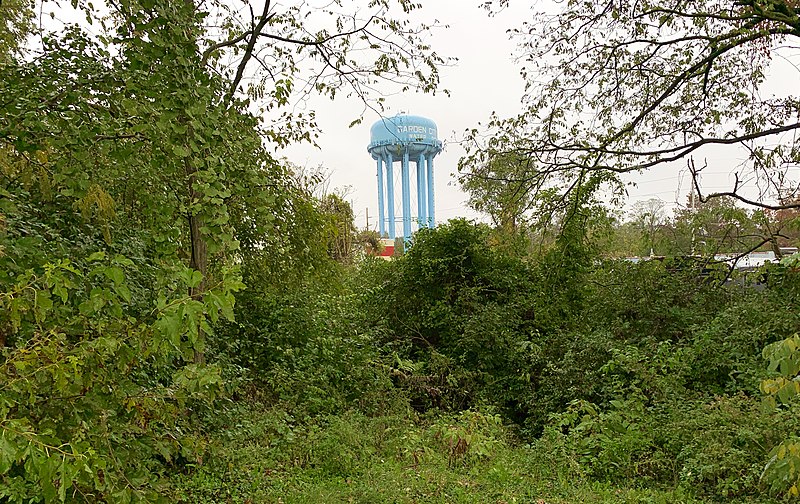
New York will spend $265 million on water infrastructure improvements across the state.
The funding, which was approved by the New York State Facilities Corporation Board of Directors, authorizes cities to access low-cost financing and grants on critical improvements to water and sewer infrastructure.
Upcoming work will include 30 projects paid for in part by $30 million in federal grants that will go toward inventorying lead service lines in drinking water systems.
Click here to learn more about New York’s upcoming water infrastructure projects
(Photo courtesy of LittleT889.)
| | |
|  |
|
|
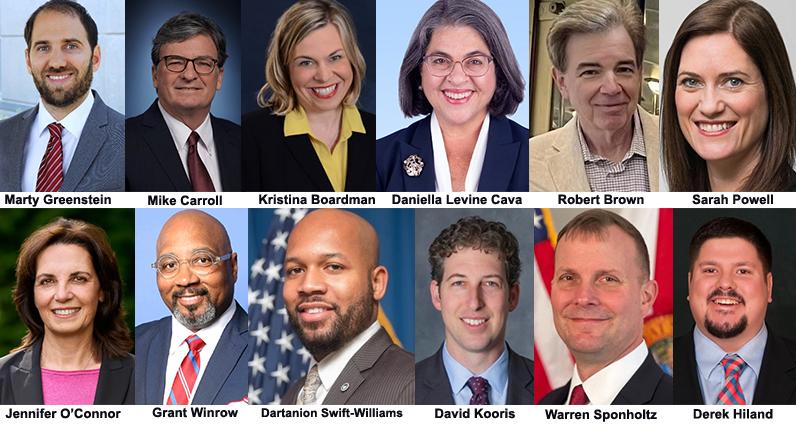
California – Marty Greenstein has been sworn in as deputy director of communications at California State Parks. Greenstein has spent the past four years at the California State Transportation Agency as assistant deputy secretary for communications.
Washington, D. C. - The American Association of State Highway and Transportation Officials has appointed Mike Carroll chair of its Committee on Transportation Communications. Carrol currently serves as secretary of the Pennsylvania Department of Transportation.
Wisconsin - Kristina Boardman has been appointed secretary of the Wisconsin Department of Transportation (WisDOT). She will be the first woman serve in this role for the agency. She will replace Craig Thompson. Boardman brings more than two decades of experience with WisDOT to the position, most recently serving as deputy secretary.
Florida - Miami-Dade Mayor Daniella Levine Cava will hold onto her leadership position for the next four years after winning re-election. Cava started her political career a decade ago as a county commissioner.
Pennsylvania - Southeastern Pennsylvania Transportation Authority (SEPTA) has hired Robert Brown and Sarah Powell to fill two newly created positions.
- Brown has been appointed deputy COO. He comes to SEPTA with more than 30 years of progressive experience in facilities management and custodial services. He has previously served in key executive leadership positions for several private companies.
- Powell will be the agency’s deputy chief transformation officer. She directed a center for public health preparedness at Temple University before leading the institution’s first office of emergency management.
Massachusetts – Jennifer O’Connor will serve as Harvard University’s next vice president and general counsel. Jennifer is a nationally recognized attorney and leader with decades of experience in both the public and private sectors. She currently serves as vice president of technology and information law and policy for an aerospace and defense company.
Missouri – Lincoln University has chosen Grant Winrow as its next vice president for university advancement. Winrow brings more than 25 years of expertise in administration to the role. He most recently served as assistant dean of student services and special assistant to the president/director at Tennessee State University. He took over his role Aug. 19.
Maryland – The city of Baltimore welcomes Dartanion Swift-Williams as chief data and performance officer. Swift-Williams brings extensive experience in data and platform innovation, managing nonprofit and fundraising products and data science and engineering. He officially began his tenure Aug. 19.
Connecticut – The Municipal Redevelopment Authority Board of Directors has selected David Kooris as executive director. Kooris is a member of the Connecticut Port Authority board, president of Stamford Downtown and a long-time urban planning professional.
Florida - Warren Sponholtz has been chosen as the state’s next CIO. Sponholtz is an information technology professional who has worked at multiple state agencies, including the Florida Department of Transportation and the Florida Department of Environmental Protection.
Georgia - Derek Hiland has been selected as interim county administrator for DeKalb County. Hiland has spent the past 20 years as a community developer for the county, originally joining in 2005. He will take over the role from Brian Gregory until a permanent replacement is found.
| | |
|
Connect with SPI
Check out our social media links!
| |
About Government Contracting Pipeline | |
|
Strategic Partnerships, Inc.
Publisher: Mary Scott Nabers
Editors: Adam Rollins
Dave Doolittle
www.spartnerships.com
| |
Government Contracting Pipeline, a publication of Strategic Partnerships, Inc., is a free, weekly newsletter detailing important happenings nationwide and the premier source for federal, state and local government news and contracting opportunities. | |
Help us share this message.
To ensure delivery and proper formatting of the newsletter, be sure to add editor@spartnerships.com to your safe senders list.
Otherwise, the newsletter may be flagged as spam and automatically routed to your junk e-mail folder.
| | | | |