Volume 16, Issue 28 - Wednesday, July 10, 2024 | |
By Mary Scott Nabers, CEO of Strategic Partnerships, Inc. | |
|
Courthouses and other municipal buildings are being renovated and upgraded throughout the U.S. That’s because funding for them continues to be available, and that is good news. But even better is the fact that many upcoming projects carry projected costs representing hundreds of millions in contracting opportunities.
While the federal government supports local municipal and courthouse projects, it also updates and renovates many courthouses in numerous states. Federal construction spending totaled about $34 billion in 2023, including allocations for projects at several levels of government. The projects that follow have been funded, but they are all in the very early stages of implementation. This early stage provides a prime opportunity for interested parties to begin positioning themselves for success.
The California Superior Court will be replaced in Fresno at a cost of $749 million. This historic facility has been in service since 1966 but can no longer meet compliance standards, especially the newer building regulations, including seismic codes and space standards. A new courthouse will resolve these problems and save the county over $40 million in maintenance costs.
The project will consolidate two other existing buildings - a smaller courthouse on M Street and the North Annex Jail. Fresno County officials need approximately 2 acres where the 400,000-square-foot courthouse can be built. This new facility will be designed for 36 courtrooms and space for future needs. The effort is not moving quickly because of the size of the initiative, and construction will likely launch in 2026.
Officials in Milwaukee County, Wisconsin, will oversee a project to replace an aging public safety building with a new courthouse complex. The project will call for demolishing a 95-year-old safety building and constructing a 10-story, 374,000-square-foot justice center in its current location. The renovation of a historic courthouse will also be incorporated, and the project will cost approximately $490 million. The new justice center will house criminal, preliminary, custody intake and outtake courtrooms. It will be designed to separate inmates, witnesses, jurors and staff. Public wayfinding and emergency path visibility will be improved. New and upgraded technology, including video teleconferencing and digital recording devices, will be installed. The renovation will include restructuring an older restraining clinic and constructing two new civil and family courtrooms.
The project recently entered the formal design and planning stage. Solicitation documents are expected in early 2026, and construction will launch shortly after that.
The federal General Services Administration will oversee a $334 million project to construct a federal courthouse in Hartford, Connecticut. Once completed, it will serve as headquarters for the U.S. District Court of Connecticut. The old courthouse is no longer adequate. The new 211,000-square-foot facility will be equipped with 11 courtrooms, 18 judge chambers, offices for various agencies and 60 secured parking spaces.
The project's design phase began in April of this year, and an environmental review will be completed this summer. Construction is planned to launch in 2027.
Click here for more.
| |
Missouri water company invests $500 million in water, wastewater infrastructure | |
|
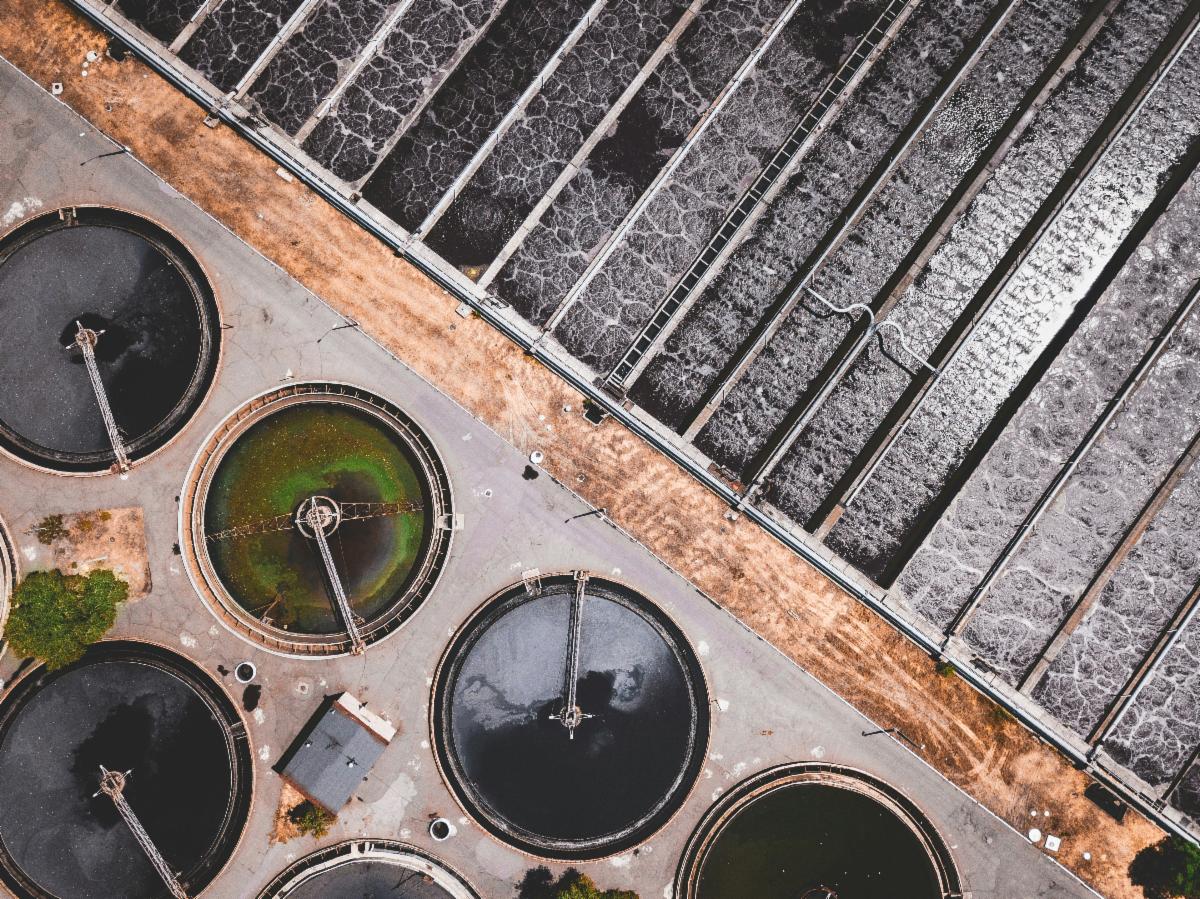
Missouri American Water (MAW) is investing more than $500 million to improve statewide water and wastewater infrastructure. Projects include replacing more than 90 miles of aging water pipes and enhancing water treatment plant performance.
MAW recently released its 2023 Water Quality Reports covering the safety and quality of local drinking water sources. The reports describe local sources, summarize water testing, list substance levels in the water and provide instructions on protecting drinking water. The consumer reports, covering 47 regions in Missouri, indicate that contaminants in local drinking water supplies are negligible and that MAW meets and exceeds state and federal drinking water standards.
To maintain reliable water service, the company will support projects across 10 water treatment plants. MAW will upgrade St. Louis County’s south water treatment plant by replacing its intake pumps and chemical feed systems. The replacement intake station will improve reliability and mitigate flooding. Plans include building a structure for the chemical storage and feed systems to improve the water treatment process.
MAW will build a filter building at the Jefferson City water treatment plant. In addition, the company will invest in upgrading booster stations in St. Joseph and building wastewater lift stations in Eureka, Maplewood and Smithton. Plans include building a carbon feed system and replacing the chlorine feed system at the Joplin water treatment plant. Finally, MAW will replace the ozone system at the Warrensburg water treatment plant.
As part of the investment, MAW will allocate $100 million to identify lead service lines across the state and replace them with galvanized steel. The company intends to remove all lead service lines by 2030, allowing it to meet and exceed federal requirements. MAW has replaced approximately 10,000 lead service lines to date. Residents can self-report on unidentified local service lines and request a professional inspection.
(Photo courtesy of Ivan Bandura on Unsplash.)
| |
USDOT allocates $114 million to make rural roads in Oklahoma safer | |
|
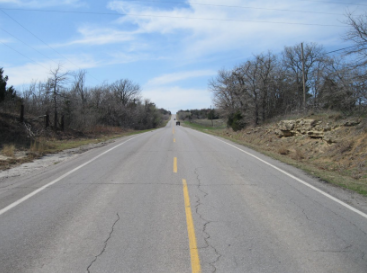
The U.S. Department of Transportation (USDOT) will provide $113.8 million to the Oklahoma Capital Improvement Authority (OCIA) to enhance rural road safety and infrastructure across 15 counties. The three loans, in combination with two prior loans, will improve 111 miles of rural roads.
The funds will support Phases 3, 4 and 5 of the $426.7 million Rural Two-Lane Advancement and Management Plan (RAAMP). The plan will support the OCIA's efforts to accelerate and deploy 33 projects that will create uniform and consistent road conditions. The projects will prioritize building 8-foot shoulders, rehabilitating driving lanes and installing drainage and grading work. In addition, OCIA will replace three bridges and four concrete bridge boxes.
The 111 miles of rural roads covered by RAAMP account for 65% of all serious and fatal crashes in the state. Once completed, the additional shoulders will provide additional room for farming equipment and accident clean-up, alleviating congested traffic and reducing carbon emissions. OCIA will also recycle existing materials to rehabilitate roads rather than replace pavement.
OCIA will receive $200 million in Transportation Infrastructure Finance and Innovation Act (TIFIA) loans to support RAAMP. The TIFIA Rural Project Initiative (RPI) provides financial support for rural communities across the nation. These communities have a disproportionate number of roads, bridges, tunnels and other forms of transportation infrastructure in poor condition that limit access to critical amenities.
The TIFIA RPI provides loans to eligible community projects worth between $10 million and $100 million. The loans can cover up to 49% of the project’s cost. Eligible projects include:
- Roads, bridges and tunnels.
- Transit systems including infrastructure, bus and train stations and buses and passenger rail vehicles and facilities.
- Transit-oriented development.
- Intermodal connectors.
- Pedestrian and bicycle infrastructure.
- Freight transfer facilities.
- Sea and inland waterway ports.
- Airports.
(Photo courtesy of state of Oklahoma.)
| |
|
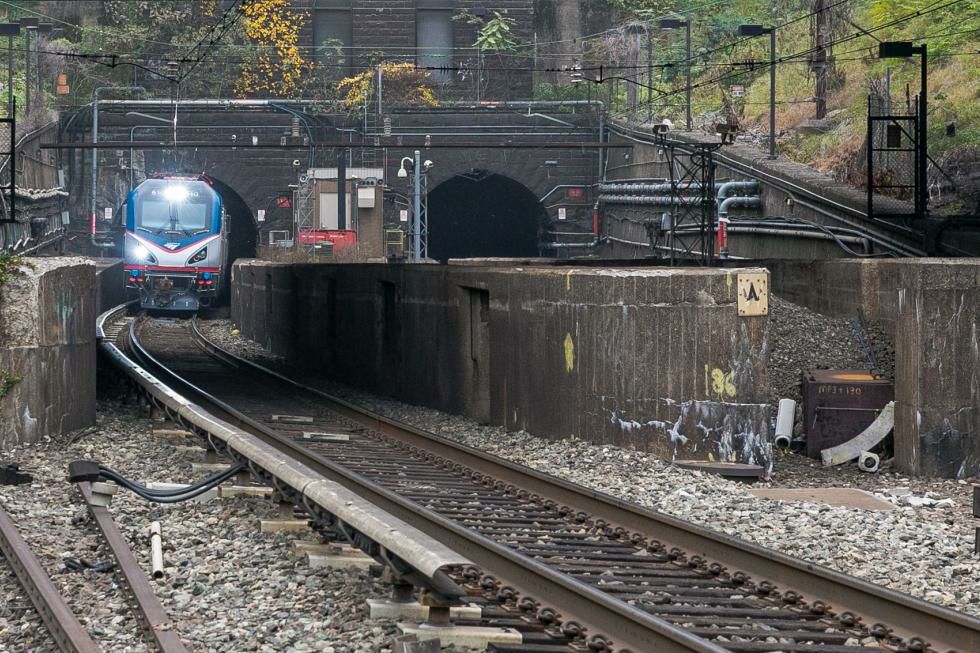
The largest project in the history of the U.S. Department of Transportation (USDOT) – and among the largest infrastructure undertakings in American history – moved forward this week with $11 billion from the Bipartisan Infrastructure Law (BIL).
The Hudson River Tunnel project will create a new rail tunnel between New York and New Jersey, just one area of investment across the country as part of the BIL’s $66 billion investment in passenger rail.
Click here to learn more about the Hudson Tunnel project
(Photo courtesy of gatewayprogram.org.)
| |
NY state panel releases $300 million to upgrade water systems | |
|
New York’s Environmental Facilities Corporation Board of Directors approved over $300 million in financial assistance for water infrastructure improvement projects throughout the state. Municipalities will be able to access low-cost financing and previously announced grants, allowing them to start work on essential water and sewer infrastructure projects, including treatment processes to eliminate emerging contaminants from drinking water.
The funds approved for 20 projects include substantial investments from the federal Bipartisan Infrastructure Law (BIL), the State Revolving Funds (SRFs) and the State’s Water Infrastructure Improvement (WIIA) grant program.
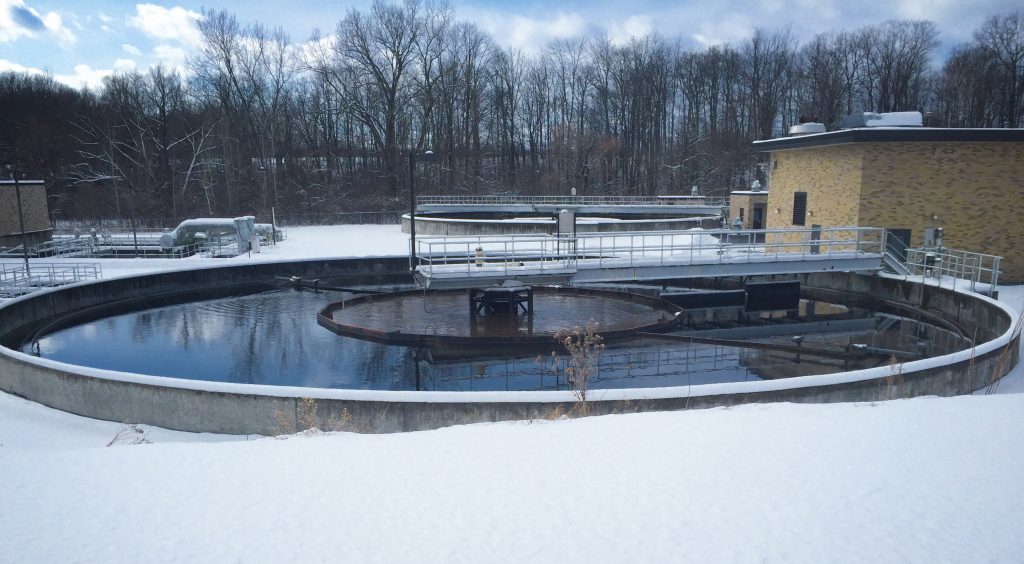
Notably, the city of Auburn in Cayuga County has been approved to receive over $91 million from BIL and WIIA for overdue upgrades to the city's wastewater treatment plant, which was built in 1935. This project will modernize outdated systems, enhance water quality in the Great Lakes watershed and promote environmental justice in a disadvantaged community.
The board's approval also includes financing through the Clean Water State Revolving Fund (CWSRF), Drinking Water State Revolving Fund (DWSRF) and grants already announced pursuant to the WIIA program. BIL funding for water and sewer infrastructure is administered by EFC through the State Revolving Funds.
The board also took steps to ensure the long-term affordability of existing projects by approving $32 million in long-term, interest-free financing for projects in the towns of Clyde, Endicott, Gouverneur, Jasper, Malone, Orleans, Philadelphia, Rosendale and Sylvan Beach.
Short-term financing provides the capital needed for the design and construction of projects. Once construction is complete, these short-term loans are typically refinanced into long-term financing for up to 30 years, sharply reducing interest costs for municipalities compared to finding independent financing. Under current market conditions, local ratepayers are expected to save an estimated $41 million in interest payments.
Notable clean water projects include:
- City of Auburn in Cayuga County - $25 million grant, $41.5 million interest-free financing and $16.5 million market-rate financing from BIL, as well as a $9 million WIIA grant for the planning, design and construction of biosolid and wastewater process improvements at the city's wastewater treatment plant to reduce combined sewer overflow events in the Great Lakes watershed.
- Town of Thompson in Sullivan County - $13 million grant and $14.4 million interest-free financing from BIL; $1 million market-rate CWSRF financing; and a $6.4 million WIIA grant for the planning, design and construction of upgrades at the Kiamesha Lake Wastewater Treatment Plant to protect water quality in Kiamesha Creek, a trout stream in the Delaware River Basin.
- Village of Vernon in Oneida County - $10.4 million interest-free CWSRF financing and a $2.4 million WIIA grant for the planning, design and construction of wastewater treatment plant upgrades to improve the water quality of Sconondoa Creek.
Notable drinking water projects include:
- Jericho Water District in Nassau County - $6.9 million WIIA grant for the installation of an advanced oxidation process treatment system for the removal of chemicals and a granular activated carbon treatment system to remove PFOA and improve water quality.
- Village of Bath in Steuben County - $6 million market-rate DWSRF financing and a $3 million WIIA grant for the installation of roughly 18,000 feet of new and replacement water main and associated infrastructure along State Routes 54 and 415 that will enable the village to provide an adequate supply of water to residents and improve the resilience and security of the existing system.
- Water Authority of Western Nassau County - $5 million WIIA grant for the installation of a granular activated carbon treatment system to remove PFAS and improve water quality.
(Photo courtesy of Cayuga County Water.)
| |
|
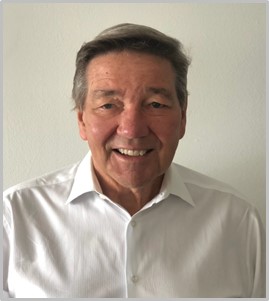
John Hart has a distinguished career in public service, serving two terms on the Broward County Commission and three terms as mayor of the city of North Lauderdale. He also served as the Florida Association of Counties president and Gov. Bob Graham’s appointment to the Broward County Expressway Authority. A Brooklyn native, Hart has been heavily involved with both the civic and business communities of South Florida and is now celebrating his 43rd year as a member of the Board of Directors of the Boys and Girls Club of Broward County. Hart serves on the Board of the Broward College Foundation and has spearheaded numerous child advocacy and educational programs. His professional background is in management, marketing and finance. Before launching his consulting business, he led two major environmental and transportation engineering firms.
Hart's passions for the environment, education and infrastructure shine through his public, professional, civic and personal endeavors. He helped establish five Boys and Girls Clubs in Broward County, serving 1,200 at-risk youths annually for 30 years. As a board member and chair of the Broward College Foundation, he promoted civility and common sense through Dialogues in Democracy.
Hart's commitment to public service is evident in his 20-year tenure in elected and appointed offices, including councilman and mayor of North Lauderdale, and two terms on the Broward County Commission. His significant roles in environmental planning and transportation, such as chair of the South Florida Regional Planning Council and overseeing the Sawgrass Expressway's construction, are truly impressive. His public service efforts led to the successful passage of South Florida’s first Environmentally Sensitive Land bond issue, the establishment of the nation's second Drug Court and the Public Service Intern Program.
|  | |
Massachusetts launches groundbreaking networked geothermal system, first in nation | |
|
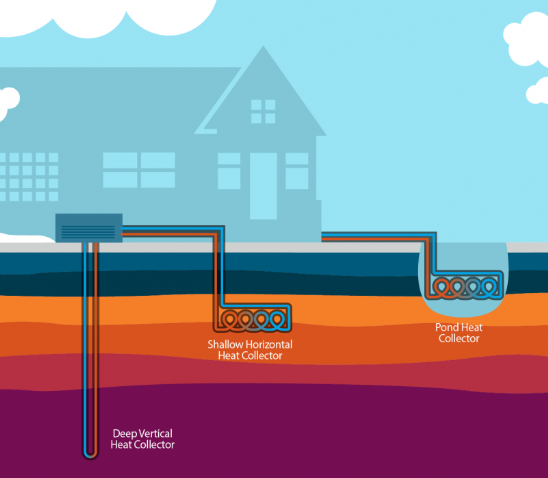
The city of Framingham, Massachusetts, has officially launched the nation’s first pilot networked geothermal system. The system will heat and cool 36 buildings in a neighborhood using ground-source heat pumps without using fossil fuels or emitting greenhouse gases.
Networked geothermal systems use the Earth’s subsurface to heat and cool buildings through an underground distribution network. This allows utility providers to avoid relying on traditional heating and cooling options and empowers communities to decarbonize buildings.
Eversource, the utility company spearheading the project, connected 31 residential and five commercial buildings to a 1-mile subterranean loop that collects heat generated from the sun and the Earth’s core. Buried pipes circulate liquid that transfers heat from the ground into homes during the winter and removes heat through the same network in the summer. In addition to using geothermal heat pumps, the project will also integrate with existing renewable energy systems in the city.
In April 2023, Framingham was one of 11 communities that received Department of Energy (DOE) support to design and deploy innovative community-scale geothermal system projects. These design projects will:
- Replace furnaces and boilers.
- Connect with rooftop solar panels and battery storage.
- Use wastewater heat from sanitary districts.
- Refine existing carbon-dioxide heat pump systems.
- Drill test wells.
The pilot program will evaluate whether utility-scale geothermal networks are an affordable, feasible option for heating and cooling homes over the next two heating and cooling seasons. However, geothermal heating and cooling technologies are already growing in popularity as states look into further development. Since 2021, seven states have passed legislation empowering utilities to develop thermal energy network pilot projects.
(Photo courtesy of the DOE.)
| |
Nashville establishes private-public partnership to expand affordable housing | |
|
The city of Nashville has entered a public-private partnership (P3) to help create, preserve and develop affordable housing options. The city, Metro Nashville and several funding partners have invested $75 million into the Nashville Catalyst Fund to provide financial assistance to accelerate development.
To keep up with population growth, Nashville will need 55,000 new housing units by 2030. About a third of those units – 18,000 – must be for households earning below 80% of the median household income. The city expects the Nashville Catalyst fund to help preserve and create at least 3,000 affordable rental properties over the next 10 years.
The city will provide fast, flexible loans to help developers break into and find success in the affordable housing market. The fund offers developers the capital needed to accelerate affordable housing projects, allowing them to preserve affordable homes that would otherwise be lost to the market.
One of the major goals of the fund is to help affordable housing developers make unregulated housing comply with income and rent regulations. Not only must the housing be livable and up-to-code, but it must also be affordable for the fund’s target demographic.
The fund will prioritize affordable housing developers that will invest in preserving and developing income-restricted housing over the next several decades. Eligible developers include non-profit, BIPOC and mission-driven organizations dedicated to supporting underserved, low-income communities without access to reliable housing options.
The loans available through the fund are not available anywhere else in the market, providing affordable housing developers with the support they need to preserve housing affordability in a highly competitive real estate environment. Developers will also be able to use the funds to jumpstart projects without waiting for public subsidy or grant proceeds.
(Photo courtesy of Nashville Metropolitan Development and Housing Agency.)
|  | |
UDOT deploying explosive avalanche mitigation measures outside Salt Lake City | |
|
The Utah Department of Transportation (UDOT) will deploy a Remote Avalanche Control System (RACS) to advance avalanche mitigation efforts just outside Salt Lake City. The agency will install 16 avalanche towers in Little Cottonwood Canyon, located at the foot of Mt. Superior near a major road.
The project uses remote-controlled equipment to improve safety and enhance avalanche mitigation efforts. Operators will use wireless communications to detonate explosive charges hanging just above the ground to trigger avalanches. The system will allow UDOT to safely and efficiently address avalanche risks before they pose a threat.
The avalanche tower system will replace the agency’s previous method of mitigating avalanches. Avalanche and road crews used howitzer artillery to trigger these events, performing approximately 330 controlled avalanches each season. The replacement system will reduce the number of shrapnel and the risk of unexploded ordinances in the area.
UDOT will remove loose rock and unstable soil, clear vegetation and add safety features to prepare for installation. The agency anticipates that it will complete its work in October 2024, opening the region in time for the 2024/2025 winter season.
(Photo courtesy of UDOT.)
| |
Rhode Island receives $25 million to improve major expressway's connectivity, safety | |
|
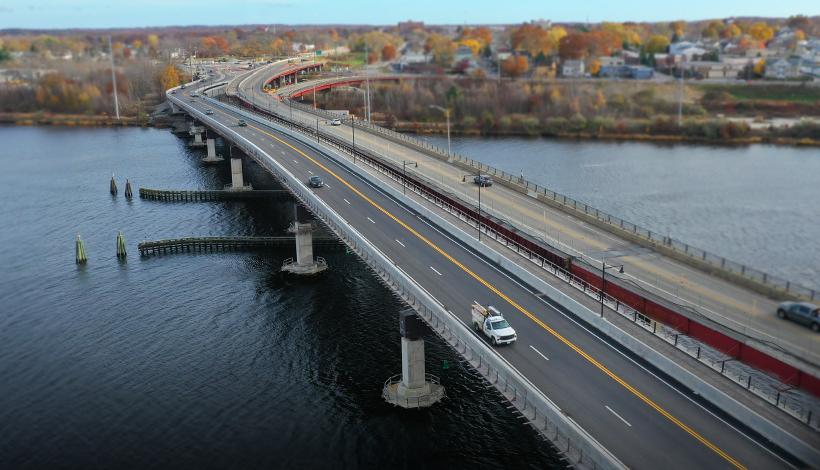
The U.S. Department of Transportation (USDOT) has awarded the Rhode Island Department of Transportation (RIDOT) $25 million to enhance connectivity and safety in Providence. The $35 million project will demolish existing infrastructure and build replacement facilities and pathways. Construction is estimated to begin in December 2024.
The funds will support Phase 2 of the Henderson Bridge Multimodal Connections project. RIDOT will convert the parkway into a low-speed facility. Plans include building 2 miles of bike and pedestrian paths, two scenic overlooks on the Henderson Bridge and a roundabout. The 2 miles of non-motorized facilities will help residents access two of the city’s major bike paths.
As part of the project, RIDOT will demolish an existing bridge, loop ramp and two traffic signals. The agency will convert one of the city’s major expressways into a complete street, increasing safety and incorporating traffic calming measures. In addition, the project will increase affordable transportation options and promote transit-oriented development in nearby areas.
USDOT allocated the funds through the Rebuilding American Infrastructure with Sustainability and Equity (RAISE) grant program. The RAISE program invests in community projects to build and renovate critical transportation infrastructure projects across the country.
The Henderson Bridge Multimodal Connections project is one of 148 projects that will receive a portion of the recently announced $1.8 billion in RAISE funding for Fiscal Year 2024. Including the latest round, USDOT has invested $7.2 billion across 550 projects through the RAISE program since it was established.
(Photo courtesy of RIDOT.)
| |
NOAA invests $16.7 million to support innovative technologies for studying, managing ocean | |
|
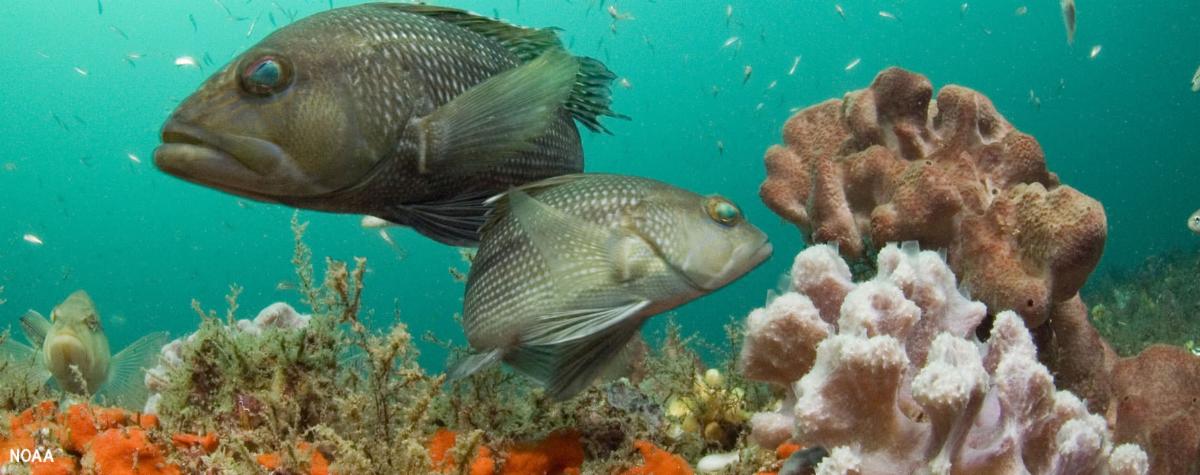
The National Oceanic and Atmospheric Administration (NOAA) is awarding $16.7 million to develop technologies and public-private partnerships (P3) for ocean-based projects that support sustainability, equity, biodiversity and climate adaptation. The awards come from the U.S. Integrated Ocean Observing System’s (IOOS) Marine Life and Ocean Technology Transition programs.
The Marine Life Program was created to develop solutions for long-term, sustained marine life observation and data sharing capabilities. The program focuses on building and expanding the existing IOOS biological observing programs. Focus areas include tracking animal telemetry, observing and sharing information about marine biodiversity, studying harmful algal blooms and underwater sound in marine sanctuaries.
The Ocean Technology Transition Program supports projects that transition emerging marine observing technologies to operational mode. Eligible projects must have an existing operational requirement and a demonstrated commitment to integration and use by the ocean observing community. Solutions will help improve ocean, coastal and Great Lakes observing capabilities and broaden scientific understanding of these environments.
The NOAA funds will be distributed across 12 awards. Here are some of the notable projects receiving funding:
A nonprofit organization dedicated to gathering and sharing data about the ocean will receive $3.3 million for three projects. The first project will support and expand the Gulf of Maine Marine Biodiversity Observing Network by continuing sampling at select locations. Plans include developing a detailed ecosystem framework to catalog changes in conditions and develop a holistic view of the water column to inform decision-making and management.
The nonprofit’s second project will transition a meteorological buoy into a multi-purpose ecosystem monitoring buoy. The buoy will provide real-time data on ocean conditions and the acoustic environment, allowing the nonprofit to develop a platform to help expand NOAA’s monitoring capabilities.
The third project will transition data ingestion and management pipelines into a common cyberinfrastructure for multiple ocean observation organizations. The framework will help IOOS and associated nonprofits acquire, process, integrate and disseminate metocean data.
The University of Michigan will receive $1.75 million to advance the Dynamics of Biodiversity Across Lakescapes in North America’s Inland Seas project. Plans include developing a network to assess biodiversity, habitat and key ecosystem functions in the Great Lakes region. The information gathered through the network will expand understanding of the region’s invasive species, climate change, nutrient pollution, hypoxia and harmful algal blooms. The network will integrate innovative technology used for high-throughput sequencing and bioinformatics, telemetry for fish populations and mapping biogeographic matters measured by satellites.
(Photo courtesy of NOAA.)
| |
|
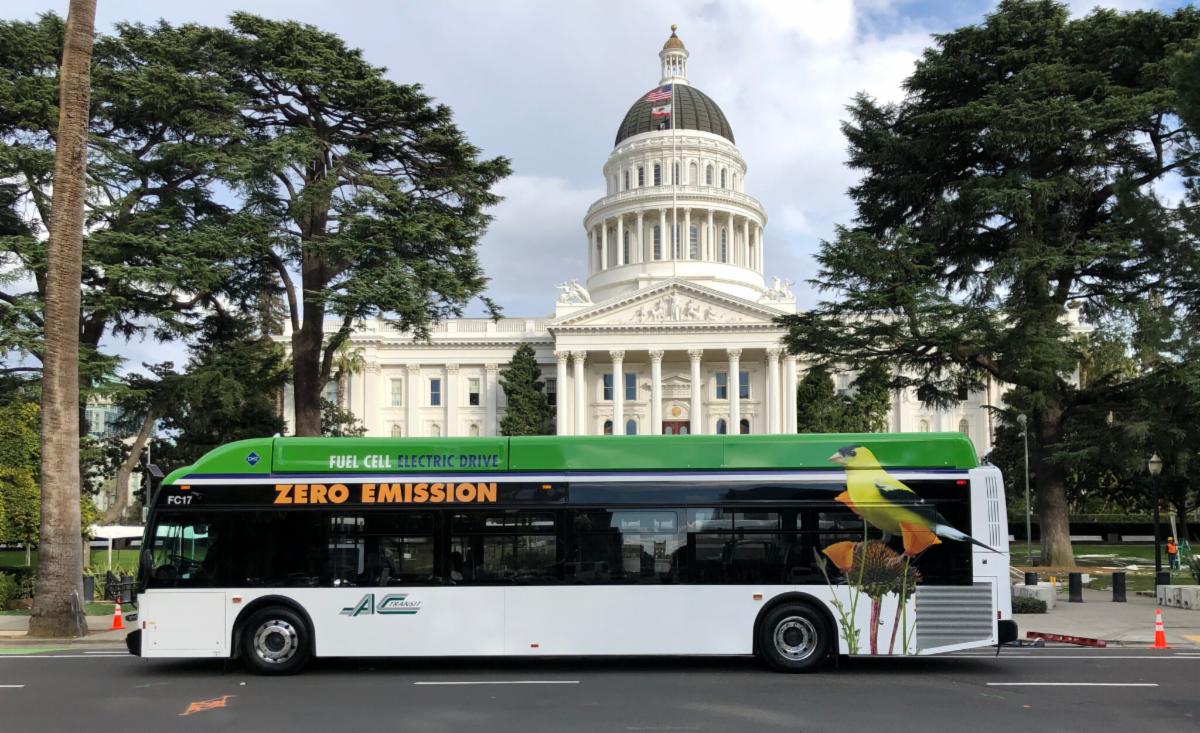
The U.S. Department of Transportation’s Federal Transit Administration (FTA) has announced approximately $1.5 billion for 117 projects to enhance public transportation across 47 states. Under the Bipartisan Infrastructure Law (BIL), the FTA has allocated nearly $5 billion over the past three years to replace and modernize transit buses in the U.S.
Some 80% of the funded buses will be outfitted with zero or low-emission technology, reducing air pollution and contributing to achieving zero emissions by 2050. These initiatives also support the Justice40 Initiative, which aims to ensure that 40% of the overall benefits from federal investments in climate, clean energy, clean transportation and other areas are directed to disadvantaged communities marginalized by underinvestment and burdened by pollution.
Click here for more information on USDOT’s investment in the nation’s public transit
(Photo courtesy of the California Air Resources Board.)
| |
|
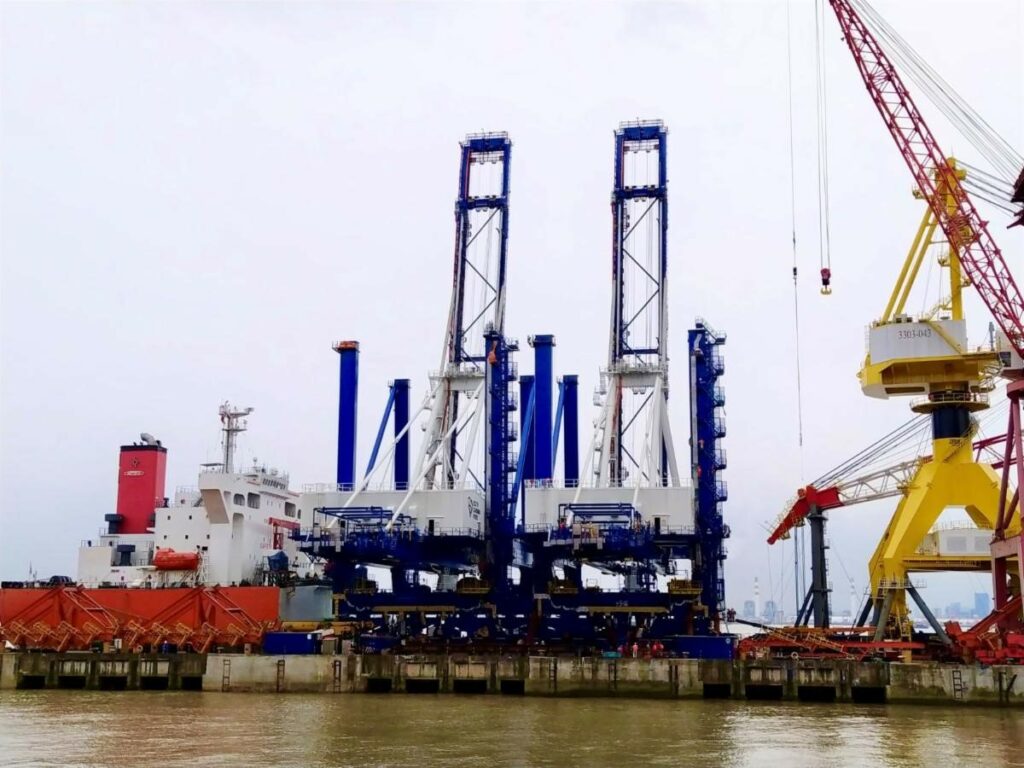
Major U.S. ports and industry organizations are pushing back against a proposed 25% tariff on Chinese-made ship-to-shore (STS) cranes set to go into effect later this year. The ports argue that increasing the cost of cranes to lift goods from cargo ships onto land would hamper their ability to expand and maintain global competitiveness.
The proposed tariff announced in May is part of a broader strategy to counter ascendant Chinese trade dominance and address potential cybersecurity risks associated with Chinese-made port equipment. The measure aims to incentivize the use of domestically produced cranes and reduce reliance on Chinese manufacturers. However, port authorities argue that the policy fails to consider the immediate needs of U.S. ports.
Click here to learn more about the port response to Chinese crane tariffs
(Photo courtesy of South Carolina Ports.)
| |
|
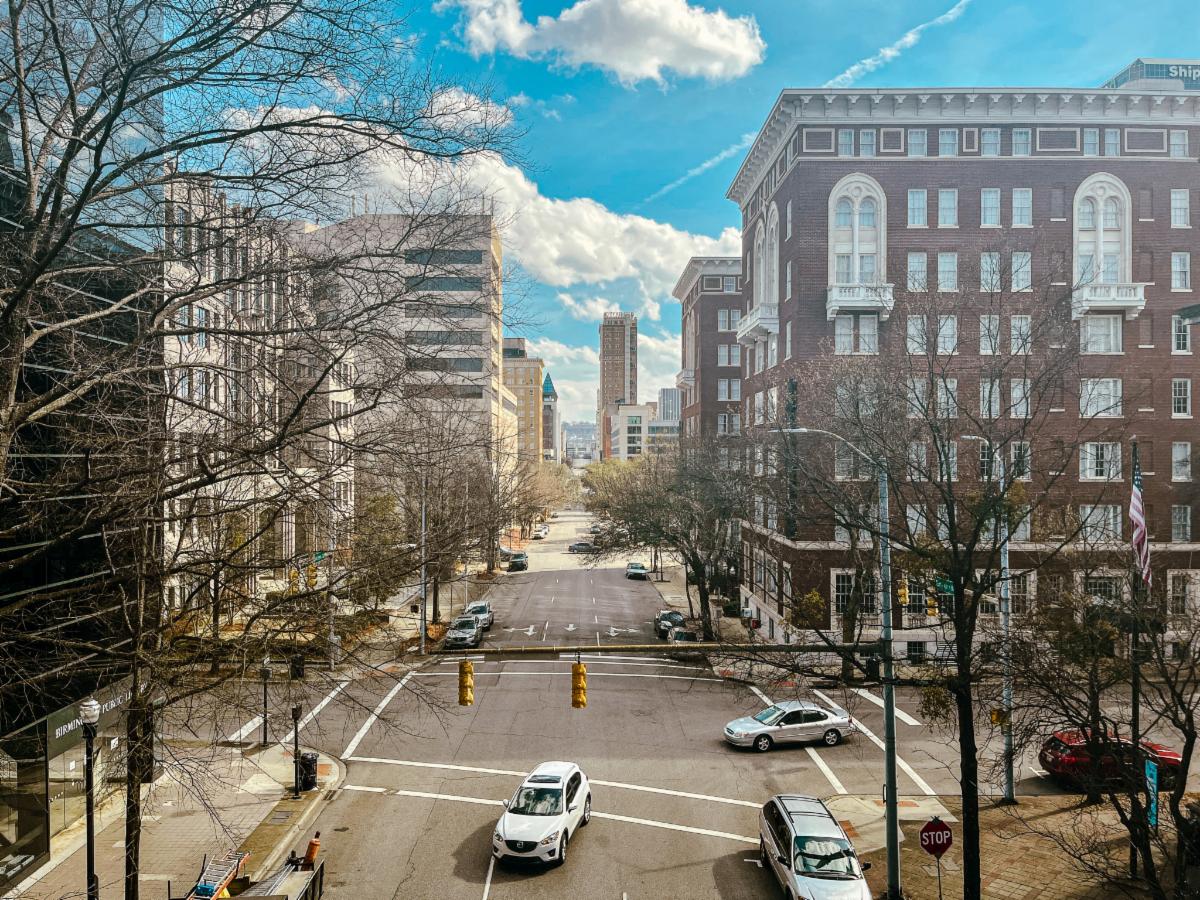
The U.S. Department of Transportation (DOT) is making more than $600 million in grants available for projects that will reconnect communities that were divided by past transportation infrastructure decisions, such as freeways cutting through urban areas.
This funding, part of the Reconnecting Communities Pilot Program, will support both capital construction and community planning initiatives across the country. The application deadline is Sept. 30, 2024.
Click here to learn more about the Reconnecting Communities Pilot Program
(Photo courtesy of the city of Birmingham, Alabama.)
| | |
|  |
|
|
North Carolina - Susan Squires was officially named as Beaufort County's permanent economic development director, effective July 8. She has over three decades of experience in federal and local government work and is a certified economic developer for the state.
Florida – The City of Jacksonville has promoted Alex Alston to executive director of the office of Sports and Entertainment after 11 months working as chief of sports. Previously, Alston worked for the Tulsa Sports Commission.
West Virginia - The Morgantown City Council appointed Joe Abu-Ghannam as mayor. Before being selected as a replacement council member, Joe was a teacher at Morgantown high school.
California – Andy Su has been sworn in as the mayor of the city of Mountain House, the state’s newest city. The emergency physician has been involved in the community for the past 17 years, including as member of the Board of Directors in 2008.
Missouri – Columbus, Ohio, Mayor Andrew Ginther was elected by his fellow mayors to serve as the next president of the U.S. Conference of Mayors. Ginther, who will serve a one-year term, has been mayor since 2016.
Illinois – Chicago Mayor Brandon Johnson has appointed Carla Kupe as the city’s chief equity officer. Kupe has been managing partner of a law firm she co-founded in 2022.
Alabama – Patrick Braxton has reached a settlement with the town council of Newbern to serve as mayor. Braxton, who will be the city’s first Black mayor, was elected in 2020.
Pennsylvania - John Fry, has who is currently the president of Drexel University, has been named president of Temple University. Fry serves on several boards, incluidng the Federal Reserve Bank of Philadelphia.
Iowa - Mark Burkard has been named director of the University of Iowa Cancer Center. Burkard is a professor in the Division of Hematology, Medical Oncology, and Palliative Care at the University of Wisconsin at Madison’s Department of Internal Medicine.
Virginia - Riaan Anthony has been named Charlottesville’s director of Parks and Recreation. Anthony had been serving as interim director.
Kansas - Ana Nixon has been named communications director of Gov. Laura Kelly’s office. Nixon has previously worked for the Federal Reserve Bank of Kansas City and the city of Grandview, Missouri.
California - Metrolink has appointed Alberto Lara as its chief people officer and equal employment opportunity (EEO) officer. He brings over 30 years of human resources experience to the post, most recently in the County of Yolo.
| | |
|
Connect with SPI
Check out our social media links!
| |
About Government Contracting Pipeline | |
|
Strategic Partnerships, Inc.
Publisher: Mary Scott Nabers
Editors: Adam Rollins
Dave Doolittle
www.spartnerships.com
| |
Government Contracting Pipeline, a publication of Strategic Partnerships, Inc., is a free, weekly newsletter detailing important happenings nationwide and the premier source for federal, state, and local government news and contracting opportunities. | |
Help us share this message.
To ensure delivery and proper formatting of the newsletter, be sure to add editor@spartnerships.com to your safe senders list.
Otherwise, the newsletter may be flagged as spam and automatically routed to your junk e-mail folder.
| | | | |