Volume 16, Issue 25 - Wednesday, June 19, 2024 | |
By Mary Scott Nabers, CEO of Strategic Partnerships, Inc. | |
|
Water resources are a critical component of any region's ecosystems. But, perhaps even more important is the realization that water is also essential for human survival. Its needs cannot be ignored.
In 2023, the U.S. market for only drinking water treatment and wastewater systems was estimated to be $4.93 billion. This revelation also revealed that the industry segment for drinking water and treated water will likely increase at a rate of 7% annually for many years—and perhaps decades. The data clearly signals that government contractors should not overlook this water infrastructure segment.
The Bipartisan Infrastructure Law allocated more than $50 billion for water infrastructure of all kinds between 2022 and 2026. Currently, the country is experiencing the richest environment for water infrastructure funding in the history of the United States. Funding, currently, is readily available.
The Environmental Protection Agency (EPA) predicts that drinking water and wastewater treatment infrastructure needs will exceed $744 billion for construction, repairs and expansions over the next 20 years to meet water quality standards and stated goals. The following examples of upcoming water projects represent just a fraction of the activity found throughout the U.S. Government officials in America are working hard to avoid a water needs tsunami in America.
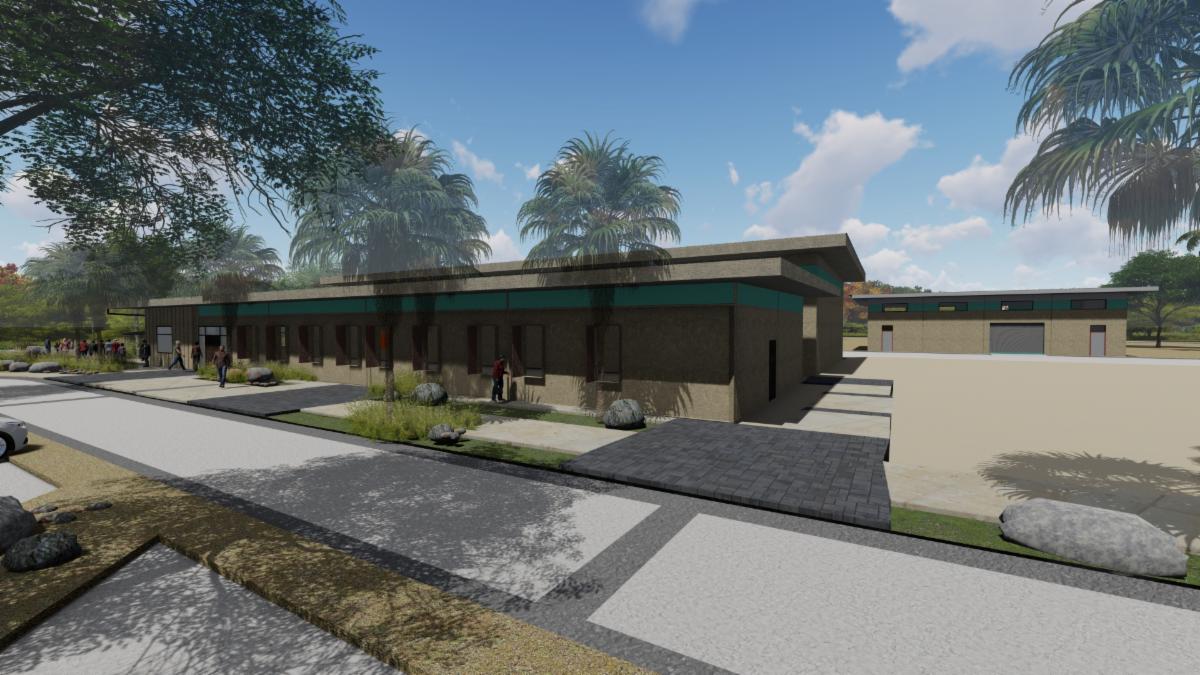
Citizens and businesses in Charlotte County, Florida, will benefit from an expansion project at the Burnt Store Water Reclamation Facility. The project is currently being designed to increase the region’s water supply from 0.5 to 2.5 million gallons per day to meet the current demand and anticipated demand from growth and development.
The project has been tagged with an $89 million cost estimate. However, recently, the city released bid documents and the low bid came in at $178 million. The solicitation was pulled down, and city leaders are expected to issue a new RFP when more funding is found. A timeline for that, however, has not been announced.
Click here for more.
| |
Indiana University to build $110 million athletics center | |
|
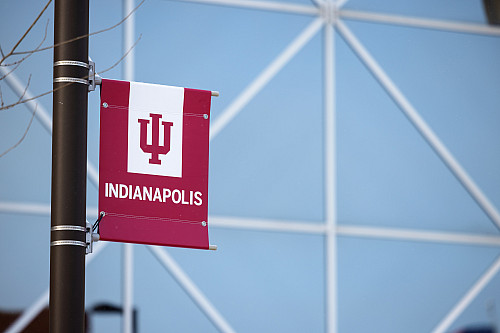
Indiana University (IU) will build a $110 million multipurpose athletics center that will provide additional indoor space for sporting and athletic events for the university and downtown Indianapolis. The project has been approved, but a construction date has not been announced.
The IU Board of Trustees approved the project during its June 14 session. The university will use $89 million in state appropriations to fund the project, taken from the state’s biennial budget. IU will match the state's contribution with $21 million to fund the project.
The 134,000-square-foot athletics center will be able to seat up to 4,500 spectators. The facility will feature a multipurpose arena, an auxiliary gym and community gathering spaces. In addition, the building will include around 16,000 feet of office space and additional athletics support spaces.
The athletics center will feature a basketball/volleyball court, locker rooms and training facilities. The seating will be retractable, providing extra space and flexibility for recreational activities and sports.
The project will incorporate concourse space, concessions, restrooms, storage and mechanical/electrical spaces into the building’s design. The center will be on-campus as an addition to the IU sports district.
(Photo courtesy of Indiana University.)
| |
Ohio provides $123 million to enhance critical water infrastructure | |
|
The state of Ohio will infuse $122.7 million into 76 water projects across 59 counties to reduce financial burdens associated with critical infrastructure projects, replace sanitary sewer systems, prevent backups and extend lines.
The city of Sandusky will receive $7.1 million to build an interceptor sewer. The project will intercept the flow of sewage from the southwestern portion of the city and divert it directly into the treatment plant, reducing the flow where the east and west interceptors combine. The interceptor line will help provide sewers to currently undeveloped areas and provide a connection point for an announced soybean processing plant.
The city of Hamilton will use $5 million to build an elevated water storage tank in Hamilton Enterprise Park. The tank will help improve the park’s low water pressure and flow conditions, providing enough to support development and firefighting capabilities. The project will ensure that the park’s 149 acres can be redeveloped and maintained.
Mount Orab will spend $5 million to expand the village’s wastewater treatment plant. Plans include building a clarifier, converting the existing equalization basin to a newly activated sludge basin and installing an emergency generator. The village will also build an effluent flow metering facility, conduct electrical and piping work and incorporate ultraviolet (UV) disinfection technologies.
The city of Washington Court House will receive $5 million to improve its wastewater treatment plant. The city will replace the influent pump station, install grit-handling equipment and improve the primary settling and aeration tanks. Plans include rehabilitating the blower and replacing the secondary clarifier and return activated sludge system. Finally, the city will build a UV disinfection facility and improve the equalization tanks.
The city of Willoughby will spend $5 million to relieve sanitary sewer basement flooding in the Orchard Park neighborhood. Railroad construction in the early to mid-1900s created raised beds that functioned as dams, which led to surface flooding, sewer surcharging and inflow/infiltration into sewers and basements. The city will install approximately 2,200 feet of storm sewer pipes to support the community.
(Photo courtesy of Jouni Rajala on Unsplash.)
| |
New York governor announces members of Emerging Technology Advisory Board | |
|
New York Gov. Kathy Hochul has established the Emerging Technology Advisory Board (Board) to advance the state’s goals to become a hub for growth and innovation. The Board will be an independent group of industry leaders that will provide expertise and insights on emerging technologies - prioritizing artificial intelligence (AI) breakthroughs.
The Board will help guide the state’s economic development and decision-making framework, providing critical expertise for integrating and progressing emerging technology sectors. The Board will prioritize three goals:
- Develop recommendations to grow the state’s AI ecosystem and create an environment to facilitate AI business and startup venture growth.
- Attract and train a diverse and equitable tech talent pool and foster an accessible cutting-edge job market.
- Identify emerging technology opportunities and create a foundation for upcoming technology sectors.
Two tech CEOs – Arvind Krishna and Tarika Barrett, Ph.D. - will co-chair the board. These two leaders will oversee the group’s efforts to boost the state’s innovation initiatives and emerging technology ecosystem. On June 13, the remaining members of the Board were announced, composed of 18 leaders from nonprofits and industries including AI, advanced manufacturing, finance and biotechnology.
The Board is New York’s latest endeavor to promote innovation growth and AI technology adaptation. In January 2024, the state’s Office of Information Technology Services (ITS) issued a pioneering AI policy that established the standards by which state agencies evaluate and adopt AI systems to serve the public.
In addition to the AI policy, the state invested $275 million to establish the Empire AI Consortium. The Consortium will launch a state-of-the-art AI computing center to promote AI research and development and advance cutting-edge technologies. The organization will increase collaboration between the state’s top seven research institutions to provide resources to accelerate AI development at a scale that individual universities could not achieve.
(Photo courtesy of Christopher Gower on Unsplash.)
|  | |
|
Trillions of dollars in federal funding — considered a once-in-a-generation amount — are currently available through the Inflation Reduction Act (IRA), Bipartisan Infrastructure Law (BIL) and CHIPS Act. However, it can be difficult for smaller and rural communities to compete for these opportunities.
Several state and local governments have launched technical-assistance programs to identify and apply for federal grants to support infrastructure and community projects. This commonly includes competitive agreements between private companies and public agencies to increase a state’s likelihood of receiving funds.
Click here for more information about the state assistance programs
(Photo courtesy of Scott Graham on Unsplash.)
| |
West Palm Beach first to adopt Rail S.A.F.E. Program | |
|
The city of West Palm Beach, Florida, has adopted a Rail Safety and Functionality for Everyone (S.A.F.E.) program, the first of its kind in the region. The policy resolution establishes a goal of reducing deaths and serious injury due to rail trespassing and accidents.
Rail S.A.F.E. was launched by a traffic and transportation engineering firm in Delray Beach, Florida. The initiative focuses on education, enforcement, engineering and engagement to achieve zero fatalities on railroad tracks.
To meet this goal, the city plans to implement road design standards, infrastructure improvements, public engagement and policy changes to prevent trespassing on rail rights-of-way and train crashes involving other vehicles. If approved, two federal grants and matches from the city, totaling over $25 million, would fund this program.
Under the program, West Palm Beach is planning four projects to improve rail infrastructure. The city wants to remove rail crossings on multiple streets as well as make improvements like additional traffic signals, bike lanes, pedestrian paths and landscaping. Design and construction phases are planned from FY2024 to FY2028.
In 2022, 511 people were killed and 475 injured in railroad trespassing incidents in the U.S. Any municipality can take the steps to become a Rail S.A.F.E. community by looking at sample policies and taking the pledge.
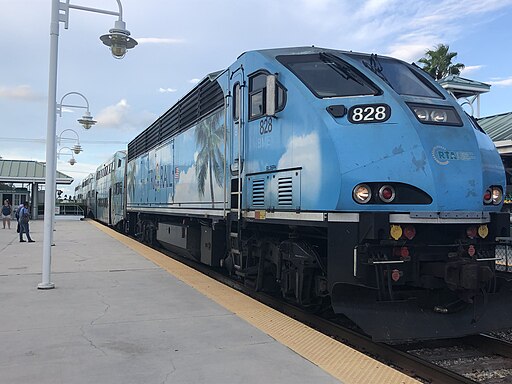
(Photo courtesy of Declan M Martin.)
| |
Ron Mundy joins SPI as researcher | |
|
For the past 35 years, Ron Mundy owned and operated his own consulting, market and organizational research firm, completing projects globally for numerous Fortune 100 companies and government entities. He has specialized in all kinds of research including database programming, data modeling, and large project management. He has designed and executed numerous research projects, both large and small, in multiple languages across the globe.
Ron’s consulting experiences have given him unique insight into innovative research design, enterprise management, human resource management, and organizational performance improvement. With those skills, he has co-authored several books and papers on organizational culture and performance, human development and human resource management. He has also been a guest lecturer on research methodologies at the University of Texas and the Royal Melbourne Institute of Technology. Ron holds a B.A. in Computer Science from the University of Texas at Austin. The SPI Team welcomes him to the firm.
| |
SPI welcomes Researcher Hailey Weasenforth | |
|
Hailey Weasenforth is a seasoned professional with over 14 years of experience in the dynamic fields of public health, information technology, robotics and data research. Her career has covered diverse locations, including California and the Washington DC area and she has worked on and provided oversight of research engagements at various jurisdictional levels of government.
Hailey’s expertise extends beyond technical proficiency to encompass exceptional leadership skills. She has a proven track record of successfully managing large, cross-departmental teams, fostering collaboration and driving results across various disciplines. Her ability to navigate complex projects and inspire teams has been instrumental in helping companies achieve organizational goals.
Hailey holds a BS Degree in Business Administration and Communication from Capella University, which provides her with a strong foundation in strategic thinking, communication, and project management. Her academic background and extensive practical experience equip her with the necessary skills to excel in demanding environments. Her talent and experience will be a great asset to the rapidly expanding SPI Research Team.
| |
Michigan roadway infrastructure is deteriorating, annual study shows | |
|
Most of Michigan’s roads and bridges are in fair or poor condition, according to an annual report from Michigan Transportation Asset Management Council (TAMC). Condition forecasts show roadway infrastructure will continue to deteriorate faster than can be fixed.
Paved federal-aid roads make up 1/3 of Michigan’s roads and carry 95% of traffic. However, only 26% of these roads are in good condition, and they are expected to get worse, outpacing the potential funding available to maintain them. By 2035, over half of paved federal-aid roads will be in poor condition.
There is a similar trend for non-federal-aid roads, also called “local roads.” Almost half — 47% — of these roads are in poor condition and need rehabilitation or reconstruction.
The report also shows that more than 11.2% of bridges in Michigan are in poor or severe condition, which translates to 1,264 bridges requiring major rehabilitation or replacement. Since 2014, there has been a consistent decline in the number of bridges in good condition, and an increase in those rated as fair.
The study forecast predicts that this trend will continue, with 20% of bridges in poor or severe condition by 2035. These numbers highlight the ongoing statewide deterioration of bridges and underscore the urgent need for increased investment.
(Photo courtesy of the state of Michigan.)
| |
Santa Barbara, California, to replace reservoir, improve water safety | |
|
Santa Barbara, California, will use $43 million to replace the city’s second largest drinking water storage tank with one or more reservoirs. The 10-million-gallon Vic Trace Drinking Water Reservoir was built in 1952 and is now reaching the end of its useful life. Construction is anticipated to begin in spring 2026.
The current reservoir provides safe water to approximately 70% of the city’s population. The city identified the facility as a major project in its 2021 Water Distribution Infrastructure plan due to its importance to the city’s water portfolio, age and increasing repair needs. A contract was awarded for design services during the May 14, 2024, City Council meeting.
The project will replace the existing reservoir with a buried structure with a matching 10 million-gallon capacity. The city will evaluate associated infrastructure – including pipelines, valves and pump stations – and determine if they need to be repaired or replaced.
The city will increase water safety and operational efficiency while mitigating ongoing repair costs. The reservoirs will meet current seismic standards and feature upgraded technology and systems, requiring fewer overall resources to manage and operate.
The facility will be more resilient to natural disasters and climate change. Plans include increasing security measures to reach federal regulatory compliance. The city has already removed leased on-site communication and radio facilities in anticipation of construction.
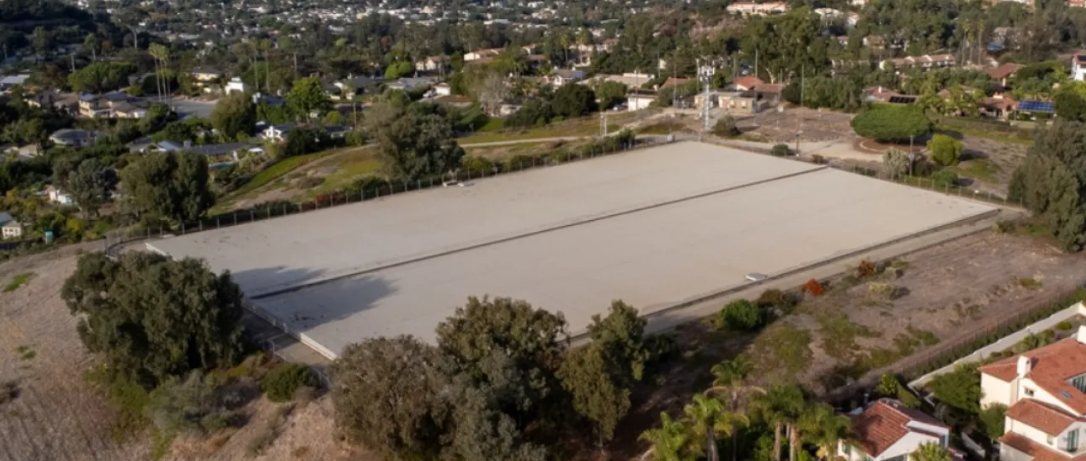
(Photo courtesy of the city of Santa Barbara.)
| |
Bureau of Reclamation delivers $142 million to drought resilience, water supply projects | |
|
The Bureau of Reclamation (BOR) will invest $142 million to enhance drought resilience and improve water supplies across five states. The funds will help reclaim and reuse wastewater, build water recycling facilities and support water desalination projects.
Approximately $85 million will support six water recycling projects in California, Hawaii, Kansas, Nevada and Texas. These projects will help reclaim and reuse wastewater and build water recycling facilities. The remaining $57.5 million will fund four desalination projects in southern California. The projects will treat seawater or brackish water to increase the reliability of water supplies and enhance management flexibility.
Some of the notable projects include:
The Water Replenishment District of Southern California (WRD) will use $25 million to expand the Torrance Groundwater Desalter facility. The facility will treat groundwater to increase the city of Torrance’s drinking water supply reliability, improve and protect groundwater quality and accommodate growing demands.
In addition, the project will help build groundwater supply wells that were previously affected by poor water quality. Plans include building extraction wells, pipelines, a pretreatment system and expanded reverse osmosis system and other site improvements. The completed project will supply 7,100 acre-free of potable water per year.
The Honolulu Board of Water Supply (HBWS) will receive $19 million to build a seawater reverse osmosis desalination facility. The Kalaeloa Seawater Desalination Facility (KSDF) will reduce the island’s reliance on groundwater by providing an additional reliable source of clean water. The project will offer a sustainable potable water supply option during drought, increasing climate change resilience and reducing the need to transfer water.
The project will include building seawater supply wells, injection wells and a reverse osmosis system and building. HBWS will also install storage tanks, pump stations and transmission lines. Once completed, the KSDF will produce 1.7 million gallons of potable water per day and may eventually expand to five million gallons per day. The project will have a capacity of 1,904 acre-feet of desalinated water per year.
The funds are a part of the BOR’s WaterSMART program, an initiative that supports projects that conserve water, increase efficiency, deploy renewable energy, implement water marketing strategies and mitigate conflict risks. The latest round builds on $179 million awarded to large-scale water recycling projects last month. BOR will distribute $8.3 billion over five years to water infrastructure projects.
(Photo courtesy of the Kalaeloa Seawater Desalination Facility Project.)
| |
|
Texas Attorney General Ken Paxton’s office on Monday filed an appeal in Travis County to halt the trial to determine whether the proposed financing plan for Austin’s $7.1 billion light rail is allowed under state law.
The AG’s office filed the interlocutory appeal moments after Travis County Judge Eric Shepperd began the trial to hear arguments in the pending bond validation lawsuit filed by the City of Austin and the Austin Transit Partnership — a nonprofit created to guide the Project Connect Initiative.
Click here to learn more about Austin's light rail trial
(Photo courtesy of Project Connect.)
| |
|
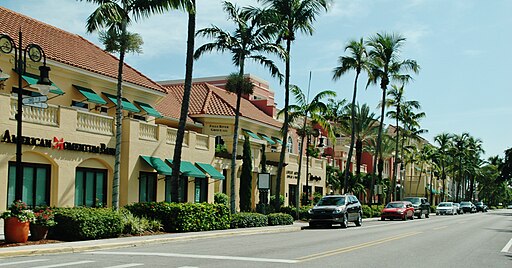
Naples, Florida, ranked first in U.S. News and World Report’s (USN) 150 best places to live. The annual list compiled data from government and internal resources to help readers determine where to settle down.
USN evaluated four factors: quality of life (32%), value (27%), job market (22%) and desirability (17%), weighing them based on what respondents said they cared about most in a 2024 survey.
Quality of life considers crime rates, education quality, resident well-being, commute times, healthcare quality, air quality and natural hazard risks. The value index includes housing affordability and regional price differences.
Click here for more information on why Naples, FL, is the best place to live
(Photo courtesy of qwesy qwesy.)
| |
|
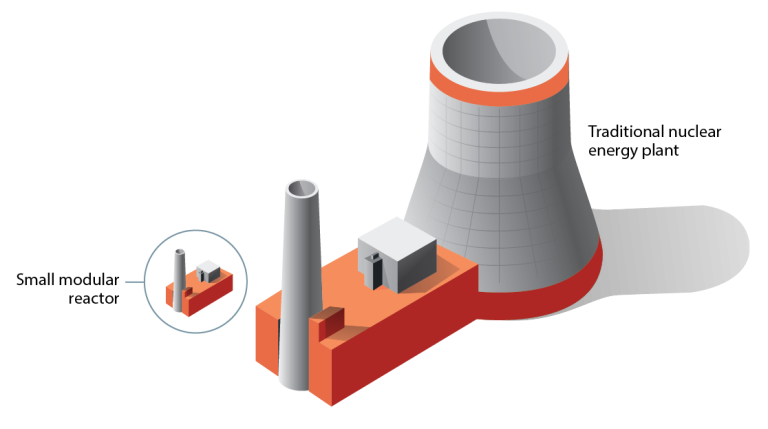
The U.S. Department of Energy (DOE) has issued a Notice of Intent (NOI) to allocate up to $900 million to support the initial deployments of Small Modular Reactor (SMR) technologies. SMRs are more affordable, less time-consuming to build and have a wider variety of potential applications for the grid than conventional nuclear power plants.
The funding, made possible through the 2024 Congressional budget appropriations and passage of the Infrastructure Investment and Jobs Act in 2021, is specifically for Generation III+ SMRs, which are the most advanced version of the technology, featuring improved safety, energy efficiency and operational lifespan. DOE plans to release more information about the funding opportunity in late summer or early fall 2024.
Click here to learn more about the DOE's nuclear reactor investment
(Photo courtesy of the Idaho National Laboratory.)
| | |
|  |
|
|
California – The Bureau of Reclamation has hired Lanie Paquin as deputy regional director for technical services for the California-Great Basin Region. Paquin joined Reclamation in 2002 as a student in the Federal Career Internship program. She was later promoted to regional Geographic Information System manager in 2008. She most recently served as deputy area manager in Boise since 2015.
Virginia – The Roanoke City Council appointed Lydia Pettis Patton, Ph.D., interim city manager. She began her role effective immediately June 11. Dr. Patton replaced Bob Cowell after his resignation. She previously served as the first female city manager for Portsmouth, Virginia.
Florida – Roberto Lopez has been promoted to chief information officer (CIO) of the city of Orlando. Lopez has worked with the city for 23 years, most recently as deputy CIO since 2022. He will replace Rosa Akhtarkhavari on June 23, 2024.
Texas – Jonathan Joshua has been hired as the state’s chief information security officer (CISO). He previously served as deputy CISO with the Texas Attorney General Office. He brings 26 years of information security experience to the role.
Georgia – The Chatham Area Transit (CAT) Board of Directors named Stephanie Cutter interim executive director/CEO. Cutter has served as CAT’s chief financial officer since 2021. She previously served the city of Savannah for 29 years.
New York – Ryan Piche has been appointed county administrator for Jefferson County. He currently serves as Lewis County’s manager. Piche will replace Robert Hagemann, officially assuming his responsibilities in September. He brings more than 12 years of private and public management experience to the role.
California – The Board of Supervisors of San Joaquin County appointed Sandy Regalo as permanent county administrator. Regalo has served as interim county administrator since March 2024. She has worked with the county for the last 10 years, most recently as an assistant county administrator.
West Virginia – Jeffrey Pack has been appointed commissioner of the West Virginia Bureau of Senior Services. Pack is the current commissioner for the Bureau of Social Services. He will replace Denise Worley in the role.
Washington – Monica Brown, Ed.D., will be permanent president of South Seattle College. Dr. Brown brings more than 18 years of leadership experience in higher education environments to the role. She will assume her duties Aug. 1, 2024.
Mississippi – The Jackson City Council has approved Jhai Keeton as director of the Planning and Development Department. Keeton previously served as deputy director of economic development for Jackson from 2020 to 2022. He most recently worked as a project manager for the Mississippi Development Authority.
Ohio – Michael Hart will be chief of staff and director of government affairs for Lucas County. Hart previously served as executive director of the Toledo Lucas County Homelessness Board. He brings seven years of executive leadership experience to the role.
Colorado – The town of Morrison has selected Mallory Nassau as town manager. Nassau most recently served as county administrator for Grand County. She will assume her duties July 1.
| | |
|
Connect with SPI
Check out our social media links!
| |
About Government Contracting Pipeline | |
|
Strategic Partnerships, Inc.
Publisher: Mary Scott Nabers
Editors: Adam Rollins
Dave Doolittle
www.spartnerships.com
| |
Government Contracting Pipeline, a publication of Strategic Partnerships, Inc., is a free, weekly newsletter detailing important happenings nationwide and the premier source for federal, state, and local government news and contracting opportunities. | |
Help us share this message.
To ensure delivery and proper formatting of the newsletter, be sure to add editor@spartnerships.com to your safe senders list.
Otherwise, the newsletter may be flagged as spam and automatically routed to your junk e-mail folder.
| | | | |