Volume 16, Issue 24 - Wednesday, June 12, 2024 | |
By Mary Scott Nabers, CEO of Strategic Partnerships, Inc. | |
|
The National Fire Department Registry lists more than 52,290 registered fire stations in America, which are managed by approximately 1.2 million career, volunteer and civilian personnel. A similar list of state police departments in the U.S. outlines more than 19,000 local police facilities, 11,788 local police departments and 2,889 sheriff’s offices – this first-responder segment is staffed by more than 1 million people.
The data justifies massive amounts of current public spending but also boosts the probability of future spending exponentially. That’s because at least 43% of the country’s fire stations are over 40 years old and need immediate upgrades, equipment, technology and more. There is similar data related to the age and situation of America’s police facilities. Maintaining and updating these types of critical first-responder facilities is extremely costly, and their critical needs cannot be discounted.
Repair costs for fire departments alone are estimated to be approximately $70 billion annually. Another $115 billion is spent annually on policing, and another $5.4 billion on other capital projects. There is no currently available data for capital projects related to police divisions because most of this funding comes from multiple contributors at the state and local levels of government. First responder spending represents a substantial market for contractors of all kinds. Government officials overseeing first responder operations regularly seek assistance, services, products, funding and collaborative initiatives.
Officials in Southampton, Massachusetts, have announced plans to build a much-needed public safety complex to replace several outdated fire and police stations. The current stations are housed in older, historical buildings with structural issues. The new facility will be designed to consolidate the police and fire departments and meet all codes and guidance required by compliance with the Occupational Safety Administration (OSHA) requirements and the Americans with Disabilities Act (ADA).
The project will include green technology for efficient heating and cooling, a secure sally port entrance, a training room for police and firefighters and a community room. Construction will launch within the next two years.
A new $30 million police headquarters is planned for Ocean City, New Jersey. The project will renovate and expand the building. City officials are currently overseeing a project related to a $6.5 million project to construct a police substation. The old red-brick building, first constructed in 1980, was initially used as a school until it was converted into the current police station. It now houses both the police department and the municipal court. Its leaky roof is among the many problems that need to be fixed by the renovation. This project is part of a capital improvement plan outlining this and other projects worth $160 million over the next five years.
Click here for more.
| |
DOI, USDA outline wildfire priorities to address, mitigate risk | |
|
Since January 2024, the United States has seen some of the most destructive wildfires in 25 years, breaking the record for the most acres burned per fire. As wildfires continue to ravage the nation, the departments of the Interior (DOI) and Agriculture (USDA) have outlined strategic priorities in directing and responding to wildfires. In a recent memo, the agencies advocated priorities to reduce wildfire risk, restore ecosystems, engage in post-fire recovery, support the wildland fire workforce and increase community fire resilience.
In 2023, weather patterns and responses from wildland firefighters resulted in less widespread wildfire activity in 2023. Despite fewer wildfire events occurring, totaling more than 56,000 across the country, more than 2.6 million acres burned in historically significant fires. The fires caused significant housing and infrastructure loss, deaths and resource damage.
The DOI and USDA will incorporate the National Cohesive Wildland Fire Management Strategy to provide a uniform approach to wildfire response and risk mitigation efforts. The Forests and Rangelands, a cooperative initiative between the DOI and USDA, updated the strategy last year to address emerging challenges caused by climate change and increased wildfire activity.
The agencies will also integrate recommendations from the Wildland Fire Mitigation and Management Commission to further hone their approach to wildfire events. The commission published a report with 148 recommendations to address wildfire crises. These recommendations fall under seven categories:
- New approaches to address the wildfire crisis.
- Ways to support collaboration that improves partner involvement at every scale.
- Transitioning from reactive to proactive action in planning for, mitigating and recovering from fire.
- Utilizing beneficial fire to reduce the risk of catastrophic wildfire.
- Supporting and expanding the workforce to hire and retain wildland firefighting staff.
- Modernizing tools to make better use of available technology and information for informed decision-making.
- Investing in resiliency through increased spending now to reduce costs in the long run.
The departments will continue hazardous fuels treatments to reduce excessive vegetation that can fuel wildfires. They completed these treatments across 6.85 million acres in 2023. The treatments will help restore fire-adapted ecosystems and reduce the risk of high-severity wildfires in the future.
In addition to hazardous fuels treatments, the agencies seek to increase the number of wildland fire personnel by more than 17,000. The departments will collaborate to further support fire personnel, improve recruitment and retainment for talented professionals, increase workforce sustainability and mitigate wildfires worsened by the climate crisis.
(Photo courtesy of the Wildland Fire Mitigation and Management Commission.)
| |
Atlanta reconnecting southside with 31-mile trail network | |
|
The city of Atlanta will use $64.9 million to build a 31-mile trail network to connect underserved communities to critical amenities. Plans include building trails and investing in greenspace to reduce air and noise pollution, heat island impacts and flooding.
The Flint River Gateway Trails project is a multi-jurisdictional initiative between Atlanta Regional Commission (ARC), Clayton County and three cities. The project will reconnect communities that were divided by highways, railways and the Hartsfield-Jackson Atlanta International Airport (ATL). The trail network will help communities access schools, hospitals, job centers, Metropolitan Atlanta Rapid Transit Authority (MARTA) stations, the BeltLine and employment centers.
The funds will contribute to the project’s $159.3 million total cost. Plans include building 3.2 miles of multi-use trails in four sections. Plans also include preparing 16 miles for future construction across eight segments. The city will explore connecting the Flint River Trails network with existing and upcoming trails in the South Metro area.
The city will also provide technical assistance to help local governments effectively manage building and planning the trail network. The project will invest in green construction to manage stormwater runoff and flooding. The city will facilitate ongoing community engagement to inform the project vision.
The U.S. Department of Transportation (USDOT) provided the funds through the Neighborhood Access and Equity (NAE) grant program. The project builds on decades of trail projects and plans designed to reconnect Atlanta’s southside communities.
The NAE program is designed to improve walkability, safety and affordable transportation access in disenfranchised communities. The Reconnecting Atlanta’s Southside Communities: Atlanta BeltLine to Flint River Trail project is one of 132 projects that will receive a portion of the $3.3 billion USDOT awarded for Fiscal Year 2023.
(Photo courtesy of ARC.)
| |
|
The Bureau of Ocean Energy Management (BOEM) and the state of Maryland have entered a Memorandum of Understanding (MOU) to develop offshore wind energy projects, the Department of the Interior (DOI) said this week.
Under the MOU, state officials and the BOEM will work to find suitable sites for offshore wind leases. This includes meetings with the Central Atlantic Intergovernmental Renewable Energy Task Force and other stakeholders to facilitate the projects.
Click here to learn about Maryland’s offshore wind opportunities
(Photo courtesy of Nicholas Doherty on Unsplash.)
| |
P3 founded to install 6 million heat pumps in California by 2030 | |
|
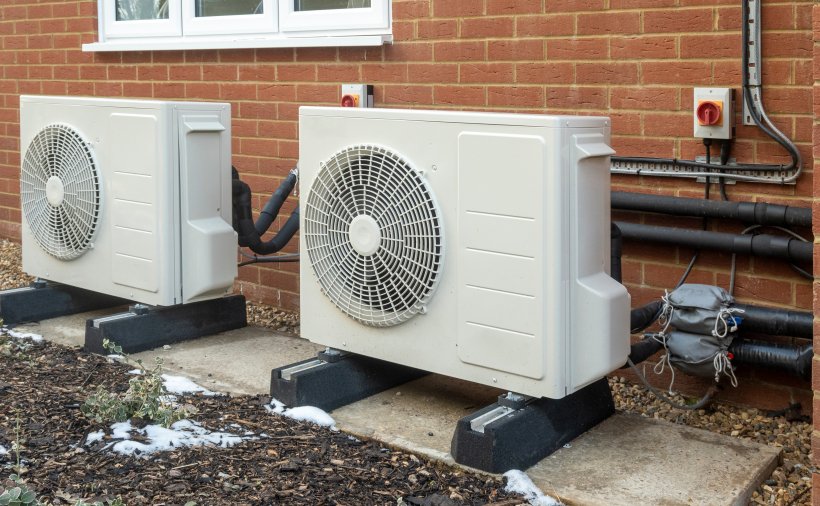
California will transition to a carbon-neutral economy by 2045, investing in clean electric alternatives to fossil fuels to create a decarbonized future. The California Heat Pump Partnership (CAHPP) is a public-private partnership (P3) formed to rapidly scale the state’s heat pump market, foster climate resilience and support sustainable building practices.
Gov. Gavin Newsom launched a plan in 2022 to reach a 100% clean energy grid. California aims to cut air pollution by 71%, reduce greenhouse gas emissions by 85% and bring fossil fuel consumption to a tenth of what is currently used.
The plan lays out several key milestones the state aims to achieve, ranging from carbon capturing 100 metric tons of CO2 by 2045 to building 7 million climate-friendly homes by 2035. One of the most notable goals hinges on deploying 6 million heat pumps by 2030. The CAHPP was launched May 29 to advance the governors' climate objectives.
California has already deployed approximately 1.5 million heat pumps and is slated to install less than 200,000 per year, falling short of its 2030 goal by 3.3 million. The state will have to quadruple heat pump adoption per year by coordinating with the CAHPP to bridge the public and private markets. The CAHPP will play a key role in addressing technical, market and policy barriers and aligning critical state and market leaders.
The CAHPP will deploy a marketing campaign through the Building Decarbonization Coalition - an organization dedicated to eliminating the use of gas appliances in buildings – to help communities and contractors switch to electric appliances. The campaign, called The Switch Is On, aims to educate and provide resources promoting home electrification.
The initiative builds on a 2023 agreement between several of the world’s largest heating and cooling equipment manufacturers to advance the state’s heat pump market.
(Photo courtesy of the EPA.)
| |
Minnesota legislation paves way for flying cars | |
|
Minnesota Gov. Tim Walz recently signed legislation that clears a regulatory path for “roadable aircraft” – hybrid vehicles that can be both automobiles and small airplanes – to operate within the state. Minnesota is only the second state to sign this kind of legislation, following New Hampshire in 2020.
Roadable aircraft, also known as flying cars, differ from other types of advanced air mobility (AAM) like electric vertical takeoff and landing (EVTOL) aircraft in that they don’t solely operate in air space. While capable of taking flight, roadable aircraft can also function as normal cars.
The bill also addresses necessary restrictions for these new vehicles. It establishes registration and operation requirements, which stipulate that roadable aircraft must take off from airstrips and not public roadways.
One transportation technology company has developed a roadable aircraft model, called the Switchblade Flying Sports Car. It can fly at 200 miles per hour for 450 miles.
The new law comes in a wave of innovation in AAM, including the surge of EVTOL producers like Overair, who has partnered with Arlington, Texas to develop their operations. With the emergence of these personal aircraft and hybrid vehicles, infrastructure projects like vertiports and accessible airstrips will be increasingly important.
(Photo courtesy of Kevin Hackert on Unsplash.)
|  | |
|
Metha Vasquez is a life and leadership coach, with a twenty-year background as a Human Resources Executive in a variety of industries and global roles. Her experience includes holding director and vice president roles in Fortune 500, world class organizations and start-up firms.
Metha’s areas of expertise include working in the government space, specifically in the higher education and healthcare sectors. She led the Human Resources function for a government contractor specializing in obtaining contracts at the city, state and federal level. She has devoted much of the last twenty years to serving on seven for-profit and nonprofit boards, helping others in the community.
Metha graduated with a Bachelor of Science degree in hotel and restaurant management from the University of Houston. She obtained her master’s degree in business from Keller Graduate School of Management of DeVry University. She holds two national Human Resources certifications (SPHR, SHRM-SCP) and one international Human Resources certification (GPHR).
She is also a Certified Professional Coach with the International Coaching Federation (ACC). Metha is the current president of the Hill Country Human Resource Management Association, the New Braunfels affiliate of SHRM.
| |
SPI welcomes Gina Fiandaca as consulting partner | |
|
Gina Fiandaca has led impactful initiatives in the public sector, serving as Commissioner of Transportation in Boston, Assistant City Manager in Austin, and Secretary and CEO of the Massachusetts Department of Transportation. In Austin, she partnered with the US Department of Transportation to reshape project planning for the $22 billion Mobility Program and oversaw departments like Water Utility, Transportation, Public Works, and Aviation. Her leadership was crucial in the successful proposal for a transit system and the formation of the Austin Transit Partnership.
As Secretary and CEO of MassDOT, Gina leveraged federal funding for transportation projects, implemented the Work and Family Mobility Act benefiting 200,000 new drivers, achieved an 18% staff wage increase, and addressed Federal Transit Administration safety directives at the MBTA. She secured FAA approval for drone inspections, managed the $160 million Sumner Tunnel Rehabilitation and $71 million I-90 Allston Viaduct repair projects, and advanced environmental goals by securing funding for hybrid-electric and battery-electric buses, including 80 new battery electric buses for the MBTA.
| |
State Data Management Architect Jeff Wolkove joins the SPI team | |
|
Jeff Wolkove recently retired after a distinguished 12-year tenure as Arizona’s State Data Management Architect. In this Chief Data Officer equivalent role, Jeff built the state’s Enterprise Data Management program from the ground up. He utilized industry-standard frameworks, such as the EDM Council’s Data Management Capabilities Assessment Model (DCAM), to develop robust policies, standards, training and mentorship programs.
Jeff has made significant contributions to the field of data management, leading to the creation of a statewide data management community and earning international recognition for his work. His certifications from the EDM Council have equipped him to conduct crucial data management capability assessments for Arizona agencies, playing a pivotal role in shaping data management strategies.
He has provided support to Chief Data Officers and Chief Information Officers from over 100 state agencies in Arizona. He has also assisted cities and counties within Arizona with implementing effective data management programs. His influence extends to representing Arizona on the State Chief Data Officers Network and the NASCIO Enterprise Architecture and Data Governance committee. Currently, he is contributing to the development of version 3.0 of the DCAM. Jeff is known for innovation, excellence, and a commitment to 'doing more with less' in data management.
|  | |
Michigan invests $65 million into water, wastewater infrastructure | |
|
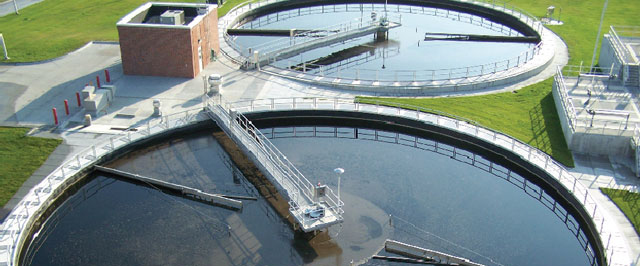
The state of Michigan will provide $64.6 million to support water projects in communities across the state. The projects include building water storage tanks, repairing sewer mains, upgrading wastewater plants and identifying lead service lines for replacement.
The projects are part of the MI Clean Water Plan, which uses the state’s Drinking Water State Revolving Fund (DWSRF), Clean Water State Revolving Fund (CWSRF) and the federal American Rescue Plan Act (ARPA). These programs will help communities upgrade infrastructure, ensure healthy drinking water and protect the environment.
Community water and wastewater systems serve 70% of the state’s population. However, these systems have legacy issues that need to be addressed while addressing new challenges such as standards for per- and polyfluoroalkyl substances (PFAS). Funds provided through the MI Clean Water Plan provide critical support for safeguarding public health and improving system resiliency for thousands of communities.
The Benton Charter Township will receive the largest award - $20 million. The township will build two elevated storage tanks in a high-pressure district and a low-pressure district. Plans include improving filter capacity at the water treatment plant and installing approximately 1,600 linear feet of a watermain. In addition, the township will verify and replace 150 lead service lines.
The state will give $19.7 million to the village of Bellevue to bring its water infrastructure into compliance. The village is currently under an Administrative Consent Order (ACO), an enforcement process compelling entities to take immediate action to achieve compliance with environmental statues and rules. The village will accomplish this by replacing three lift stations, three force mains and 1,250 feet of gravity sewer lines. Plans include installing cured-in-place pipe lining along 6,400 feet of sewer mains.
The city of Manistique will spend $18 million to improve the wastewater treatment plant headworks. The project will expand the plant’s raw sewage inlet, raw sewage pumps and improve screening. The city will also improve the plant’s electricity and rehabilitate the final clarifier dome.
The state will allocate $4.3 million to 14 water systems to identify or verify lead service lines that must be replaced. Recipients will use the funds to remove soil and debris from each curb stop and perform an in-building investigation to document service line materials. The projects will restore treated locations to their original condition where applicable. The remaining funds will help seven communities plan and afford water infrastructure needs.
(Photo courtesy of the EPA.)
| |
EPA updates PFAS destruction and disposal guidelines | |
|
The Environmental Protection Agency (EPA) recently updated its interim guidance on best methods to destroy and dispose of per- and polyfluoroalkyl (PFAS) substances and materials.
The EPA published the first edition of this guidance in 2020, a year after the nation created its first PFAS Action Plan. The interim guidance provided recommendations, information and methods for properly handling PFAS. These artificial substances, known as “forever chemicals,” are commonly used in personal-care and industrial projects that persist in drinking water, soil, air and food for a long period of time. Studies have shown that prolonged exposure to these chemicals can cause a range of health issues, including cancer, liver damage, immune suppression, increased cholesterol and birth defects.
The updated guidance builds on the original ordinance with new information gathered from EPA testing and recent findings centered around removing PFAS-containing materials in non-consumer areas. The durability of these materials simultaneously makes them useful in heat-resistant products and difficult to dispose of in the environment.
The guidance focuses on three methods for remediating PFAS substances and materials that are viewed as more protective technologies: thermal destruction, landfills and underground injection. Entities can use the guidance to help determine the optimal option for dealing with forever chemicals and keeping them out of the environment.
Thermal treatment includes using hazardous waste combustors such as commercial incinerators, cement kilns and lightweight aggregate kilns and granular activated carbon (GAC) reactivation units with thermal oxidizers. Recent research has suggested that sufficiently high temperatures are effective at destroying PFAS under the right conditions.
However, the EPA still has uncertainties about the effectiveness of thermal treatment and recommends further testing. The EPA seeks to collaborate with thermal treatment facilities to perform air-emission testing during PFAS thermal treatment processes. The document provides guidance for this testing and identifies high-priority gaps that must be addressed to further update destruction and disposal methods.
The EPA says certain types of hazardous waste landfills are more effective at containing and minimizing PFAS leachate into the environment. However, recent research indicates landfills may release more PFAS into the environment than previously thought.
Underground injection methods ensure PFAS-contaminated fluids are properly contained and cannot enter underground sources of drinking water. However, there are a limited number of wells graded for containing PFAS chemicals, which reduces their more widespread use.
The EPA is also looking into four additional technologies that may be effective at remediating PFAS: mechanochemical degradation, gasification and pyrolysis, electrochemical oxidation and supercritical water oxidation. Further work is needed to determine if these emerging technologies are feasible alternatives. The agency has developed a technology evaluation framework to provide a graded approach to evaluating these technologies’ potential.
Finally, the agency has updated tools, methods and approaches for considering the impacts of potential releases and exposure on communities near destruction and disposal facilities. These resources can help identify vulnerable populations, incorporate vulnerability into decision-making processes and engage the community.
(Photo courtesy of the Agency for Toxic Substances and Disease Registry.)
| |
Nebraska to connect more than 9,000 homes with solar power | |
|
Nebraska’s Center for Rural Affairs (CRA) has received $62 million to connect underserved communities with clean power. The agency anticipates providing more than 9,000 households with more than 50 megawatts of solar energy.
The state’s Solar for All (SFA) program will provide low-income and disadvantaged households with low-interest loans, grants and subsidies to access the clean energy market. In addition, the program will provide technical and financial assistance to support community, rooftop and multifamily solar projects.
- Community solar projects involve residents collaborating with public utilities to develop residential-serving community solar arrays. Eligible residents can use subscriptions or own panels to receive solar power.
- Rooftop solar projects enable the state to provide panels that can be placed on household rooftops. The state will screen residents for eligibility and will connect suitable candidates with technical solar service providers and installers.
- Affordable multifamily affordable housing solar projects partner utilities, housing developers and low-income housing financing partners with households. These partnerships can streamline solar panel access for income-qualified multifamily households.
Up to 25% of each award can go toward technical assistance, including subawards, contracts, consulting, staffing, project assistant and general program outreach. The state must award a minimum of 75% per award for financial products such as loans, subsidies and rebates.
The EPA’s SFA initiative selected 60 recipients, including states, territories, Tribal governments, municipalities and nonprofits, for awards totaling $7 billion to set up more than 900,000 households across the nation with solar. The program was made possible by the Inflation Reduction Act, which established the EPA’s $27 billion Greenhouse Gas Reduction Fund.
Projects eligible under the EPA program:
- Support residential rooftop and residential-serving community distributed solar projects for low-income and disadvantaged households around the country.
- Must be primarily residential solar projects, providing power and financial benefits to households nationwide.
(Photo courtesy of ulleo on Pixabay.)
| |
|
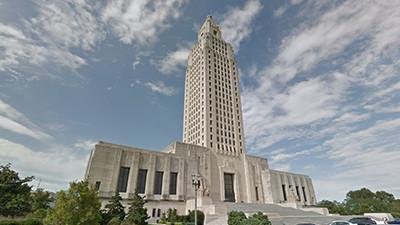
Lawmakers in Louisiana have passed a measure that would allow local governments to prevent access to public records if they can prove they could hurt economic development efforts.
House Bill 461 would allow a city mayor, parish president or local government executive to declare any public records confidential if they determine their public release would have a detrimental effect on an active business negotiation. The bill also allows the company or person negotiating with the government to request confidentiality.
Click here for more information about the public records bill
(Photo courtesy of downtownbatonrouge.org.)
| |
|
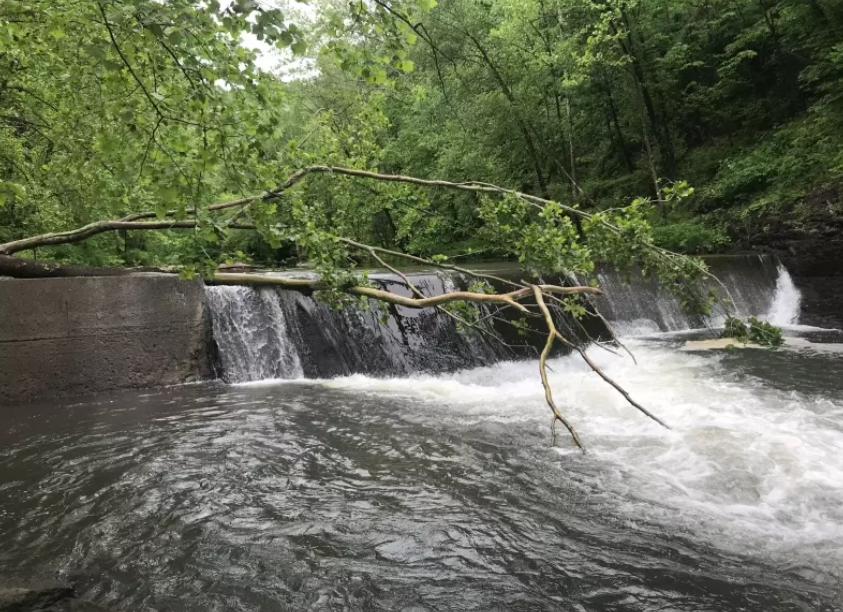
The U.S. Fish and Wildlife Service is making $70 million available for projects that improve fish and other aquatic wildlife’s ability to move freely.
The funds will be administered through the service’s National Fish Passage Program (NFPP), which works voluntarily with local communities to restore rivers and to conserve aquatic resources by removing or bypassing in-stream barriers. The grants are part of a broader $2 billion, five-year initiative to restore aquatic ecosystems funded by the Bipartisan Infrastructure Law (BIL).
Click here to learn more about the NOFO
(Photo courtesy of the Fish and Wildlife Service.)
| |
|
The U.S. Department of Energy (DOE) has released part one of a National Definition of a Zero Emissions Building, which focuses on operational emissions from energy use. In a recently released seven-page document, DOE provides standardized minimum criteria for a zero-emissions building, setting the stage for a transition to a less-polluting built environment.
Buildings are responsible for one-third of total U.S. greenhouse gas emissions when factoring in the pollution associated with heating, cooling and other electricity needs. In addition to benefits for the earth’s climate, by reducing energy consumption and relying on clean energy sources, zero-emissions buildings can help lower utility costs and improve air quality. Moreover, the Department of Energy also highlights how the transition to zero-emissions buildings will drive job creation.
Click here for more information about the zero-emissions building definition
(Photo courtesy of Jon Flobran on Unsplash.)
| | |
|  |
|
|
California – Kelly McAdoo has officially begun her role as city administrator for the city of Santa Barbara. She previously worked with the city of Hayward for more than 13 years, serving as assistant city manager, city manager and chief executive officer. She brings 25 years of public sector experience to the position.
Minnesota – The city of Bloomington has hired Elizabeth Tolzmann and Kim Berggren to take over two senior city positions.
- Tolzmann will be assistant city manager – internal services. She previously served as Bloomington’s assistant city manager from 2015 to 2017. She most recently worked with Ramsey County as director of policy and planning and later as chief of staff to the county manager.
- Berggren will take over the community development director role. She brings 17 years of experience working with Brooklyn Park, with the last 10 as director of community development.
Washington – The port of Seattle has promoted Chris Guizlo to director of external relations, communications and marketing. Guizlo has been a part of the port authority since 2022. Before joining the port, he worked as vice president of a public relations and communications firm.
Maryland - The Washington County Board of County Commissioners has appointed Anthony Napoli transit director. Napoli brings more than a decade of public transit experience to the position. He has worked in various roles throughout his career, including driver and operator, safety manager and trainer and dispatcher. Napoli has collaborated with several state agencies and organizations, including New Jersey state agencies, state transit, Somerville County and the Port Authority of New York and New Jersey
Kentucky - Ozzy Gibson has been named executive director of Louisville’s Transit Authority of River City (TARC). Gibson has served as interim executive director since January 2024. Gibson has more than three decades of experience working in local government, including roles with the Louisville Metro Police Department, Metro Animal Services, Public Health, Public Works, Fleet and Facilities and Louisville Parks and Recreation.
Texas – The University of North Texas System Board of Regents named Harrison Keller, Ph.D., as the lone finalist for president. Dr. Keller currently serves as a commissioner and chief executive officer of the Texas Higher Education Coordinating Board. He brings decades of experience in state budget, policy, university administration and fundraising to the role. He will succeed Neal Smatresk, Ph.D., as the university’s 17th president.
Oregon - The Oregon Water Resources Department (OWRD) has chosen Ivan Gall as its director. Gall brings more than 30 years of experience in water science, water resource management and environmental policy to the role.
Idaho – The Ada County Highway District (ACHD) Commission unanimously voted to promote Ryan Head, the previous deputy director of development and technical services, to director. Head started working with the district in 2010 as transportation funding coordinator. He would later hold a supervisor and manager position for planning and programming. Head brings 18 years of planning and management experience to the role. He assumed director responsibilities May 28, succeeding Bruce Wong.
New York - Felicia A.B. Reid, a deputy commissioner who has overseen New York juvenile justice matters for the past six years, has been named acting executive director of the embattled state Office of Cannabis Management. Reid will take control of the office as “a nationwide search for a permanent executive director” will be launched.
Hawai’i - Maui Mayor Richard Bissen announced on Wednesday that Marcy Martin was sworn in on Wednesday as County of Maui Acting Director of Finance. Martin has nearly 25 years of experience in the Finance Department’s Real Property Assessment Division, where she started as a valuation analyst in 1995.
Florida - Escambia County has named Nikki Powell human resources director. Powell brings over 20 years of experience in local government to the role. She joined Escambia County in 2022 as labor relations manager. Her prior role was as the Escambia County clerk of the court from 2013 to 2022.
| | |
|
Connect with SPI
Check out our social media links!
| |
About Government Contracting Pipeline | |
|
Strategic Partnerships, Inc.
Publisher: Mary Scott Nabers
Editors: Adam Rollins
Dave Doolittle
www.spartnerships.com
| |
Government Contracting Pipeline, a publication of Strategic Partnerships, Inc., is a free, weekly newsletter detailing important happenings nationwide and the premier source for federal, state, and local government news and contracting opportunities. | |
Help us share this message.
To ensure delivery and proper formatting of the newsletter, be sure to add editor@spartnerships.com to your safe senders list.
Otherwise, the newsletter may be flagged as spam and automatically routed to your junk e-mail folder.
| | | | |