Volume 16, Issue 21 - Wednesday, May 22, 2024 | |
By Mary Scott Nabers, CEO of Strategic Partnerships, Inc. | |
|
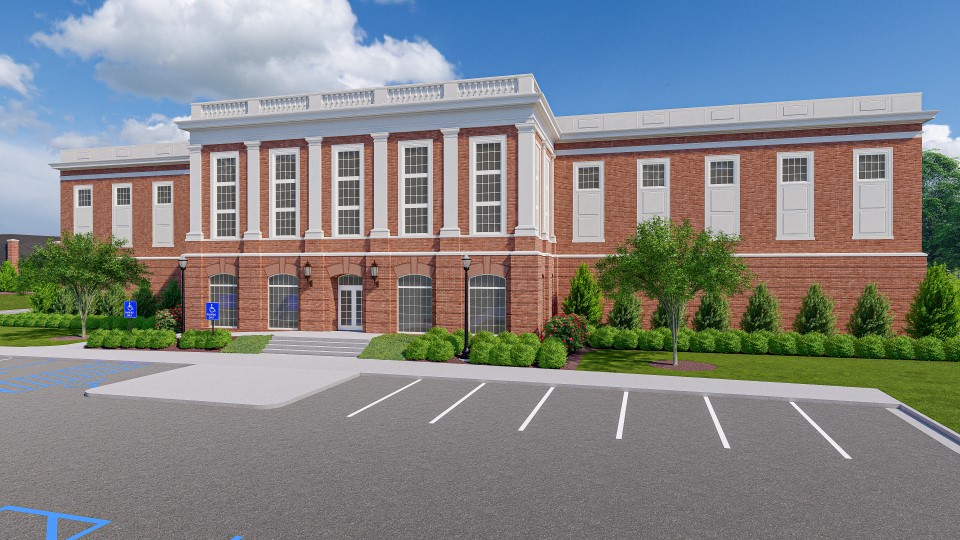
There is an area for contracting that presents a prime opportunity for collaborative initiatives, even though it may not be the primary focus for most contracting firms. It's worth noting due to the abundance of available opportunities. A recent announcement by the American Libraries Association points out that the country’s libraries are in dire need of attention, and the estimated cost of construction, repair and renovation required is estimated at about $32 billion.
There are over 9,000 public libraries in the U.S. and another 1,600 university libraries. The average public library was built before 1985, and many are over a century old.
Public libraries receive about 86% of their funding from city and county budgets, bond elections or other programs. However, federal funding programs also support projects such as this. The COVID-19 pandemic significantly impacted libraries, similar to the effect it had on restaurants, movie theaters and the travel industry. Now, however, libraries are filled with students, citizens and families at community gatherings. Funding is currently available for remodeling, renovating or building entirely new facilities. Hundreds of upcoming projects are presently being planned and designed.
The city of Santa Cruz, California, recently approved an investment of $168.7 million for a downtown library project. This initiative will deliver a new mixed-use library and affordable housing nearby. The library will be outfitted to facilitate green transportation, with 250 bicycle parking spaces with e-bike charging and 235 parking spaces with 25 electric-vehicle charging stations.
The library project, currently in the design and planning phase, will be delivered in two phases. Phase 1 is scheduled to begin in the first quarter of 2025, Phase 2 will begin in December 2025, and the entire project is scheduled for completion by 2027. A recent $33.5 million award from the California Housing and Community Development’s Affordable Housing and Sustainable Communities Program will support this effort.
Click here for more.
| |
USDOT awards $148 million in grants to reduce truck pollution at nation’s ports | |
|
The Federal Highway Administration (FHWA) will provide $148 million to 11 states and Puerto Rico as part of the inaugural phase of a $400 million initiative to improve air quality and curb pollution around ports.
Established by the Bipartisan Infrastructure Law, the Reduction of Truck Emissions at Port Facilities Grant Program (RTEPF) invests in port electrification and efficiency. These projects will reduce emissions from idling trucks at ports across the nation, modernize infrastructure and fortify supply chains.
This initial round of grant funding will support 16 projects designed to mitigate pollution in communities neighboring ports, which often face adverse environmental effects from idling trucks.
These projects include replacing diesel-powered trucks with electric or alternative fuel-powered counterparts, building electric vehicle (EV) charging infrastructure, improving port roadway access and exploring technology upgrades to reduce truck emissions.
Among the 16 approved projects:
- California is set to receive $49.7 million to upgrade ports. The funds will go to the ports of Long Beach, Oakland and Los Angeles to replace diesel and gas-powered trucks and shuttle buses with zero-emission technologies, electric trucks and EV chargers.
- Texas will receive $26.9 million to enhance the port of Houston. Plans include purchasing 30 zero-emission short-haul trucks and portable EV chargers for trucks. These solutions will help promote the accessibility and affordability of zero-emission technology for small trucking fleet owners and operators. Funds will also help install automated terminal operating systems to reduce truck idling times.
- Georgia will receive $15.3 million to improve the port of Savannah. The port will build a large-scale charging project near the port, replace diesel-powered trucks and expand low-emission and zero-emission equipment.
- Florida has been allocated $10 million to upgrade the Talleyrand Marine Terminal in Jacksonville and the Port Everglades Terminal in Fort Lauderdale. The project will focus on replacing diesel-powered trucks and implementing terminal improvements at the Seaboard Port of Miami to reduce truck idling time.
- Louisiana will receive $7.1 million to buy 14 all-electric heavy-duty terminal trucks and five light-duty pickup trucks to replace existing diesel vehicles. The funds will also support electrical infrastructure upgrades and assessment of emissions-reducing equipment.
- New Jersey has been awarded $2.2 million to replace 20 diesel trucks with more efficient, environmentally friendly vehicles running on low-emitting propane fuel.
(Photo courtesy of the port of Los Angeles.)
| |
Illinois water district to modernize and rehabilitate wastewater treatment plant | |
|
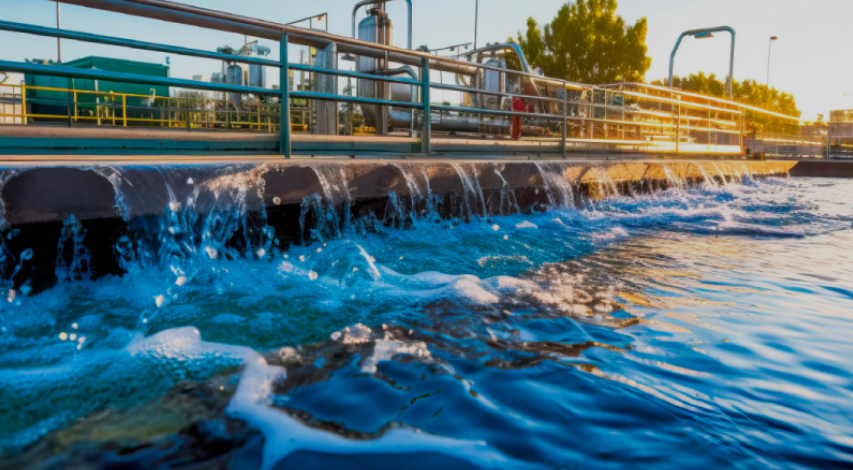
The Bloomington and Normal Water Reclamation District (BNWRD) in Illinois will use $39 million to modernize and rehabilitate its wastewater treatment plant, improve climate change resiliency and remediate harmful chemicals.
The federal investment will support the Bloomington-Normal Wastewater System Modernization and Rehabilitation Program. The funds will allow the district to ensure its wastewater treatment plant and conveyance systems comply with environmental regulations. In addition, BNWRD will increase system resiliency and reduce sewer overflows.
Plans include converting backup generators to natural gas and solar power. The transition allows the district to reduce greenhouse gas emissions (GHG) and energy costs while improving air quality. BNWRD will also identify per- and polyfluoroalkyl substances (PFAS) in local water supplies.
The wastewater system modernization and rehabilitation program will address aging infrastructure, environmental concerns, water capacity and growing service demands. BNWRD will implement smart sewer technology and eliminate a combined sewer overflow outfall to mitigate damage to people or local ecosystems. Plans include increasing extreme weather infrastructure resiliency and complying with current and future regulatory requirements.
The Environmental Protection Agency provided the funds through the Water Infrastructure Finance and Innovation Act (WIFIA). Since 2014, WIFIA has provided more than $20 billion to support nationwide water infrastructure.
(Photo courtesy of Ivan Bandura on Unsplash.)
| |
|
In response to the increasing frequency and severity of threats and attacks on the nation’s drinking water systems, the U.S. Environmental Protection Agency (EPA) on Monday issued an enforcement alert addressing urgent cybersecurity threats.
Water utilities frequently depend on computer software to manage treatment plants and distribution systems, which makes safeguarding both information technology and process control systems from cyber threats paramount. Recent disruptive cyber incidents by hostile nation states have affected water systems, including many smaller systems.
Click here to learn more about how water utilities can mitigate cyberthreat vulnerability
(Photo courtesy of the Cybersecurity and Infrastructure Security Agency.)
| |
|
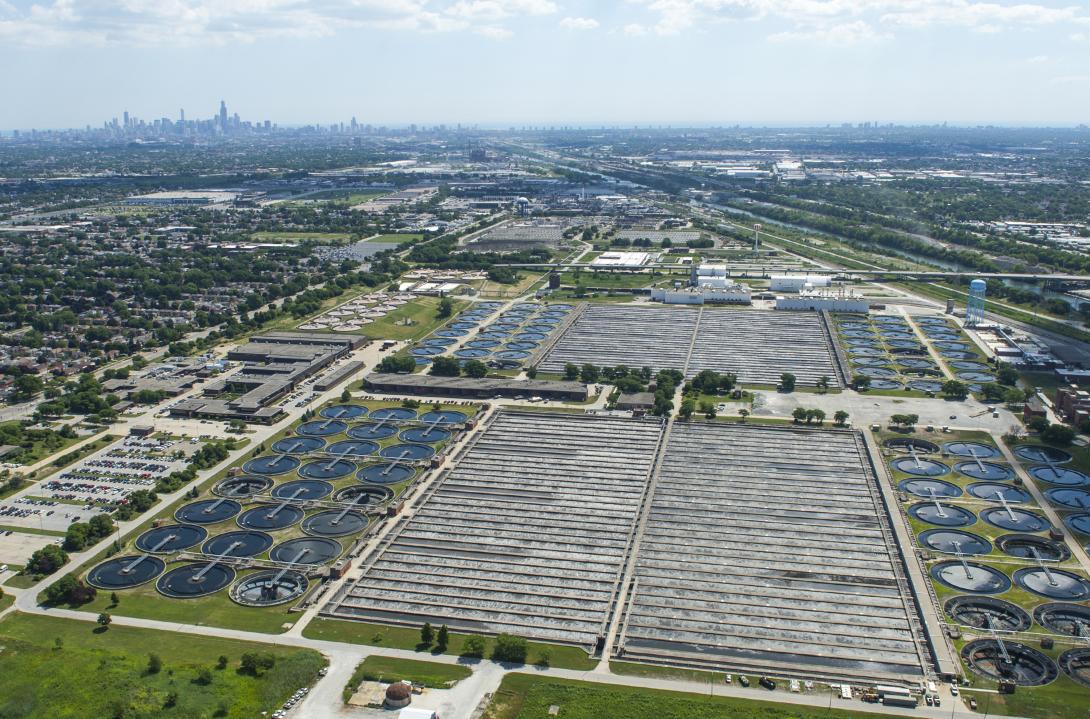
The Illinois Environmental Protection Agency (EPA) is investing nearly $205 million in low-interest loans to support drinking water, wastewater and stormwater projects across the state.
The funds are allocated for the third quarter of Fiscal Year 2024 through the Illinois EPA State Revolving Fund (SRF) Program. The loan program will help 17 local governments and water districts address aging and failing water infrastructure.
Click here for details about the projects being funded
(Photo courtesy of the Metropolitan Water Reclamation District of Greater Chicago.)
| |
University of Alabama plans $96 million data center | |
|
The University of Alabama (UA) will build a $96 million high performance computing and data center (HPC), a chiller plant and an electrical substation yard. The project is currently in the design phase. Bidding will open in September 2024.
UA will build a 40,000-square-foot facility to house the computing and data center for students, the Office of Research and Economic Development and partners. The two-story building will contain HPC equipment, staff offices and work areas. Plans also include shell space for future expansion for computing, a secure suite and support infrastructure.
The university will build a dedicated chiller plant next to the UA Center for High Performance Computing. In addition, the layout includes sufficient access for deliveries, service vehicles and emergency vehicles. As part of the project, the university will buy all necessary HPC equipment and prepare an environment for their usage.
Plans include building a 22,550-square-foot electrical substation yard to power the HPC facility. UA will place the yard next to existing high-voltage transmission lines to provide adequate power and resiliency capacity for the facility’s operations.
Once complete, the UA Center for High Performance Computing will advance the university’s research and development capabilities as a leading institution. Researchers will be able to use state-of-the-art simulations using the facility’s advanced computing resources to perform critical science and engineering research, enhance existing STEM programs and drive student workforce development.
(Photo courtesy of the University of Alabama.)
| |
Connecticut receives $62.5 million to provide affordable solar energy | |
|
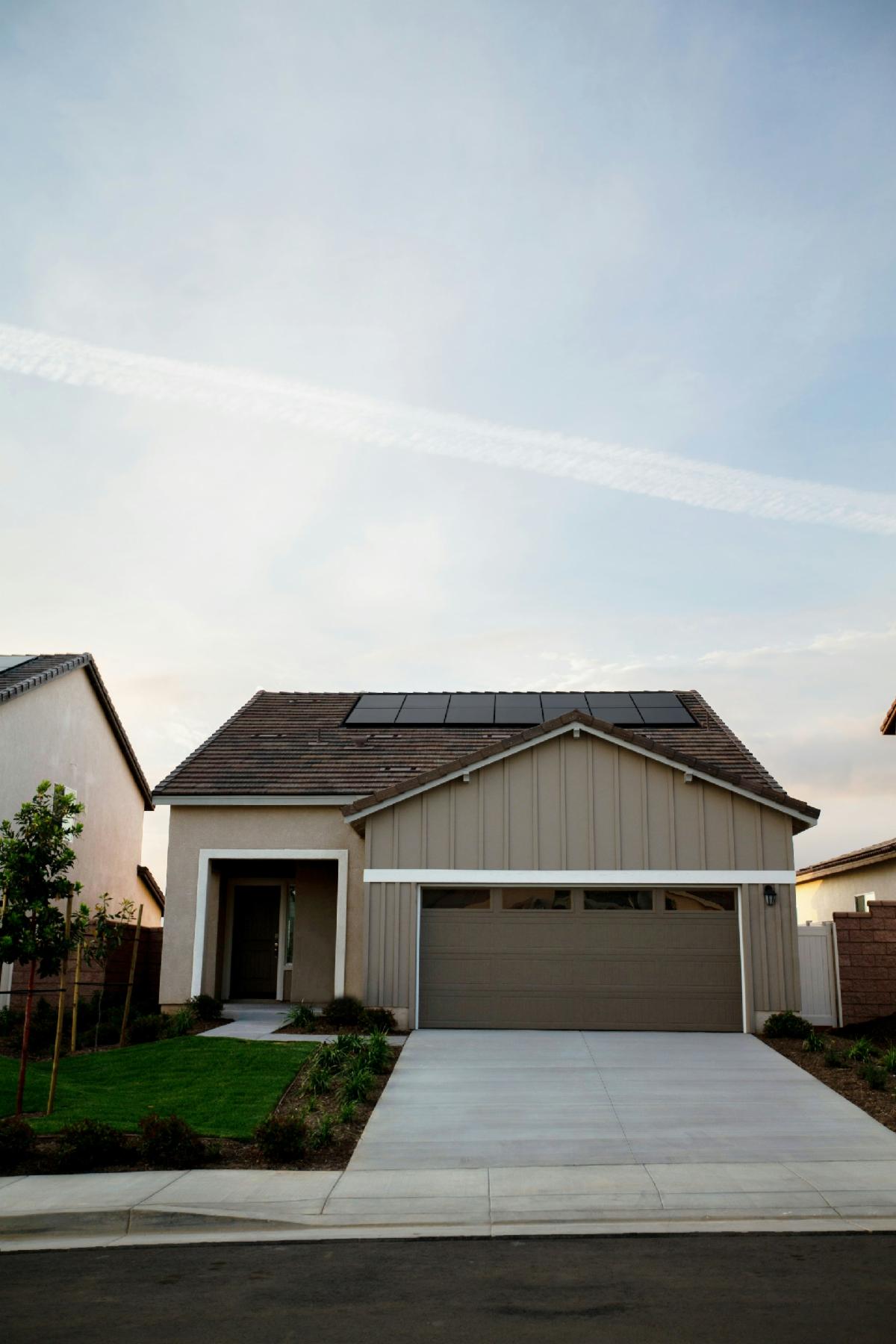
Connecticut will use $62.5 million from the Environmental Protection Agency (EPA) to develop long-lasting solar programs and deploy residential solar panels in low-income and disadvantaged communities statewide.
The Connecticut Department of Energy and Environmental Protection (DEEP), along with several other state agencies, applied to the Solar for All (SFA) program to fund Project SunBridge. Project SunBridge will help thousands of low-income households – particularly multifamily affordable housing – access solar and storage energy technologies and increase climate change resiliency.
Implementing solar and storage solutions will help participants save up to 20% on household energy. Project SunBridge will provide financial and technical assistance, accessible loans and low-cost capital for solar and storage for residents across the state. The program aligns with Connecticut’s goal to decarbonize its electric sector by 2040.
The EPA’s SFA initiative selected 60 recipients, including states, territories, Tribal governments, municipalities and nonprofits, for awards totaling $7 billion to set up more than 900,000 households across the nation with solar. The program was made possible by the Inflation Reduction Act, which established the EPA's $27 billion Greenhouse Gas Reduction Fund.
Projects eligible under the EPA program:
- Support residential rooftop and residential-serving community distributed solar projects for low-income and disadvantaged households around the country.
- Must be primarily residential solar projects, providing power and financial benefits to households nationwide.
The EPA partially funded all 60 selected applications the same percentage of their initial funding request. The EPA will publish more information on the selected applicants once awards are finalized by summer.
Connecticut will distribute the funds through existing incentive programs such as Residential Renewable Energy Solutions, Energy Storage Solutions and Shared Clean Energy Facilities.
(Photo courtesy of Vivint Solar on Unsplash.)
| |
North Dakota, West Virginia awarded $54 million to address orphaned wells | |
|
The Department of the Interior (DOI) will provide $54.2 million to North Dakota and West Virginia to clean up legacy pollution sources.
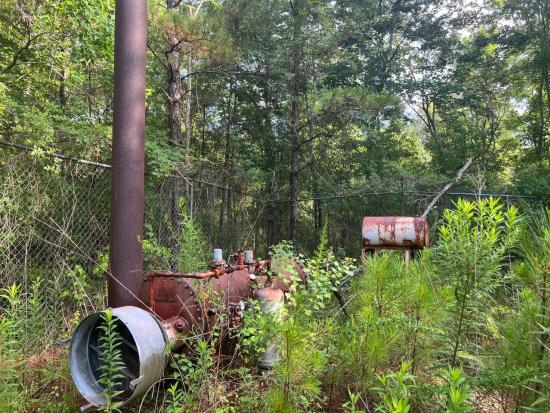
Orphaned oil and gas wells pose significant health and safety risks to communities across the nation, leeching contaminants and toxic air pollutants into the atmosphere and water sources. These legacy pollutants affect backyards, recreation areas and communal spaces and are heavy contributors to climate change. Methane, a greenhouse gas far more potent than carbon dioxide, leaks from these orphaned wells at an alarming rate.
North Dakota will receive $25 million to plug, reclaim and remediate 46 orphaned oil and gas wells, 116 well sites and 270 contaminated areas. The DOI will provide $29.2 million to West Virginia to plug around 200 orphaned wells.
Both states will measure methane emissions from these wells. As part of the project, North Dakota and West Virginia will screen for groundwater and surface water impacts and prioritize wells in proximity to disadvantaged and underserved communities. Once completed, these projects will help improve economic growth, protect the public health and the environment from methane leaks and advance environmental justice.
The funds come from the Bipartisan Infrastructure Law (BIL) as part of the first phase of formula grant funding to remediate legacy pollution issues. The BIL has delivered nearly $150 million to federal land managers to plug, remediate and restore orphaned wells on public lands and waters. The BIL has also awarded around $40 million to Tribal communities for similar work. Tribes can now apply for up to $55 million for the next phase of treating orphaned well pollution.
(Photo courtesy of the DOI.)
| |
Louisiana municipalities receive $53 million to replace pipeline infrastructure | |
|
The state of Louisiana received $52.7 million to replace outdated natural gas pipeline infrastructure, install water meters and buy equipment. The funds support efforts across 10 cities and gas utility districts.
The recipients will use the funds to install 197.9 miles of pipes. The replacement natural gas infrastructure will be sturdier and safer, mitigating the risk of leaks that could negatively affect public health and the environment. The city of Donaldsonville will receive the largest portion, totaling $20 million. The second-highest recipient – the Gas Utility District No. 2 of East Feliciana – will receive $15.5 million.
A total of $52.3 million will go to improving existing gas infrastructure. The remaining funds will help two recipients replace aging water meters and buy methane leak detection equipment.
The money comes from the Pipeline and Hazardous Materials Safety Administration (PHMSA) Fiscal Year 2023 Natural Gas Distribution Infrastructure and Safety Modernization Grants program. The initiative helps recipients repair, rehabilitate or replace natural gas distribution pipeline systems and associated equipment.
The program reimburses up to 80% of operating costs for states inspecting transmissions, distribution pipelines and underground storage facilities. Established in 2021, the PHMSA will award more than $1 billion over a five-year period.
(Photo courtesy of KWON JUNHO on Unsplash.)
| |
Ohio invests $41 million to improve traffic safety, protect pedestrians | |
|
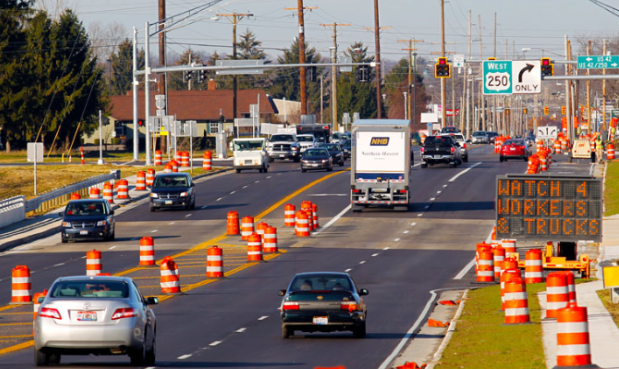
The state of Ohio will invest $40.9 million to protect pedestrians and improve traffic safety across the state. The funds will support 27 projects in 21 counties. The projects will prioritize mitigating the risk of roadway departures – when vehicles drive off the road - and ensuring pedestrians and bicyclists can travel safely.
Roadway departures are one of the leading factors in fatal crashes in Ohio due to insufficient infrastructure to accommodate vehicles and obstacles such as trees and ditches near roads. Pedestrians also lack adequate protection at crosswalks, sidewalks and shared-use pathways.
Some notable projects receiving funding include:
- Wayne County will spend $4 million to design 4.6 miles of buggy lanes along Kidron Road. Buggy lanes are dedicated paths for horse-drawn and motor vehicles. The project paves the way for a future Rebuilding American Infrastructure with Sustainability and Equity (RAISE) grant application. The project will begin in 2025.
- Butler County will use $3.2 million to improve Hamilton Road to prevent roadway departures. The project will involve widening the road and removing nearby fixed objects. In addition, the county will improve the roadways’ vertical profile. The project will begin in 2027.
- Cincinnati will receive $2.2 million to build seven raised crossings along three corridors. The project will begin in 2027.
- Greene County will spend $2 million to support the 2024 Greene County Pedestrian project. Plans include filling in three sidewalk gaps and installing seven enhanced trail crossings. The project will begin in 2027.
- The city of Loveland will receive $2 million to improve and extend a sidewalk on the north side of the city. The project will begin in 2028.
The Ohio Department of Transportation (ODOT) is providing funding for these projects through the Highway Safety Improvement Program. The program allocates approximately $183 million annually to reduce traffic deaths and injuries through spot safety projects and systemic safety treatments. The funds will support all projects through their phases between 2025 and 2030.
(Photo courtesy of ODOT.)
| |
V. Bruce Thompson joins SPI as consulting partner | |
|
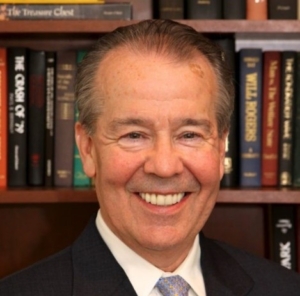
Bruce Thompson is an experienced consultant in the areas of policy advocacy and business advisory. He also serves as senior resident fellow for energy policy for the American Council for Capital Formation, a Washington-based bipartisan group focused on generating solutions for various policy challenges. Bruce was president of the American Exploration & Production Council (AXPC) whose membership is composed of many of America’s premier independent natural gas and oil exploration and production companies.
Prior to leading AXPC for more than 11 years, Bruce served in senior management as senior vice president and general counsel of two NYSE-listed independent exploration and production companies. He has testified before the U.S. Senate Energy and Natural Resources Committee. He also has extensive international government affairs and transactional experience, having represented clients in dealing with both the national as well as various provincial governments in other countries.
He also served as chief of staff for a U.S. senator when the senator was in the U.S. House of Representatives. In that role, he served as a member of the U.S. Senate Budget Committee staff.
Bruce earned his Bachelor of Science in Economics from the University of Pennsylvania’s Wharton School and a Juris Doctorate from the University of Tulsa College of Law where he was a member of the Law Review.
| |
South Dakota tribe receives funds to improve evacuation route | |
|
The Oglala Sioux Tribe in South Dakota will receive $34.7 million in federal funding to reconstruct nearly 30 miles of a critical evacuation route and reconnect communities. The road currently has poor paving, drainage issues and weather damage.
The Tribe will improve two sections of the BIA Route 33. This road provides an evacuation route during inclement weather and will connect three communities. Plans include re-grading the roadway to widen ditches, raise sections of the road and widen the road to provide room for emergencies and evacuations.
The project will also help increase resiliency during heavy weather. Once complete, the road will feature resilient pavement for flooding, storms, snow, ice, erosion and wildfire evacuation. In addition, the Tribe will increase and size and number of culverts for improved water flow.
The funding was made available through grants administered by the U.S Department of Transportation’s (USDOT) Promoting Resilient Operations for Transformative, Efficient and Cost-Saving Transportation (PROTECT) program. USDOT will deliver nearly $830 million for 80 projects nationwide.
The program funds projects to make transportation infrastructure more resilient to future weather events and other natural disasters by focusing on resilience planning, making resilience improvements to existing transportation assets and evacuation routes, and addressing at-risk highway infrastructure.
(Photo courtesy of Holden Baxter on Unsplash.)
| |
|
The U.S. Environmental Protection Agency (EPA) has announced grant awards of more than $300 million to help states, tribal nations, local governments and nonprofits assess and clean up polluted brownfield sites.
The awards, available through EPA’s Brownfields Multipurpose, Assessment, and Cleanup (MAC) Grant Programs and Revolving Loan Fund (RLF) Grant Programs, will help turn previously polluted, vacant and abandoned properties into community assets while boosting local economies.
Click here to learn more about the EPA’s brownfield remediation efforts
(Photo courtesy of the EPA.)
| |
|
The community of Rancho Cucamonga, California, is planning to make the most of becoming a stop on a new high-speed rail line connecting southern California to Las Vegas.Construction began last month on the $12 billion Brightline West High Speed Rail project, which is being touted as the first true bullet train in the United States, with speeds projected to reach 186 mph.
With a commuter line that will shuttle travelers from downtown Los Angeles to the station, Rancho Cucamonga City Manager John Gillison said the city is making plans to maximize the opportunity created by future foot traffic that he predicted will come with having a new high-speed rail station.
Click here to learn about Rancho Cucamonga’s expected infrastructure opportunities
(Photo courtesy of the city of Rancho Cucamonga.)
| | |
|  |
|
|
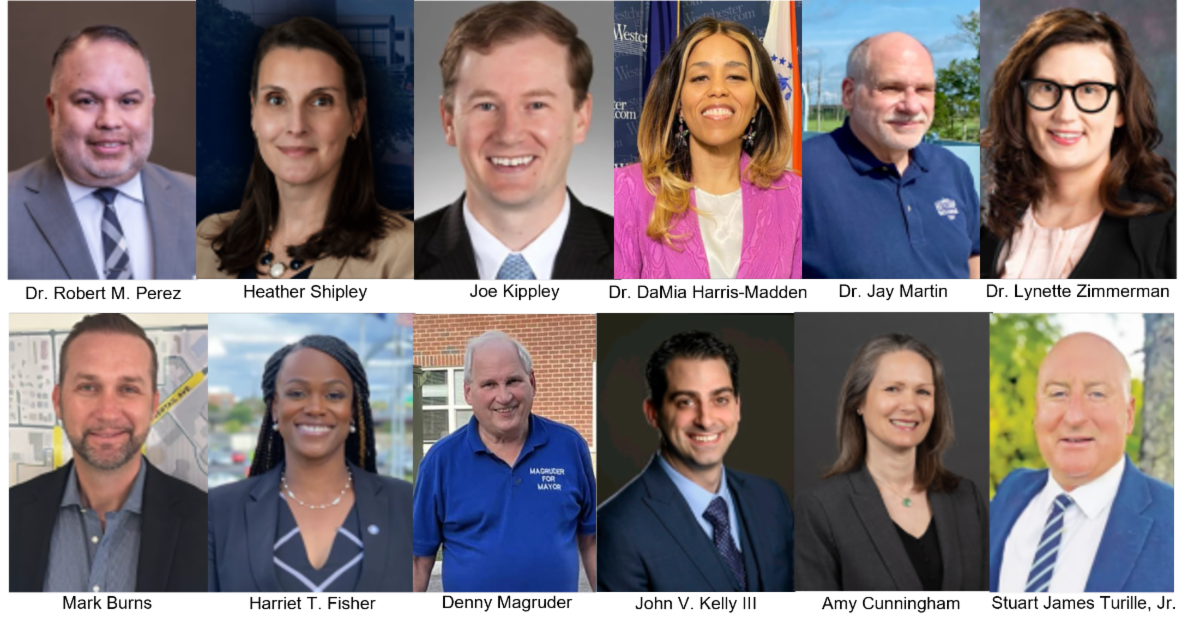
Kansas – Robert Perez, Ph.D., has been chosen as Topeka’s city manager. Dr. Perez previously served as assistant city manager in Dallas. He brings more than two decades of municipal government experience to the role. He will replace Stephen Wade.
Texas – The University of Texas at San Antonio has named Heather Shipley, Ph.D., provost and executive vice president for academic affairs. Dr. Shipley holds a nearly 17-year career with the university, starting as an assistant professor. She most recently served as interim provost.
South Dakota – Joe Kippley will be the next public health director for Sioux Falls. Kippley is a Minnehaha commissioner and most recently served as clinic director of cardiology at Sanford Health in Sioux Falls.
New York - The New York State Senate appointed DaMia Harris-Madden, Ed.D., commissioner of the New York State Office of Children and Family Services (OCFS). Dr. Harris-Madden has served as executive director of the Westchester County Youth Bureau since 2018. She brings 20 years of experience to the position.
North Carolina – The North Carolina Department of Natural and Cultural Resources has appointed Jay Martin, Ph.D., executive director of the Battleship North Carolina. Dr. Martin brings four decades of historical experience with him. He previously served as director and curator of the Central Michigan University Museum of Cultural and Natural History. He will officially begin his role May 31. He will replace Captain Terry Bragg.
Kansas - The city of Wichita has chosen Lynette Zimmerman, Ed.D., to serve as executive director of Botanica, the Wichita Gardens. Dr. Zimmerman has over 20 years of experience in arts, culture and education. She most recently served as associate vice president of Kean University’s Liberty Hall Academic Center and art galleries.
Florida – Mark Burns will be the next executive director of the Coconut Grove Business Improvement District. Burns previously served as a lease manager for Miami.
New York – The city of Rochester has named Harriet T. Fisher chief technology officer for the city’s Department of Information Technology. Fisher previously served as director of the Project Management Office. She has worked with the city in various roles since 1998.
West Virginia – Denny Magruder was elected mayor of the city of Wheeling. Magruder has served the city in various roles, including utility rate analyst and budget director. He previously served as executive director of the Greater Wheeling Sports and Entertainment Authority.
New Jersey – The township of Nutley swore John V. Kelly III into the mayor’s office May 21. Kelley is the youngest to ever serve in the role. He was first elected to the Nutley Board of Commissioners in May 2020 when he took over the Department of Public Affairs and the Health Department.
California - Amy Cunningham was appointed city manager of Novato on May 14. Cunningham has been working as interim city manager since December 2023. The city originally hired her as finance director in August 2020. She officially began her role May 15.
North Carolina - The Southport Board of Aldermen voted Stuart James Turille, Jr. to be city manager. Turille previously served as county administrator with Pittsylvania County, Virginia. He brings more than 20 years of experience in public administration to the position.
| | |
|
Connect with SPI
Check out our social media links!
| |
About Government Contracting Pipeline | |
|
Strategic Partnerships, Inc.
Publisher: Mary Scott Nabers
Editors: Adam Rollins
Dave Doolittle
www.spartnerships.com
| |
Government Contracting Pipeline, a publication of Strategic Partnerships, Inc., is a free, weekly newsletter detailing important happenings nationwide and the premier source for federal, state, and local government news and contracting opportunities. | |
Help us share this message.
To ensure delivery and proper formatting of the newsletter, be sure to add editor@spartnerships.com to your safe senders list.
Otherwise, the newsletter may be flagged as spam and automatically routed to your junk e-mail folder.
| | | | |