Volume 16, Issue 19 - Wednesday, May 8, 2024 | |
By Mary Scott Nabers, CEO of Strategic Partnerships, Inc. | |
|
American ports are extremely large contributors to the nation’s GDP and critical components of the country’s global competitiveness. The Bipartisan Infrastructure Law passed by Congress several years ago was designed to support all types of infrastructure upgrades, and ports were a primary focus. Billions were allocated for port upgrades and expansions, which has spurred massive activity at U.S. ports. The efforts now being launched weekly will bring immediate benefit to all Americans and future generations.
Not only are ports critical to America’s global competitiveness, but the same is true for every other country. With that realization, it is important to note that of the world’s 10 largest and busiest seaports, the top 5 are located in China. And of the top 10 largest ports, 8 are located in China. America does not currently have a port on the list. Because of that, current U.S. port projects need to catch the attention of experienced contractors.
Upcoming port projects, a treasure trove of opportunities, are detailed here, but there are hundreds more in the planning stages. The immediate needs span a wide spectrum, including engineering, construction, warehouse renovations, leading-edge technology, large equipment, rail work, and other specialized services. There are also needs related to the infrastructure surrounding ports. In fact, it's estimated that currently 91% of intermodal connector pavement, the pavement connecting ports to other modes of transportation, is in need of repair or upgrades.
The Port of Seattle in Washington has initiated a development project to enhance nearby industrial land. The project will provide light industrial building space to support manufacturers and suppliers. The first phase, projected to cost approximately $84 million, will deliver 120,000 square feet of light industrial space. It will include project components to increase fishing and maritime activity and create a gateway for industrial businesses. Three buildings in the north will undergo construction for site improvements and stormwater infrastructure rehabilitation. Phase 2 will add 300,000 square feet of light industrial space and address utility improvements. The Port of Seattle plans to present solicitations by the end of 2024 and construction is slated for 2025.
The Raul Hector Castro Land Port of Entry in Douglas, Arizona, will be reconfigured and modernized at an estimated cost of between $165 million and $185 million. The inspection dock only has five bays, causing congestion for inbound and outbound trucks. Pedestrians are currently allowed to cross the path of commercial trucks, which presents a significant safety hazard. Operations will be relocated to optimize commercial activities. Redirecting the commercial traffic will allow for expansion and modernization. Three new vehicle inspection booths and three pedestrian inspection booths will be added to the existing facility to increase inspection capacity and reduce wait times. This project is currently involved in an environmental impact study, but design-build contract awards are planned for 2027.
Click here for more.
| |
Six construction projects in store for Sacramento International Airport | |
|
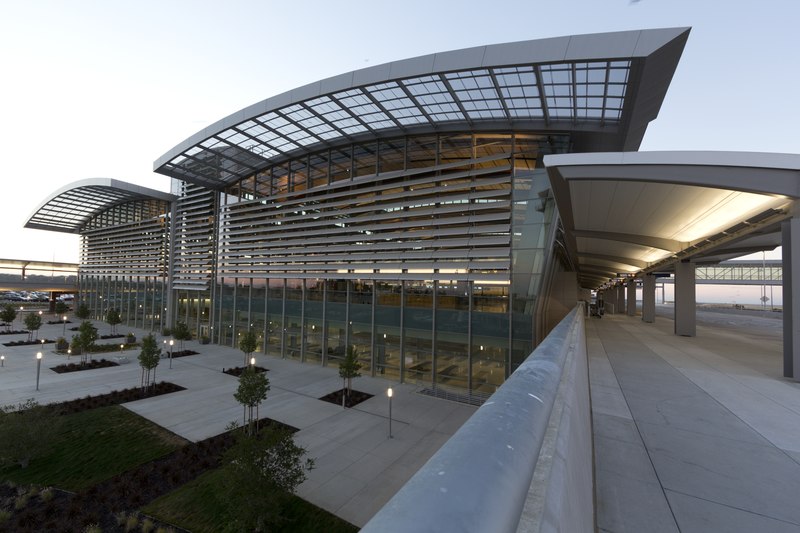
SMForward, a $1.3 billion program to expand Sacramento International Airport (SMF), will begin construction this year. Announced in early 2023, the program features various projects over the next seven years to accommodate passenger growth.
The first of six projects will start construction in 2024. The airport will spend $140 million to build a pedestrian walkway between Terminal B and Concourse B. The project will be ADA compliant and designed to accommodate future expansion. Construction will begin in the third quarter of 2024.
The airport will use $250 million to expand Concourse B. The expansion includes additional gates, a ticketing area, a baggage claim carousel and office space. Construction is expected to begin in 2025.
Plans include consolidating the airport’s rental car facility. The $390 million project will build a rental car facility within walking distance of both terminals. Construction will begin in fall 2025. The airport will also build a $50 million ground transportation center. The center will provide a centralized hub with an efficient shuttle system. Construction will begin in 2026.
The airport will spend $50 million to expand Terminal A. Plans include expanding the ticketing area, adding a baggage claim carousel and increasing office space. The airport will also build a $15 million Terminal A exit road to improve traffic flow. The terminal expansion will begin in winter 2024, with the exit road slated for 2025.
A construction company has already been contracted for the Terminal B parking garage – a $390 million project that would add between 4,500 to 5,5000 parking spaces.
This is the largest construction project in SMF history. It is funded through federal and state grants, municipal bonds issued by the airport and user fees.
(Photo courtesy of Carol M. Highsmith.)
| |
DOI to spend $147.6 million on water reliability projects | |
|
The Department of the Interior (DOI) is making $147.6 million available to help communities address water reliability challenges. The funds will support 42 projects in 10 states that are struggling with drought and other scarcity-related concerns.
Included are projects that build infrastructure, upgrade existing infrastructure, advance water recycling and treatment, recharge aquifers and strengthen innovative technologies to address water scarcity challenges for water users. The funds come from the Bipartisan Infrastructure Law (BIL), Inflation Reduction Act (IRA) and annual appropriations.
For a portion of the projects, the Bureau of Reclamation (BOR) will use IRA funds to help reduce the cost-share for domestic water supplies projects that support disadvantaged communities. These projects will help bring clean, reliable drinking water to communities through investments in domestic water supply systems for communities that do not have reliable access to those resources.
Awards include:
- The city of Gallup, New Mexico, will use $9.5 million to build a well that will serve the city, Navajo Nation and other parts of McKinley County. The city currently has no access to surface water supplies.
- The Arizona Water Company will receive $9.1 million to build groundwater treatment systems to lower arsenic and nitrates below the maximum contaminant level in disadvantaged communities in and around Stanfield, Arizona. The project will provide cleaner water for 640 residents.
- The Chickasaw Nation in Oklahoma will receive $7.7 million to connect the community of Connerville to the Johnston County public water system and build three treatment systems in Wapanucka. These communities rely on artesian wells for domestic water supplies which are fed by natural springs, subject to drying during periods of drought.
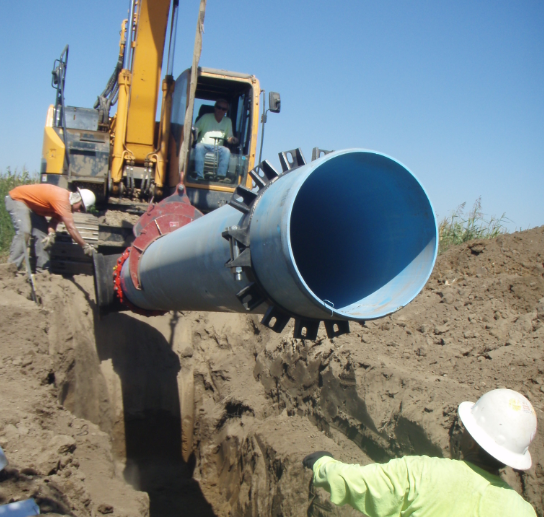
- The city of San Buenaventura, California, will leverage $5 million to build a 4.3-mile pipeline connecting the city to the Calleguas Municipal Water District. The connection will help San Buenaventura mitigate the effects of a three-year drought.
- The Fresno Irrigation District in California’s San Joaquin Valley will use $5 million to build two recharge basins. The basins will capture storm and flood waters to irrigate an area that contains 247,000 acres of agricultural lands.
- The Southern Ute Tribe in southwestern Colorado will receive $2.3 million to upgrade their water system to improve flow reliability. The improvements will allow the tribe to access their full allocation of water during times of lower flows.
(Photo courtesy of the Bureau of Reclamation.)
| |
|
A pair of bills that tie transportation funding to housing are working their way through their respective state legislatures.
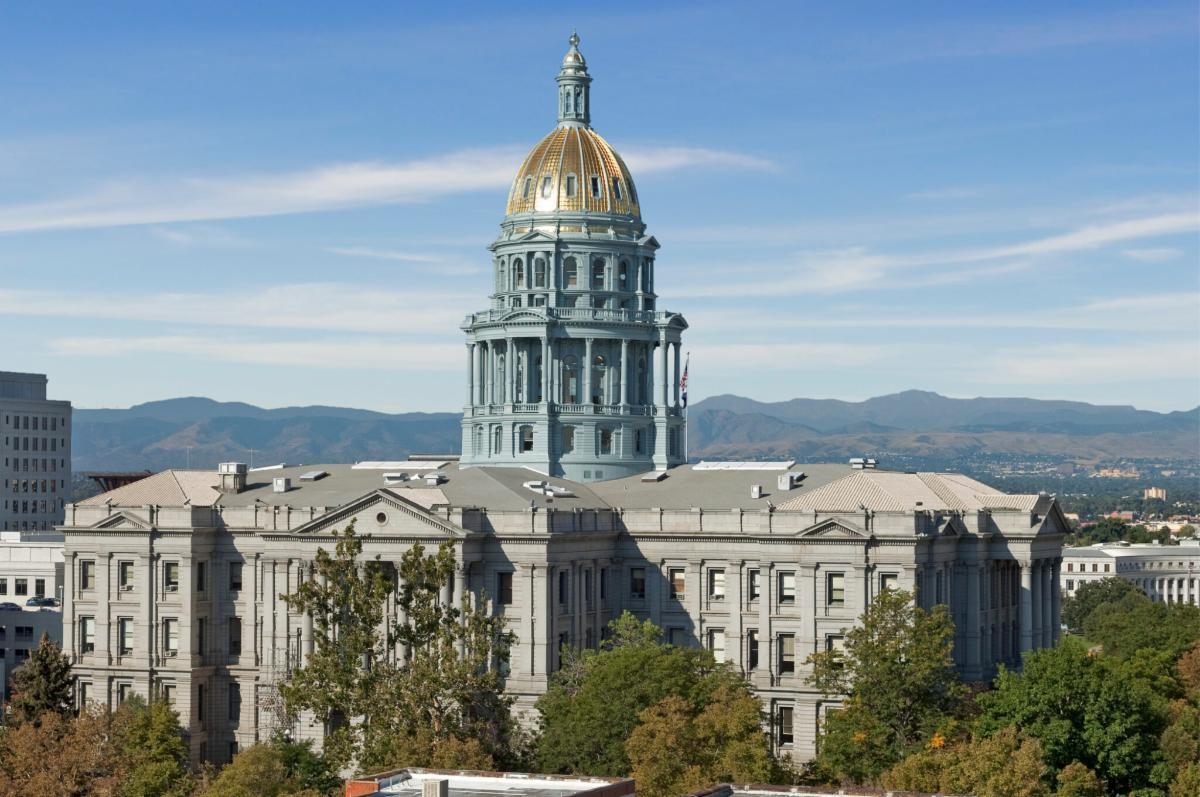
Connecticut state representatives last week passed a bill that encourages towns to create transit-oriented districts that would allow more apartments near train and bus stations, while a bill in Colorado that defines “transit-oriented communities” and requires them to build affordable housing adjacent to public transportation access is currently traversing the state Senate.
Click here to learn more about the latest potential state legislation
(Photo courtesy of the Colorado State Capitol.)
| |
FAA awards $76 million to rehabilitate airports, enhance safety | |
|
The Federal Aviation Administration (FAA) has awarded $76.1 million in grants to rehabilitate terminals, reconstruct runways and enhance safety for 41 airports across 22 states.
The funds come from the FAA’s Airport Infrastructure Grant (AIG) program, which over the past three years has provided almost $9 billion for projects such as runways, taxiways, terminal and connected roadways. The recent grants are among almost $3 billion the program has made available for FY 2024.
The latest round of funding supports 45 airport infrastructure projects that will expand terminals, upgrade baggage systems, improve taxiways, reconstruct pavement and remediate drainage to improve airport safety. Notable projects that will receive funding include:
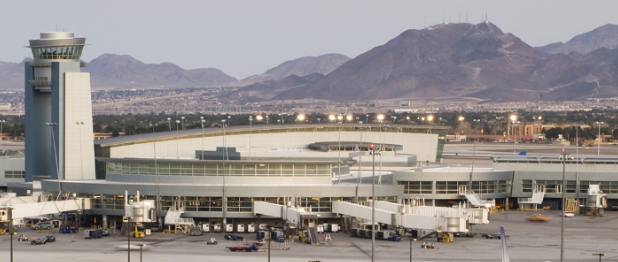
The Harry Reid International Airport in Las Vegas will use $27.8 million to install runway water drainage systems that will prevent runways and taxiway pavements from deteriorating. In addition, the airport will reconstruct more than 100,000 square yards of pavement to mitigate deterioration and remove debris. Reconstructing the holding pad apron will provide a safer aircraft parking area.
Bangor International in Maine will receive $8.3 million to rehabilitate more than 7,000 feet of runway to improve pavement integrity and to minimize debris. The airport will rehabilitate approximately 2,000 feet of additional runway pavement.
Joe Foss Airport in Sioux Falls, South Dakota, will leverage $8.1 million to expand its existing terminal building by 42,000 square feet. The project will enable the airport to increase its capacity, ensuring it can handle ongoing operational needs and requirements. In addition, the airport will rehabilitate the terminal building to meet design standards.
Colorado Springs Airport will receive $6.4 million to rehabilitate its terminal building to accommodate a 14,000-square-foot Federal Inspection Service facility. The facility will expedite customs for passengers, increasing processing efficiency and increasing quality of service. The project will reconfigure space to meet ADA requirements and increase energy efficiency.
(Photo: Harry Reid International Airport. Courtesy of Harry Reid International Airport.)
| |
Wisconsin receives $62.4 million from EPA for residential solar projects | |
|
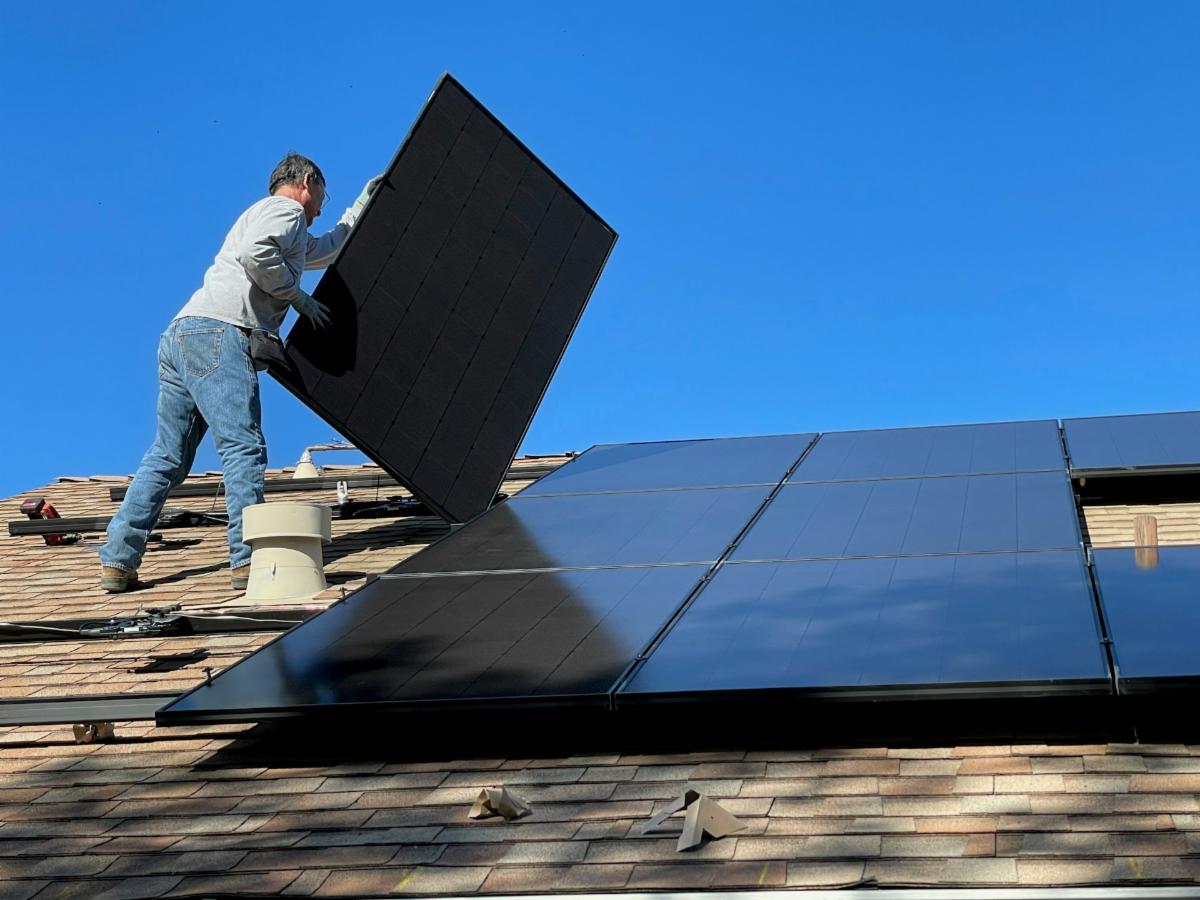
The U.S. Environmental Protection Agency (EPA) has granted Wisconsin $62.4 million to support the installation of residential rooftop solar for low- and moderate-income households across the state.
Solar installations would help the state prevent nearly 2 million tons of carbon dioxide from entering the atmosphere annually, the Wisconsin Economic Development Corporation (WEDC) said. WEDC will add solar capacity through the state-level SFA Program, which gives eligible residents multiple pathways to the solar power market. Approximately 29% of Wisconsin households are classified as low-income.
The cost of installing residential solar puts it out of reach for many households, even while those with lower incomes spend disproportionately more of their income on energy. In Wisconsin, the average cost of a 5-kilowatt rooftop system ranges from $14,000 to $19,000 before federal tax credits and local incentives.
The EPA’s Solar for All (SFA) initiative selected 60 recipients, including states, territories, Tribal governments, municipalities and nonprofits, for awards totaling $7 billion to set up than 900,000 households across the nation with solar. The program was made possible by the Inflation Reduction Act, which established the EPA's $27 billion Greenhouse Gas Reduction Fund.
Projects eligible under the EPA program:
- Support residential rooftop and residential-serving community distributed solar projects for low-income and disadvantaged households around the country.
- Must be primarily residential solar projects, providing power and financial benefits to households nationwide.
The EPA partially funded all 60 selected applications the same percentage of their initial funding request. The Wisconsin SFA program will partner with private capital to maximize the EPA funds and establish a sustainable program extending beyond the initial five-year timeline.
The EPA will publish more information on the selected applicants once awards are finalized by summer, with WEDC anticipating funding projects by early 2025.
(Photo courtesy of Bill Mead on Unsplash.)
| |
St. Louis-area city to build $33 million community center, park projects | |
|
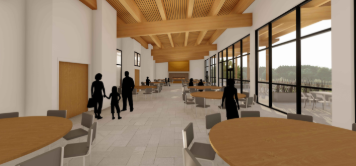
The city of Crestwood, Missouri, will spend $33.3 million for park projects to build a community center, replace a playground, install sports courts and enhance natural park spaces. The funds come from a bond voters approved April 2, 2024. The bond projects were identified as priorities within the city’s 2023 Parks Master Plan. Construction will begin in 2025.
A two-story, modern community center is the largest project featured in the bond. The city will build the facility to replace the existing community center. It will include a multiuse gym, an elevated indoor walking and jogging track, event meeting spaces with a fireplace and an outdoor balcony. The center will have ample lobby areas for improved circulation.
Plans also feature a large fitness area with additional equipment and better spaces for dance, yoga and cardio classes. The community center will include administration spaces, a catering kitchen and restrooms. The city will include a weight room, group exercise, restrooms, locker rooms and a multipurpose space on the second floor.
For the building’s exterior, the city will preserve the nearby native landscape and bioretention area. The project will include additional parking, a fire access and loop trail, a drop-off area and plazas in the front and rear of the building. The city will also replace a park playground, add a nature playscape area and build a pedestrian bridge connecting the park to a local neighborhood.
The city will demolish a portion of the current community center and convert it into outdoor pickleball courts. The existing gymnasium will remain to host indoor pickleball games. The building will also feature a beverage and food area and an activity area for cornhole, shuffleboard and bocce ball.
(Photo courtesy of the city of Crestwood.)
| |
DOE to invest up to $20 million on developing photovoltaic technology | |
|
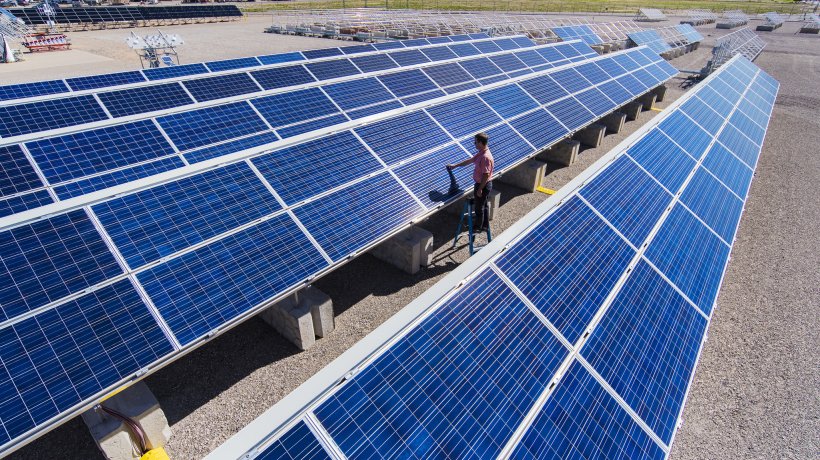
The U.S. Department of Energy (DOE) is investing up to $20 million on researching and developing technology that will help convert light into energy. The money will be made available through the DOE Solar Energy Technologies Office’s (SETO) 2024 Photovoltaics Research and Development (PVRD) funding opportunity.
The deadline for submitting a mandatory letter of intent is June 12, and the deadline for mandatory concept papers is July 1. The deadline for full applications is Sept. 16. The expected timeframe for award negotiations is spring 2025.
The program will support projects that reduce the carbon and energy footprint of the photovoltaic (PV) supply chain and manufacturing process, lower the costs of PV models and optimize technology for new, specialized markets.
The potential for PVs is boundless, the National Renewable Energy Laboratory said. The technology could eventually be used for solutions ranging from solar vehicles to distributing electricity to remote locations that cannot be reached via traditional power lines.
SETO will make between eight and 15 awards this year ranging from $1 million to $4 million. Areas of focus include:
- PV advances in cell efficiency, reliability and supply chain. This includes developing PV cell and minimodule prototypes to enable expanded deployment and identify pathways for reduction in PV module cost, decarbonization of manufacturing and supply chains and expansion of PV into emerging sectors.
- Building academic capabilities in cadmium telluride (CdTe). This involves funding academic R&D projects requiring new or upgraded cadmium telluride research equipment. The project will empower research groups to rapidly make and test cells and improve their performance. The funding will also benefit the larger CdTe PV research community by facilitating rapid technological innovation in CdTe design and understanding of the materials and manufacturing processes.
(Photo courtesy of the DOE.)
|  | |
Phoenix-area to decide on $582 million bond to enhance quality of life | |
|
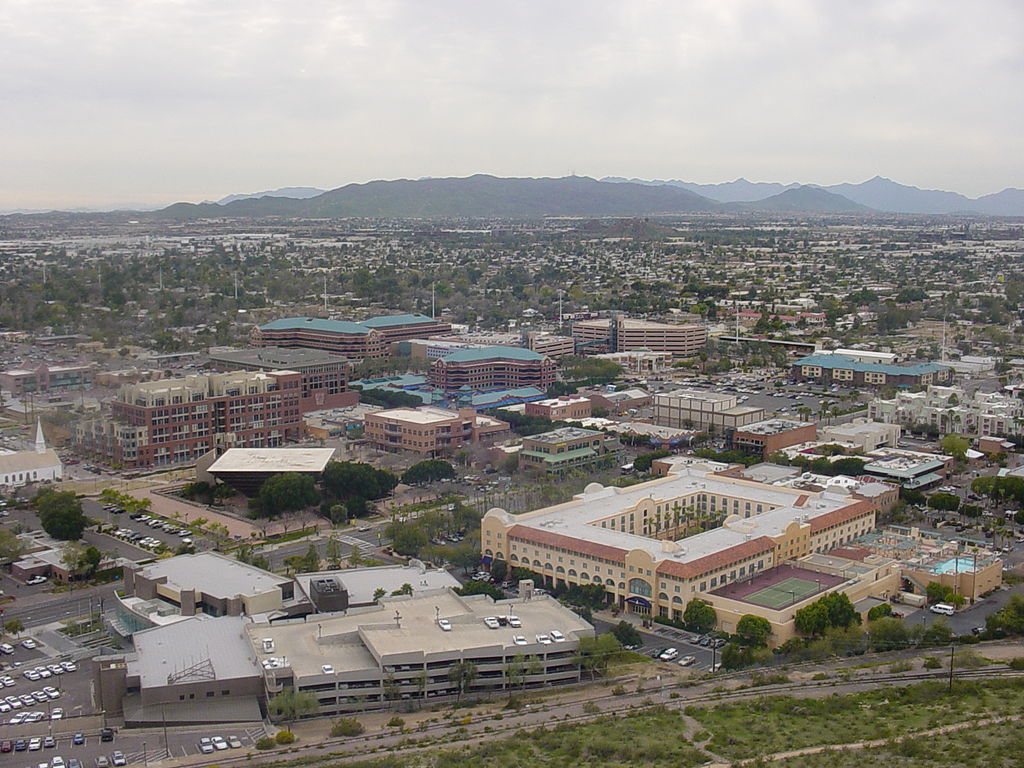
Residents in Tempe, Arizona, will cast their ballots on a $581.5 million bond package to improve public safety, build roadway infrastructure, enhance parks and increase affordable housing supply. Election day will be Nov. 5, 2024.
If approved, the bond would allocate $301 million to build, improve, repair and renovate fire, police, roadway, pedestrian and storm drainage infrastructure citywide. Multimodal infrastructure including highways, streets, bike paths, bridges, sidewalks, lighting and parking lots would also be built, improved and repaired.
The city would leverage $248.5 million to improve parks, preserve historic areas and build municipal infrastructure for a better quality of life in neighborhoods. The city would increase park space across the city and improve existing parks.
Tempe would use the remaining $32 million to increase the city’s supply of affordable housing. The bond would enable the city to redevelop housing and repurpose existing buildings into rental units.
(Photo courtesy of Sullynyflhi.)
| |
Minnesota to use $16.3 million to increase winter resiliency, address highway slope failure | |
|
Minnesota will spend $16.3 million to increase winter resiliency and remediate slope failures that threaten key transportation routes. The projects are in the design phase.
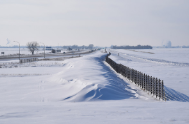
The Minnesota Department of Transportation (MnDOT) will receive $13.7 million to build 24 miles of both structural and living snow fences to better control snow levels along Interstate 94. Structural snow fences are manmade using wood, metal, plastic and polymer/fiber. Living snow fences use trees, shrubs, native grasses and wildflowers to control snow drift and storage 100 to 200 feet from a road.
The agency will install fencing across 38 sites between the cities of Moorhead and Alexandria. The project will address dangerous snow traps, enhance safety, reduce wintertime maintenance needs and support corridor reliability. Construction will begin in spring 2028.
MnDOT will use an extra $2.6 million to address slope failures that could close sections of Highway 11 along the Rainy River. The agency will realign 1.2 miles of roadway about 150 feet west. Moving the highway will shift it away from slide areas and help stabilize the slope. Keeping the road open and preventing future closure ensures vehicles will not need to make a 126-mile detour if the road shuts down.
The funds were made available through grants administered by the U.S Department of Transportation’s (USDOT) Promoting Resilient Operations for Transformative, Efficient and Cost-Saving Transportation (PROTECT) program. USDOT will deliver nearly $830 million for 80 projects nationwide.
The program funds projects to make transportation infrastructure more resilient to future weather events and other natural disasters by focusing on resilience planning, making resilience improvements to existing transportation assets and evacuation routes, and addressing at-risk highway infrastructure.
(Photo courtesy of the Minnesota Department of Transportation.)
|  | |
|
Maine Gov. Janet Mills signed an Executive Order on Monday that would boost the participation of women in Maine’s construction sector, which faces a significant shortage of workers overall. Women currently make up 15% of the state’s construction industry, compared with 11% nationwide.
In the construction industry, pay discrepancies between genders is among the lowest in the country, with women earning 95.5 cents on the dollar men receive in compensation.
Click here to learn more about how Maine is empowering women
(Photo courtesy of the National Association of Women in Construction.)
| |
|
In a significant step toward bringing reliable internet to rural America, four states – Kansas, Louisiana, Nevada, and West Virginia – have completed all the necessary steps to receive funding under the Broadband Equity, Access, and Deployment (BEAD) program.
The BEAD program is one part of the “Internet for All” initiative, which harnesses the resources of multiple federal agencies to provide affordable, reliable, high-speed internet service to every American.
Click here for more information about the BEAD program
(Photo courtesy of Glenn Carstens-Peters on Unsplash.)
| |
|
The National Football League’s Chicago Bears hope a coalition of historically underutilized business and labor organizations will help the team secure the public funding it will need to complete a proposed $5 billion mixed-use stadium project.
Team and city officials recently unveiled plans for the Burnham Park Project, which will include a multipurpose stadium located just south of where Soldier Field currently stands off Chicago’s lakefront.
Contractors and construction companies seeking to secure contracts for the Bears proposed project will be required to support and employ a diverse workforce backed by labor unions.
Click here to learn more about the Bears’ stadium project
(Photo courtesy of Moses8910.)
| | |
|  |
|
|
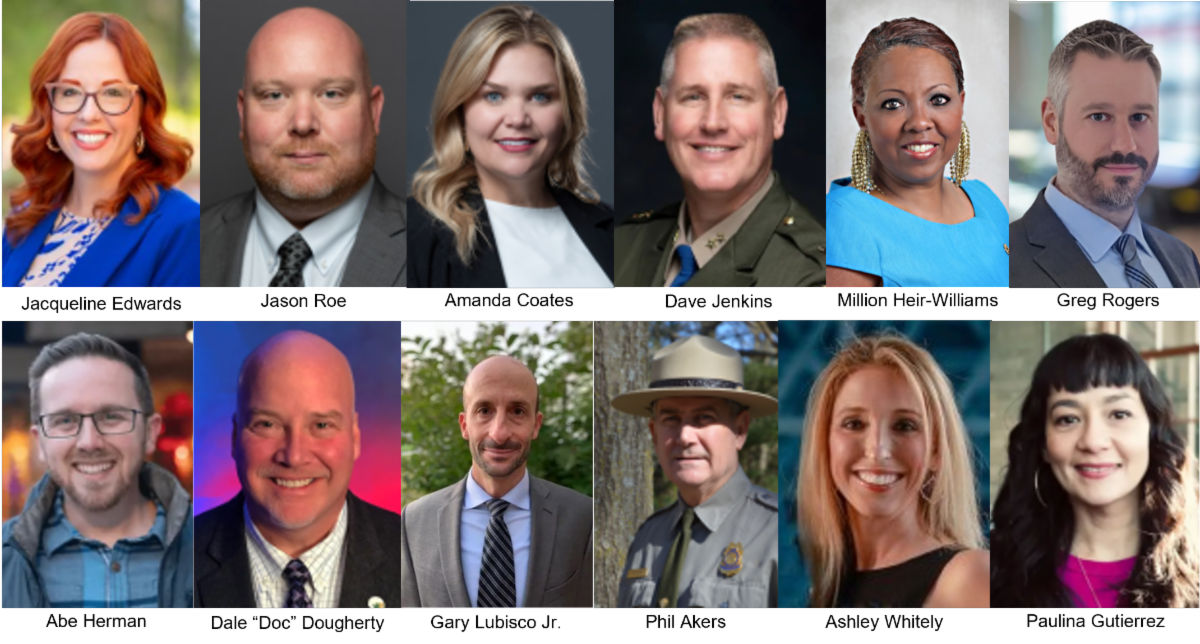
Arizona – The city of Phoenix has appointed Jacqueline Edwards director of the Human Services Department. Edwards spent the last 14 years with Maricopa County serving in several positions, including director of the Human Services Department.
Ohio - Cincinnati Metro has promoted Jason Roe to director of infrastructure and development programming. Roe has more than 23 years of experience in the transit industry. He has held several previous roles at Cincinnati Metro, including senior manager of procurement, inventory manager, quality assurance quality control manager and fleet maintenance supervisor.
Louisiana - Amanda Coates has been named PortNOLA's chief commercial officer. Prior to joining Port NOLA in 2018, Coates worked for more than 15 years in various operational and commercial roles for the world’s largest global ocean container carrier.
California - The California Highway Patrol (CHP) has named department veteran Dave Jenkins its chief information officer. Jenkins assumed the role earlier this year, replacing April Baxter. Jenkins has worked with CHP for 28 years, previously serving as assistant chief with the Enforcement and Planning Division.
North Carolina – Onslow County has appointed Million Heir-Williams of Jacksonville commissioner. Heir-Williams will fill a vacancy left by Lionell Midgett. She will be the first female African-American commissioner for Onslow County.
Maryland - Maryland State Chief Information Security Officer Greg Rogers has been officially sworn in. Rogers spent six years as the chief information security officer of a financial services company. He spent 15 years as a contractor in the U.S. Department of Defense, specializing in communications security, encryption devices and cyber risk management of mission-critical systems.
Colorado – The Grand Junction City Council has appointed a mayor after former mayor Anna Stout’s term expired. The council voted 5-1 in favor of Abe Herman, who will serve for the next two years.
Florida - Deltona city commissioners have approved the contract for a city manager. Pending his acceptance of the contract, Dale "Doc" Dougherty will take on his new duties June 10. Dougherty currently serves as city manager for Garden City, Michigan.
New Jersey – Gary Lubisco Jr. has been appointed Somerville’s superintendent of schools starting Aug. 1. He currently serves as superintendent of Manchester Regional High School in Haledon.
Colorado - The National Park Service (NPS) has selected Phil Akers as superintendent of Dinosaur National Monument. Akers will begin his assignment on June 16. He comes to Dinosaur from his current position as Chief Ranger at Sleeping Bear Dunes National Lakeshore.
Ohio - Ashley Whitely has been appointed superintendent of Lakota Local Schools. Whitely, who most recently served as assistant superintendent at Wyoming City Schools, was also previously an English teacher at Lakota East High School. Whitely's five-year contract will officially start Aug. 1.
Wisconsin - Mayor Cavalier Johnson nominated Paulina Gutierrez as executive director of Milwaukee's Election Commission. She's been deputy director for just over a year.
| | |
|
Connect with SPI
Check out our social media links!
| |
About Government Contracting Pipeline | |
|
Strategic Partnerships, Inc.
Publisher: Mary Scott Nabers
Editors: Adam Rollins
Dave Doolittle
www.spartnerships.com
| |
Government Contracting Pipeline, a publication of Strategic Partnerships, Inc., is a free, weekly newsletter detailing important happenings nationwide and the premier source for federal, state, and local government news and contracting opportunities. | |
Help us share this message.
To ensure delivery and proper formatting of the newsletter, be sure to add editor@spartnerships.com to your safe senders list.
Otherwise, the newsletter may be flagged as spam and automatically routed to your junk e-mail folder.
| | | | |