Volume 16, Issue 15 - Wednesday, April 10, 2024 | |
By Mary Scott Nabers, CEO of Strategic Partnerships, Inc. | |
|
Last week, the U.S. Department of Transportation’s Federal Transit Administration (FTA) announced another $20.5 billion in federal funding to support transit projects this year throughout the U.S. The FTA had previously announced $9.9 billion in funding, and this new announcement includes those funds plus quite a bit more. The investment in America's transit infrastructure will reach $20.5 billion by 2024, making it the largest investment to date. The funding supports projects that improve public transportation, such as upgrading transit stations, extending and adding service lines and improving accessibility.
The Alameda County Transportation Commission in California has announced a $133 million multimodal project that will produce a regional trail connecting transit networks to the cities of Oakland, San Leandro and Hayward. The objective is to provide public transit options to local schools and downtown areas. The project will expand cycling and pedestrian networks around the Bay Area Rapid Transit (BART) line, backed by a $30 million funding award.
The 30-mile bicycle and pedestrian greenway trail will connect seven local stations from Oakland to San Leandro. The greenway area to be constructed will have wide pathways, intersections with improved crosswalks and crossing signals, accessibility features, landscaping and new lighting. Construction on the first phase of the project (connecting Oakland to San Leandro) will begin in 2025.
In Indiana, the Indianapolis Public Transit Corporation, known as IndyGo, is in the design stages of a project to add a bus line. This project represents the third phase of its bus rapid transit system expansion, and the total cost of the project has been placed at $371 million. Planning documents outline a route along Washington Street between Cumberland and the airport. Thirty new stations within 24 miles will be added. The effort will expand access to major hubs that include the airport, the downtown area and the Indianapolis Zoo. This rapid transit system expansion is expected to reduce transit travel time by 30%. The Blue Line project is in its final design phase, which will be completed in 2024, and construction will begin in 2025.
In March of this year, the Port Authority of New York and New Jersey approved a $160 million project to add an entry point to the Newark Liberty International Airport (EWR) Rail Station. The project will include construction of a facility, expansion of the existing pedestrian bridge connecting to the station and construction of a plaza to host a drop-off location for buses and cars. The station will be accessible to pedestrians and cyclists.
Click here for more.
| |
South Dakota invests $175 million in water and waste projects statewide | |
|
The South Dakota Department of Agriculture and Natural Resources (DANR) has made more than $172.5 million in grants and loans available to support water and waste projects across the state.
The funds come from five programs: the Drinking Water State Revolving Fund (DWSRF), Clean Water Revolving Fund (CWSRF), Solid Waste Management, Consolidated Water Facilities Construction and Water Environment Fund programs.
The state will administer a combination of $20 million in grants and $152.5 million in low-interest loans to 36 recipients. Some of the notable projects include:
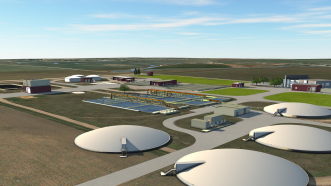
Rapid City received a $35 million CWSRF loan to expand its Water Reclamation Facility South Plant and decommission its North Plant. The existing facility is outdated and requires an overhaul to increase reliability and produce better effluent. The city will expand the South Plant’s treatment capacity, build an aeration basin, two secondary clarifiers, a dewatering building, a pumping building, install backup generators and replace old equipment. Construction on the $147 million project will begin in May 2024.
Sioux Falls will use a $23.1 million CWSRF loan to extend the Basin 15 sanitary sewer. Plans include connecting the stopping points of Phase 1 and extending the infrastructure by approximately 1 mile. The project includes building a sanitary lift station, a 1.9-mile-long force main, gravity flow lines to the lift station and a 5-million-gallon equalization basin and lift station.
Kingbrook Rural Water System received $14.5 million from the DWSRF to build 15.5 miles of transmission main and associated facilities. The project will improve the existing water system’s reliability and add additional capacity to the De Smet Water Treatment Facility.
Sioux Rural Water System will use an $11.3 million loan from the DWSRF to build a ground storage reservoir. In addition, the organization will build parallel pipelines, replace pumps, install a well and provide additional service to an existing mobile home park.
(Photo: Rendering of completed Water Reclamation Facility South Plant Improvements. Courtesy of Rapid City.)
| |
|
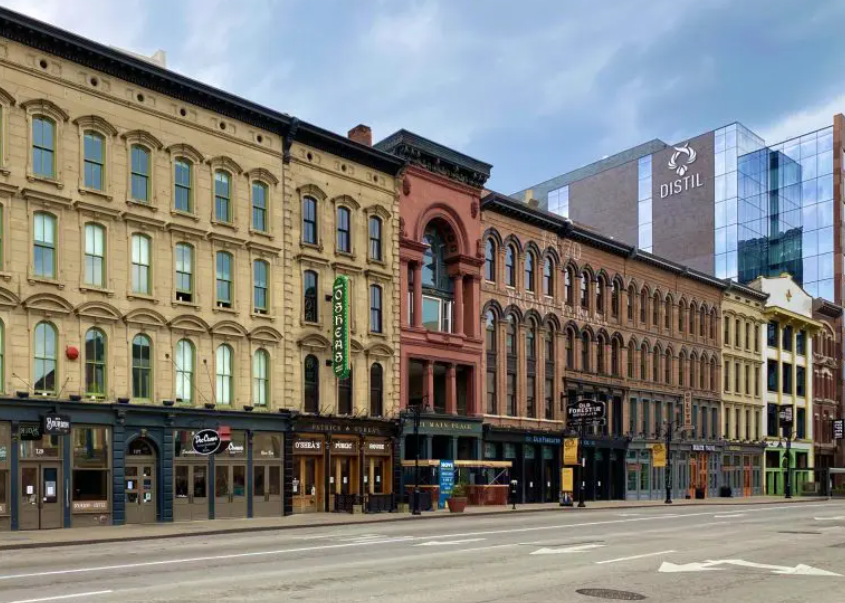
In a post-pandemic world, cities are coming up with different ways to bring life back to their downtowns. Almost 20% of U.S. office space is sitting vacant, according to Moody’s, meaning it will take more than new businesses to attract people to city centers.
One strategy comes from Louisville, Kentucky, where Louisville Metro Government (LMG) and the Louisville Downtown Partnership have just released a blueprint for how to reimagine downtown over the next decade. The Louisville Downtown Development Strategy, headed by Mayor Craig Greenberg and Downtown Development Corporation chairman Ja Hillebrand, prioritizes converting vacant office space for residential and entertainment use.
Click here to learn more Louisville's development strategy
(Photo courtesy of the U.S. Forest Service.)
| |
Chicago to rebuild section of Blue Line to reconnect underserved communities with city amenities | |
|
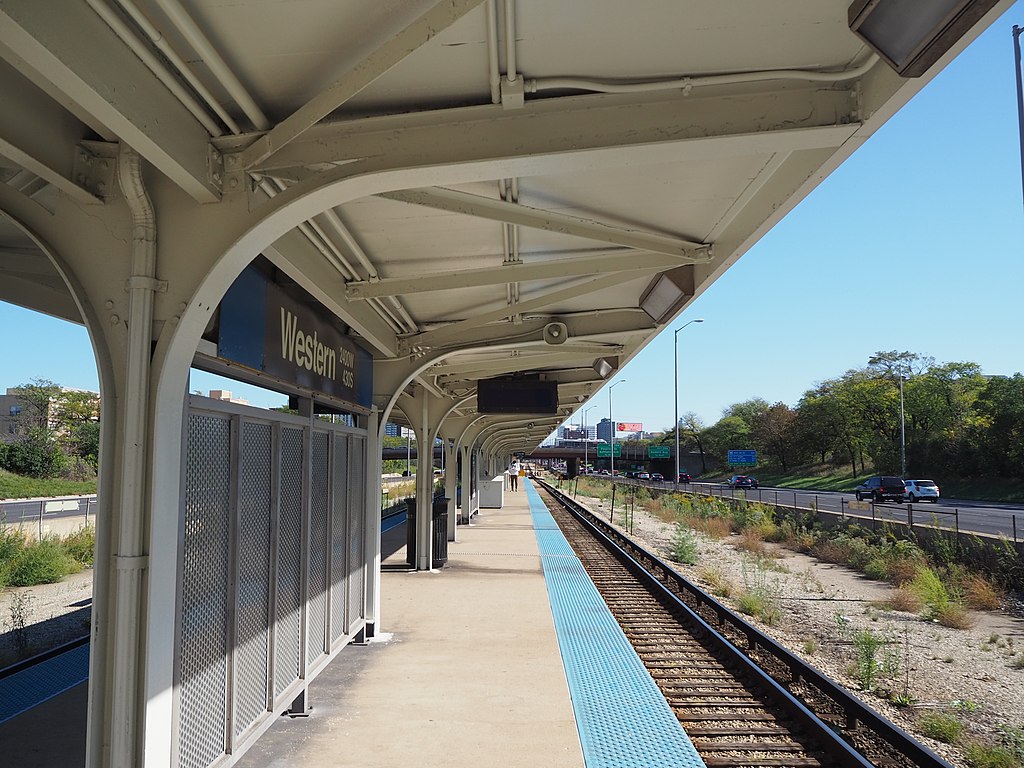
The Chicago Transit Authority (CTA) will use $111 million to reconstruct 10,000 feet of rapid transit system track between Kedzie Avenue and Pulaski Road. The project will provide historically disadvantaged communities on the west side of Chicago with better transit and connectivity to critical city areas for work, education, healthcare, food, nature and recreation.
The U.S. Department of Transportation (USDOT) recently provided the funds through the Neighborhood Access and Equity (NAE) grant program to the Forest Park Branch Rebuild project. Construction is expected to begin in summer 2027.
The NAE program is designed to improve walkability, safety and affordable transportation access in disenfranchised communities. The Forest Park Branch Rebuild project is one of 132 projects that will receive a portion of the $3.3 billion USDOT awarded for Fiscal Year 2023.
The funds will help rebuild seven rail stations along the city’s Blue Line, replace the trackbed and drainage system and upgrade the traction power system to support modern railcars. For the section between Kedzie Avenue and Pulaski Road, the city will remove the existing, outdated track structure and install a replacement track and signaling.
As part of the holistic Forest Park Branch Rebuild project, the city will make rail stations ADA-compliant and improve the speed and reliability of rail services. Plans also include improving the rail network’s environmental resilience and fully modernizing the track system.
(Photo courtesy of Jacob G.)
| |
Massachusetts program to help smaller towns convert commercial buildings into affordable housing | |
|
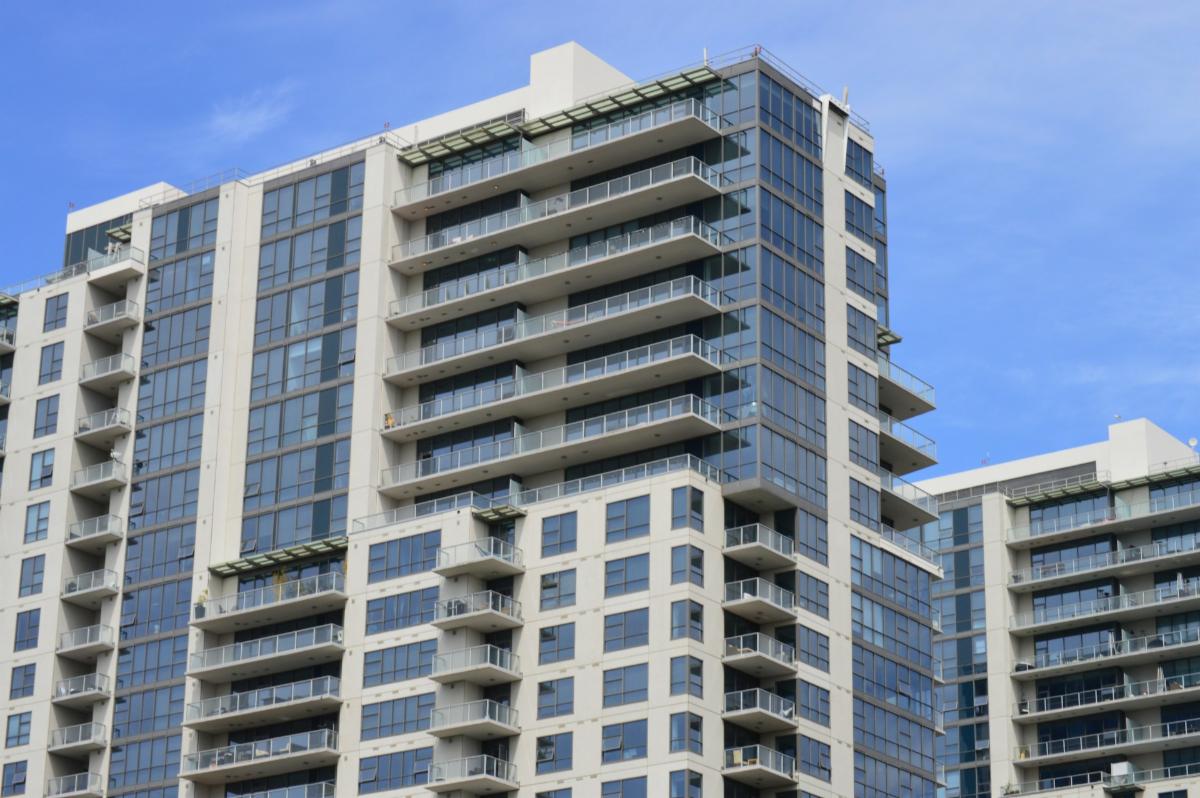
More and more cities are using commercial-to-residential conversion to spur activity and economic growth in downtown areas facing a decrease in 9 to 5 commuters. However, smaller and mid-size cities face unique challenges in capacity, opportunity and funding.
That’s why Massachusetts launched a Commercial Conversion Initiative as a planning program to help mitigate these barriers in turning vacant and underutilized commercial buildings into affordable housing. The program will help municipalities identify suitable buildings for conversion, conducting feasibility analyses and navigating regulatory hurdles.
By creating development-ready sites, the program seeks to attract implementation financing and leverage state resources, such as the Housing Development Incentive Program (HDIP) and the Affordable Homes Act. The Affordable Homes Act includes a $275 million fund for innovative housing strategies, such as repurposing commercial space.
State officials partnered with MassHousing, a financing firm for homeownership and rental opportunities, to host the program. MassHousing has allocated up to $1 million in planning funds to support this initiative, which will provide technical assistance to municipalities for redevelopment projects.
Chestnut Place in Worcester, an office building that has plans to be redeveloped residential housing, is an example of the kinds of projects the new initiative will help create. The building will be able to support 198 market-rate apartments.
(Photo courtesy of Larkin Hammond on Unsplash.)
| |
Christopher Miller joins SPI team | |
|
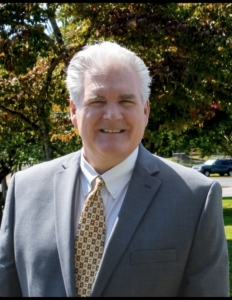
SPI welcomes Christopher Miller as a consultant. Miller is a dedicated public servant leader with extensive executive leadership experience in municipal, county, and regional governments across the country. With a Master’s degree in Public Administration from the University of Colorado Graduate School of Public Affairs and a Bachelor’s degree in History/Political Science from the University of Northern Colorado, Miller brings a wealth of knowledge and expertise to his roles.
As an ICMA Credentialed Manager from 2003 to 2007, Miller has consistently demonstrated his commitment to excellence and innovation in public service. From serving as County Administrator for King George County, Virginia from 2021 to 2024 to holding positions such as Executive Director for the Northeast Texas Regional Mobility Authority and the South Alabama Regional Planning Commission, Miller’s career spans diverse leadership roles.
Throughout his career, Miller has been highly facilitative, focusing on collaborative problem-solving and supporting elected and appointed officials, management professionals, employees, community stakeholders, and citizens through empowerment, trust-based service, accountability, and transparency. His approach is characterized by a commitment to high performance, innovation, and strategic leadership.
Miller is known for being engaging yet self-deprecating, adaptive, and perceptive, with a strong emphasis on teamwork, respect for diversity, and continuous learning. He is passionate about understanding the needs of his communities and driving positive change through effective leadership and collaboration.
| |
California gets $60.6 million to prepare for extreme weather events | |
|
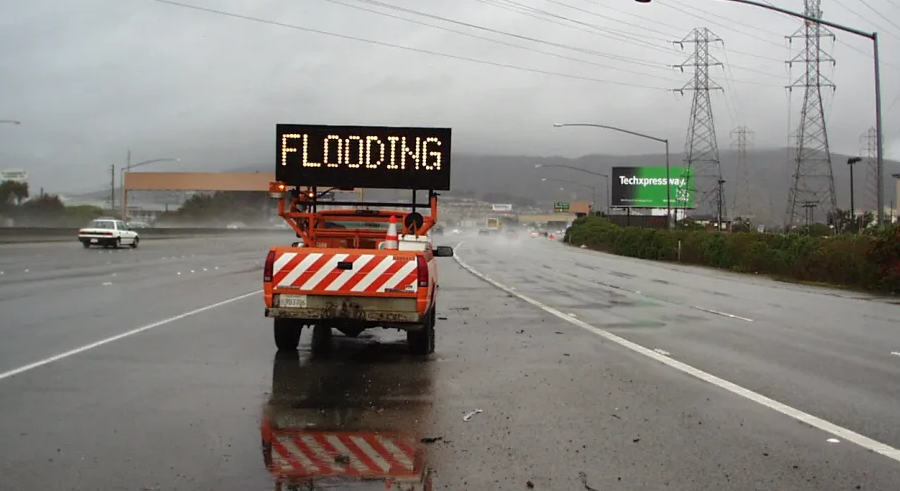
California will receive $60.6 million in federal funding to help communities prepare for and respond to extreme weather events, such as wildfires, flooding and extreme heat.
Annual statewide losses related to wildfires average an estimated $117.4 billion. More than $900 billion in homes and other buildings are at risk of flooding, and extreme heat events have become notably hotter in the past decade, especially at night, and are occurring more often across the state.
The funding was made available through grants administered by the U.S Department of Transportation’s Promoting Resilient Operations for Transformative, Efficient and Cost-Saving Transportation (PROTECT) program.
The PROTECT Grant Program funds projects to make transportation infrastructure more resilient to future weather events and other natural disasters by focusing on resilience planning, making resilience improvements to existing transportation assets and evacuation routes, and addressing at-risk highway infrastructure.
Eligible projects include highway and transit projects, bicycle and pedestrian facilities, and port facilities, including those that help improve evacuations or disaster relief.
Awards include:
- $23.9 million to the city of Davis, which will install cool pavement technologies and replace roadway underlayment to rehabilitate several portions of roadways across 15 locations. The project will help guard against extreme heat conditions and combat heat island effects, enhance roadways and make other safety improvements.
- $20 million to the Metropolitan Transportation Commission to improve corridor resilience and prevent flooding impacts on a 10.4-mile section of State Route 37 by installing sheet pile walls, nature-based and engineered side slope reinforcement, and raising the profile grade at two segments. The project is part of a larger corridor plan that will improve mobility, reduce emissions, and improve safety and public access, serving disadvantaged communities in Sonoma, Napa and Solano counties.
- $5.3 million to Tulare County to improve an approximately 2-mile segment of Avenue 56 to protect a critical evacuation route for the community. Recent historic rainfall caused significant flooding that prompted the evacuation of the rural Alpaugh community and the construction of a temporary elevated roadway. This project will construct a permanent elevated roadway and widen the roadway to ensure it will be operational during future flooding events.
(Photo courtesy of the Metropolitan Transportation Commission.)
| |
Minnesota college moves forward with $30.4 million renovation project | |
|
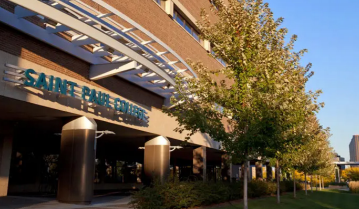
St. Paul College in Minnesota is accepting design proposals for a $30.4 million campus renovation project to repurpose a theater, demolish a building and reconfigure student learning spaces.
The Academic Excellence Renovation project was among Gov. Tim Walz’s 2024 capital budget recommendations. Once complete, it will make student services more accessible, provide flexible classroom and office space, improve learning environments and relocate non-student facing services. The college will begin accepting applications for a construction manager-at-risk in August 2024. Construction is expected to begin summer 2026.
The college will renovate 116,500 square feet of existing classroom and laboratory spaces in the campus’ East Tower, West Tower and first floor. Plans include developing additional learning spaces for study, peer-to-peer tutoring and a community room. The college will displace outdated computer labs on levels two, three and four of the campus to make room for learning community and collaboration spaces.
The project’s scope includes demolishing the 13,000-square-foot College Learning Center (CLC). The college will convert the area into greenspace. In addition, the college will repurpose the existing unused theater into a two-story natural light infused court.
The repurposed theater will consolidate student support services on the campus’ first floor and provide additional instructional space. Students will be able to easily access tutoring, mental health, counseling, financial aid and disability services through the hub. The college will relocate non-student facing services to other locations.
The college will renovate the campus' hallways, restrooms, stairs and food service kitchen. Plans include replacing ceilings, lighting and flooring. The college will also address outstanding fire code issues and integrate other finish and technology enhancements campuswide. The project is expected to eliminate $7.2 million in deferred maintenance costs.
(Photo courtesy of St. Paul College.)
|  | |
Interior Department sends $25 million to Arizona to protect region’s scarce wetlands | |
|
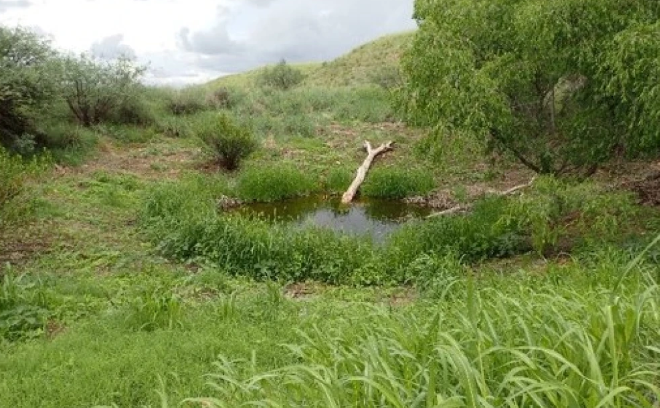
Conservation efforts to protect two of Arizona’s wetlands will receive $25 million from the federal government.
The Copper State’s Yuma East Wetlands and Topock Marsh were targeted for funding by the U.S. Department of Interior because of their importance for resilience and drought mitigation in the American Southwest.
Topock Marsh, a 4,000-acre refuge in Havasu National Wildlife Refuge, will receive $20 million for two new screw pumps, replacing a failing concrete canal with 3 miles of pipeline, designing and building a water control structure, and supplying electricity to the pumps so the marsh's water delivery system is more efficient.
Yuma East Wetlands will receive $5 million to upgrade infrastructure to ensure the marshes' survival for future generations. Improvements include replacing diesel-fueled pumps with electrical pumps, extending concrete canals and bringing electrical power to the conservation area. The wetlands are widely used by Arizonans for public recreation and provide a habitat for wildlife including endangered species.
The Colorado River Basin supplies water for over 40 million people and supports hydropower in seven U.S. states, sustains 5.5 million acres of farming and agricultural communities throughout the Western region and is a vital resource for 30 Tribal Nations as well as two Mexican states, according to an Interior Department press release.
Despite recent improvements in hydrology in the region, an unprecedented 23-year drought has caused historically low water levels at Lake Powell and Lake Mead.
(Photo courtesy of George Andrejko and the Arizona Game & Fish Department.)
| |
Las Vegas-area residents approve $18 million bond for school district renovations | |
|
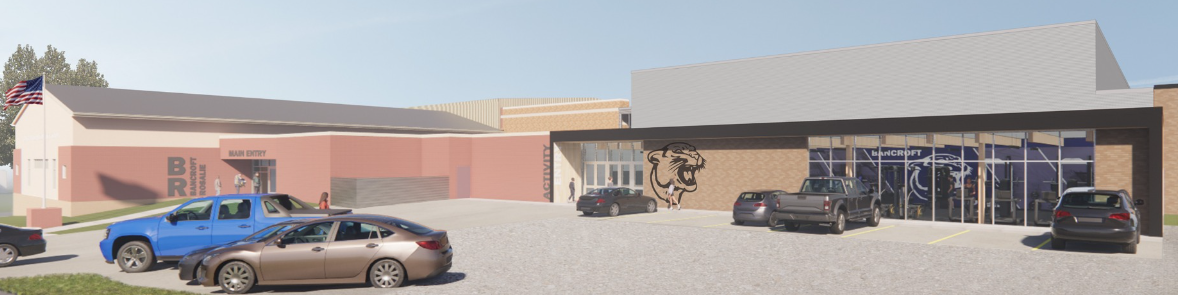
Voters in the Bancroft-Rosalie public school district have approved an $18 million bond to build classrooms and a gym, improve school safety, enhance security and modernize facilities. School officials expect construction to begin either late summer or early fall 2024.
The district will build a 12,000-square-foot gym with enough bleacher capacity for 1,222 spectators. The gym will include an adjoining stage and locker rooms. In addition, the school will update the existing Rosalie gymnasium’s locker rooms and restrooms with improved interior finishes. Plans include building an enclosed bus stop for enhanced safety.
The school will build five additional classrooms and a community fitness center. The district will renovate the 1939 gym, concessions space and a life skills room. The school will also renovate the 1968 elementary classroom, existing wrestling weight room and conference room.
Plans also include upgrading the Agriculture Education classroom with water access, lab furniture, improved ventilation and additional storage. The school will also renovate the band room to provide a secondary resource area and expand the skills and trades area by an extra 1,000 square feet. This will ensure classes will have ample space and will not need to hold lessons in the school’s northern storage garage.
The school will build a secure entry point to enhance student safety. The entrance will be clearly visible, ensuring the school can discourage unauthorized access. In addition, the district will relocate the office of the administrative assistant to the main entry doors. The close administration proximity will allow school officials to improve response times during emergencies.
(Photo courtesy of Bancroft-Rosalie Public School.)
| |
Maine to provide infrastructure support to working waterfronts, coastal communities | |
|
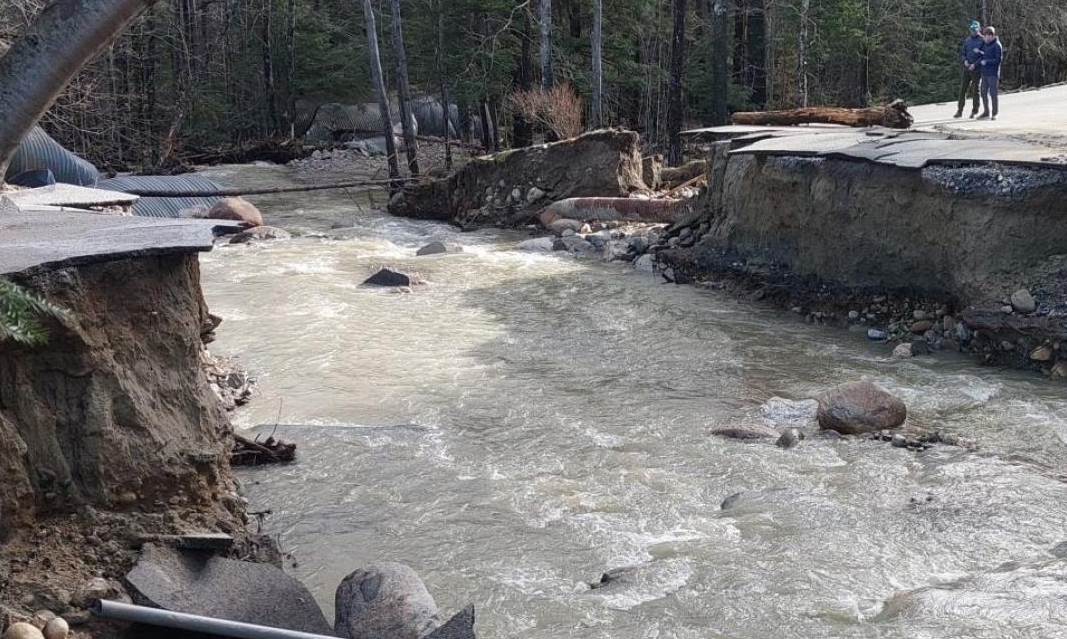
The state of Maine received $15 million to recover from coastal infrastructure damage and support working waterfronts. The money came from the $66.5 billion Commerce, Justice, Science and Related Agencies appropriations bill for Fiscal Year 2024. Congress passed the bill as part of the March 8 funding package.
Maine will use $10 million of the appropriated funds to repair and renovate infrastructure damaged by recent storms, allowing the state to effectively support impacted communities. The remaining $5 million will help establish the Working Waterfront Preservation Act, a $20 million program to support working waterfronts. If passed, the Economic Development Administration (EDA) would administer the program to support municipal and state governments, nonprofit organizations and maritime industries in buying or improving working waterfront properties.
A series of storms in December 2022 and January 2024 caused widespread damage to coastal communities across Maine. The weather devastated working waterfronts, private property and critical public infrastructure. Ongoing hazardous conditions such as erosion, standing water, flooding, downed trees and power lines, gas leaks and contaminated water made it difficult to assess the damages and provide immediate remediation.
This is the latest effort to support Maine’s coastal population following these catastrophic storms. The state made a Major Disaster Declaration on March 20, 2024, unlocking federal assistance to help cover more than $70 million in public infrastructure damage from the storm. The state is also working to allocate $50 million to rebuild and enhance infrastructure resiliency for local communities.
(Photo courtesy of the state of Maine.)
| |
|
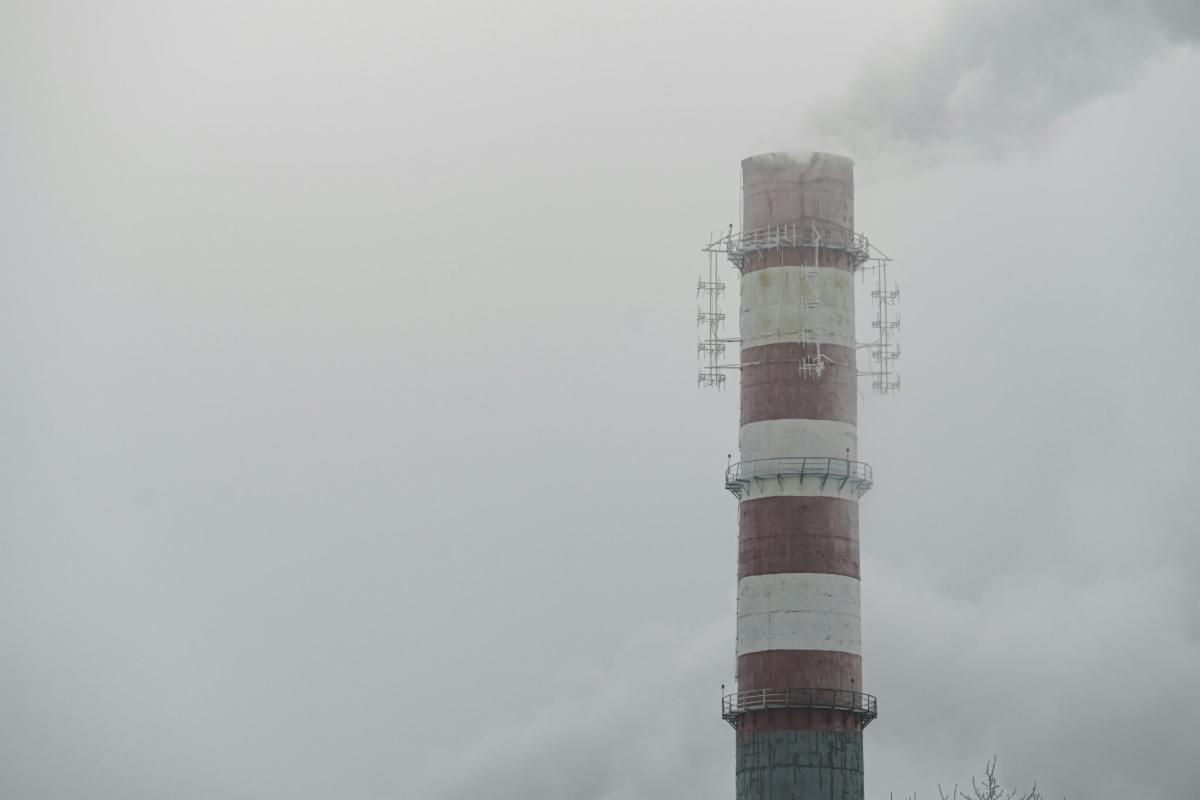
The Environmental Protection Agency (EPA) has released new clean air standards for chemical plants that could cut down elevated cancer risk by 96%. The rule targets about 200 plants that produce synthetic chemicals, polymers and resins, with an estimated 80% reduction in ethylene oxide (EtO) and chloroprene emissions.
Long-term exposure to these pollutants can increase the risk for certain cancers, including lymphoma, leukemia, breast and liver cancers.
Click here for more information about the EPA’s new clean air standards
(Photo courtesy of Pavel Neznanov on Unsplash.)
| |
|
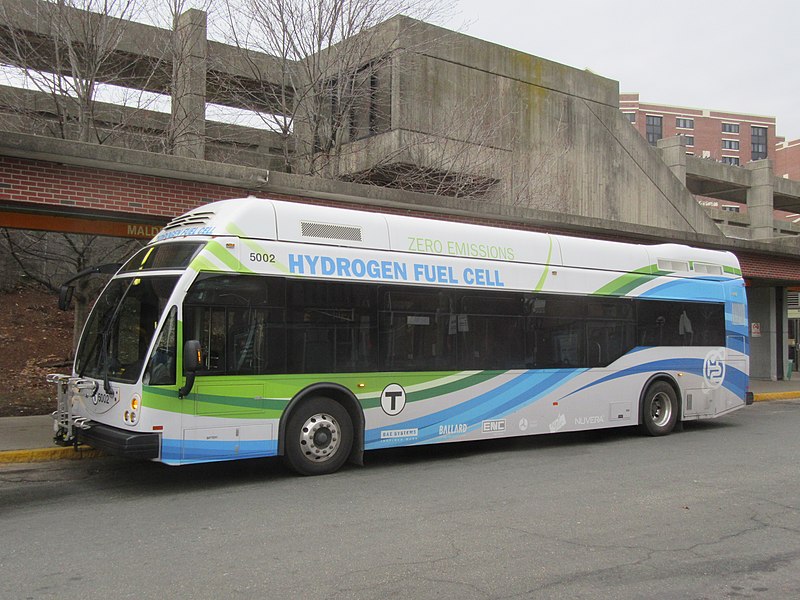
Five national laboratories have been tasked with bringing zero emissions power generation to viability through a U.S. Department of Energy effort to accelerate production of clean hydrogen fuel cells.
Hydrogen is a clean fuel that, when consumed in a fuel cell, produces only water. The U.S. has fallen behind other countries in hydrogen research, according to a 2022 report published by a marketing research company.
Click here to learn more about how hydrogen energy
(Photo courtesy of Jason Lawrence.)
| |
|
The Clean Water State Revolving Fund-Emerging Contaminants program is part of the national effort to ensure safe and clean water for all communities. Specifically, the program offers grants and vouchers for projects that address contaminants such as per-and polyfluoroalkyl substances (PFAS) in water systems.
The program has issued a Notice of Funding Opportunity (NOFO) amounting to $430 million. The program is poised to award an unlimited number of projects that meet specific criteria.
Click here for more information on how to apply for a share of the funds
(Photo courtesy of Ivan Bandura on Unsplash.)
| |
|
Pennsylvania – Melissa Scott has been appointed chief information officer for the city of Philadelphia. Scott brings nearly a decade of experience working with Philadelphia IT to the role, previously serving as the city’s IT director, IT program manager and senior IT project manager.
California – Sen. Lola Smallwood-Cuevas has been appointed to the California Workforce Development Board. She currently represents the 28th Senate District, which includes Downtown, South and West Los Angeles among other communities.
Colorado – Grand Junction’s City Council unanimously selected Andrea Phillips as interim city manager. Phillips is the former town manager for Pagosa Springs. She began her tenure April 6.
South Carolina – Justin Powell was sworn in April 9 as secretary of transportation for the South Carolina Department of Transportation (SCDOT). Powell will manage SCDOT’s daily operations and lead strategic initiatives. He most recently served as chief operation officer at SCDOT. He replaced Christy Hall in the role.
Louisiana - The port of South Louisiana has promoted Tamara Kennedy and Micah Cormier to new roles.
Kennedy has taken over the chief of staff position. She has served for the past decade as the port’s director of human resources. Kennedy will oversee human resources, executive team efficiency and performance and will be a staff liaison and adviser to the chief executive officer.
Cormier, the former director of communications, has been appointed director of business development and external affairs.
Maryland - The Calvert County Board of County Commissioners (BOCC) has appointed Bob Branham director of the Department of Parks & Recreation. He officially assumed office March 25, 2024. Branham has 30 years of overall experience in the field of parks and recreation at the federal, state and local levels, including more than 20 years working for county government.
Arizona – The Maricopa County Board of Supervisors appointed Rep. Deborah Nardozzi to serve Arizona’s 8th Legislative District in the State House of Representatives. Nardozzi will replace Rep. Jevin Hodge in the role.
Missouri – The Maryville City Council swore in Dannen Merrill as mayor pro tem after his re-election victory. Merril has been serving as the city’s mayor pro tem for the past two years.
District of Columbia – Dave Luber officially assumed his duties as the National Security Agency’s (NSA) director of cybersecurity April 1. He oversees the NSA’s Cybersecurity Directorate (CSD) to prevent and eradicate cyberthreats to the nation’s critical defense agencies and systems.
Delaware - Rehoboth City Commissioners unanimously elected Taylor Tedder city manager. Tedder currently serves as city manager for Boulder City, Nevada. He will take over the role May 15.
Colorado – The United States Secret Service – National Threat Assessment Center has hired Courtney Tassin as domestic security strategist. She most recently served as crisis intervention program manager at the city of Aurora.
| | |
|
Connect with SPI
Check out our social media links!
| |
About Government Contracting Pipeline | |
|
Strategic Partnerships, Inc.
Publisher: Mary Scott Nabers
Editors: Adam Rollins
Dave Doolittle
www.spartnerships.com
| |
Government Contracting Pipeline, a publication of Strategic Partnerships, Inc., is a free, weekly newsletter detailing important happenings nationwide and the premier source for federal, state, and local government news and contracting opportunities. | |
Help us share this message.
To ensure delivery and proper formatting of the newsletter, be sure to add editor@spartnerships.com to your safe senders list.
Otherwise, the newsletter may be flagged as spam and automatically routed to your junk e-mail folder.
| | | | |