Volume 16, Issue 11 - Wednesday, March 13, 2024 | |
By Mary Scott Nabers, CEO of Strategic Partnerships, Inc. | |
|
In February of 2024, additional federal funding was announced for water and wastewater infrastructure projects. The funding is part of the government’s effort to ensure reliable water resources and safe drinking water throughout America. Almost $6 billion is now available for every state and territory for water projects. As a result, contracting opportunities for private sector collaborations are being announced weekly.
The Regional Wastewater Treatment Plant in Sioux City, Iowa, is operating at capacity, but its aging infrastructure cannot accommodate any growth and certainly not the region’s anticipated growth. Approximately $465 million is needed to provide upgrades, officials say. City leaders will oversee a project to rebuild the plant on the current site. The work will be done in phases. The first phase, with a cost estimate of $270 million, is currently being designed, and that effort will consume the rest of 2024. The city will use a Construction-Manager-at-Risk (CMAR) delivery model, and construction is slated for 2025. Phase 1 upgrades will include rebuilding the existing aeration basins, a primary pump station and new primary clarifiers.
The second phase, with an estimated $170 million cost projection, will include new additional aeration basins and a new administration and lab building. A third phase could be added, depending on growth, to expand capacity even more. If that happens, the expansion would carry a $125 million cost estimate.
The Cape Fear Public Utility Authority has received $35 million to replace and expand the region’s aging Southside Wastewater Treatment Plant in Wilmington, North Carolina. A project cost projection has been tagged at $239 million. The project will include a new activated sludge treatment process to treat municipal and industrial wastewater. The plant will be designed to distribute 16 million gallons of water per day, which is 30% more than the 51-year-old existing treatment plant’s current capacity. It will also incorporate more modern treatment technology. Engineering and design for Wilmington’s new wastewater treatment plant is underway, and construction expected to begin either in late 2024 or early 2025.
After receiving a $2 million federal grant, city officials in Bartlesville, Oklahoma, have launched the engineering phase of a Chickasaw Wastewater Treatment Plant replacement and expansion project. Estimated to cost $65 million, this effort has been required by the Oklahoma Department of Environmental Quality because of the need to increase the plant’s capacity and implement new technology. The remainder of the project’s total cost will be funded by the city. When completed, the new facility will increase daily water distribution capacity from 7 million to 8.2 million gallons. The project will also include upgraded equipment, new technology and other water treatment upgrades. Construction will begin after the engineering phase is completed.
Click here for more.
| |
Kansas’ IKE program awards $932 million to expand, modernize highways | |
|
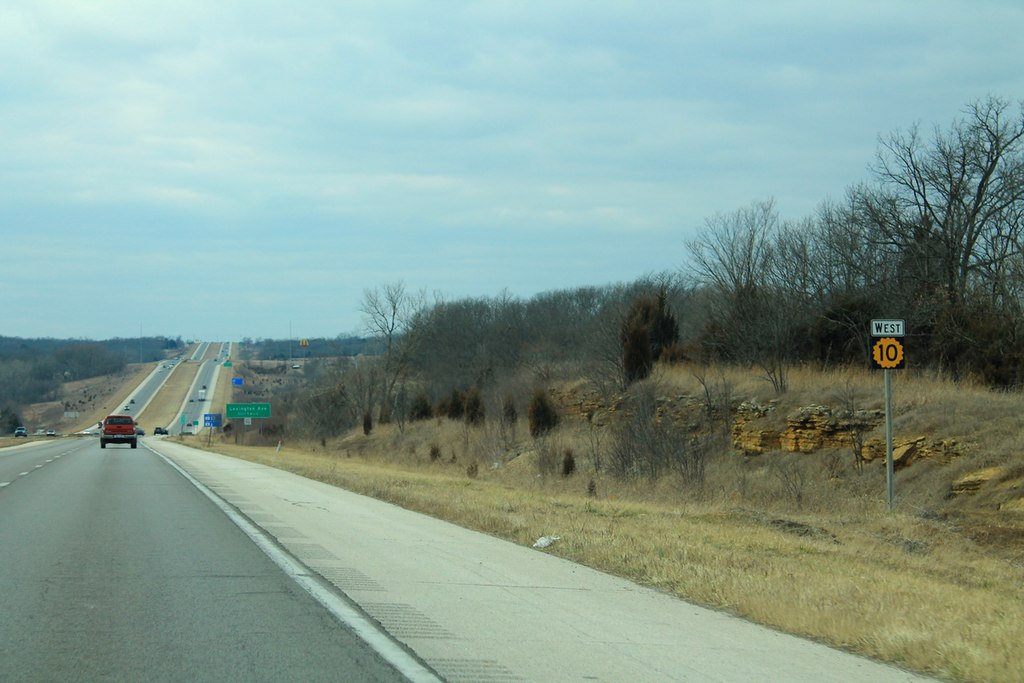
The Kansas Department of Transportation (KDOT) will use $932 million to support 17 highway modernization and expansion projects. The funds allow the state to begin engineering work on the projects.
KDOT added the selected projects to the Eisenhower Legacy Transportation Program’s (IKE) Development Pipeline. The IKE program is a 10-year, $10 billion state initiative that addresses highways, bridges, public transit, aviation, short-line rail, bike and pedestrian needs.
Kansans' input helped determine which investments were most important to rural and urban communities, according to Kansas Transportation Secretary Calvin Reed. The selection process was flexible to meet economic needs and is based on engineering data, local consultation and geographic distribution.
KDOT will use $200 million to expand U.S. Route 54/Kellogg Avenue in south central Kansas to a six-lane freeway. The freeway is located east of 159th Street and Prairie Creek Road in Butler County.
The state will expand U.S. 54 using $173 million to include four lanes. The project includes portions of U.S. 54 one mile west of State Highway 11 (K-11) and east of Kingman in Kingman County.
KDOT will use $126 million to expand US 75 from Holton north to K-20 in Jackson County to a four-lane expressway.
(Photo courtesy of formulanone.)
| |
San Francisco to vote on $300 million affordable housing bond | |
|
San Francisco voters approved a $300 million bond package that will help the city meet state requirements to build more than 46,000 affordable homes in the next eight years.
Proposition A, which needed a two-thirds majority to pass, will provide $240 million for new projects. Another $30 million will help preserve and rehabilitate existing affordable housing, while another $30 million will help house victims and survivors of trafficking and domestic abuse. The measure passed with 70% of the vote.
“San Francisco has a state mandate to build over 46,000 new affordable housing units in the next eight years, but lacks a state or federal funding source for development and construction,” Board of Supervisors President Aaron Peskin said in a statement.
Proposition A will also support San Francisco’s Housing Element program, which has a goal of building 82,000 homes in eight years.
Adopted in 2023, the program is San Francisco's first housing plan centered on racial and social equity, according to the planning department.
“Local affordable housing funding is critical and one solution to addressing our broader housing needs in San Francisco,” said San Francisco Mayor, London Breed in a news release.
In 2019, San Francisco voters approved a $600 million housing bond, the largest in the city’s history. The bond supported 1,610 new affordable homes and the rehabilitation of around 1,000 public housing units, according to the city.
(Photo courtesy of Cmichel67.)
| |
DOI invests $195 million for climate restoration and resilience in nation’s parks | |
|
The Department of the Interior (DOI) will use $195 million over the next decade for climate restoration and resilience projects. Funded by the Inflation Reduction Act, the investment will support more than 40 projects across hundreds of national parks, helping them prepare for climate change, protect species, restore ecosystems and invest in conservation.
The funding was originally announced November 2023 as part of the Fifth National Climate Assessment (NCA5). The NCA5 assesses climate change, its national and regional impacts and potential solutions to reduce current and future risk. An additional $44 million was allocated earlier in Fiscal Year 2023 to restore and strengthen climate resilience and advance the America the Beautiful initiative, which seeks to restore and conserve 30% of lands and waters by 2030.
The DOI will support initiatives that promote climate resilience in forests across the nation. Similar initiatives will focus on restoring sagebrush ecosystems and increasing ecosystem health by managing invasive plants. The funds will also help Southeastern states improve coral health and resilience to climate change.
Other initiatives include preventing the extinction of Hawaiian forest birds by deploying innovative technology to suppress non-native mosquito populations in key habitats. The DOI will fund strategic plans to manage abandoned mine lands and improve visitor and wildlife safety.
Projects also include partnering with Tribal Nations to mitigate climate change impacts and improve food security for subsistence users. The funds will help expand the Community Volunteer Ambassador youth program, dedicated to promoting volunteerism and community engagement.
The $195 million investment is a part of DOI’s $2 billion investment plan to restore the nation’s lands and waters, leveraging a restoration and resilience framework to coordinate agency restoration and resilience programs.
(Photo courtesy of IIP Photo Archive.)
| |
Philadelphia highway project to stitch Chinatown community back together | |
|
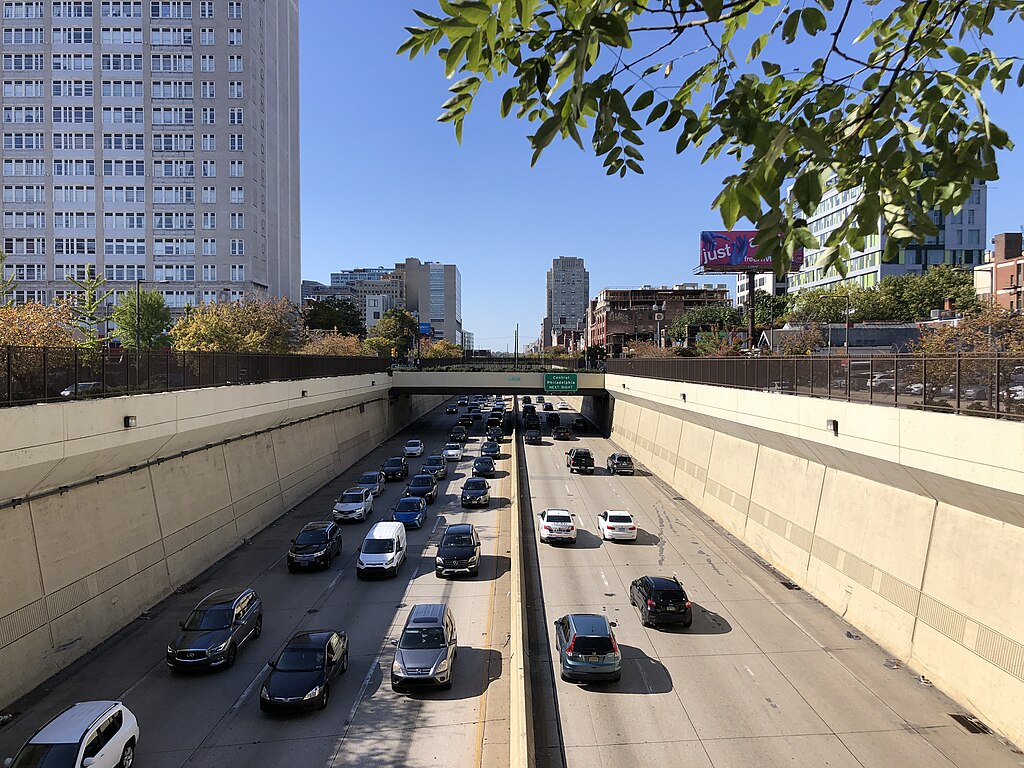
The city of Philadelphia will build a $160 million cap over the Vine Street Expressway that will reconnect the city’s Chinatown neighborhoods, create a public park and protect pedestrians. Caps are structures built over a highway that can be used for parks, open space or buildings.
The U.S. Department of Transportation (USDOT) recently provided $159 million through the Reconnecting Communities Pilot (RCP) grant program to get the Chinatown Stich project under way. The funds will enable construction to begin in 2027.
The RCP program is a first-of-its-kind federal program designed to reconnect communities like Philadelphia’s Chinatown that are cut off from economic opportunities due to past transportation infrastructure decisions.
The Chinatown Stitch will use a two-block design outlined in the 2023 Vision Report. The design includes building two separate caps to cover approximately 2.5 blocks of the Vine Street Expressway. The caps will provide additional green space and safe streets.
The city would provide an opening in the cap for ventilation. Plans include flanking the north and south streets with public parks and buildings. The city will also connect the nearby Rail Park to the east cap. In addition, the city would widen the sidewalk by removing the sound barrier wall, improve key intersections and build a pedestrian bridge.
(Photo courtesy of Famartin.)
| |
Massachusetts to provide $175 million for critical projects statewide | |
|
The commonwealth of Massachusetts will distribute $175 million in Congressionally Directed Spending (CDS) for critical transportation, water, infrastructure and development projects statewide. The funds will support 159 projects across Massachusetts.
Massachusetts will direct $106.1 million toward transportation, infrastructure, community development and affordable housing projects. In addition, the commonwealth will allocate $47.6 million for clean drinking water and wastewater projects, $11 million for rural development and the remaining $9.8 million for justice and science projects.
The largest amount, $5 million, will go to the MetroWest YMCA in Ashland to build a regional Early Learning Center. The center will provide year-round license and accredited care and education, providing families with a safe space for children during the day. It will serve the communities of Ashland, Hopkinton, Holliston, Sherborn and Framingham.
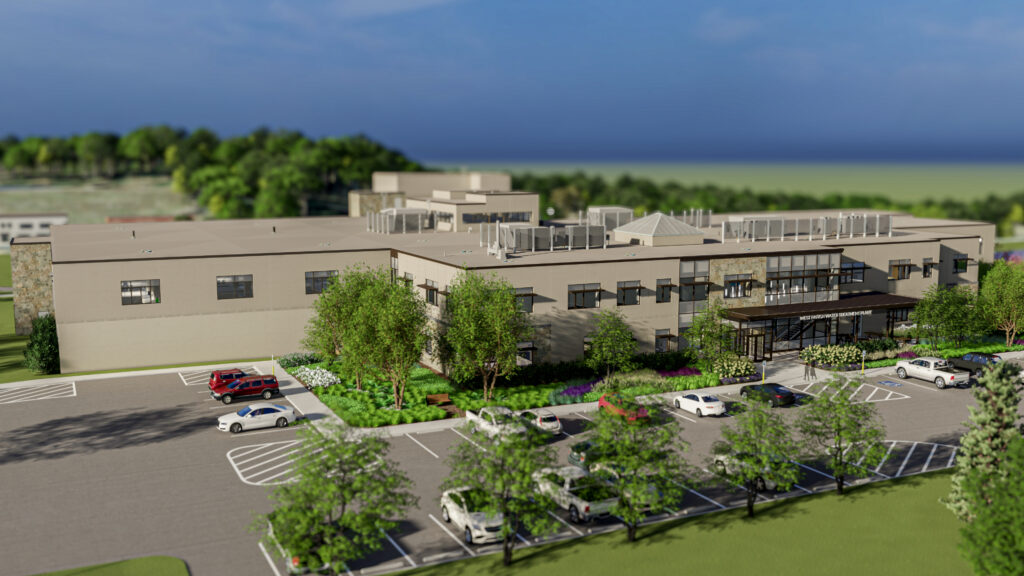
The city of Springfield will use $4.6 million to design and build a modern drinking water treatment plant. Plans include building a dissolved air flotation facility, an electrical system, upgrading and expanding rapid sand filters and eliminating slow sand filters.
The town of Bernardston will receive $4.6 million to replace a 50-year-old fire station. The current station has inadequate space, storage issues and no dedicated areas for meetings or training. The lack of exhaust removal systems also exposes firefighters to hazardous pollutants. The replacement facility will provide the garage space needed for non-specialized vehicles that meet department needs.
The commonwealth will provide $4 million for the 1888 Building Project in Deerfield. The town will rehabilitate the 135-year-old, three-story brick building into a town municipal office. The project is a cornerstone of the town’s plan to develop a net-zero municipal-residential campus in the downtown area. Plans include converting the existing one-story town hall into a permanent senior center.
Other notable large awards include $4.1 million to upgrade the Springfield Union Station streetscape, $4.1 million for a fire station in Quincy and $3.6 million to rehabilitate the commuter/ADA access way at the Gallagher Intermodal Transportation Center in Lowell.
The commonwealth will provide $3.5 million for the U.S. Army Corps of Engineers to repair and improve the hurricane barrier around New Bedford and Fairhaven. An additional $3 million will allow Gloucester to upgrade its primary treatment Water Pollution Control Facility.
(Photo: Rendering of the West Parish Filters Water Treatment Plant. Courtesy of the Springfield Water and Sewer Commission.)
| |
Indiana allocates $156 million for road, bridge improvement projects | |
|
The Indiana Department of Transportation (INDOT) awarded $155.6 million to improve bridges, roads and sidewalks across 51 counties and cities. The federal transportation funds will enable rural communities to design and develop local projects in addition to buying rights of way.
The latest round of awards emphasizes improving the condition of local bridges. INDOT awarded a majority of the funds, $90.3 million, to rehab or replace 32 local bridges in poor condition. While the awards are dedicated to construction, INDOT will contribute to design, engineering and right-of-way acquisition.
The remainder of the funds will help rural communities resurface and reconstruct pavement, improve sidewalks, build ADA ramps, install trails and enhance traffic safety.
Every year, INDOT allocates approximately 25% of its federal highway funds to local projects. To receive funding, communities must match 20% of the funds while meeting other federal requirements.
Aside from the funds allocated to local bridge projects, INDOT will split the money between project categories:
- Local road projects will receive $28.9 million.
- Intersection improvement projects will receive $18.6 million.
- Local transportation alternatives projects will receive $9.1 million.
- Local safety projects will receive $8.2 million.
- New and modernized signing projects will receive $506,250.
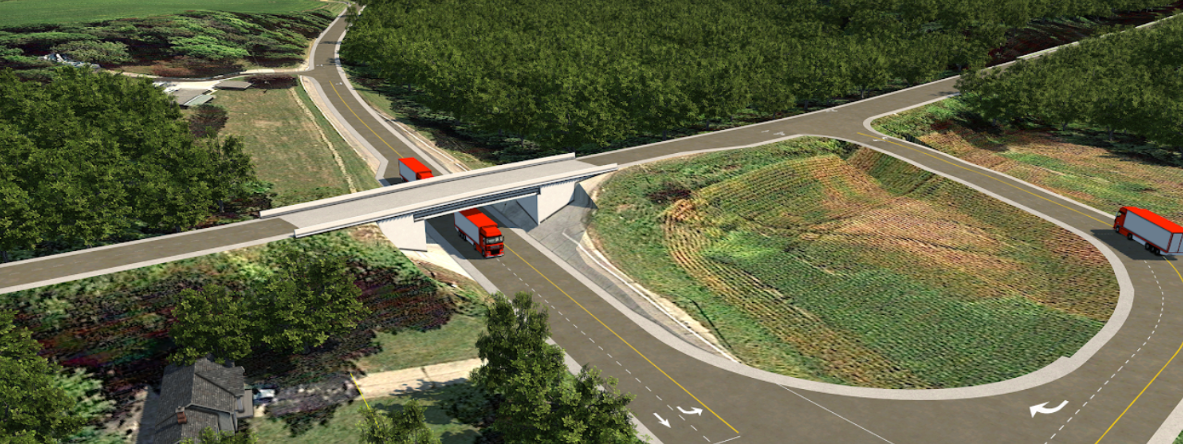
Montgomery County will receive the largest award, totaling $16 million to improve an intersection at Nucor Road, located near Crawfordsville. Crawfordsville is 51 miles northwest of Indianapolis. Other large projects receiving funding include $7.6 million for Lebanon to improve Noble Street, $7.3 million for Allen County to improve the Ferguson Road bridge and $7.2 million to Boone County for the County Road 300 South bridge project.
(Photo: Rendering of the proposed intersection improvement at Nucor Road. Courtesy of the Montgomery County Redevelopment Commission.)
| |
Idaho city to decide on $38 million transportation bond | |
|
Residents of Nampa, Idaho, will vote on a $38 million transportation bond to address traffic congestion and improve safety along roadways and pedestrian corridors. The city will hold the bond election May 21, 2024. Nampa is 20 miles west of Boise.
If approved, the bond would allocate $15 million to build a four-lane crossover between Twelfth and Eleventh avenues. Once built, the connection would provide a more direct route to and from Interstate 84, allowing drivers to smoothly transition between streets without requiring additional turns at intersections. When combined with other bond intersection improvements, the crossover would help reduce downtown congestion by 75%, redirect most heavy truck traffic out of the downtown area and improve safety for pedestrians, bicyclists and motorists. Construction would start between 2026 and 2027.
The city would use $9 million to design access roads between Nampa and the upcoming State Highway 16/I-84 Interchange. The Idaho Transportation Department (ITD) is currently building the SH-16 extension. The city would design the Nampa connection on the south side of the interstate, alongside a separate east-west connection extending additional nearby roads. The funds would allow the city to finish the design portion of the $80 million project. Once completed, the connection would reduce congestion by up to 10%. The city expects more than 20,000 vehicles would use the connection by 2050. Design would begin in 2027.
The bond would provide $5 million to improve Library Square, which would connect with the Twelfth and Eleventh avenues crossover project to reduce congestion. The project would increase Eleventh Avenue to six lanes, allow two-way traffic on Eleventh Avenue and determine if two-way traffic is needed on Twelfth Avenue. If completed, the project would reduce congestion by 20%, reduce motorist delays and improve safety. Construction would begin in 2025.
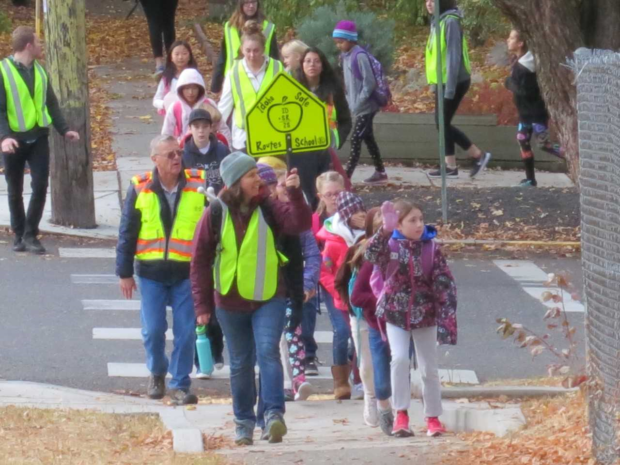
The city would spread an additional $5 million across six Safe Routes to School sidewalk improvement projects. Bond approval would allow the city to build and repair sidewalks near elementary, middle and high schools, increasing student safety and mobility. Construction for all six projects would begin between 2025 and 2026.
The bond's remaining $4 million would allow the city to reduce congestion at the Treasure Valley Marketplace and Midland intersection. If the funding is approved, the city would increase intersection capacity and eliminate conflict points. Construction would begin in 2026.
(Photo courtesy of the Idaho Walk Bike Alliance.)
|  | |
West Virginia city to upgrade wastewater treatment plant and pump station | |
|
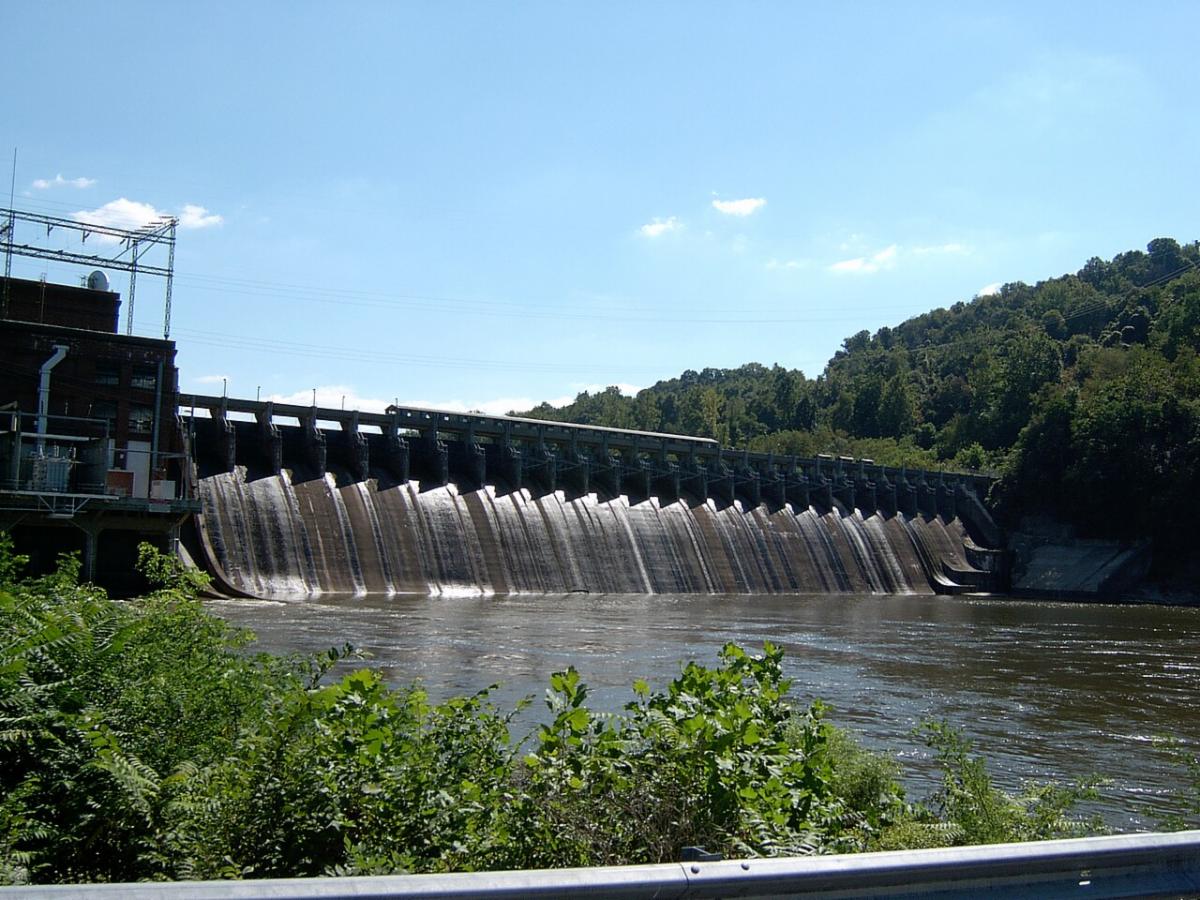
The Morgantown Utility Board (MUB) in West Virginia will use $30 million to expand and upgrade the Cheat Lake Wastewater Treatment Plant (WWTP) and Whites Run Lift Station. The current facility equipment is approaching the end of its service life, and the WWTP can’t consistently handle large rain events. The project is currently in the design phase. Construction will begin March 2025.
The West Virginia Water Development Authority (WDA) recently awarded MUB $6.8 million from the Economic Enhancement Grant Fund (EEGF) to move the project forward. The EEGF provides financial support for water, wastewater/sewer or stormwater system projects. Once completed, the WWTP and pump station will service customers for the next 20 years while complying with state and federal water quality regulations.
The project will expand the WWTP south onto land purchased by MUB in 2018. As part of the expansion, MUB will increase the plant’s capacity from 0.75 million gallons per day (mgd) to 1.75 mgd. The board will upgrade the pumping systems, preliminary treatment, biological activated sludge, UV disinfection, effluent outfall and biosolids management.
Other plans include improving odor control, stormwater collection and treatment, supervisory control and data acquisition (SCADA), electrical distribution systems, emergency standby power and security systems. MUB will also perform site utility work and upgrade the facility’s lighting, heating, ventilation and HVAC.
The MUB will replace the pumps at the Whites Run Station, increasing capacity from 1.98 mgd to 4.1 mgd. The board will upgrade the building, electrical systems and general site work, including replacing the odor control feed system serving the force main. Plans include installing a privacy fence around the station.
Morgantown is 75 miles south of Pittsburgh, near the West Virginia-Pennsylvania border.
(Photo courtesy of Brian M. Powell.)
| |
Rochester-area voters approve $21.9 million to improve school campuses | |
|
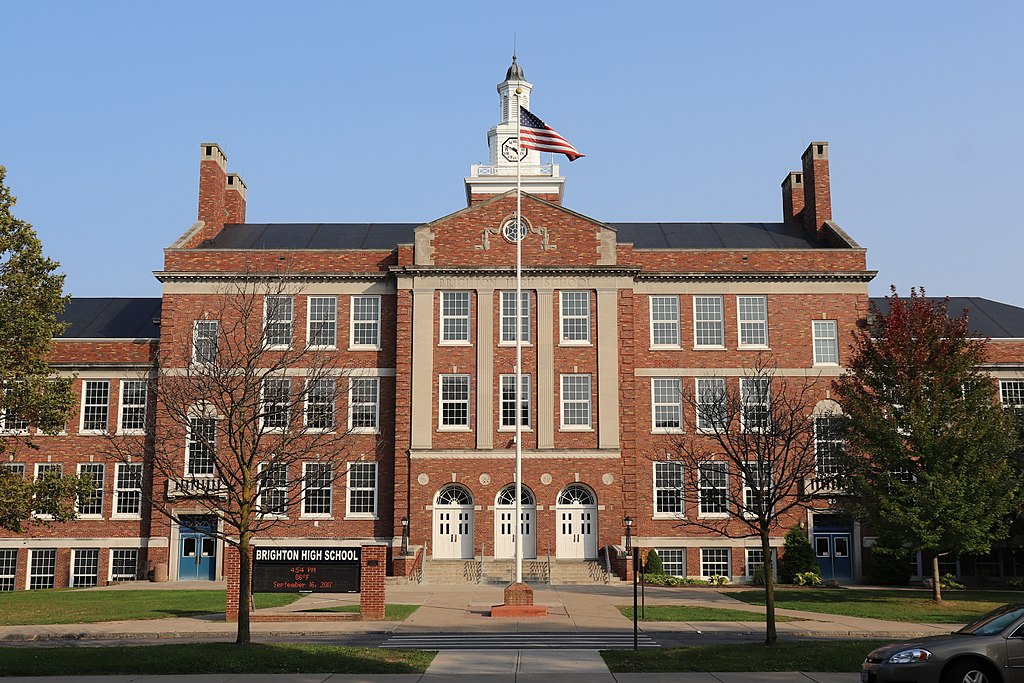
The Brighton Central School District (BCSD) in New York will use $21.9 million voters approved last month to build and improve facilities at three schools. The district will withdraw $4.9 million from its existing capital reserve and will leverage State Building Aid to offset the debt to be issued to complete the project.
Work at Brighton High School will cost approximately $12.9 million. The project will include installing synthetic turf on the multi-purpose athletic fields, reconstructing the parking lot and aligning the entrance and exit.
The district will install an elevator to increase accessibility at the high school’s front entrance and enhance access to the building’s fourth floor. Other plans include renovating the entire fourth floor, replacing classroom flooring, hallway flooring and other outdated finishes. The district will also install modern HVAC equipment.
BCSD will use approximately $2.6 million to expand French Road Elementary School’s kitchen by 1,200 square feet, update the mechanical room and add freezers and coolers. The district will also install updated heat pumps throughout the school. In addition, BCSD will rehabilitate the bus loop and parent drop-off/pick-up area to improve safety and ensure all buses can fit in the loop.
The district will allocate approximately $853,875 to increase safety at Twelve Corners Middle School. The project will include moving the main office to the first floor, allowing BCSD to repurpose the space for mental health services.
Brighton is located 3.6 miles southeast of Rochester.
(Photo courtesy of DanielPenfield.)
| |
Forest Service investing $20 million in Tribal climate mitigation | |
|
The U.S. Department of Agriculture (USDA) Forest Service has launched a funding program to help Native American entities access emerging climate markets. The Notice of Funding Opportunity (NOFO) provides $20 million to support underserved and small-acreage forest Tribal landowner forest resilience and climate mitigation projects.
The NOFO is the second in an anticipated series of Forest Landowner Support programming that provides competitive grants for technical and financial assistance. Applicants may solicit up to $2 million. The funding support opened Feb. 14, 2024, and will close Aug. 21, 2024.
The program will help Native American governments and organizations address the climate crisis, strengthen local economies, support Indigenous Knowledge and reduce barriers restricting land management. Applicants will use the funds to develop forest management and reforestation plans, establish demonstration sites and protect biodiversity.
The funds are USDA’s latest investment in advancing co-stewardship of national forests and grasslands. In Fiscal Year 2023, the USDA allocated $68 million across 120 co-stewardship agreements, tripling the amount spent in Fiscal Year 2022. The USDA also adjusted policies to emphasize the importance of Indigenous Knowledge and increase Tribal access to USDA programs.
The USDA Forest Service will use money from the Inflation Reduction Act to fund the competitive grants. In addition to the NOFO, the agency has already provided $2 million to the National Indian Carbon Coalition and made a $13 million agreement with the Denali Commission. All funding will help Tribal entities participate in private markets for climate mitigation, forest resilience, water quality, carbon sequestration and more.
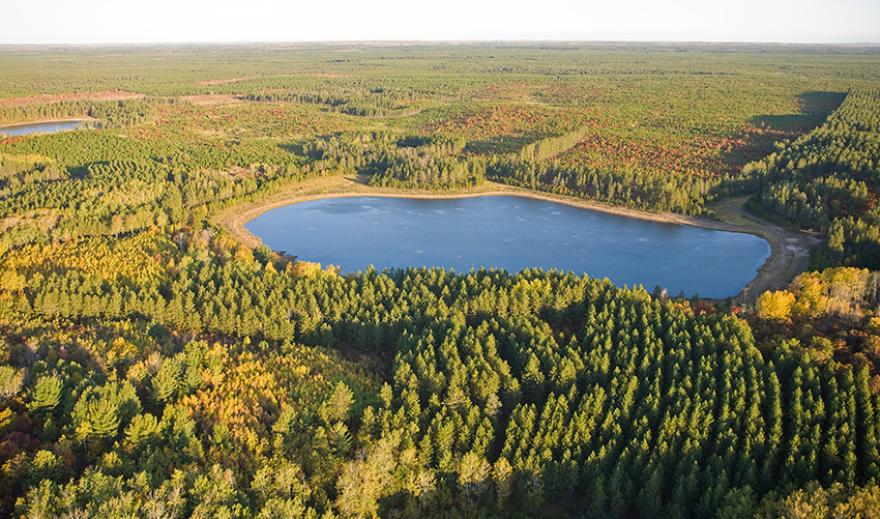
(Photo: Brule-St. Croix Legacy Forest, by Coldsnap Photography. Courtesy of the USDA Forest Service.)
| |
|
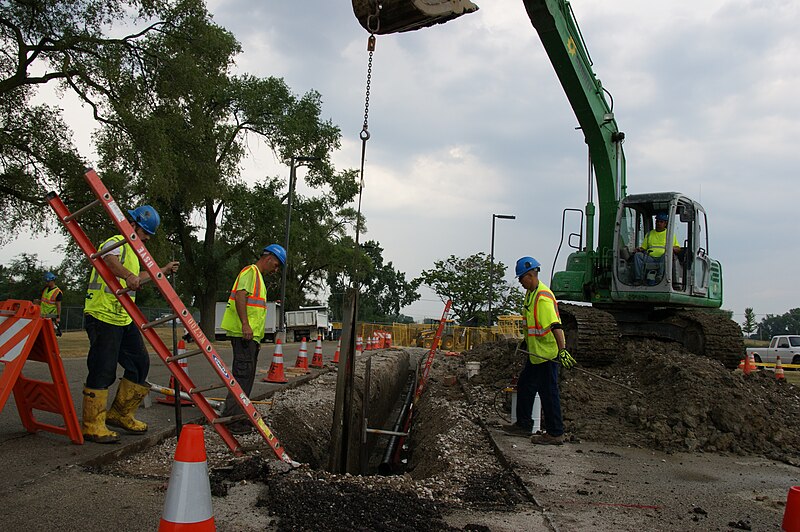
The U.S. and Canada experience 260,000 water main breaks every year – resulting in about $2.6 billion in annual repair costs, according to a recent study of commonly used pipe materials conducted by Utah State University (USU).
Additionally, 20% of water pipes throughout North America have passed their useful lives, but many have not been replaced because of lack of funds, according to the study, the third published by the university since 2012. The estimated water loss caused by leakage is 11%, researchers found.
The latest report surveyed over 800 utilities and analyzed around 400,000 miles of pipe data – about 17% of the estimated 2.3 million miles of water mains in the U.S. and Canada, according to USU.
Click here to learn more about the study
(Photo courtesy of NAVFAC.)
| |
|
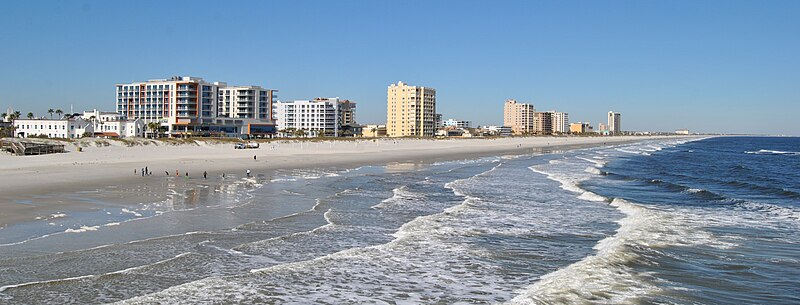
Florida lawmakers have passed a bill that will make it easier for property owners to demolish and redevelop buildings in coastal areas without being stopped by city and county government ordinances restricting redevelopment.
The Resiliency and Safe Structures Act passed through the Florida house 86-29, and it passed the senate 36-2. The bill now heads to Gov. Ron Desantis’ desk for final approval.
The bill will target buildings along Florida’s coast where some counties and municipalities have passed ordinances that restrict demolition and redevelopment. The changes will apply only to buildings within the Coastal Construction Control Line that includes areas most at risk of flooding from a 100-year storm event.
Click here for details on the bill
(Photo courtesy of Excel23.)
| |
|
The U.S. Department of Transportation has opened a funding opportunity to help states and cities form public-private partnerships (P3s) for transportation projects.
The newly created Innovative Finance and Asset Concession Grant Program will make $100 million available over the next five years for projects that could be eligible for Transportation Infrastructure Finance and Innovation (TIFIA) loans.
Click here for details about the NOFO
(Photo courtesy of George Pagan III on Unsplash.)
| |
|
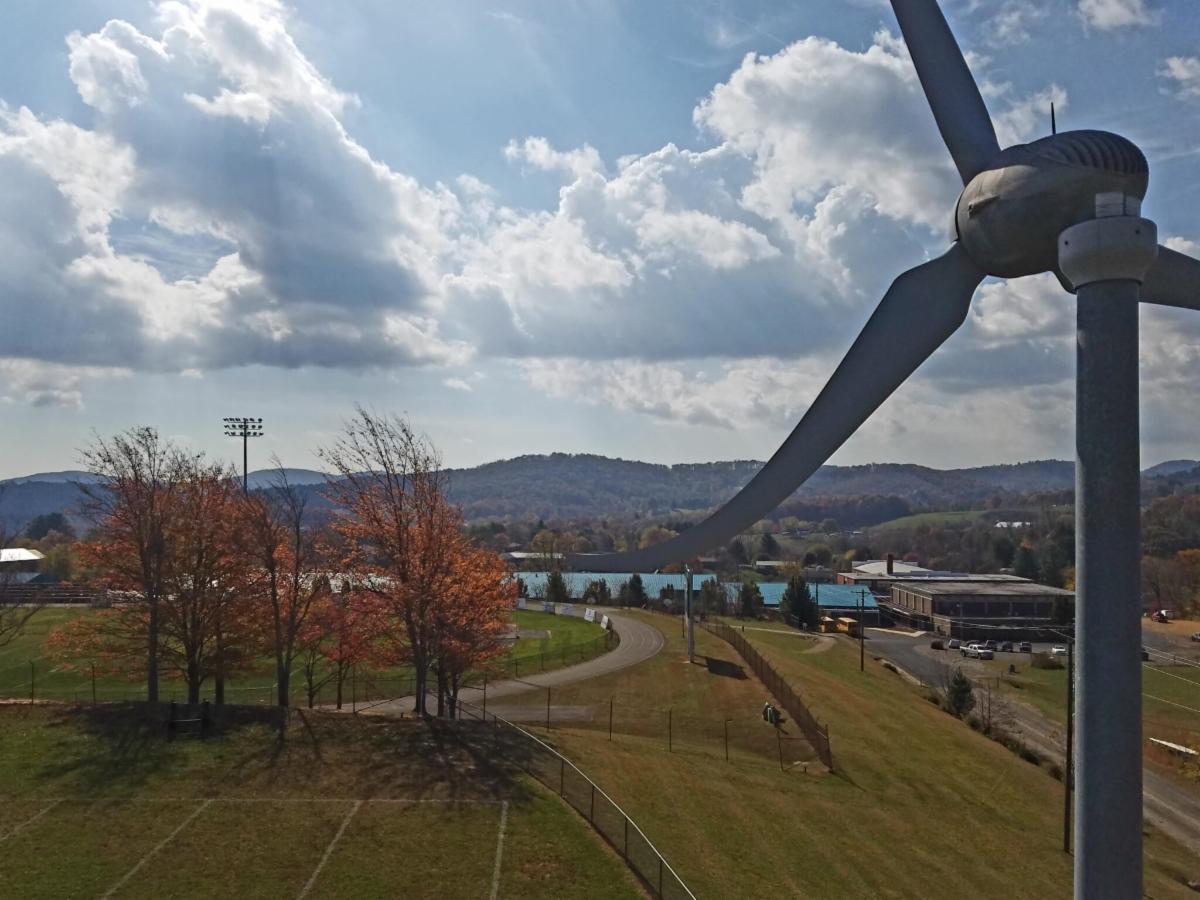
The U.S. Department of Energy (DOE) and the U.S. Department of Agriculture (USDA) are teaming up to help farmers leverage small-scale renewable energy sources and energy-efficiency projects.
Under the Rural and Agricultural Income & Savings from Renewable Energy (RAISE) initiative, the USDA will help 400 individual farmers deploy small-scale wind projects. The initiative uses $144.5 million from the Underutilized Technology Fund. The fund supports the use of renewable energy technologies, which accounted for less than 20% of the Rural Energy for America Program’s (REAP) Fiscal Year 2021 project pool.
Click here for more information on how farmers will use small-scale energy sources
(Photo courtesy of Brent Summerville, National Renewable Energy Laboratory.)
| |
|
New York - Zulaika Rodriguez has been promoted to associate vice chancellor for executive recruitment and leadership development at State University of New York (SUNY). Rodriguez joined the SUNY administration in 2004 and has served in multiple capacities. She most recently served as assistant vice chancellor for presidential recruitment, evaluation and development.
Pennsylvania - Elisa Cunningham has been appointed as the Southeastern Pennsylvania Transportation Authority’s (SEPTA) first chief technology officer. Cunningham comes to SEPTA from the Southern California Regional Rail Authority (Metrolink), where she served as chief technology officer.
California - Redwood City has appointed Patrick Heisinger as assistant city manager. Heisinger began the role March 11. He brings 18 years of public sector experience with him, recently serving as interim city manager for the city of East Palo Alto.
The city also named Amanda Anthony as economic development manager. Anthony brings 20 years of experience in policy, entrepreneurship and economic and workforce development to the role. She is tasked with driving the city’s economic growth and resilience. She began her tenure March 11.
Wyoming - Gov. Mark Gordon has appointed Liz Gagen director of the Wyoming Department of Workforce Services (DWS). Gagen’s first day will be March 18. Gagen replaces Robin Cooley. Gagen has served as deputy director of DWS since 2020. She previously spent more than 16 years representing state agencies in the Wyoming Attorney General’s Office, serving as supervising attorney general, senior assistant attorney general and chief deputy attorney general.
Arizona - The Peoria City Council selected John Tatz to serve as the city’s municipal court presiding judge. Tatz has served as the city of Mesa presiding judge since 2020. He brings 16 years of experience as a sole practitioner in Peoria, Phoenix and Glendale.
New Jersey - David M. Chun will be the chief information officer of Montclair State University. He will officially assume the role May 1, 2024. Chun most recently served as chief information officer and associate vice president at Sonoma State University.
Washington, D.C. - Kelvin Moore, chief information security officer at the Small Business Administration (SBA) since May 2023, has been named acting deputy chief information officer at SBA. Moore has more than three decades of military and government industry experience. He previously served as a program manager at the State Department, chief of the Testbed Operations Division at the Defense Information Systems Agency and chief information officer of the Department of the Army.
New Mexico - Lt. Gov. Howie Morales has been appointed to the executive committee of the National Hispanic Caucus of State Legislators. Morales will represent the West Region for the 2024-2025 term.
Wisconsin - Meagan Tuttle has been appointed director of the city of Madison’s planning division. Meagan currently serves as the director of planning for the city of Burlington, Vermont, where she has worked since 2015. She will officially take over the role Aug. 5.
California - The city of San Jose has appointed Mukesh Patel as director of aviation. Patel has held senior posts at international airports in Kansas City, Denver, San Antonio and Austin. He also held an executive position with Alaska Airlines.
Connecticut - Mayor Roberto Alves has appointed Fernanda Carvalho as the city of Danbury’s acting director of health and human services. Carvalho currently serves as the city’s associate director of Community Health. She has been with Danbury since June 2018, originally joining as an epidemiologist.
| | |
|
Connect with SPI
Check out our social media links!
| |
About Government Contracting Pipeline | |
|
Strategic Partnerships, Inc.
Publisher: Mary Scott Nabers
Editors: Adam Rollins
Dave Doolittle
www.spartnerships.com
| |
Government Contracting Pipeline, a publication of Strategic Partnerships, Inc., is a free, weekly newsletter detailing important happenings nationwide and the premier source for federal, state, and local government news and contracting opportunities. | |
Help us share this message.
To ensure delivery and proper formatting of the newsletter, be sure to add editor@spartnerships.com to your safe senders list.
Otherwise, the newsletter may be flagged as spam and automatically routed to your junk e-mail folder.
| | | | |