Volume 16, Issue 8 - Wednesday, February 21, 2024 | |
By Mary Scott Nabers, CEO of Strategic Partnerships, Inc. | |
|
The Bipartisan Infrastructure Law provided approximately $11.3 billion for projects designed to rehabilitate land where old coal mines were located. Since Congress passed the law, funding has been allocated through the Abandoned Mine Land reclamation programs - about $725 million annually. The objective is to support communities and encourage them to clean up dangerous environmental conditions and pollution caused by coal mining operations. The hazards include acid mine drainage, which contaminates water sources, landslides and subsidence - a direct result of historical underground mining activities that poses significant risks to surface stability.
About $1.5 billion has been distributed in 2022 and 2023. That leaves almost $10.2 billion for future projects. Some states are also making funding available. Recently, Pennsylvania’s Department of Environmental Protection announced an additional $100 million for abandoned mine land reclamation projects. The state of Ohio’s Department of Natural Resources’ Division of Mineral Resources Management also announced recently that it will make $10 million available for these types of projects, but requests must be made by July of this year.
For over a century, abandoned mine drainage in Pennsylvania has significantly polluted the Tioga River. Funding from the federal government, the Susquehanna River Basin Commission, the state’s Department of Environmental Protection, Department of Conservation and Natural Resources and the Tioga County Concerned Citizens’ Committee will help construct an $68 million AMD active treatment plant to address water quality in the surrounding areas.
The new plant will actively treat five types of mine discharges once it is constructed. The effort will include implementing 11 miles of extensive pipework, which will be used to collect discharges from the river. The polluted water will then be conveyed to the treatment plant after collection. Plans also call for building five pumping stations to move water from various places to the plant. Construction is expected to begin late in 2024.
The Pennsylvania Department of Environmental Protection awarded $24 million to a mine drainage project in Indiana County. The project will deliver a drainage treatment system to treat the acid mine discharge that pollutes Crooked Creek and its tributaries. Water that flows through abandoned mines can interact with minerals left exposed by coal extraction, acid, heavy metals and other pollution into the watershed. The polluted water has the potential to kill wildlife, contaminate drinking water, and leave long-lasting negative environmental impacts.
Click here for more.
| |
|
All major federal agencies have updated their equity action plans, part of a nationwide effort to invest in underrepresented communities and address disparities in safety and representation of minorities.
The updated reports are mandated by a federal executive order to further advance racial equity and support for underserved communities. The Department of Transportation (DOT), Department of Energy (DOE) and the U.S. Department of Agriculture (USDA) are among the agencies who have released updated plans.
“With public infrastructure, what we're referring to when we talk about equity is essentially the distribution of burdens and benefits across people, places and policies,” Victoria Johnson, global equity director for HDR Engineering, Inc., said. “And a lot of that is rooted in race, income and geography.”
Johnson was speaking to “The Connection: Partnering Public & Private Entities,” a companion podcast to Government Market News, an independent publication of Strategic Partnerships that focuses on navigating the intricacies of government procurement, public-private partnerships and policy innovation. Episode 4, which features Johnson, addresses diversity, equity and inclusion (DEI) in contracting and infrastructure.
Released annually, the updated equity reports highlight ways each department has increased opportunities for underrepresented communities, especially Black-, Hispanic- and women-owned small businesses, and how they plan to expand those opportunities in the future. In addition to those required by law, over 65 small and independent agencies released action plans in 2022.
Click here for details about the various departments’ plans
(Photo courtesy of the United Minority Contractors of North Carolina.)
|  | |
|
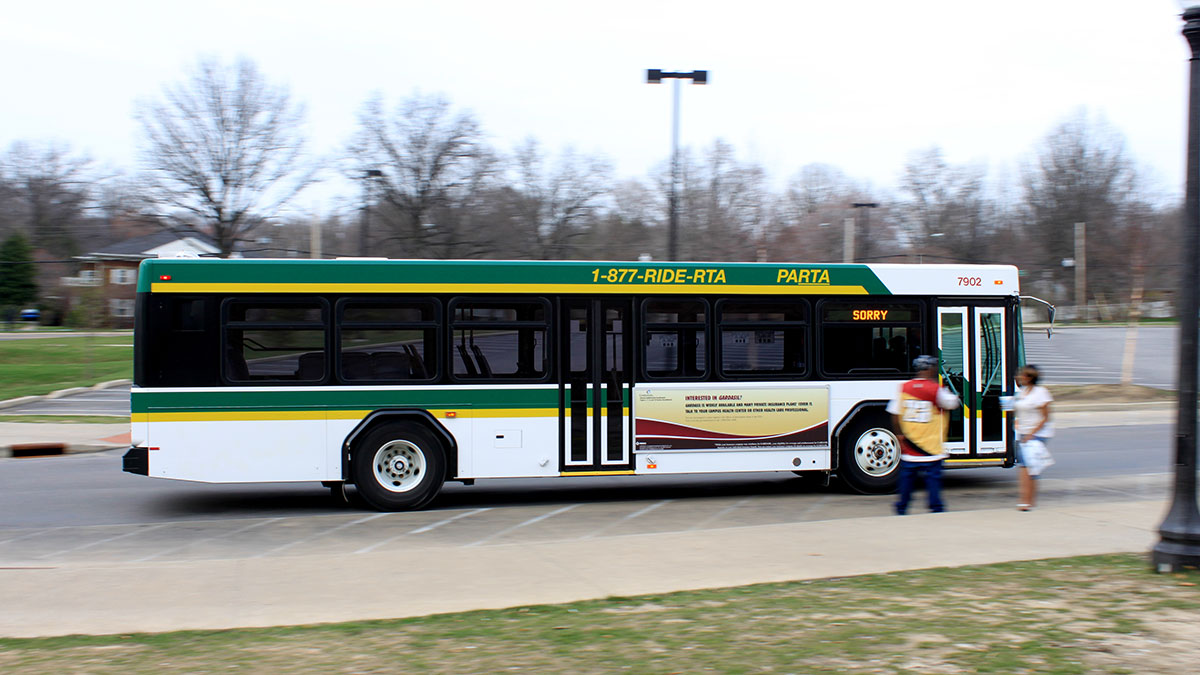
The Ohio Department of Transportation is awarding $106 million to 384 public transportation projects that will expand bus fleets and replace vehicles, perform regular maintenance and upgrade facilities and technology.
The funds come from the state’s general revenue and the Federal Transit Administration, part of the U.S. Department of Transportation.
The $100 million investment in public transportation comes on the heels of an announcement earlier this month that ODOT would spend $59.5 million to repair bridges throughout the state. In 2023, the state transportation department allocated $90 million for road improvements in a three-county area.
Click here for details about each initiative
(Photo courtesy of the Ohio Department of Transportation.)
| |
|
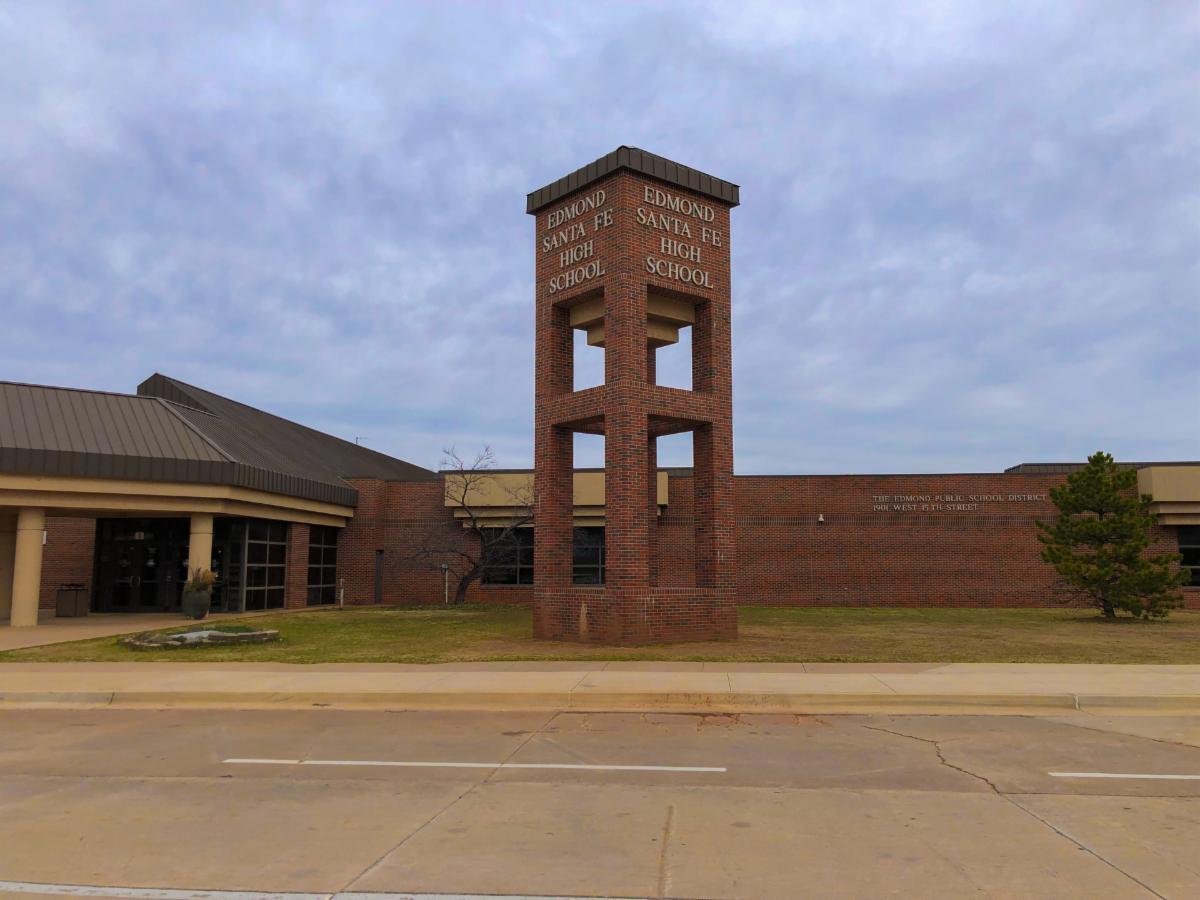
Voters in Edmond, Oklahoma, approved a $147 million bond to build schools, upgrade technology, improve infrastructure and enhance transportation. Edmond Public Schools (EPS) held the bond election Feb. 13. Edmond is located 15 miles north of Oklahoma City.
Proposition 1 will provide $144 million for a series of major EPS projects. The district will use $56 million to build, equip and furnish an elementary school and a middle school. EPS will build the facilities on district-owned land. In addition, the district will use $18 million to build a Freshman Academy at Edmond Santa Fe High School and allocate $3.5 million for a Transition Academy Building for special needs students from ages 18 to 21.
Proposition 2 allocated $3 million to buy large and small school buses, large capacity sports utility vehicles and activity buses.
Click here for details about each proposition
(Photo courtesy of Edmond Public Schools.)
| |
|
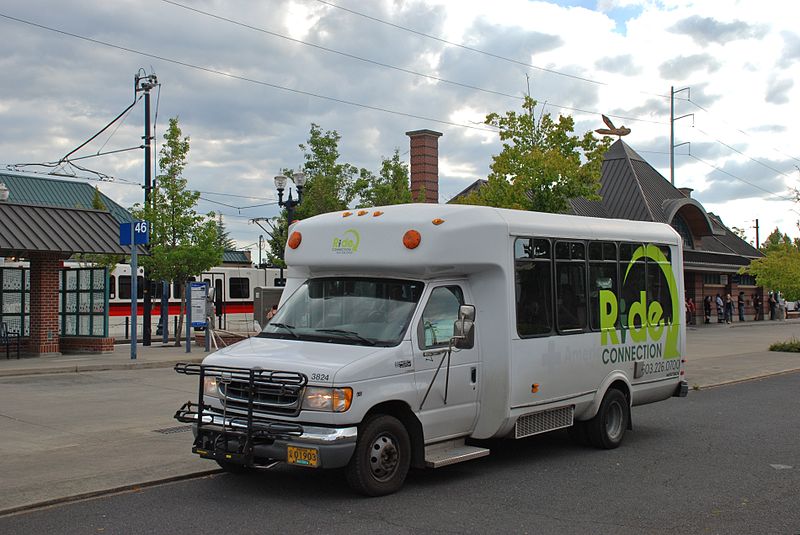
Illinois will spend $57.1 million to add 500 paratransit vehicles to the state’s public transportation grid. The vehicles will strengthen community mobility while serving the needs of seniors and those with disabilities. The Illinois Department of Transportation (IDOT) will deliver the vehicles to 50 public transportation and 63 nonprofit providers. The timeline for vehicle manufacture and delivery is between six months and two years, state officials said.
The awards are part of IDOT’s Consolidated Vehicle Procurement (CVP) program, a competitive grant initiative to help public transportation providers acquire ADA ramp- and lift-equipped paratransit vehicles. This grant cycle is supported by $54 million in federal funds and $3.1 million from the state.
Click here for the full list of awardees
(Photo courtesy of Steve Morgan.)
| |
|
New York City (NYC) and State will invest a combined $56 million to revitalize and redesign a section of NYC’s famed Chinatown neighborhood into a more pedestrian-friendly area. The “Chinatown Connections” joint initiative includes a trio of projects to beautify and reimagine an intersection identified as hazardous to drivers, cyclists and pedestrians.
The Chinatown projects are part of NYC’s Downtown Revitalization Initiative (DRI) Strategic Investment Plan to transform downtown neighborhoods into vibrant walkable areas with a high quality of life that will attract businesses and residents and help grow the state’s economy. New York State selected the neighborhood in DRI’s fifth round of funding. The initiative is an economic development program that has committed $700 million to support 69 downtown areas.
Click here for specific details on each project
(Photo courtesy of New York City.)
| |
|
The U.S. Department of the Interior (DOI) signed a Memorandum of Understanding (MOU) with three southern Oregon Native American tribes and a local nonprofit to restore the Klamath Basin ecosystem and improve water supply reliability for local agriculture.
The historic conservation agreement solidifies a commitment toward finding long-term solutions for the area’s water challenges. The federal agency announced the agreement along with a pair of initiatives that include $234 million for regional water projects.
Click here for details about the MOU and upcoming projects
(Photo courtesy of Oregon Wild.)
| |
|
Minnesota will use $18.1 million from the Port Development Assistance Program (PDAP) to support seven port development projects that will improve multimodal freight transportation on Minnesota’s waterways.
PDAP is a state program dedicated to upgrading waterway access, improving infrastructure and expanding port capacity. The program provides the state’s public port authorities with capital investment funding, requiring a minimum 20% local match. Local and private funding accounts for an additional $8.8 million, covering the remainder of each project’s total cost.
Click here to learn details about each project
(Photo courtesy of Pete Markham.)
| |
|
Memphis International Airport (MEM) will use $16.1 million from the Federal Aviation Administration (FAA) to support a series of upgrades that include an expanded security checkpoint and technological upgrades for baggage screening.
MEM will use the funding to modernize terminals as a part of the airport’s 2022 Master Plan. The Memphis-Shelby County Airport Authority (MSCAA) updated the document to include plans for upgrading check-in, baggage claim, security screening, departure lounges, concessions and other areas of the airport. The plan also includes improving ADA access, expanding security screening for passengers and employees and processing passengers remotely.
Click here for details about this project
(Photo courtesy of Mochimoshi.)
| |
|
Proposed legislation in California that would help turn outdated buildings into affordable housing in San Francisco would also exempt parts of the city from environmental requirements that have been in effect for more than 40 years.
SB 1227, introduced by state Sen. Scott Wiener (D-San Francisco), would expedite converting and remodeling buildings for housing, educational institutions and other developments. The bill would also temporarily exempt 150 blocks of the city from the California Environmental Quality Act (CEQA) and offer tax relief for certain affordable housing projects.
CEQA, passed in 1970, requires state and local agencies to evaluate any significant environmental impact of a public and private project. Agencies are required to adopt mitigation measures or consider alternatives if the proposed project is found to have adverse effects. It also requires opportunities for public input on those projects.
While CEQA has helped environmental sustainability, it can lead to lengthy delays and increased project costs. Senator Wiener’s bill would allow a decade of CEQA exemptions for most projects that meet specific environmental, labor and tenant protection criteria. It also includes anti-displacement and environmental protections to safeguard against certain detrimental impacts. Local permitting and zoning requirements would remain intact.
Click here for more information
(Photo courtesy of Cmichel67.)
| |
|
The Atlanta Regional Commission has approved a transportation plan that outlines how it will allocate $168 billion in major investments for roads, highways, public transit and pedestrian and biking accessibility through 2050.
The Metropolitan Transportation Plan calls for a mix of local, state and federal funding to cover projects throughout the 20 counties centered around the city of Atlanta. Currently, 6.2 million people live in the metropolitan area, according to the U.S. Census. The area is expected to add 1.8 million residents by 2050.
The commission worked closely with local governments and the Georgia Department of Transportation to develop the plan, which also received more than 71,000 public comments from 2020 to 2023.
Click here for details about the plan
(Photo courtesy of Venti Views on Unsplash.)
| |
|
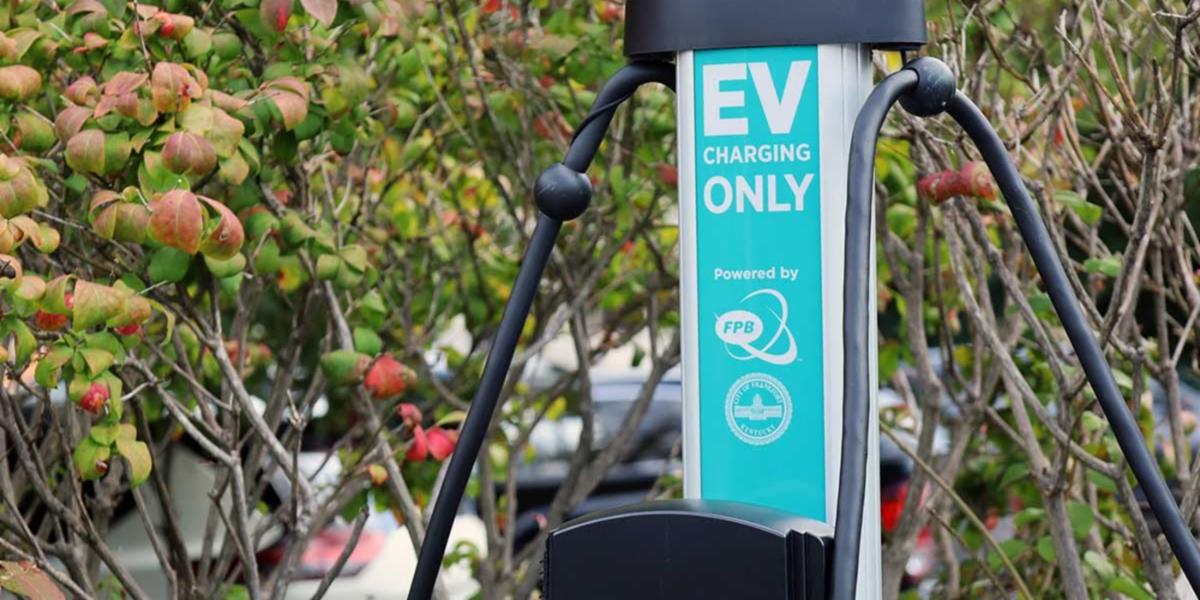
Kentucky’s push to encourage citizens to drive electric vehicles is still in the works, with plans in place to add up to 40 new EV fast charging stations throughout the state by 2025.
The state is seeking proposals to install 16 new stations along its interstates and parkways using $70 million in federal funding administered via the National Electric Vehicle Infrastructure (NEVI) Program that is a part of the Bipartisan Infrastructure Law.
The new stations will represent the second phase of the EV charging station project. The first phase officially kicked off last week at a Circle K in Richmond, where the first of 24 charging stations is being installed, Gov. Andy Beshear said. The Kentucky Transportation Cabinet (KYTC) oversees the program and is responsible for administering the funds.
Click here for more information
(Photo courtesy of the Kentucky Association of Counties.)
| |
|
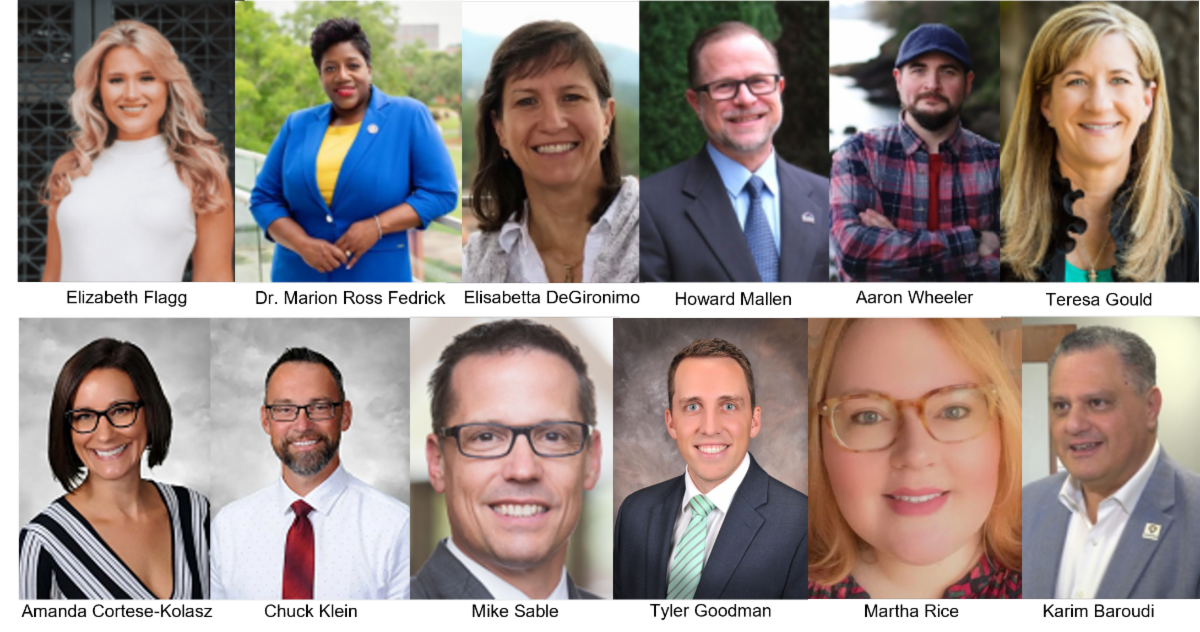
North Carolina - Haywood County has appointed Elizabeth Flagg as recreation director. Flagg previously served as recreation director in Craig, Alaska. She officially assumed her role Feb. 19, 2024.
Georgia - Dr. Marion Ross Fedrick, the current president of Albany State University, has been appointed executive vice president for administration and chief of staff at Georgia State University. She will also serve as a senior adviser to University System of Georgia Chancellor Sonny Perdue on Historically Black Colleges and Universities (HBCU) Initiatives, effective July 1.
New York - New York State’s Office of Information Technology Services selected Elisabetta DeGironimo as its geographic information officer Feb. 9. DeGironimo is a state geographic information systems employee with more than 30 years of experience in GIS and has worked on projects in Venezuela, Egypt, El Salvador, Mexico and Canada. She also serves as executive director of the state’s Geospatial Advisory Council.
California - The Transportation Corridor Agencies (TCA) appointed Howard Mallen as chief financial officer Feb. 8. Mallen joined TCA in 2013 as director of finance and was promoted to senior director of finance in 2020. He took over the role from Amy Potter.
Washington – Gov. Jay Inslee has appointed Aaron Wheeler to spearhead the Washington State Broadband Office as its director. Wheeler has nearly 20 years of experience working with Tribes and underserved communities. He will officially assume director responsibilities March 1.
Nevada - The Pac-12 Conference has hired Teresa Gould as commissioner. Gould previously served as deputy commissioner of the league and brings more than 30 years of experience in college sports administration to the role. Gould is the conference’s first female commissioner. She will succeed George Kliavkoff March 1.
New York - Oneida County Executive Anthony J. Picente Jr. has appointed Amanda Cortese-Kolasz as county attorney and Chuck Klein as commissioner of personnel. Both assumed their roles Jan. 17.
- Cortese-Kolasz has been employed with Oneida County since 2011, having most recently served as commissioner of personnel since September 2021. Prior to that, she served as deputy county attorney-administrator and as an assistant county attorney.
- Klein joined Oneida County as manager of network services in 2018, was promoted to deputy director in 2019 and later became director of information technology.
Minnesota - Maplewood’s City Council has appointed Mike Sable as the next city manager. Sable served Maplewood as assistant city manager and human resources director from 2019 to 2021. He left for a similar role at the city of Bloomington before returning to Maplewood.
Arizona – Tyler Goodman was unanimously voted by the Prescott City Council as interim city manager. Goodman took over the role Feb. 16, replacing City Manager Katie Gregory following her resignation. Goodman has worked with the city since 2016, most recently serving as deputy city manager since January 2022.
Illinois - Champaign County Coroner Steve Thuney has appointed Martha Rice as chief deputy coroner, effective Feb. 18. Rice has worked for the Champaign County Coroner’s Office since July 2019 as deputy coroner and senior medical secretary.
Ohio - The Toledo-Lucas County Health Department has announced Karim Baroudi. Baroudi has served as Hancock County health commissioner since 2016. He will officially replace Eric Zgodzinksi in April.
| | |
|
Connect with SPI
Check out our social media links!
| |
About Government Contracting Pipeline | |
|
Strategic Partnerships, Inc.
Publisher: Mary Scott Nabers
Editors: Adam Rollins
Dave Doolittle
www.spartnerships.com
| |
Government Contracting Pipeline, a publication of Strategic Partnerships, Inc., is a free, weekly newsletter detailing important happenings nationwide and the premier source for federal, state, and local government news and contracting opportunities.
| |
Help us share this message.
To ensure delivery and proper formatting of the newsletter, be sure to add editor@spartnerships.com to your safe senders list.
Otherwise, the newsletter may be flagged as spam and automatically routed to your junk e-mail folder.
| | | | |