Volume 14, Issue 19 - Wednesday, May 11, 2022 |
|
By Mary Scott Nabers, CEO of Strategic Partnerships, Inc. |
|
In past years, economic development initiatives often required funding that governmental entities were not able to provide. Now, however, many projects to stimulate the economy are delivered through public-private partnerships (P3s) taking advantage of funding and tax incentives available through a federal program.
The Department of the Treasury’s New Markets Tax Credit (NMTC) program provides tax credits that represent about 39 percent of the project’s cost. The tax enhancements go to private sector firms that are selected to deliver the economic development initiative.
Public officials apply for this funding, and selections are made based on specific criteria. One of the basic tenants, however, is that the projects must be in underserved areas or where ‘quality of life benefits’ can be delivered to citizens.
A recent award of $30 million in NMTC funding will support the re-development of Los Angeles’ Crenshaw Boulevard. The project will center on a 1.3-mile stretch of roadway within the state’s most populous city. Numerous components of the roadway project include reforesting the corridor with over 800 trees, installing approximately 100 murals and sculptures created by local artists, building 10 community park spaces, and allocating an area to accommodate 43 businesses.
|
|
Washington, Oregon group scales back $4.8B I-5 bridge design |
|
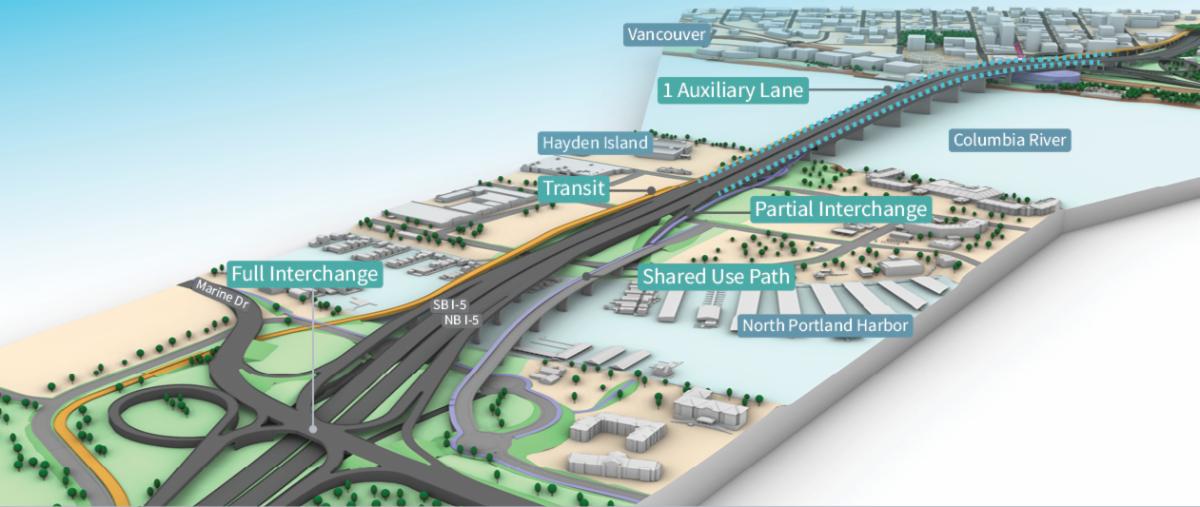
Washington – A steering group is recommending a reduction of lanes from 10 to eight to plans for the Interstate 5 Bridge Replacement (IBR), marked by one auxiliary lane in each direction on the Columbia River span.
In a Modified Locally Preferred Alternative (LPA), the steering group selected the option that also features expanding light rail, constructing a partial interchange at Hayden Island and Marine Drive, and implementing variable rate rolling.
The light rail extension would connect the Expo Center in Portland, Oregon, north to a new station on Hayden Island. It would continue across the Columbia River on the new I-5 bridge, following I-5 to multiple stations in the city of Vancouver, including a northern terminus at Evergreen Station in Vancouver, Washington.
Construction of a partial interchange at Hayden Island and a full interchange at Marine Drive is designed to minimize impacts while making improvements to freight and workforce traffic and active transportation on Hayden Island and Marine Drive.
The LPA would include one auxiliary lane northbound and one auxiliary lane southbound between Marine Drive and Mill Plain Boulevard to accommodate the safe movement of vehicles and freight.
A replacement bridge will be built to meet current seismic standards and at a height tall enough to eliminate the need for bridge lifts. The North Portland Harbor bridge, connecting North Portland to Hayden Island on I-5, also will be replaced to meet seismic standards.
All eight partner agencies and the program’s Executive Steering Group will be asked to consider the Modified LPA, with the goal of receiving approval by the end of July. An update on progress, including the detail of the Modified LPA, is due from the Washington members of the bi-state legislative committee to the Washington State Legislature by August 1.
Detailed evaluation of the IBR program’s Modified LPA will begin in fall 2022 and be documented in a Supplemental Draft Environmental Impact Statement.
A late 2020 conceptual cost estimate created by the program estimated a preliminary range of costs for the program of $3.2 billion to $4.8 billion.
|
|
Missouri DOT releases draft $7.5B transportation plan |
|
Missouri – The Missouri Department of Transportation (MoDOT) is planning a $7.5 billion Statewide Transportation Improvement Program (STIP) to maintain roadways and bridges across the state. This plan outlines over 1,700 projects, including 700 new projects worth over $7 billion.
Funding for these projects will come from the gas tax increase and federal funds. The plan encompasses projects from 2022 to 2026.
Some of the projects include:
- Bridge improvements to bridges in Jasper, Lawrence, Greene, and Webster counties, and Interstate 44 with potential improvements in Dallas County with an estimated budget of $43.22 million.
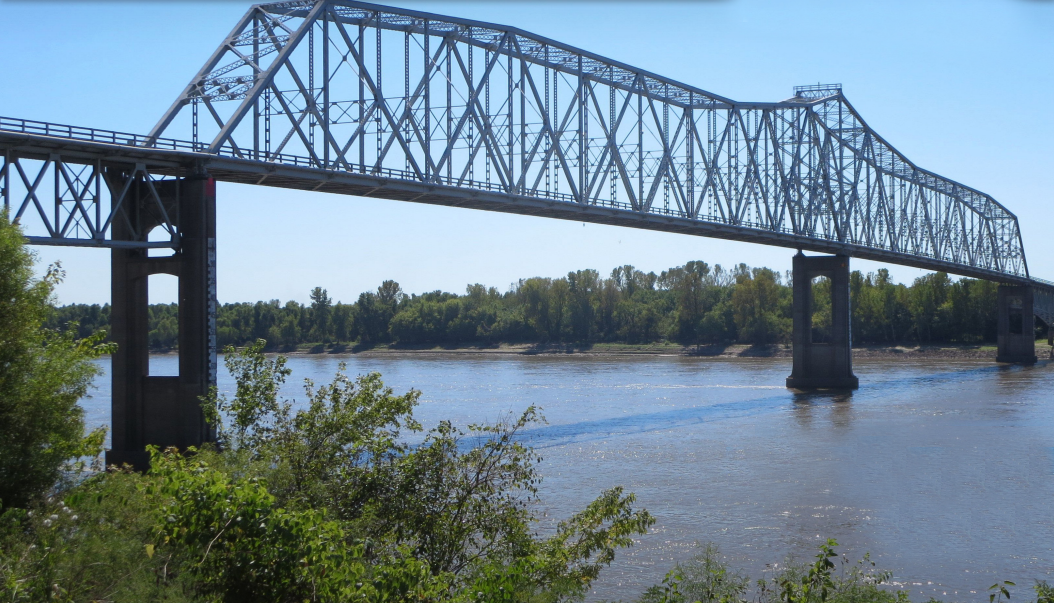
- Bridge replacement over Table Rock Lake with an estimated project total of $38.65 million.
The Central Missouri District, which serves 18 counties, is expected to receive $690 million in funding from the plan. The counties include Howard, Boone, Cooper, Callaway, Moniteau, Cole, Osage, Gasconade, Morgan, Miller, Maries, Camden, Laclede, Pulaski, Phelps, Dent, Crawford, and Washington.
MoDOT will present the draft STIP to the Missouri Highways and Transportation Commission for a vote. If the commission approves the plan, it will advance to the U.S. Department of Transportation for possible final approval.
|
|
Pennsylvania mental health office seeking EHR solutions |
|
Pennsylvania – The Office of Mental Health and Substance Abuse Services for the state of Pennsylvania is gathering input and availability of Electronic Health Record (EHR) solutions for its state hospitals and state psychiatric nursing home.
Through a request for information (RFI), the office staff hope to become aware of and knowledgeable about certified EHR systems for these facilities, which currently operate in a largely paper-based environment, incurring federal penalties due to not having an EHR system. These penalties will continue to rise to a potential of 9 percent if unresolved.
Office officials said a paper-based environment for managing medical health records is inefficient and can lead to a reduced level of care, limited care coordination, and an overall lower quality of care to the citizens they serve.
In addition, the office’s facilities would benefit from participating in the Health Information Exchange in Pennsylvania for improved care coordination.
RFI responses are due at noon local time May 16.
|
|
Port of Long Beach gaining approvals for $1.55B rail yard facility |
|
California – A key rail facility at the Port of Long Beach is growing closer to reality after clearing federal environmental approval, which triggers the release of $52.3 million in grant funding from the U.S. Maritime Administration.
This federal grant is significant seed money for the first phase of the $1.55 billion program to reconfigure, expand, and enhance the port’s existing Pier B rail yard. The project centers on a full-service staging facility for allowing trains up to 20,000 feet long – almost 4 miles – to be assembled or broken down safely and efficiently.
It will include dedicated space for servicing locomotives and rail cars and streamlining feeder tracks to the Alameda Corridor, the superhighway for freight trains moving through metropolitan Los Angeles and connecting the San Pedro Bay ports with rest of the country.
Plans call for the project to be built in 12 segments from 2023 to 2026, starting with the design, contracting, and construction of these first five stages:
- Locomotive facility.
- Westward expansion of the existing site and realignment of Pier B Street.
- Eastward expansion of the site.
- Relocation of a Los Angeles County flood control pump station.
- Widening the Dominguez Channel Bridge to accommodate a third track.
Ultimately, the new facility will more than double the size of the existing yard, growing it from 82 acres to 171 acres. It will add more than 130,000 feet of rail, quadrupling the number of tracks from 12 to 48 sets comprised of two main lines, five arrival/departure tracks, and 41 tracks throughout the yard for staging, storing, and repairs.
The entire facility is expected to be completed by 2032, which will further the port in its longstanding goal of moving at least 35 percent of cargo by on-dock rail.
|
|
Undersized New Jersey hospital battling maintenance crisis |
|
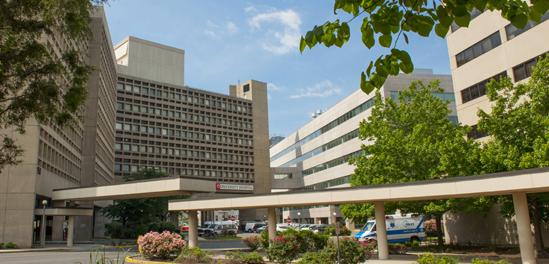
New Jersey – Administrators at University Hospital (UH) in Newark, the only public hospital in New Jersey, projected indefinite maintenance costs starting at $20 million each year for emergency repairs to the aging and ailing facility.
The current 519-bed University Hospital opened in 1979. Its emergency room is frequently overcrowded, and it suffers from major maintenance issues that have shut down unit operations and sections of the building at times.
In the interim, they are planning a $1.2 billion to $1.4 billion capital campaign to replace the hospital building. The design and planning firm that they hired in January will present its preliminary report and recommendations in late 2022 for a master plan.
UH will use the master plan as a guide for the preservation, adaptation, refurbishment, and potential redevelopment of all current facilities, as well as the identification of new facilities to enhance and optimize space utilization.
|
|
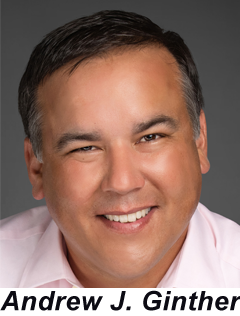
Andrew Ginther
Mayor
City of Columbus, Ohio
|
|
Public career highlights, education, and current responsibilities: I am serving my second term as the 53rd mayor of the City of Columbus, 14th-largest city in America. I earned a Bachelor of Arts Degree in political science from Earlham College and studied abroad at the University of Ulster and Queen’s College in Northern Ireland. Equity is the cornerstone of my administration. My strategic priorities drive city resources to ensure the safety and prosperity of Columbus residents, strengthen neighborhoods, and make sure every resident in every neighborhood has the opportunity to succeed.
What I like best about public service: I love being able to give back to the community that has given me so much. For me, this work is personal. I am a proud product of Columbus City Schools. I am the son of a social worker, grandson of a union organizer, and brother to 47 foster brothers and sisters. I saw firsthand the disparities in our community.
The best advice I’ve received: Remember the big picture while focusing on the details.
My favorite way to de-stress: I love being outside and spending time with my family.
Any upcoming project that I want to mention: Intel announced plans for an initial investment of more than $20 billion in the construction of two new leading-edge chip factories in central Ohio. As the largest single private-sector investment in Ohio history, the initial phase of the project is expected to create 3,000 Intel jobs and 7,000 construction jobs over the course of the build, and to support tens of thousands of additional local long-term jobs across a broad ecosystem of suppliers and partners.
One thing I wish more people knew about the city of Columbus is: Columbus is not a fly-over city. There are things to do in Columbus, no matter how you want to spend your free time, from green space and art to science and more. Throughout the year, you can visit art galleries, attend concerts and plays, and enjoy art walks and community events. Our cultural scene runs the gamut of excellence!
|
|
North Carolina county approaching $1.7B bond election May 17 |
|
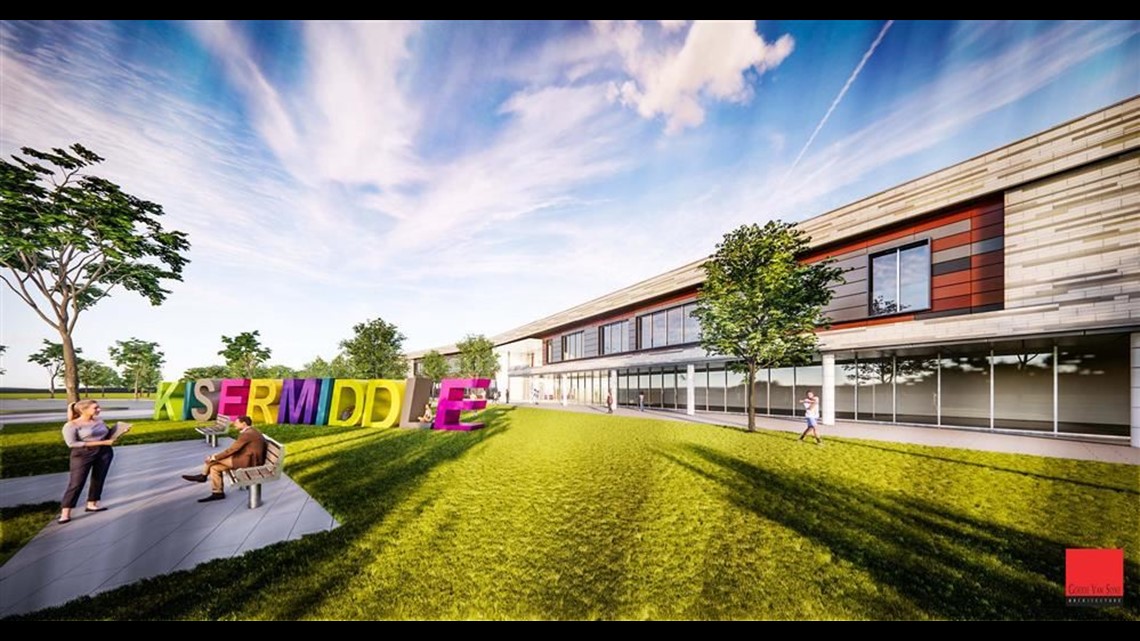
North Carolina – Mounting safety and maintenance needs at Guilford County Schools would be addressed if voters approve a $1.7 billion bond election on May 17.
A 2019 independent facilities assessment study jointly funded by the County’s board of commissioners and school board found that the district’s schools were in a significant state of disrepair, with 50 percent of schools rating as being in either poor or unsatisfactory condition.
Bond funds would help finance:
- More than $363 million in critical safety and technology upgrades at all district schools.
- Construction of three new schools on new sites.
- Rebuilding of 18 existing schools.
- Full renovations of 13 schools.
- Major repairs to roofs, heating, air conditioning, and plumbing.
The school district has more than $2 billion in facility needs, including more than $800 million in deferred maintenance across 126 schools, 300 buildings, and nearly 3,000 acres.
|
|
Interior Department commits $240M to drought resilience projects |
|
Washington, D.C. – More than $240 million from the U.S. Department of the Interior is being invested in 46 projects to repair aging water infrastructure and increase drought resilience.
The program, facilitated through the Bureau of Reclamation, includes significant repairs on canal linings, dam spillways, and water pipeline replacements.
Projects selected for funding on May 9 are found in all the major river basins and regions where the bureau operates.
Among the 46 projects selected for funding are large projects to conduct canal repairs in Arizona, California, Idaho, Nevada, and Wyoming, dam spillway repairs in Kansas, and investments in a pumping plant in Montana. Projects in Colorado, Oregon, and Washington are also being funded.
A $79 million pipeline project in Provo, Utah, is set to receive $25 million from the bureau. The project will install a new intake structure at Deer Creek Dam for additional flow control redundancy and flexibility. Funding is provided for planning, design, and subsequently, a portion of implementation.
The bureau concluded the initial application period for these funds on January 31. The second application period for extraordinary maintenance funding is planned for October.
|
|
King of Prussia rail expansion entering Phase 3 design |
|
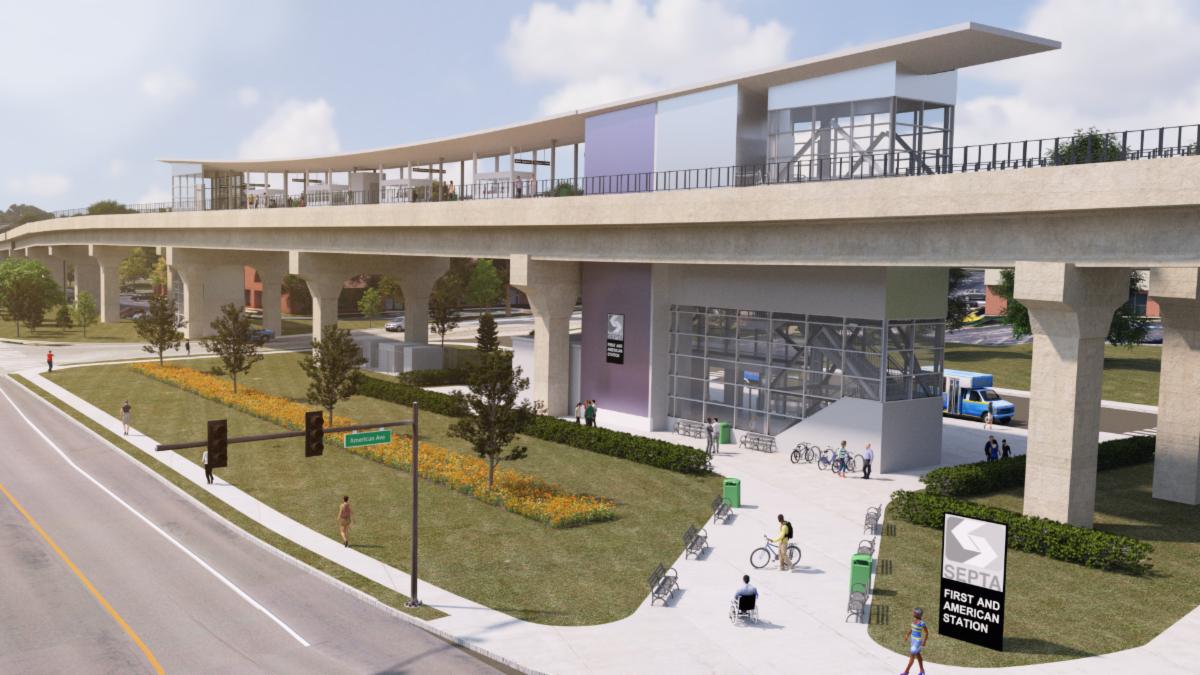
Pennsylvania – The Southeastern Pennsylvania Transportation Authority (SEPTA) will host a pre-proposal meeting at 11 a.m. May 17 for architectural and engineering services to design the third phase of the King of Prussia Rail (KOP Rail) extension.
SEPTA will extend the existing Norristown High Speed Line 4 miles into King of Prussia, providing a high-speed, “one-seat” ride from any station along the line, including the 69th Street Transportation Center in Upper Darby and the Norristown Transportation Center in Norristown.
Previously, SEPTA announced that KOP Rail entered the Project Development Phase of the Federal Transit Administration’s Capital Investment Grant (CIG) program, which appropriates funds for light, heavy, and commuter rail projects; streetcar; and bus rapid transit projects.
SEPTA included $390 million for KOP Rail in the recently released proposed Fiscal Year 2023 Capital Budget and 12-Year Program, further cementing its commitment to the project to leverage additional federal funding.
|
|
Kansas water treatment plant to get $281M federal funding boost |
|
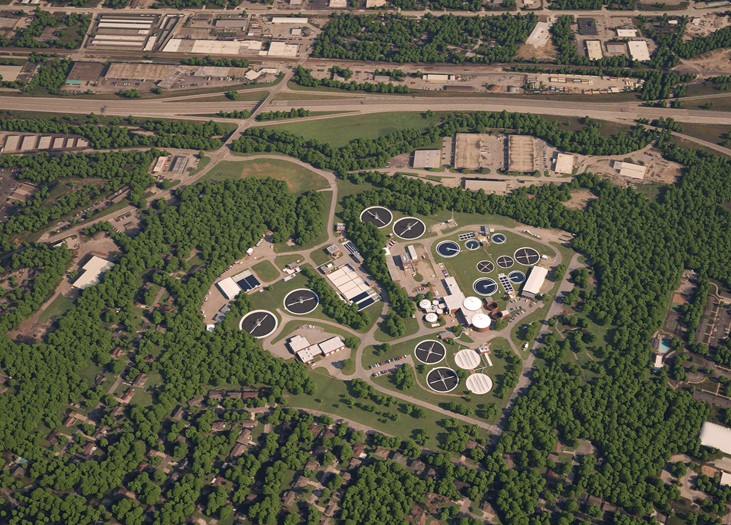
Kansas – Johnson County will receive $281 million in financial assistance from the U.S. Environmental Protection Agency (EPA) to support the Nelson Water Treatment Facility Improvements Project.
This project will help Johnson County Comply with a consent decree from the Kansas Department of Health and Environment to reduce nitrogen and phosphorous discharges. The wastewater treatment facility will be able to treat 15 million gallons per day (MGD) during average flow days and 52 MGD during peak flows once the project is completed. The completed project will also provide an additional 87 MGD of wet weather auxiliary capacity, allowing the county to meet future demand.
The Nelson Wastewater Treatment Facility is the county’s oldest water treatment facility, dating back to the 1940s, and is no longer capable of meeting future water quality standards. This new project will modernize the facility.
County officials anticipate a phased construction process with various key milestones to allow portions of the existing treatment facility to remain in service. Construction is expected to start in early 2024 and be completed in 2029.
|
|
Oregon DOT to devote $100M to electric vehicle charging network |
|
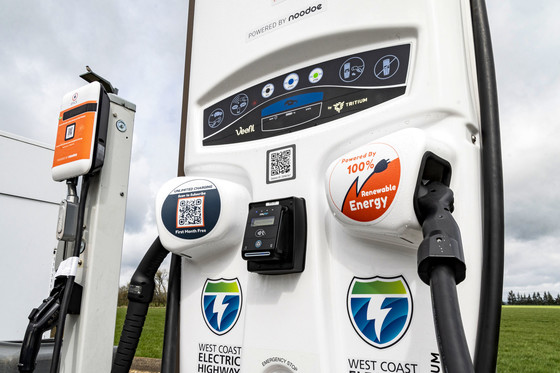
Oregon – The state’s Department of Transportation (ODOT) will invest $100 million over the next five years to build out Oregon’s public electric vehicle (EV) charging network on several major road corridors, and to increase access to EV charging in communities throughout the state.
Funding will come from a mix of federal and state sources and was approved by the Oregon Transportation Commission.
About two-thirds of the funding – $52 million from the 2021 federal infrastructure bill plus a required 20 percent match – must be spent on EV charging infrastructure along “Alternative Fuel Corridors,” as per guidance from the Federal Highway Administration (FHWA).
Alternative Fuel Corridors are roads approved by the FHWA on which states may use federal funding to build alternative fuel infrastructure. Electricity is an alternative fuel, and Oregon has seven corridors approved for federally funded EV charging: Interstates 5, 84, 82, and U.S. 26, 101, 20 and 97. ODOT will nominate more corridors for federal approval over the next five years.
The remaining third of the money – $36 million – will be used to close EV infrastructure gaps beyond those seven corridors. More charging sites in rural and urban areas, underserved communities, and at apartment complexes will allow more Oregonians to charge their electric vehicles.
New charging sites installed on Oregon’s seven EV corridors will be spaced roughly every 50 miles, and each site will have at least four fast-chargers. Sites will be “future-proof” and ready to accept more, faster chargers.
ODOT does not install, own, or operate public EV chargers. The agency relies on partnerships with private companies to build the state’s charging network.
|
|
Massachusetts city issues RFI for agenda, minutes software |
|
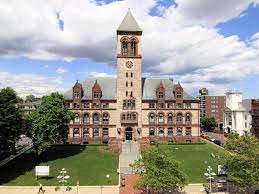
Massachusetts – The city of Cambridge released a request for information (RFI) for vendor input about agenda and minutes software.
Cambridge officials are seeking information on a cloud-hosted agendas management system that supports audio and video streaming, recording, and hosting.
The city seeks to obtain a solution that will automate, streamline, and simplify the agendas and minutes creation process for all public meetings groups within the city.
It also desires a system that will: support video streaming, audio livestreaming, and recording of city meetings; manage appointments of open positions for all city boards and commissions; and provide a user-friendly portal for staff and the public to access and search for meeting agendas, minutes, and recordings.
City officials intend to migrate all data, including videos, from Cambridge’ current agendas and minutes system to the new system.
The deadline for RFI submissions is 11 a.m. local time May 19.
|
|
Phoenix-Mesa airport envisions new passenger terminal |
|
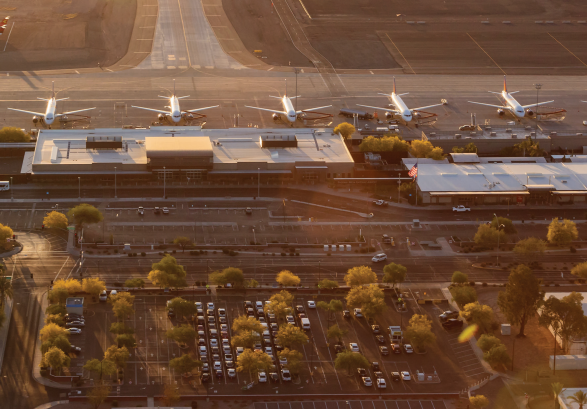
Arizona – Phoenix-Mesa Gateway Airport will soon launch its plans for a new expandable east side commercial passenger terminal by commissioning a campus plan analysis.
Components of the first phase would include an approximately 250,000- to 350,000-square-foot terminal, multiple aircraft gates and associated hold rooms, ticket counters, security screening checkpoints, airport control center, and administration and operations offices.
Other desired features include food and retail concessions locations, rental car counter, passenger and employee vehicle parking, and ground transportation and shared ride staging.
The airport’s 2020 master plan lists an east side terminal replacement with 10 gates plus four hardstand positions. The estimated total project cost in 2019 dollars is $167.16 million.
|
|
Montana bus agency planning new $67M headquarters |
|
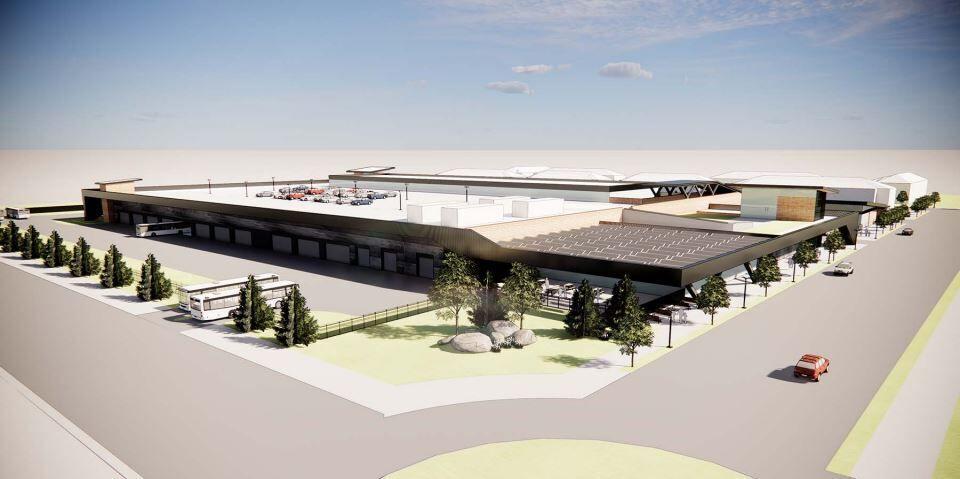
Montana – Missoula's community bus system, Mountain Line, operated by the Missoula Urban Transportation District, recently announced plans to build a new $67 million headquarters.
To build the new headquarters, Mountain Line will apply for a Federal Transit Authority (FTA) grant with a maximum award of $54 million. The grant stipulates that the Mountain Line comes up with $13.5 million in matching funds.
Mountain Line has $10 million and will probably ask the Missoula Redevelopment Agency for public Tax Increment Financing funds to make up the difference if the agency secures the FTA grant.
According to Mountain Line representatives, the headquarters will eventually be all-electric and will replace the system’s current headquarters in the Westside neighborhood. The plan calls for doubling service, which would be impossible at the current site.
The new headquarters will need eight to 10 acres to meet the community's needs for the coming decades. Mountain Line representatives are currently considering two sites but prefer the location closer to downtown as the site would save the system in operating costs.
|
|
Minnesota university to assess solar suitability |
|
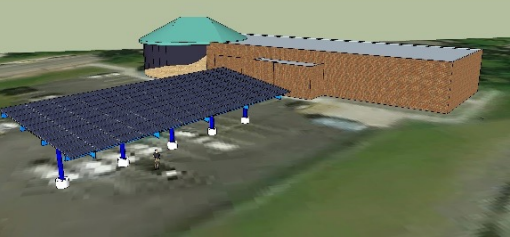
Minnesota – Spurred by a student-led solar energy referendum, Bemidji State University issued a request for information (RFI) to conduct a new solar suitability study for solar photovoltaic (PV) installation.
The university, which is part of the Minnesota State Colleges and Universities System, continues to explore additional ways to benefit from solar energy and has used faculty expertise to estimate electrical generation potential of rooftop solar photovoltaic panels.
According to preliminary estimates generated by an initial modeling exercise, university-owned buildings could generate up to 4,719 megawatt-hours per year of solar generated electricity.
During the solar suitability analysis, engineers will consider:
- Existing electrical infrastructure and its capacity to integrate small to medium-scale solar array(s) (40-200 kilowatt per meter).
- Existing electrical service entrances (if multiple) and recommend the best location for new solar integration equipment.
- Based on service entrance preferences, recommend approximate location for the array with a preference for ground-mounted or parking lot canopies.
- Conduit routes to the proposed array and between solar balance of system (BOS) components.
- Setback constraints - natural or built.
When the final solar suitability study report is ready, the document will be shared in a “Site Specific RFP” with solar design-build contractors who will provide a bid to design, furnish, and install the solar array.
The university is conducting the study with a Solar for Schools Grant in mind. Established by the Minnesota Legislature in 2021, the grant program is designed to stimulate the installation of solar energy systems on Minnesota public schools, while using the opportunity to incorporate renewable energy information into school curriculum.
RFI submissions are due by noon CDT May 27.
|
|
West Virginia funnels $55M to bridge, road projects |
|
West Virginia – The Federal Highway Administration (FHWA) will release nearly $54.8 million in federal funding for bridge replacement rehabilitation and highway construction projects in West Virginia.
State senators reported FHWA will distribute $40 million for bridge work and $14.79 million for the completion of Corridor H section of the Appalachian Development Highway System (ADHS).
Funding will address the state’s nation-leading percentage of bridges in poor condition and build upon the $200 million secured by West Virginia’s congressional delegation in the Finish the ADHS Act in the Infrastructure Investment and Jobs Act.
The Finish the ADHS Act will provide $1.25 billion in dedicated funding over five years for the network of transportation corridors across Appalachia for the first time since 2012.
ADHS was signed into law in 1965 by President Johnson to build 3,090 miles of highway. As of FY 2021, 91.1 percent of the system is under construction or open to traffic, with 276 miles remaining to be built. According to the Appalachian Regional Commission, the full cost of completion for the ADHS is roughly $9.7 billion.
|
|
Washington, D.C. – The board of directors at the Washington Metropolitan Area Transit Authority selected Randy Clarke as its new general manager and CEO. He will succeed Paul Wiedefeld who is set to retire June 30. Clarke is the current president and CEO of Capital Metro in Austin, Texas. He also worked at the Massachusetts Bay Transportation Authority (MBTA) in several roles including deputy chief operating officer.
Michigan – The city of Eastpointe named Mariah Walton as permanent city manager after she had been serving as the city’s interim manager since December 2021. She succeeded former City Manager Elke Doom who retired. Walton previously served as assistant city manager for Eastpointe.
New York – Gov. Phil Murphy of New Jersey and Gov. Kathy Hochul of New York nominated Kris Kolluri as the CEO of the Gateway Development Commission. Kolluri currently serves as the president and CEO of an economic and community development nonprofit. Previously, he was commissioner of the New Jersey Department of Transportation and CEO of the Rowan University/Rutgers - Camden Board of Governors.
Illinois – DePaul University named Dr. Robert Manuel as its 13th president, effective August 1. He will succeed Dr. Gabriel Esteban, who has served as president since 2017 and announced his decision to step down last summer. Manuel currently serves as president of the University of Indianapolis. Before that, he was associate provost at Georgetown University.
California – The city of Palm Springs appointed Harry Barrett as executive director of the Palm Springs International Airport. He has served as interim director since December 2021 when former Executive Director Ulises Aguirre retired. Barrett was first hired in Palm Springs as deputy director of operations and maintenance. He was promoted to assistant airport director in July 2021.
Georgia – The White County board of commissioners named Michael Renshaw as the sole finalist for county manager. Renshaw previously served as county manager for Barrow County, Georgia, and Camden County, North Carolina. He is a veteran of the U.S. Navy and Persian Gulf War.
|
|
|
|
Connect with SPI
Check out our social media links!
|
|
About Government Contracting Pipeline |
|
Strategic Partnerships, Inc.
Ph: 512-531-3900
|
|
Government Contracting Pipeline, a publication of Strategic Partnerships, Inc., is a free, weekly newsletter detailing important happenings nationwide and the premier source for federal, state, and local government news and contracting opportunities.
|
|
Help us share this message.
To ensure delivery and proper formatting of the newsletter, be sure to add editor@spartnerships.com to your safe senders list.
Otherwise, the newsletter may be flagged as spam and automatically routed to your junk e-mail folder.
|
|
© 2022 Strategic Partnerships, Inc. All rights reserved.
|
|
|
|
|
|
|
|