Volume 14, Issue 14 - Wednesday, April 6, 2022 |
|
By Mary Scott Nabers, CEO of Strategic Partnerships, Inc. |
|
After more than a decade, Congress is again allowing federal earmarks, and when the recent omnibus appropriations bill was passed, billions became available for new, upcoming projects. While highly populated areas of the U.S. received large funding allocations, rural areas also received millions for projects that have been on wish lists for a very long time. Projects in sparsely populated areas will receive less attention, but in many instances, the new earmark funding will be only a part of a much larger project. The examples that follow are indications of projects that will likely initiate even larger contracting opportunities.
The state of Wisconsin boats the second highest number of organic farms and will now have $39.7 million for construction of a new facility to improve crop production. The Plant Germplasm Research Facility will support collaboration between U.S. Department of Agriculture (USDA) scientists and researchers from the University of Wisconsin-Madison to enhance regional crop quality. The new 50,000-square-foot facility will include dry lab space, multiple greenhouses, seed storage facilities, and other equipment to expand volume and diversity of local plant breeding efforts. Another $10 million earmark from the spending bill will fund construction of a new Institute for Rural Partnerships in Wisconsin.
In Graves, Louisiana, where agriculture is critical to the entire state’s economy, a $10 million earmark will be used for construction of a joint research and laboratory building along with multiple greenhouse facilities. The plan is for the USDA Sugarcane Research Unit to provide research and develop new sugarcane varieties. Another goal is for researchers to devise new production strategies capable of combatting pest-related setbacks to crop yield.
|
|
Wind energy auction to open Carolina Long Bay area to leasing |
|
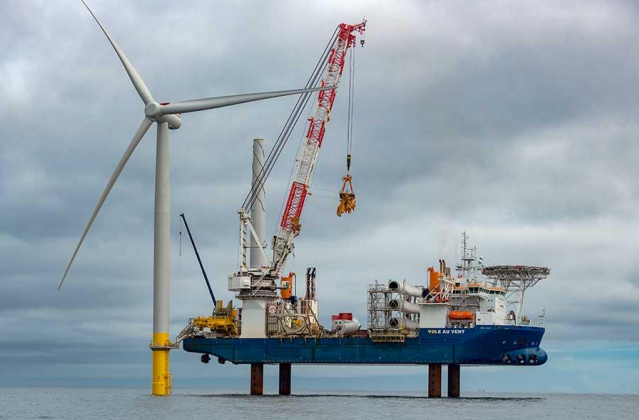
South Carolina – The Bureau of Ocean Energy Management (BOEM) will hold a wind energy auction for two lease areas offshore the Carolinas on May 11. The lease areas cover 110,091 acres in the Carolina Long Bay area that, if developed, could result in at least 1.3 gigawatts of offshore wind energy, enough to power nearly 500,000 homes.
BOEM will offer a 20 percent credit to bidders if they commit to invest in programs that will advance U.S. offshore wind energy workforce training or supply chain development.
The Carolina Long Bay offshore wind energy auction will allow offshore wind developers to bid on one or both lease areas within the Wilmington East Wind Energy Area (WEA). The two lease areas include similar acreage, distance to shore, and wind resource potential.
To advance BOEM’s communication and environmental justice goals, the leases also will require lessees to identify Tribal Nations, underserved communities, agencies, ocean users, and other interested stakeholders, and report on their communication and engagement activities with these parties.
Feedback from stakeholders on its sale announcement in November 2021 combined with its scientific review prompted BOEM to reduce the acreage available for leasing by 14 percent from the areas proposed to avoid conflicts with ocean users and minimize environmental impacts.
In addition, this past fall the Biden Administration announced a new leasing path forward, which identified up to seven potential lease sales by 2025, including the upcoming Carolina Long Bay lease sale and last month’s New York Bight lease sale. Lease sales offshore California and Oregon, as well as in the Central Atlantic, Gulf of Maine, and the Gulf of Mexico are expected to follow.
A recent report indicates that the U.S.’ growing offshore wind energy industry presents a $109 billion revenue opportunity to businesses in the supply chain over the next decade.
|
|
Oregon directs flexible funding to accessibility, road repair projects |
|
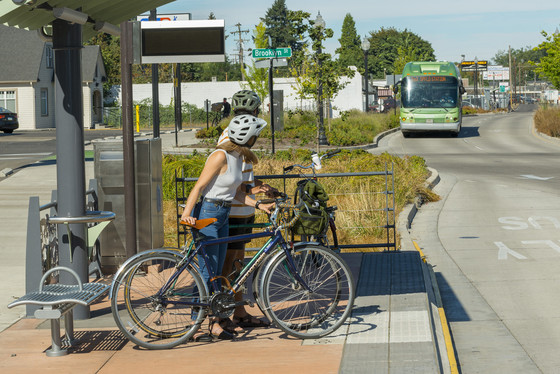
Oregon – Members of the Oregon Transportation Commission prioritized main streets, accessibility, repairs, and air quality projects as they directed $412 million in flexible federal funding.
The 2021 federal infrastructure package allocated $1.2 billion in additional transportation funding for Oregon over the next few years. About $800 million of that spending is directed to specific purposes. The remaining $412 million was not specifically allocated.
Commissioners formally directed the remaining funds be invested in several initiatives including:
- Improving accessibility for individuals with disabilities - $95 million.
- Repairing damaged and unsafe roadways in Oregon - $75 million.
- Transforming state-owned arterials in urban areas to reflect their status as community main streets and to make them safer to use for people walking near and traveling on these roads - $50 million.
- Completing numerous highway and interchange improvements to streamline the movement of goods - $50 million.
- Funding maintenance and operations activities which have become increasingly underfunded - $40 million.
- Providing matching funds to help Oregon compete effectively for billions of dollars in competitive federal grant opportunities - $40 million.
- Funding new Safe Routes to Schools projects that make it safer for children to walk or roll to school - $30 million.
- Assisting local governments to reduce transportation greenhouse gas emissions by planning climate-friendly communities - $15 million.
With the commission’s investment decisions, combined with the federal funds directly allocated to other transportation investment categories, Oregon’s share of the federal infrastructure package will be divided as follows:
- Sustainable and equitable transportation investments – 34 percent.
- Highway, bridge, and other maintenance and repair projects – 36 percent.
- State and local safety investments – 18 percent.
- Americans with disabilities improvements – 8 percent.
- Highway enhancements – 4 percent.
The commission’s approval to invest these funds will guide Oregon Department of Transportation (ODOT) staff in determining the details of how they will be distributed. ODOT will provide further details on the process for making specific expenditures in the coming weeks and months.
|
|
Alabama infrastructure earns C- on ASCE report card |
|
Alabama – Despite a seven-year gap between infrastructure grades from the American Society of Civil Engineers (ASCE), the state of Alabama received the same grade it did in 2015 – a C-.
State investments in its roadways buoyed Alabama’s rating from a D+ to a C- and commitments to its bridges resulted in its previous C- grade improving to a C+.
ASCE’s report analyzes 12 categories of infrastructure in Alabama: aviation (C), bridges (C+), dams (incomplete), drinking water (C-), energy (B), inland waterways (D), ports (B), rail (B), roads (C-), stormwater (D+), transit (C-), and wastewater (D).
Energy (B), ports (B), and rail (B) received the highest grades in the report. Alabama consumes roughly the same amount of energy as it produces, and the network has grown to be more resilient to withstand increasingly severe weather events.
Alabama ranks sixth in the nation for total net electricity generation. The Rebuild Alabama Act included $150 million for ports, while the Alabama State Port authority has spent $1.4 billion on channel improvements since 2002.
The state’s water systems are severely underfunded and, as a result, their conditions have deteriorated. Inland waterways (D) and wastewater (D) received the lowest grades in the report. Lack of funding has led to deferred maintenance of the state’s inland waterways, causing these structures to be unavailable for commercial traffic, slowing down the shipment of commodities and hindering the economy.
Two of the state’s locks have been completely closed to traffic due to poor conditions and 12 of the 16 locks were built more than 50 years ago. Alabama’s wastewater systems have more than $3 billion in needs over the next 15 years.
Alabama is the only state that does not have a dam safety plan; therefore, it does not qualify for federal funding and an ASCE grade.
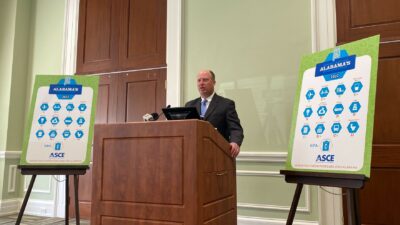
Lt. Governor Will Ainsworth and state Senator Clyde Chambliss, who is also an engineer and ASCE member, provided remarks about the state of infrastructure in Alabama during the presentation of the ASCE report.
|
|
Ohio county lakefront access plan features shoreline-street trail |
|
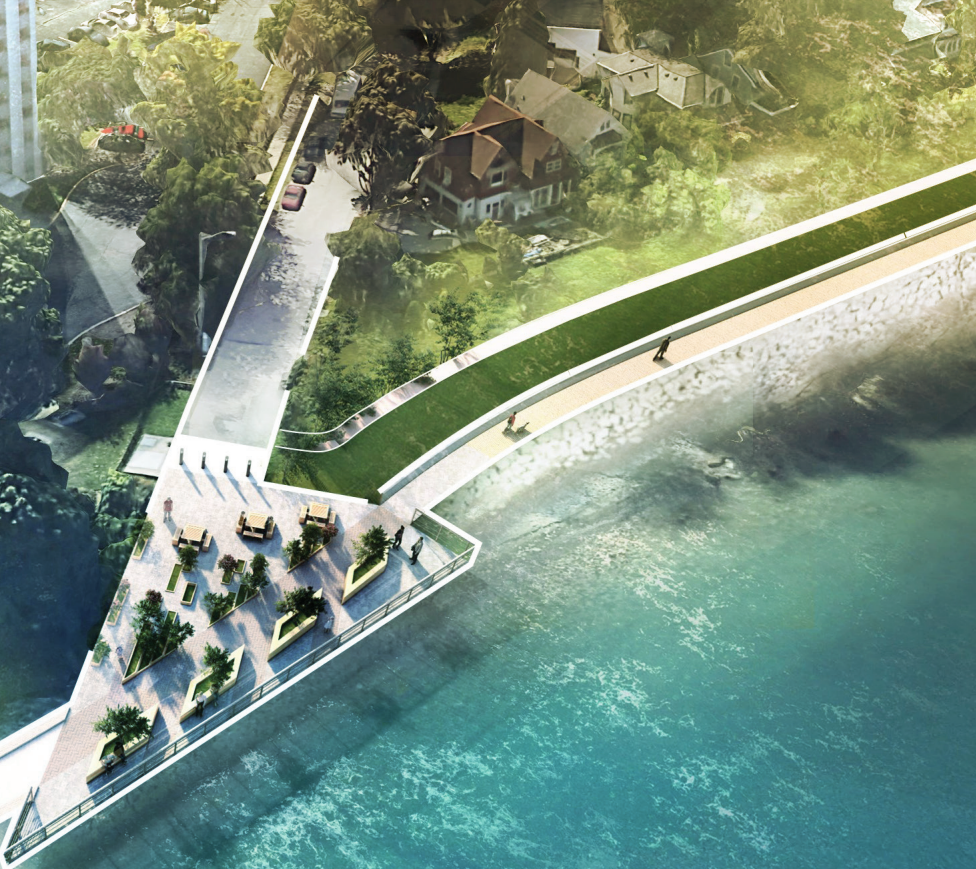
Ohio – Cuyahoga County released a Lakefront Public Access Plan that calls for improved access to Lake Erie, better erosion control and ecological management, and enhanced transportation networks on the shoreline.
The plan was inspired by a county executive's vision in 2019 to create a continuous lakefront 30-plus mile trail on Lake Erie. The report states that only 6.8 miles of the county’s 30-miles of shoreline are accessible to the community outside of Cleveland. The shoreline is dominated by private property, industry, and public utilities or infrastructure.
Due to current land ownership, developing an ongoing trail on the lakefront would not be possible. Instead, the report proposes weaving back and forth between the shoreline and major streets.
Four specific projects are outlined in the report:
- Improvements to the Lake-Clifton Bridge.
- Erosion control measures and shoreline access along Lakewood’s Gold Coast.
- A new trail running along North and South Marginal roads in Cleveland.
- A new trail connector from Beulah Park to Euclid Beach.
Cuyahoga County will work with local municipalities to complete the project.
In addition to releasing the plan, an interactive online “storymap” has been launched that contains maps of the lakefront project that are planned, completed, and underway.
|
|
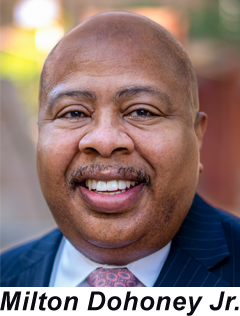
Milton Dohoney Jr.
Interim City Administrator
City of Ann Arbor
|
|
Public career highlights, education, and current responsibilities: I have had the privilege of working in five mostly large cities in different parts of the U.S. serving either as the CEO/CAO or the chief operating officer. My education includes BA and MS degrees from Indiana University Southeast, and the University of Louisville. Currently, I am serving as the interim city administrator for the city of Ann Arbor. I provide executive leadership to all of the administrative functions of the government. Recently, the City Council voted unanimously to name me as the permanent city administrator.
What I like best about public service: In the public service arena, I have the pleasure of working every day with all of the community stakeholders to advance a city toward its potential. No two days are alike. Creativity, innovation, and calculated risk taking carried out atop a foundation of integrity and ethics is a great environment to be in. In utilizing all of my skills and experience working in concert with my team, I get to be a part of a legacy that will extend long after I have moved on.
Looking at my professional career I am most proud of: It is very difficult to select a singular item given the longevity, and diversity of my career. Playing a key role in the waterfront development in Cincinnati that’s called The Banks, and the replacement of stereotypical public housing with mixed income neighborhoods in both Louisville and Lexington are collective achievements that I was honored to be a part of. Those projects each had a long-lasting impact on their respective communities. Aside from the brick and mortar projects, I have also been a part of bridging the gulf between people in various cities. Given the incivility that we are seeing these days, that too has been very rewarding.
The best advice I’ve received: Is to exert maximum effort in problem solving. Once I make a decision, execute it fully, but don’t spend time on the back end second guessing myself. Just move on to the next thing because in municipal management there is always a next thing.
My favorite way to de-stress: My favorite way to de-stress is to cook, read a mystery novel, or to lose myself as a total fanatic for one of my favorite sports teams.
Any upcoming project that I want to mention: The city of Ann Arbor is working hard to address our ongoing need for affordable housing. We are also preparing to compete to bring our share of federal infrastructure dollars to Ann Arbor to support many of the needs that we have.
One thing I wish more people knew about the City Administrator’s Office is: The City Administrator’s Office is part of some very ambitious initiatives addressing sustainability, quality of life, and positioning for investment under the direction of the City Council, working with the University of Michigan, and the broader community.
|
|
Wichita issues RFI for IT service management software |
|
Kansas – The city of Wichita issued a request for information (RFI) for vendor input on technical qualities and budgetary estimates related to IT service management software.
Wichita’s IT Department uses a management system to manage service records throughout the city’s organization. This is the centralized location for 17 external departments to submit their requests and incidents for services ranging from applications, file sharing, networking, and more. The current platform is an on-premise solution.
City staff report the backend for completing tickets is cumbersome and inefficient. Based on customer feedback, the front end is not user-friendly causing confusion when submitting requests and incidents.
Although this existing system offers extensive functionality based on the current modules offered, as of today, the incident/service request management module is the only module that is fully used.
RFI submissions are due by 5 p.m. local time May 31.
|
|
Department of Interior to invest in rural water infrastructure |
|
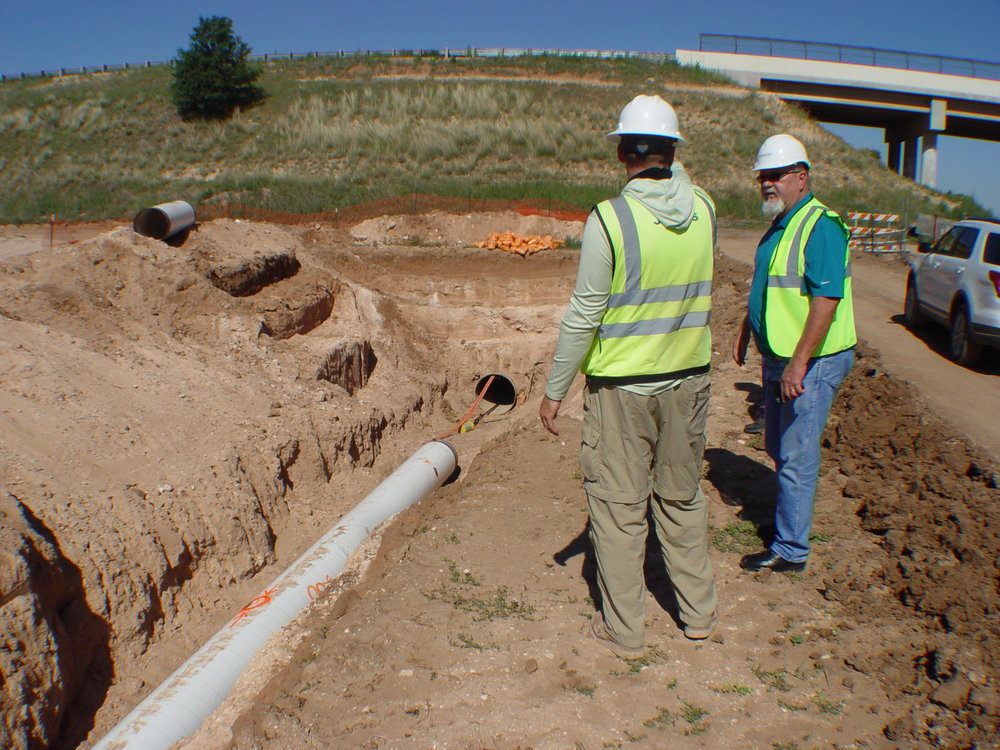
Washington, D.C. – The U.S. Department of the Interior will release $420 million in rural water funding from the Bipartisan Infrastructure Law to help Western states battle the effects of a prolonged, devastating drought.
This investment in rural water systems includes work related to pipeline connections, construction of water treatment plants and intakes, pump systems, reservoir construction, and other efforts to provide potable water to rural and Tribal communities.
Several rural water projects are under construction and one new authorized project is eligible for the funding across six states: Iowa, Minnesota, Montana, New Mexico, North Dakota, and South Dakota.
Assistant Secretary for Water and Science Tanya Trujillo made the announcement while in Albuquerque to highlight $160 million for the Eastern New Mexico Rural Water System for the construction of a transmission pipeline that will provide critical water supplies to approximately 70,000 people. This funding advances the construction of the system which includes approximately 120 miles of transmission pipeline and laterals, two raw water pump stations, one smaller
finished water pump station, and a water treatment plant.
In addition, the rural water allocations include:
- $75.5 million for the Lewis & Clark Rural Water System in South Dakota, Iowa, and Minnesota to support treated water pipeline segments on Iowa 4 and 5, the Sibley Service Line and associated meter buildings, booster pumps, and storage reservoirs.
- $57.5 million for the Rocky Boys/North Central Montana Rural Water System in Montana for core pipeline construction on segments 6 and 7, continued efforts of on the water treatment plant, as well as construction for segments associated with Tiber, Big Sandy, Loma and Havre service areas.
- $51 million for the Garrison-Diversion Unit of the Pick-Sloan Missouri Basin Program in North Dakota to support efforts associated with the Fort Berthold User Expansion, as well as construction efforts to support service in Northeast Segment Areas 3 and 4, the Spirit Lake West Service Area, and the Bear Soldier Service Area.
- $37 million for the recently authorized Musselshell-Judith Rural Water System in Montana for phase 2 of rural water construction activities.
- $7 million for the Fort Peck Reservation – Dry Prairie Rural Water System in Montana to support the Tribal components of Fort Peck West Phases 3 and 4.
Allocations for projects are based on project plans and significant accomplishments that are projected to be completed with the funding provided, as well as the capability of recipients to implement the work quickly. Funding in fiscal year 2022 will enable significant advances of rural water systems and associated features.
Of the allocation, $32 million is held in reserve to be distributed throughout the fiscal year to address potential increases in construction capability for the projects listed above.
|
|
Tempe council to consider sports-entertainment district proposal |
|
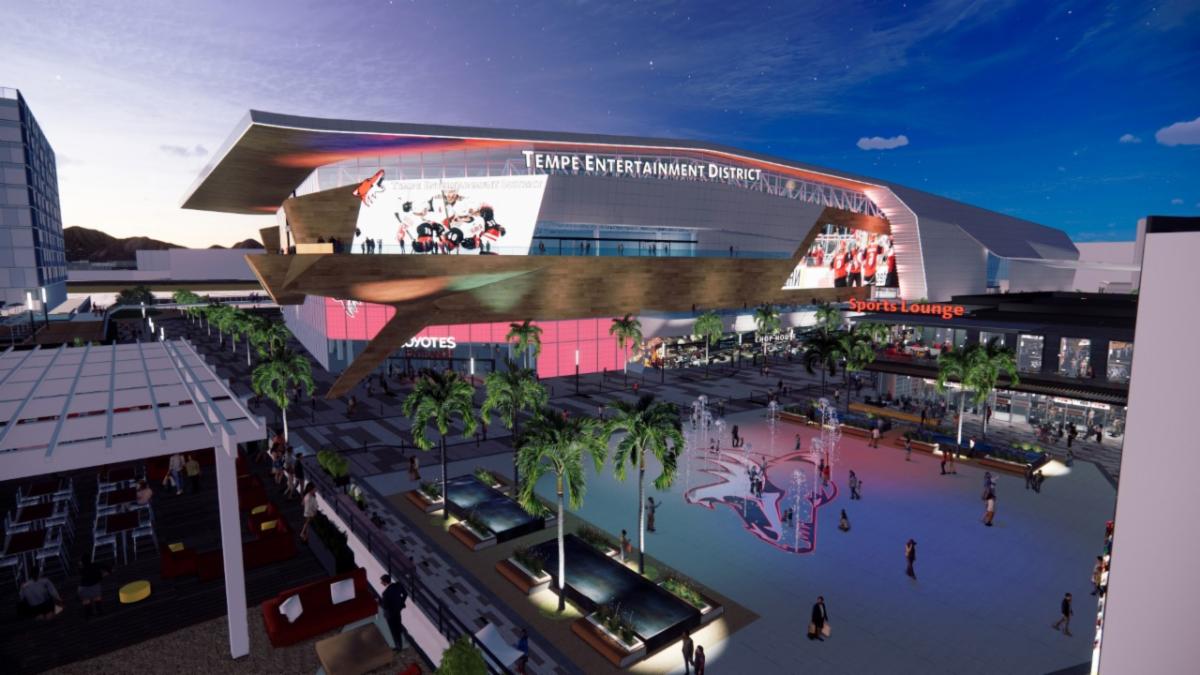
Arizona – The Tempe City Council is set to meet in executive session on April 7 to discuss the results of a solicitation for a project incorporating a professional sports franchise and entertainment district for two parcels of city-owned land totaling 46 acres at the northeast corner of Priest Drive and Rio Salado Parkway.
Tempe issued the solicitation in 2021 for the development of a mixed-use sports and entertainment district that is home to a professional sports franchise, 1,000 residential units, 200,000 square feet of retail, a sports stadium/arena and practice facility, and large plaza area with numerous amenities and shade.
The development also would feature open space and walkability connecting to Innovation Discovery Education Arts (IDEA) Tempe, the Tempe Center for the Arts, and Tempe Town Lake trail system. It would need appropriate parking and transit options for multi-modal transportation.
Bluebird Development, the sole respondent to the city’s request for proposals, represents the NHL Arizona Coyotes, a Phoenix-based professional hockey team.
|
|
Montana university system seeks learning management input |
|
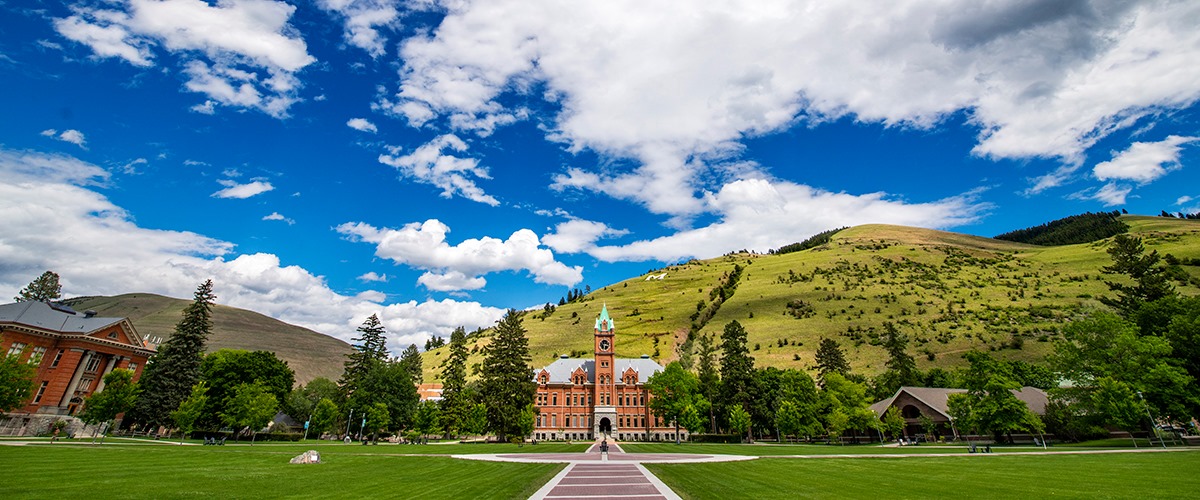
Montana – Through a request for information (RFI), the Montana University System is seeking input on enterprise learning management systems (LMS) designed for higher education use, including information regarding functionality for students, faculty, college administration, and other stakeholders.
This RFI also requests information regarding transition and integration support to assist the Montana University System, its constituent institutions, the Montana Digital Academy, and, at their discretion, Montana’s community colleges to implement a new system.
The Montana University System, which includes two flagship doctoral research universities, one special focus university, three regional comprehensive universities, two standalone two-year institutions, and four embedded two-year colleges, intends to replace its campuses’ current systems with a single provider.
It would prefer this single contract also be open to the Montana Digital Academy and the four Montana community college districts to join at their discretion.
The Montana University System’s objectives in seeking a common system are to:
- Improve the user experience for students, faculty, instructional design staff, and other campus users who interact with the LMS.
- Lower LMS licensing and support costs for the system.
- Lower licensing, support, and integration costs for additional products and services that integrate with the LMS.
- Create a more seamless experience for students who attend multiple system institutions during their academic careers.
- Facilitate seamless academic collaborations, including course and program sharing.
The Montana University System views a high quality and user-friendly LMS as not only a means to enhance teaching, learning, and support for face-to-face course delivery and student communications, but also as a component of state efforts to expand access to a diverse array of academic programs, particularly to remote communities and placebound student populations.
The deadline for RFI submissions is 2 p.m. MDT April 27.
|
|
Grand Rapids eyes land for $116M river amphitheater |
|
The Grand Rapids-Kent County Convention/ Arena Authority (CAA) is seeking to purchase 11.6 acres of land to build a $116 million amphitheater along the Grand River in Grand Rapids.
The city commission unanimously approved the request by the CAA to purchase the land which currently houses the city’s public works operations. The CAA could close on the property by June 30, if it can secure $116 million.
The CAA is seeking various funds to build the amphitheater, including $81 million in donor, state, and private investment, $15 million from property on the site the CAA could sell to private developers, and $30 million in state funding.
Officials say the 12,000-seat amphitheater, once complete, is expected to host 54 events per season, including ticketed and free community events with approximately 300,000 visitors.
A timeline for this project has not been finalized. Grand Action 2.0, a private economic development group, is working on completing a proof-to-concept study on the amphitheater project to validate the project’s budget. If the plan moves forward as expected, construction could begin in a year.
The proposed amphitheater is part of a redevelopment plan for 31 acres of property along the Grand River. Officials plan to build up to 1,750 apartments, ground-floor retail space, and parks and greenspace in addition to the amphitheater. Residential space along the river is expected to include affordable housing units.
|
|
Howard University plans $785M in academic building construction |
|
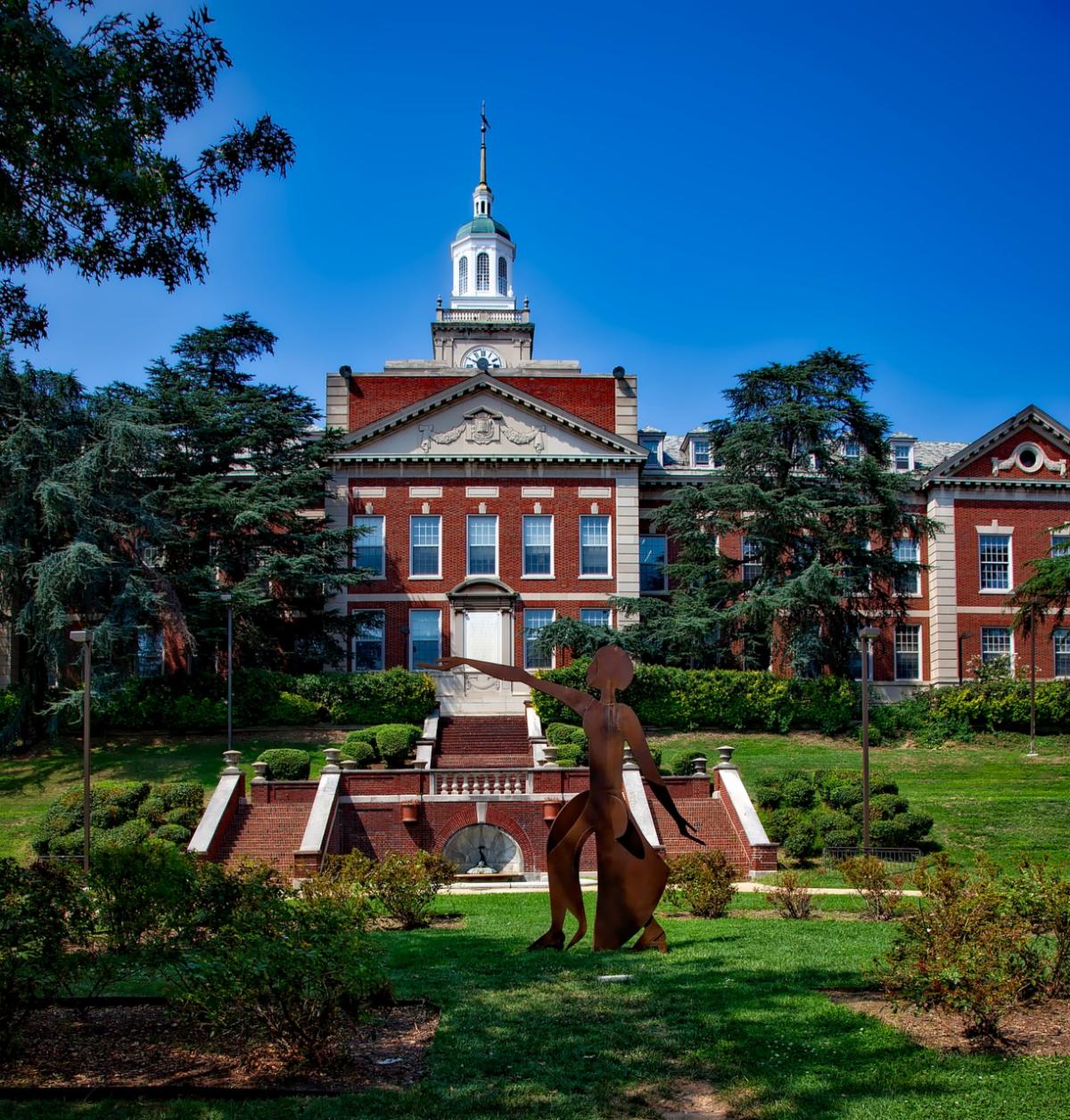
Washington, D.C. – Howard University will invest $785 million over the next five years in construction of new academic buildings, marking the first such investment since 1984 and replacing some buildings that are more than 80 years old.
Guided by its master plan, the university will commit $670 million to the construction of new multidisciplinary academic buildings, including the Health Sciences Complex, the Center for Arts and Communications, and the STEM Center.
Remaining investments will go toward major renovations to existing facilities, including the Myrtilla Miner Building, which will house the School of Education and the Howard University Middle School for Mathematics and Science. These new construction projects are slated to begin this year and are expected to be completed by 2026.
This latest investment represents the execution of the next phase of the administration’s plan to transform Howard’s real estate infrastructure. Over the last five years, the university has renovated 80 percent of residence halls with improved security and building system upgrades. The University Central Campus Master Plan includes about 1,500 additional housing units.
|
|
North Carolina considering options to replace Cape Fear bridge |
|
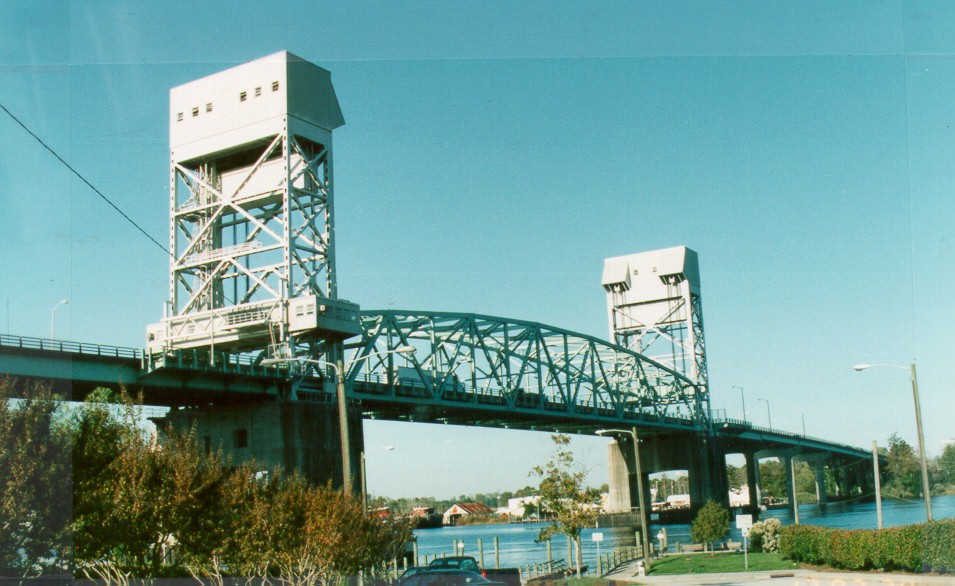
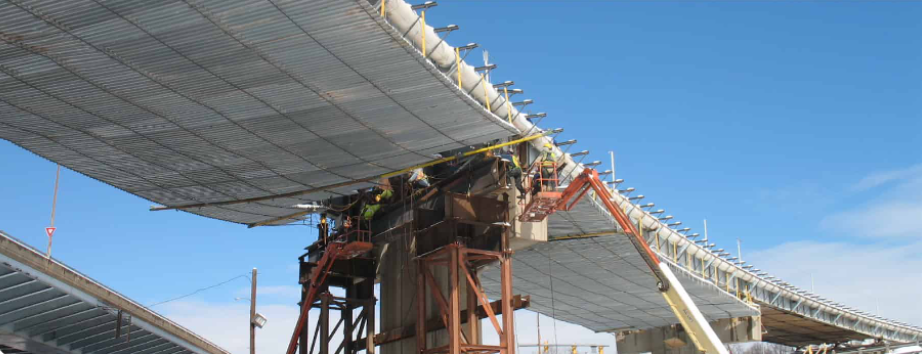
North Carolina – The state’s Department of Transportation (NCDOT) is evaluating three strategies for the replacement of the Cape Fear Memorial Bridge built in 1969 and reaching the end of its useful life.
NCDOT is researching the traditional design-bid-build project delivery method, a partnership with a private company on a toll option, and solicitation of innovative solutions as possibilities for replacing the bridge.
Transportation planners would release a request for information for the latter option to explore new financing or building options, such as public-private partnerships (P3s).
In 2020, NCDOT received an unsolicited proposal to enter a P3 to build the Cape Fear Crossing, but funding issues stalled the project. Now, the state is exploring options for replacing the existing structure.
A previous feasibility study assessed four options of varying heights and movability including one that could accommodate a railroad.
|
|
New Hampshire releases RFI for animal records system |
|
New Hampshire – The Department of Agriculture, Markets, & Food (DAMF), Division of Animal Industry, for New Hampshire issued a request for information (RFI) seeking details regarding an animal records system with the ability to implement additional licensing and inspection, and complaint and enforcement modules/functions.
Pet vending records will be the starting point for this system, though DAMF has developed this RFI with the knowledge and expectation that the proposed system will eventually improve operations across all aspects of the Division of Animal Industry.
Once the pet vending portion is operational, DAMF is interested in enhancing the system to integrate disease surveillance and reporting data and issuing additional licenses (e.g., livestock dealers, poultry dealers, permitted garbage feeders, etc.).
The system must accommodate electronic submission of pet vending records by licensed veterinarians as well as issuing, tracking, and sending pet vendor licenses, recording inspection results data, tracking inspection notations that require follow up, accounting of fees and fines, application status, and inspection timing and tracking analysis.
In an average year, the system would handle 100,000 to 150,000 pet vending records submissions, importation documentation, 300 to 500 inspection and complaint reports, and more than 200 licenses.
The addition of livestock and poultry records would include approximately 100 additional inspections along with disease surveillance and animal health records across species and disease control programs.
DAMF uses a combination of hard copy files, several legacy databases for licensing, inspection, and data capture, and several separate spreadsheet files for data capture and reporting.
RFI submissions are due by May 20.
|
|
Illinois bill to allow design-build delivery method for DOT projects |
|
Illinois – The Illinois House has approved the Innovation for Transportation Infrastructure Act that authorizes the Illinois Department of Transportation (IDOT) to use a single entity to both design and construct a project.
IDOT currently uses the design-bid-build method. Using this method, the department designs a plan in-house and then reviews bids from contractors to build. IDOT will now be able to use the design-build method, streamlining future projects. Projects using the design-build method will be capped at $400 million.
Missouri used the design-build method to complete a bridge from Pike County, Illinois, to Missouri. According to Illinois State Rep. C.D. Davidsmeyer, R-Jacksonville, the project, which the state of Missouri oversaw, was finished in less time and under budget.
IDOT and the Illinois Tollway Authority are also authorized to use the construction manager general contract delivery method on two projects a year under the Transportation Infrastructure Act. This method allows the department to contract with a single entity to serve as the construction manager for the design phase, then agree on a price to serve as the general contractor for construction.
The Transportation Infrastructure Act has passed the House on a unanimous vote and is now headed to the governor.
|
|
MaineDOT forms offshore wind port advisory group |
|
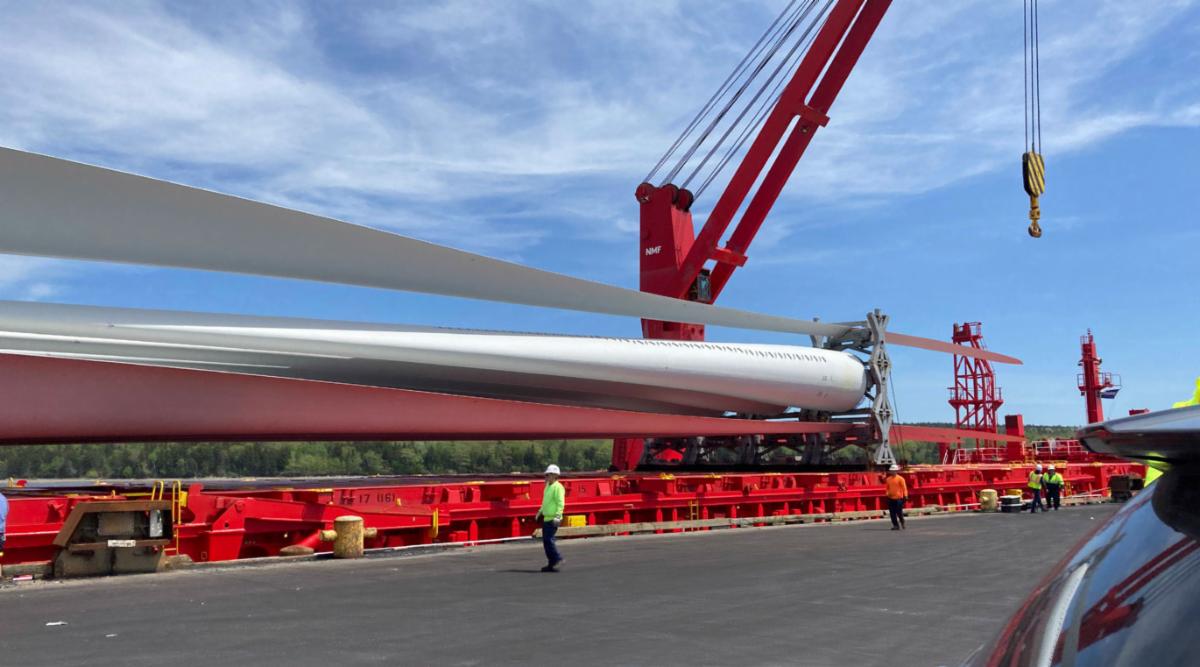
Maine – The state’s Department of Transportation (MaineDOT) created an Offshore Wind Port Advisory Group to advise the department and other state officials on the potential development of wind port facilities.
Levering the University of Maine’s patented floating offshore wind technology, the group will help guide the state’s efforts to achieve environmental and economic benefits of the offshore wind market.
The group will consist of 19 members representing a spectrum of local, regional, and statewide stakeholders, including representatives from environmental, business, port and marine transportation, fishing, labor, construction, and conservation interests.
This port advisory group process is a companion effort to the Maine Offshore Wind Initiative led by the Governor’s Energy Office (GEO), which is exploring the responsible development of floating offshore wind energy in the federal waters off the Gulf of Maine while ensuring balance with the state’s maritime industries and environment.
A key component of this broader GEO initiative is the development of the Offshore Wind Roadmap, a comprehensive economic development planning process now underway. Working groups of the Roadmap include those studying energy markets, environmental and wildlife issues, supply chain, workforce development, port and marine transportation needs, and fisheries.
The Offshore Wind Port Advisory Group is expected to have its first organizational meeting in the latter part of April. Work on the Roadmap is expected to be completed by December.
|
|
Ohio Turnpike considering 5 locations for solar array installation |
|
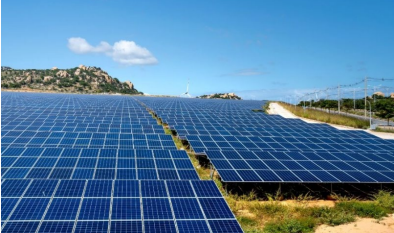
Ohio – The Ohio Turnpike and Infrastructure Commission will host a non-mandatory pre-proposal meeting at 10 a.m. April 13 at Indian Meadow Service Plaza in West Unity for development of solar arrays at up to five locations.
Commissioners are seeking the installation of ground-mounted solar photovoltaic panels at Glacier Hills, Indian Meadow, Mahoning Valley, Tiffin River, and Wyandot locations.
To achieve that goal, the commission intends to install no less than 1.7 megawatts direct current (MWdc) solar panels at up to five service plazas. A minimum of 2,243 MWh annual energy production by PV systems is sought for all five sites combined.
The first project site is scheduled to be in operation by October 30, 2023, with construction beginning on the first site by December 31.
|
|
Pennsylvania reopens P3 application period for innovative projects |
|
Pennsylvania – In its ongoing effort to work with the private sector on transportation projects, the Pennsylvania Department of Transportation (PennDOT) Office of Public-Private Partnerships (P3s) reopened its unsolicited proposal application period from April 1-30.
The submission period applies to PennDOT-owned projects, infrastructure, and services. During this period, the private sector can submit proposals offering innovative ways to deliver transportation projects across a variety of modes including roads, bridges, rail, aviation, and ports. Proposals can also include more efficient models to manage existing transportation-related services and programs.
Unsolicited proposals are being accepted through 11:59 p.m. April 30. PennDOT holds an unsolicited proposal period in April and October each year.
The private sector also may submit applications for non-PennDOT-owned assets directly to the P3 board during this time. Transportation entities outside of the governor's jurisdiction, such as transit authorities and the Pennsylvania Turnpike Commission, may establish their own timelines or accept proposals year-round.
The state’s P3 law allows PennDOT and other transportation authorities and commissions to partner with private companies to participate in delivering, maintaining, and financing transportation-related projects.
|
|
New Mexico – Gov. Michelle Lujan selected Annie Winterfield Manriquez as senior adviser for cybersecurity and critical infrastructure. Before coming to New Mexico, Manriquez led the Intelligence Analysis and Strategy Department at The MITRE Corporation, a Federally Funded Research and Development Corporation (FFRDC).
Maryland – The University System of Maryland board of regents appointed Valerie Sheares Ashby as the next president of the University of Maryland Baltimore County (UMBC), effective August 1. She will succeed UMBC President Freeman Hrabowski who is retiring. Ashby is currently dean of Duke University’s Trinity College of Arts & Sciences.
Florida – The Naples City Council named Jay Boodheshwar as the new city manager, effective May 2. He will take over from Interim City Manager Pete DiMaria. Boodheshwar most recently served as deputy city manager of Palm Beach, Florida. Before that, he was director of recreation and special projects in Palm Beach.
Oklahoma – The Tulsa Airports Improvement Trust selected Paul Myers as executive vice president and chief operating officer over Tulsa International Airport and Tulsa Riverside Airport. Myers most recently was the vice president of safety and security for a U.S. charter airline.
Pennsylvania – Philadelphia Mayor Jim Kenney announced Dominick Mireles as the new director of the city’s Office of Emergency Management (OEM). Mireles, who has been with OEM for more than seven years, currently serves as the office’s deputy director for operations.
Kansas – The city of Manhattan named Stephanie Peterson as its new community development director, effective May 9. She will replace former Community Development Director Eric Cattell, who retired in March. Peterson currently serves as executive director of the Flint Hills Metropolitan Planning Organization, which she joined as a transportation planner in 2013.
|
|
|
|
Connect with SPI
Check out our social media links!
|
|
About Government Contracting Pipeline |
|
Strategic Partnerships, Inc.
Ph: 512-531-3900
|
|
Government Contracting Pipeline, a publication of Strategic Partnerships, Inc., is a free, weekly newsletter detailing important happenings nationwide and the premier source for federal, state, and local government news and contracting opportunities.
|
|
Help us share this message.
To ensure delivery and proper formatting of the newsletter, be sure to add editor@spartnerships.com to your safe senders list.
Otherwise, the newsletter may be flagged as spam and automatically routed to your junk e-mail folder.
|
|
© 2022 Strategic Partnerships, Inc. All rights reserved.
|
|
|
|
|
|
|
|