Volume 14, Issue 11 - Wednesday, March 16, 2022 |
|
By Mary Scott Nabers, CEO of Strategic Partnerships, Inc. |
|
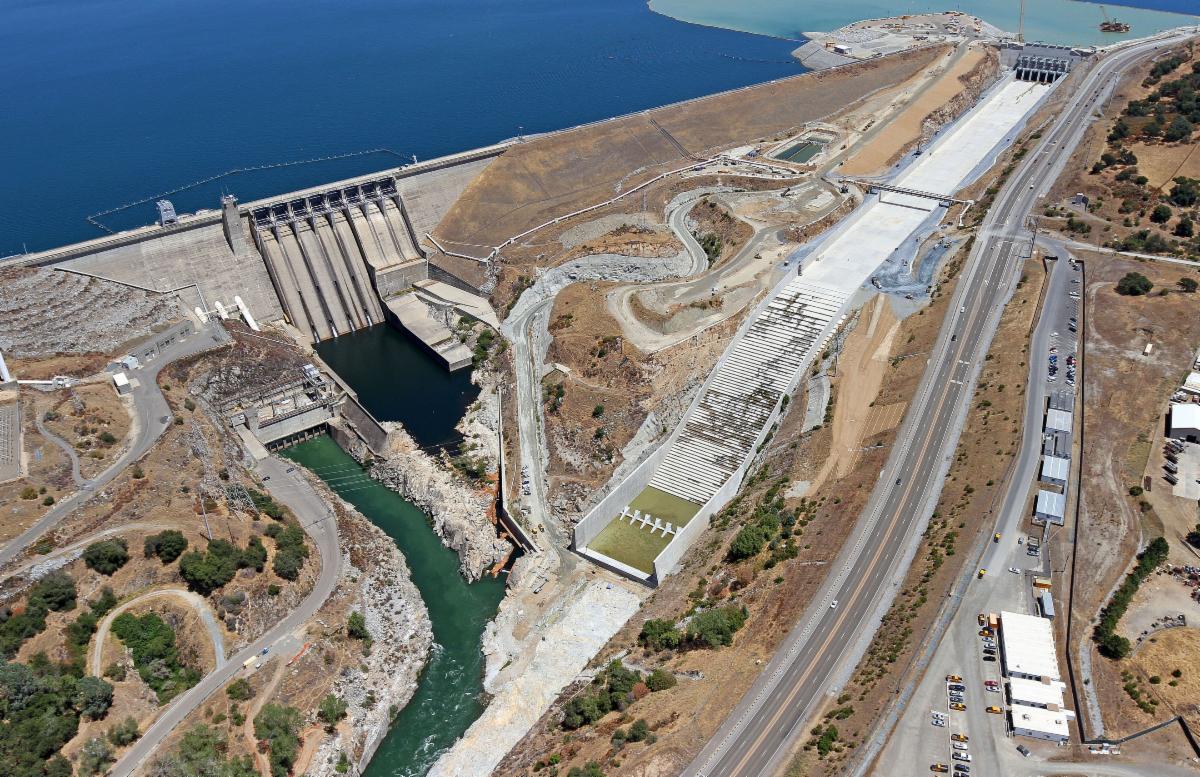
Companies with service offerings and/or capabilities associated with resilience projects would be wise to check their current registration status with the U.S. Army Corps of Engineers (USACE). Small and minority firms should definitely reach out to check their status and learn more about special benefits their certification categories provide to prime contractors.
This alert to verify status comes from Congress’ allocation of $17 billion to the USACE for an abundance of high-dollar resilience projects that will all require contractors.
Placing an immediate focus on resiliency projects is wise because the most recent $17 billion allocation only marks the surface of future resilience activity and funding. The upcoming opportunities will elevate contractors of all sizes and types to high demand status. The critical need to protect and preserve costal lands and public assets is a top priority for the federal government and state and local governments as well.
USACE’s recently funded feasibility studies and projects ready to launch point to the future of climate resilience opportunities. A quick look at what will be released soon provides insight into what will follow.
- A $5 million feasibility study of the San Francisco Waterfront will focus on evaluating community-specific measures for storm damage reduction, coastal flood damage reduction, and aquatic environment restoration. This study will become the framework for future high-dollar projects in the region.
- A $1 million USACE feasibility study of coastal flood damage resilience planned for the northern and southern portions of Ponte Vedra, Florida, provides guidance into how the region will likely prioritize its largest and most costly resilience projects.
- A $40 million opportunity to construct resilience measures in New Mexico is expected to emerge from a $2 million design project that USACE is planning for later this year. The design work will focus on building resilience measures along New Mexican stretches of Espanola Valley, the Rio Grande, and its tributaries.
|
|
Billions authorized for energy, water development in spending bill |
|
Washington, D.C. – The $1.2 trillion omnibus appropriations legislation signed on March 15 includes more than $52.87 billion for energy and water development, an increase of $3.42 billion from fiscal year 2021.
The bill supplies funds for water resources development programs and over $8 billion for related activities of the U.S. Army Corps of Engineers (USACE) civil works program.
USACE will receive $4.57 billion for operations and maintenance, including more than $2 billion to support projects including dredging, repair, and operation of structures and facilities. The Corps also will get $370 million for projects associated with the Mississippi River.
In addition, $1.92 billion will go to the Department of Interior’s Bureau of Reclamation to continue construction of rural water projects, water supply and conservation projects, and water reliability and delivery measures. Funds also fulfill federal obligations to Indian Water Rights Settlements, as well as conservation programs on the Colorado River.
The bill supports the Department of Energy’s energy research and development activities, environmental cleanup and waste management, and atomic energy defense activities; and independent agencies and commissions such as the Appalachian Regional Commission and the Nuclear Regulatory Commission.
It provides resources to strengthen the U.S. nuclear deterrence posture, ensure nuclear stockpile readiness and safety, and prepare for existing and future nuclear threats.
In addition, it includes investments needed to improve and maintain flood control projects and ensure the viability of national and regional ports and waterways and maintains funding for unconventional fossil energy technologies.
The bill will fund the national government through the end of the fiscal year in September.
|
|
Washington state passes $17B transportation package |
|
Washington – The state’s 2022 Legislature passed a $17 billion transportation package on the session’s final day that will fund new bridges and ferries as well as improvements to the state’s highway network over the next 16 years.
As part of the Move Ahead Washington proposal, the state will put $5.4 billion toward carbon reduction as well as electrification and expansion of multimodal transportation, $3.1 billion for transit, and $3 billion to preservation and maintenance.
Plans for high-speed rail in Cascadia are set to receive $150 million from the package as a local match for up to $700 million in federal grants. Another $50 million will support walking and biking projects in historically underfunded communities.
Four ferry projects, including the Guemes Ferry Replacement project at $14 million, will benefit from the package. The current 40-year-old Guemes will be replaced by a new all electric ferry expected to enter full service by 2025.
Gov. Jay Inslee will have 20 days to sign bills after they’re delivered to his office.
|
|
States partnering on regional clean hydrogen hubs |
|
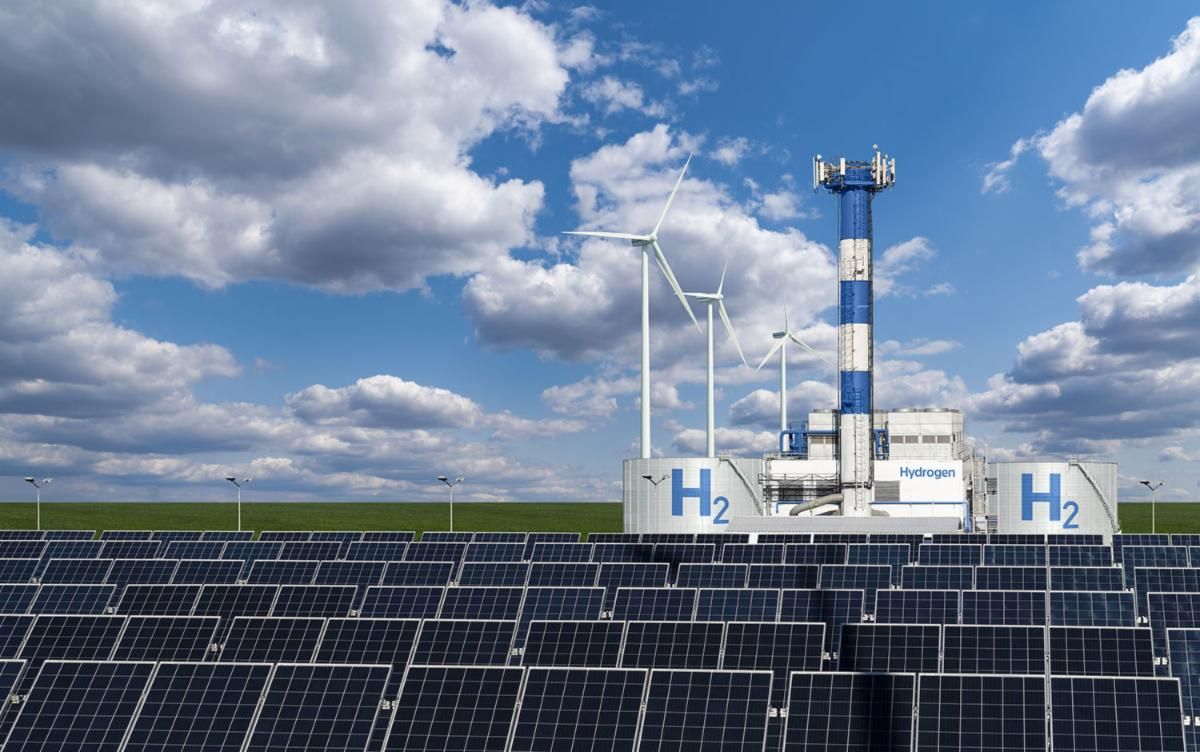
Oklahoma – The states of Arkansas, Louisiana, and Oklahoma have entered a partnership to establish a regional hub for development, production, and use of clean hydrogen as fuel and feedstock, which is raw material for manufacturing.
In entering the agreement, the states intend to compete as a unit for a portion of $8 billion funding established in the Infrastructure, Investment, and Jobs Act (IIJA) of 2021, in which the U.S. Department of Energy (DOE) is directed to seek out and select regional clean hydrogen hubs to fund.
DOE will rate hubs based on mix of feedstock available to produce hydrogen, available users of hydrogen, geographic locations, and potential effects on employment, among other considerations.
The three-state partnership builds upon existing advantages such as an inland seaport system, intermodal rail, pipeline infrastructure, and interstate freight highways. In addition, hydrogen is available for demonstration with large, new, clean hydrogen production hubs scheduled to come online soon.
Other provisions in the agreement call for:
- Promoting investment in infrastructure for production and transportation of low-carbon hydrogen.
- Prioritizing direct capture of carbon for all phases of hydrogen development.
- Working with industry, transportation networks, and ports to connect major facilities with high carbon footprints to hydrogen infrastructure for fuel blending and reduction of carbon dioxide emissions.
- Working to support hydrogen production to support all phases of industry that can use hydrogen as a fuel source.
Oklahoma, Louisiana, and Arkansas have been focused on hydrogen as an additional resource in their all-of-the-above approach to a diversified and clean energy portfolio. In late 2021, a hydrogen-from-natural-gas project with carbon capture and sequestration was announced in Louisiana and a large electrolytic production hub was announced in Oklahoma.
A coalition of Mountain West States comprising Colorado, New Mexico, Utah, and Wyoming signed an agreement in February to coordinate and develop a regional clean hydrogen hub.
The four signatory states will develop a Western Inter-State Hydrogen Hub (WISHH) with supporting facilities in each state in response to the request for proposals that the DOE is expected to release in May.
|
|
Major pothole confirms need for improvements to Colorado's I-70 |
|
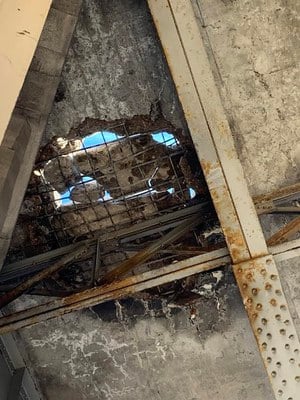
Colorado – State transportation officials are vowing that $700 million in improvements are on their way for the Interstate 70 Mountain Corridor after a 12-inch-wide hole appeared in the Floyd Hill Overpass.
The pothole, which damaged several vehicles, took a day to repair, according to Colorado Department of Transportation (CDOT). The damage was to the bridge deck and not to the structure. CDOT officials said the aging bridge is structurally safe for traffic, but it is in need of replacement.
A week prior to the incident, partners including U.S. Secretary of Transportation Pete Buttigieg, Gov. Jared Polis, both Colorado senators, and a Colorado Congressman held an event announcing infrastructure investment to rebuild bridges like this one.
CDOT is moving forward with procurement and a schedule to rebuild this eight-mile section of I-70, and the department will seek a federal grant.
Tight bottlenecks are a concern, and CDOT cites a dire need to replace the aging westbound I-70 bridge at the bottom of Floyd Hill. Improvements will relieve congestion, rebuild bridges, enhance multi-modal travel, and improve wildlife habitat and access to Clear Creek and the Clear Creek Greenway.
The interstate would be elevated above the canyon to offer drivers a scenic view of this gateway to the mountains and remove the highway from the floor of the canyon, opening it up to improved wildlife and recreational uses.
Some of the project elements include:
- Adding a third westbound travel lane, which will be an Express Lane, from Floyd Hill through the Veterans Memorial Tunnels and reconstructing horizontal curves to provide more consistent and safer speeds.
- Adding a missing frontage road connection between U.S. 6 and the Hidden Valley/Central City Parkway interchange to provide an alternate route to I-70 during emergencies.
- Improving interchanges and intersections throughout the project area.
Construction on early projects, including wildlife crossings, roundabout intersections, and micro-transit infrastructure, could begin as soon as summer or fall. Major westbound I-70 construction could begin in 2023 and continue through 2027.
|
|
Virginia seeking input on criminal justice information system |
|
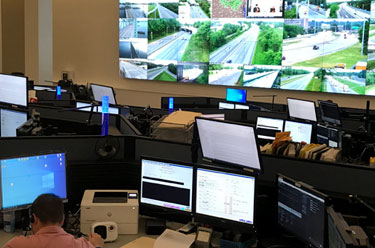
Virginia – The state police of Virginia (VSP) issued a request for information (RFI) to guide its decisions related to a proposed project to modernize the state’s criminal justice information communication system.
VSP will review the capabilities and information provided by industry to form any future requirements for similar products or services. The agency also will review the information to determine which suppliers, if any, will be invited for demonstrations.
It is seeking information from vendors on criminal justice message switch solutions that can be provided to VSP as a Software-as-a-Service (SaaS) hosted at the vendor’s data center, a third-party data center, or at a cloud service provider. The hosting provider should have experience hosting applications that are FBI Criminal Justice Information Services-compliant.
The solution must be compliant with the latest FBI and National Law Enforcement Telecommunications Systems (Nlets) standards applicable to criminal justice message switches.
RFI submissions are due by 2 p.m. EDT March 31.
|
|
New berth highlights Georgia port's $150M development plan |
|
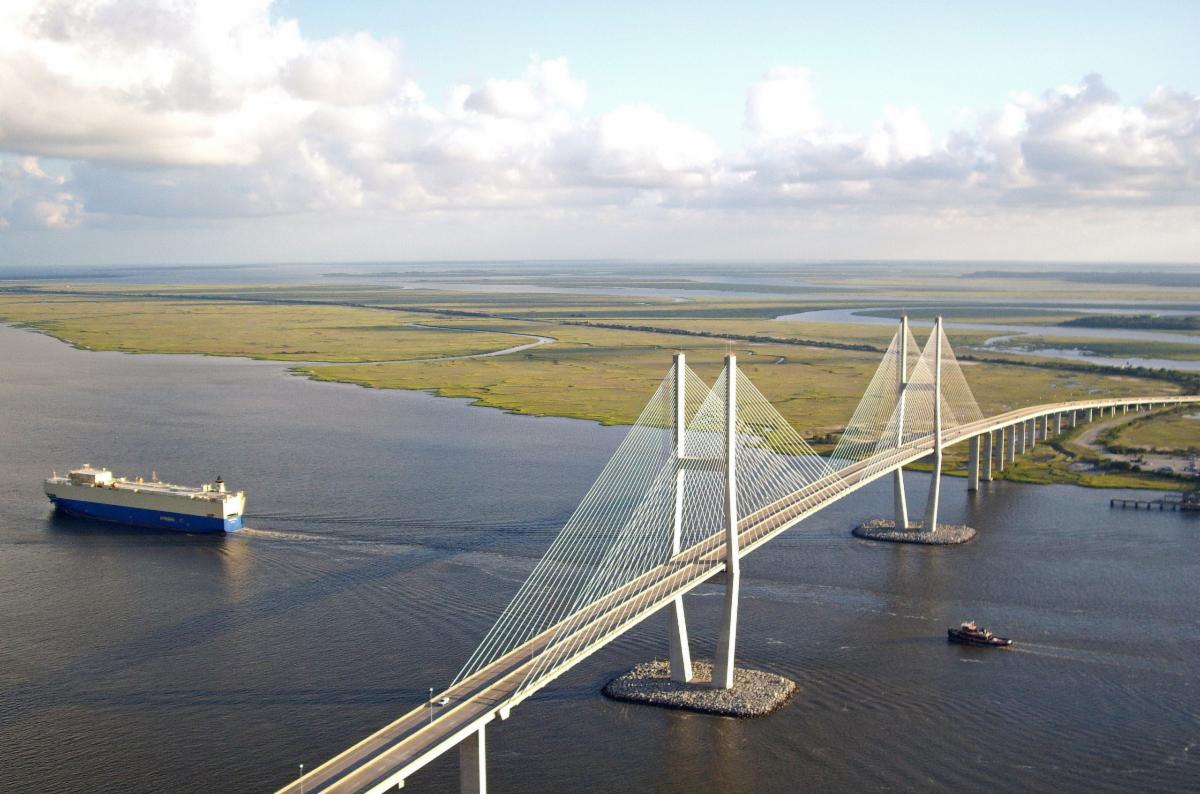
Georgia – At the Brunswick State of the Port, the Georgia Ports Authority (GPA) unveiled plans to grow capacity at Brunswick’s flagship autoport and its breakbulk terminal for forest products.
Port officials said they will expand berth and terminal capacity at both Colonel’s Island and Mayor’s Point in order to take on additional trade. As the nation’s second-busiest hub for roll-on/roll-off (Ro/Ro) cargo, behind only Baltimore, the port moved 650,000 units of vehicles and heavy machinery in 2021, an increase of 10 percent over 2020.
GPA Chief Administrative Officer Jamie McCurry outlined a $150 million development plan that features a fourth berth at Colonel’s Island, 360,000 square feet of new warehousing, and 85 additional acres for auto processing.
The new pavement and buildings are slated to be complete in 2023. The additional auto storage on the south side of the island will increase the terminal’s annual capacity from 1.2 million to 1.4 million vehicles. Colonel’s Island has a total of 355 acres permitted for expansion.
Recently approved by the U.S. Army Corps of Engineers, the new berth will include a concrete deck and other infrastructure that will extend Ro/Ro vessel berthing space from 3,355 feet to 4,630 feet. Construction is anticipated to begin at the end of 2022 and take two years to complete.
In addition, GPA will upgrade near-dock storage areas to better accommodate heavy machinery used in agriculture, construction, and warehousing operations.
|
|
FTA awards $409M for electrification of bus fleets, facilities |
|
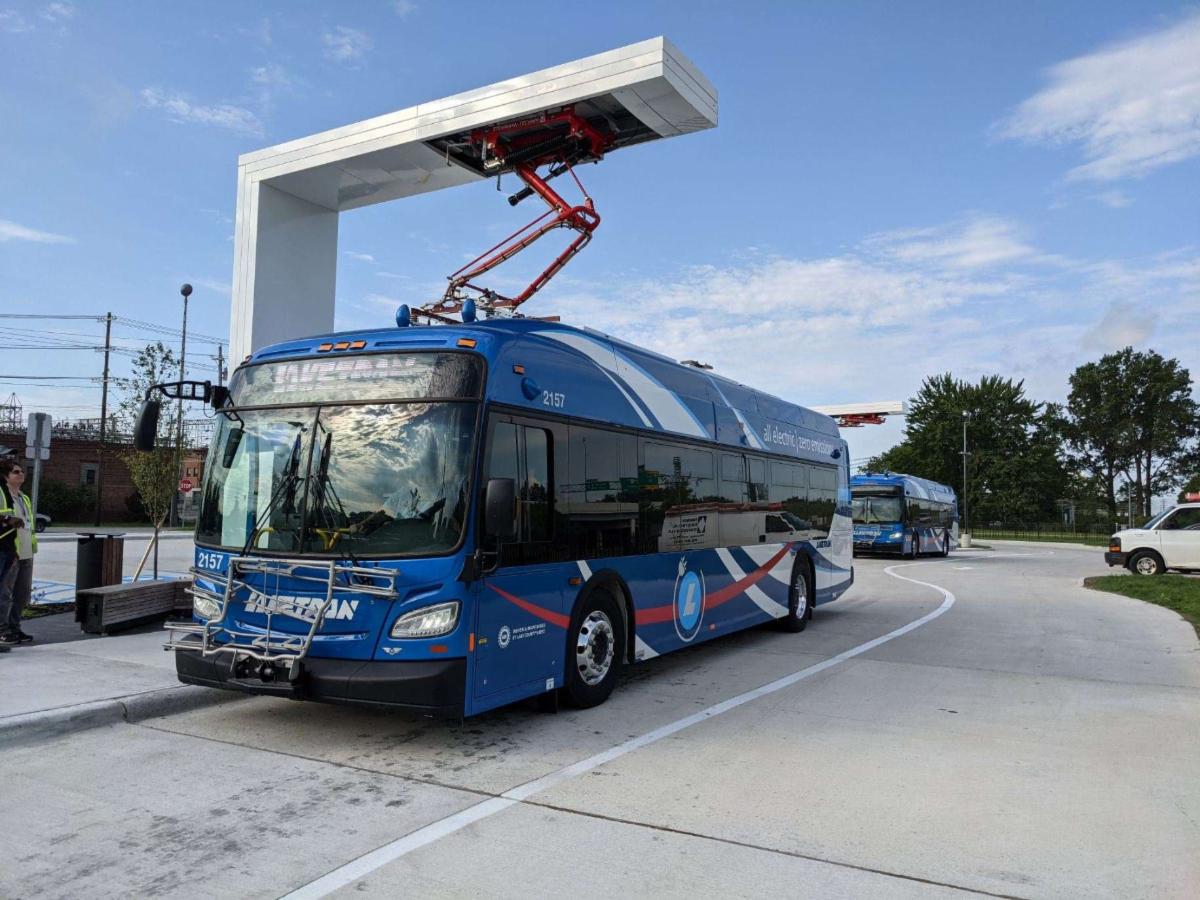
Washington, D.C. – The Federal Transit Administration (FTA) awarded $409.3 million in grants to 70 projects to modernize and electrify buses while improving reliability and safety.
FTA received more than $2.5 billion in funding requests, more than five times the amount of funding available under the previous law.
Examples of projects selected to receive Fiscal Year 2021 funding include:
- The Connecticut Department of Transportation will receive $11.4 million to buy battery-electric buses to replace diesel-powered buses that are past their useful life.
- The Metropolitan Atlanta Rapid Transit Authority (MARTA) will receive $15 million to build a new bus maintenance facility in Clayton County, Georgia.
- Laketran, which serves Lake County, Ohio, will receive nearly $14.7 million to expand a bus garage, add operations and maintenance facilities, and modernize its main headquarters.
The Regional Transportation Commission of Southern Nevada will receive nearly $5 million to buy new hydrogen fuel cell buses to replace older diesel buses and to install renewable energy lighting at bus stops throughout its system.
Under the Bipartisan Infrastructure Law, an additional $5.1 billion in formula and competitive grant funding is authorized under the FTA’s Grants for Buses and Bus Facilities Program over the next five years.
|
|
Rapid City airport launches design phase for terminal expansion |
|
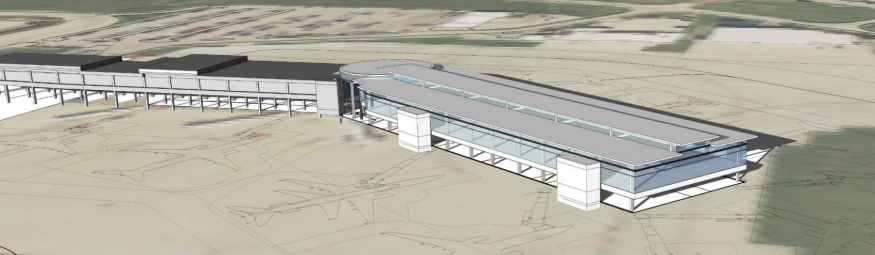
South Dakota – To keep up with near record-breaking passenger numbers, the Rapid City Regional Airport board of directors approved a contract for architectural and engineering services to expand and renovate the airport’s terminal.
Construction is estimated at $75 million to $80 million, focusing on four work parts to improve the terminal’s ticket counter, concourse, security checkpoint, and rental car and baggage carousel. The Rapid City Regional Airport Terminal was built in 1986, and has evolved over the last four decades, with the last major renovation and improvement project finished in 2012.
About 22,500 square feet of the existing ticketing counter would be renovated while another 28,500 square feet would be added for ticketing and baggage service. More than 26,200 square feet of concourse space will be updated, and another 24,000 square feet of concourse will be added to house new gates, queuing areas, and seating while improving circulation in the concourse. The airport’s Transportation Security Administration (TSA) checkpoint will be reconfigured with an additional 4,300 square feet and renovation of 6,300 square feet. Plans call for the addition of 2,800 square feet of rental car space including new rental car offices and customer service counters.
Consultants will issue four separate construction solicitations concurrently with bidding expected to take six seeks. The total project is scheduled to be 68 weeks. A formal schedule will be developed at the onset of the project.
|
|
Illinois to release solicitation for new IT modernization program |
|
Illinois – The Department of Innovation & Technology (DoIT) in Illinois is notifying vendors of an upcoming sheltered market solicitation for the newly established Technology Operations Professional Services (TOPS) program that will support IT modernization efforts for the state’s technology initiatives.
DoIT anticipates an increased need for technical planning and implementation services. This solicitation is open to certified vendors in the State of Illinois Business Enterprise Program (BEP). The department intends to award a primary, secondary and tertiary vendor, while allowing for subcontracting.
Vendors who intend to submit offers for the TOPS solicitation are encouraged to register now in the Illinois Procurement Gateway and the Illinois Procurement Bulletin.
Over the past three years, approximately $9.5 million was spent annually for services from the existing vendor contract.
|
|
Cybersecurity agency hails passage of incident reporting law |
|
Washington, D.C. – The director of the Cybersecurity and Infrastructure Security Agency (CISA) on March 11 lauded Congress for passing cyber incident reporting legislation designed to increase the speed and level of reporting of cyberattacks to the agency.
Included in the stopgap spending bill passed by Congress and signed by President Biden, the new legislation requires entities that own or operate critical infrastructure to report cyber incidents to CISA within 72 hours of discovering the event.
CISA will then assess the effectiveness of security controls, identify tactics, techniques, and procedures adversaries use to overcome those controls and other cybersecurity purposes, including to assess potential impact of cyber incidents on public health and safety and to enhance situational awareness of cyberthreats across critical infrastructure sectors.
The agency will coordinate and share information with appropriate federal departments and agencies to identify and track ransom payments, including those using virtual currencies.
Entities that make ransom payments must report the payment to CISA no later than 24 hours after tendering funds. Preservation of data related to cyber incidents and ransom payments also is required.
Biden signed the full $1.2 trillion spending bill on March 15.
|
|
DOTs kick off Twin Cities-Chicago passenger rail project |
|
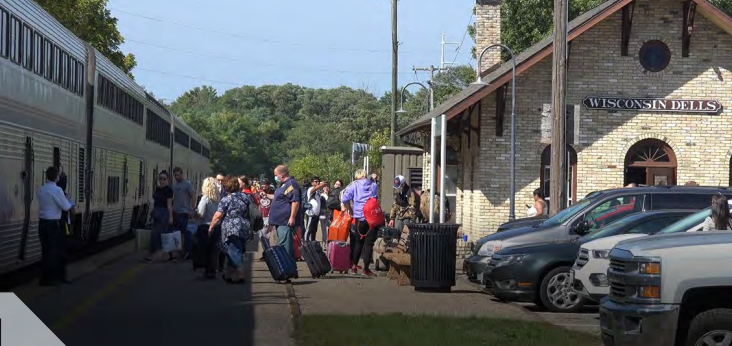
Minnesota – The departments of transportation for Wisconsin and Minnesota kicked off the Twin Cities-Milwaukee-Chicago (TCMC) Intercity Passenger Rail Project that will receive $31.6 million in grant funds from the Federal Railroad Administration (FRA).
TCMC service will add a second daily round-trip passenger train on the 411-mile corridor between Chicago and the Twin Cities.
The line will follow Amtrak’s existing long-distance Empire Builder route and complement the existing railroad’s schedule with both a morning and mid-day departure from Chicago and St. Paul.
Partners on this project include Wisconsin, Minnesota, and Illinois departments of transportation, Amtrak, the FRA, La Crosse Area Planning Committee, and Ramsey County Regional Railroad Authority.
Not only will the $53 million TCMC Project improve mobility and increase reliable travel options between the Midwest economic hubs of St. Paul in Minnesota, both La Crosse and Milwaukee in Wisconsin, and Chicago, but it also will connect many otherwise isolated rural communities.
Required railroad infrastructure projects include La Crosse Yard and Depot Area Improvements that will rebuild second mainline track, extend yard lead to the west, and reconstruct a passenger platform. Work on the Mississippi River Bridge in La Crescent, Minnesota, will realign track approaches, replace switches, and trackwork. River Junction Yard Improvements in La Crescent will convert yard track to signalized second main track, including signal improvements, new mainline track, turnouts, and connection track, and an upgrade to existing yard track.
In Winona, Minnesota, siding track, switches, and signals will be upgraded in addition to construction of new siding track connecting main track to a subdivision. At the Amtrak Midway Station Turnaround Facility in St. Paul, interior improvements will be made for light maintenance and turnaround for TCMC trains.
|
|
University of Maine issues RFI for integrated library system |
|
Maine – The University of Maine System extended its deadline for submissions to April 13 for its request for information (RFI) to gather input on integrated library systems (ILS).
Libraries participating in this RFI have collected significant product knowledge on integrated library systems. These libraries are seeking information that offers examples of ILS product development beyond standard marketing and sales information relating to the existing product offering.
The purpose of this RFI is to understand new benefits and advancements, particularly related to the end-user experience, in ILS systems that are in place currently, in a current beta phase of development, or have been approved for development in the next six to 18 months. The libraries will consent to a mutually agreeable Non-Disclosure Agreement if required.
All aspects of this request for information should be geared toward developments relating to integrated library systems that could effectively support multi-campus consortia library services and support major public libraries in the state.
|
|
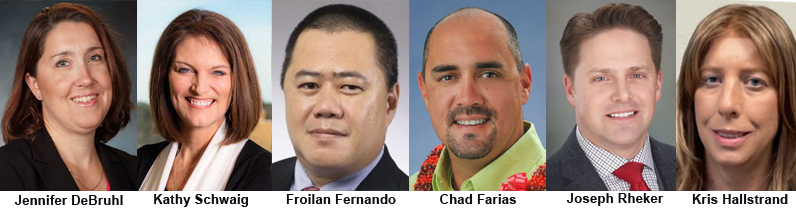
Virginia – Gov. Glenn Youngkin named Jennifer DeBruhl as acting director of the Virginia Department of Rail and Public Transportation (DRPT), effective March 18. She will succeed Jennifer Mitchell who is stepping down to become deputy administrator of the Federal Railroad Administration. DeBruhl is currently DRPT’s chief of public transportation. Before joining DRPT, she was deputy district administrator at the Virginia Department of Transportation.
Georgia – The University System of Georgia board of regents named Dr. Kathy Schwaig as the sole finalist for president of Kennesaw State University (KSU). Schwaig currently serves as KSU’s interim president. She previously served as the chair of entrepreneurial management and professor of information systems, as well as the dean of KSU’s College of Business.
Ohio – Cleveland Mayor Justin Bibb appointed Froilan Roy Fernando as the city’s new chief innovation and technology officer. Fernando most recently served in a leadership role with an enterprise architecture team in the private sector. His experience includes leading mid- to large-scale Enterprise Resource Planning programs with Fortune 500 companies.
Hawaii – Gov. David Ige appointed Chad Keone Farias as executive director of the School Facilities Authority, which oversees development, planning, and construction of public school capital improvement projects. Farias is currently a complex area superintendent for the authority. He has worked for the state Department of Education since 1993 as a teacher, counselor, vice principal, principal, and superintendent.
Michigan – The Clawson City Council hired Joseph Rheker as the new city manager. Rheker previously served as city manager of Harper Woods and held positions with cities of Detroit, Royal Oak, and Mount Clemens. He is a captain in the U.S. Navy and Navy Reserve.
Florida – Lakeland City Manager Shawn Sherrouse appointed Kris Hallstrand as interim director of Lakeland Linder International Airport. She succeeded former Director Gene Conrad who accepted the position of president and CEO of an aerospace education and training center. Hallstrand is currently the assistant director of the airport. She previously served as the airport’s operations manager.
|
|
|
|
Connect with SPI
Check out our social media links!
|
|
About Government Contracting Pipeline |
|
Strategic Partnerships, Inc.
Ph: 512-531-3900
|
|
Government Contracting Pipeline, a publication of Strategic Partnerships, Inc., is a free, weekly newsletter detailing important happenings nationwide and the premier source for federal, state, and local government news and contracting opportunities.
|
|
Help us share this message.
To ensure delivery and proper formatting of the newsletter, be sure to add editor@spartnerships.com to your safe senders list.
Otherwise, the newsletter may be flagged as spam and automatically routed to your junk e-mail folder.
|
|
© 2022 Strategic Partnerships, Inc. All rights reserved.
|
|
|
|
|
|
|
|