|
Water projects are likely to offer some of the most significant infrastructure contracting opportunities in 2025. While funding is still available at the federal level, public officials are rushing to upgrade water infrastructure. The expectation is that the incoming Trump administration will allocate additional funding for water infrastructure projects as well, given the critical needs in this sector.
Lead-contaminated pipelines are a public health hazard, and funding for their removal throughout the U.S. is available – but efforts to protect water purity through other types of projects are getting more attention. The following examples highlight the most common variety of water infrastructure initiatives that will launch in 2025.
In Buffalo, New York, phase two of a large water treatment plant upgrade is now in the planning and permitting phase, and the estimated cost of the project exceeds $88.5 million. This second phase will significantly expand the facility’s capacity and modernize its treatment processes – an objective that is essential to accommodating population growth. Construction will address critical upgrades, including the addition of new treatment systems capable of handling increased wastewater loads while minimizing energy consumption and operational costs. The work will also include components to bolster resilience against extreme weather events, ensuring reliable operation. Planning and permitting should be completed by summer 2025, and construction is expected to begin shortly thereafter.
A $20 million project to upgrade water infrastructure at the Pishkun Reservoir in Teton County, Montana, is in the planning and design phase. The project will replace the aging outlet structure. Construction is expected to begin in mid to late 2025, with final completion expected by late 2026 to early 2027. Project components include demolition of the outdated outlet system and construction of a modern, efficient structure. Site preparation activities, such as clearing and grading, will lay the groundwork for construction. Potential upgrades to hydropower-related systems are needed and will likely be included as well. Compliance with environmental standards must also be accomplished.
A large wastewater treatment plant project in Nashville, Tennessee, carries a $403 million price tag. Its objective is to enhance wastewater management and treatment capabilities at the White Creek Wastewater Treatment Plant, one of the three major wastewater treatment facilities in Nashville. The upgrades are designed to increase the plant’s capacity and efficiency. The project includes three key components: capacity improvements, technological advancements and environmental compliance.
This upgrade will significantly enhance the plant’s treatment capacity, ensuring it can handle much larger volumes of wastewater. The plant will incorporate advanced treatment technologies, including the use of ultraviolet light for disinfection to make the facility a zero-chemical plant. These upgrades will ensure that treated water returned to the Cumberland River is clean and safe. It will also improve water quality in the Cumberland River and Davidson County’s network of streams, creeks and tributaries. The project is in the planning and design phase and solicitations will be issued when this work is completed.
Click here for more
| |
The Texas Department of Transportation's Maritime Division (MRD) has released its Port Mission Plan and Gulf Intracoastal Waterway Legislative Report ahead of the 89th Legislative Session.
Crafted in collaboration with the Port Authority Advisory Committee, the Texas Port Mission Plan outlines the funding needed to ensure Texas seaports retain their economic competitiveness.
According to the Texas Ports Association, in 2003 the state's ports handled 746.4 million tons of cargo, generating $713.9 billion in state economic activity, accounting for 28% of the Texas GDP and supporting 2.5 million Texas jobs.
MRD's mission plan is presented to the Governor, Lieutenant Governor, Speaker of the House, Texas Transportation Commission and the entire Texas Legislature each biennium.
For this legislative session, the plan identifies $9.16 billion in funding to meet Texas' seaport needs, including:
- $3.11 billion for maritime infrastructure projects.
- $585 million for seaport connectivity projects.
- $5.46 billion for ship channel projects.
MRD also released its Gulf Intracoastal Waterway Legislative Report, which was approved by the Texas Transportation Commission in September.
The biennial report evaluates the impact of Texas' portion of the Gulf Intracoastal Waterway (GIWW-T) on the state and recommends legislative action. For this iteration, that includes:
- Securing appropriations for the replacement of the Brazos River Floodgates and Colorado River Locks.
- Supporting an increase in the federal maintenance dredging budget.
- Promoting the implementation of beneficial use of dredging material in maintenance projects.
- Developing solutions to address shoaling.
- Carrying out pilot projects involving the implementation of virtual aids to navigation.
- Providing additional maintenance and expansion of fleeting and mooring locations.
The petroleum and petrochemical industries rely heavily on the GIWW-T, using it to move raw materials and intermediate products between facilities for further processing.
According to TxDOT, the GIWW-T supports $77 billion in economic activity annually in Texas. In 2022, 80 million tons of cargo traveled the waterway, 74 million of which was outbound tonnage.
(Photo courtesy of Jocelyn Augustino.)
| |
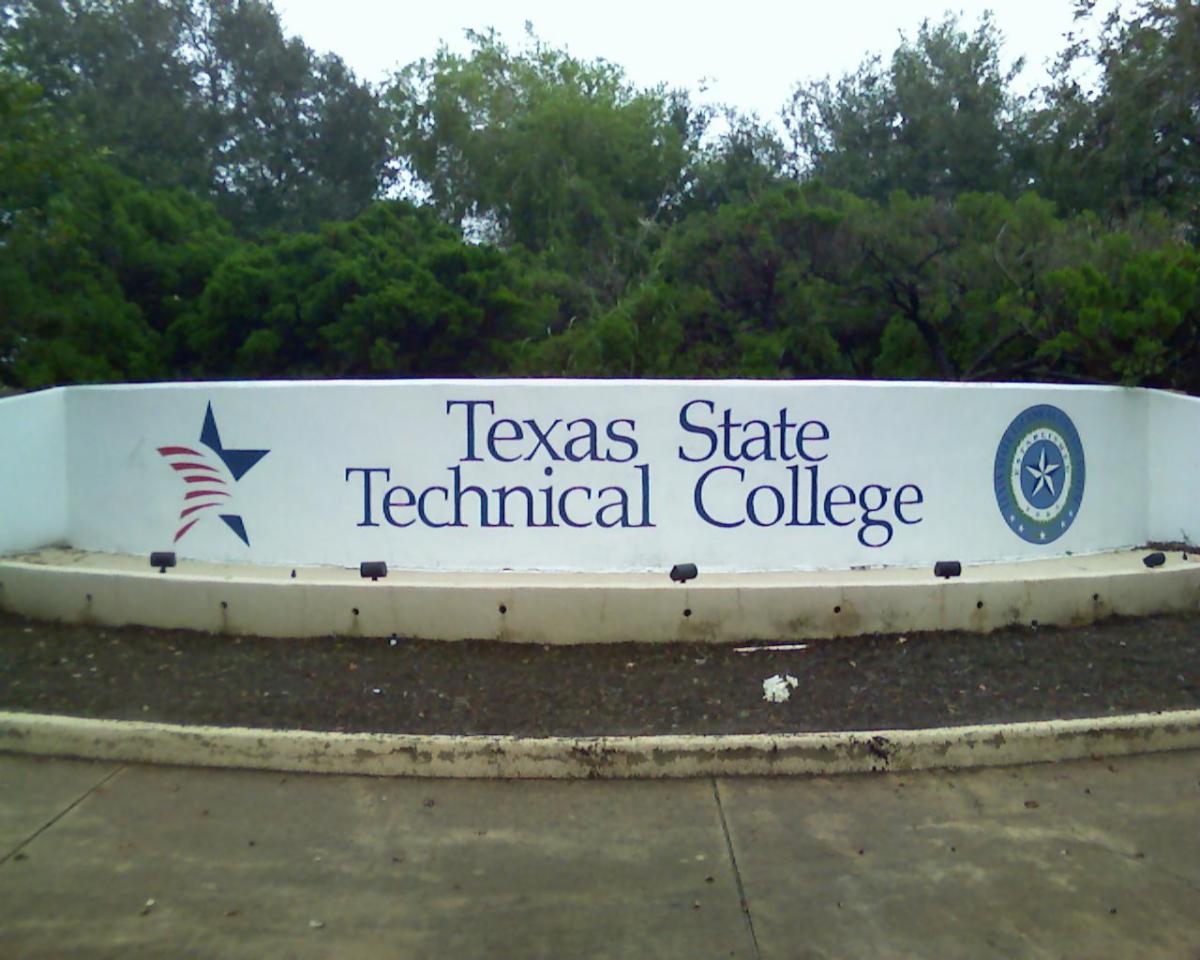
Texas State Technical College (TSTC) has announced that it will broaden its workforce development programs, creating a new campus in Seguin while expanding offerings at its New Braunfels location.
The expansion plays into the college’s strategic plans to address workforce shortages and rapid economic growth in Comal and Guadalupe counties. Those counties are among the fastest-growing regions in the state and will require an adequately equipped and trained workforce to sustain prosperity and development.
The Seguin campus will provide students with industry-relevant skills to help mold the next generation of workers into a proficient, qualified workforce. TSTC hopes graduates will go on to play important roles in industries such as advanced manufacturing, building construction, allied health and transportation.
TSTC will collaborate with regional leaders and local industries to ensure the campus expansion will support the Texas Highway 46 Corridor. In addition to supporting Seguin’s economic growth, the new campus will complement new education offerings and opportunities at the New Braunfels TSTC location.
The New Braunfels campus expanded its programs at the start of the 2024 school year, providing additional certifications. The campus collaborates with local businesses to transition its students directly into the workforce, prioritizing the development of broad skillsets and student employability.
While the Seguin campus project has been announced, an official timeline for construction has not yet been released.
(Photo courtesy of Senorelroboto.)
| |
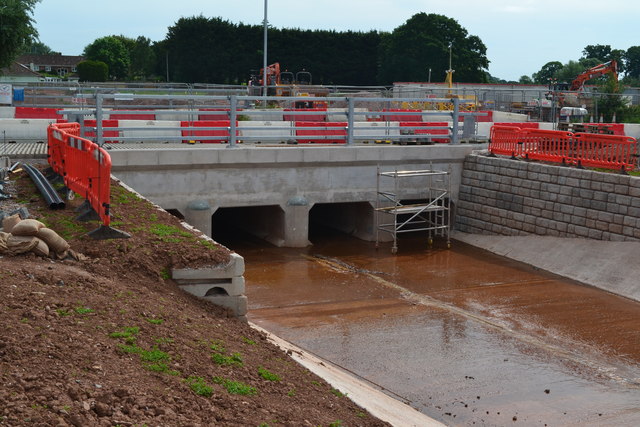
The city of San Antonio will invest $26.8 million to upgrade drainage, improve water crossings and reconstruct roadways in neighborhoods across the city. Construction is expected to begin in fall 2025.
The largest project in the Eastgate Subdivision will use $20.7 million to improve drainage systems in the Peggy Drive Area. The neighborhood has an ineffective drainage system, resulting in pondage due to silted bar ditches, an undefined earthen channel and plastic pipes.
The most pressing aspects of the project will involve regrading the earthen channel and installing a new underground storm drain system. Additional work to reconstruct the streets and add curbs, sidewalks and driveway approaches will support drainage efforts.
The proposed drainage channel will be a concrete-lined area with a 15-foot access for maintenance needs. The city anticipates relocating and replacing fences when needed. The improved drainage infrastructure will include replacing the current plastic pipes with multi-box concrete culverts.
The city will dedicate an additional $6.7 million to make significant drainage system improvements along Lower French Creek. The project area is currently prone to flooding, with the existing drainage infrastructure having significantly deteriorated.
To fix the issues, San Antonio will upgrade the channel with concrete and install driveway culverts. The project will also reconstruct the nearby roadway to improve the low water crossing. Utilities will be replaced and adjusted to accommodate changes in the creek area.
(Photo courtesy of David Martin.)
| |
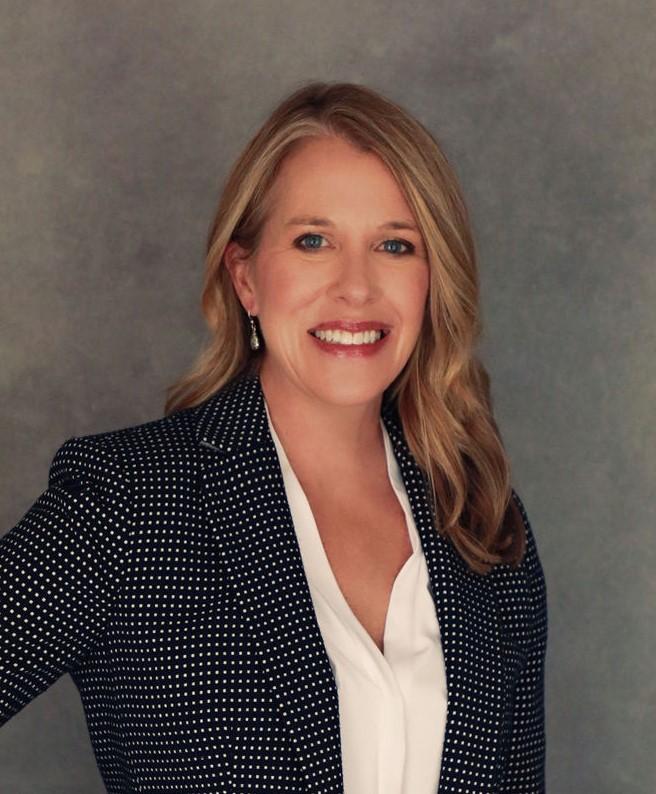
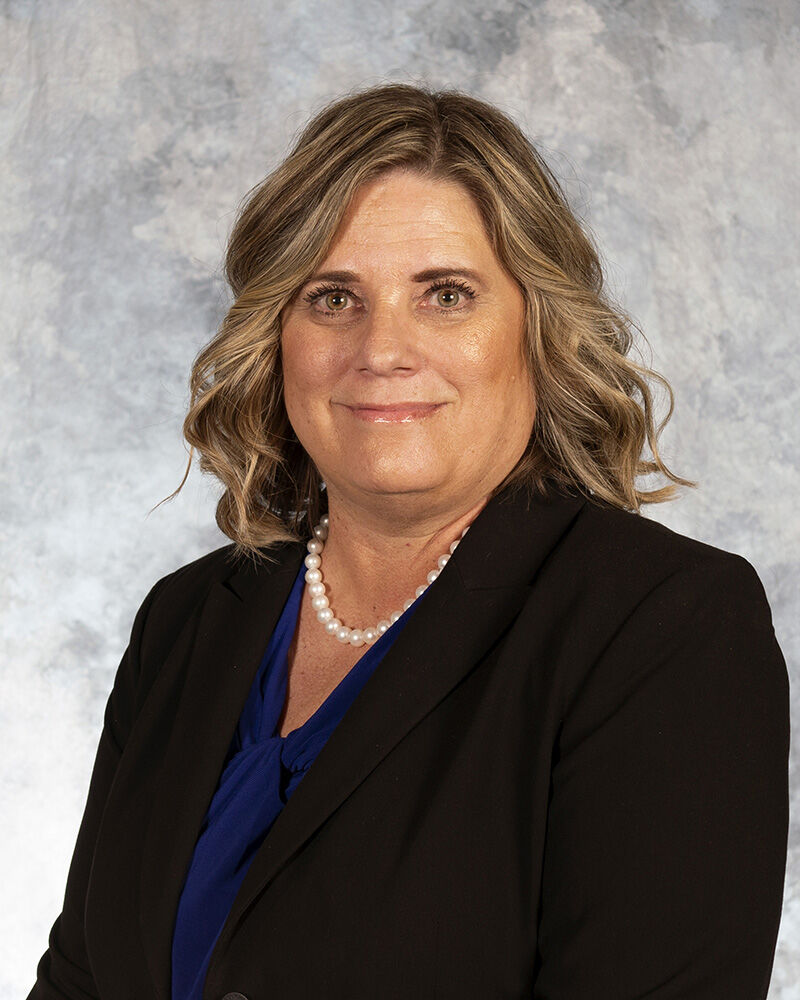
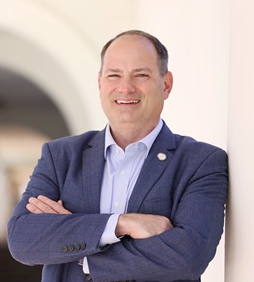
Shelli Siemer
Deputy City Manager
City of Plano
| |
Public career highlights and education: I began my career in local government more than 27 years ago after moving to North Texas. Before joining the city of Plano in 2019 as deputy city manager, I spent 18 years serving the city of Allen as assistant city manager. Before coming to Allen, I held positions with the cities of Southlake and Irving. I earned Bachelor of Arts degrees in Political Science and Communication Studies and a Master of Public Administration from the University of Kansas.
What I like best about my public service is: City management is incredibly rewarding because it brings together a wide range of professions. Each line of work contributes to the overall success of local government. The complexity of each field is unique. It requires expertise across a wide array of areas like urban planning, public safety, technology, finance, environmental health and sustainability. Together, we work to create an environment where our residents can thrive, knowing their city government is focused on meeting their needs with excellence and care.
The best advice I've received: The best advice I received came from my parents. They instilled in me the value of continuous learning. They encouraged me to maintain a hunger for knowledge, seek out opportunities for growth and improvement and stay grounded in humility while inspiring those around me to do the same.
People might be interested to know that: I love sports. In my spare time, I enjoy spending time with family, attending and watching various sporting events. While I appreciate many sports, my favorite is college basketball, especially when cheering for my alma mater, the Kansas Jayhawks.
One thing I wish more people knew about city government is: The best part of city government is the direct impact we have on the daily lives of our residents. In Plano, we place high value on maintaining a very strong sense of community. That strength is enhanced by a highly professional City Council and an exceptional team of employees committed to serving the public. Every department holds the highest national accreditations and recognitions, which reflect the professionalism and dedication to service that defines our organization. I am immensely proud to be part of a team that truly values service to the community in every interaction.
| |
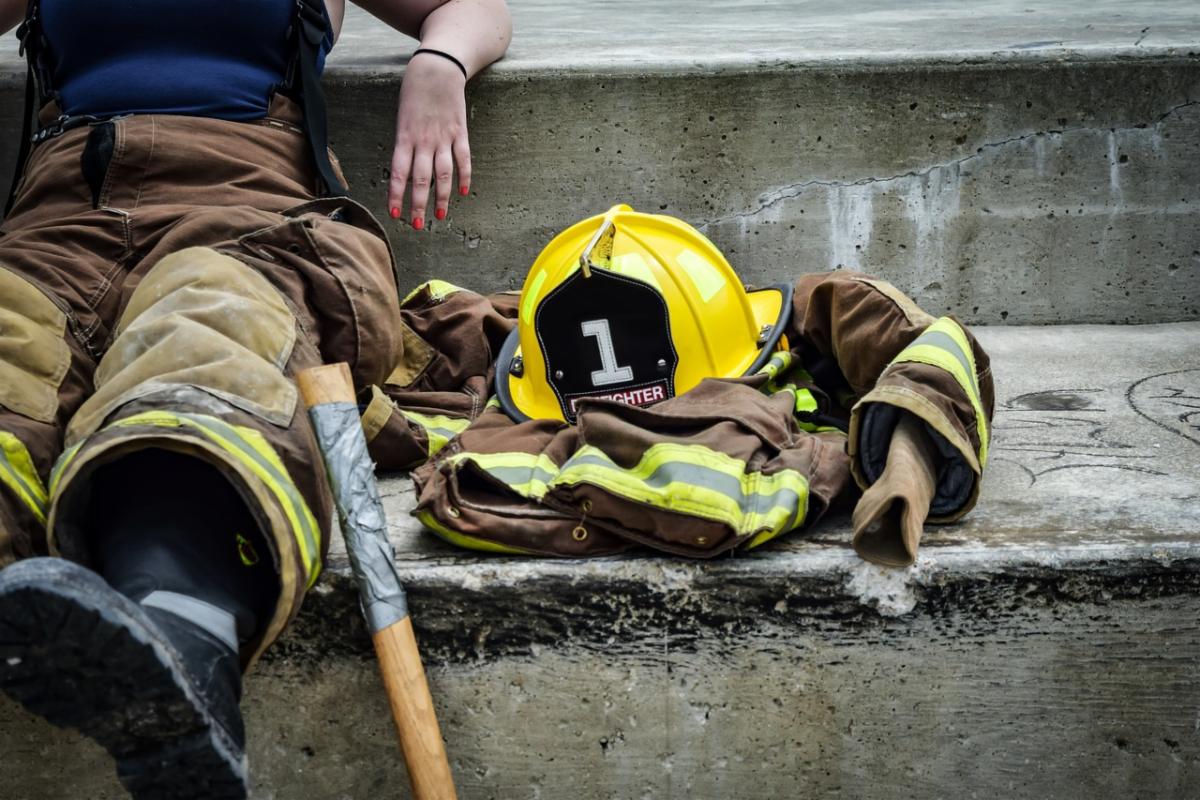
The city of Cibolo will spend $26.1 million to build a public safety building and expand the city’s animal shelter. While both projects are approved, a firm timeline for construction has not yet been published.
The public safety facility will be built to accommodate fire and police units, enabling them to better reach areas in the southern portion of the city. The $17.1 million project will feature four truck bays, an alarm room, sleeping quarters for up to 12 people and a burn building for firefighter training.
The building’s design also features a number of accommodations for emergency responders, including a day room, kitchen, weight room and laundry room. The city will outfit the facility with a combined Training, Emergency Operations Center (EOC) and Community room, EOC breakout rooms and a kitchenette. Other featured areas in the facility include:
- An Emergency Medical Services (EMS) exam room.
- A self-contained breathing apparatus room.
- Office spaces for police and fire personnel.
- A police department squad room.
- Public restrooms.
The remaining $9 million will go toward expanding the existing animal services facility. Built in 2009, the building no longer has the space, equipment or accessibility needed to accommodate both its animals and required staff.
The updated animal services building will provide ample space for animal well-being and regular activities. One of the most notable features improving on the site’s original layout will be separate cat rooms and dog kennels for adoptions, stray, laundry and quarantine. The project will build an indoor cat playroom, an entry plaza and lobby space, a large break room and a training room.
Additional facility enhancements will include creating a separate facility workroom for food prep, laundry and grooming. Plans also include an in-house food storage area, a drive-through sallyport and a dedicated medical room.
(Photo courtesy of Hilary Clark from Pixabay.)
| |
State transportation agencies around the country are pursuing creative solutions to combat traffic fatalities and improve public safety in major cities. For some, the next innovative step to mitigate transit problems is artificial intelligence (AI).
Cities and states around the nation are funding projects that explore the real-world applications of advanced AI technologies in transportation systems. These new, innovative technologies will target vehicles parked in bus lanes and remove obstacles that hinder disabled passengers’ access to public services and operators’ ability to efficiently navigate city roads.
Click here to learn more about how states are integrating AI technologies into transit services
(Photo courtesy of Josh Hild.)
| |
Rural America is receiving support for infrastructure projects and economic development with the federal government as an ongoing partner. The U.S. Department of Agriculture is investing $194 million for projects spanning 14 states and Puerto Rico. The funding combines $137 million in loans and $57 million in grants to fund projects targeting historically underserved areas.
The investment is only the latest round of funding through the Rural Partners Network (RPN) represents a shift in how federal agencies engage with rural communities. Instead of requiring local leaders to navigate federal bureaucracies alone, the program places federal staff directly in rural areas to help communities access resources and develop projects. Since its launch in 2022, RPN has facilitated nearly 4,000 partnerships and channeled more than $8.5 billion to 36 community networks.
Click here for more information about the USDA’s investment in rural initiatives
(Photo courtesy of Kelly on Pexels.)
| |
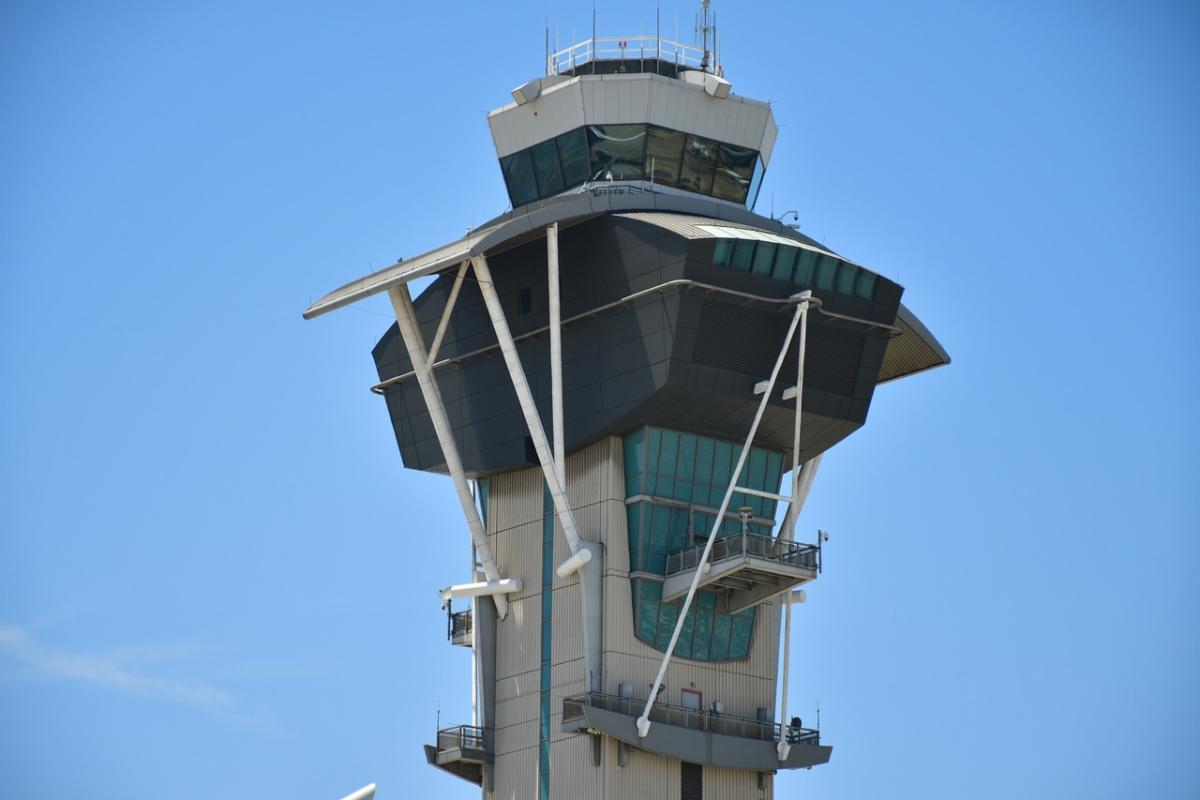
The Federal Aviation Administration (FAA) is announcing $20 million in grants to modernize America’s airport control towers. These grants will support the critical operations that the aviation industry relies on, particularly in small towns and municipal airports.
The federal funding comes from the Bipartisan Infrastructure Law and will mark the fourth annual distribution from the FAA’s competitive Contract Tower Program, a $100 million grant initiative seeking to revitalize airport infrastructure nationwide. Contract towers are air traffic control towers that are staffed by employees of private companies rather than by FAA employees.
Click here to learn more about the air traffic control tower upgrade projects receiving federal support
(Photo courtesy of dominador from Pixabay.)
| |  |
|
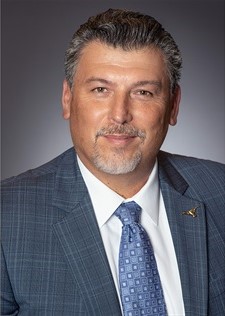
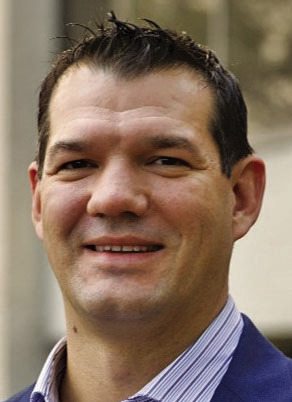
Fort Worth has officially approved its next city manager. Jay Chapa, who makes history as Fort Worth’s first Hispanic city manager, will assume the role from David Cooke on Jan. 27, 2025.
Taking over as city manager will be a capstone in his 25-year career in the public sector, the majority of which has been spent in Fort Worth. He held a variety of positions with the city from 2005 to 2022, including deputy city manager, assistant city manager, director of housing and economic development, interim chief financial officer and both deputy director and director of economic and community development.
Throughout his decades of service, Chapa has played an essential role in strengthening the city’s economy, public safety and financial stability. Some of his career highlights include overseeing the completion and opening of Dickies Arena, cultivating Near Southside into an entertainment destination, leading the city’s 2022 Bond Program development and advanced critical economic initiatives bringing thousands of jobs to the city.
Chapa’s appointment resulted from a nationwide search that attracted more than 150 candidates. Out of those who applied, he was selected as one of five finalists for the position.
| |
The Sunnyvale Independent School District (SISD) recently approved $77.9 million to make sweeping improvements to campus facilities and infrastructure.
A portion of the funds will go toward upgrades at the high school, including major renovations to the facility’s Career and Technical Education (CTE) and science lab. Plans are in place to create four additional CTE classrooms dedicated to STEM and health science technologies. The district will also build a two-court auxiliary gym, expand the campus locker rooms and build more band practice and parking spaces.
The intermediate school will receive classroom additions, while the elementary school will renovate and cover its outdoor area. SISD will also renovate the administration building. These renovations will prioritize the Professional Development Center, CTE Culinary Arts Center and will create an employee childcare center.
The district has several projects in place to support auxiliary facilities. SISD will start by expanding the agriculture barn, renovating the existing maintenance building for district receiving and improving the transportation and maintenance facility. Improvements will also be made to parking, fixtures, furniture, equipment and buses.
Plans for the district’s athletics will include building four tennis courts and updating the softball and baseball fields with new press boxes, turf, netting and bullpens. SISD will also improve the field house by renovating and expanding the existing weight room to locker rooms, additional coaches’ offices, training rooms and restrooms.
Finally, there are a few district-wide improvements that will prioritize maintaining and renovating facilities, primarily roofs and HVAC systems. The district will also use the funding to improve student and staff security, traffic and parking.
(Photo courtesy of Pixabay.)
| |
Substantial upgrades are on the way for a vital community space in the heart of Houston’s densest neighborhood.
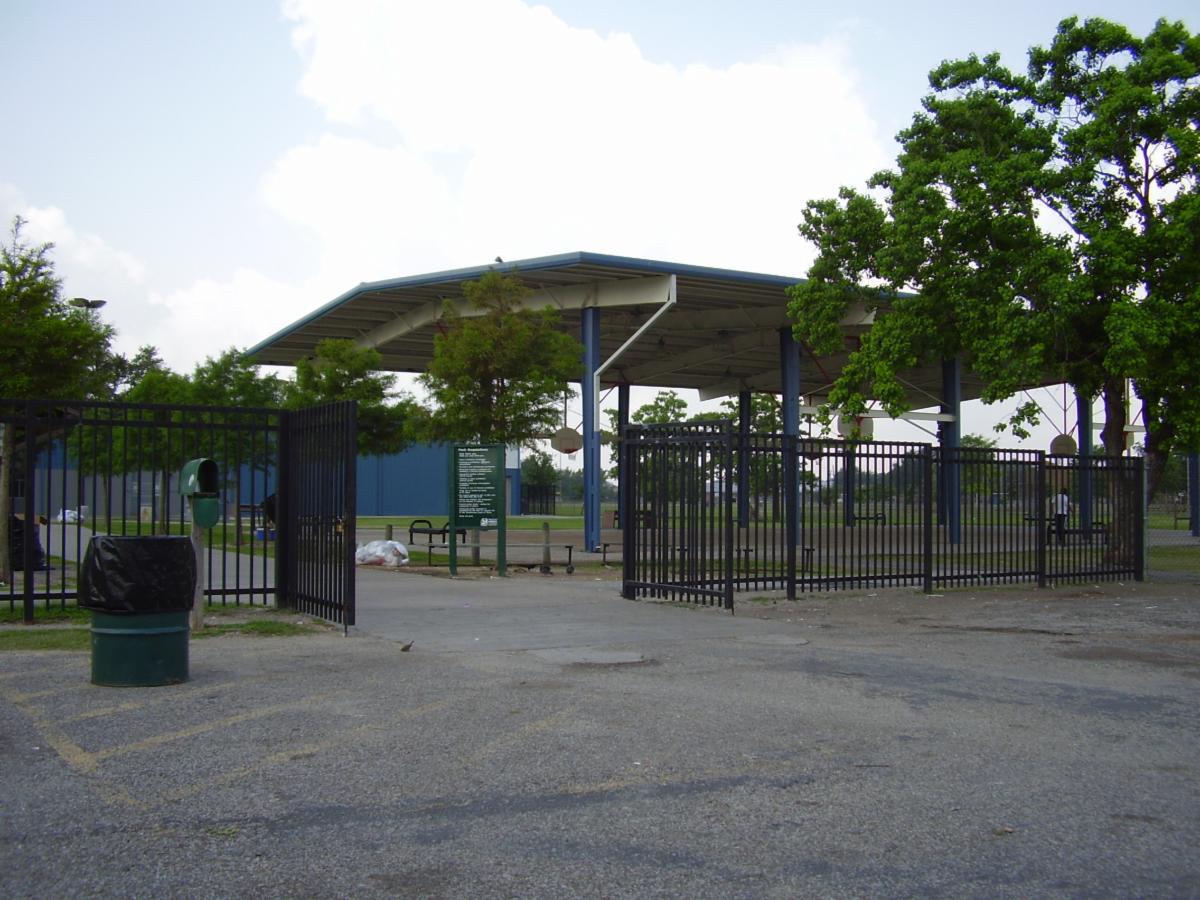
Harris County Precinct 4 is in the design phase of a $39 million revitalization effort to return Burnett Bayland Park to a safe, dynamic outdoor environment. The park’s master plan was officially unveiled earlier this year. Construction is expected to begin in late 2025.
The project will focus on renovating the existing park and developing an additional 40 acres of unused land. Not only will the completed renovations provide updated recreational amenities, but the county will also plant trees and native foliage to create a canopy, combatting the urban heat island effect.
The park will feature an assortment of recreational opportunities, ranging from inclusive and enhanced playgrounds to several sports courts, soccer pitches and fields. Plans include installing a dedicated skate park, a splash pad and gaming and seating areas. A large, multipurpose event lawn is planned for the center of the park, alongside additional fitness areas, a food truck park and picnic spaces.
The master plan places an emphasis on greenspace, supplementing the expanded trees and plants with a community garden. The county will build a pavilion and restrooms in the center of the park. A detention/retention pond will encircle half of the park, offering critical drainage and flood protection alongside rain gardens and bioswales.
The county will build a Bus Rapid Transit (BRT) station nearby to provide accessible multimodal transportation options for visitors. Accessibility and mobility are among the highest priorities for the design, featuring both neighborhood and internal parking, corner entries, lighting, wide sidewalks, trails and wayfinding signage.
Construction is expected to proceed in phases. Aspects of these plans may include a future community center and parking and additional developments to the south.
The project recently received $11.3 million from the Department of the Interior to advance project design and implementation.
(Photo courtesy of WhisperToMe.)
| |
Gov. Greg Abbott has appointed Sandra Fletcher to the Board of Pardons and Paroles. The Board oversees parole administration and decision-making processes in Texas. They are responsible for making parole decisions for prison inmates, determining conditions for parole and mandatory supervision and making recommendations for clemency matters.
Fletcher currently serves as a parole commissioner for the Board, the latest in her 35 years of experience in the field. Throughout her career, she has operated as a district parole officer, institutional parole officer and hearing officer.
Fletcher received a Bachelor of Science in Criminal Justice from Texas State University. She is also a member of the Association of Paroling Authorities International, a global association dedicated to public safety helping facilitate the successful reentry of offenders into society.
| |
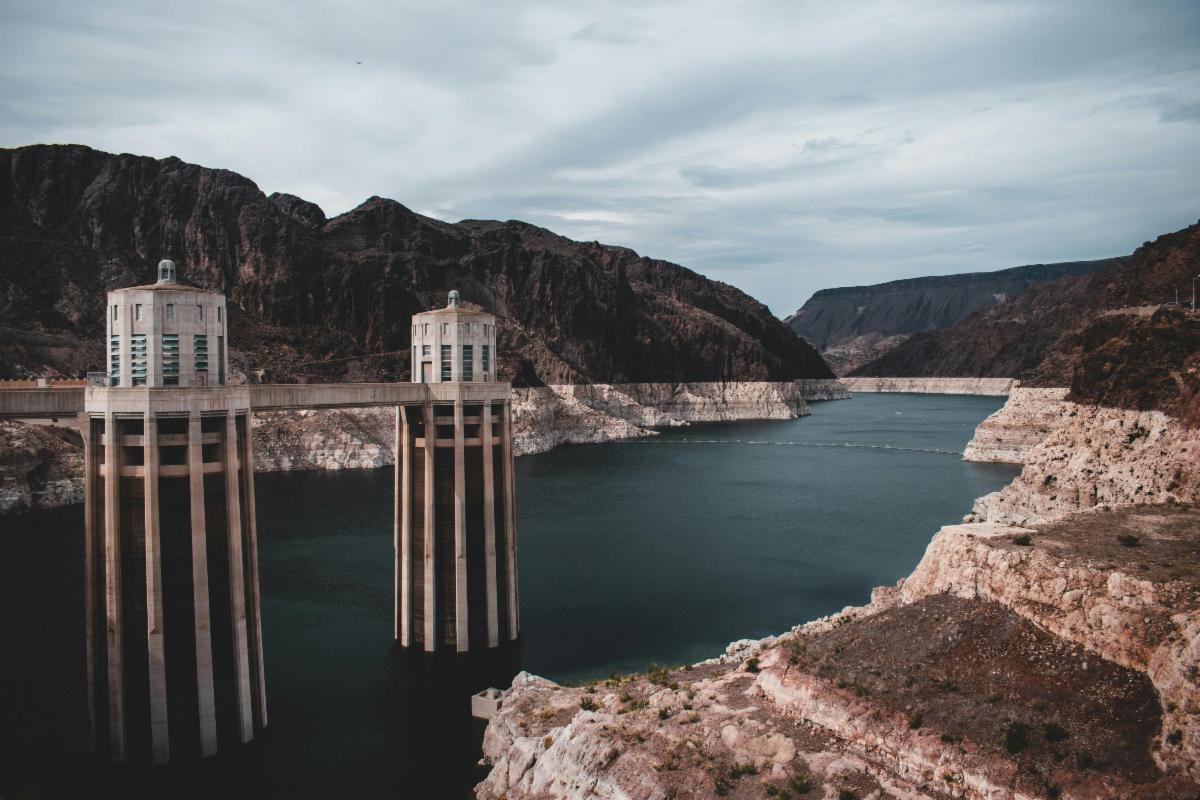
The U.S. Department of the Interior has announced $849 million for revitalizing aging water-delivery systems throughout the western United States, supporting projects across Arizona, California, Colorado, Idaho, Montana, New Mexico, North Dakota, Oregon, South Dakota, Utah and Washington.
These projects will focus on better water distribution and storage, improving safety measures, boosting hydropower generation and providing water treatment solutions. 14 projects in the Colorado River Basin alone have been allocated a total of $118.3 million.
Click here for more information about projects receiving water and drought support
(Photo courtesy of B.Bailey on Pexels.)
| |
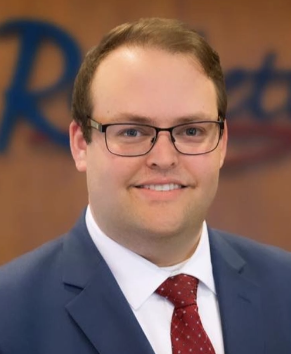
Blake Margolis, who has served as Rowlett’s mayor since 2022, is stepping down from his role to become the city’s emergency management coordinator. Before being elected mayor, Margolis served for five years on the City Council, starting when he was 18 years old.
| |
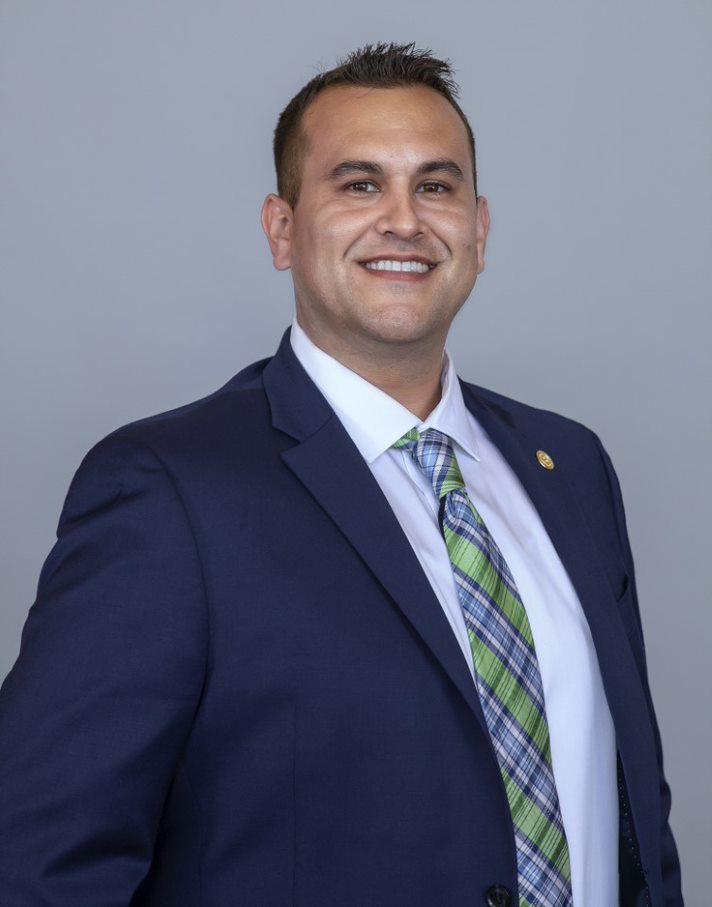
Adam Bazaldua, the current deputy mayor pro tem of Dallas, will serve on the National Leage of Cities Board of Directors for one year. He has been serving in his present role since June 2024. Before assuming the deputy mayor pro tem position, he served as the youngest person in the Dallas City Council since June 2019.
| |
Sonny Saxton will be the first to hold the position of director of emergency communications and management for the city of Fort Worth. Saxton brings more than three decades of emergency services experience to the position. He most recently served as executive director of the Charlottesville-UVA-Albemarle County Emergency Communication Center.
| |
On Dec. 3, the city of Elgin selected Beau Perry as acting city manager. Perry has worked with the city for more than two decades, most recently serving as interim development services director. He took over responsibilities as acting city manager from Tom Mattis effective immediately.
| |
Gov. Greg Abbott announced these appointments and reappointments from Dec. 6 through Dec. 12:
Board Of Pardons And Paroles
Sandra Fletcher - Sugar Land
Family And Protective Services Council
Michael Barton - Sugar Land
Judicial Compensation Commission
Rodney Anderson - Grand Prairie
(both reappointed)
Phil Johnson - Lubbock
Linda Kinney - Comfort
| |
Texas Government Insider is a free weekly newsletter detailing important happenings throughout the state and summarizing current political issues relevant to individuals interested in government.
Publisher: Mary Scott Nabers
Editors:
Adam Rollins
Jerrod Kingery
| |