|
Countries throughout the world are currently spending billions on rail infrastructure. America faces ongoing struggles in staying competitive, a task that is far from simple.
Vietnam’s National Assembly recently approved construction of a $67 billion high speed railway. Canadian officials have also recently announced a new high-speed rail project that will connect Quebec City and Toronto. India’s own version of Japan’s bullet train will soon be carrying passengers on the Mumbai-Ahmedabad High Speed Rail corridor and Saudi Arabia’s high-speed rail between Mecca and Medina has carried 20 million passengers since its completion in 2018.
Europe, China, and Japan all seem to be in lead positions when it comes to high-speed rail transportation, but soon a high-speed train traveling approximately 200 miles an hour will provide passenger service between Las Vegas and the 2028 Summer Olympics in Los Angeles. Numerous smaller rail projects have been announced across the U.S. for 2025 as well and interested contractors should be scoping out these upcoming opportunities now.
A large infrastructure project in New Jersey will relocate and upgrade the Kearny Substation. With $187.5 million in funding from the federal government, the stated objective is to enhance the reliability and flood resilience of the Northeast Corridor’s electrical rail systems. The existing substation, which has faced repeated flooding and weather-related damage, will also be replaced with a new, elevated facility. The project scope calls for construction of the modernized substation, raising access roads and the installation of upgraded transmission and signal systems. The emphasis on resilient design and advanced systems will result in reduced operational risks and delays. Construction is slated for 2025.
Another large federally funded project in West Hartford Connecticut carries a projected cost of $102 million and will deliver upgrades to 6.2 miles of the Hartford Line Rail System. The effort will include converting the existing single-track sections into dual-track rail segments. Components of the planned project include track extensions, installation of updated signaling systems, and integration of advanced safety controls. A firm construction start date has not yet been announced, but planning documents indicate that work on the project will begin sometime in 2025.
A $96.7 million bridge project to replace and modernize catenary systems on a bridge to Burgos Catenary in the northeastern corridor of Maryland is currently in the design phase. The project will require installation of high-tension overhead wires and updated support structures. It will also call for technical upgrades, the replacement of aging bridge components and installation of modernized, high-performance systems to accommodate increased operational demands for higher train speeds. The corridor’s electrical infrastructure will all be strengthened and other upgrades will optimize energy efficiency. Currently construction is slated to begin in 2025.
Click here for more.
| |
Celina recently finalized a five-year capital improvement plan (CIP), totaling a $757.3 investment in city infrastructure by 2029. The city has blocked off approximately $203 million for projects in 2025.
For the coming year, the Celina City Council anticipates dividing the allocated money between general government projects and enterprise utility projects. The CIP lays out $125.8 million for general government initiatives, covering critical infrastructure and public service amenities. The remaining $77.5 million will support essential utilities and operational expenses.
The largest portion of the funds for general government projects will be devoted to the city’s roadways, totaling $42.9 million for 2025. Projects include road and intersections improvements, resurfacing, street construction and maintenance, conducting impact studies and procuring equipment.
Celina plans to spend $42.1 million on park projects, focusing on restoring streams and trails, deconstructing facilities, building an amphitheater, reconstructing the downtown square and expanding park space. The CIP calls for $21 million to build and remodel facilities, $11.9 million to improve a fire station, $3 million to upgrade IT technologies with the remaining $4.9 million toward miscellaneous projects.
The city will dedicate the lion’s share of the enterprise utility project funding - $43.2 million – to improving water infrastructure. Some of the projects included in the CIP will improve downtown and citywide water systems, install pump stations, transmission lines and build ground and elevated storage tanks.
The city will spend $31.4 million of the remaining utility funds to upgrade downtown sewer systems, complete phase two of a water reclamation facility, oversize utilities and install a sewer interceptor. The final $3 million will support drainage repair projects and ongoing operating expenses.
(Photo courtesy of Nicolas Henderson.)
| |
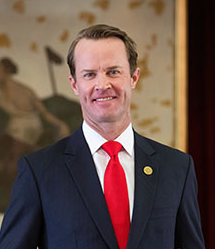
In an unexpected turn, House Speaker Dade Phelan has announced that he will not be pursuing a third term leading the lower chamber. His withdrawal represents a major shift in how the House will operate for the next term, as Republicans meet to nominate their next pick for the position on Saturday.
Rep. David Cook – the former mayor of Mansfield - is currently one of the most prominent challengers for the role, having already sparred with Phelan in his run for Speaker of the House. Rep. Dustin Burrows of Lubbock also threw his hat into the ring Dec. 5, filing to compete in the running.
All nominations for the role will be publicly announced on the House floor in January, where Democrat and Republican members of the body will then vote. The winner will need to earn at least 60% of the votes from the Republican caucus to secure victory.
Phelan is the 76th Speaker of the Texas House and is serving his fifth term as state representative for District 21. He has held his role as speaker since January 2021. During his time in the Legislature, Phelan has served on numerous committees overseeing state affairs, natural resources, ports, infrastructure and elections. He is also the former president and two-time governor appointee to the Lower Neches Valley Authority.
| |
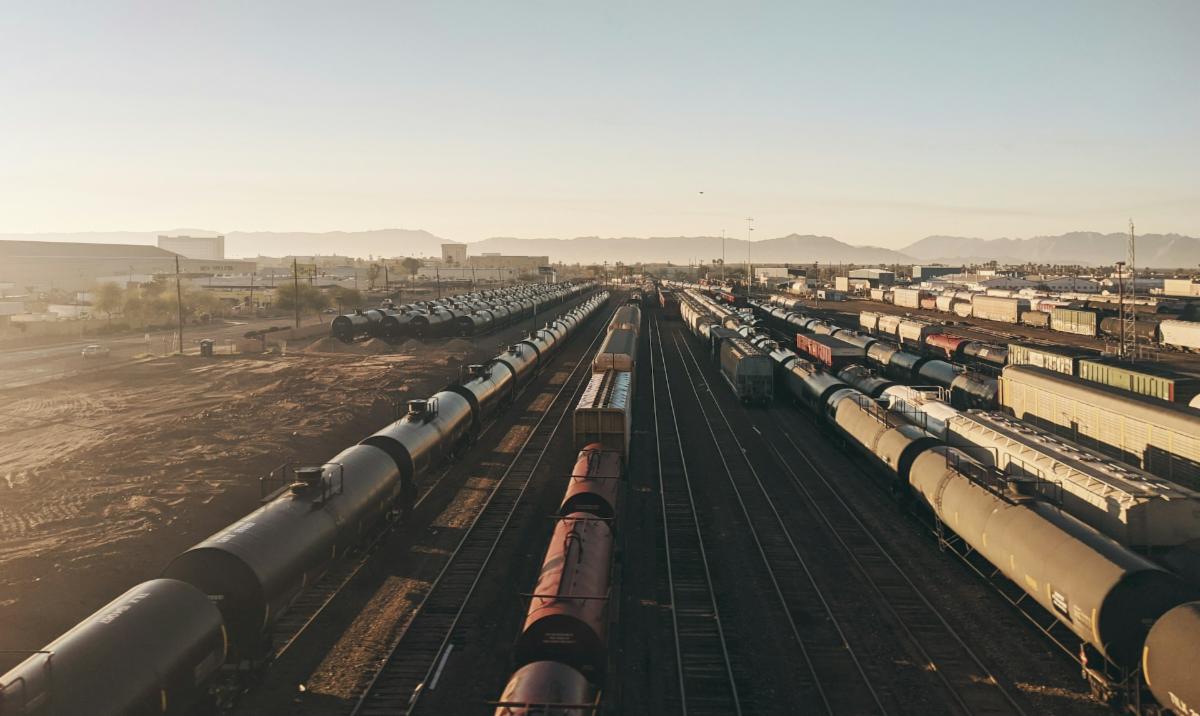
The Texas Commission on Environmental Quality (TCEQ) has opened the second round of applications for $53 million through two programs to replace or repower older locomotives, vessels and equipment. Applications are due Feb. 14, 2025.
The grants come from the Emissions Reduction Incentive Grants (ERIG) program and Texas Volkswagen Environmental Mitigation Program (TxVEMP). Both initiatives will help reduce greenhouse gas (GHG) emission rates in nonattainment areas across Texas. TCEQ will prioritize projects with the lowest cost per ton (CPT) to reduce NOx emissions by the highest amounts. All replacements must produce at least 25% less emissions than the older models and equipment.
Applicants eligible for these programs include individuals, state and local governments, corporations or any other legal entity. The ERIG program will allocate $40 million for projects that repower or replace older locomotives, marine vessels, stationary equipment or non-road equipment with updated options. Recipients may receive up to 80% of the project’s cost.
Eligible projects will include replacing vehicles, vessels and equipment that are powered by internal combustion devices with 25 horsepower or greater. All vehicles and equipment must function with at least five years of life remaining. Awards may cover up to 80% of the replacement or repowering project.
TxVEMP will also distribute $13 million through the Ferry, Tug and Switcher Grant Program to replace or repower freight switcher locomotives and repower ferry and tug marine vessels. Eligible ferries and tugs for repowering must have been continuously used in routine operations for the last two years with at least five years of useful life remaining.
Replacing or repowering freight switchers has identical requirements. Applicants with government-owned equipment may receive up to 100% coverage for eligible projects. Projects with non-government-owned equipment may receive up to 75%.
TCEQ may provide additional funding to support on-site electric charging infrastructure installation for both programs. The charging infrastructure will provide alternative fuels, including:
- Electricity.
- Hydrogen.
- Compressed natural gas (CNG).
- Liquefied natural gas (LNG).
- Propane.
- Methanol.
Applicants who submitted projects through the first ERIG and TxVEMP grant round in July 2024 do not need to resubmit applications. Applicants can submit requests for both programs via mail, email or TCEQ’s third-party site.
(Photo courtesy of Avi Waxman on Unsplash.)
| |
During its Nov. 14 meeting, the College Station City Council unanimously approved a $6 million master plan to redevelop Mabel Clare Thomas Park. While a firm construction timeline hasn’t been released, the approval officially moves the project into the design phase.
The park’s current amenities don’t take advantage of the site’s full potential and offerings. Redevelopment will allow the city to transform the park with updated recreational features, improved drainage infrastructure and additional multi-use outdoor space.
The northern end of the park currently features large multi-purpose lawns alongside select fitness stations and a playground. The project will expand on these amenities, improving the fitness trail and placing running markers along the route. Additions will also include seven low-intensity exercise stations, shaded seating and more tree coverage.
Playgrounds will be significantly improved and expanded, providing park visitors with a variety of diverse recreational offerings that promote imaginative play and education. The city will build a play village containing huts, steppers, small slides and musical instruments for young children. Plans also feature a discovery play area that encourages exploration through textures and productive engagement.
The updated design will incorporate an active play area, featuring swings, slides, climbing structures and rope ladders. The city will also invest in preserving and expanding several natural habitat areas to support learning through exploration trails and sensory experiences. An activity lawn will provide a flexible, open space gathering area to encourage relaxation and creative play.
The park’s main entry will be completely reimagined to cultivate a welcoming atmosphere, and new arrival plazas will be added at three secondary entrances. The city will also incorporate historical and memorial elements throughout the park alongside a pavilion, restrooms, naturalized drainage systems, picnic spaces and a natural overlook.
(Photo courtesy of Leah Newhouse on Pexels.)
| |
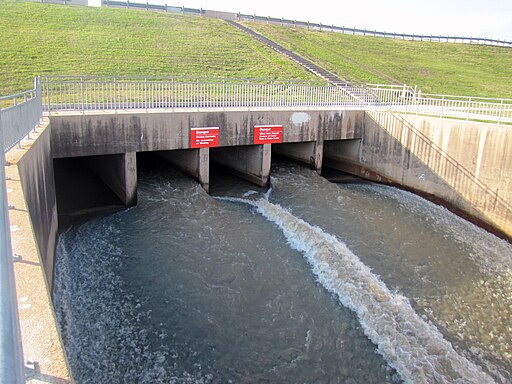
The Austin City Council has adopted the 2024 update to the city’s 100-year water plan, alongside additional revisions to the city’s water conservation and drought contingency plans.
The 100-year Integrated Water Resource Plan – commonly known as the Water Forward Plan – was first adopted in 2018 to safeguard city water resources. The plan outlines solutions to address water supply needs, providing a series of near- and long-term strategies for Austin Water to implement. Since its adoption, the department has focused on enhancing water conservation, expanding reclaimed water use and diversifying the city’s water supply.
The 2024 updates expand on the strategies originally laid out in the 2018 plan. The city gathered feedback and input from the community, alongside extensive technical analysis and modeling, to develop the updated strategy portfolio.
As the Water Forward Plan advances, the city will work toward accommodating Central Texas’ rapid population growth, weathering drought conditions and preparing for climate change impacts. Some of the revisions made to the water conservation and drought contingency plans include:
- New drought stage watering restrictions.
- More stringent water conservation goals.
- Goals to reduce water loss.
As part of the 2024 updates, the Water Forward Plan revised aspects of its major water supply projects to ensure Austin can handle drought conditions when core surface water supplies are limited. These projects and strategies revolve around storing water in an aquifer and redistributing it when needed, conveying treated water from a wastewater plant into Lady Bird Lake to be converted to drinking water, building an off-channel reservoir and desalinating brackish groundwater for consumption.
The city will also implement water reuse strategies to treat various water sources for non-potable needs, such as reducing water losses from pipes in the distribution system. The Water Forward Plan also outlines solutions to expand connections to Austin's reclaimed water system and use decentralized systems where needed.
Conservation plays a critical role in the city’s 100-year plan. To better protect water sources and make infrastructure more water efficient, Austin is working on deploying an advanced metering infrastructure solution which would monitor for potential leaks and help residents manage water consumption in real-time.
The city will also implement a strategy to enhance Austin Water’s current water loss reduction program. The program will address leak response and detection, test emerging leak detection technologies and repair and replace water mains to reduce losses from pipes. Conservation strategies will be further complemented by expanded rebates, programs and tools.
The final updates to the Water Forward Plan focus on fostering partnerships to protect the core Colorado River supplies. The city will work with regional partners to help develop a statewide water plan, assess water use, implement conservation strategies, ensure water quality for residents and address a range of water resource issues.
(Photo courtesy of the United States Army Corps of Engineers.)
| |
Researchers at Rice University have developed an electrochemical reactor capable of extracting lithium from natural brine sources.
As the nation pursues solutions to reduce its carbon footprint, electric vehicles (EVs) and renewable energy storage have been at the forefront of zero-emission innovation. However, EV technologies heavily rely on lithium, a material notoriously difficult to come by. Ore sources have a high mining cost, high energy requirements and are challenging to separate from other elements.
Lithium supply is the predominant restriction in the nation’s transition to EV and renewable battery technologies. Because of how difficult and cost-prohibitive lithium mining is, salt water in geothermal environments has emerged as a potential alternative for harvesting lithium deposits. However, as with mining, lithium in these natural brine sources is intermixed with other similar minerals like sodium, potassium and magnesium, making it hard to separate.
The electrochemical reactor is an innovative method for selectively and efficiently extracting lithium from brines. The reactor uses a three-chamber method, containing a porous solid electrolyte in the middle chamber to help control ion flow as it filters the brine. As the water is filtered, the reactor removes lithium while preventing hazardous byproducts – such as chlorine gas - from forming.
The process extracts lithium with a 97.5% purity rate, successfully preventing similar ions from interfering in the process and ideal for producing lithium hydroxide. Since it also mitigates the risk of forming chlorine gas, the reactor reduces certain environmental and safety risks posed by traditional production methods.
On a broader scale, the electrochemical reactor could be a viable, effective method for creating a steady supply of lithium for battery development across a wide range of industries. As development continues, the university expects they will be able to further optimize the reactor’s efficiency and stability.
(Photo courtesy of Jon Sullivan.)
| |
New York City is taking steps to increase the housing supply for its residents. Local lawmakers have approved a sweeping $5 billion initiative that could create up to 80,000 new homes over the next 15 years. The “City of Yes for Housing Opportunity” proposal received approval from the City Council’s Subcommittee on Zoning and Franchises and Committee on Land Use.
The initiative represents the largest housing creation plan in recent city history. It arrives as New York grapples with a severe housing shortage, burdened by a rental vacancy rate of just 1.4 % and fewer than 1% of apartments listed under $1,500 monthly rent available for new tenants.
Click here for more information on NYC’s historic housing initiative
(Photo courtesy of David McBee on Pexels.)
| |
The National Fish and Wildlife Foundation (NFWF), in partnership with other federal agencies, has announced $122.4 million in grants through the America the Beautiful Challenge (ATBC). These grants will fund large-scale conservation efforts across the nation.
The competitive grant awards are funded by the Bipartisan Infrastructure Law, additional federal conservation programs and private funding sources. Federal spending is expected to attract matching contributions from public and private partners.
Click here to learn more about projects selected through the challenge’s latest round of funding
(Photo courtesy of Pixabay on Pexels.)
| |
The U.S. Department of Energy (DOE) has announced that up to $30 million from the Bipartisan Infrastructure Law (BIL) will be used to speed up the process of connecting new energy projects to the grid by using artificial intelligence.
The new Artificial Intelligence for Interconnection (AI4IX) program looks to create partnerships among software developers, grid operators–like regional transmission operators and power marketing administrations–and energy project developers. This program will modernize the application process for interconnection, helping to drastically cut down the time needed to review, approve and connect new energy projects across the nation.
Click here to learn more about AI grid initiatives receiving support
(Photo courtesy of Pixabay on Pexels.)
| |  |
|
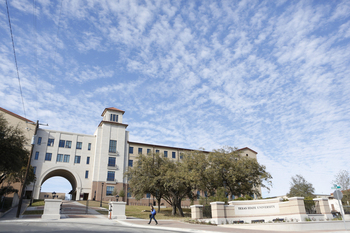
Texas State University (TXST) will spend $223.3 million to build multiple housing structures with a detached dining complex. Construction on the Hilltop Housing – Phase II complex is expected to begin in late 2025.
While the project originally called for building a single eight-story housing complex, the revised request calls for up to four separate eight- to 10-story housing structures. The new buildings will feature up to 415,000 square feet of space and contain between 1,300 and 1,500 beds.
The complex’s design will allow for between three and four full-time staff apartments, depending on the final size and configuration of the facilities. The project prioritizes space and comfort for students, stating that all residence rooms will feature plenty of natural light and high ceilings. The university also ensures the residence hall will feature ADA-accessible amenities and facilities.
Aside from resident rooms, interior space will be designated for bathrooms, entry vestibules and a large variety of common spaces. Some of these communal areas include:
- Study nooks.
- Lounges/multi-purpose gathering spaces.
- Study rooms.
- Laundry rooms.
- Classrooms.
- Kitchenettes.
- Storage.
- Fan coil units.
The design also calls for administrative areas. These include the building lobby, front desk, mail and package room, staff and building offices and building storage.
TXST is factoring security into the design of the complex’s entrances and exits. Currently, the building’s exterior will feature green space and rest areas. Students will be able to enjoy benches, landscaping, tables and accessible pedestrian paths connecting to the rest of campus.
The detached dining complex will cover up to 45,000 square feet and connect to the university’s residence halls and other campus buildings. The hall will include between 500 and 550 indoor seats, as well as additional outdoor seating arrangements. Currently, the dining complex will consist of a servery, dining area, kitchen and associated office and support areas.
The project’s design features more than 1,500 square feet of space for refrigeration, dry, freezer, paper and chemical storage. The servery will provide multiple menu stations and self-serve areas to accommodate the university’s meal-plan customers. Plans include making the facility’s receiving and storage areas accessible from the service drive and loading dock. The finished dining complex may be multi-level, separating kitchen and dining areas from receiving and storage.
In preparation for construction, the university will demolish the existing Smith and Arnold residence halls. Additional demolition work calls for on-site parking lots and spaces, existing trees and landscaping elements. Plans also include relocating and coordinating infrastructure through and around the project site.
(Photo courtesy of JRWG.)
| |
The Texas Comptroller of Public Accounts has transferred a total of $5.48 billion into both the State Highway Fund (SHF) and Economic Stabilization Fund (ESF) - commonly known as the “Rainy Day Fund.” The transfer was evenly distributed between the two accounts.
Although Texas’s economy is showing strong signs of reliable growth, recent concerns over inflation, rising consumer costs and geopolitical instability prompted the state to protect its transportation sector and economic systems, according to Texas Comptroller Glenn Hegar. The allocation prepares Texas to respond to the unexpected and continue to invest in transportation infrastructure for years to come.
The Rainy Day Fund essentially functions like a savings account, providing emergency support to prevent shortfalls and support critical state services. Established in 1989, the ESF maintains a reserve balance that can be used to stabilize the economy, reduce the impact of recessions and avoid higher costs in the future.
The SHF, fueled by a variety of sources, is used to develop, build and maintain roads across Texas.
Both account caps are based on the 1987 collections for natural gas and oil production. If revenue generation ever exceeds those collection thresholds, approximately 75% of the excess is transferred to prevent the account balances from exceeding the cap and credit interest earned to the General Revenue Fund. The recent transfers brought the ESF balance from $21.02 billion to $23.96 billion.
In November 2014, the Legislature approved a constitutional amendment requiring that at least half of certain severance taxes be allocated to the ESF to maintain adequate reserves, with the remaining funds directed to the SHF for road maintenance, construction and acquisition.
An additional bill was passed in May 2015 empowering the comptroller to invest percentages of the ESF balance to ensure liquidity and meet cash flow requirements.
(Photo courtesy of Chmorich.)
| |
Texas officials are looking to keep tabs on cryptocurrency mining operations and how much energy they consume.
The Public Utility Commission of Texas (PUCT) has approved a new rule requiring crypto mining facilities in the Electric Reliability Council of Texas (ERCOT) region to register their operations with the commission.
Under the new rule, mining facilities must report information on the facility’s location, ownership and energy demand to the PUCT every year.
Click here for more information about the new crypto requirements
(Photo courtesy of Photospirit from Pixabay.)
| |
Jon Niermann, current chairman of the Texas Commission on Environmental Quality (TCEQ), will step down from his current position at the end of the year. He sent a letter to Gov. Greg Abbott announcing his resignation on Dec. 3, which has been confirmed by Quorum Report.
Niermann was first appointed to TCEQ in September 2015. He was later appointed chairman of the commission Aug. 31, 2018. As chairman, Niermann oversees the committee's efforts to protect Texas’ public health and natural resources and distribute funds from the Volkswagen State Environmental Mitigation Trust. His term as chairman was originally going to conclude Aug. 31, 2027.
Before joining TCEQ, Niermann worked as an environmental attorney in private practice. Alongside his role as chairman, he represents TCEQ as president of the Environmental Council of the States (ECOS). Niermann is also the governor’s appointee to the Western States Water Council, the Western Water Cooperative Committee and the Good Neighbor Enironmental Board federal advisory committee.
| |
Jesús Aguirre has been officially appointed director of the city of Austin’s Parks and Recreation Department (PARD). Aguirre brings more than 25 years of public parks, nonprofit leadership and public education experience to the position. He has previously served as an executive leader for parks and recreation departments in Seattle and Washington, D.C. He will officially begin his tenure Jan. 13, 2025.
| |
After serving in an interim capacity since June, Lone Star College-University Park (LSC-UP) has officially welcomed Matthew Dempsey, Ed.D., as its permanent president. Before joining LSC-UP, Dr. Dempsey served in various positions at Dallas College for 22 years and as vice president of instruction for Lone Star College-CyFair.
| |
The city of Euless has officially welcomed Steven Viera as its next assistant city manager. Viera brings more than 21 years of municipal government experience to the role. He will leave his current role as assistant city manager for Corpus Christi to join Euless.
| |
Joe Jimenez has been appointed as the city of Lubbock’s next CFO. Jimenez brings more than 16 years of financial and operational experience to the position. He currently serves as director of financial planning and analysis for an electric utility company.
| |
Gov. Greg Abbott announced these appointments and reappointments from Nov. 22 through Dec. 5:
Texas State Library And Archives Commission
(both reappointed)
Arthur Mann - Hillsboro
Darryl Tocker - Austin
Advisory Council On Emergency Medical Services
Brian Petrilla - Tomball
Rodney Tidwell - Post
Business Advisory Council To The Texas Division Of Emergency Management
Aaron Negherbon - McKinney
Patricia Rigney - Edinburg
Matthew Powell - Cedar Park
Colonel Michael Matthews (Ret.) - New Braunfels
Rehabilitation Council Of Texas
Shannon Rosson of Bedford
Erica Kress - Aubrey
(all reappointed)
Christopher Baird - San Angelo
Glenda Born - Austin
Michele Norris - La Porte
The Office Of Public Utility Counsel
Benjamin Barkley - Austin
Texas Judicial Council
David Dunmoyer - Pflugerville
Kevin Bryant - Dallas
Upper Colorado River Authority Board Of Directors
Nathan Callicoatte - Mertzon
(both reappointed)
Tanner Mahan - Menard
Kathryn Mews - Menard
Correctional Managed Health Care Committee
Divyansu Patel, M.D. - Austin
State Independent Living Council
Pipa McCollister - Cleburne
Seth Wells - Beaumont
Cindy Burkett - Seagoville
Michael Garrett - Missouri City (reappointed)
| |
Texas Government Insider is a free weekly newsletter detailing important happenings throughout the state and summarizing current political issues relevant to individuals interested in government.
Publisher: Mary Scott Nabers
Editors:
Adam Rollins
Jerrod Kingery
| |